Recent Job Documentation
Photos and summaries from completed Valentine Vents appointments — most recent first.
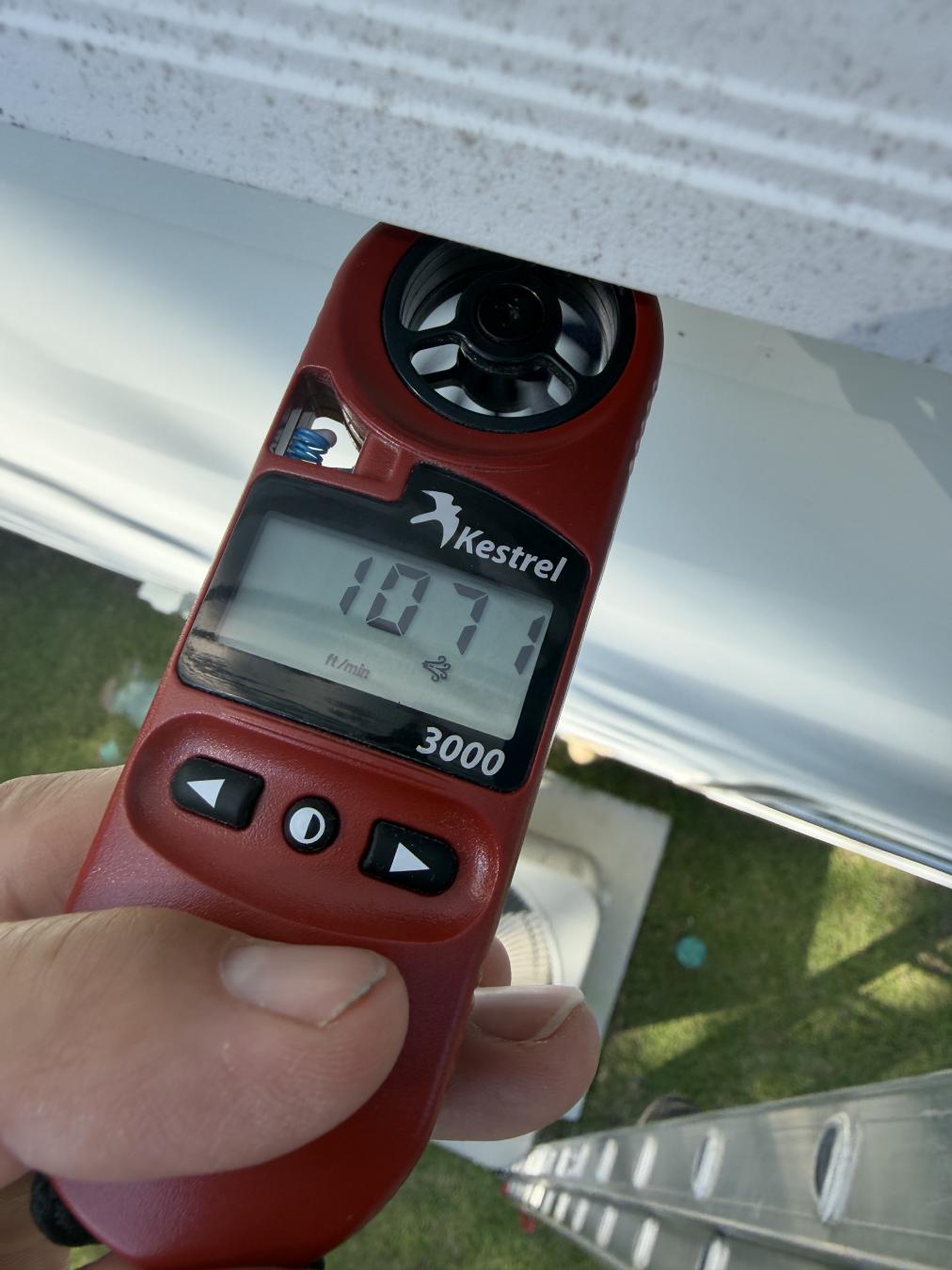
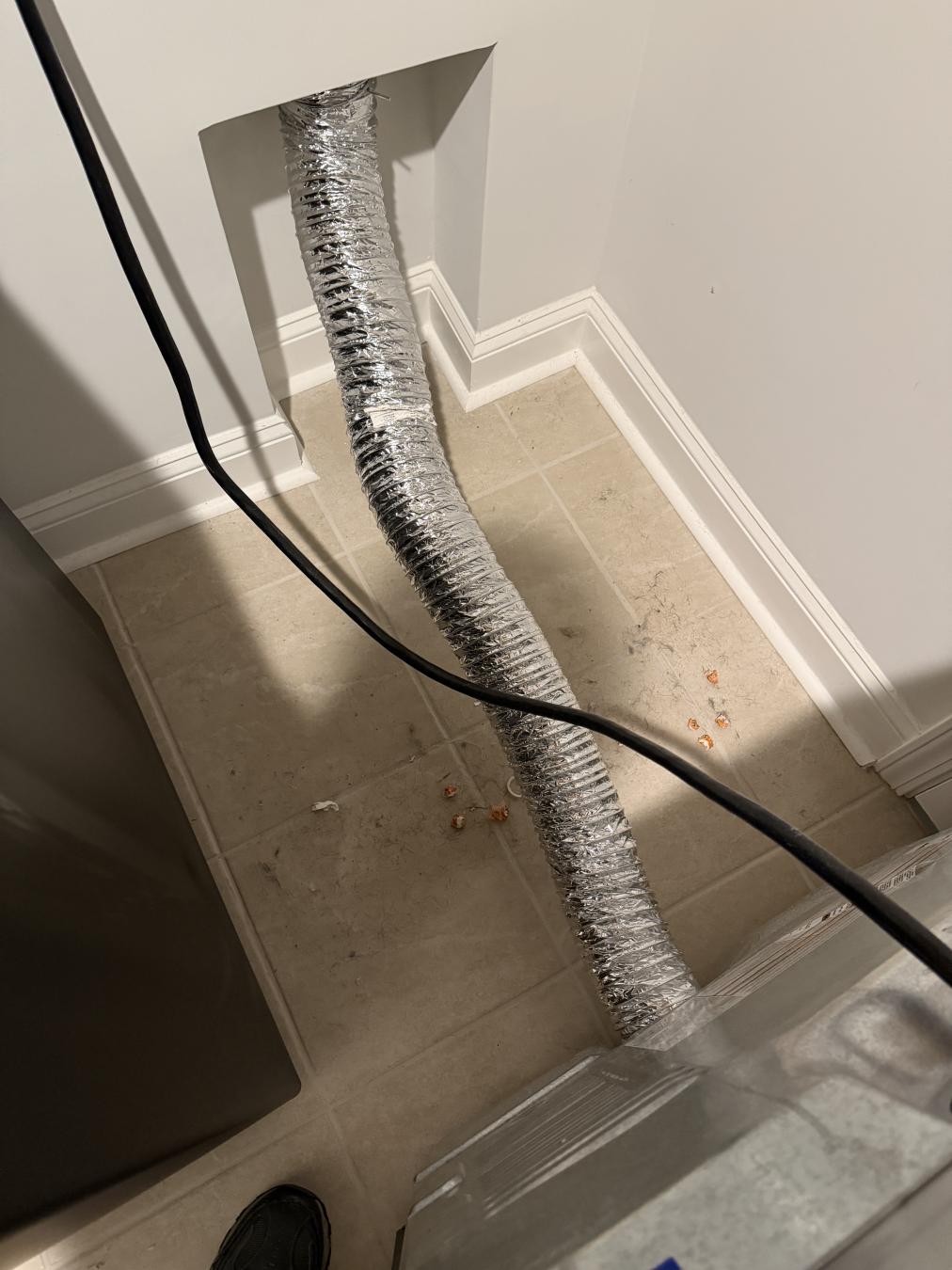
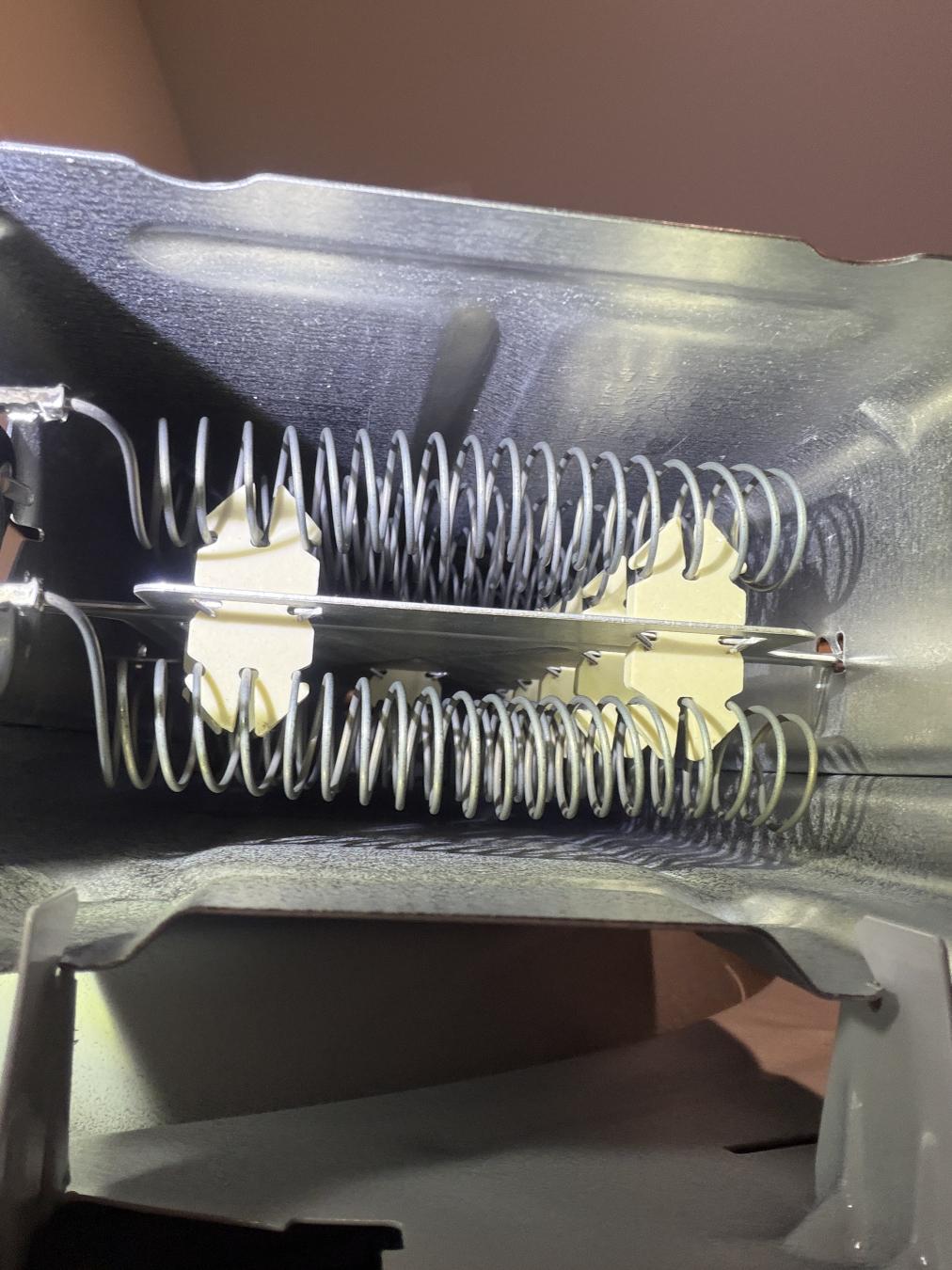
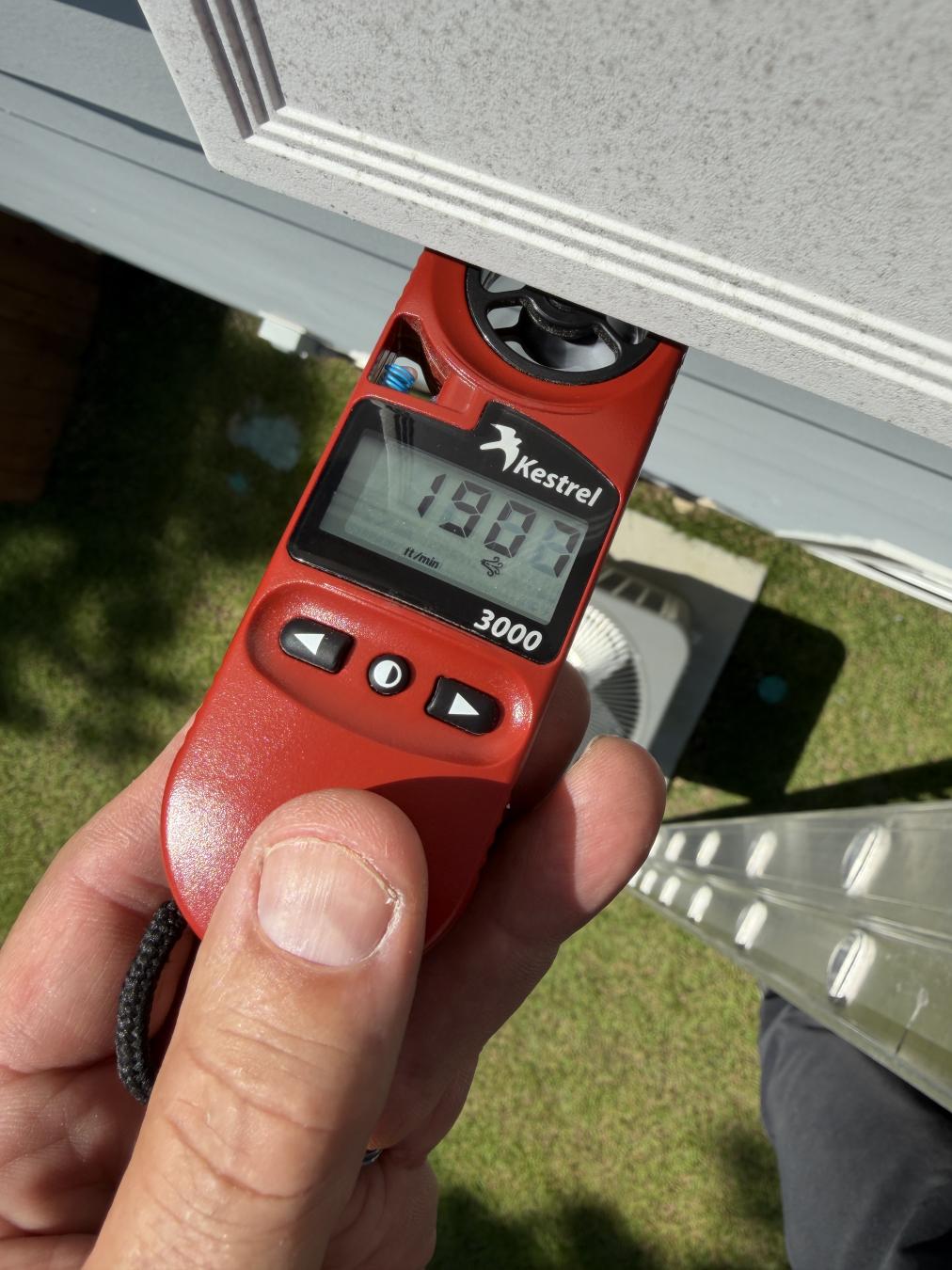
The homeowners on Cousteau Court in Johns Island had noticed their laundry taking longer to complete, even though they'd had their dryer vent cleaned just a year earlier. When Valentine Vents arrived to investigate, the C-DET certified specialist discovered the culprit wasn't excessive lint buildup in the 21-foot metal rigid vent—it was the substandard flex foil transition duct connecting the dryer to the wall. Dryer manufacturers explicitly warn against flex foil in their owner's manuals due to safety and performance concerns, so the specialist replaced it with DryerFlex, a premium semi-rigid product valued for its superior airflow and fire-retardant properties. The results were dramatic. Even with minimal lint accumulation, airflow measurements jumped from 1,071 FPM to an impressive 1,907 FPM—a 78% increase attributed almost entirely to the transition upgrade. Photos captured during the Valentine 360 Visibility camera inspection documented the transformation. After a thorough cleaning and complimentary dryer delinting, the system was restored to peak performance. The homeowners can now enjoy faster drying cycles and the confidence that comes with proper ventilation and reduced fire risk.
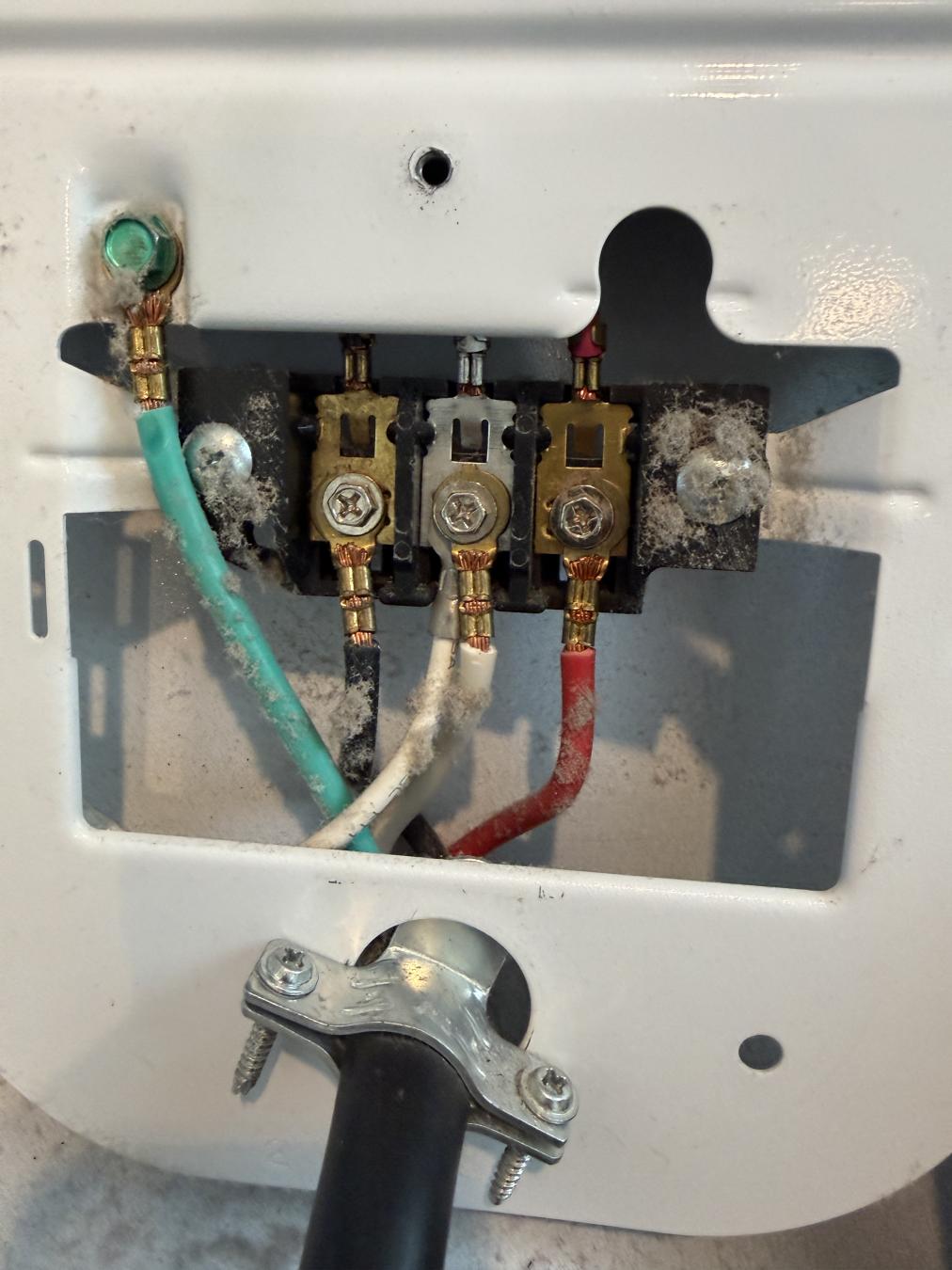
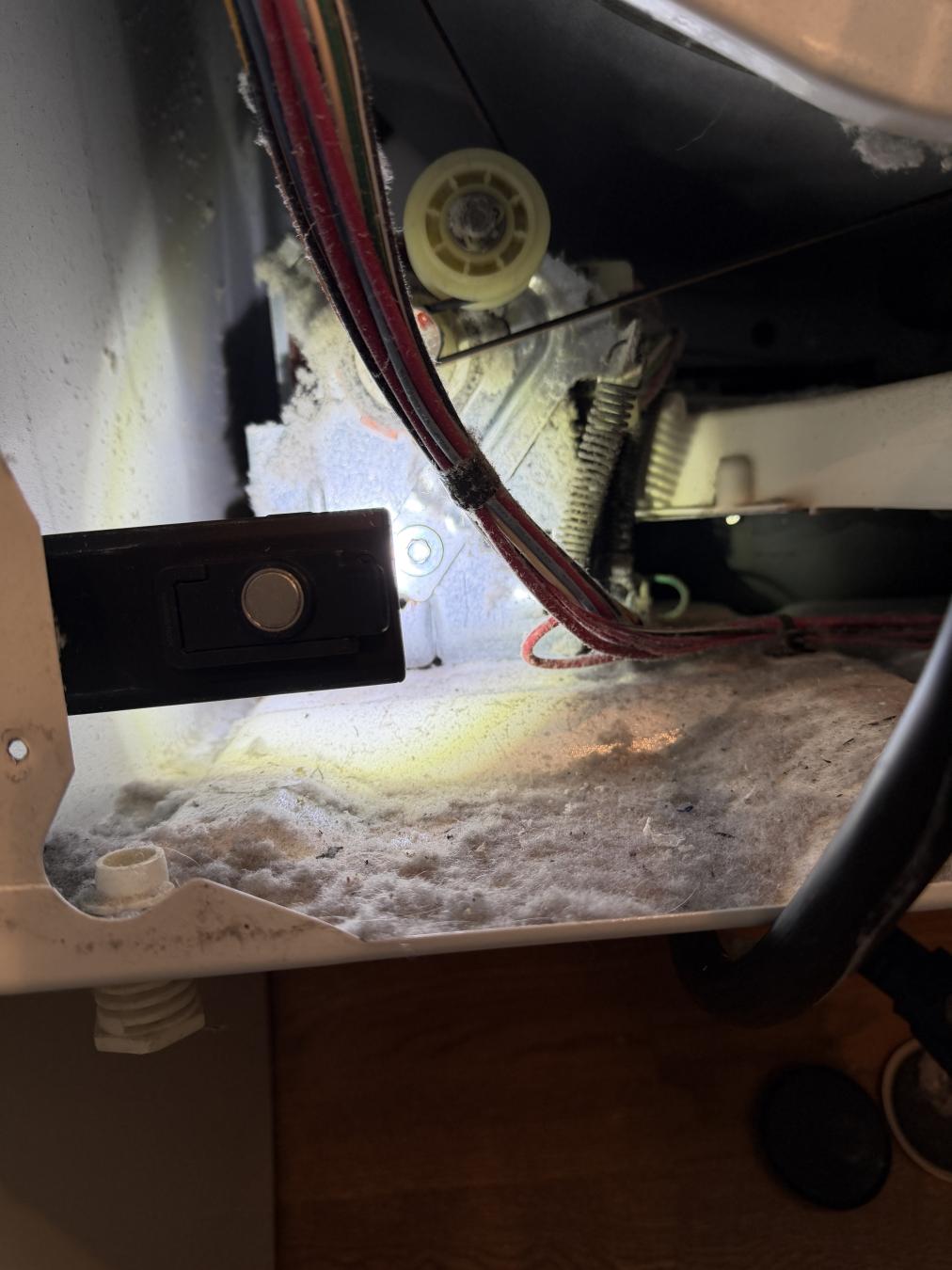
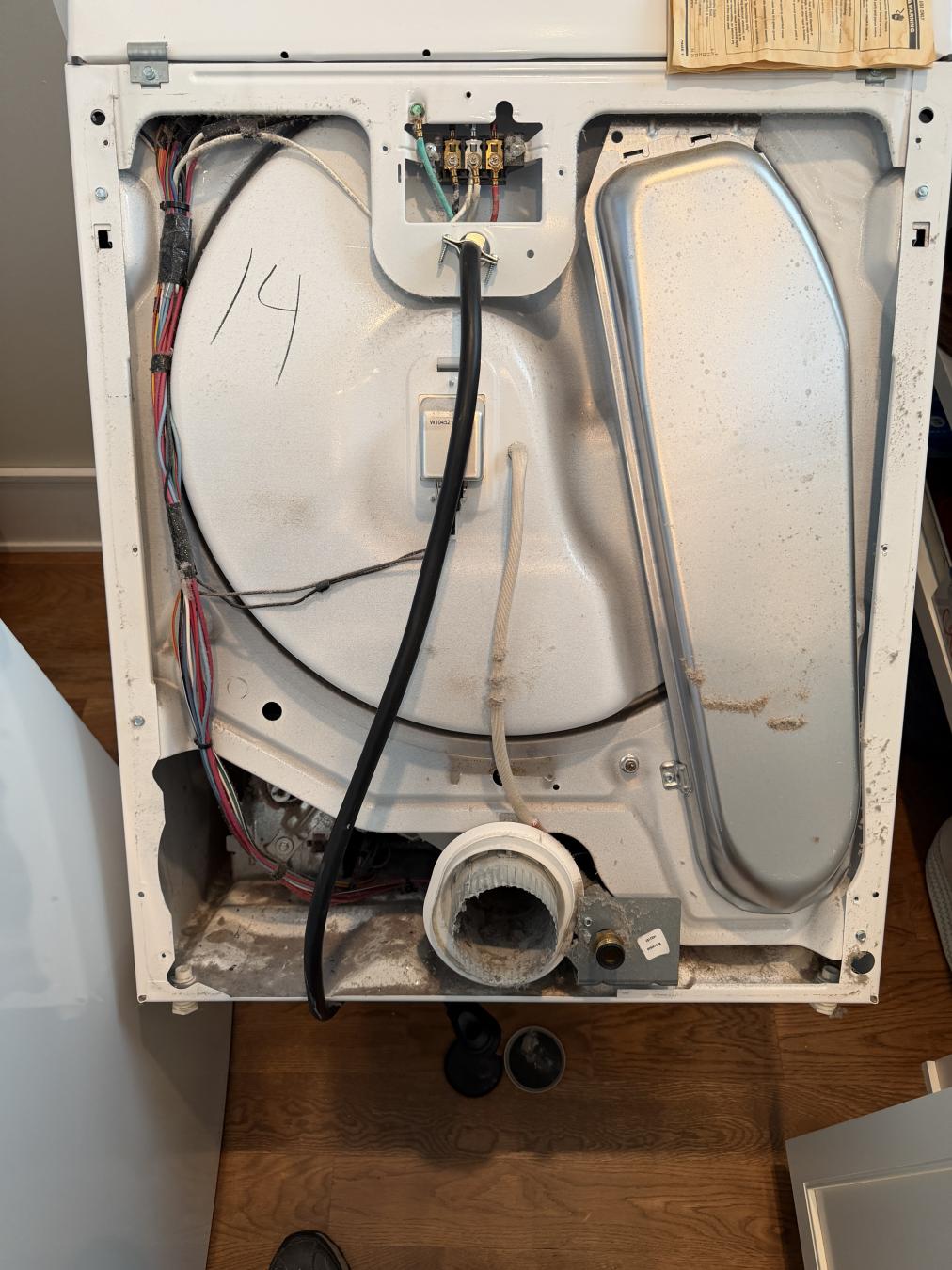
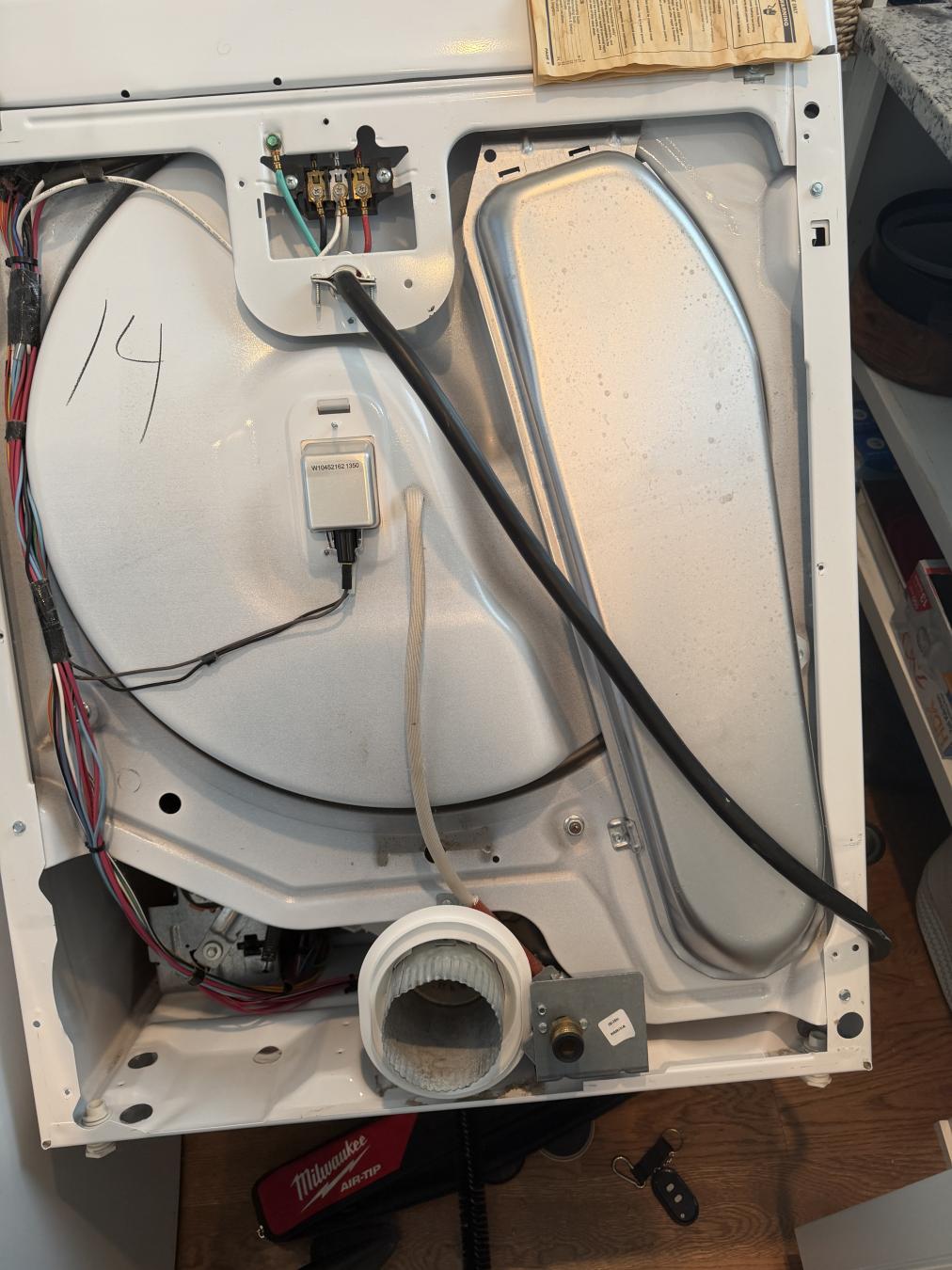
Sometimes the solution to longer drying times isn't where you'd expect to find it. When a homeowner on Canyon Oaks Dr in Mt. Pleasant reported sluggish performance, the issue became clear once the C-DET certified specialist from Valentine Vents looked beyond the vent system itself. While the 24-foot metal rigid vent with two turns showed surprisingly little lint accumulation, a thorough inspection revealed the real culprit: significant buildup inside the dryer cabinet. The specialist carefully delinted the entire unit, restoring proper airflow where it mattered most. The Valentine 360 Visibility camera inspection confirmed no rust or hidden issues throughout the system, and photos documented the thorough work completed. The homeowner also received valuable insight into what was actually affecting their dryer's performance—a reminder that effective diagnostics require looking at the complete picture. With both the vent system and dryer cabinet now professionally cleaned and inspected, this Mt. Pleasant home can count on restored efficiency and the confidence that comes from truly comprehensive care.


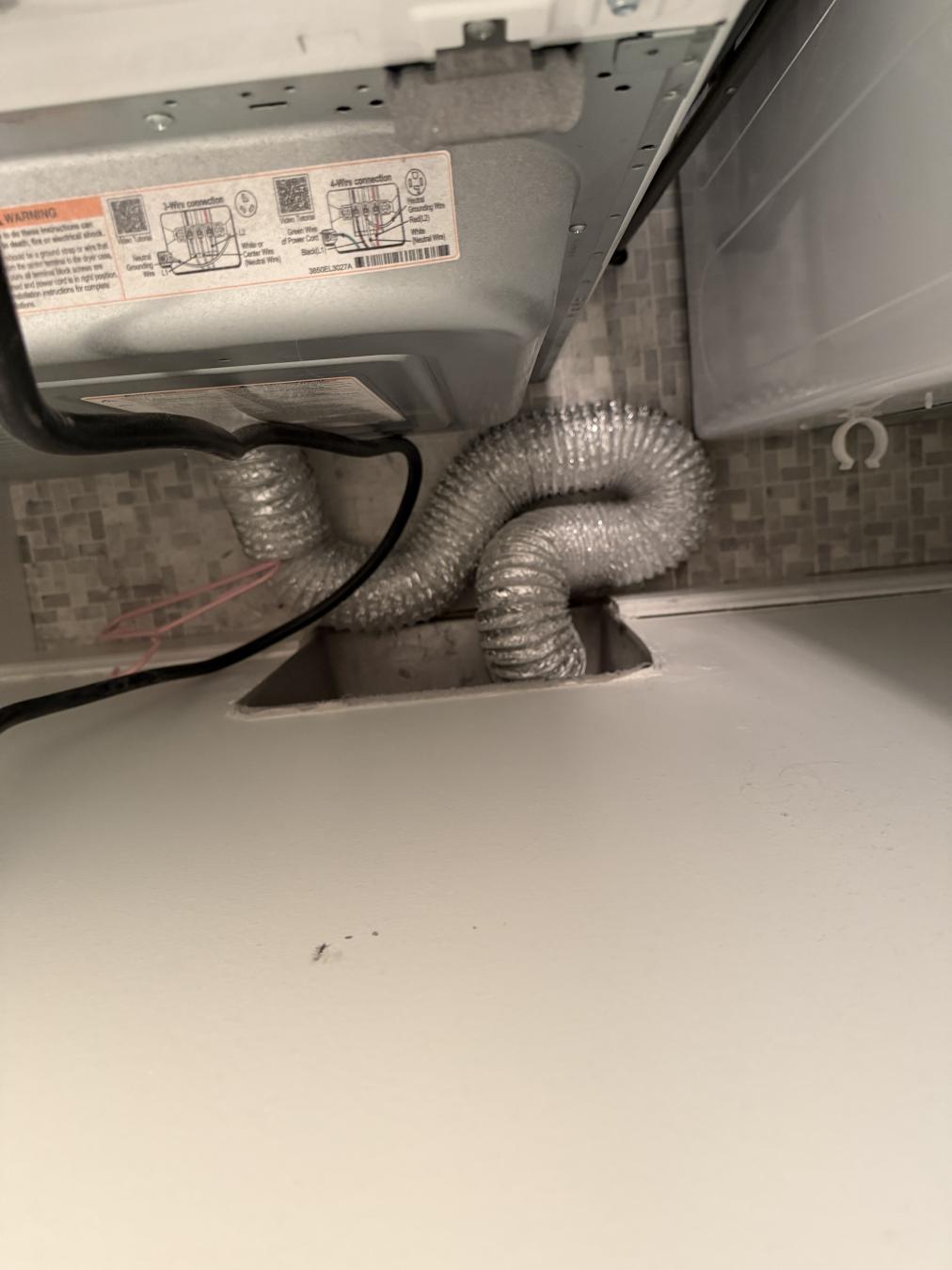

A persistent D80 error code brought Valentine Vents to a guest house on Beresford Woods Lane in Charleston, where the C-DET certified specialist discovered conditions far worse than expected. The 24-foot metal rigid vent with three turns was choked with wet lint throughout the entire run, nearly completely blocked and triggering condensation issues that compounded the problem. Initial airflow measured a struggling 594 FPM—alarmingly low for safe operation. The specialist replaced the substandard flex foil transition duct with DryerFlex, a premium semi-rigid product chosen for its superior performance and fire-retardant properties. Dryer manufacturers explicitly warn against flex foil in their owner's manuals, making this upgrade essential. A Valentine 360 Visibility camera inspection documented the extent of buildup before thorough cleaning restored the system. Post-service airflow surged to 1,528 FPM—a dramatic improvement that eliminated the error code. The homeowner also received guidance on adjusting the thermostat to reduce future condensation buildup. What began as a frustrating error message became a comprehensive restoration that revealed and resolved serious safety hazards, ensuring efficient performance and complete peace of mind.


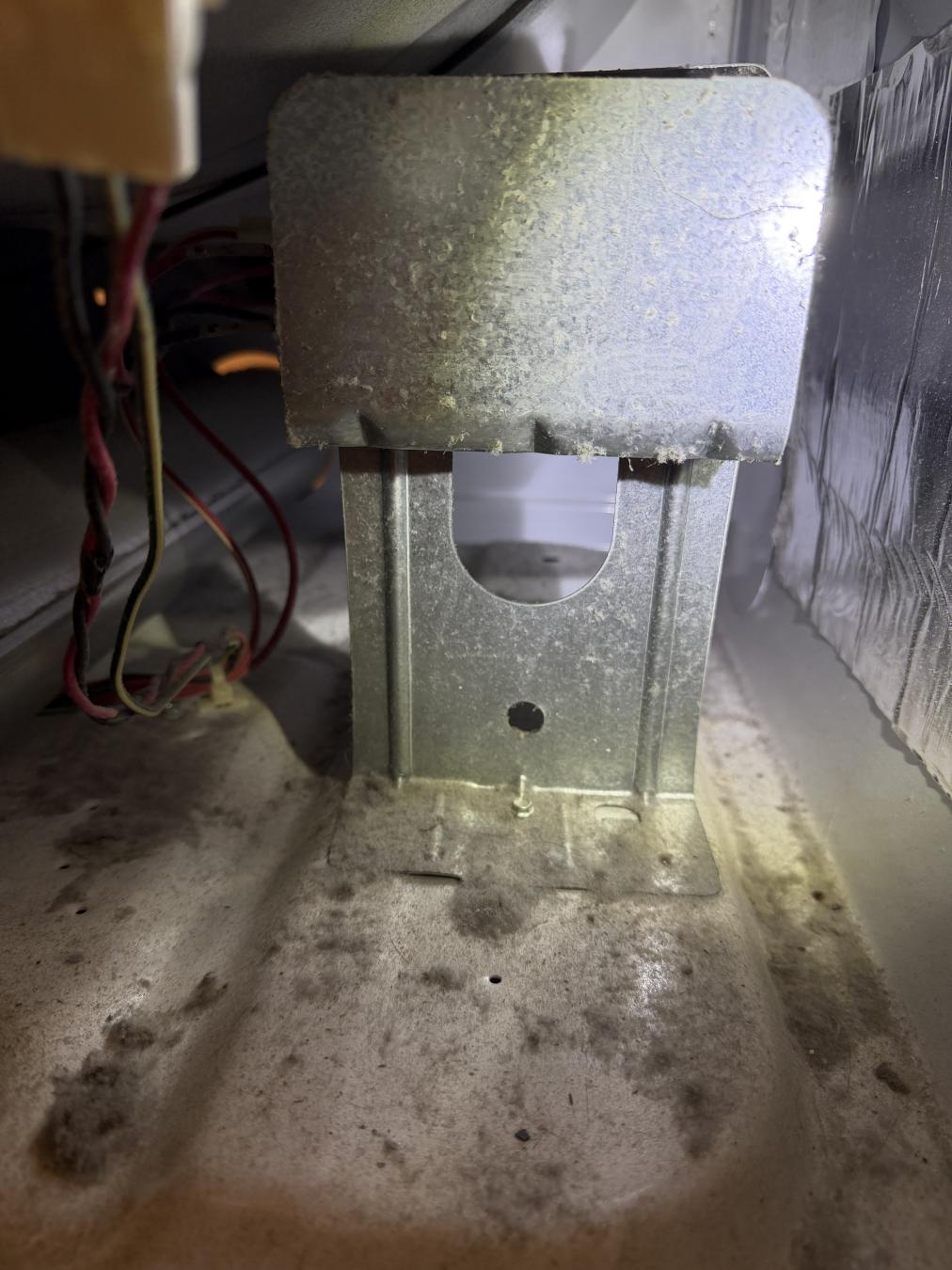
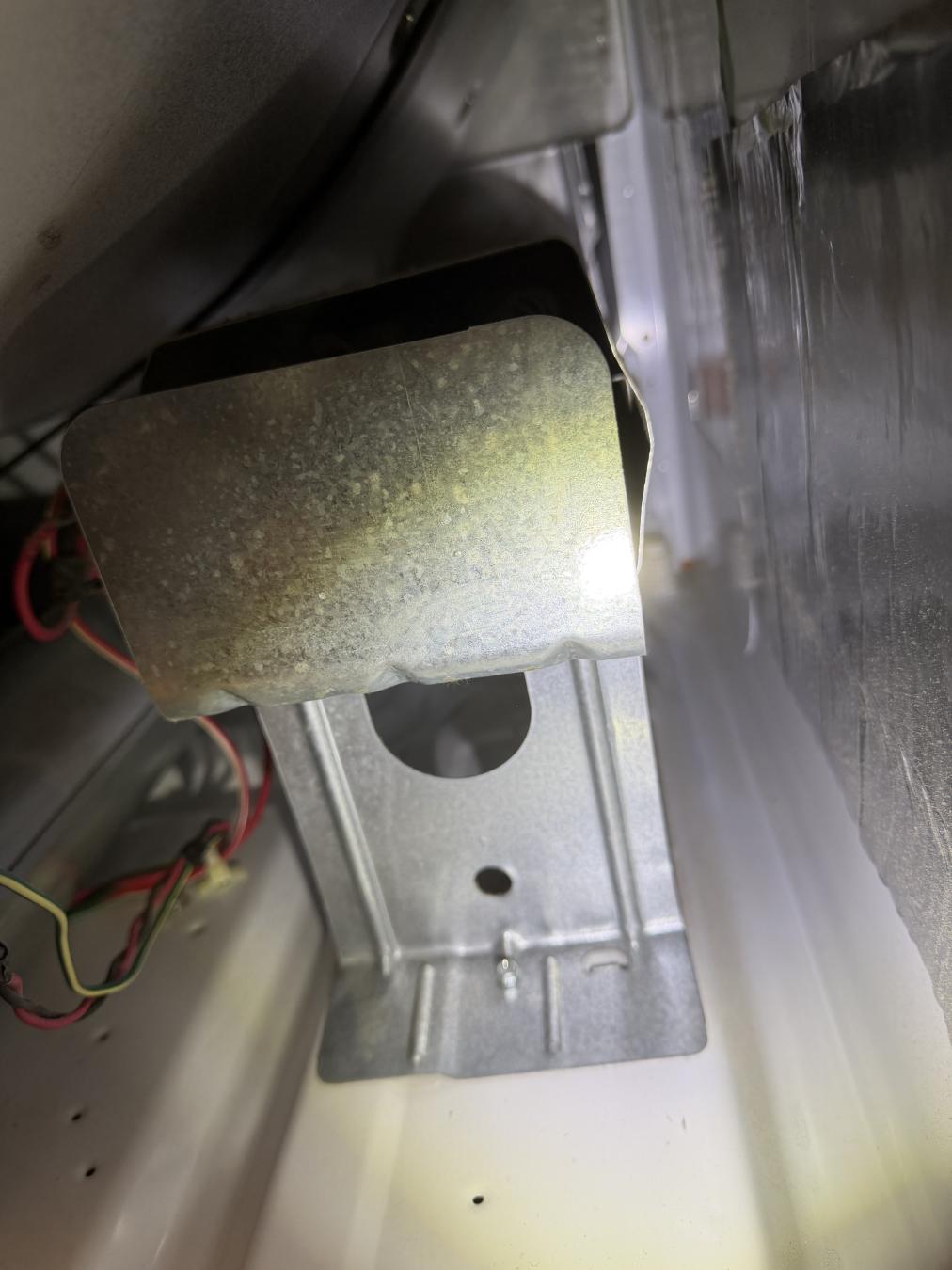
Beneath the everyday routine of laundry lies a hidden risk that many homeowners overlook until performance begins to suffer. At this Mt. Pleasant home on Rice Bay Dr, the venting system hadn't been professionally serviced in recent memory, and the consequences were evident from the start. Valentine Vents dispatched a C-DET certified specialist to investigate, and what the inspection revealed underscored the importance of regular maintenance: a significant accumulation of lint throughout the 20-foot metal rigid vent system and deep within the dryer cabinet itself. The specialist documented conditions using the Valentine 360 Visibility camera inspection, capturing detailed photos of the buildup before addressing the problem. Beyond the standard cleaning, the outdated flex foil transition duct required replacement—a material dryer manufacturers specifically warn against in their owner's manuals. It was upgraded to DryerFlex, a premium semi-rigid product chosen for its superior airflow and fire-retardant properties. The results spoke for themselves: airflow surged from 1,141 FPM to an impressive 1,714 FPM through the two-turn configuration. With the dryer cabinet thoroughly delinted and the entire system restored to proper working order, this home now operates with the efficiency and fire safety every family deserves.

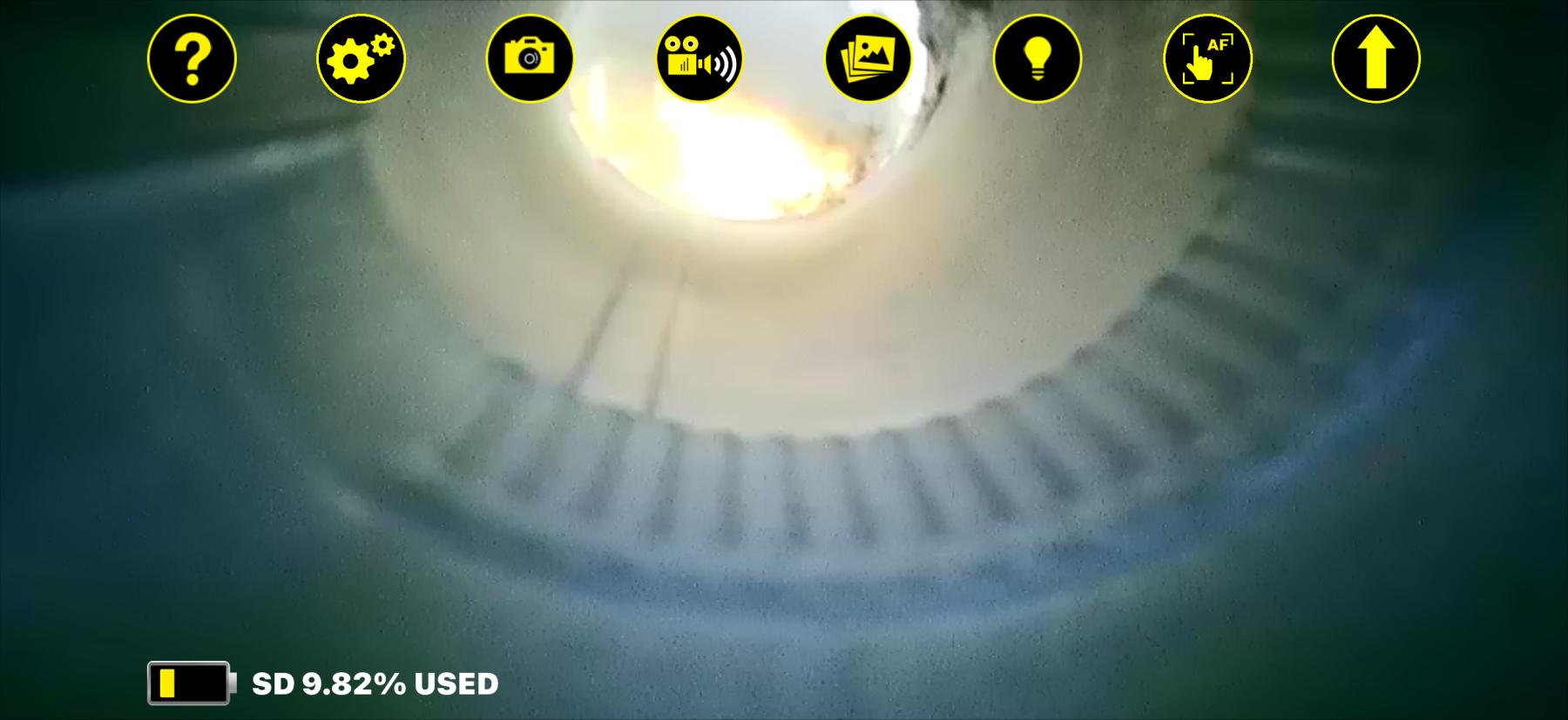
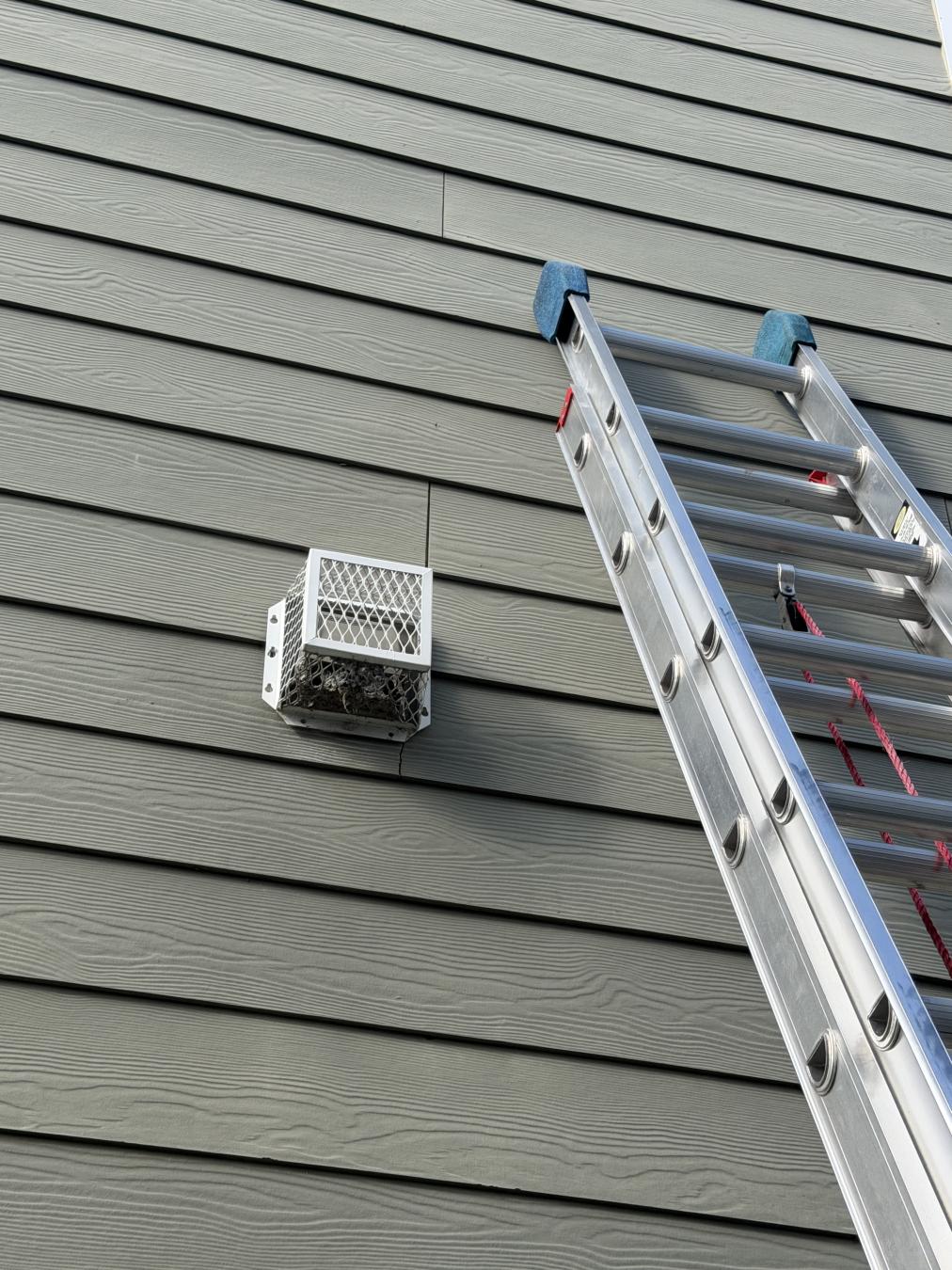
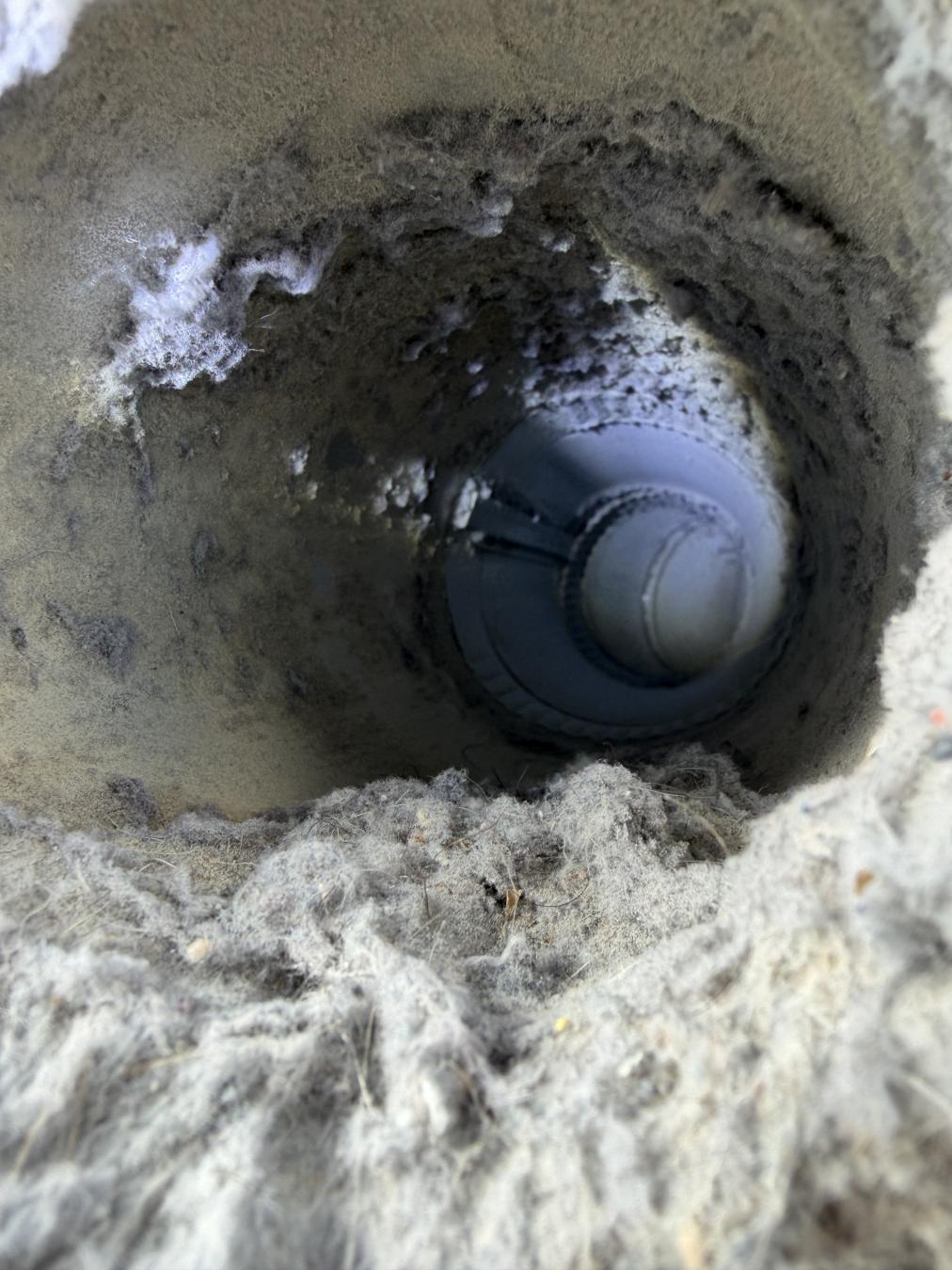
When a homeowner on Grovehurst Dr in West Ashley noticed their laundry taking longer to dry, they reached out to Valentine Vents for an expert assessment. The C-DET certified specialist discovered an unusual but not uncommon culprit: a pest cage installed over the exterior wall vent cover was trapping significant amounts of lint and restricting airflow. Combined with average lint accumulation throughout the 15-foot metal rigid vent system and within the dryer cabinet itself, the restriction was significantly impacting performance. After thorough cleaning of the entire vent line—including its two turns—and delinting the dryer cabinet, the specialist conducted a Valentine 360 Visibility camera inspection to document the results. Post-service airflow readings confirmed the improvement at 1,532 FPM. While the specialist discussed modifying the pest cage to improve ventilation, the homeowner opted to keep the current setup for now. Photos captured throughout the service documented both the initial restriction and the restored system. With proper airflow reestablished and the entire system operating as intended, this West Ashley home can now enjoy faster drying times and reduced fire risk.

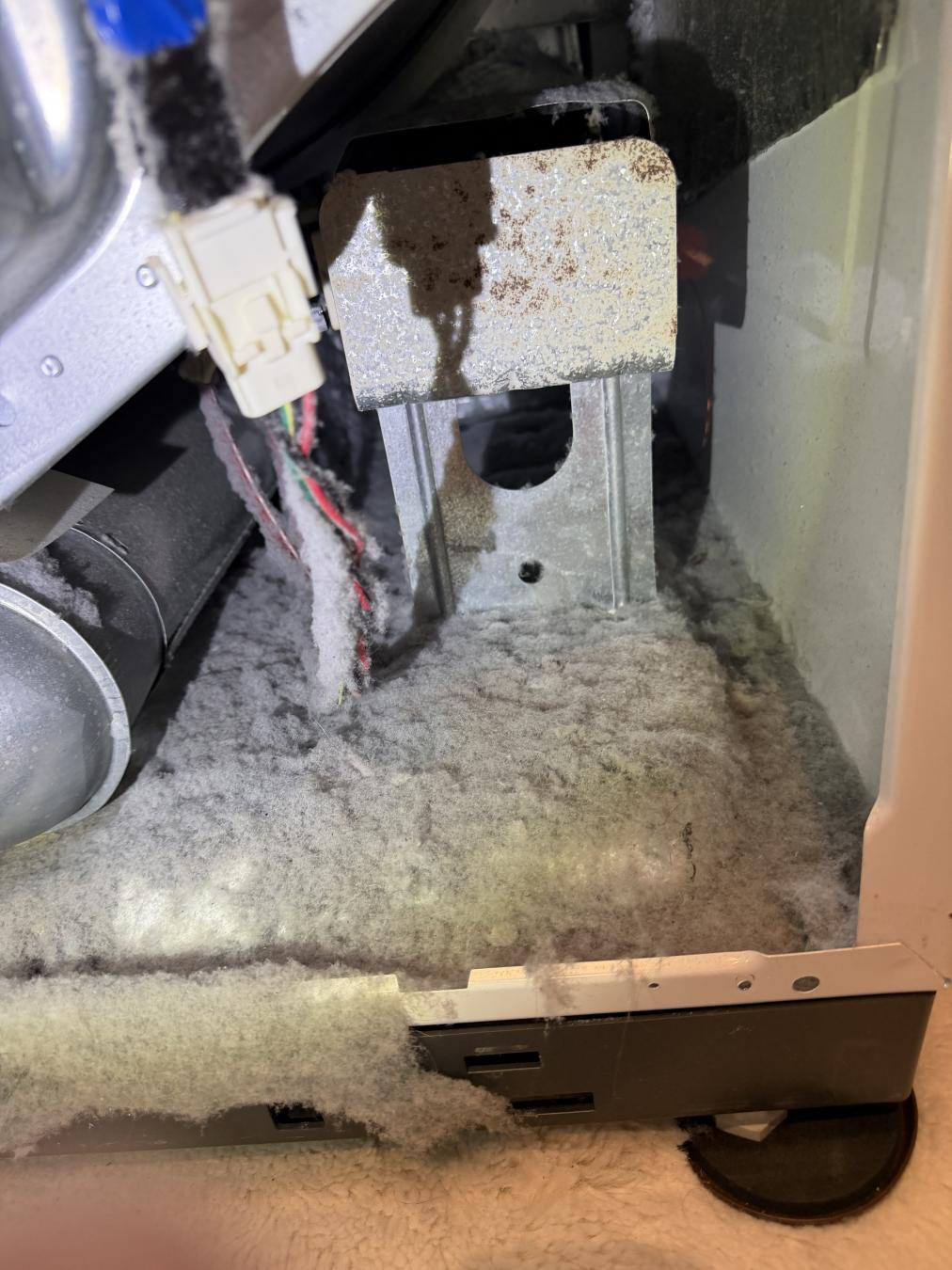
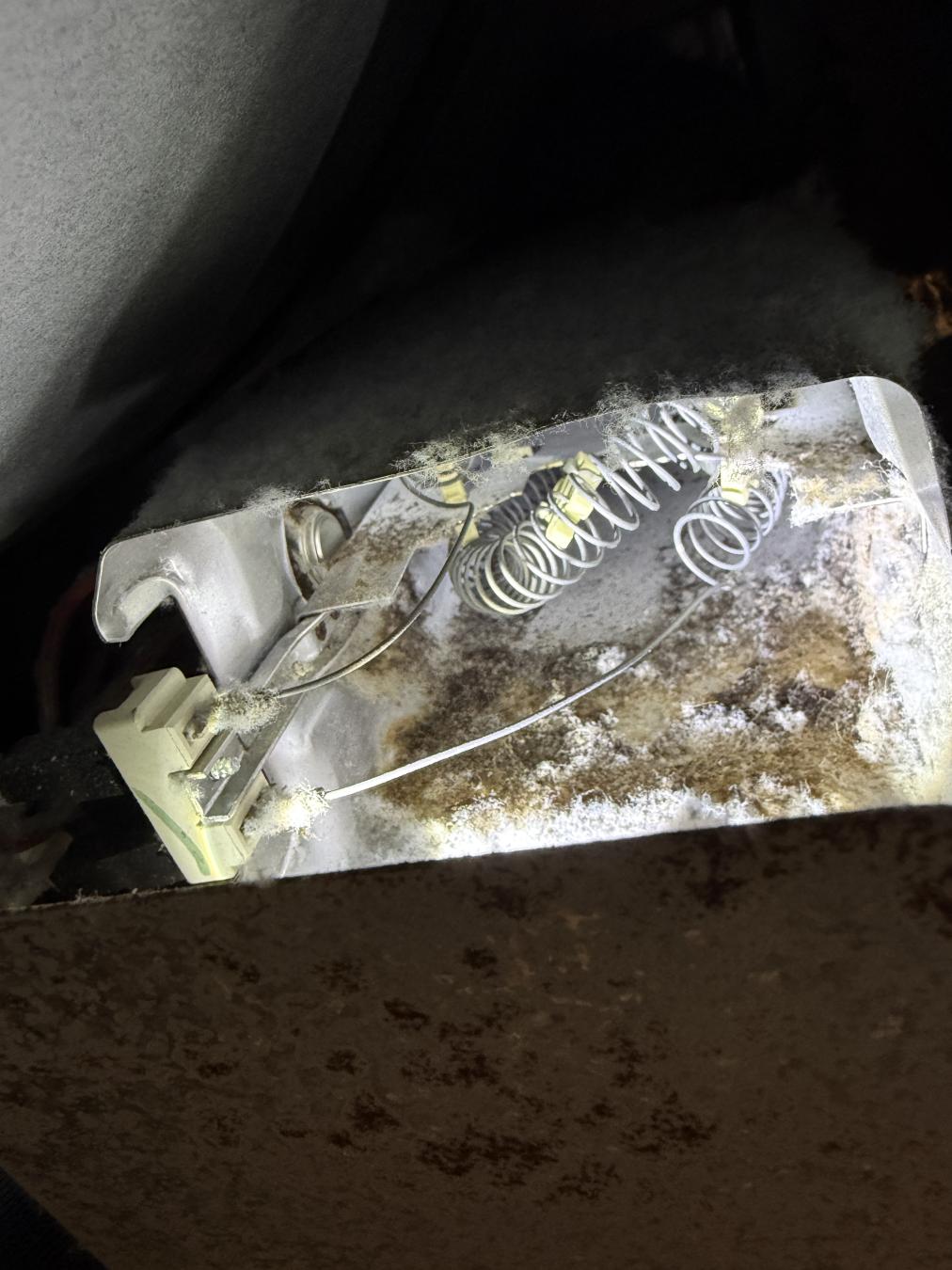
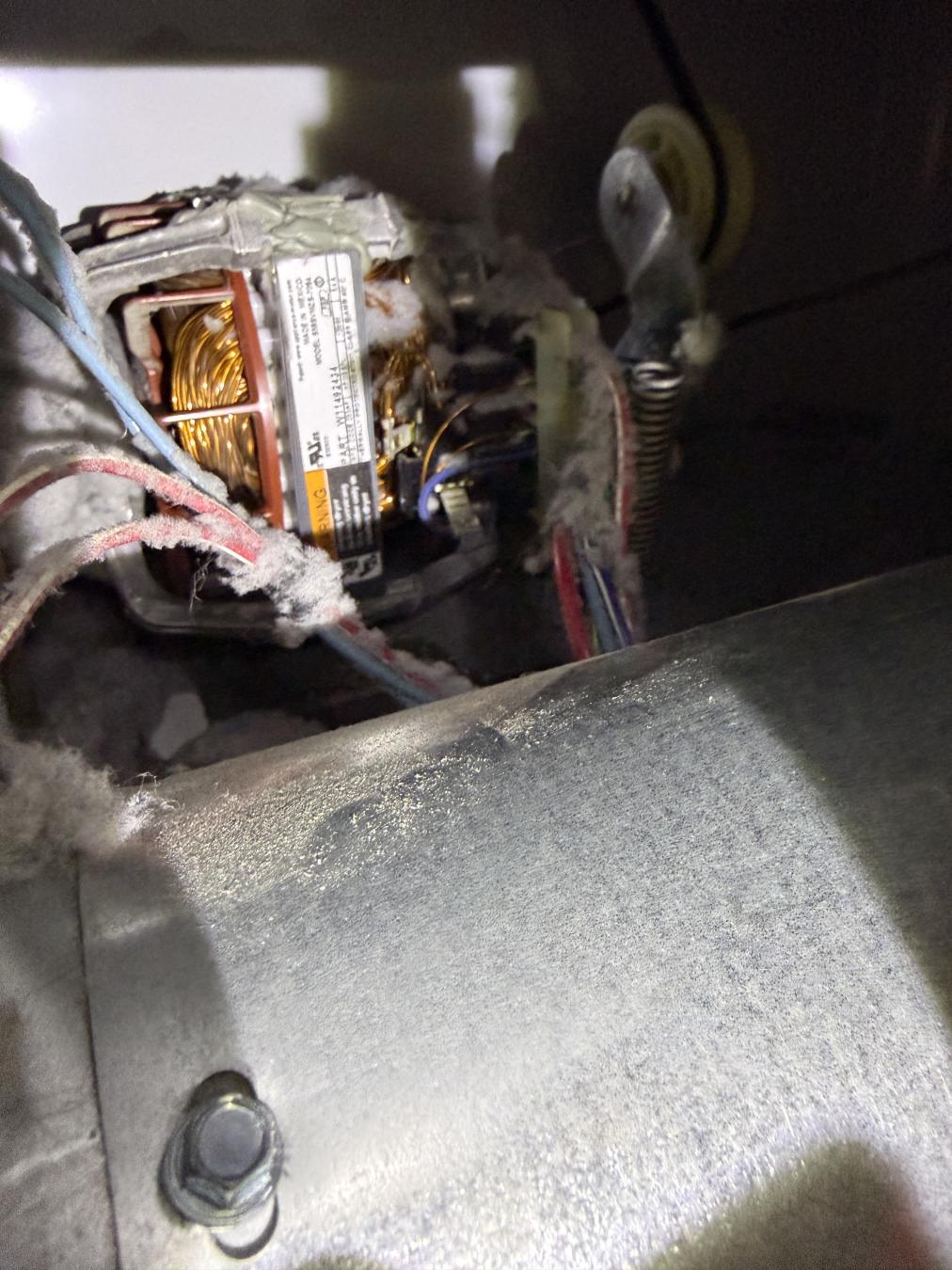
The troubling signs of longer drying times led a Daniel Island homeowner to reach out to Valentine Vents for a thorough inspection of their laundry system. What the C-DET certified specialist discovered painted a concerning picture: above-average lint accumulation throughout the 15-foot metal rigid vent, but more alarmingly, a tremendous buildup inside the dryer itself, including singed lint on the heat chamber—a clear fire hazard. Initial back pressure readings of 0.70"WC confirmed the system was severely restricted and operating well beyond safe parameters. The comprehensive service included deep cleaning both the vent and dryer interior, removing the dangerous lint accumulation that had been slowly building. The existing flex foil transition duct, a substandard material specifically warned against in dryer manufacturer manuals, was replaced with DryerFlex—a premium semi-rigid product chosen for its superior airflow and fire-retardant properties. A Valentine 360 Visibility camera inspection documented the transformation, with final back pressure readings dropping to an excellent 0.04"WC. The home on Beresford Creek Street now operates with a fully optimized dryer system, eliminating both the fire risk and the frustrating inefficiency that first prompted the call.
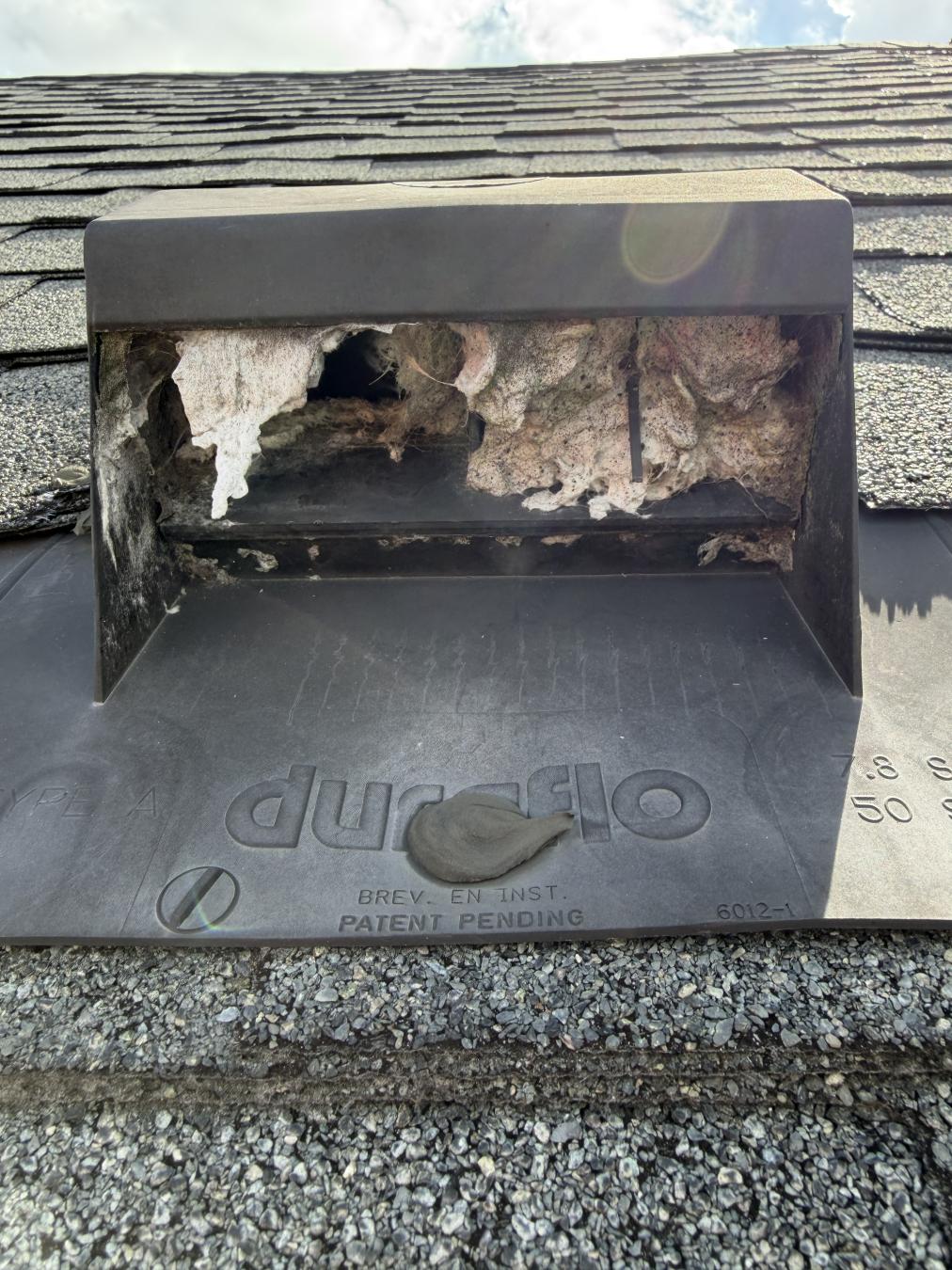
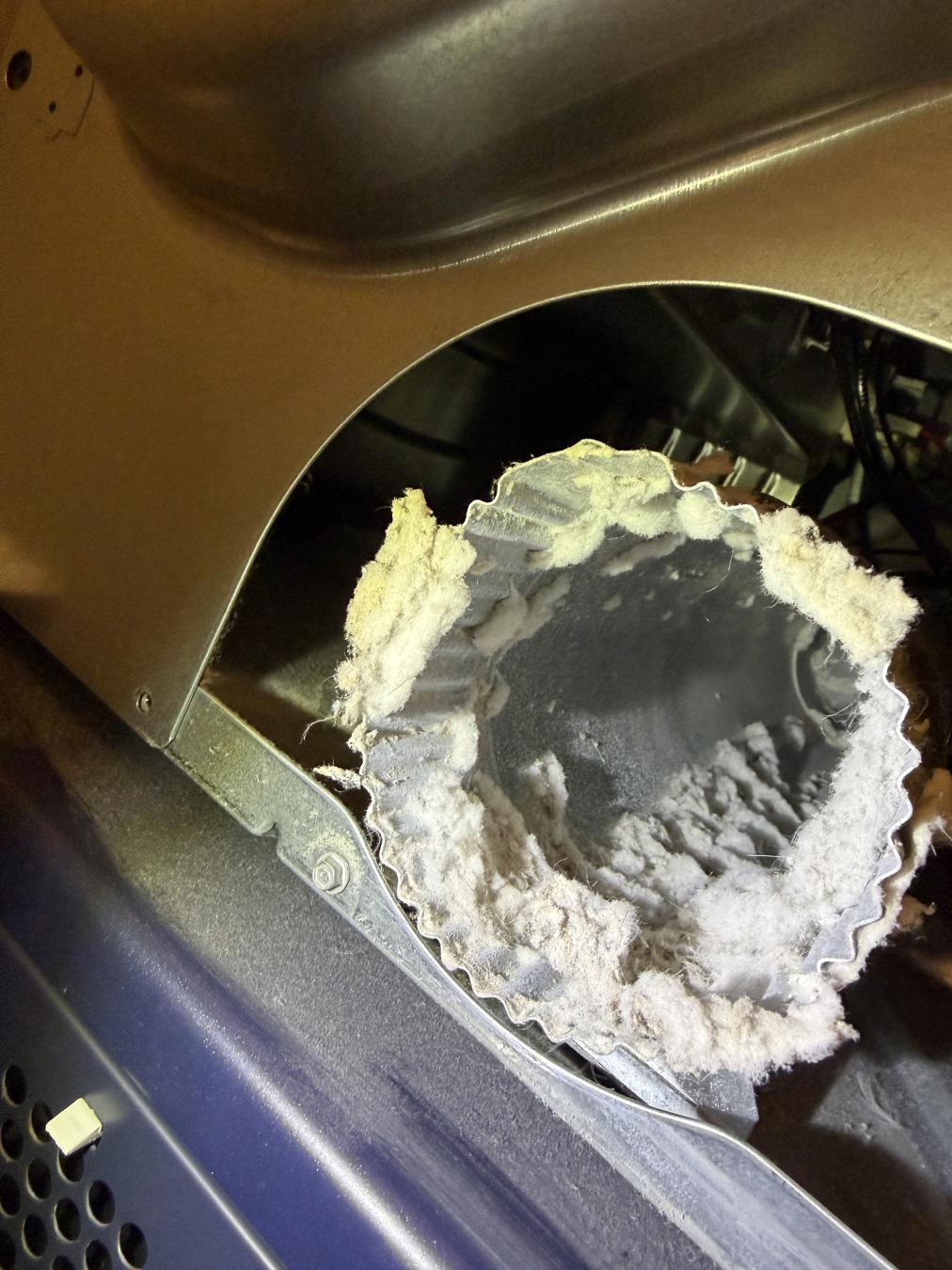

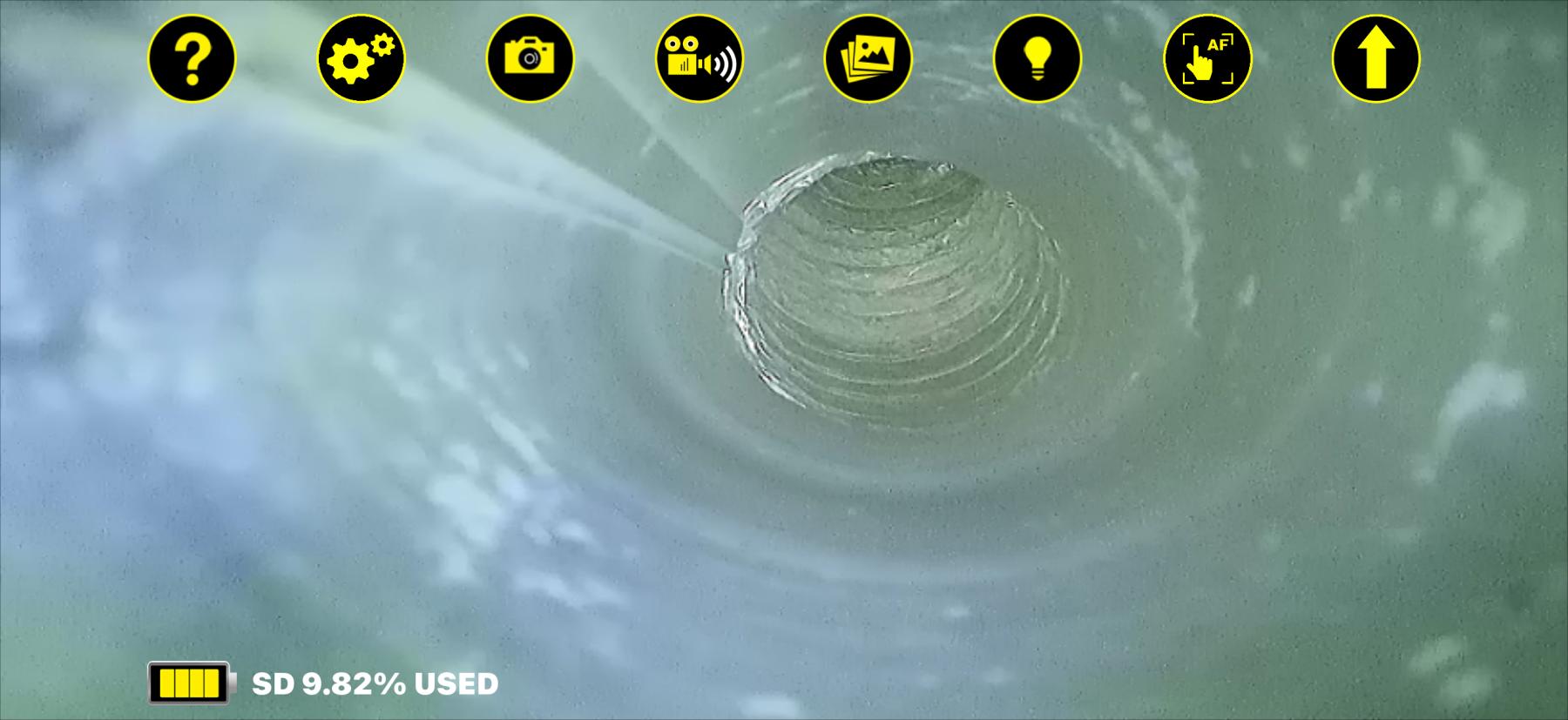
A seemingly simple dryer vent system on Charlestowne Court in Charleston was hiding a potentially dangerous problem that had gone unnoticed for who knows how long. The homeowner had been experiencing longer drying times, prompting them to call Valentine Vents for a professional assessment. What the C-DET certified specialist discovered during the inspection was alarming: the grid on the roof vent cover was almost completely blocked with accumulated lint, severely restricting airflow. The 9-foot metal rigid vent with one turn was thoroughly cleaned, and the hazardous blockage was removed to restore proper ventilation. During the service, the specialist also identified substandard flex foil connecting the dryer to the vent system and replaced it with DryerFlex, a premium semi-rigid product chosen for its superior performance and fire-retardant properties that meets manufacturer specifications. A complimentary Valentine 360 Visibility camera inspection documented the condition throughout, and photos captured the dramatic before-and-after difference. With the transition upgraded and the dangerous lint obstruction eliminated, this Charleston home now operates with the efficiency and safety every homeowner deserves.


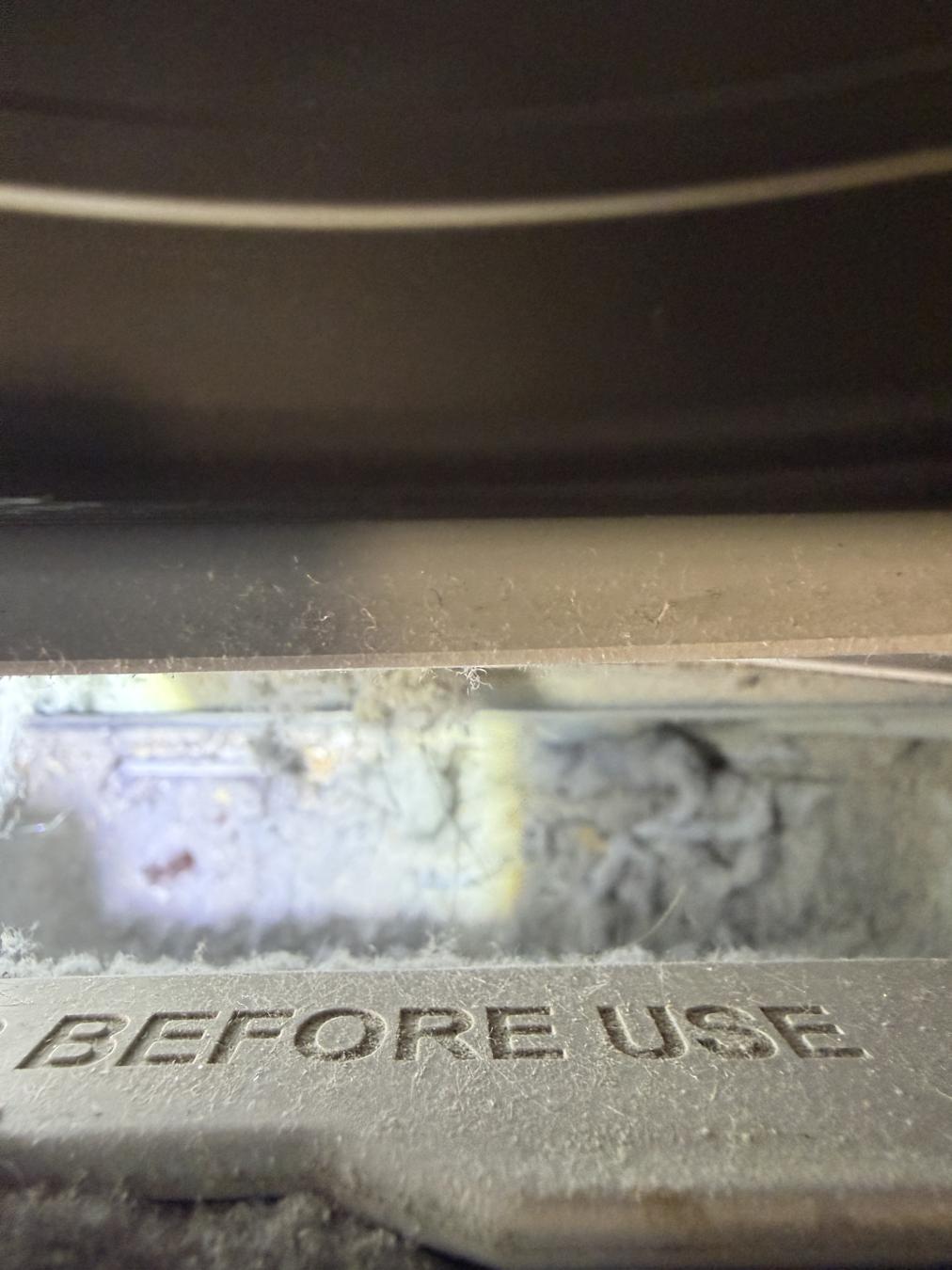
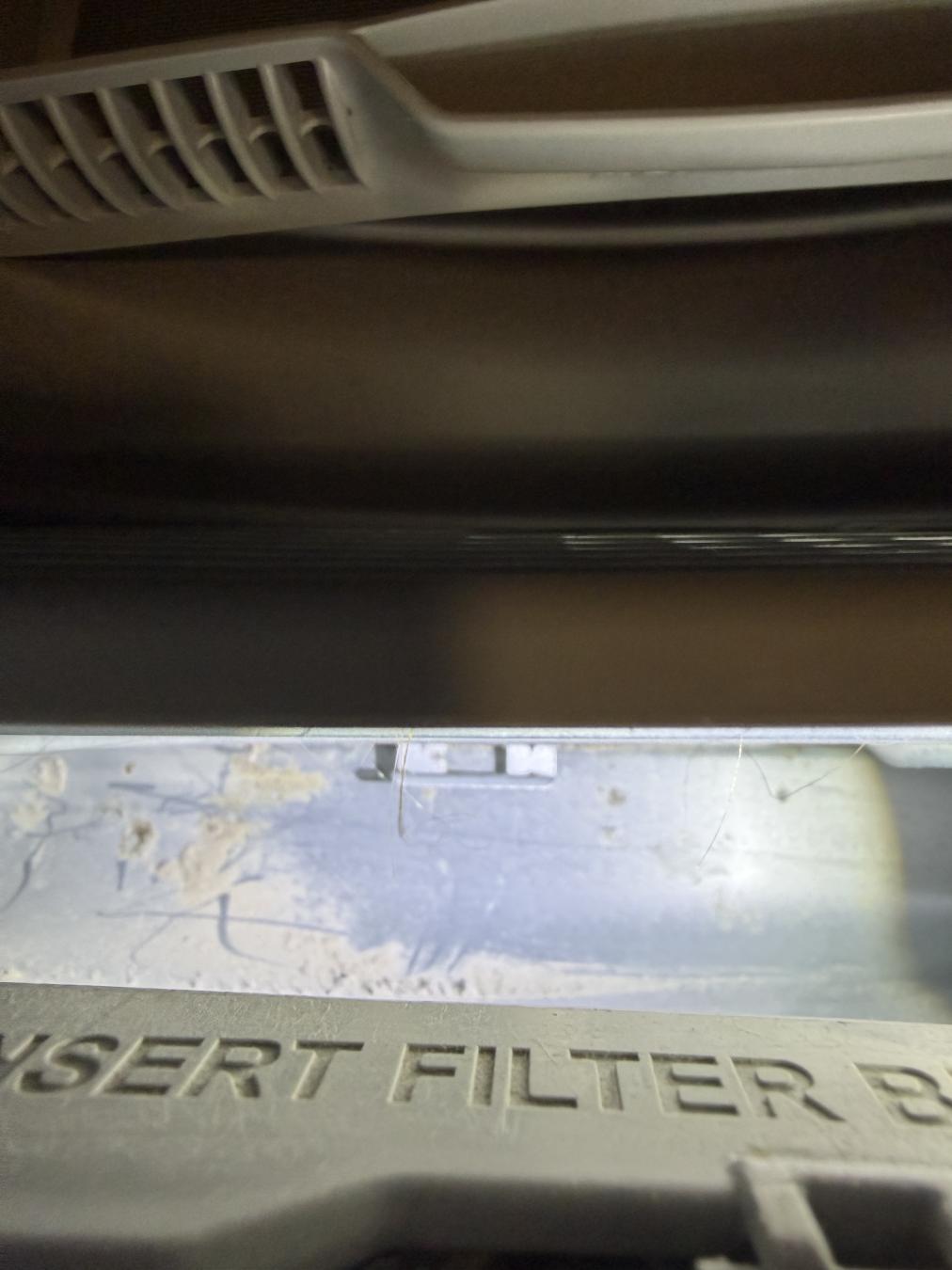
When a homeowner on River Landing Drive in Daniel Island started experiencing longer drying times, they reached out to Valentine Vents for a thorough inspection. What the C-DET certified specialist discovered underscored the importance of professional dryer vent maintenance: a substantial accumulation of lint throughout the 24-foot metal rigid vent system, including a particularly troublesome wet clump that had become lodged in the line. The moisture had caused the lint to compact, making it especially difficult to extract and significantly restricting airflow. Before service began, back pressure measured 0.87 inches of water column—well above optimal levels. The specialist also noted moderate lint buildup inside the dryer cabinet itself, which was carefully cleaned during the service. The existing flex foil transition duct was replaced with DryerFlex, a premium semi-rigid product chosen for its superior performance and fire-retardant properties; dryer manufacturers specifically advise against using flex foil in their owner's manuals. A Valentine 360 Visibility camera inspection documented the conditions before and after cleaning. Following the complete service, back pressure dropped to 0.47 inches—a dramatic improvement that restored proper ventilation. This Daniel Island home now operates with the efficiency and safety every dryer system deserves.



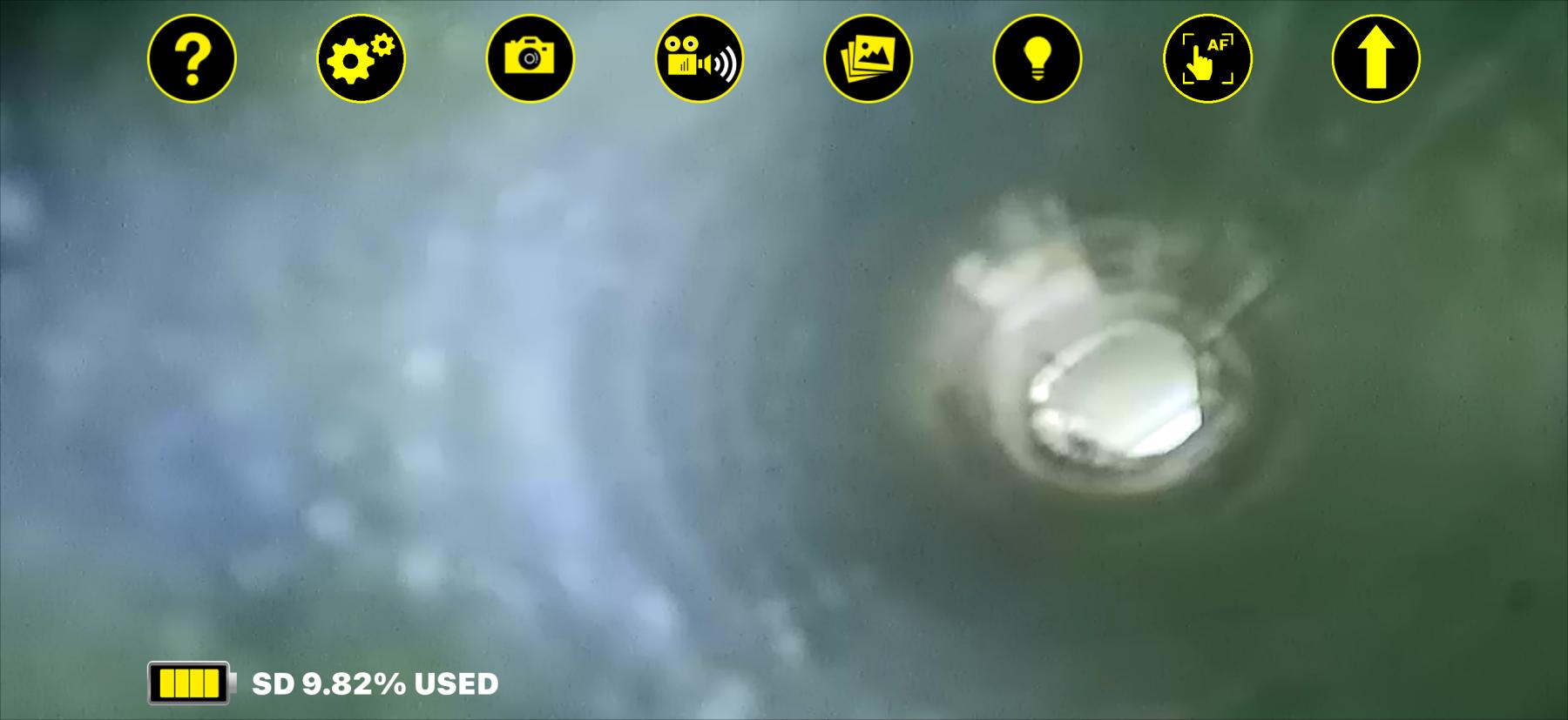
A pulsing booster fan in a lengthy dryer vent system caught the attention of the C-DET certified specialist from Valentine Vents during a recent service call on George Street in Charleston. The 36-foot vent run required a booster fan to maintain proper airflow, but the unit had developed an irregular rhythm instead of running at a steady hum. After a thorough inspection revealed surprisingly minimal lint accumulation both in the dryer cabinet and throughout the vent system, the specialist removed, meticulously cleaned, and reinstalled the booster fan to restore its performance. During the service, the substandard flex foil transition duct was replaced with DryerFlex, a premium semi-rigid product chosen for its superior performance and fire-retardant properties—exactly what dryer manufacturers specify in their owner's manuals. A Valentine 360 Visibility camera inspection documented the entire process, and photos captured the transformation. Post-cleaning testing confirmed the booster fan ran continuously at a constant level for five minutes, indicating proper operation throughout the entire system. With everything working as designed, this Charleston home now enjoys the reliable, efficient dryer performance that comes from professional maintenance.
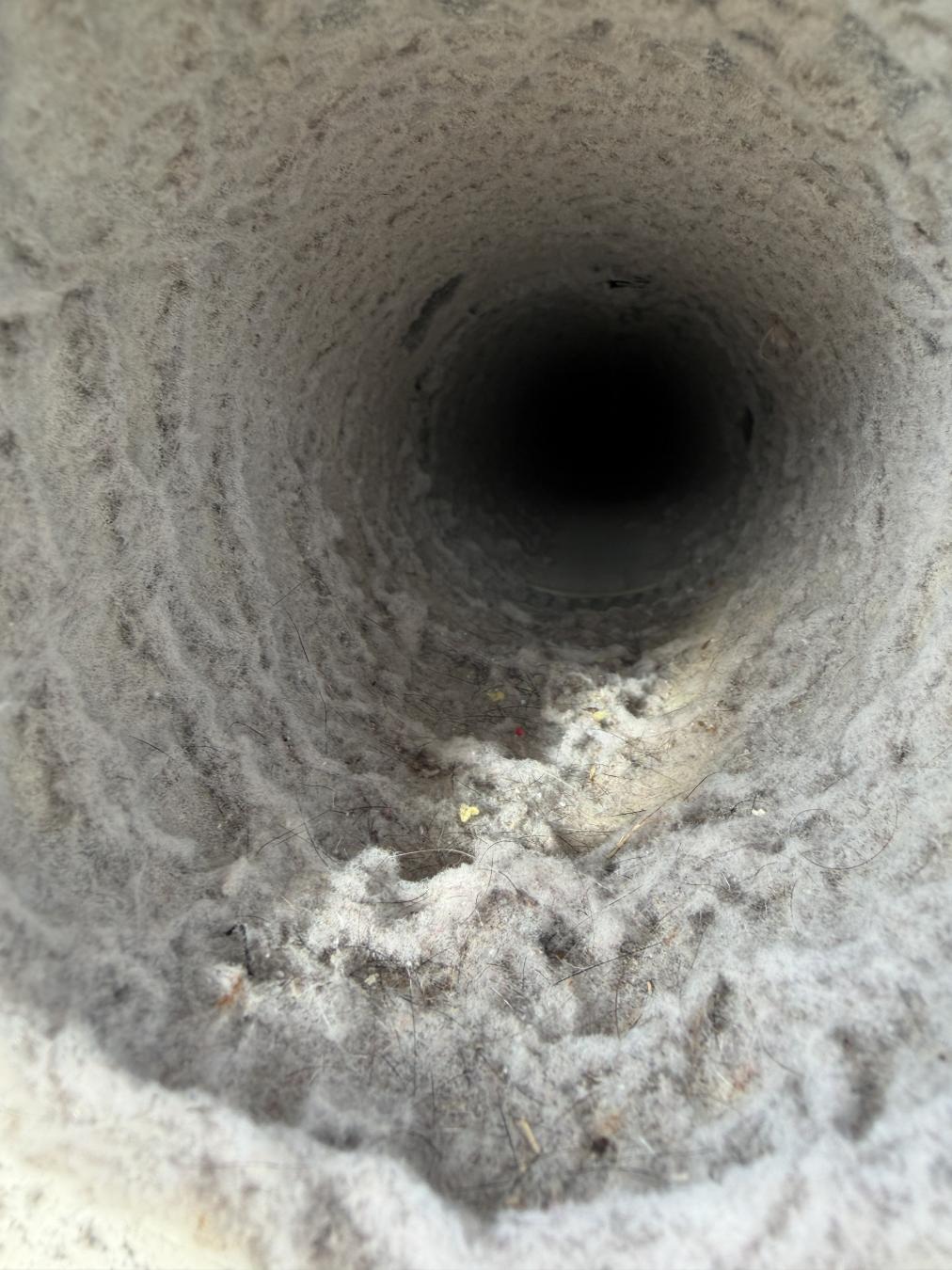

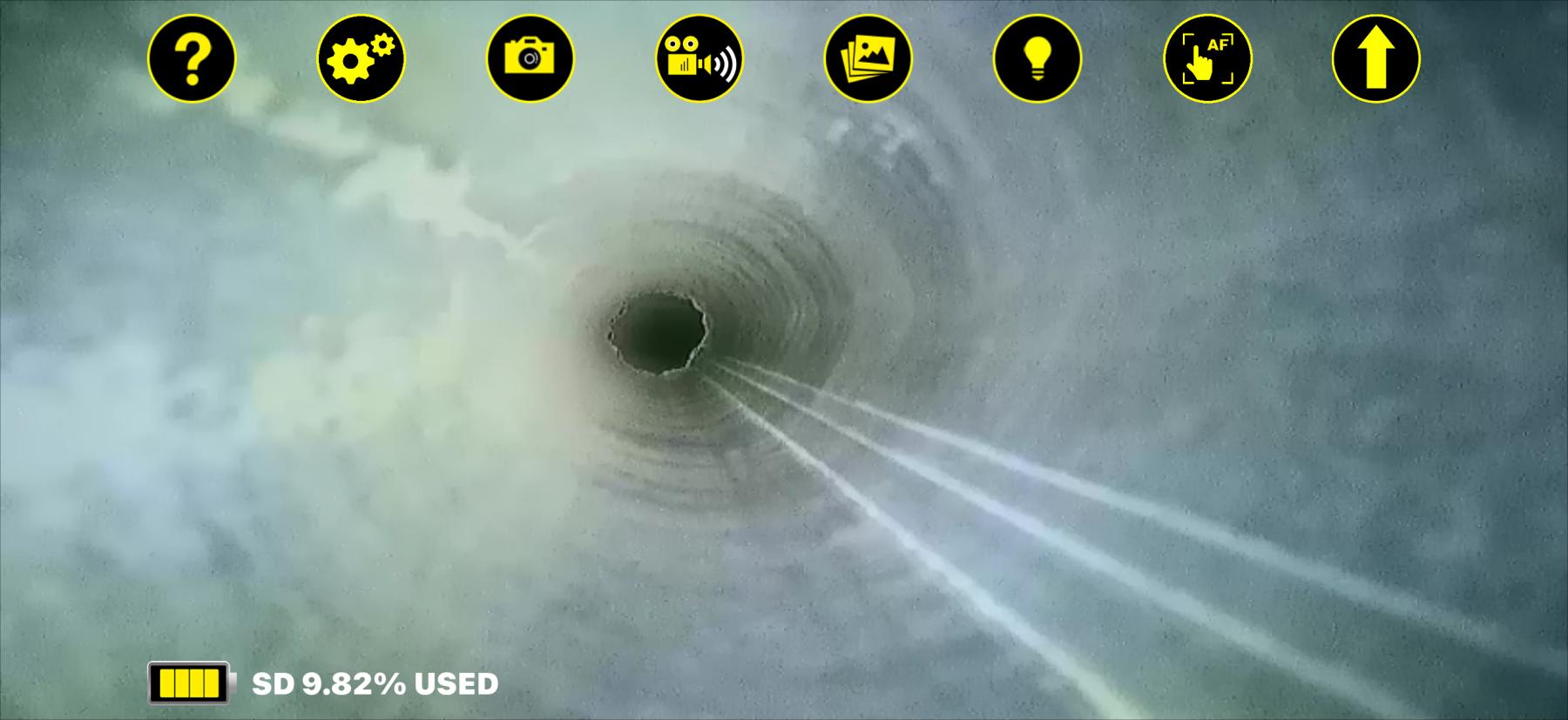

A Mt. Pleasant home on Journey Lane was experiencing the telltale sign of a clogged vent system: clothes taking far too long to dry. With over three years since the last cleaning, the 27-foot metal rigid vent had accumulated moderate lint buildup through its two turns, reducing airflow and forcing the dryer to work overtime. Valentine Vents dispatched a C-DET certified specialist to restore the system to proper function. During the inspection, the team discovered substandard flex foil connecting the dryer to the vent line—a material specifically prohibited in dryer manufacturer guidelines due to fire risk. The specialist replaced it immediately with DryerFlex, a premium semi-rigid alternative known for superior airflow and fire-retardant properties. After a thorough cleaning that included delinting the dryer interior and a Valentine 360 Visibility camera inspection to document the work, airflow measurements told the story: performance jumped from 1,093 FPM to 1,303 FPM. Photos captured throughout the service provide the homeowners with a complete record of the improvements. With proper airflow restored and hazardous materials removed, this family can now enjoy faster drying times and the peace of mind that comes with a safer home.
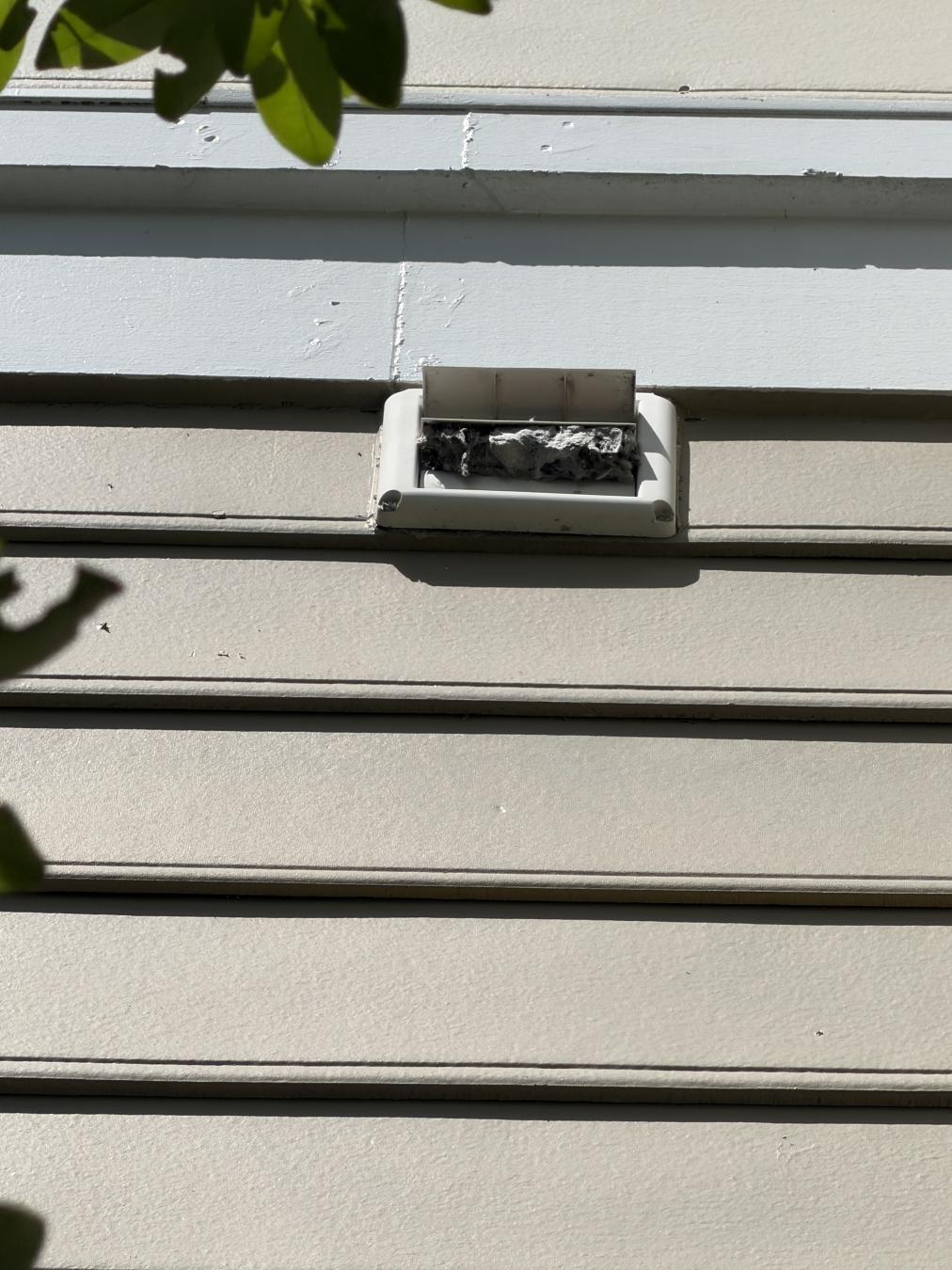
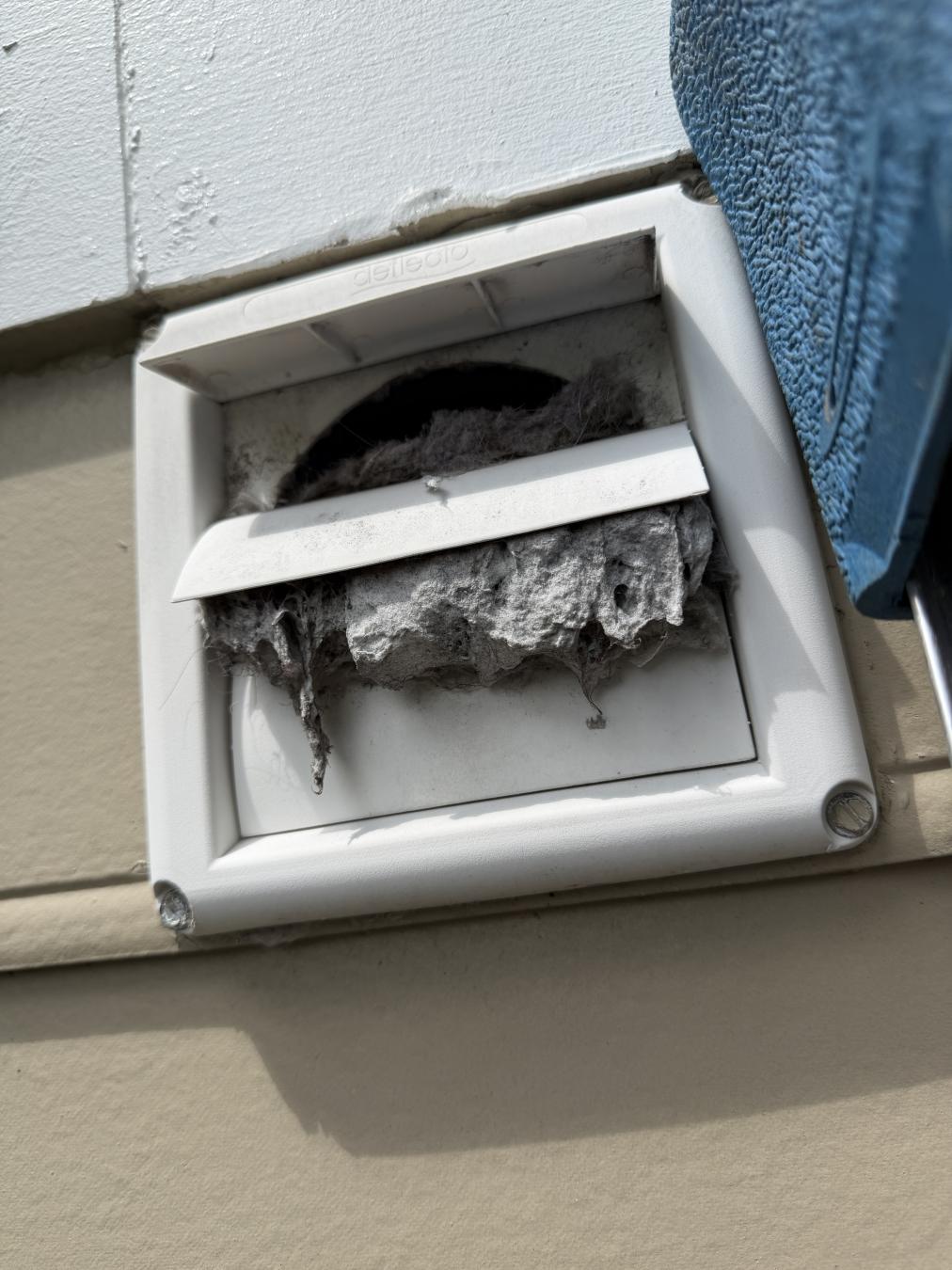
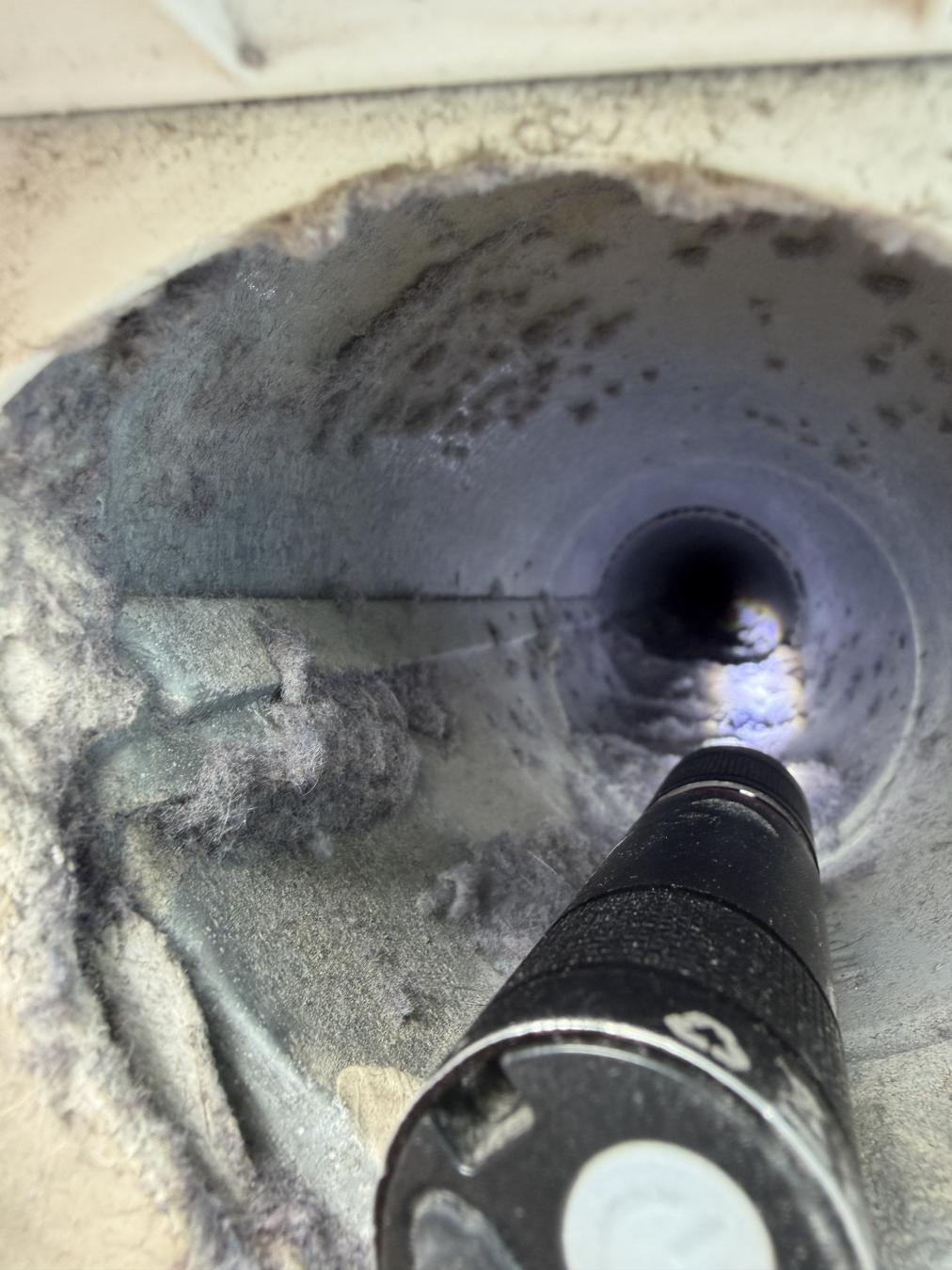
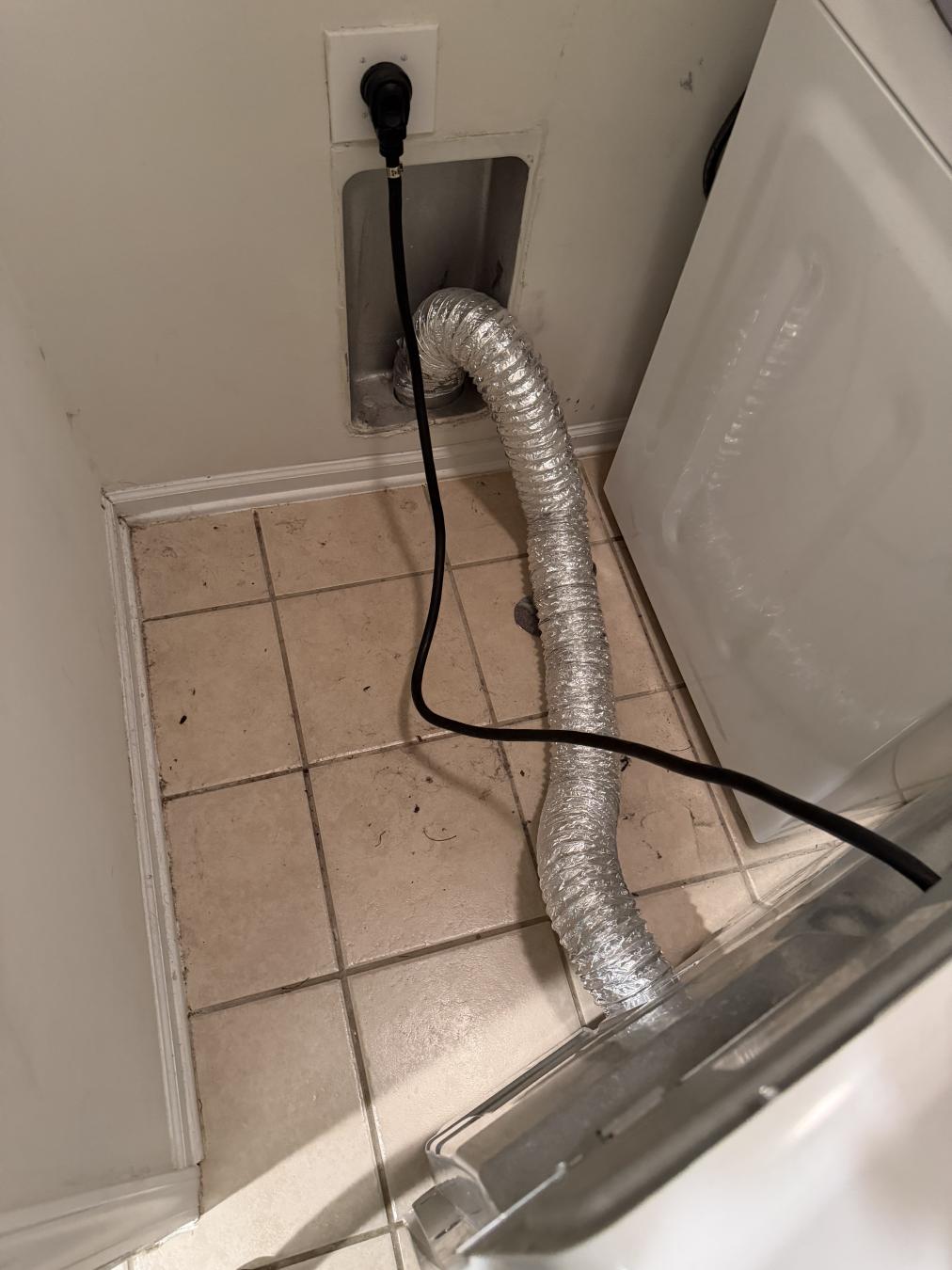
When longer drying times became a persistent issue on Egret Crest Lane in West Ashley, the homeowner turned to Valentine Vents for answers. What the C-DET certified specialist discovered was a textbook case of neglected maintenance: the three-flap wall vent cover was completely blocked with lint, and a significant accumulation had built up throughout the 24-foot metal rigid vent system with its two turns. Despite the severity of the blockage, very little lint was found in the dryer cabinet itself—evidence that the appliance was functioning properly but couldn't overcome the restricted exhaust path. The thorough cleaning made an immediate difference, with airflow measurements jumping from 1,150 FPM to an impressive 1,725 FPM. The specialist also performed a complimentary interior delinting of the dryer and conducted a Valentine 360 Visibility camera inspection to document the condition and verify complete removal of all debris. Photos captured during the service tell the story of transformation from obstructed to optimized. With proper airflow restored and the system running as designed, this West Ashley home is now operating safely and efficiently once again.

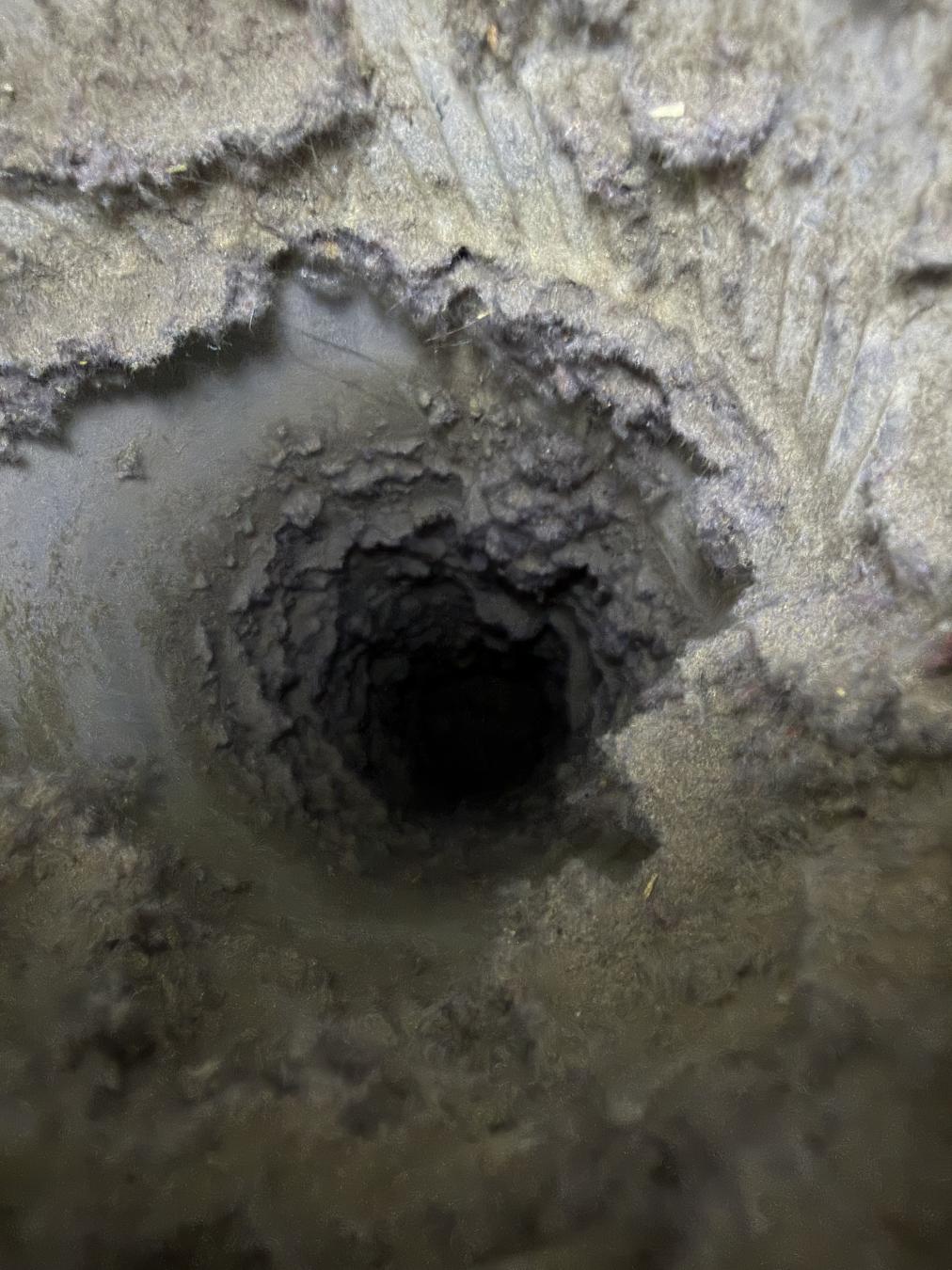


When Charleston's James Island residents called Valentine Vents for what seemed like routine maintenance, their C-DET certified specialist discovered a potentially dangerous situation on Rivers Point Row. The 24-foot metal rigid vent system, running through two turns, was almost completely blocked along its entire length—a serious fire hazard that had been building undetected. Making matters worse, lint had accumulated inside the dryer cabinet itself, compounding the risk. The specialist thoroughly cleaned the compromised system and removed the hazardous buildup from within the appliance. During inspection, the substandard flex foil transition duct was replaced with DryerFlex, a premium semi-rigid product selected for its superior performance and fire-retardant properties that meets manufacturer specifications. The existing wall vent cover, while not closing completely, remained functional enough to monitor rather than replace immediately. Photos captured throughout the process documented the extent of the blockage, and a Valentine 360 Visibility camera inspection confirmed the system's complete restoration. What started as "time for cleaning" revealed a home on the brink of a dryer fire, now operating safely and efficiently once again.
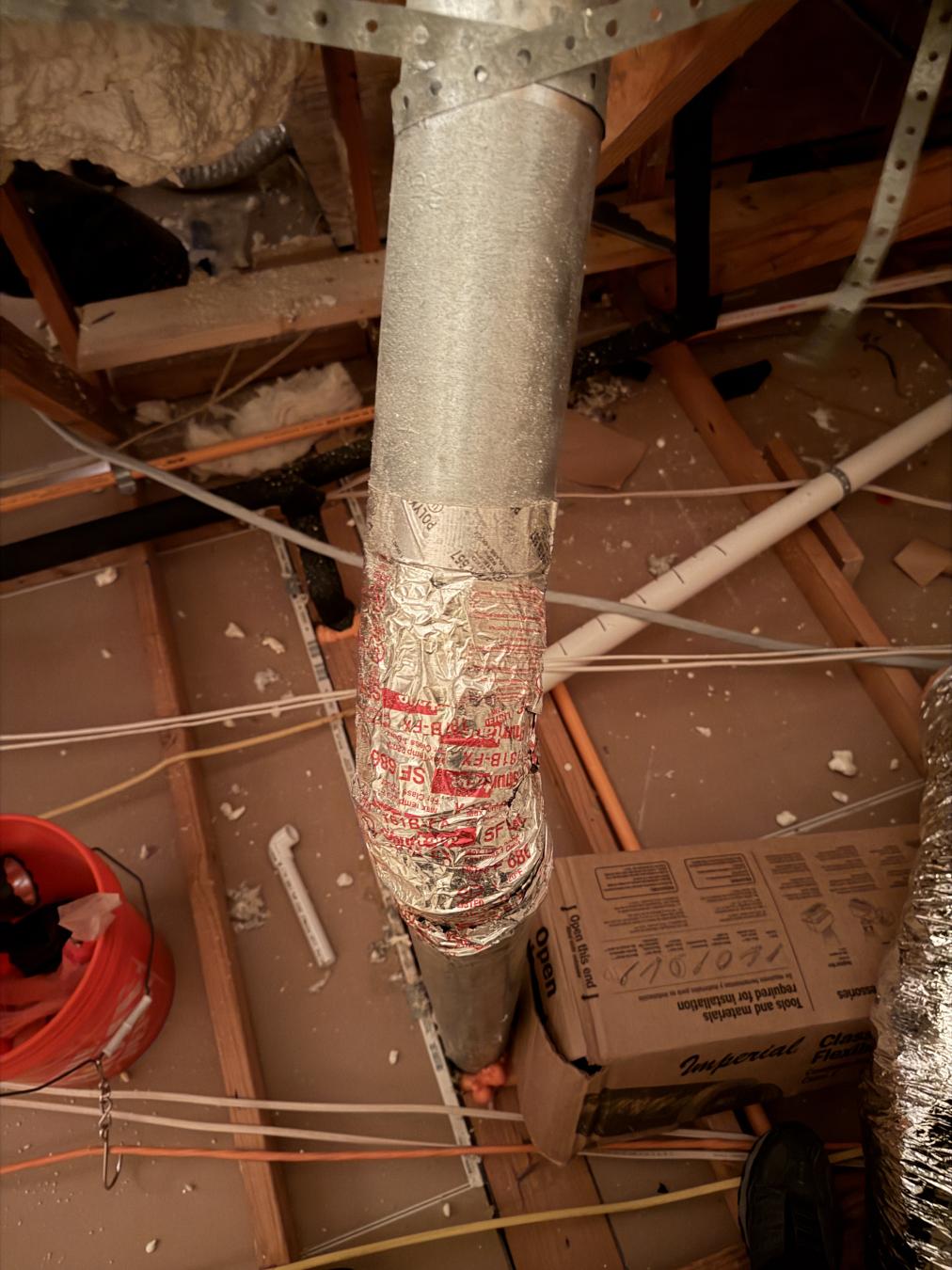
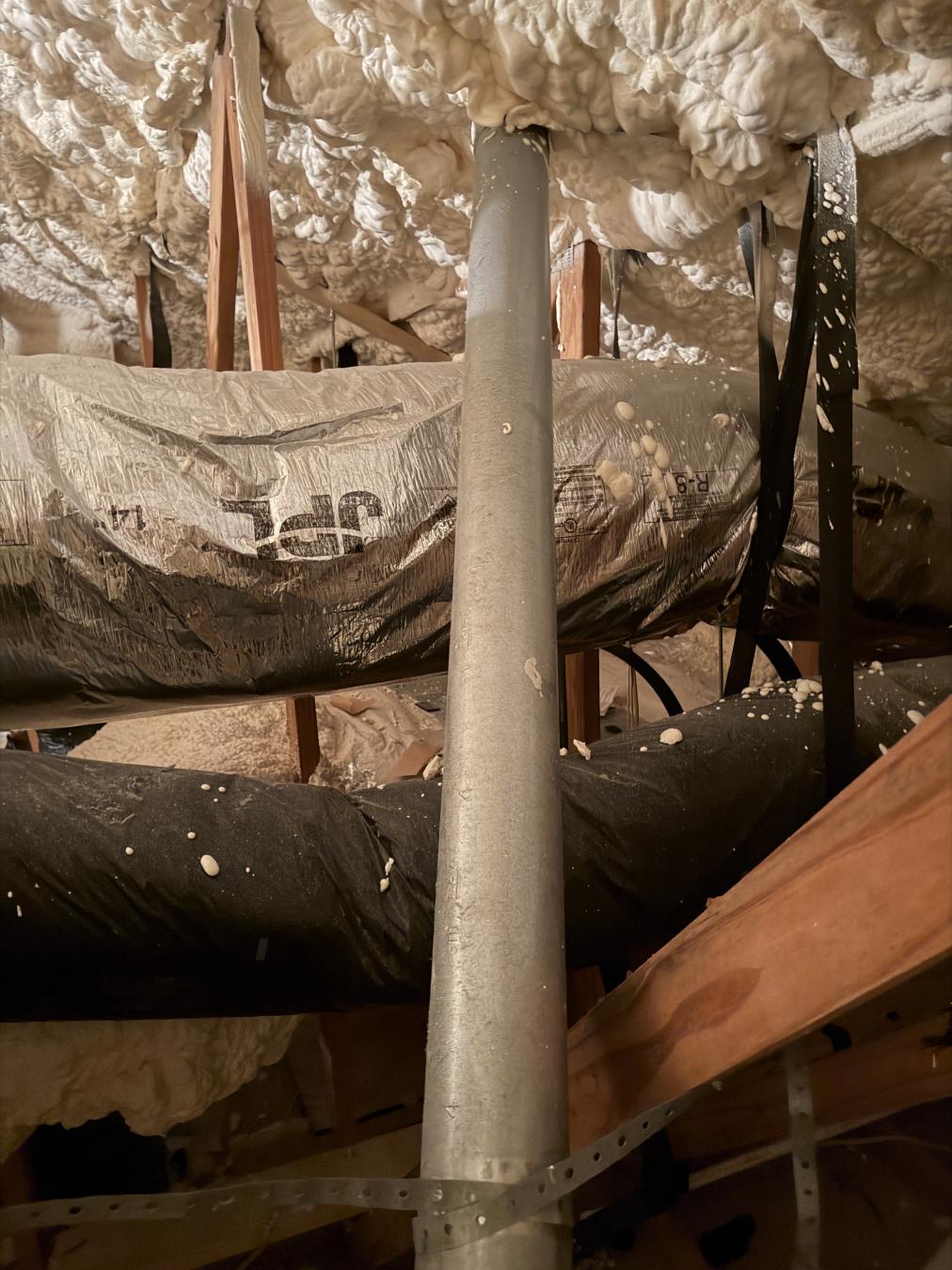
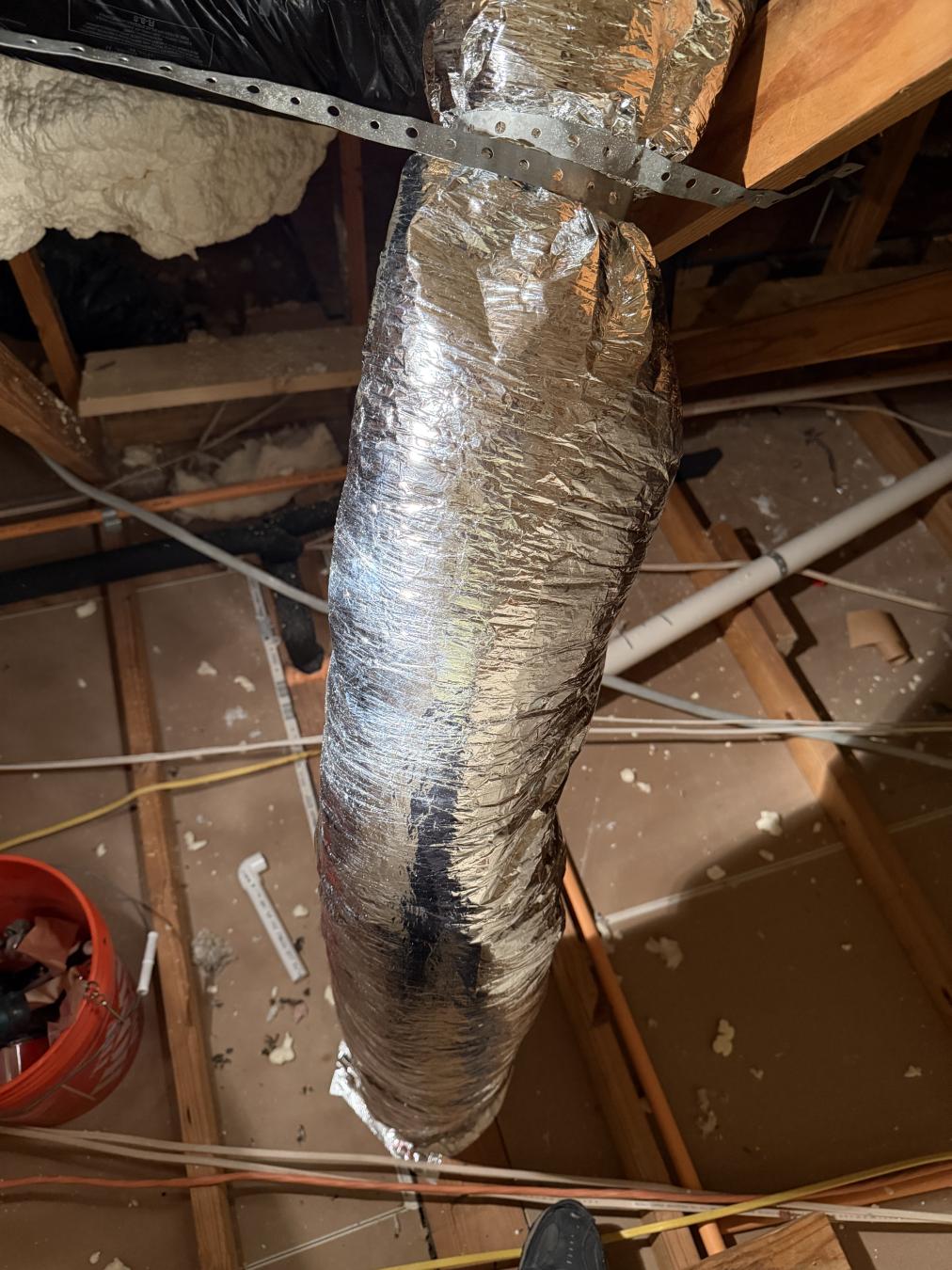
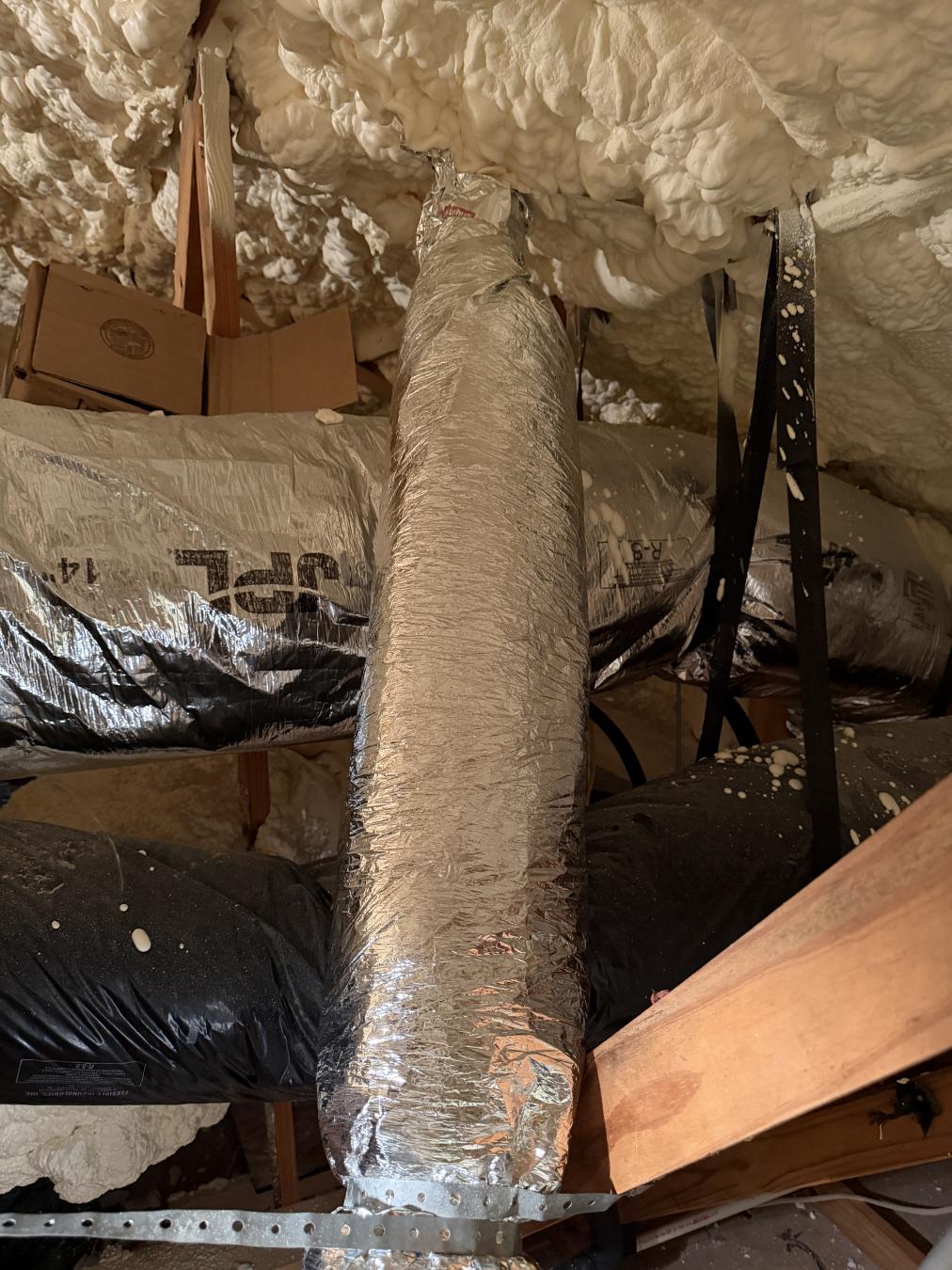
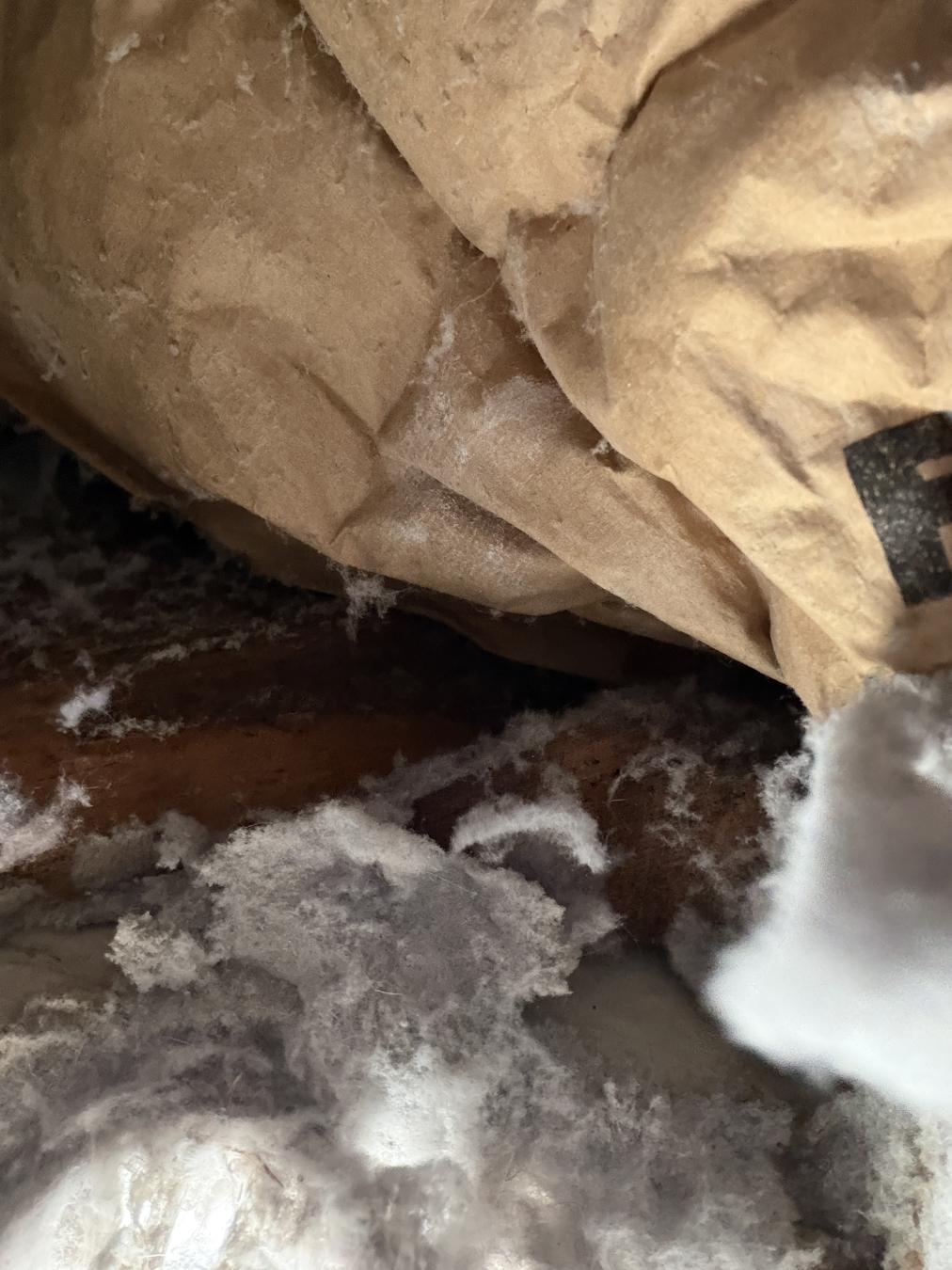
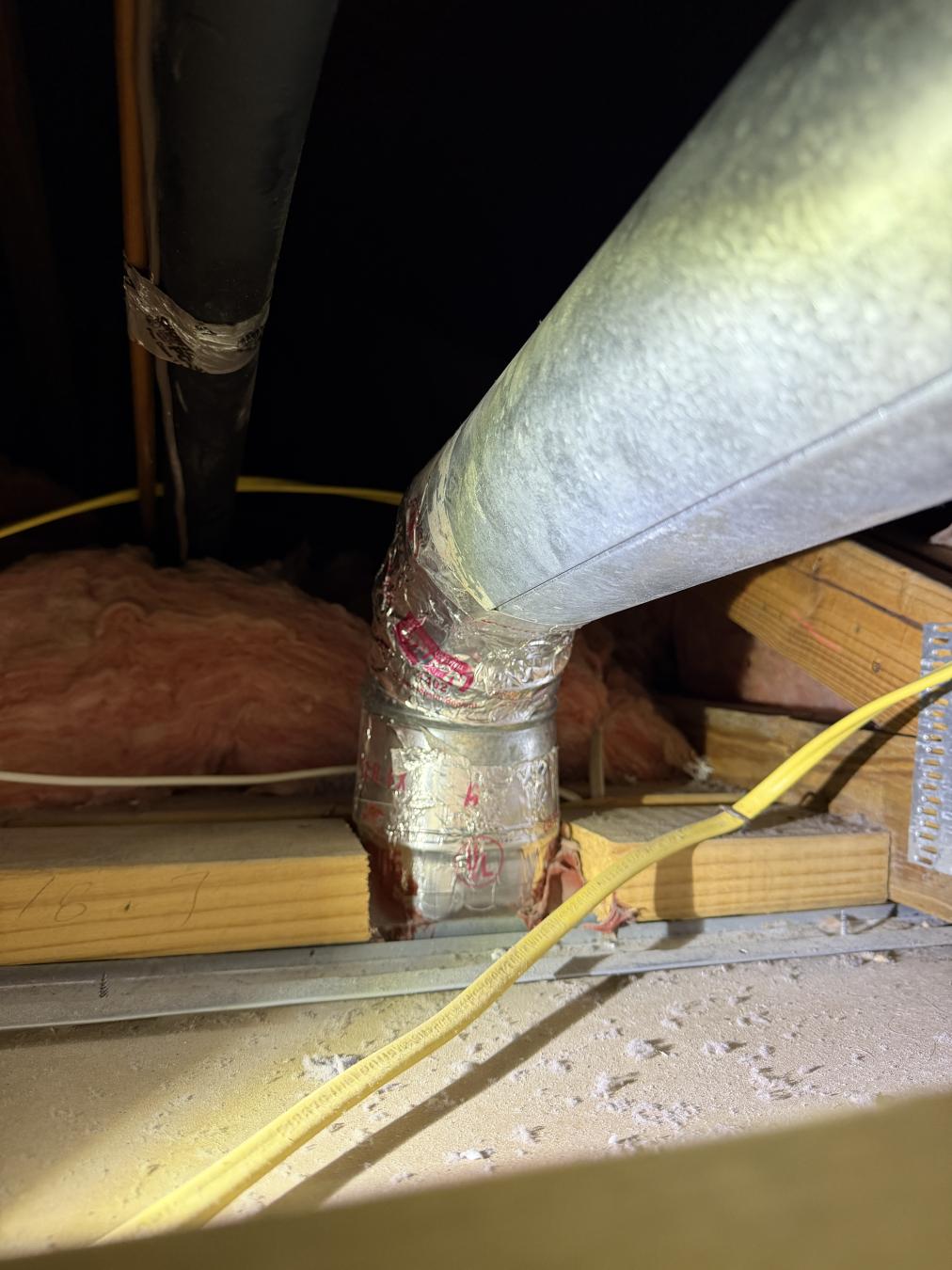
An uninsulated dryer vent in the attic was contributing to the condensation created in the dryer during hot humid months. The Valentine Vents specialist accessed the attic and quickly identified the problem. After documenting the issue through a Valentine 360 Visibility camera inspection, the specialist wrapped the entire length in R-8 fiberglass insulation to prevent condensation buildup and maintain airflow efficiency. Photos captured throughout the process show the transformation to a properly sealed and insulated system. The home now operates with a dryer vent that's not only functional but optimized for long-term performance and safety.
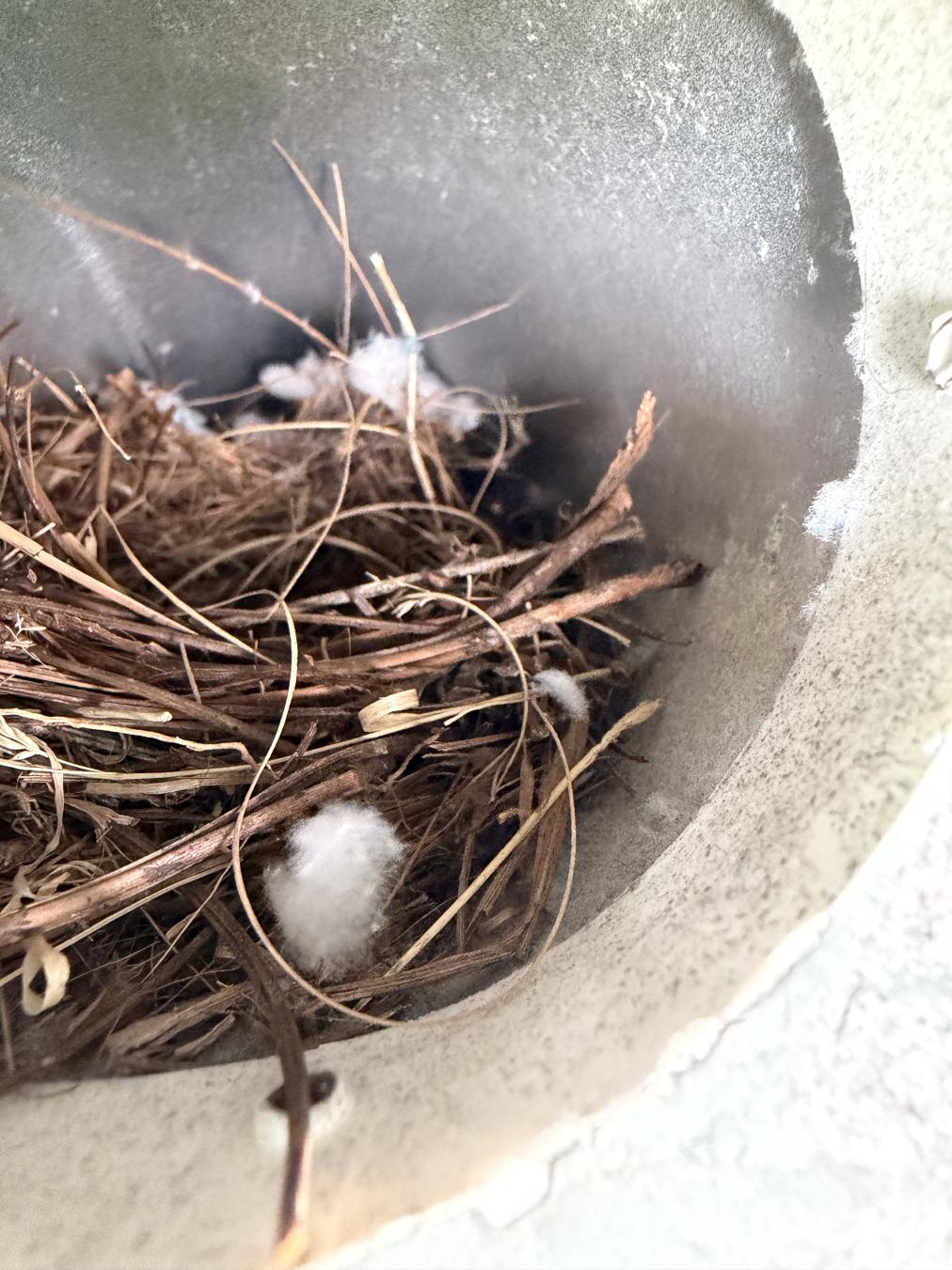
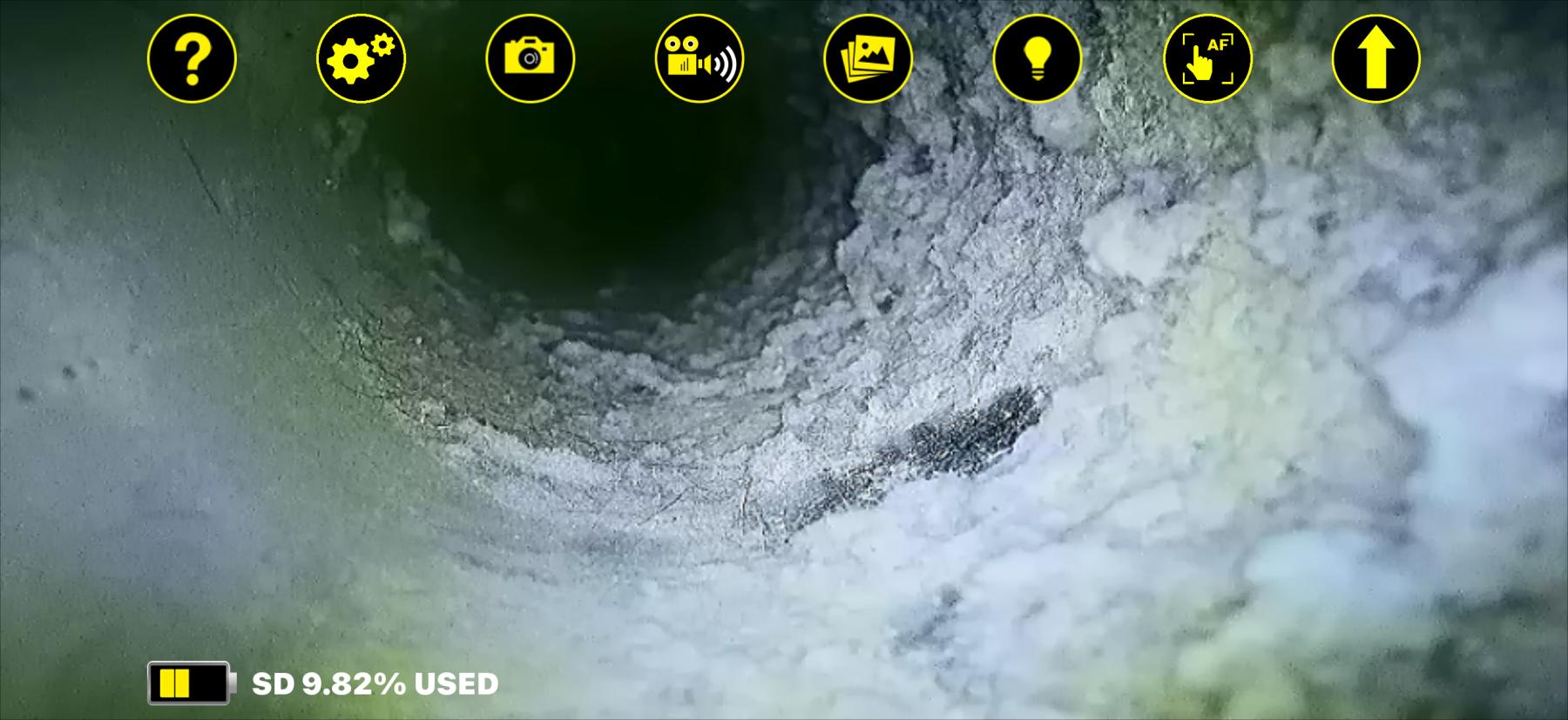
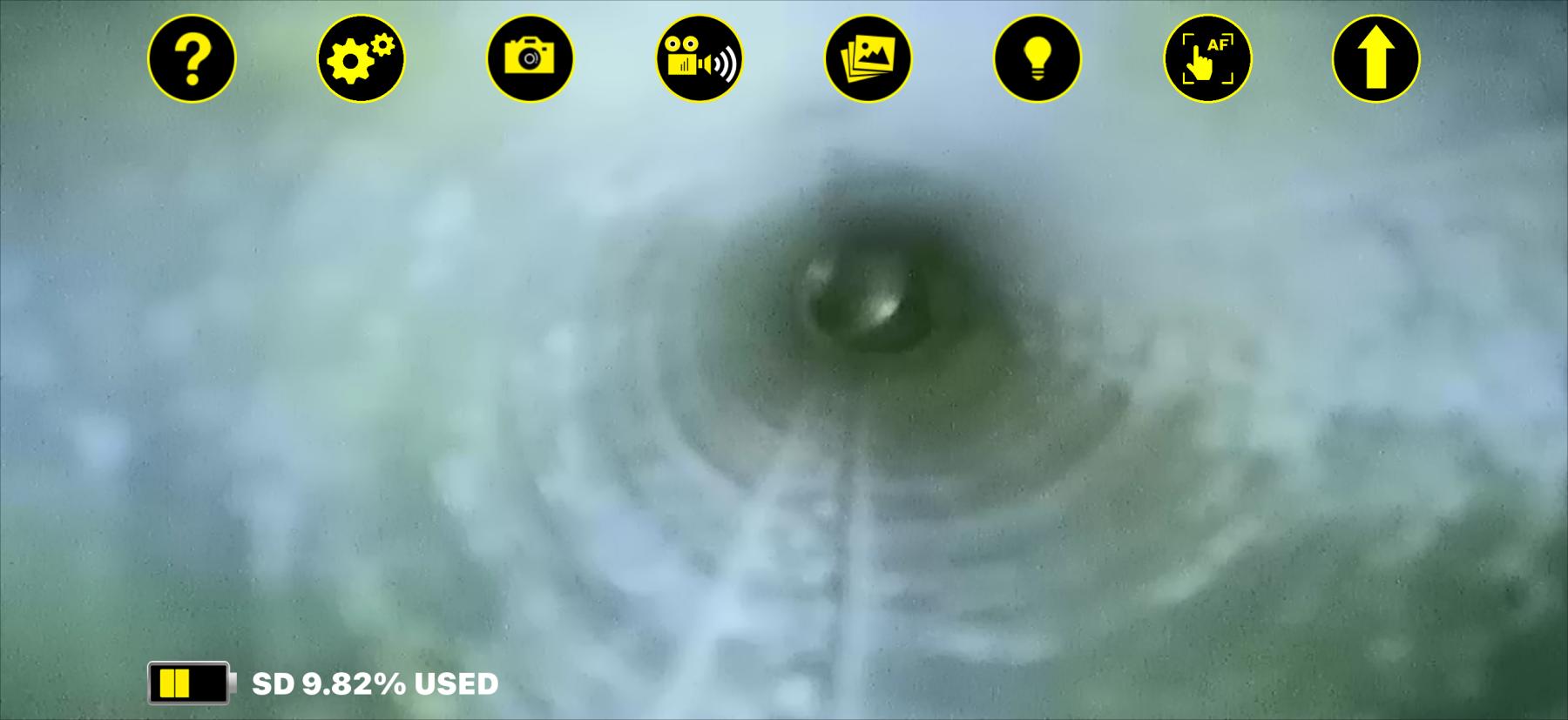
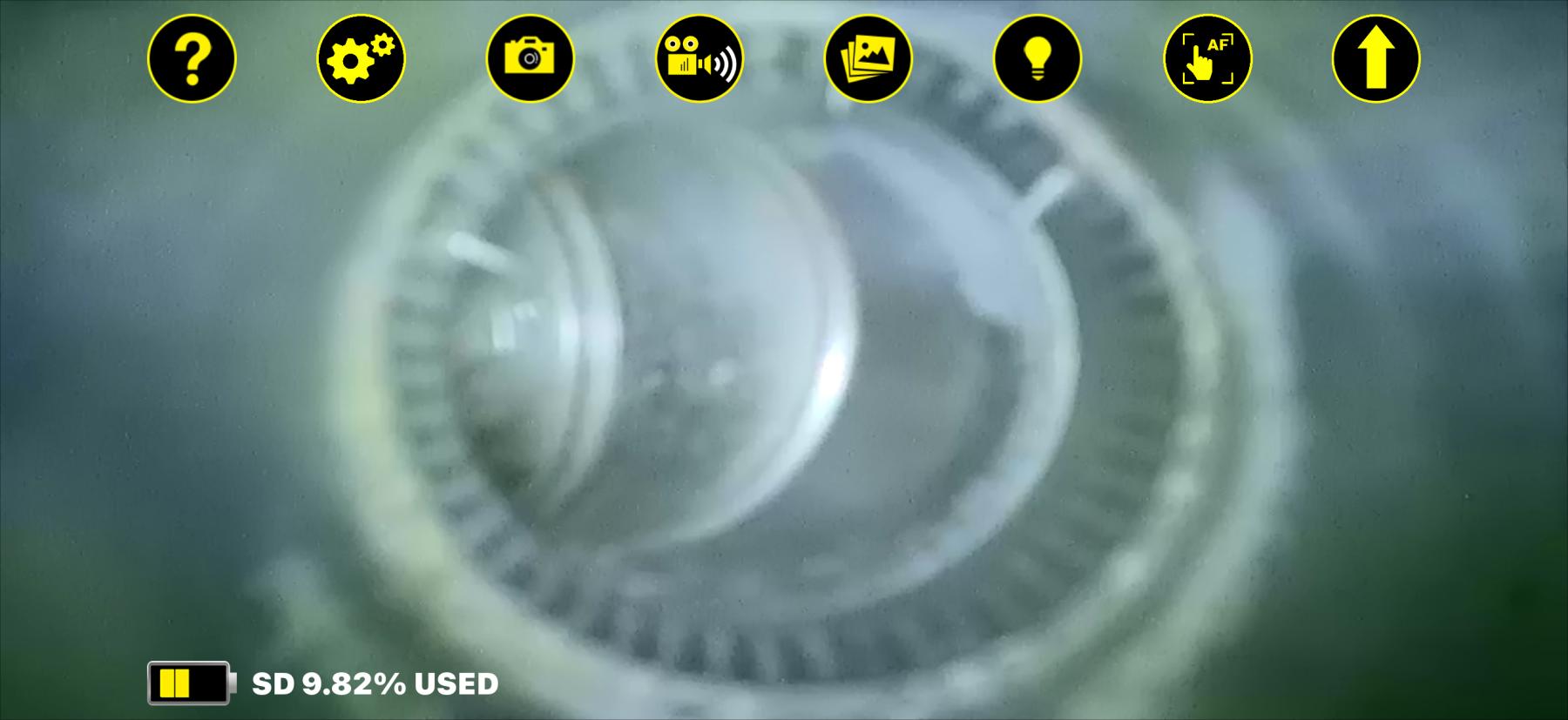
When a dryer starts taking twice as long to complete a cycle, the culprit isn't always obvious—but at this Gatewood Street home, the issue was stacked against the homeowner. A C-DET certified specialist from Valentine Vents discovered a bird's nest lodged behind the wall vent cover, creating a severe airflow restriction along the 21-foot metal rigid vent system with three turns. Compounding the problem, substantial lint buildup filled both the vent line and dryer cabinet, while trapped coins rattled noisily inside the clothes fluffer. The comprehensive service included full vent cleaning, removal and replacement of the fluffer to retrieve the coins, and swapping out the substandard flex foil transition duct with DryerFlex—a premium semi-rigid product valued for its superior performance and fire-retardant properties. Dryer manufacturers specifically warn against flex foil in their owner's manuals, making this upgrade essential. A Valentine 360 Visibility camera inspection documented the transformation, and airflow readings confirmed the dramatic improvement: from a restricted 759 FPM to a robust 1,614 FPM. With the bird's nest removed, lint cleared, and proper materials in place, this Charleston home now enjoys whisper-quiet operation and efficient drying performance.
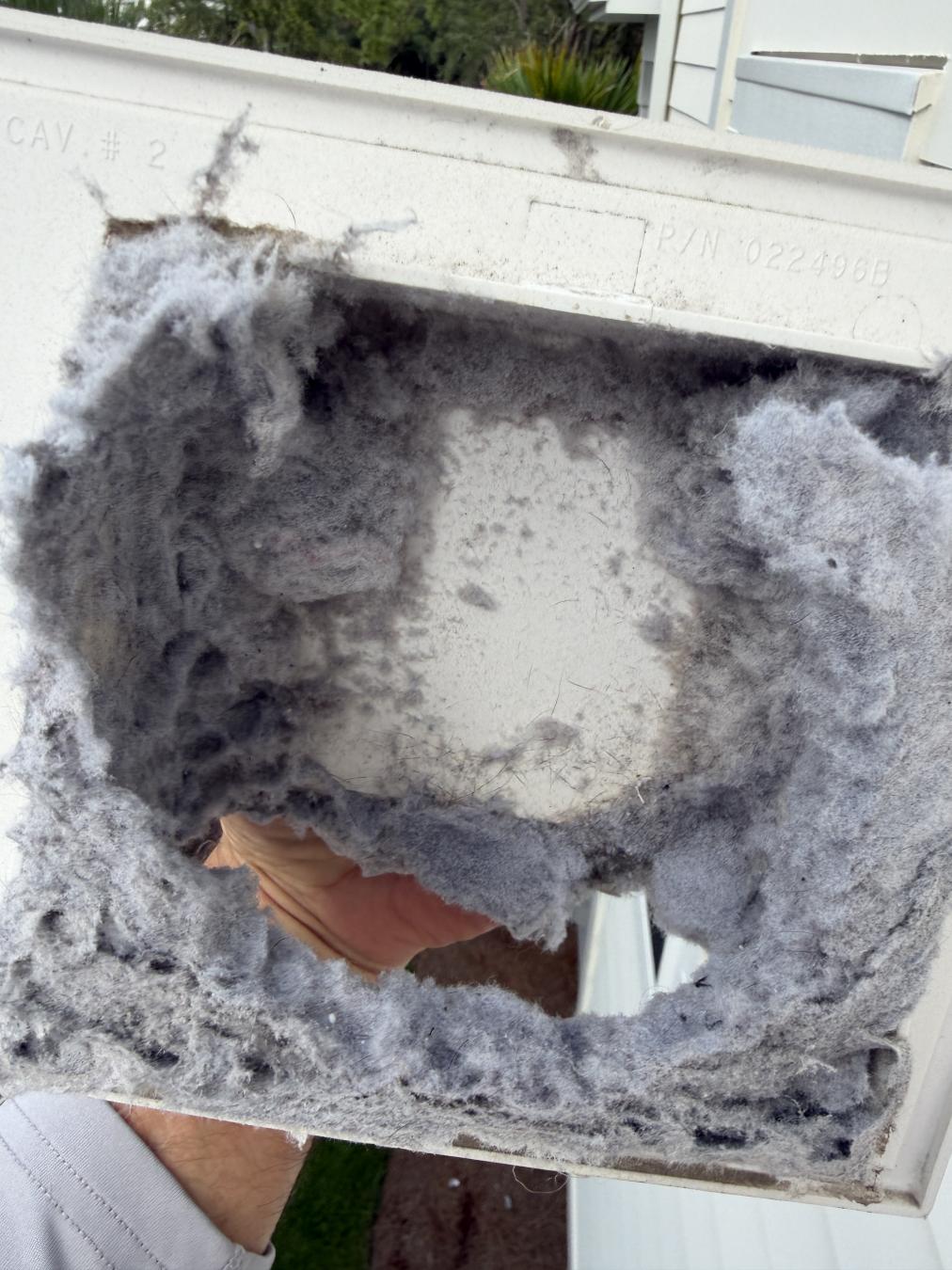
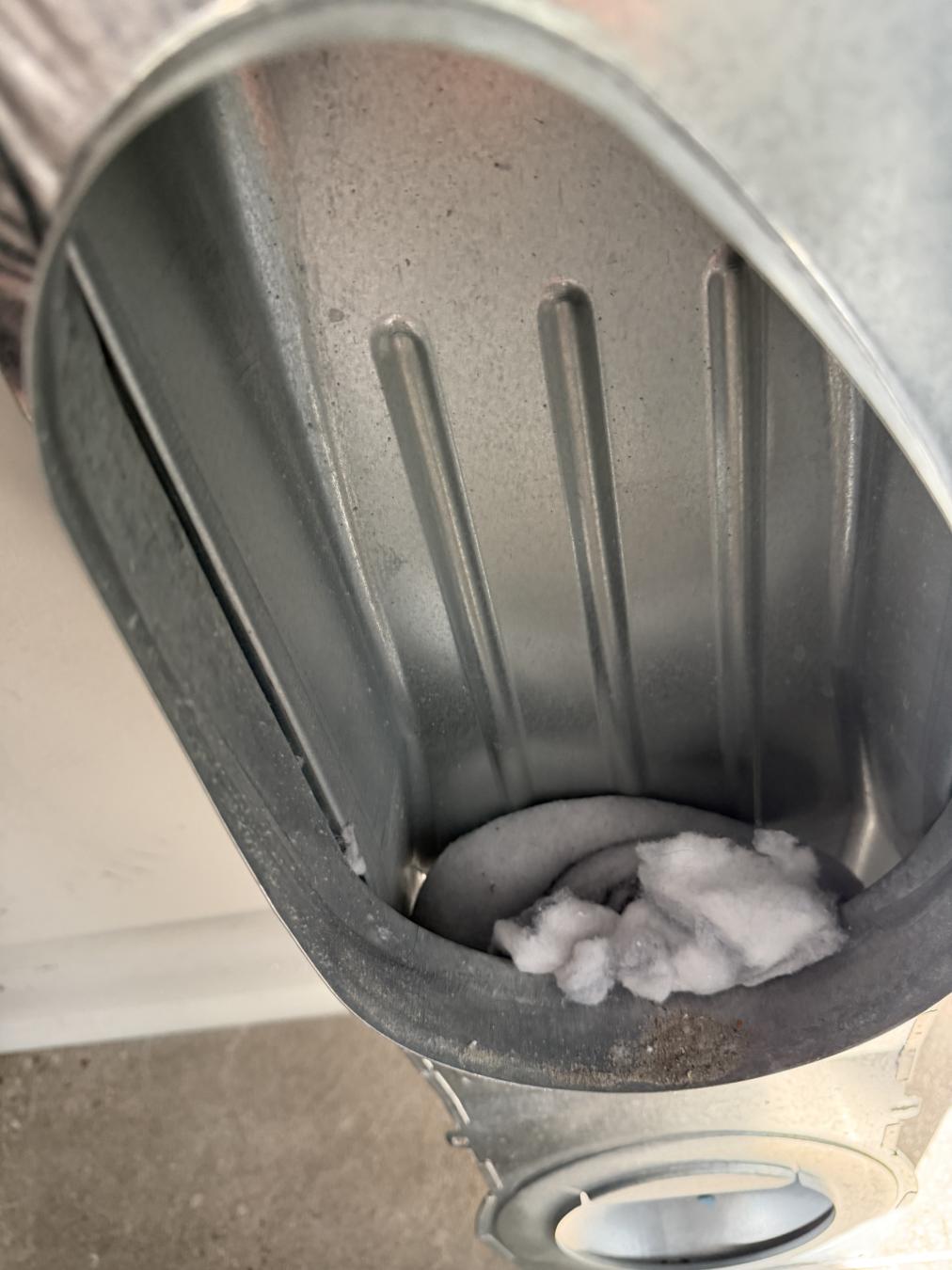
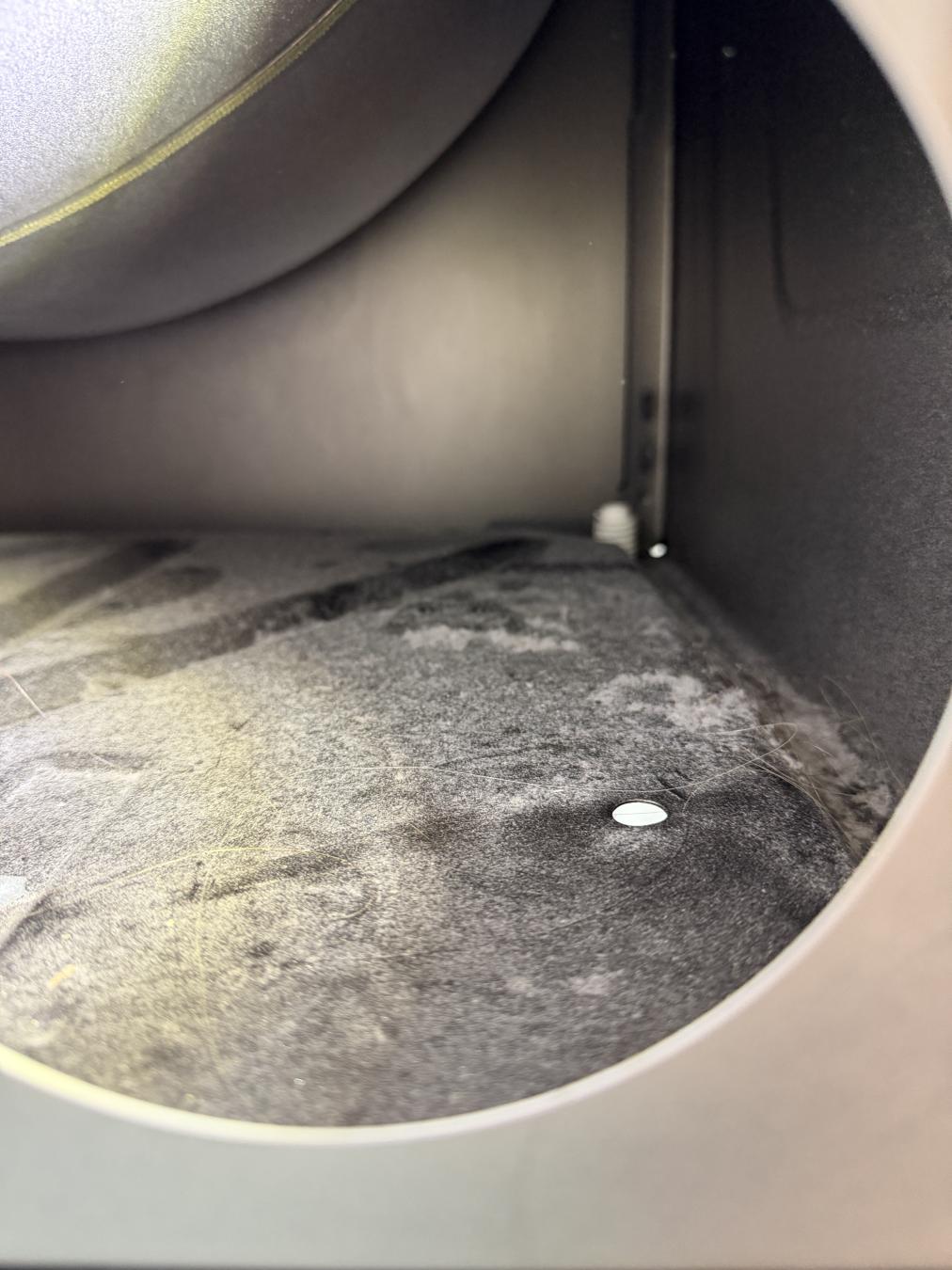
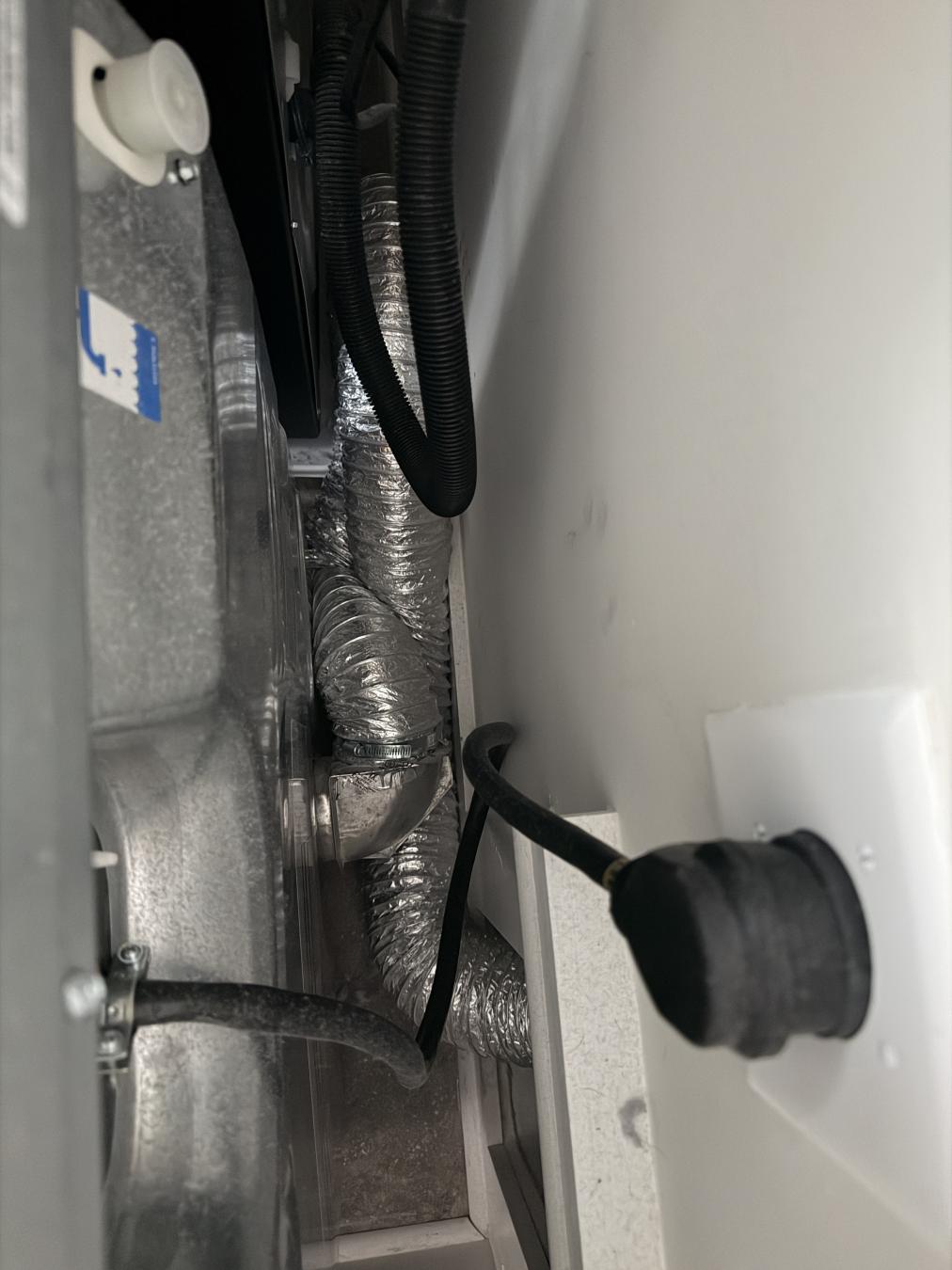
When the specialist from Valentine Vents arrived at this North Lakeshore Drive home in Mt. Pleasant, the dryer appeared to be functioning normally—but a closer inspection revealed hidden hazards lurking within. Using the Valentine 360 Visibility camera inspection, the C-DET certified technician discovered lint accumulation preventing the backdraft damper from closing properly, along with a large lint blockage lodged deep inside the dryer cabinet that was severely restricting airflow through the lint screen pathway. After thoroughly cleaning the 14-foot metal rigid vent system and removing the internal obstructions, airflow readings jumped from 1,614 FPM to an impressive 1,943 FPM. The substandard flex foil transition duct was replaced with DryerFlex, a premium semi-rigid product chosen for its superior performance and fire-retardant properties—exactly what dryer manufacturers recommend in their owner's manuals. Photos captured throughout the process documented both the problematic conditions and the thorough resolution. The homeowner also received valuable guidance: lint should always be visible after each load, serving as confirmation the screen is catching debris properly. With the entire system now inspected, cleaned, and operating at peak performance, this Mt. Pleasant home enjoys renewed efficiency and significantly reduced fire risk.

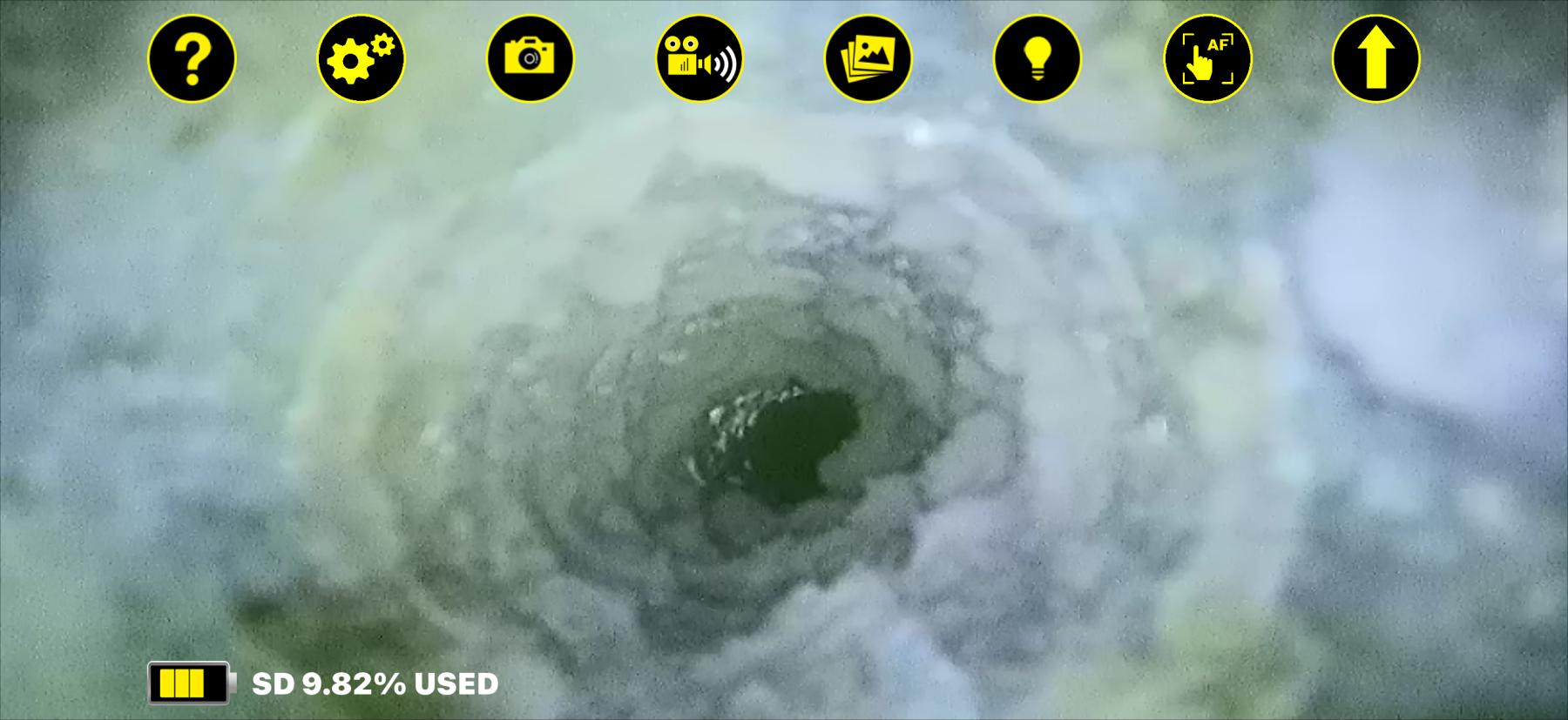
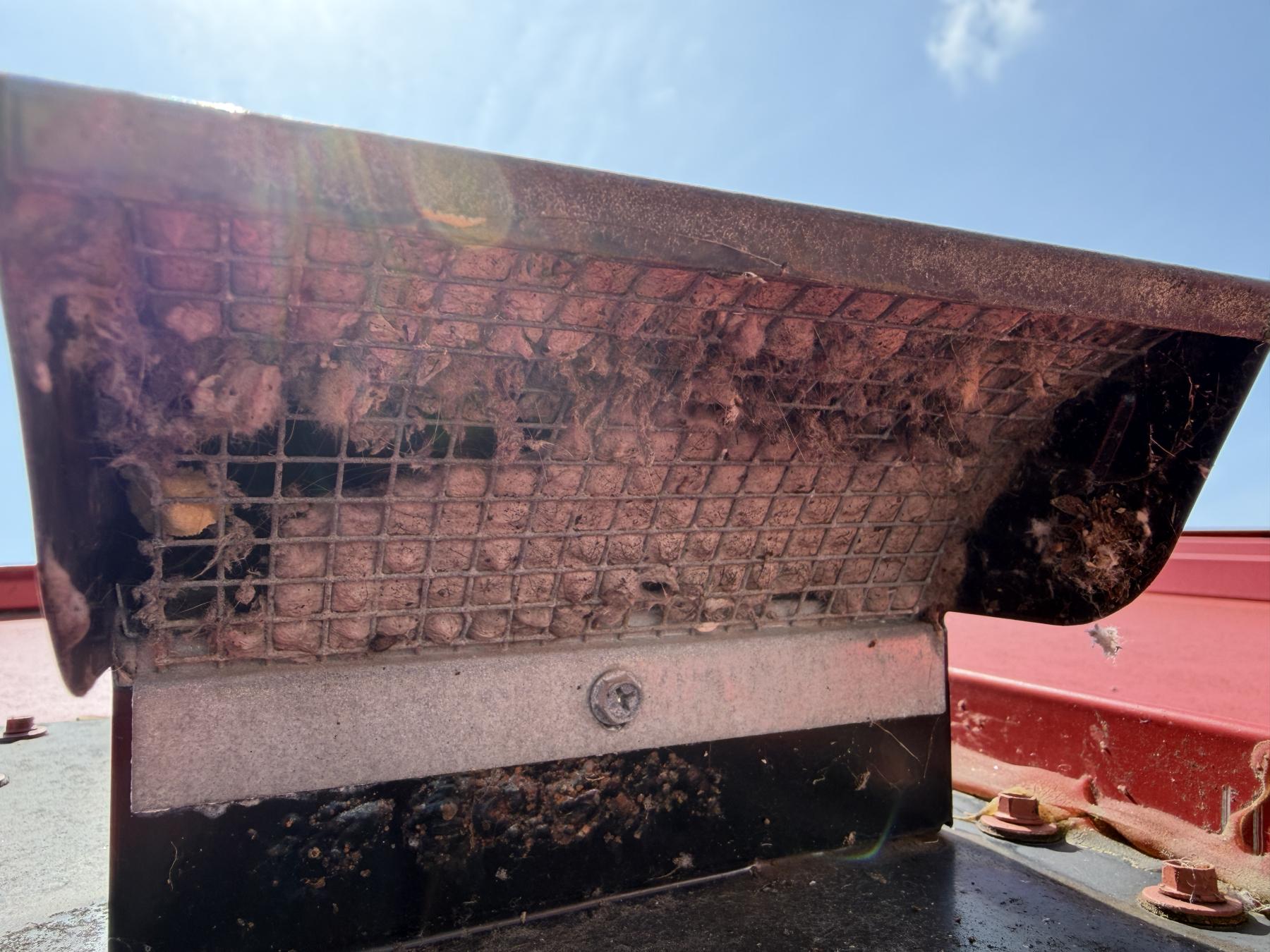
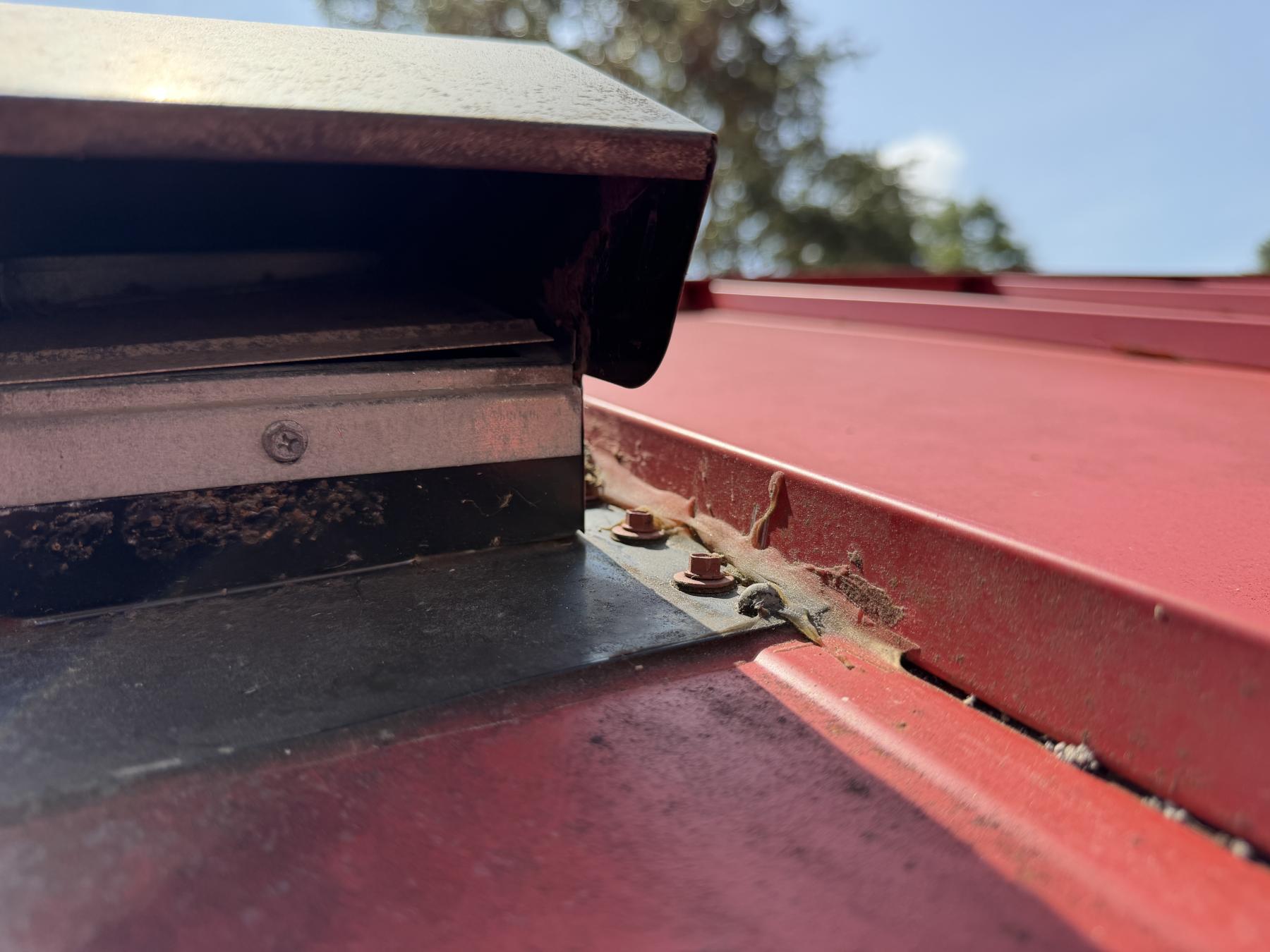
When an LG dryer began displaying the D80 error code at this Isle of Palms home, the homeowners knew something was restricting airflow—they just didn't know how severe the problem had become. Valentine Vents dispatched a C-DET certified specialist to investigate the 16-foot metal rigid vent system with a single turn that had never been professionally serviced. What the specialist discovered was alarming: the roof vent cover contained a screen completely packed with lint, choking off the dryer's ability to exhaust properly. Even though the dryer was relatively new, a significant accumulation of lint had built up throughout the vent line. The specialist thoroughly cleaned the entire system and removed the problematic screen from the roof termination, ensuring the backdraft damper was functioning correctly. The existing transition duct was replaced with DryerFlex, a premium semi-rigid product chosen for its superior performance and fire-retardant properties. A Valentine 360 Visibility camera inspection captured the transformation. Back pressure readings told the success story: dropping from 0.75"WC to 0.45"WC. This Forest Trail home now operates with the safety and efficiency every homeowner deserves.
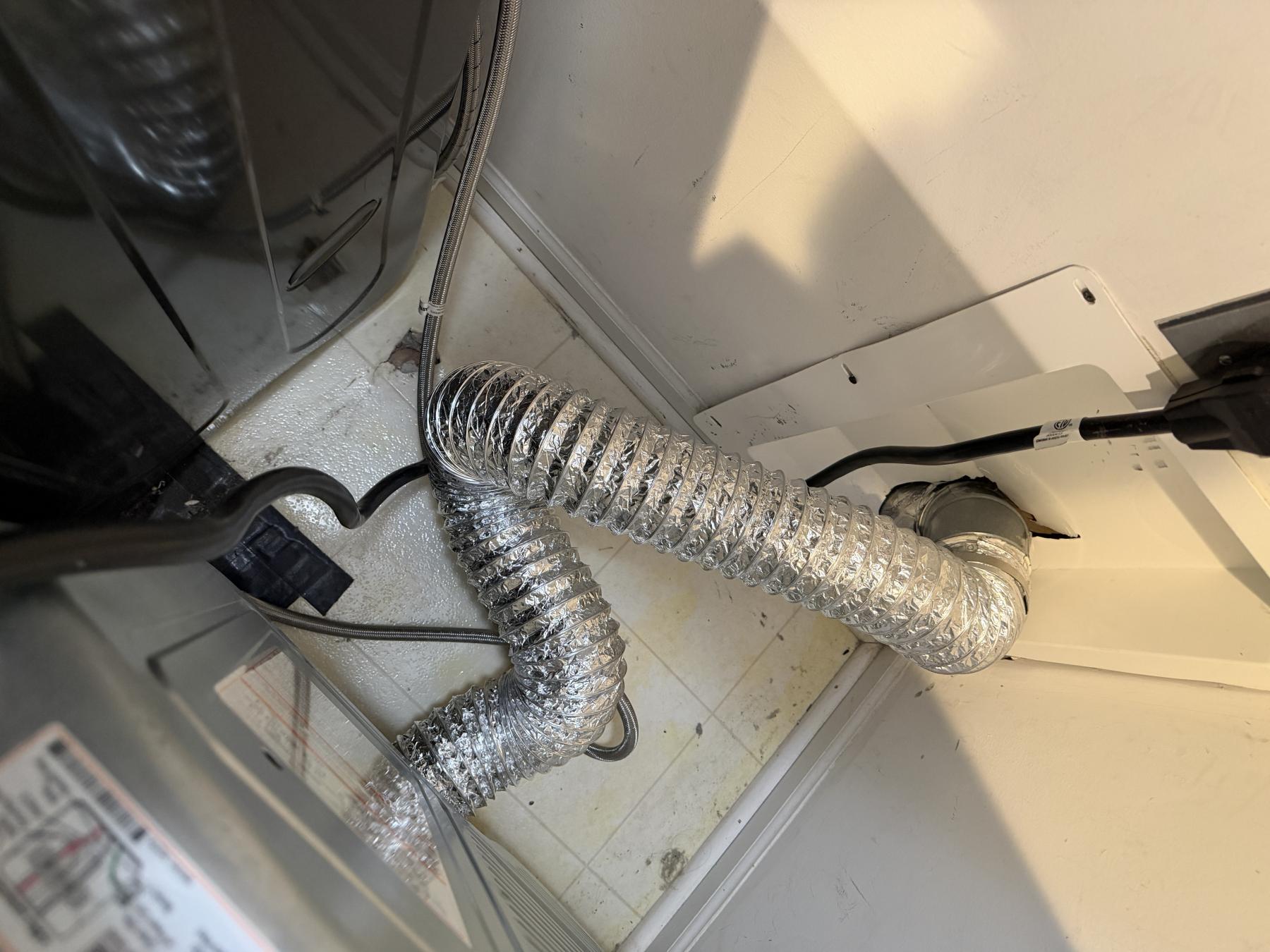
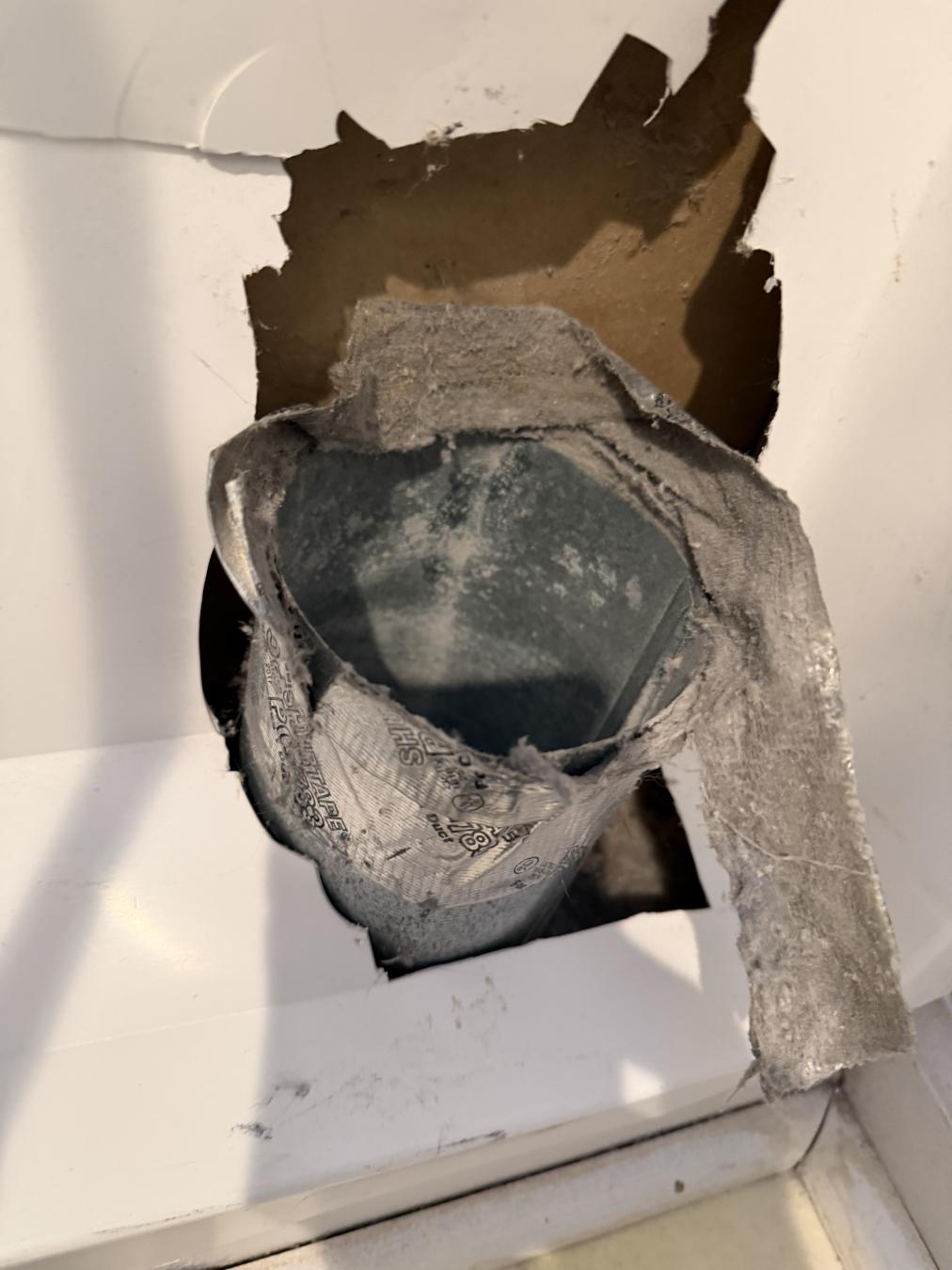
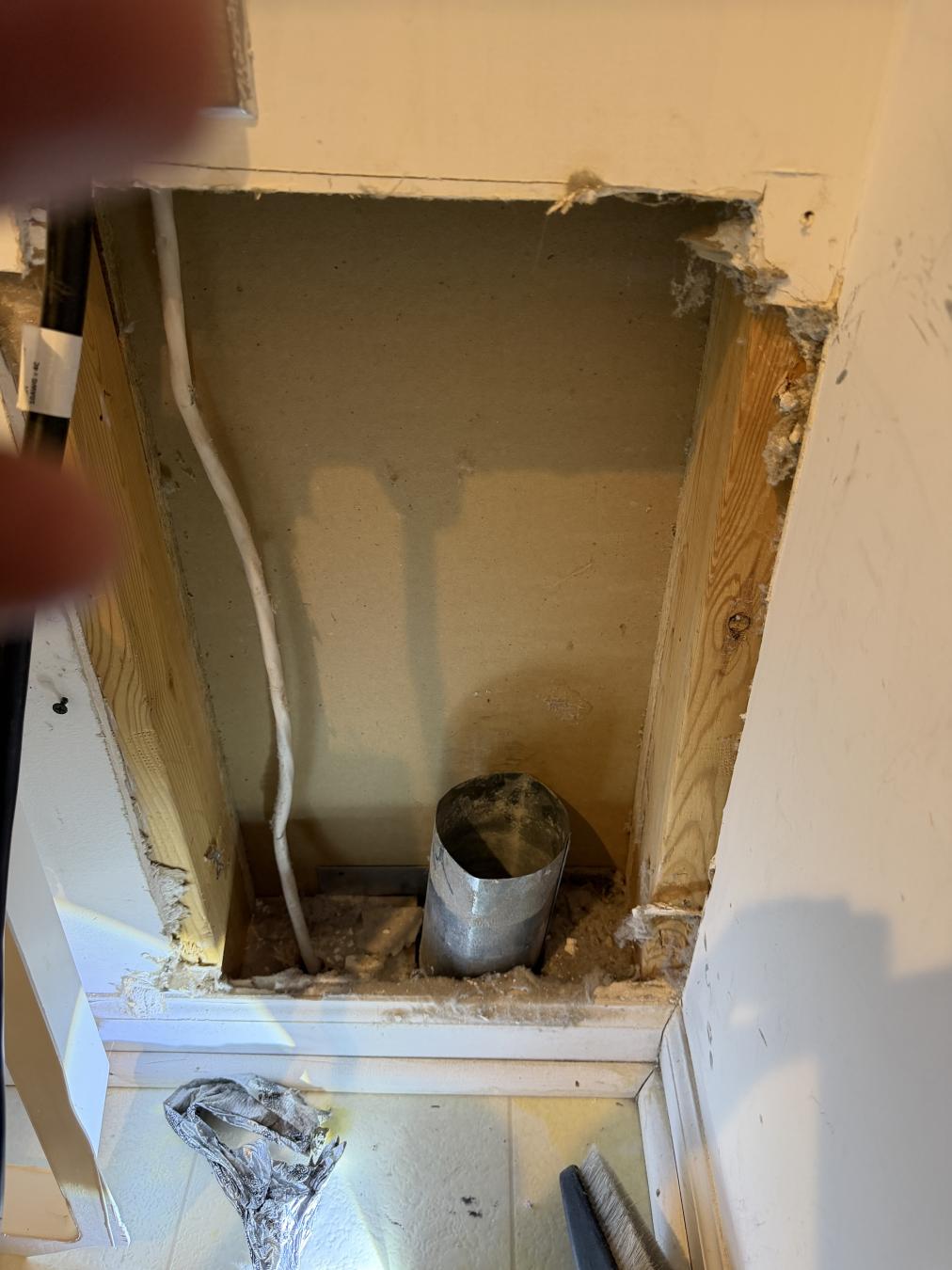
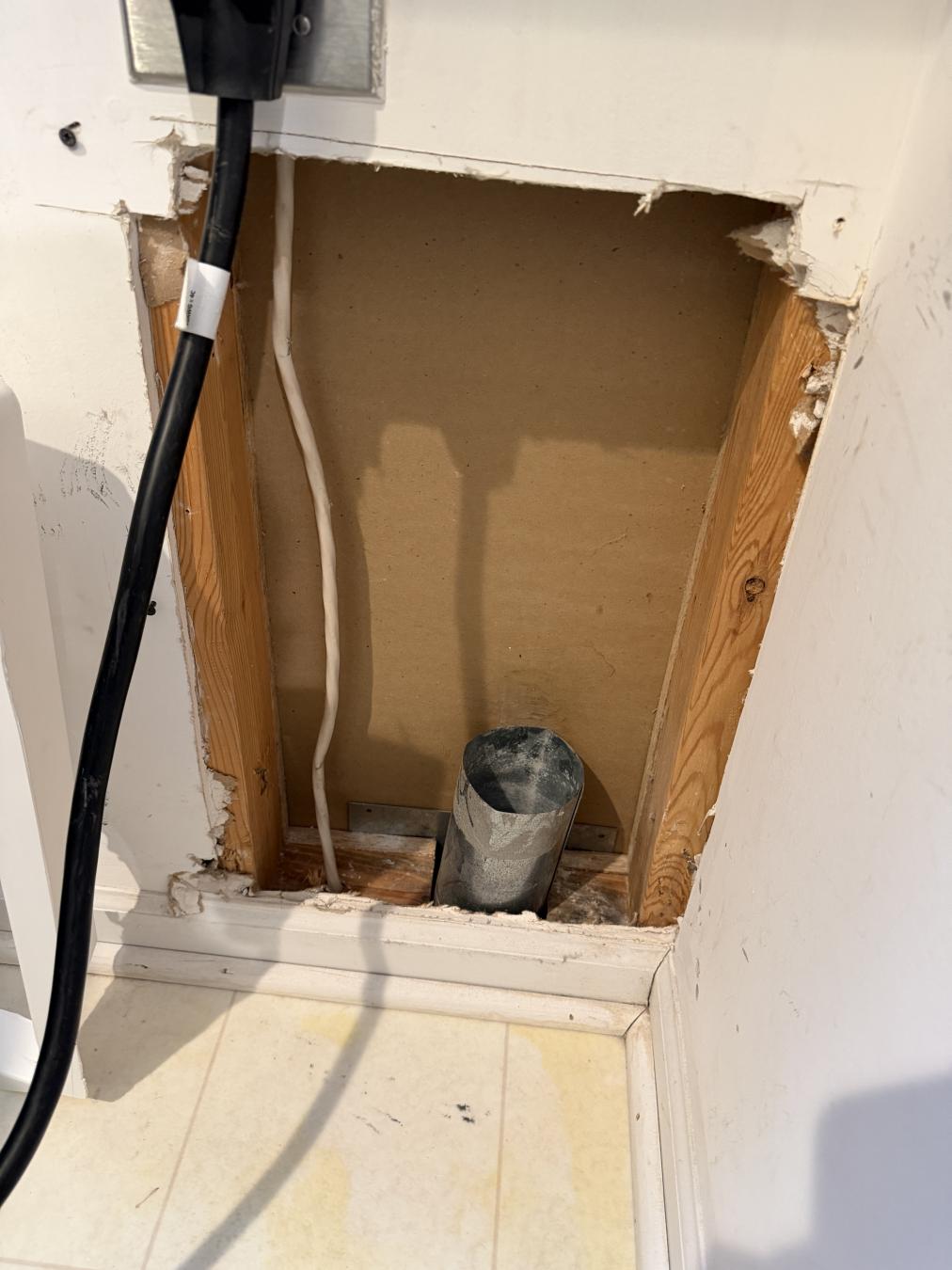
When a Mt. Pleasant homeowner on Salty Tide Cove noticed clothes taking longer to dry, they reached out to Valentine Vents for a thorough assessment. The C-DET certified specialist discovered multiple issues compromising the system's performance: an elbow behind the dryer precariously held together with duct tape, substandard flex foil transition duct, and a damaged plastic dryer box with a gaping hole around the vent pipe. The 14-foot metal rigid vent with one turn required comprehensive attention beyond standard cleaning. The specialist removed the problematic elbow to improve airflow, then replaced the inadequate flex foil with DryerFlex—a premium semi-rigid product chosen for its superior performance and fire-retardant properties that meets manufacturer specifications. The damaged dryer box was repaired, and the area behind it thoroughly cleaned. Photos captured the transformation throughout the process. A Valentine 360 Visibility camera inspection confirmed the entire system was functioning properly, with airflow measurements jumping from 1,282 FPM to an impressive 1,714 FPM after service. This home now operates with the efficiency and fire safety it deserves.
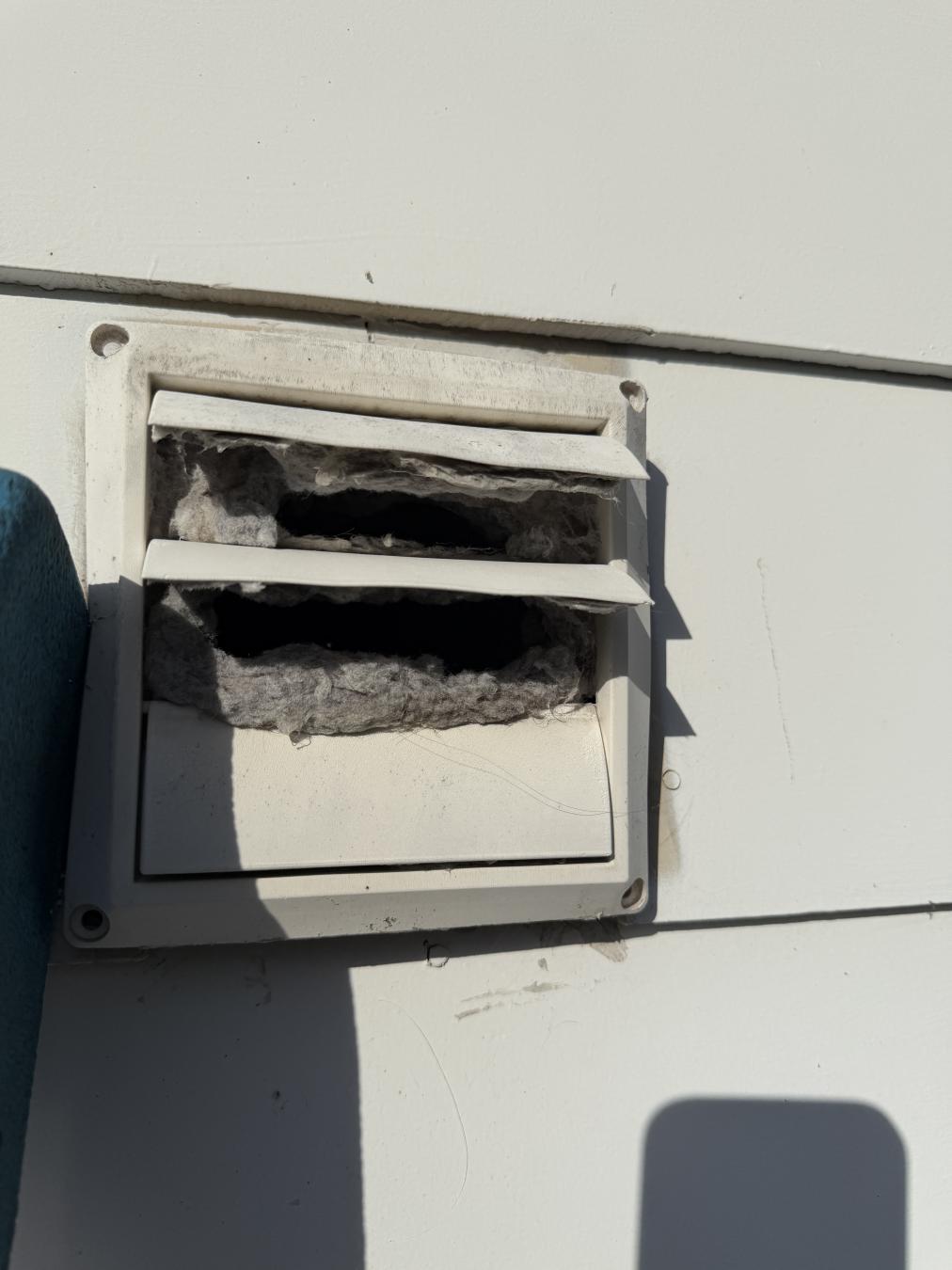
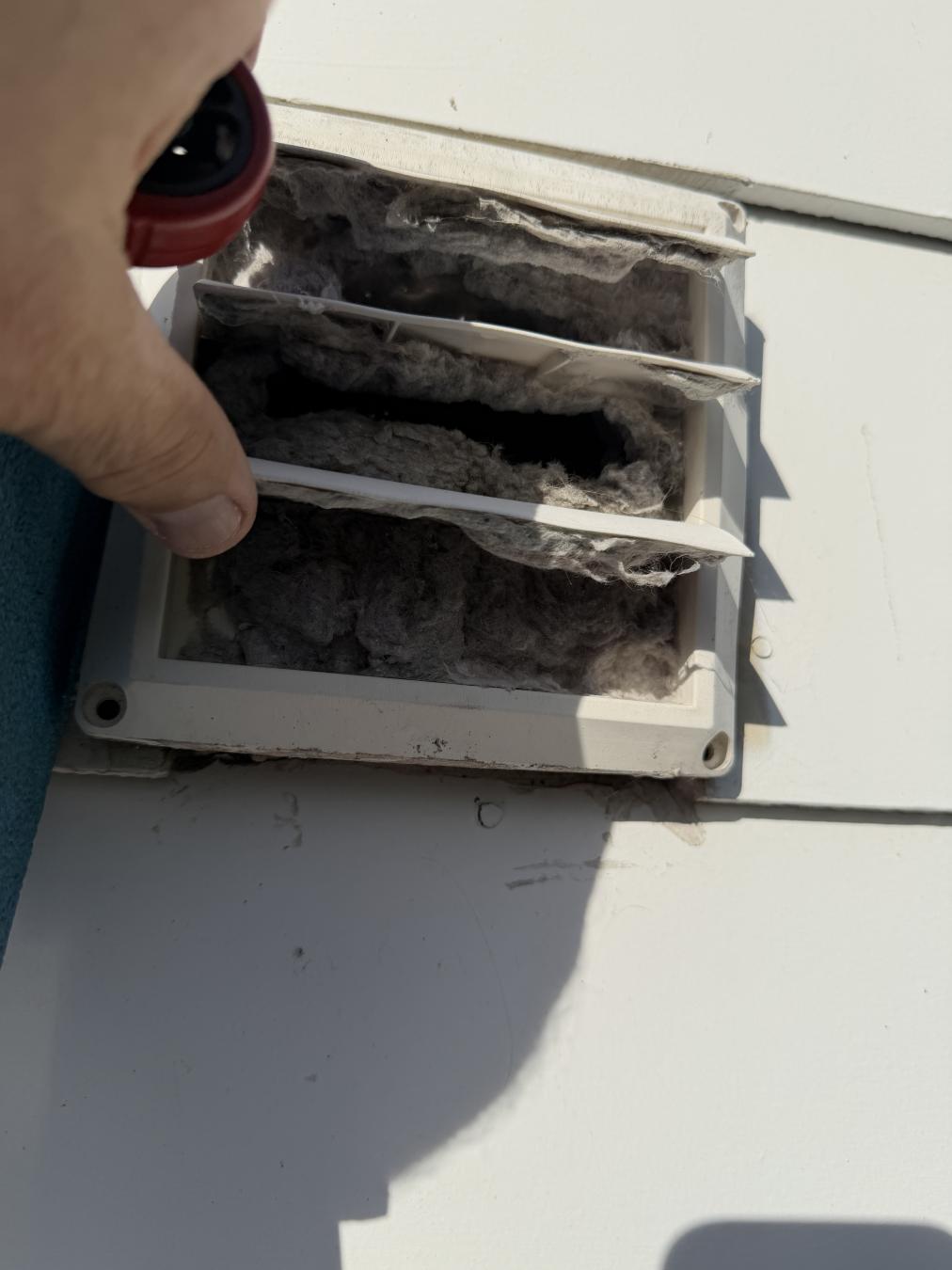

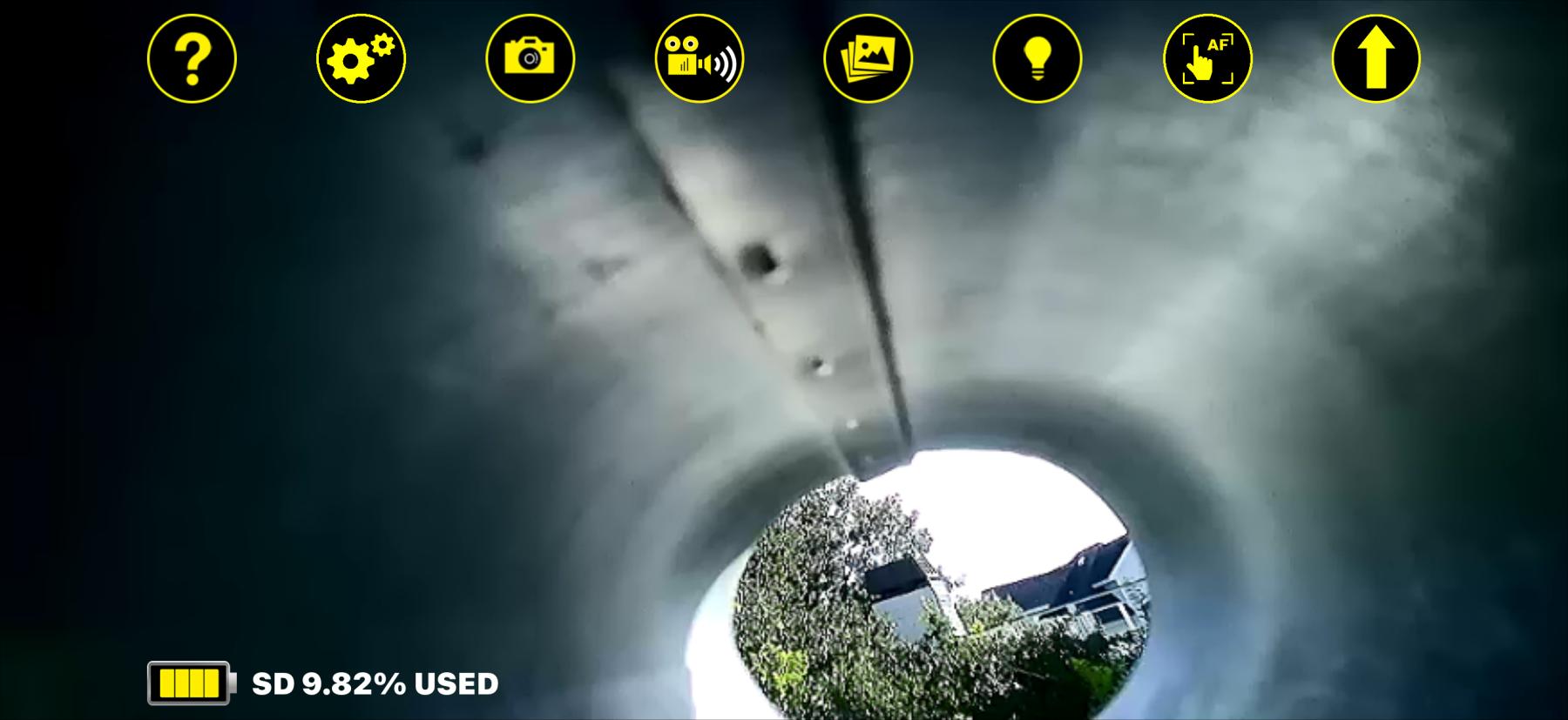
When a Daniel Island homeowner on Dunham Street noticed their dryer taking longer to complete cycles, they reached out to Valentine Vents for a thorough inspection. The C-DET certified specialist discovered the culprit: a three-flap wall vent cover heavily obstructed with lint buildup. During cleaning, the brittle cover cracked and required replacement with a durable steel powder-coated WallVent by Inovate—an upgrade that would restore proper airflow and prevent future obstructions. The 9-foot metal rigid vent with one turn was cleaned throughout, and a complimentary camera inspection using Valentine 360 Visibility technology documented the interior condition. Photos captured the transformation from restricted airflow to a fully functioning exhaust system. The flex foil transition duct passed through the wall and connected to steel pipe in the wall cavity and will be replaced with solid steel pipe. The dryer cabinet also received a no-charge delinting service to maximize performance. With proper airflow restored through professional cleaning and an upgraded vent cover, this Daniel Island home now enjoys faster drying times and the peace of mind that comes with a safer, more efficient ventilation system.


When a musty smell began emanating from the laundry area on Citronella Way in North Charleston, the homeowner reached out to Valentine Vents for a thorough inspection. Though the dryer hadn't been professionally serviced in over three years, the C-DET certified specialist discovered surprisingly little lint accumulation in the 21-foot metal rigid vent with one turn. However, the Valentine 360 Visibility camera inspection revealed a more pressing concern: the transition duct connecting the dryer to the wall was constructed of flex foil, a substandard material that dryer manufacturers explicitly warn against in their owner's manuals due to fire safety concerns. The specialist replaced the inadequate flex foil with DryerFlex, a premium semi-rigid transition product chosen for its superior performance and fire-retardant properties. The dryer cabinet received a detailed delinting, which likely contributed to the odor issue, and the entire system was verified to be operating correctly. Photos captured throughout the service document the before-and-after transformation. With proper materials now in place and a clean system running efficiently, this North Charleston home can enjoy worry-free laundry days with improved safety and performance.
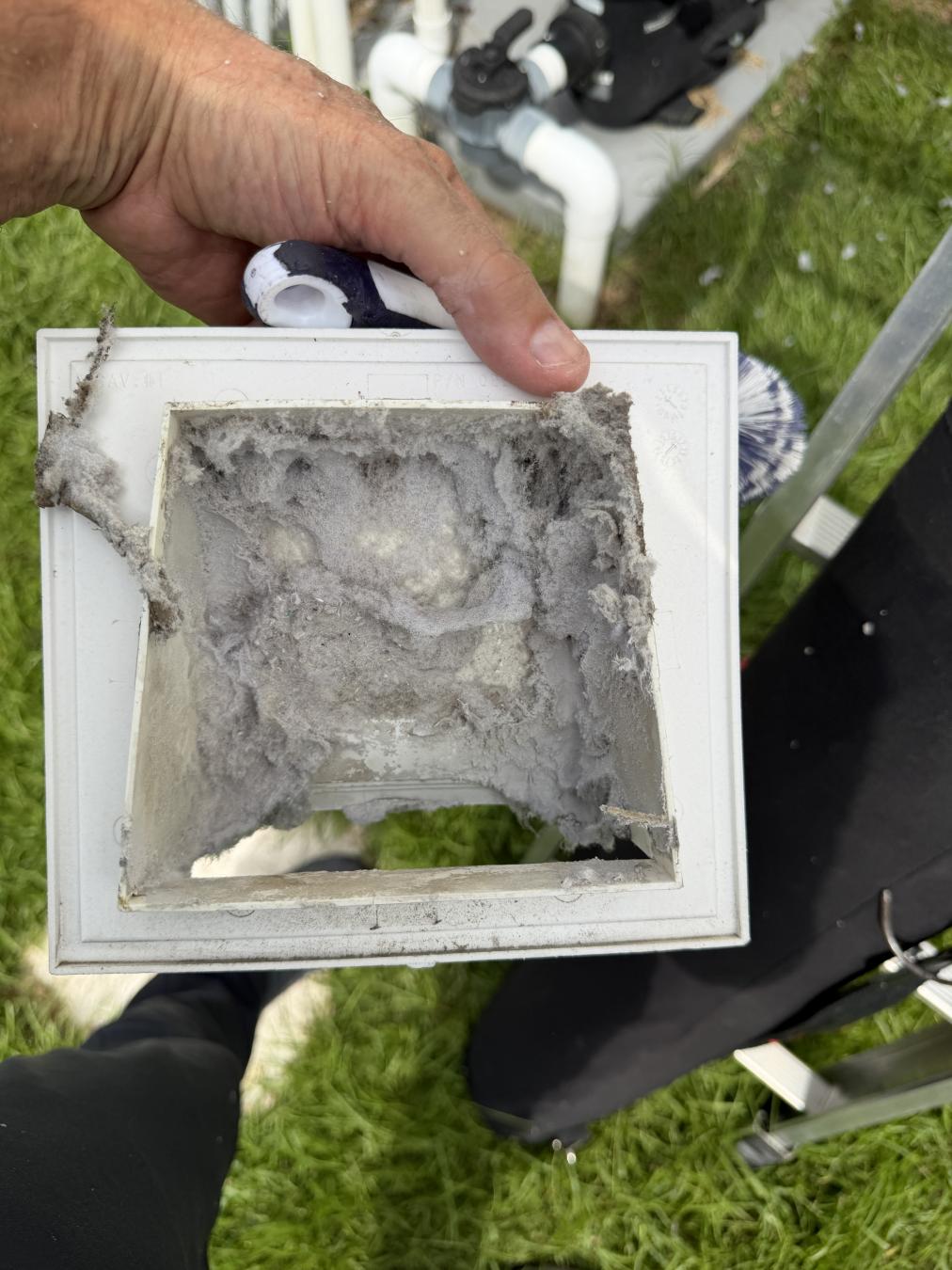
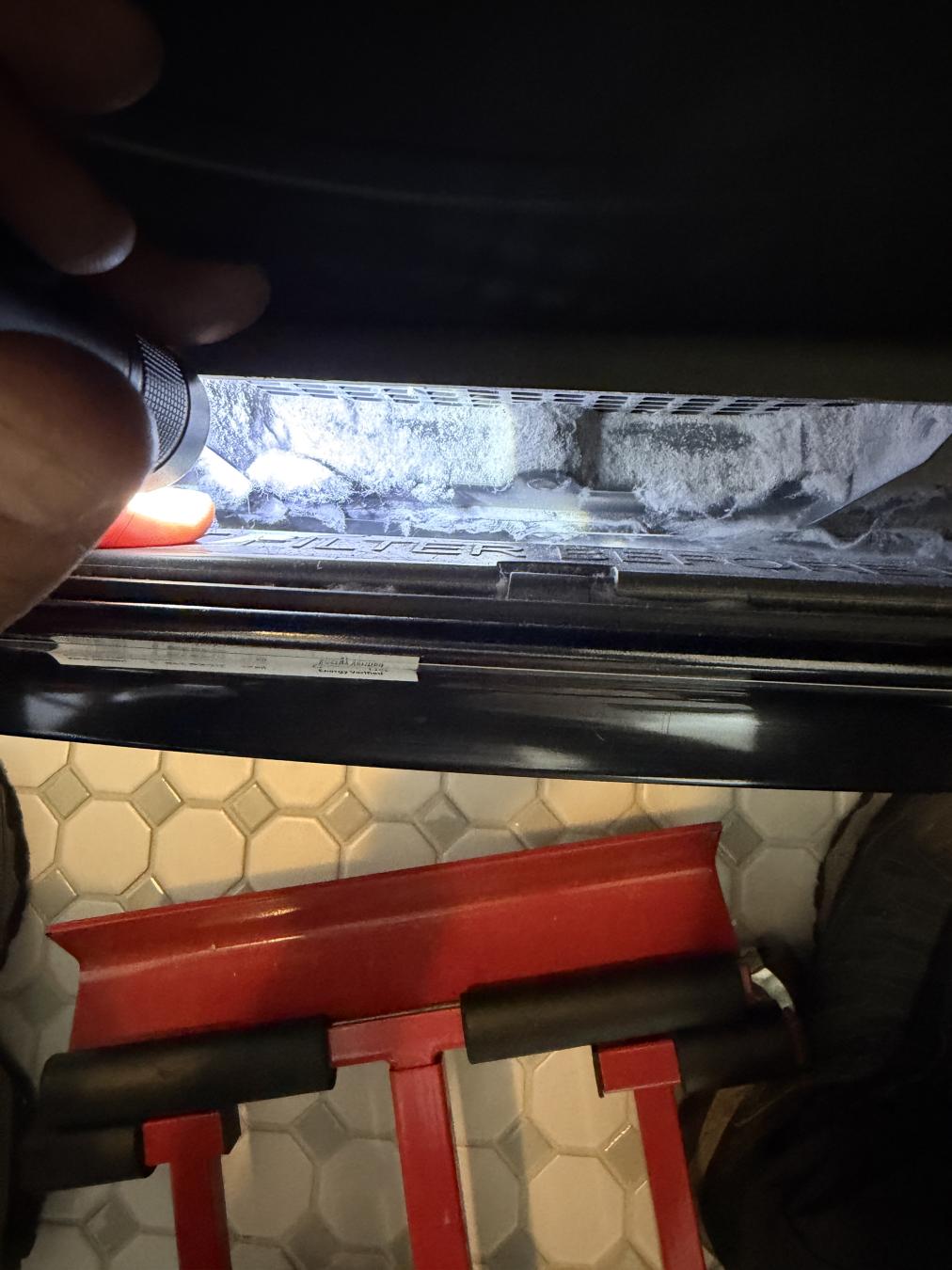
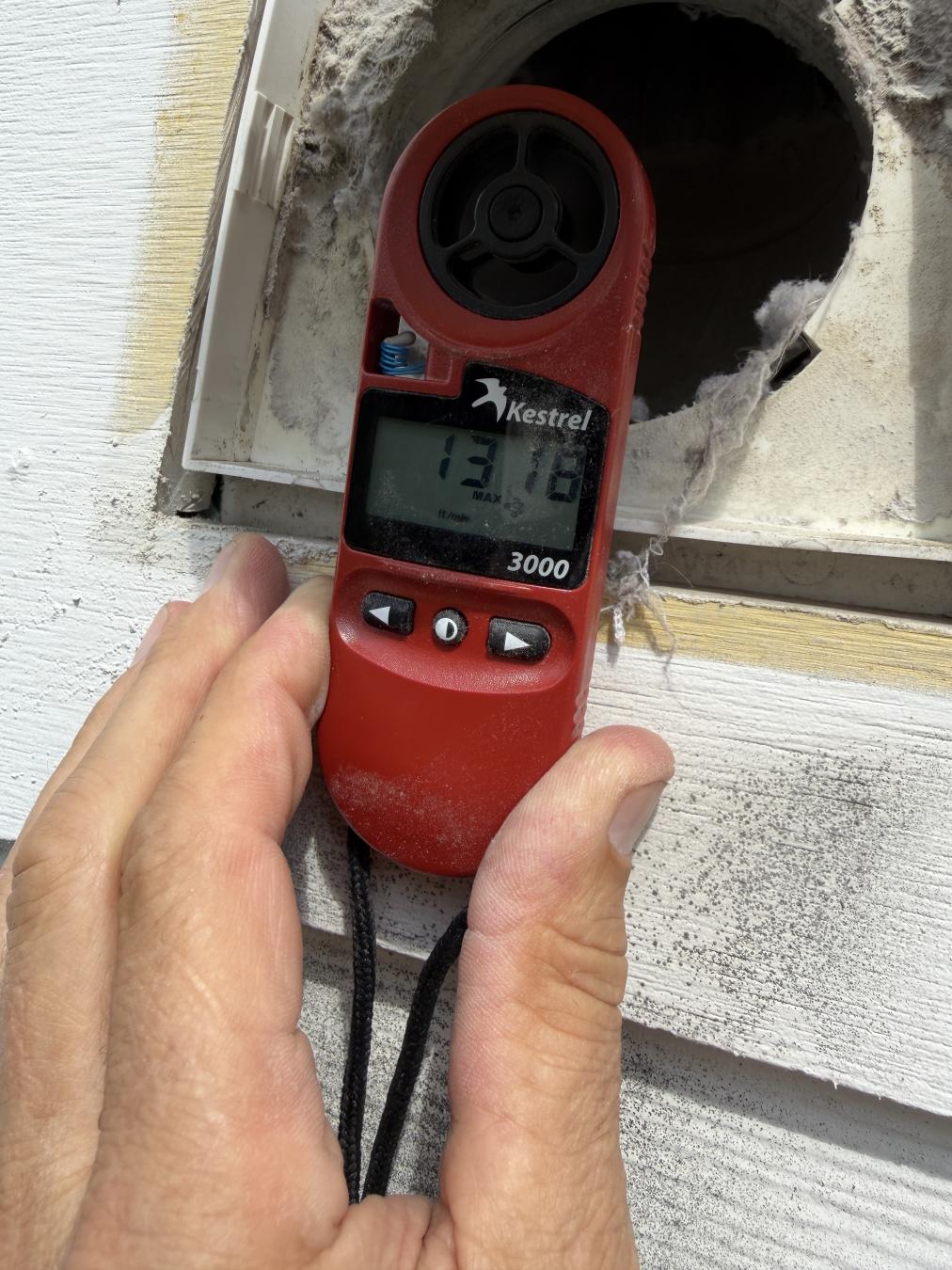
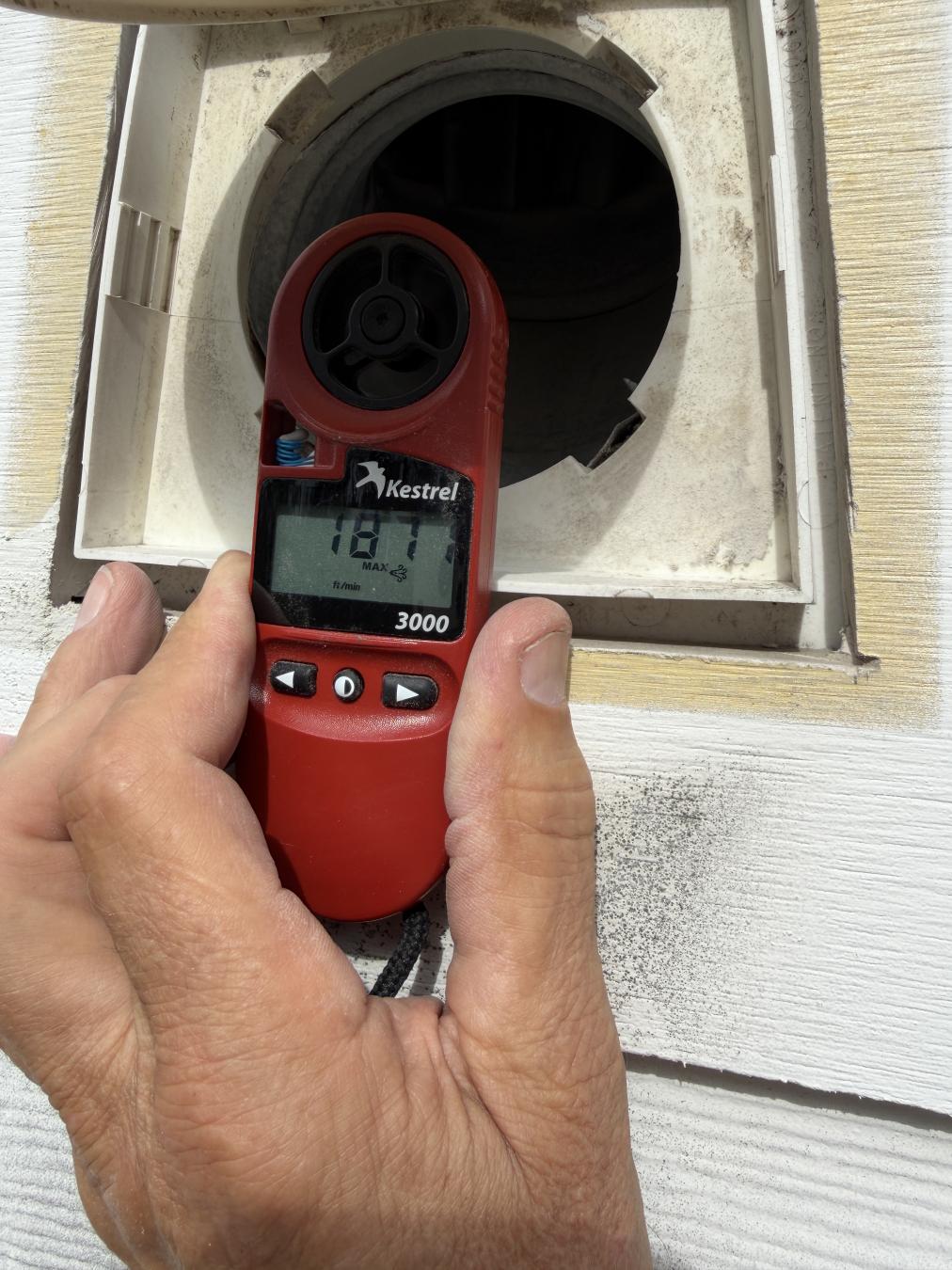
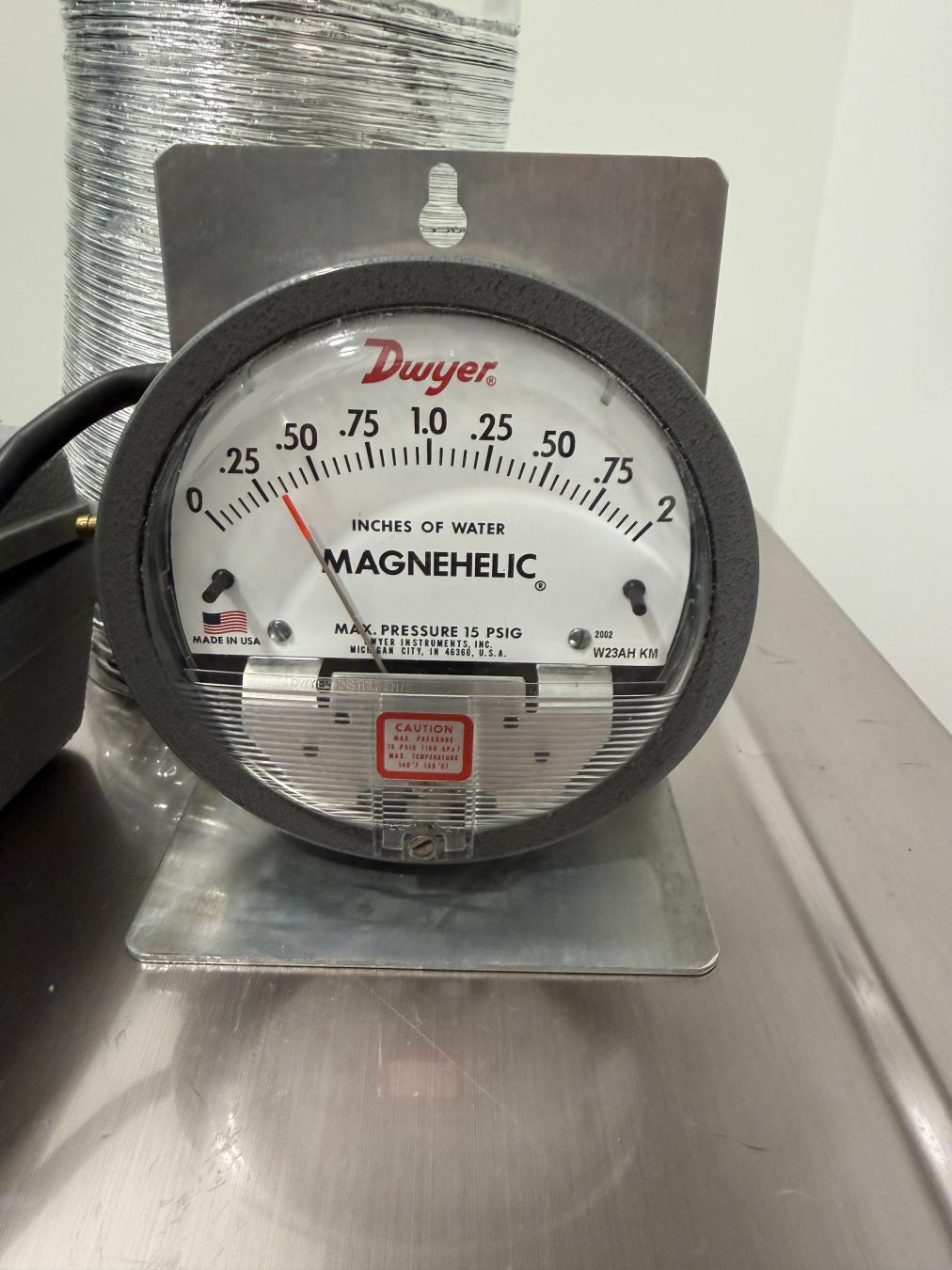
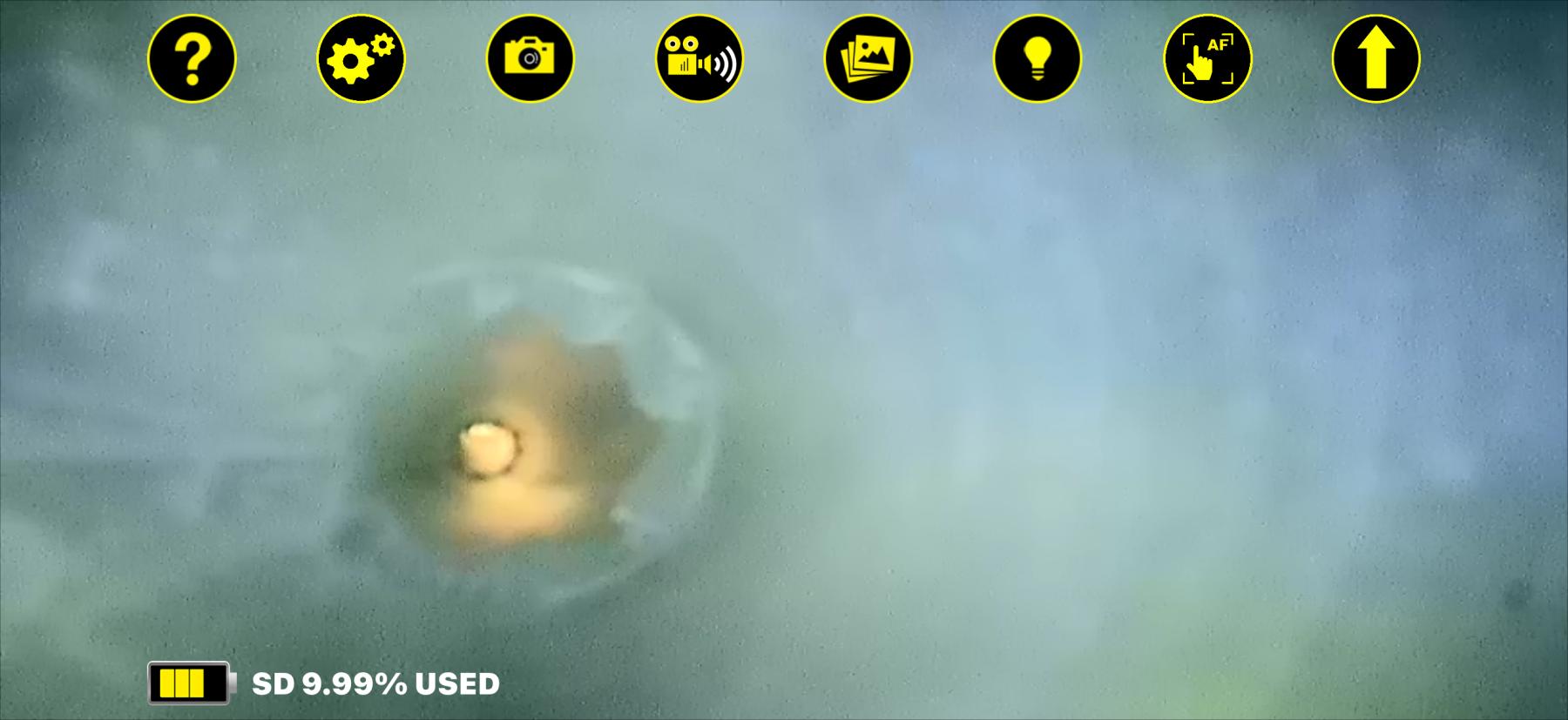
Sometimes the warning signs are right outside your door. When lint began accumulating near the exterior vent on Turnstone Street in Mt. Pleasant, the homeowner knew it was time to call in the professionals. Valentine Vents responded with a thorough investigation that revealed the source: lint buildup within the dryer's blower wheel that was being discharged through the system. The C-DET certified specialist documented the short two-foot metal rigid vent system with airflow readings that told the story clearly—1,316 FPM before service, climbing to 1,871 FPM after a complete cleaning. A Valentine 360 Visibility camera inspection captured the condition before and after, providing visual confirmation that both the vent system and appliance were functioning as they should. With the aluminum semi-rigid transition duct verified and the entire system restored to optimal performance, this Mt. Pleasant home now enjoys the improved airflow and reduced fire risk that comes from addressing problems before they escalate.
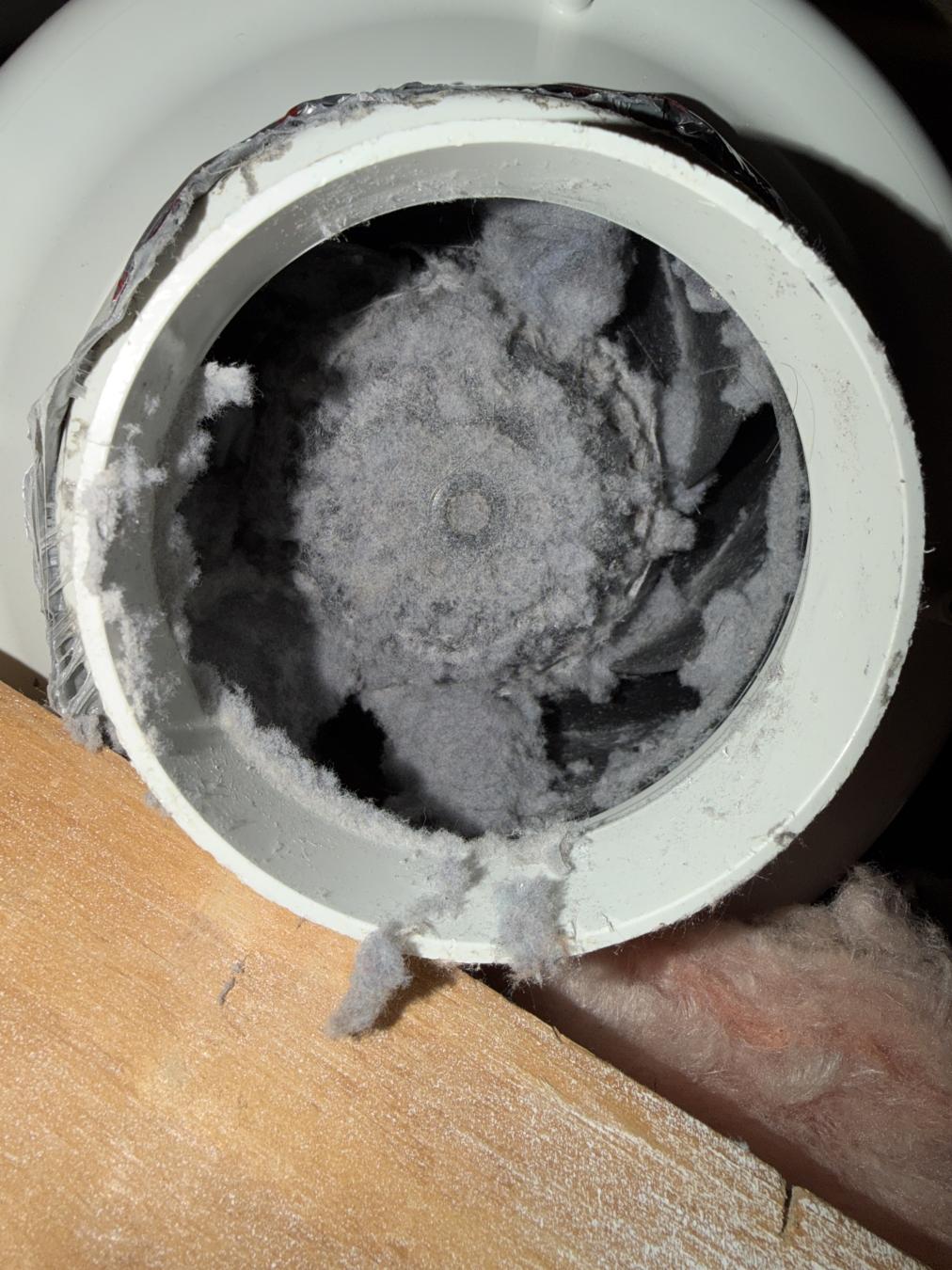


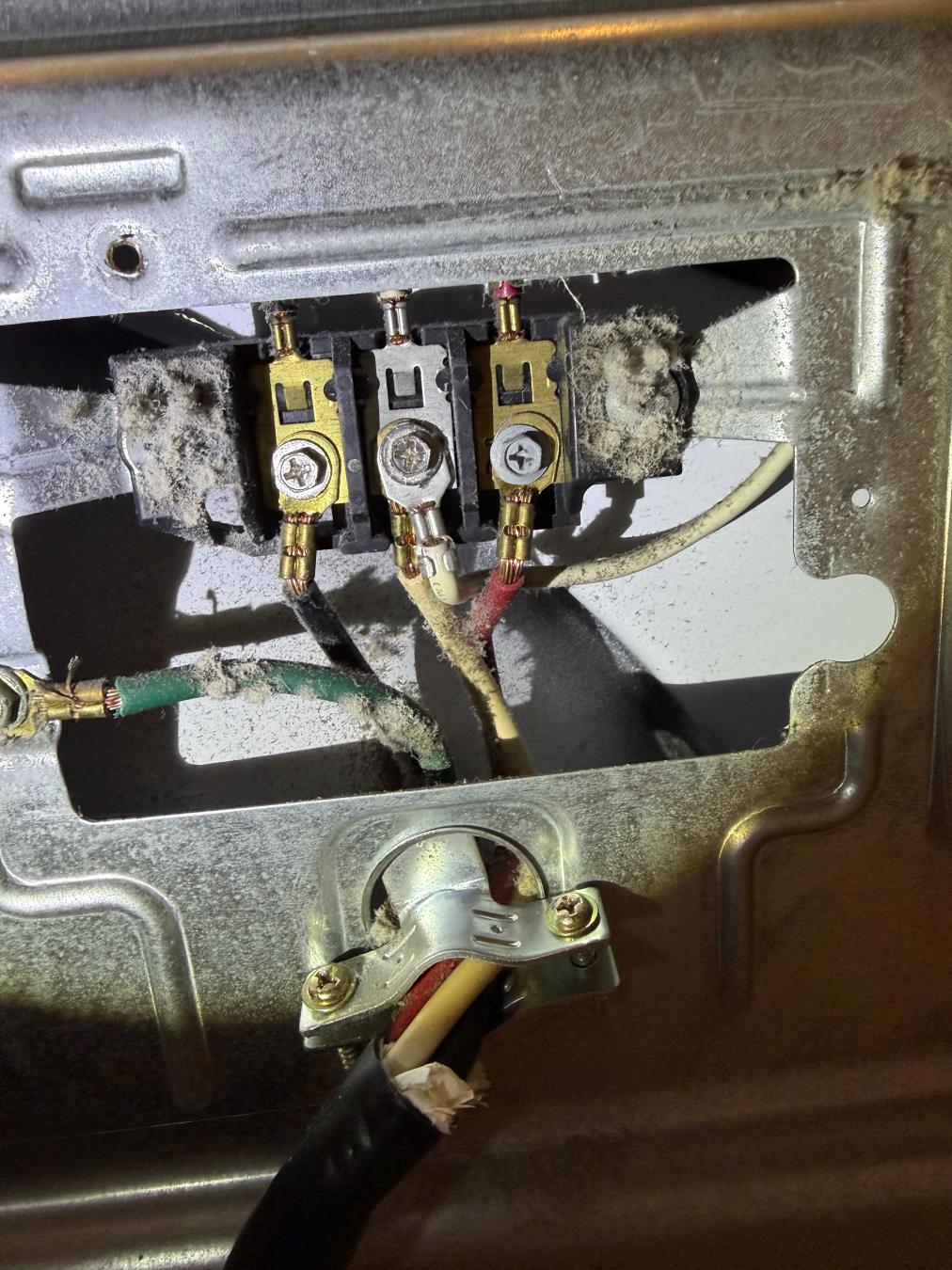
When a Daniel Island homeowner on River Landing Dr. reached out for routine maintenance, the Valentine Vents specialist arrived to find a situation more serious than expected. The 27-foot metal rigid vent system with two turns was severely compromised by a non-functioning booster fan packed with compacted lint, creating a dangerous restriction in what should have been smooth airflow. The C-DET certified technician immediately recognized the hazard and removed the failed fan entirely, replacing it with solid 26-gauge metal pipe to restore proper ventilation. The specialist also addressed the substandard flex foil transition duct, replacing it with DryerFlex—a premium semi-rigid product chosen for its superior performance and fire-retardant properties. As dryer manufacturers clearly state in their owner's manuals, flex foil should not be used. A thorough cleaning removed years of accumulated lint throughout the entire system, while the Valentine 360 Visibility camera inspection documented the transformation. Photos captured the dramatic before-and-after condition of both the booster fan area and the complete vent run. What began as routine maintenance became a critical safety intervention, eliminating hidden fire hazards and restoring this home's dryer system to peak efficiency.
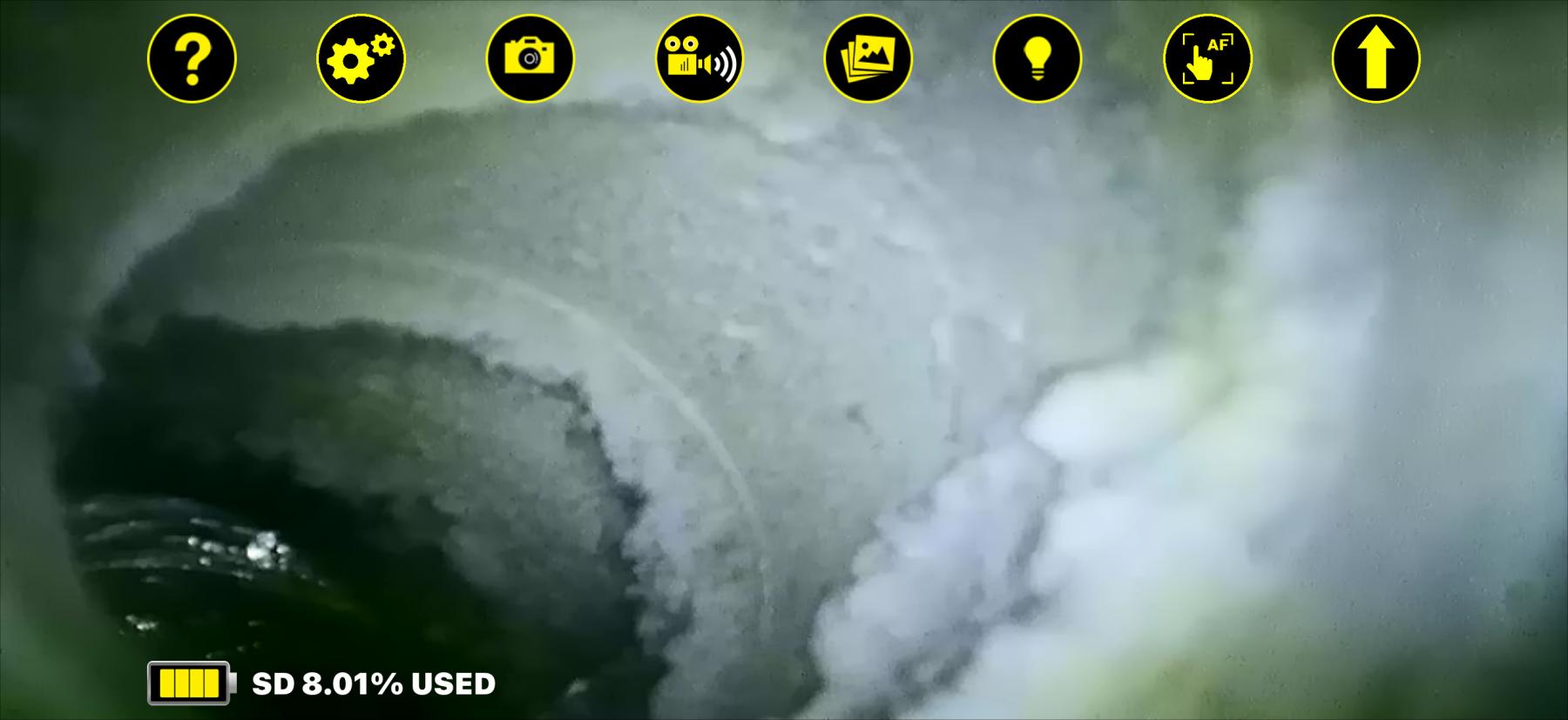
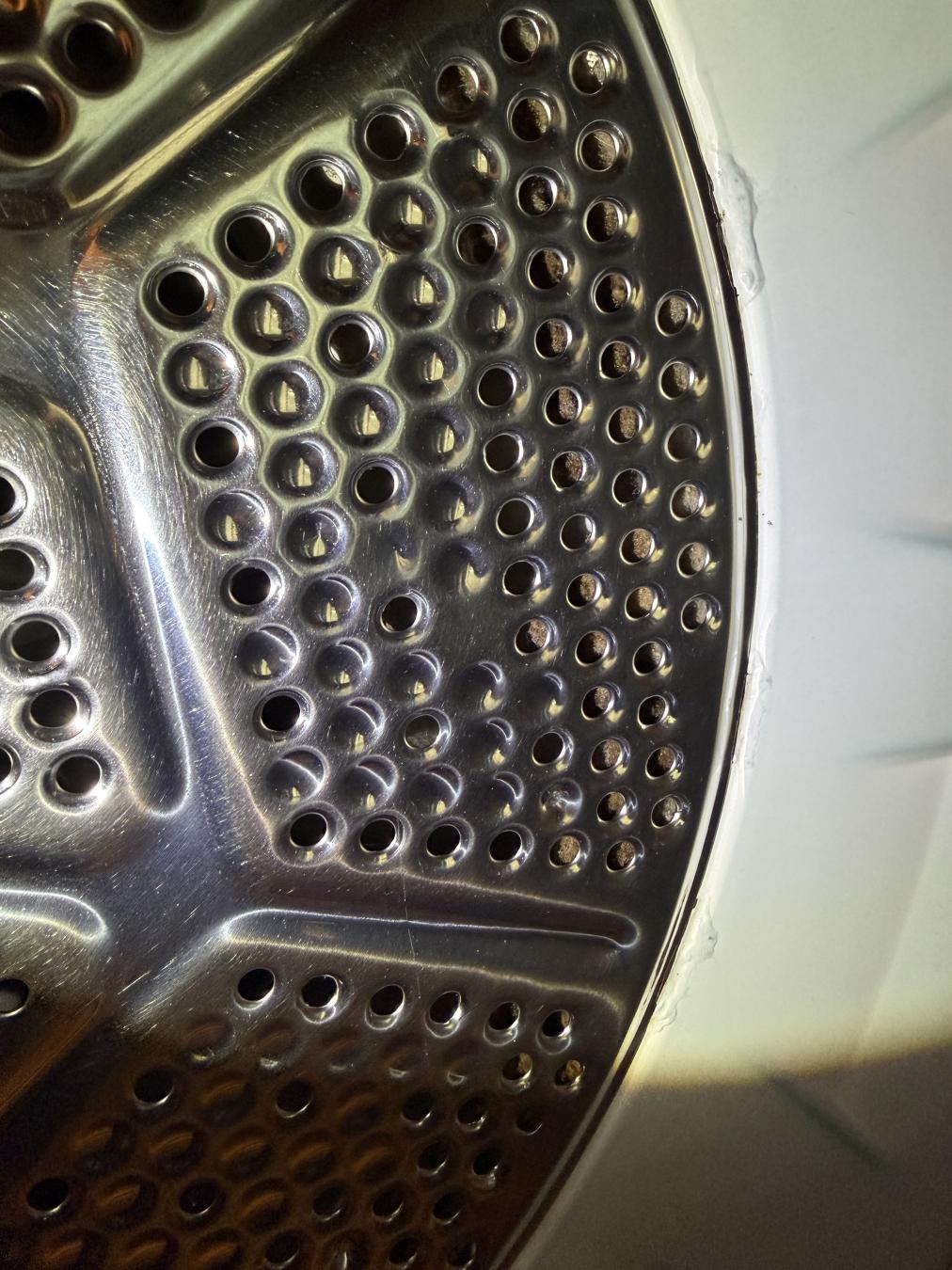
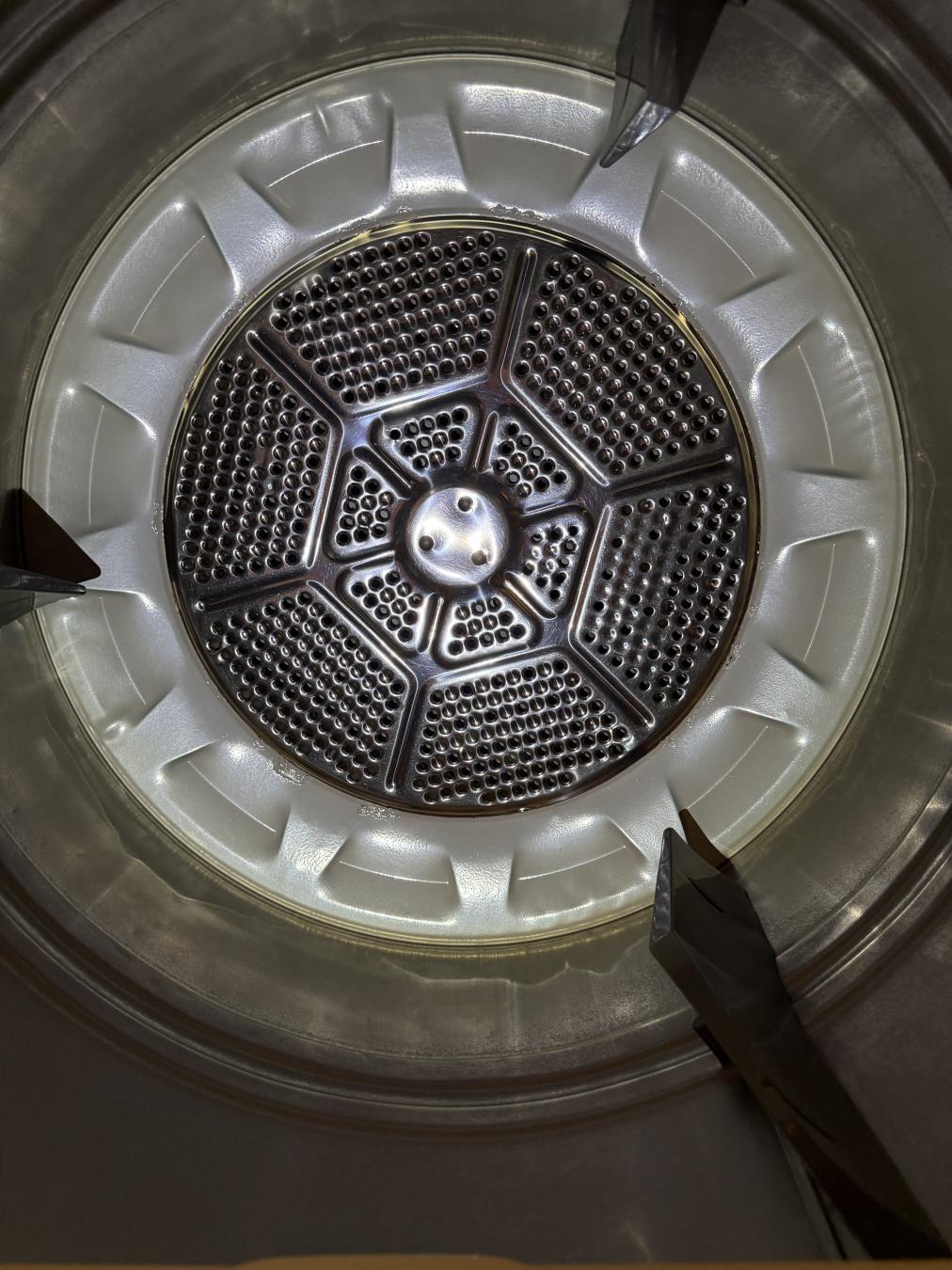
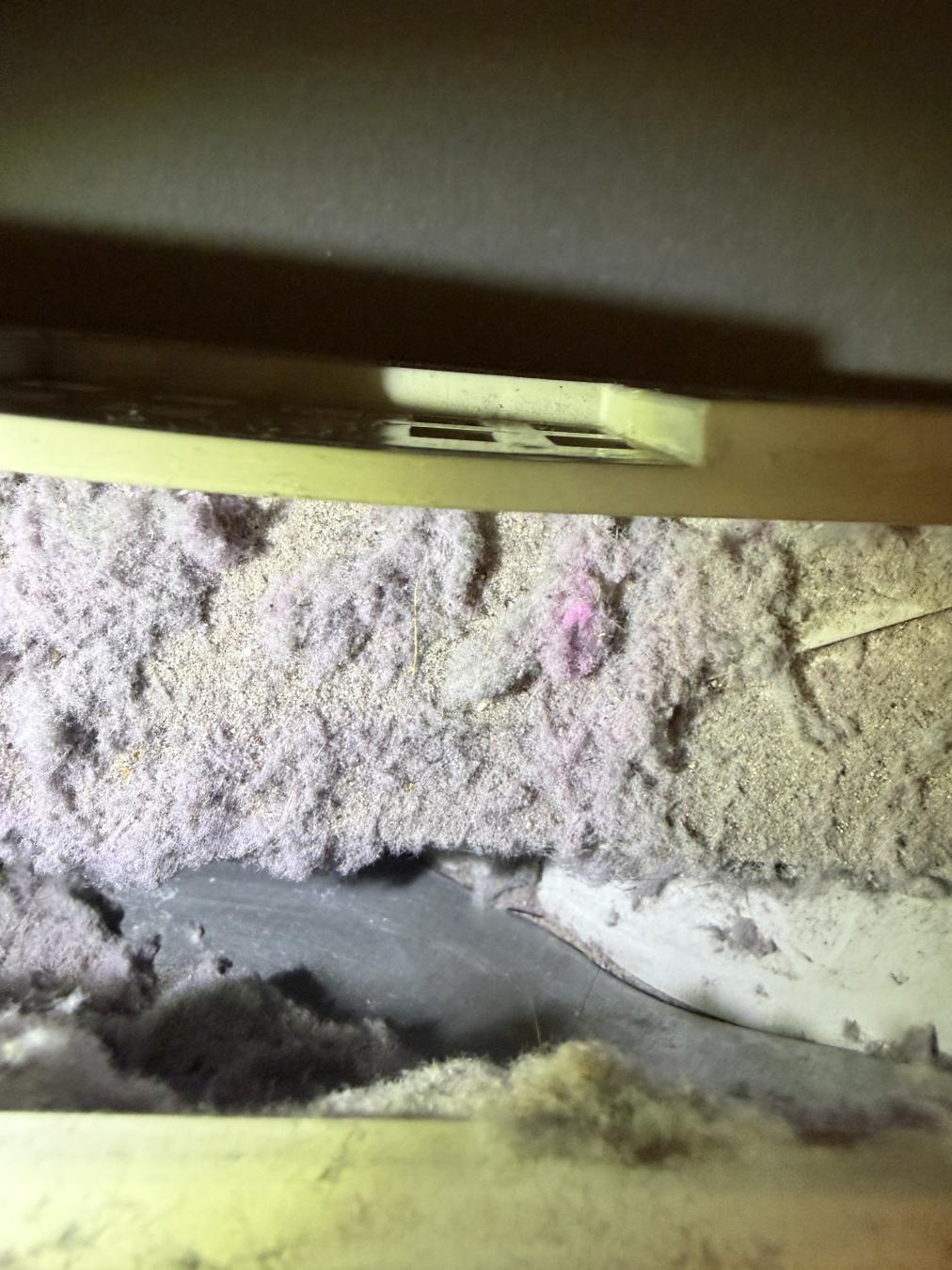
A routine cleaning appointment on Strawberry Ln in Charleston revealed just how significant a difference professional service can make. The home's dryer vent measured only two feet with a single turn—a seemingly simple setup—yet airflow readings told a different story. Valentine Vents' C-DET certified specialist measured the initial airflow at 705 FPM, indicating a system operating well below optimal performance. After a thorough cleaning that included delinting the dryer itself to remove buildup from interior areas where fires typically start, the results were dramatic: airflow soared to 1,371 FPM, nearly doubling the system's efficiency. The Valentine 360 Visibility camera inspection documented the transformation, with photos capturing the before-and-after condition of both the dryer and vent system. The existing metal rigid vent and DryerFlex transition were found to be in good working order, requiring only a comprehensive cleaning to restore proper function. The specialist methodically inspected every component of the venting system, ensuring nothing was overlooked. With airflow restored to manufacturer-recommended levels, this Charleston home now enjoys the efficiency and fire safety that comes from a professionally maintained dryer vent system.
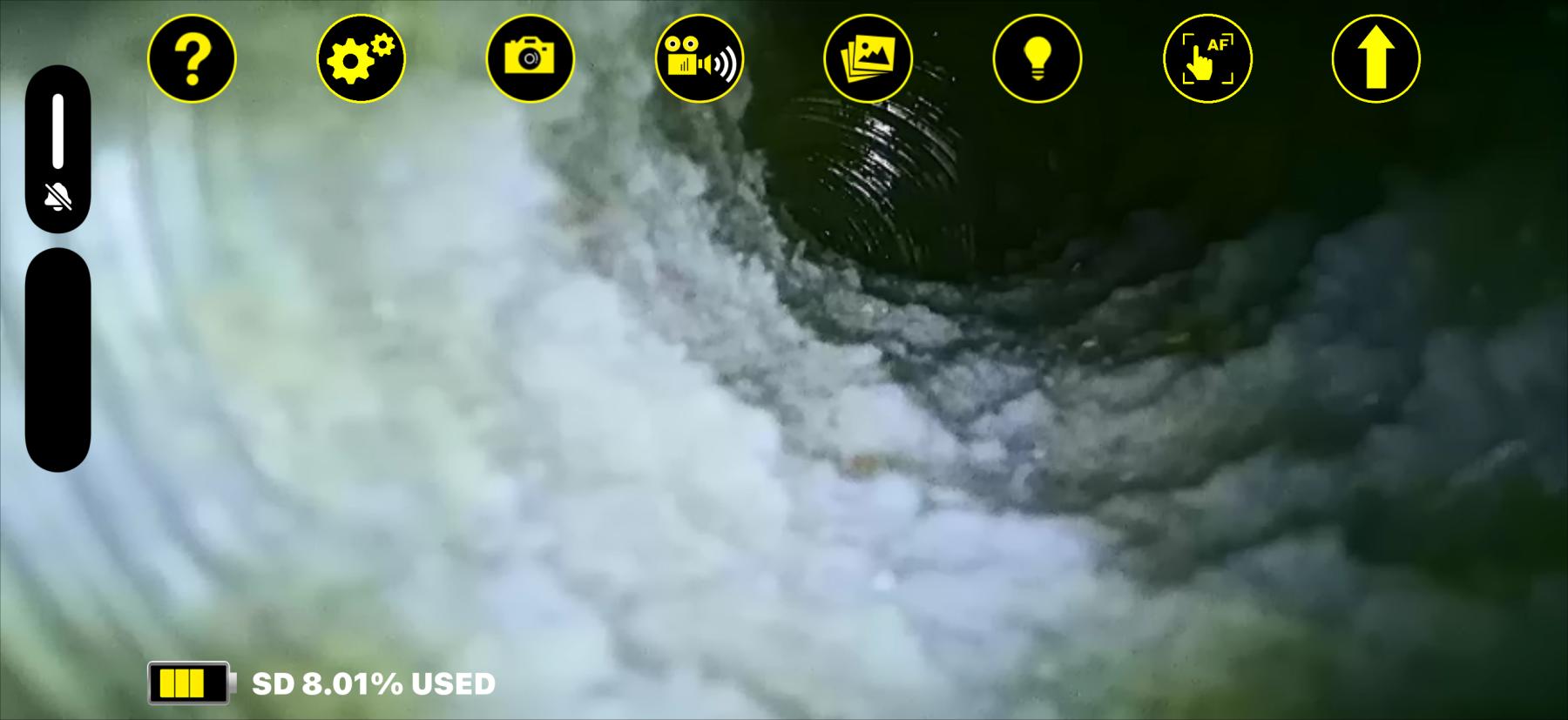
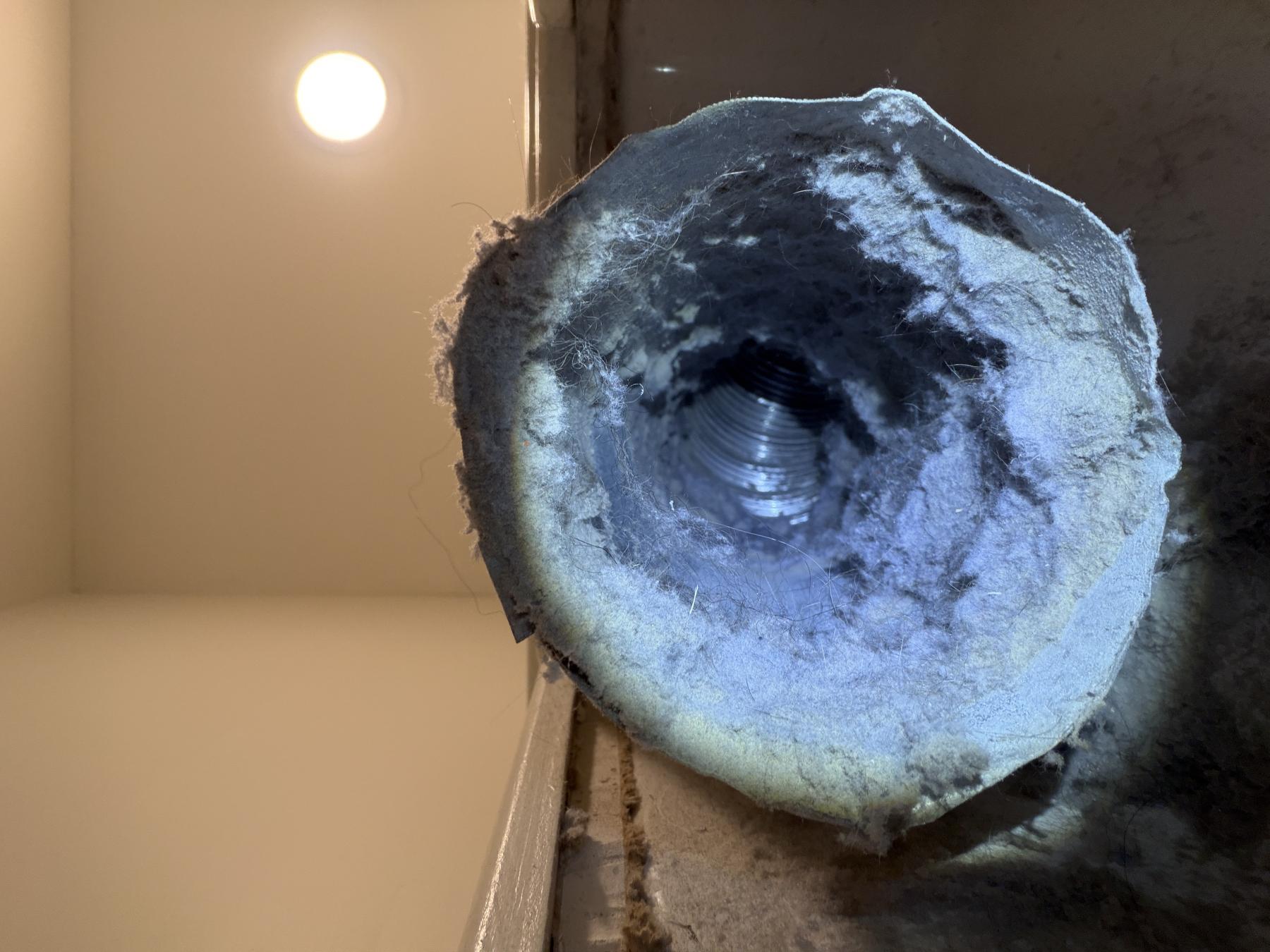
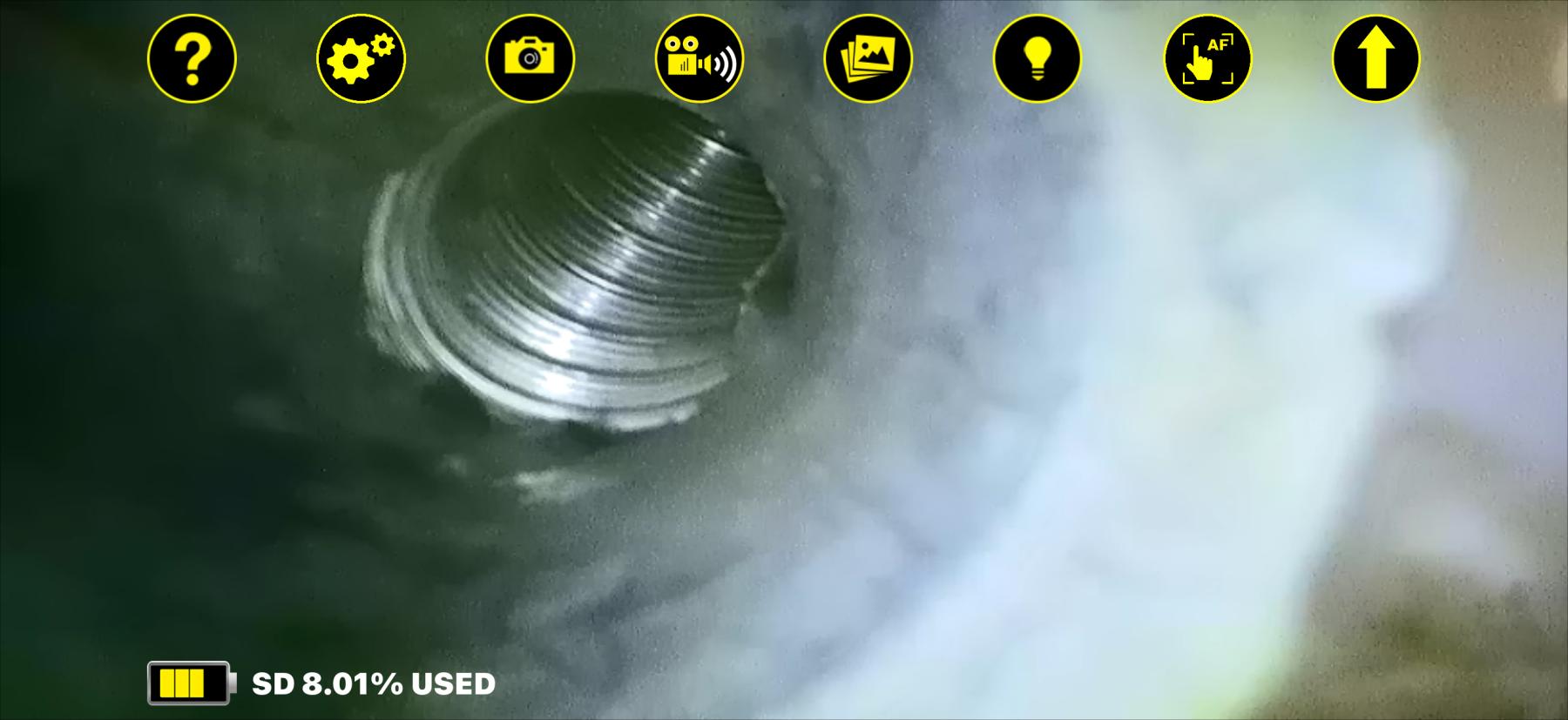

When an LG dryer began displaying a persistent D80 error code on Red Tide Road in Mt. Pleasant, the homeowner had no idea when the vent had last been serviced—or what challenges lay hidden within the walls. The C-DET certified specialist from Valentine Vents arrived to find a 16-foot vent system with three turns, combining both rigid and semi-rigid ducting. Back pressure measured a concerning 0.75 inches of water column, well above optimal levels. A thorough cleaning brought immediate improvement, dropping the back pressure to 0.50"WC and resolving the error code. The Valentine 360 Visibility camera inspection revealed the interior configuration: semi-rigid ducting ran through the wall for the first six feet before transitioning to solid pipe. The specialist carefully explained the process for converting the entire run to rigid metal ducting, which would bring the system into full building code compliance and further enhance performance. Photos captured throughout the service documented the transformation. With the vent now flowing freely and a clear path forward for future upgrades, the home's laundry room was restored to safe, efficient operation.
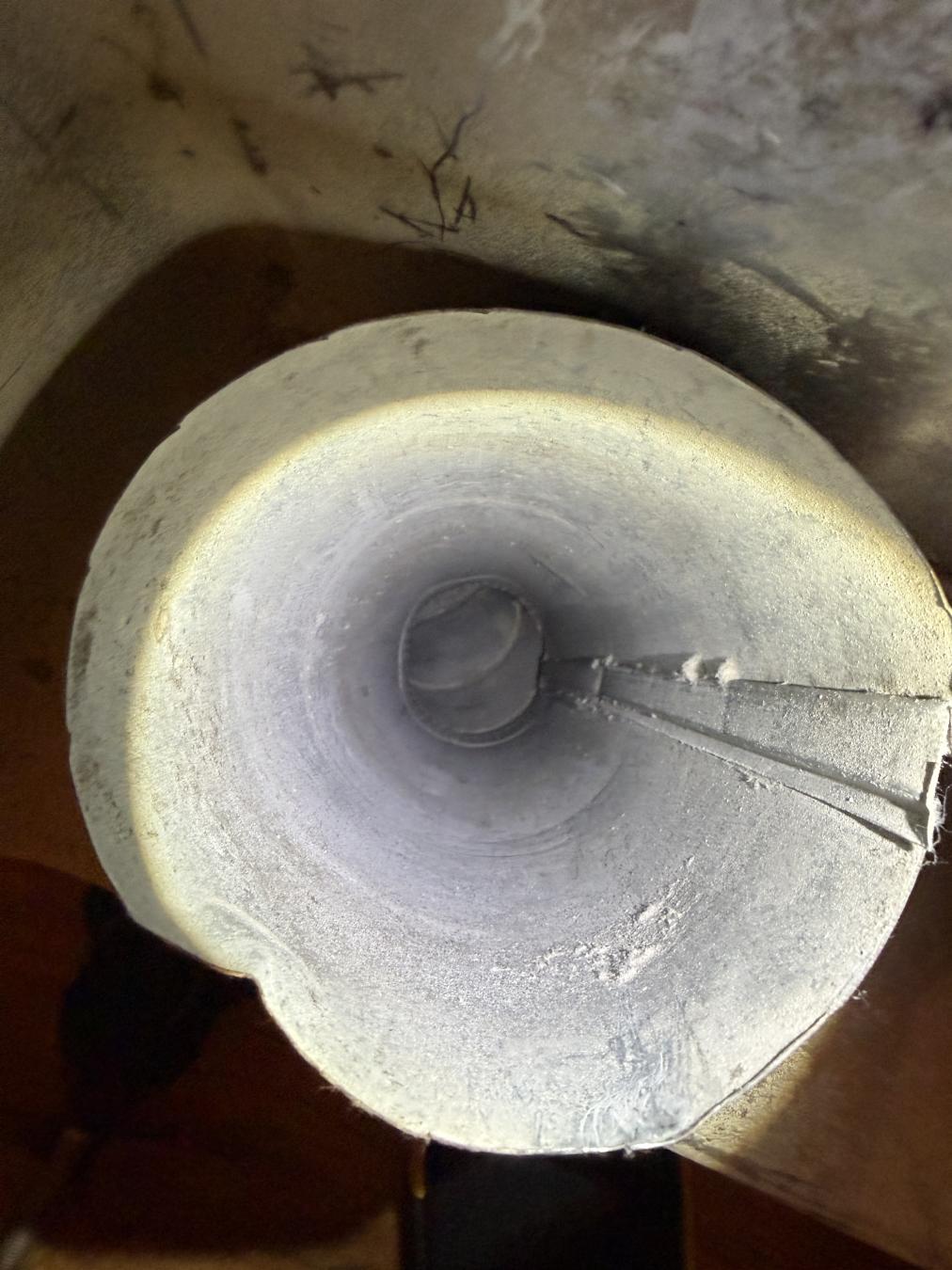
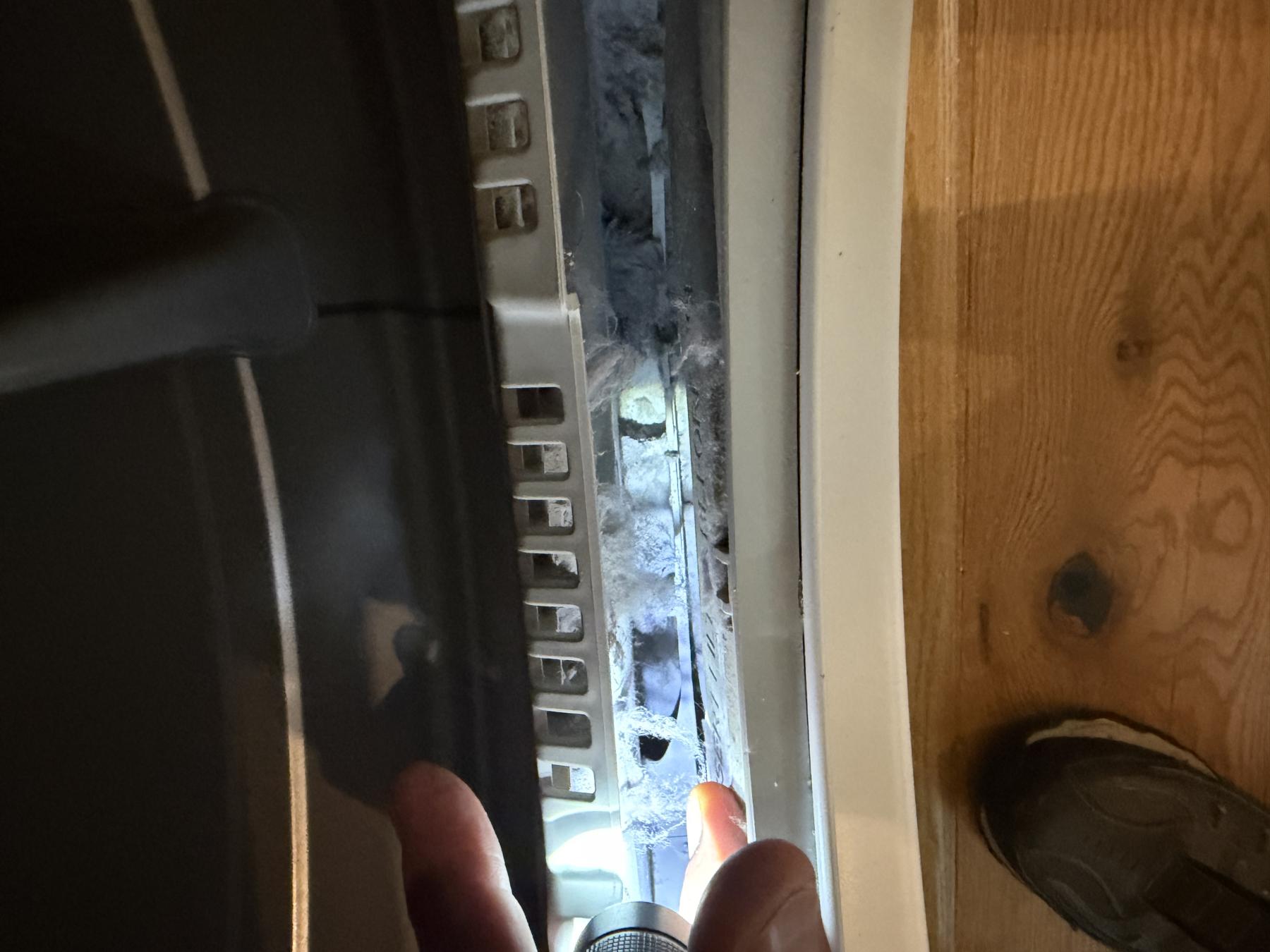
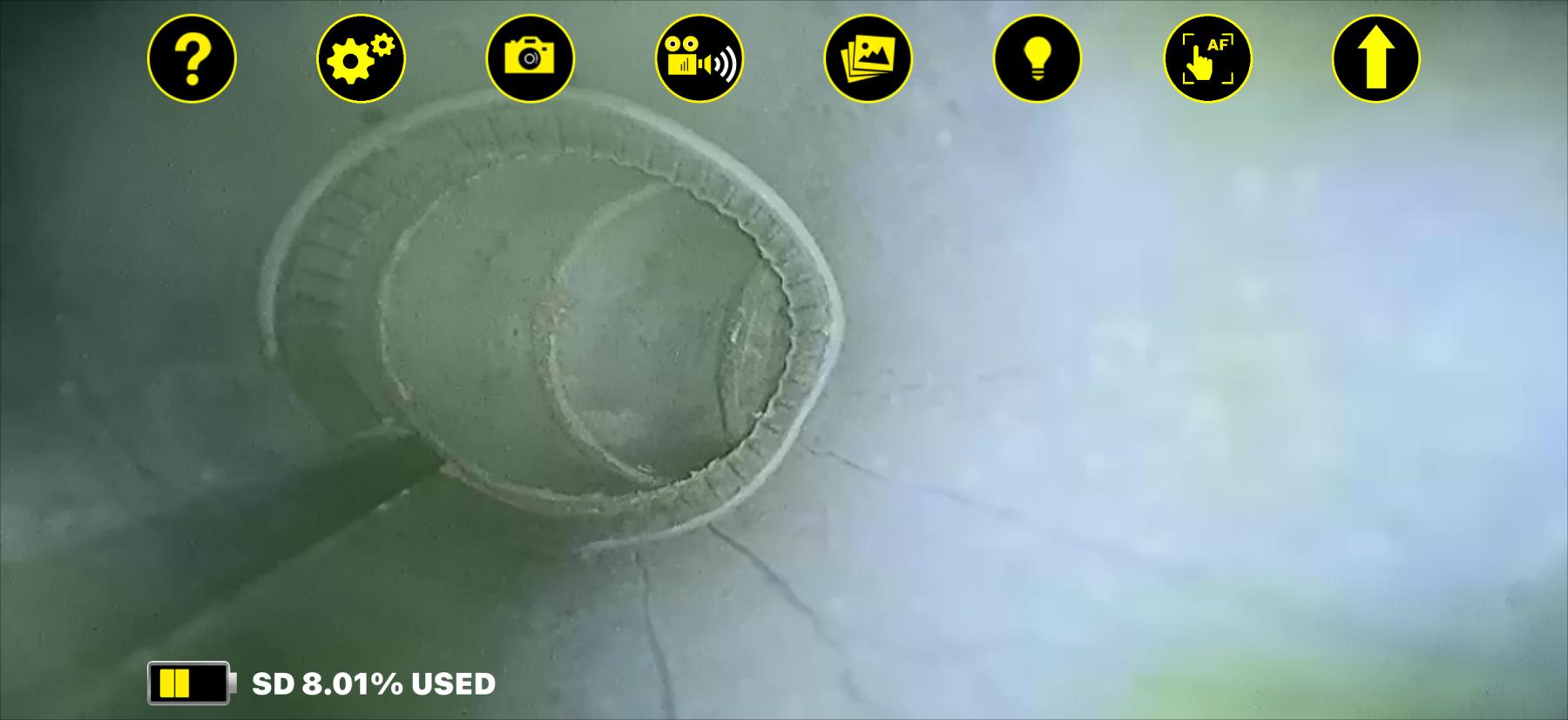
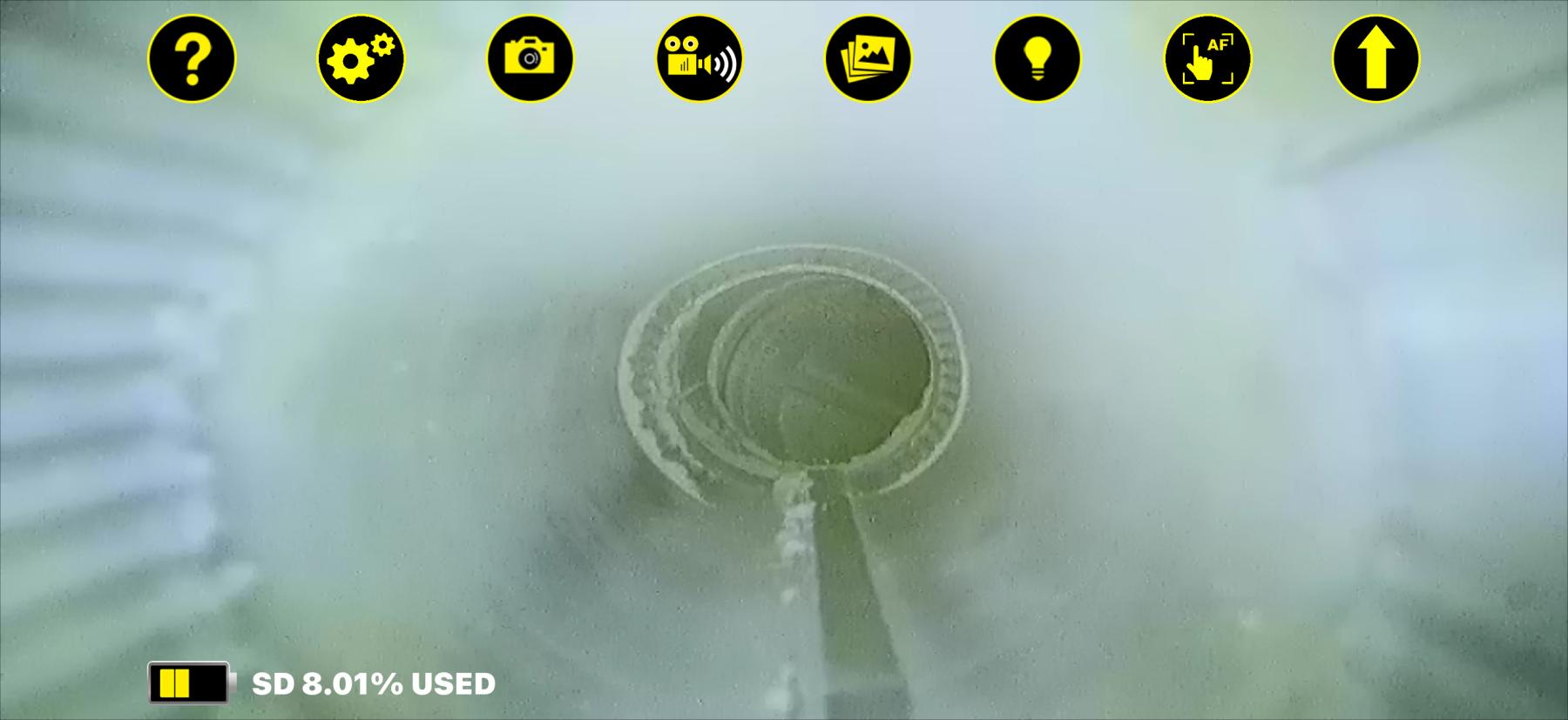
When a Daniel Island homeowner on River Landing Drive recognized it had been two years since their last dryer vent cleaning, they reached out to Valentine Vents to restore their system to peak performance. The 16-foot metal rigid vent with two turns was already in good shape, but regular maintenance remains essential for safety and efficiency. The C-DET certified specialist conducted a thorough cleaning of both the vent line and dryer cabinet, finding minimal lint buildup—a testament to the homeowner's diligence with routine care. To provide complete transparency and documentation, a Valentine 360 Visibility camera inspection was performed, allowing the homeowner to see firsthand the condition of their entire vent system from the inside. Photos captured throughout the service provide a lasting record of the work completed. The aluminum semi-rigid transition duct met current safety standards and was left in place. With the system inspected, cleaned, and verified to be working properly, this Daniel Island home now enjoys the peace of mind that comes from knowing their dryer is operating safely and efficiently for years to come.
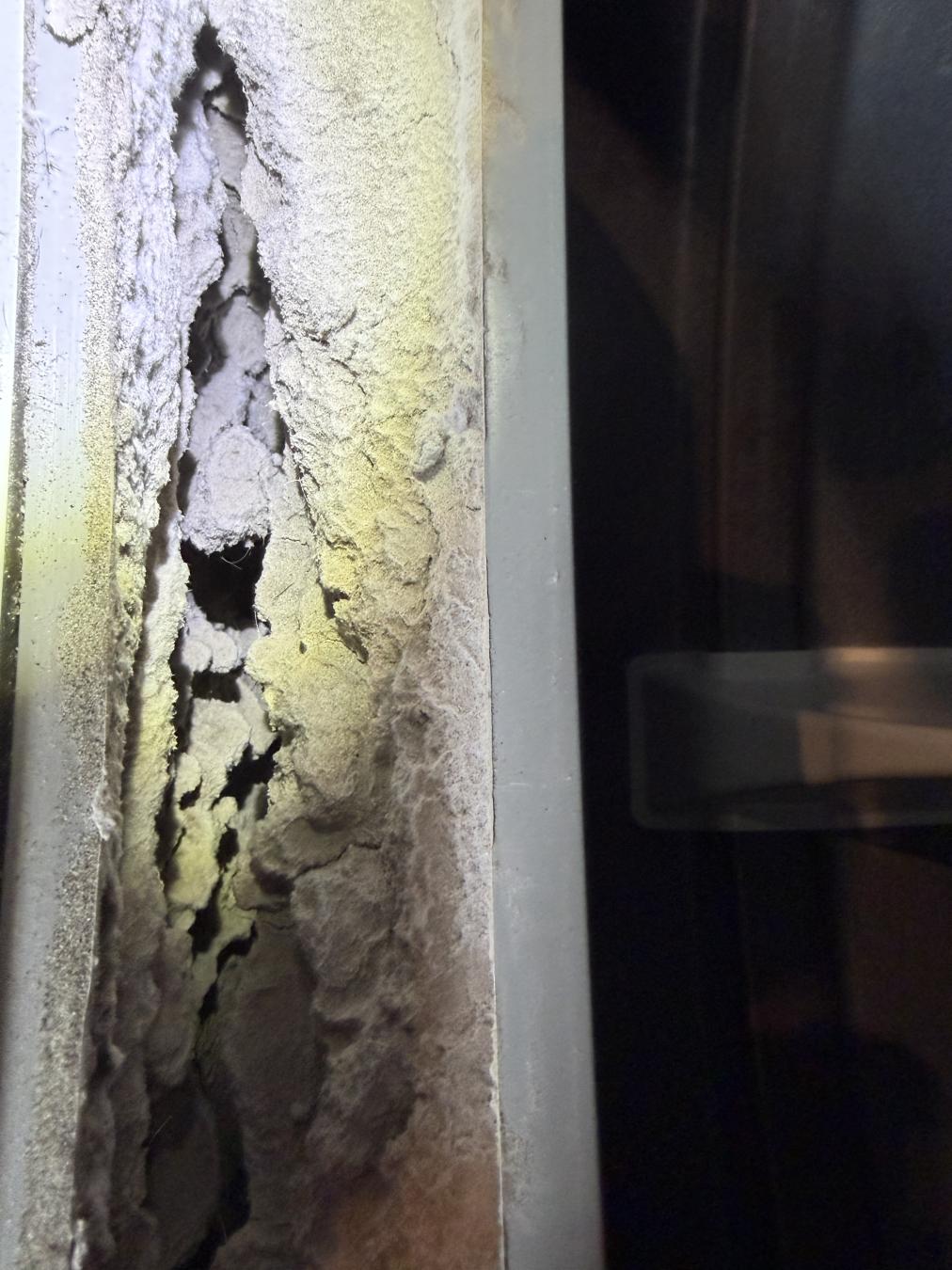
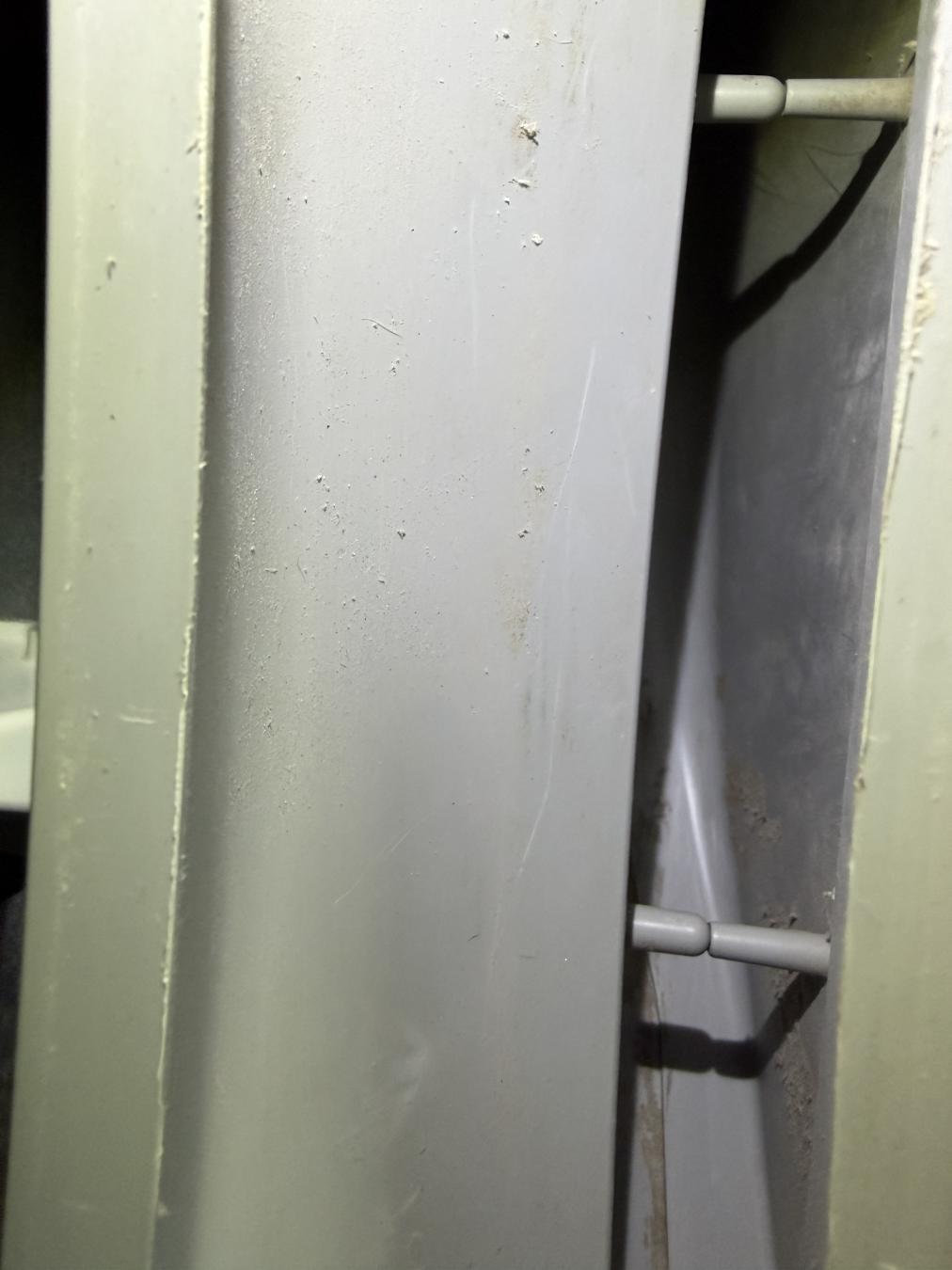
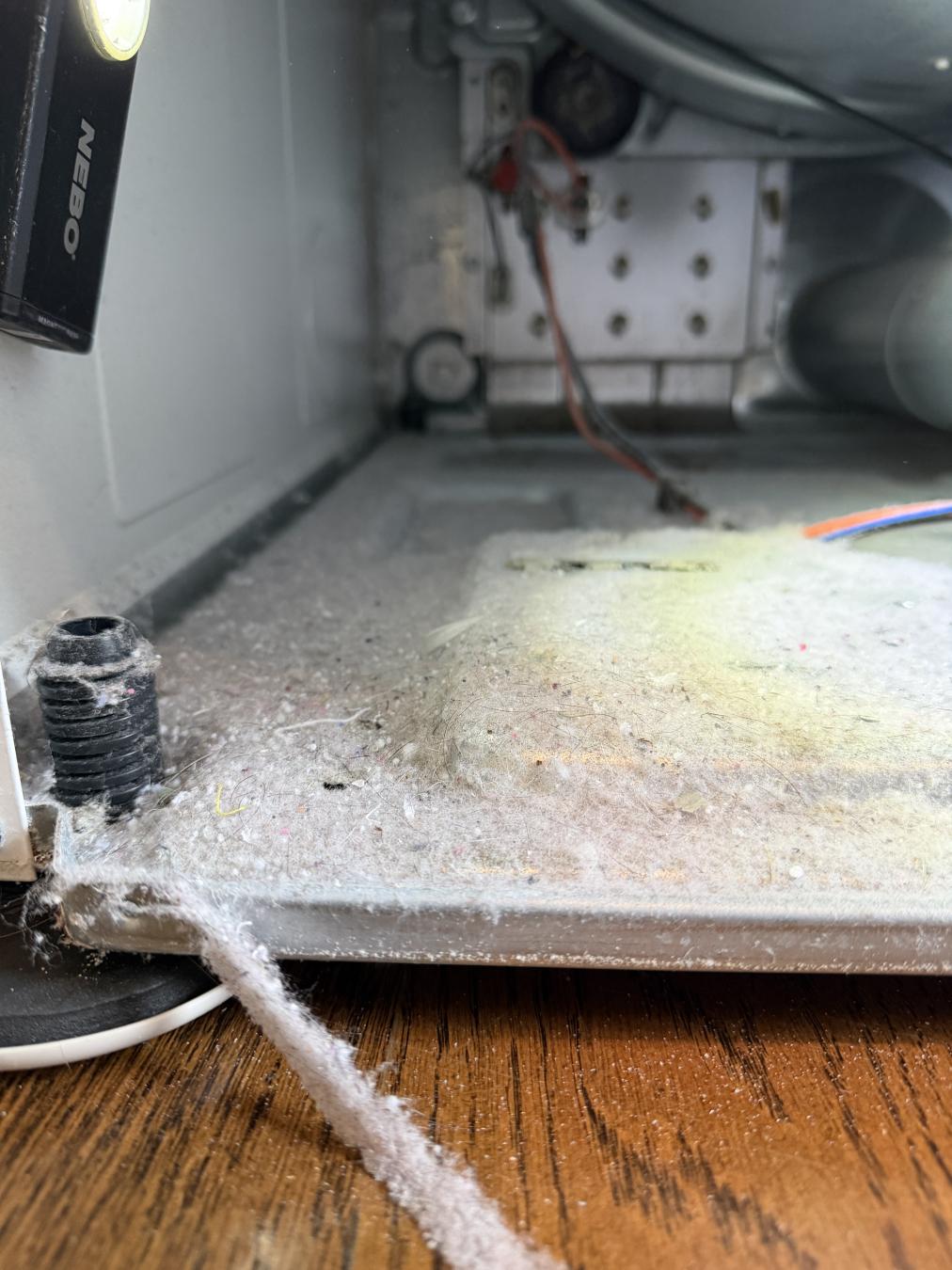
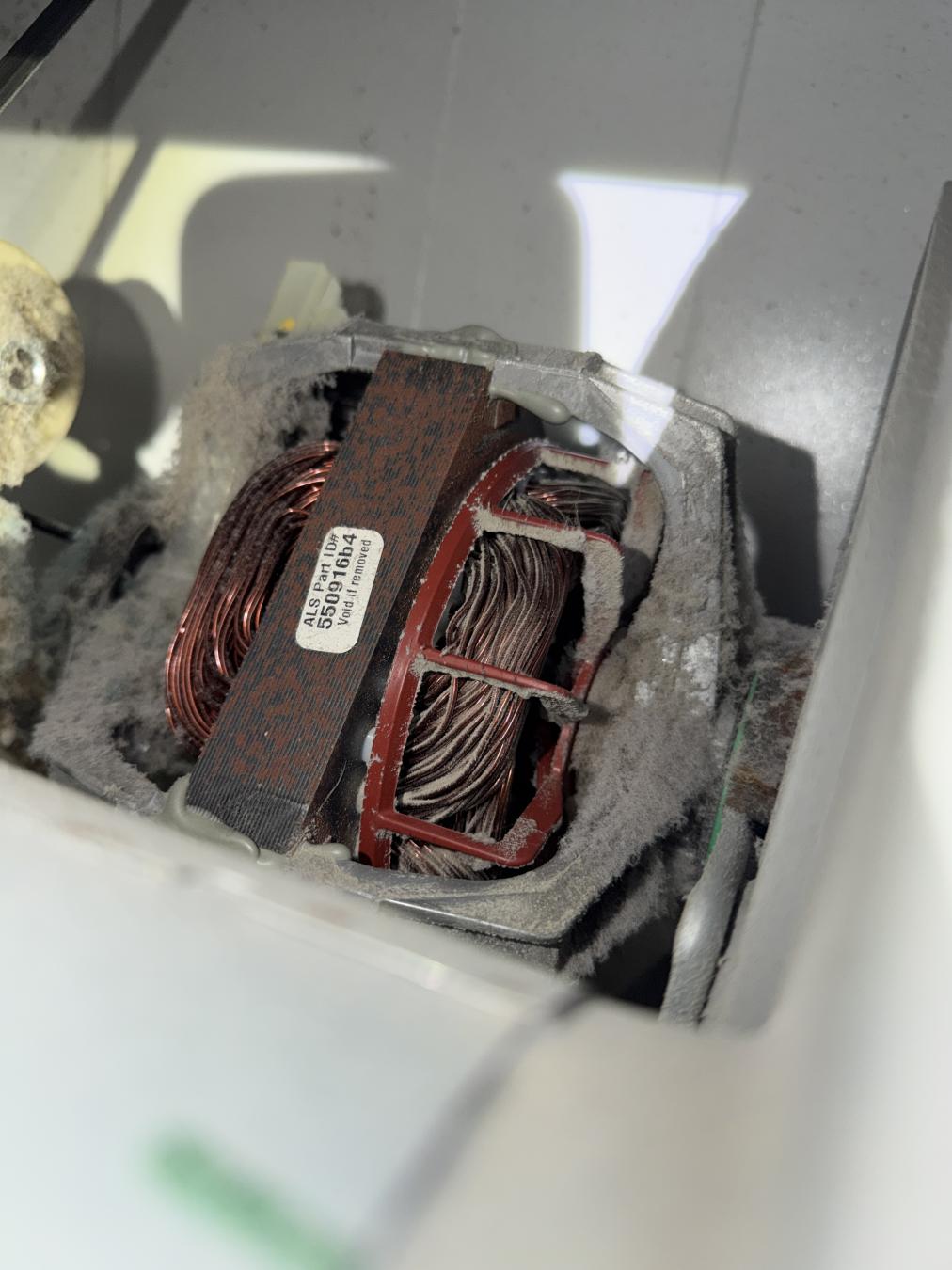
After more than three years without service, a Mt. Pleasant home on London Bridge Road was experiencing the telltale sign of reduced dryer efficiency: longer drying times. The Valentine Vents specialist who responded discovered that while the 11-foot metal rigid vent with two turns to the roof showed surprisingly little lint accumulation, the real culprit was hiding inside the dryer cabinet itself. Significant buildup behind the lint trap was choking the airflow at its source—a common yet often overlooked problem area. The C-DET certified specialist thoroughly delinted the dryer cabinet, restoring proper function where it mattered most. The substandard flex foil transition duct was replaced with DryerFlex, a premium semi-rigid product chosen for its superior performance and fire-retardant properties that dryer manufacturers specifically recommend. Valentine 360 Visibility camera inspection documented the complete restoration, and photos captured throughout the job provided visual confirmation of the thorough work performed. With the hidden obstruction eliminated and proper materials now in place, this second-floor dryer was returned to peak efficiency and safety.
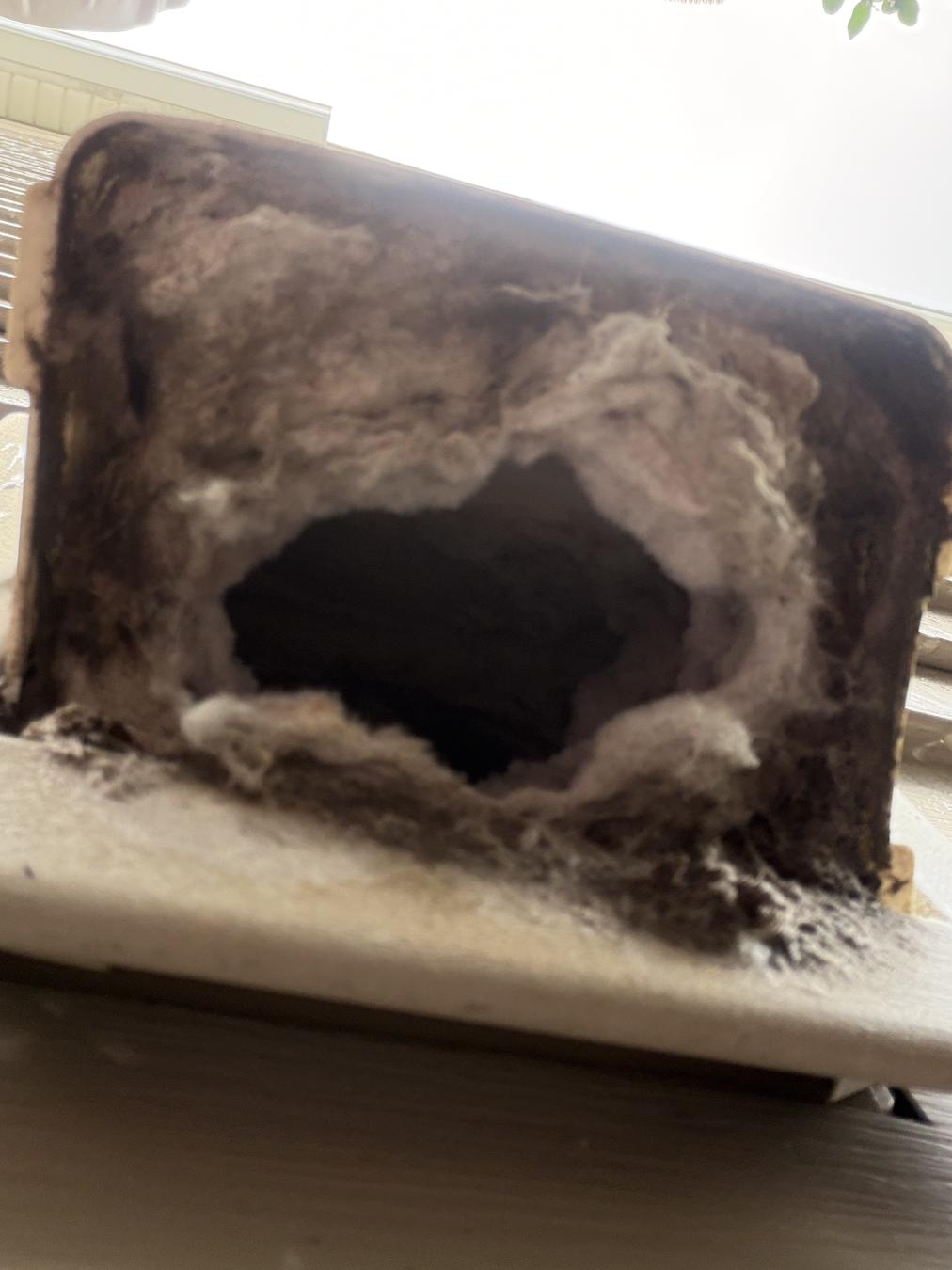
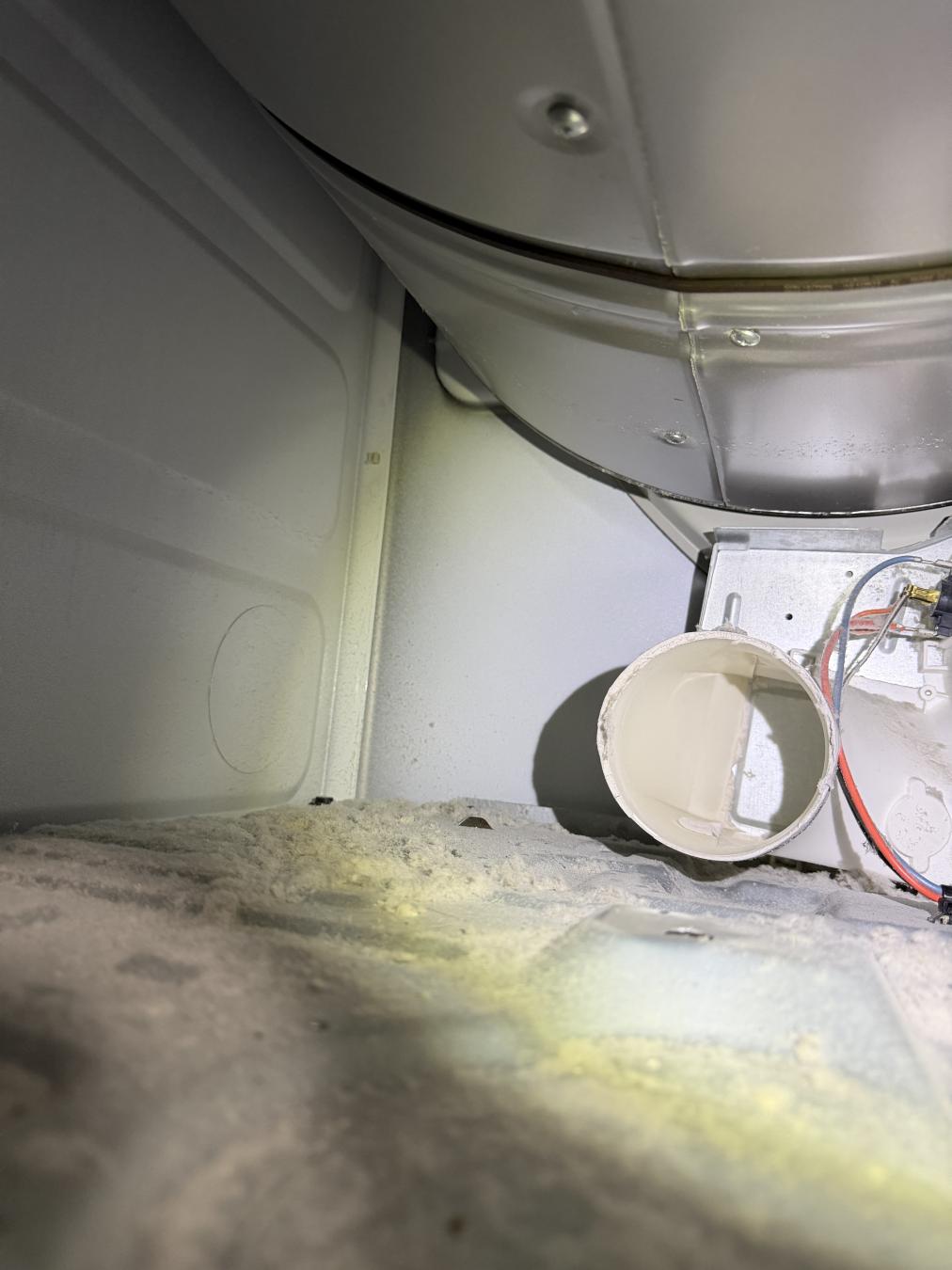
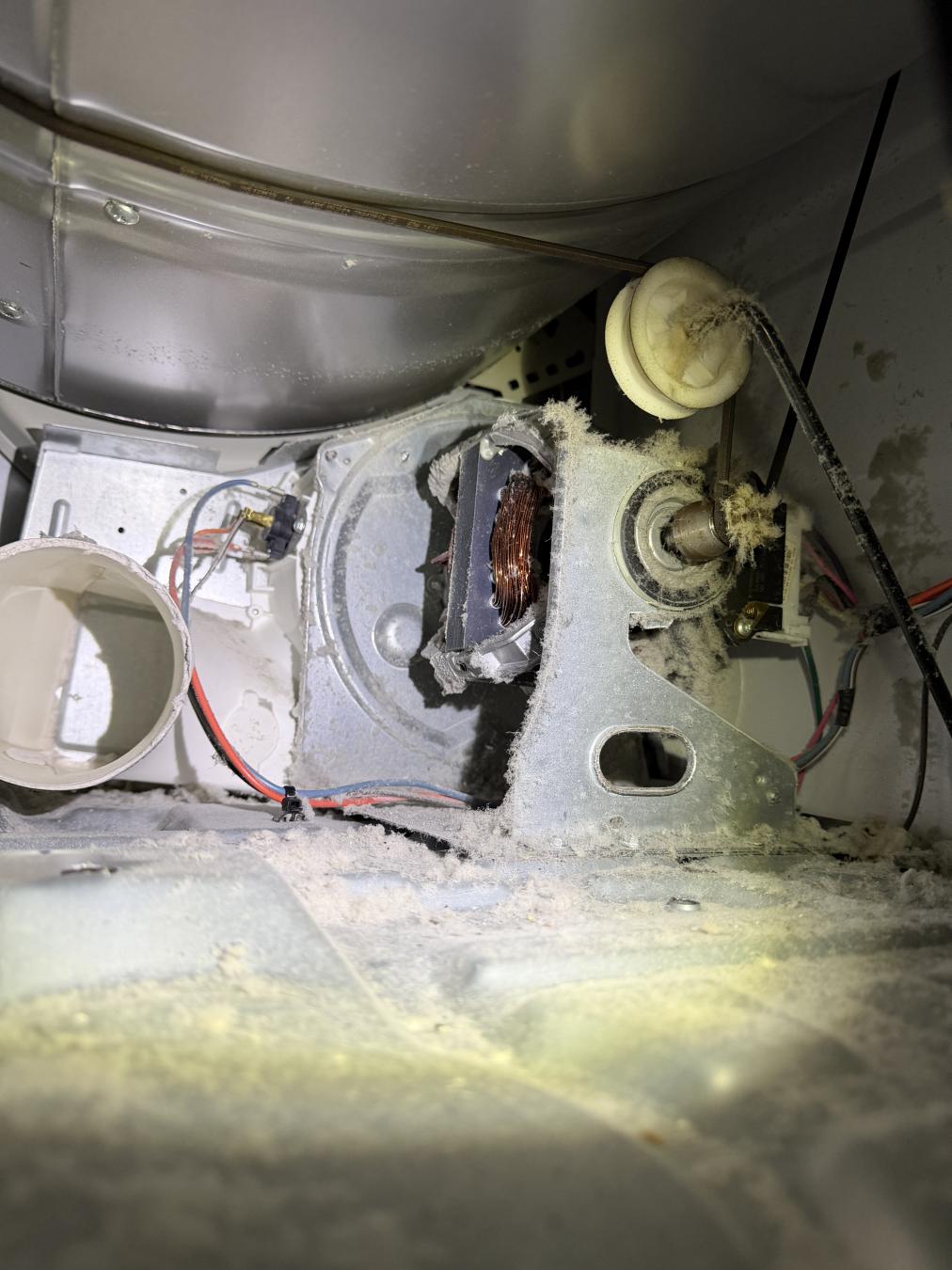
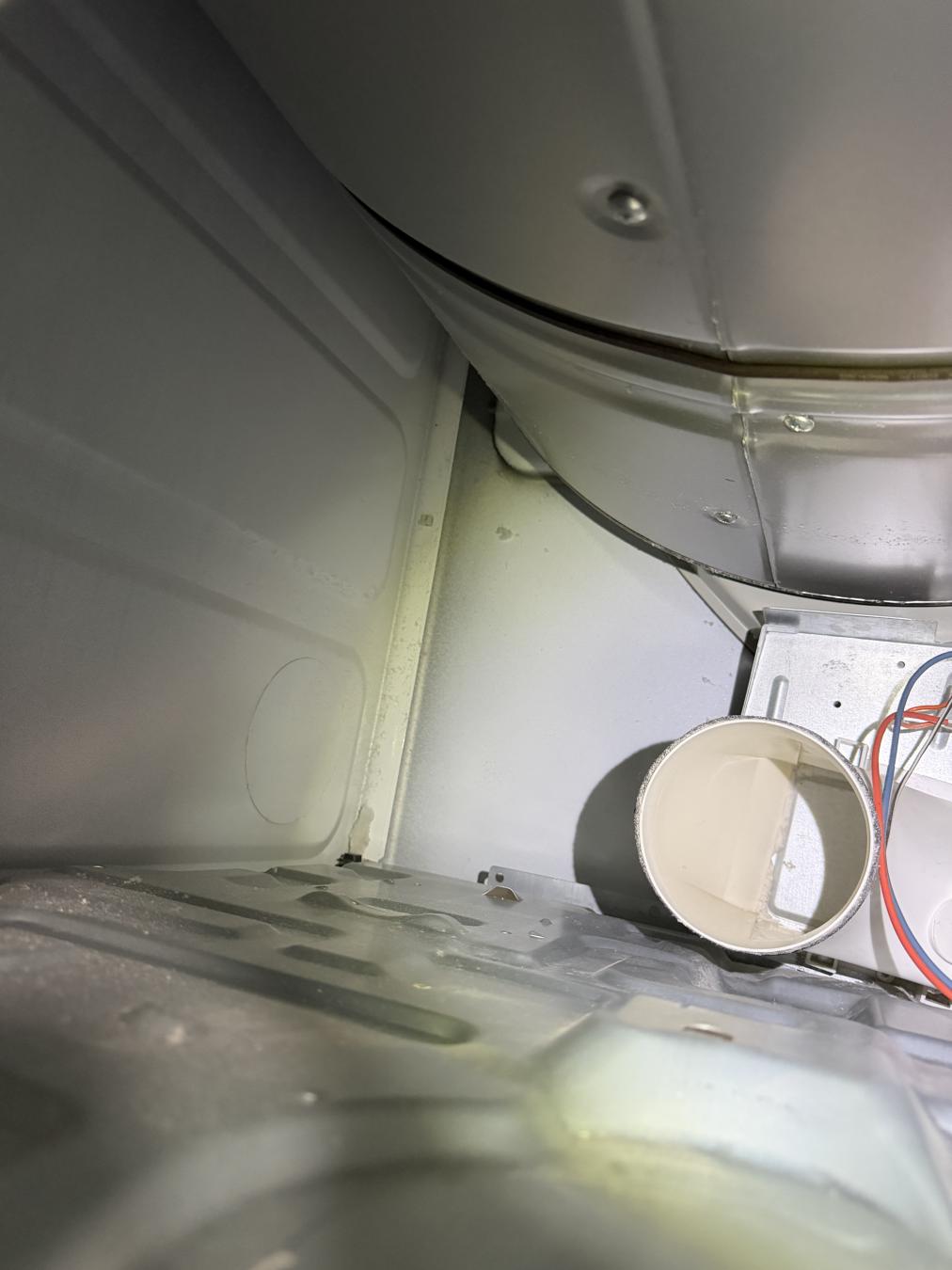
When the specialist from Valentine Vents arrived at this Wellesley Circle home in Mt. Pleasant, it had been more than three years since the dryer vent system had received professional attention. The inspection revealed several concerning issues that needed immediate correction. Hard, chunky lint had accumulated in the wall vent cover, restricting airflow, while the rigid pipe running through the wall had developed a split that required a rivet repair to restore structural integrity. The existing flex foil transition duct presented another hazard—a substandard material that dryer manufacturers explicitly warn against in their owner's manuals due to fire risk. The C-DET certified specialist replaced it with DryerFlex, a premium semi-rigid product chosen specifically for its superior performance and fire-retardant properties. A Valentine 360 Visibility camera inspection documented the thorough cleaning process, while airflow measurements confirmed the improvement—rising from 2,286 FPM to 2,407 FPM through the compact one-foot system. The specialist also modified the dryer door swing and performed an internal delinting service, capturing the completed work in photos. After years of neglect, this Mt. Pleasant home now benefits from a properly functioning, code-compliant dryer vent system that promotes both safety and efficiency.
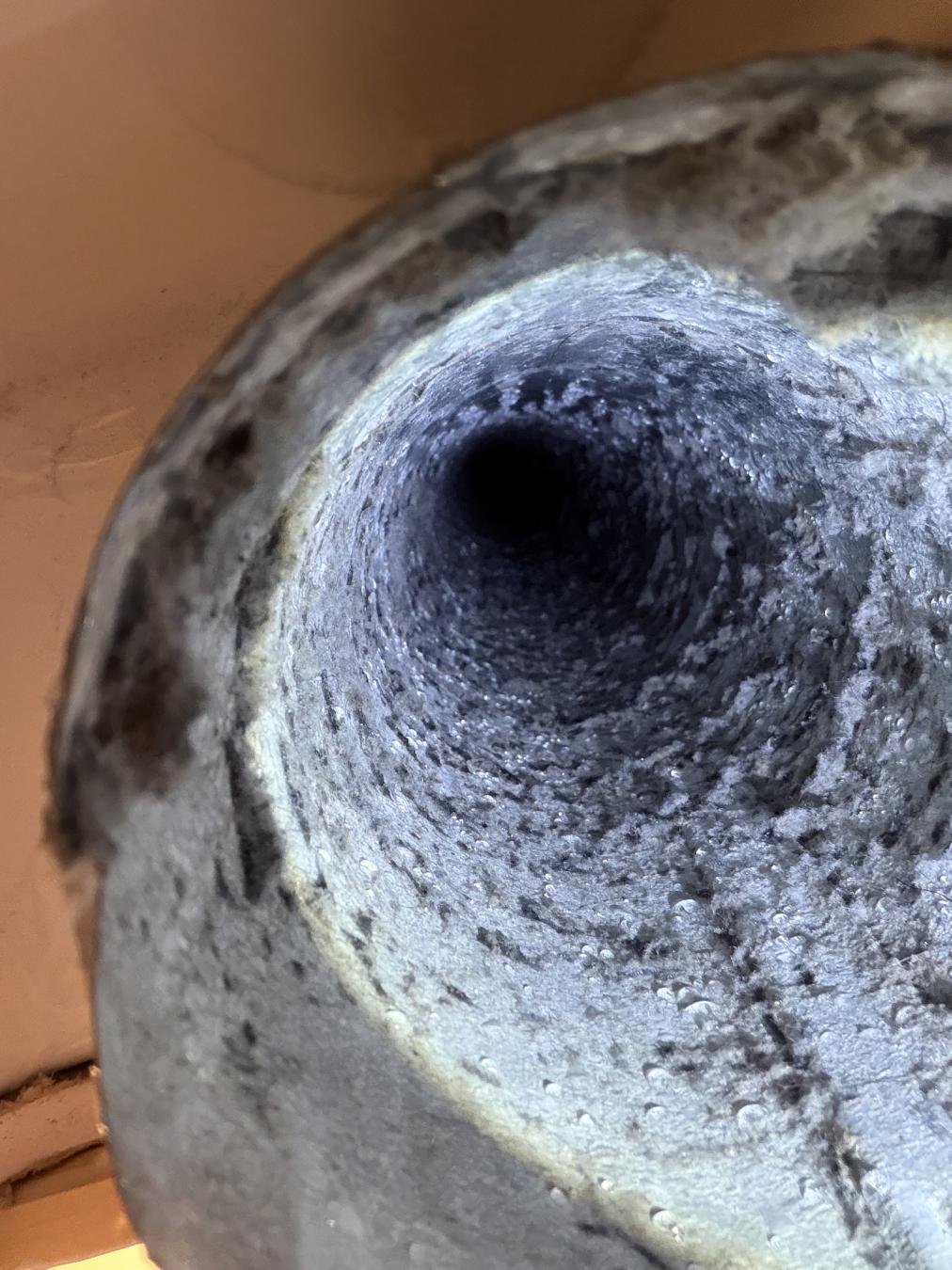

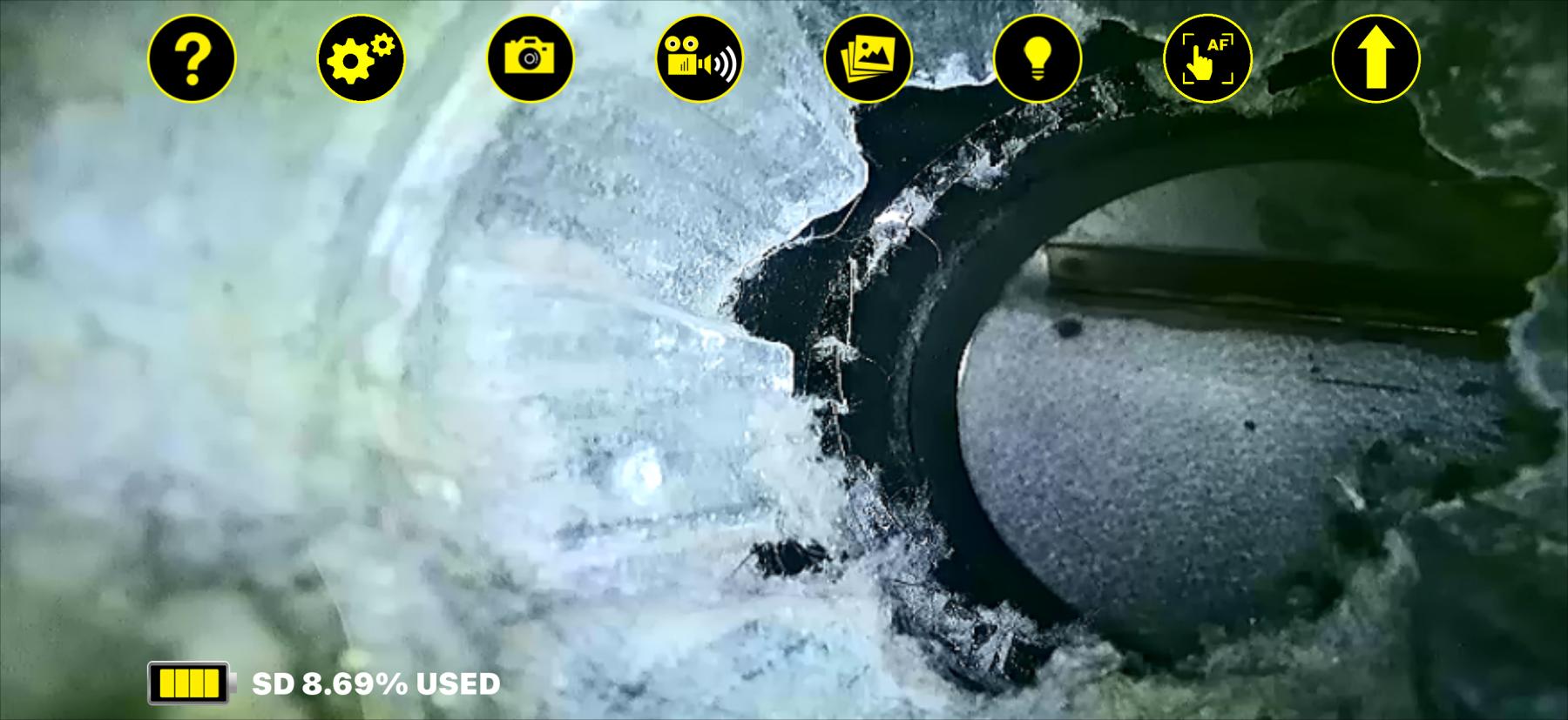
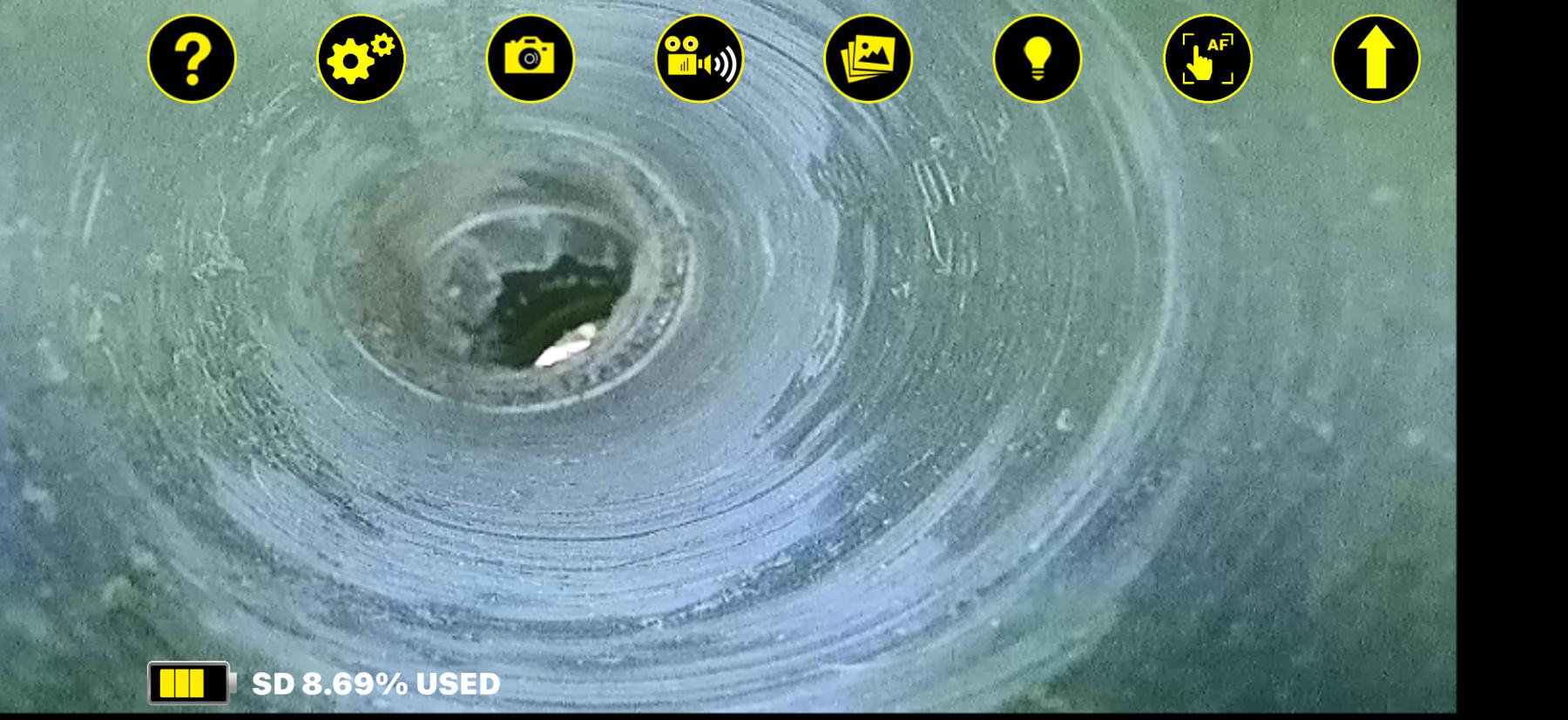
The annual maintenance mindset kept this Coleman Boulevard home in Mt. Pleasant running smoothly, but the conditions discovered during the inspection told an important story. Though just a year had passed since the last cleaning, the 17-foot metal rigid vent showed moderate lint accumulation—and something more concerning. Moisture had infiltrated both the vent line and the dryer cabinet itself, creating conditions that could compromise both performance and safety. The C-DET certified specialist thoroughly cleaned the system and used the Valentine 360 Visibility camera inspection to document the findings and confirm the thoroughness of the work. Photos captured throughout the service provided a clear before-and-after record. Post-cleaning measurements showed back pressure at 0.45 inches of water column, well within optimal range. The moisture issue, however, pointed to a need for proper insulation in the attic portion of the vent run—a service scheduled for the fall when attic conditions would be more favorable for that type of work. Valentine Vents completed the job by delinting the dryer cabinet at no additional charge, leaving the entire system clean, dry, and performing as it should. Regular professional maintenance keeps homes safer and dryers running efficiently year after year.
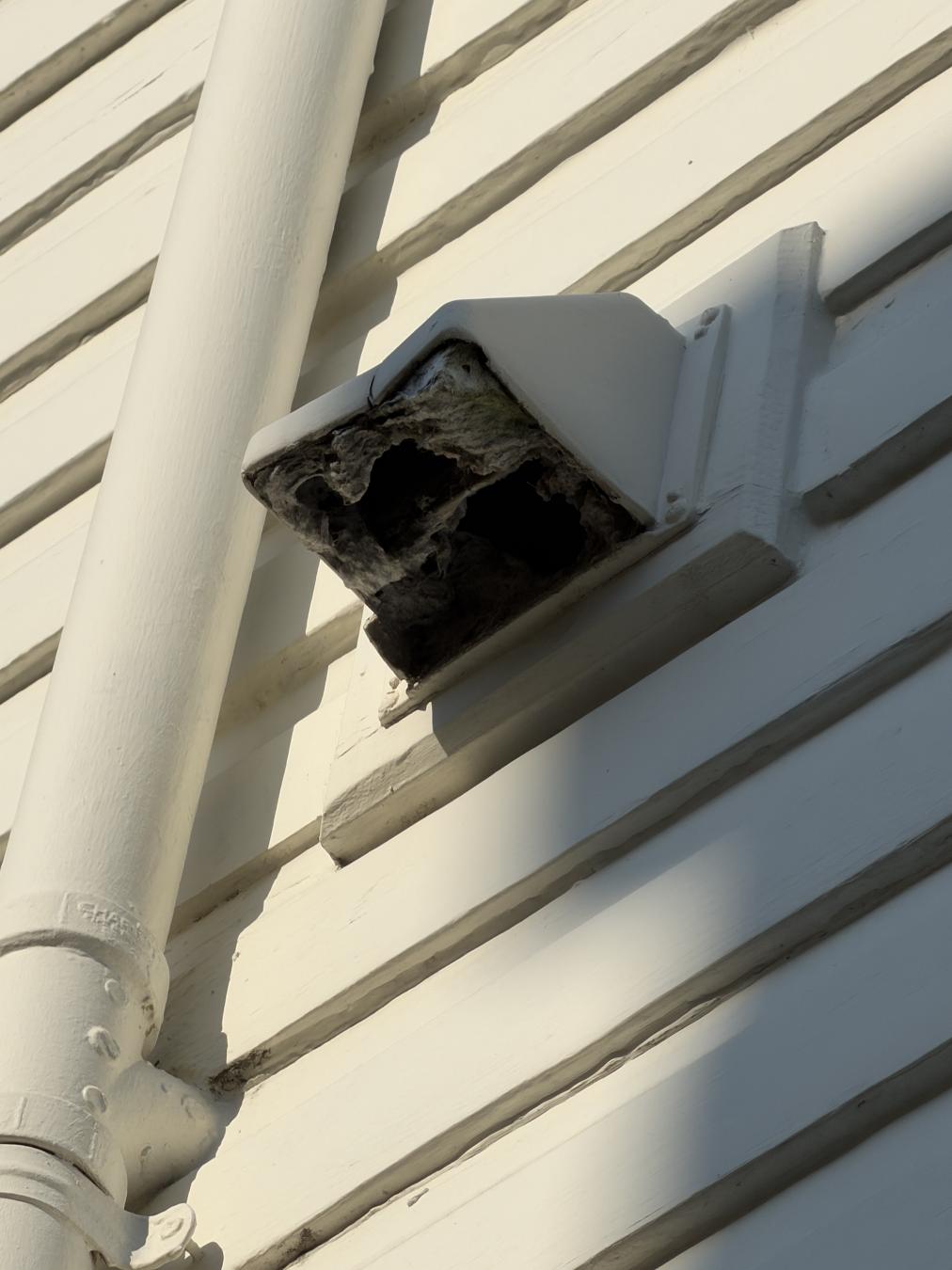
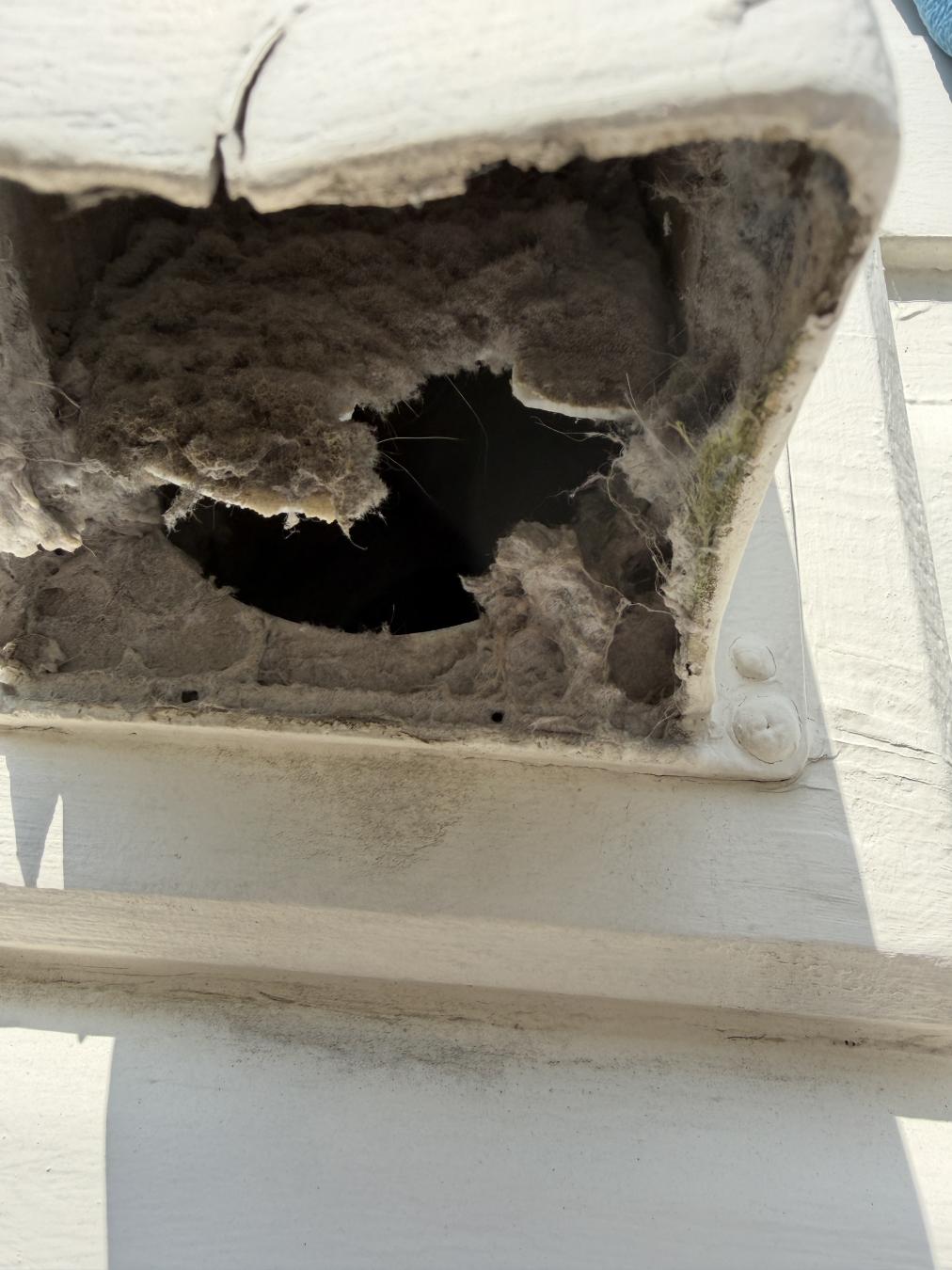
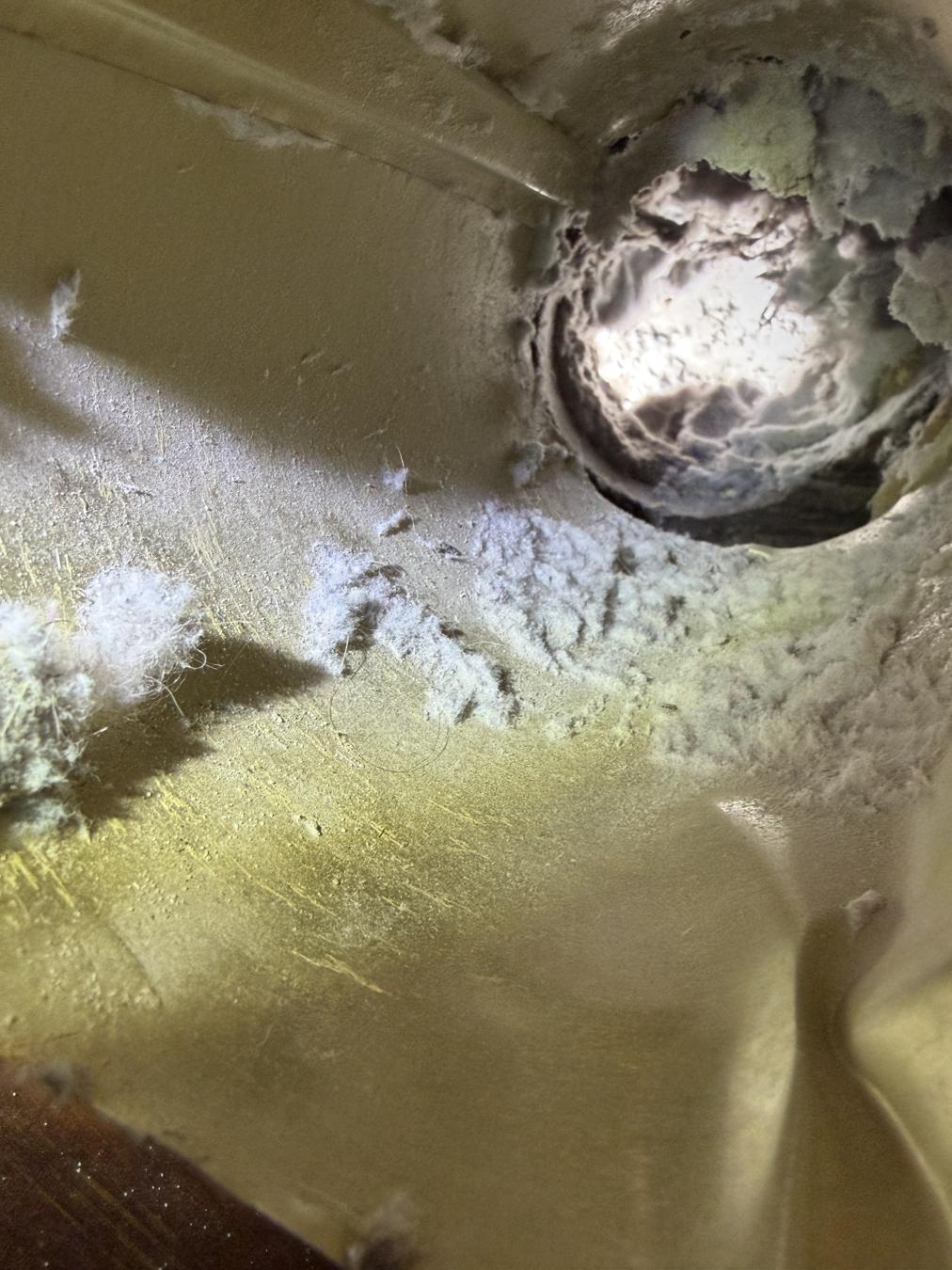
Water accumulating inside a dryer might seem mysterious, but the culprit at this Charleston home on Ladson St was a perfect storm of ventilation issues. Valentine Vents dispatched a C-DET certified specialist who quickly identified the problem: a broken damper stuck in the open position, combined with above-average lint accumulation both behind the dryer and within its cabinet. The constant exposure to outside air through the permanently open damper, paired with the partially blocked vent, created ideal conditions for condensation to form inside the unit. The specialist documented the conditions through a Valentine 360 Visibility camera inspection, then set to work on a comprehensive solution. Beyond the standard cleaning, the job required replacing the damaged vent cover entirely and upgrading the aluminum transition duct to a superior 26-gauge steel pipe. After thoroughly delinting the dryer cabinet and clearing all obstructions, airflow measurements confirmed the system was performing optimally at 1,518 FPM. What initially appeared as a puzzling dryer malfunction was ultimately a ventilation problem with straightforward solutions, restoring both proper moisture control and fire safety to the home.
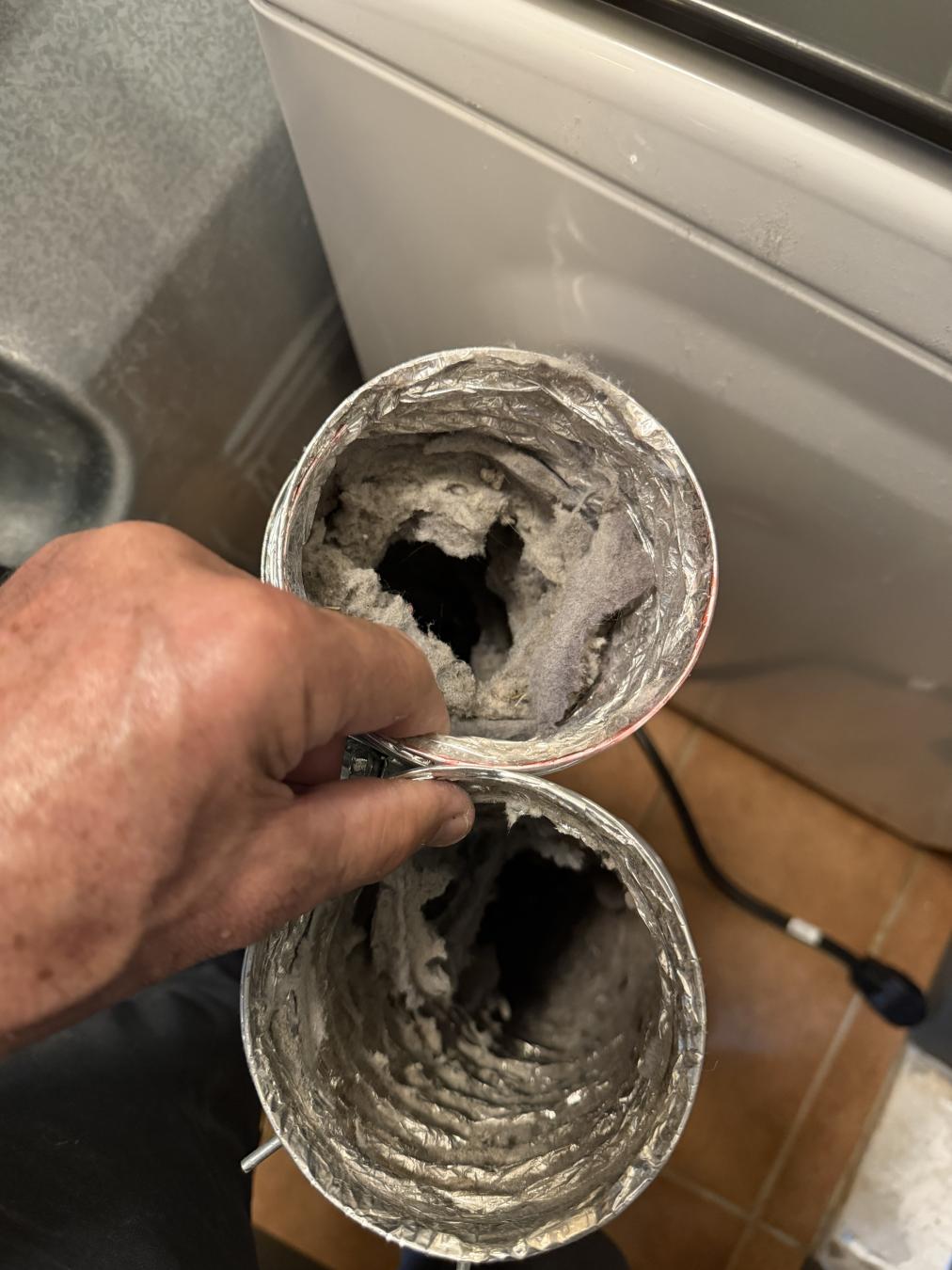


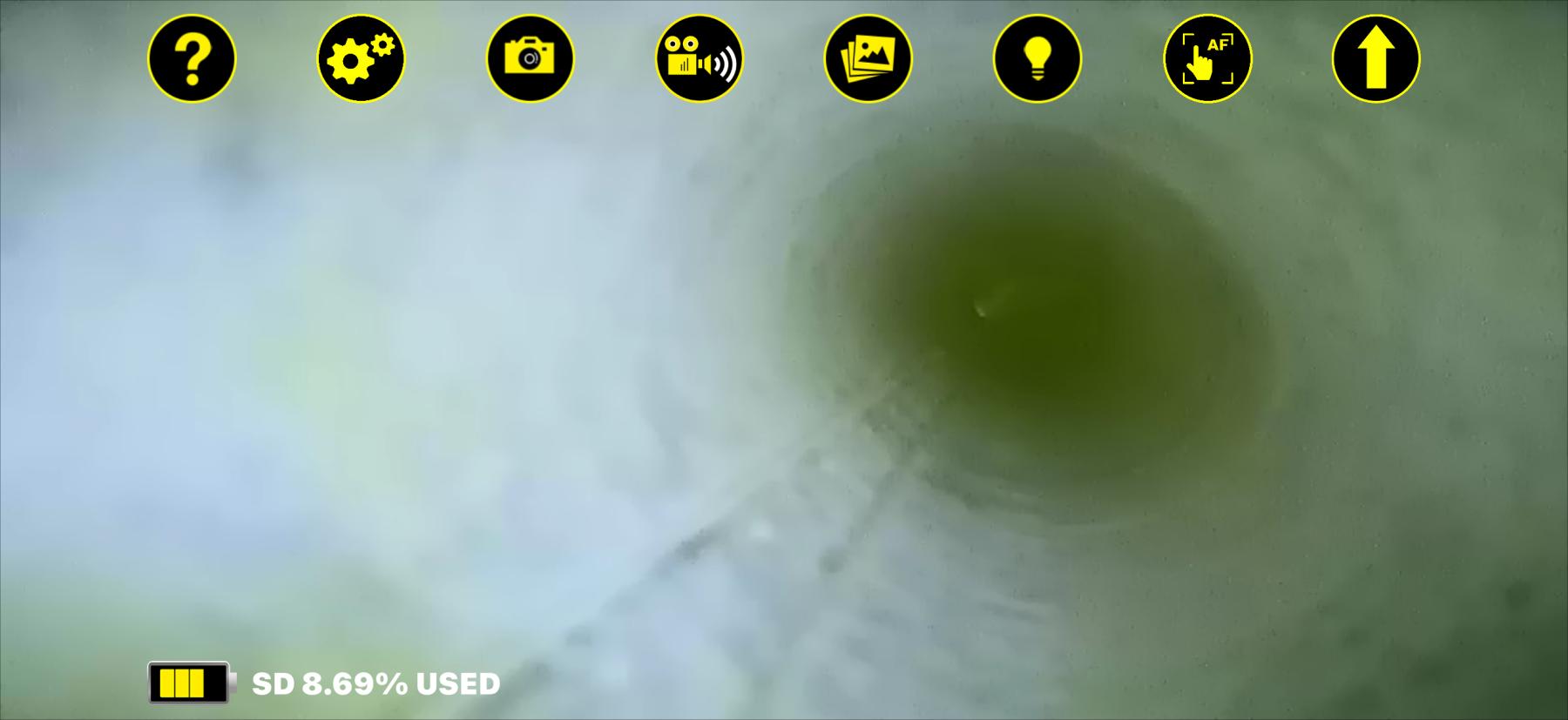
When a seemingly routine cleaning on Pilots Point in Mt. Pleasant revealed a nearly total obstruction in the vent line, the severity of the fire hazard became immediately apparent. The C-DET certified specialist from Valentine Vents documented the dangerous lint buildup through a Valentine 360 Visibility camera inspection, capturing photos that illustrated just how close this home had come to a potential disaster. With the dryer not having been serviced in over three years, lint had packed the 15-foot metal rigid vent to a critical level, driving back pressure to 0.75"WC. The specialist performed a comprehensive cleaning of the vent system and addressed the substandard flex foil transition duct, which dryer manufacturers explicitly advise against in their owner's manuals. It was replaced with DryerFlex, a premium semi-rigid product valued for its superior performance and fire-retardant properties. A complimentary delinting of the dryer cabinet removed moderate internal accumulation. Post-cleaning measurements confirmed the dramatic improvement, with back pressure dropping to just 0.40"WC. The homeowners now enjoy a properly functioning dryer system and, more importantly, the peace of mind that comes from eliminating a serious fire risk.
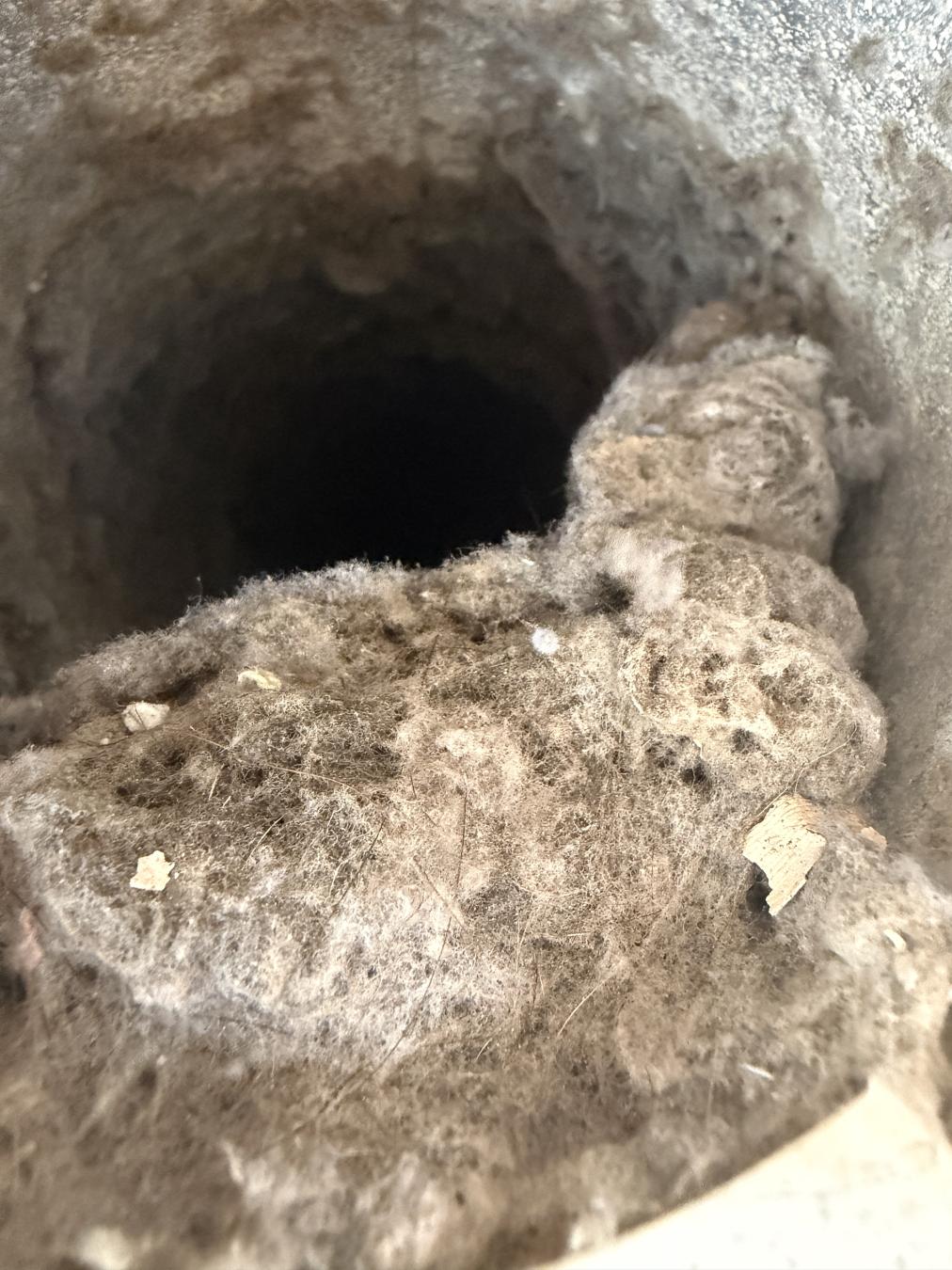
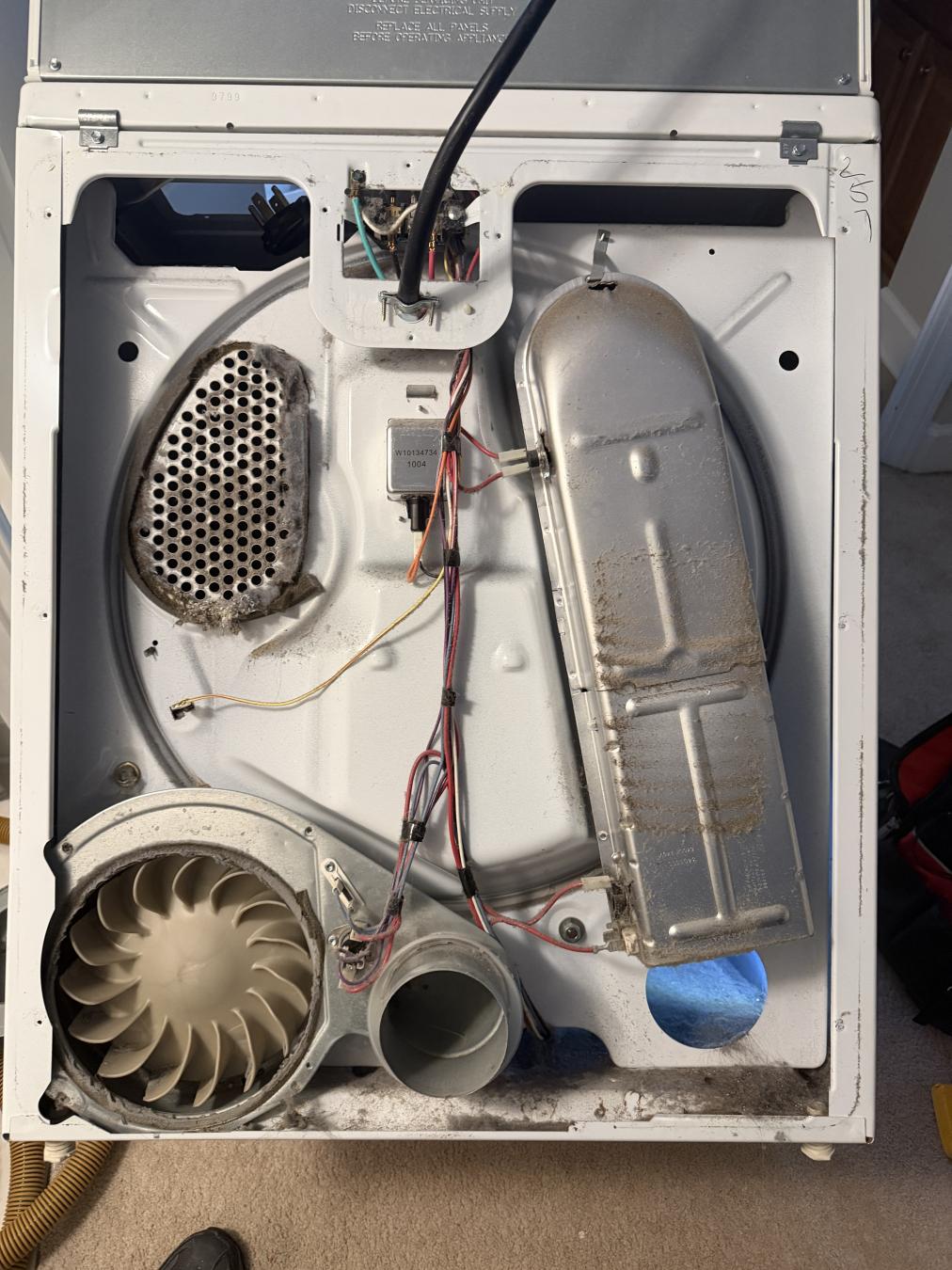
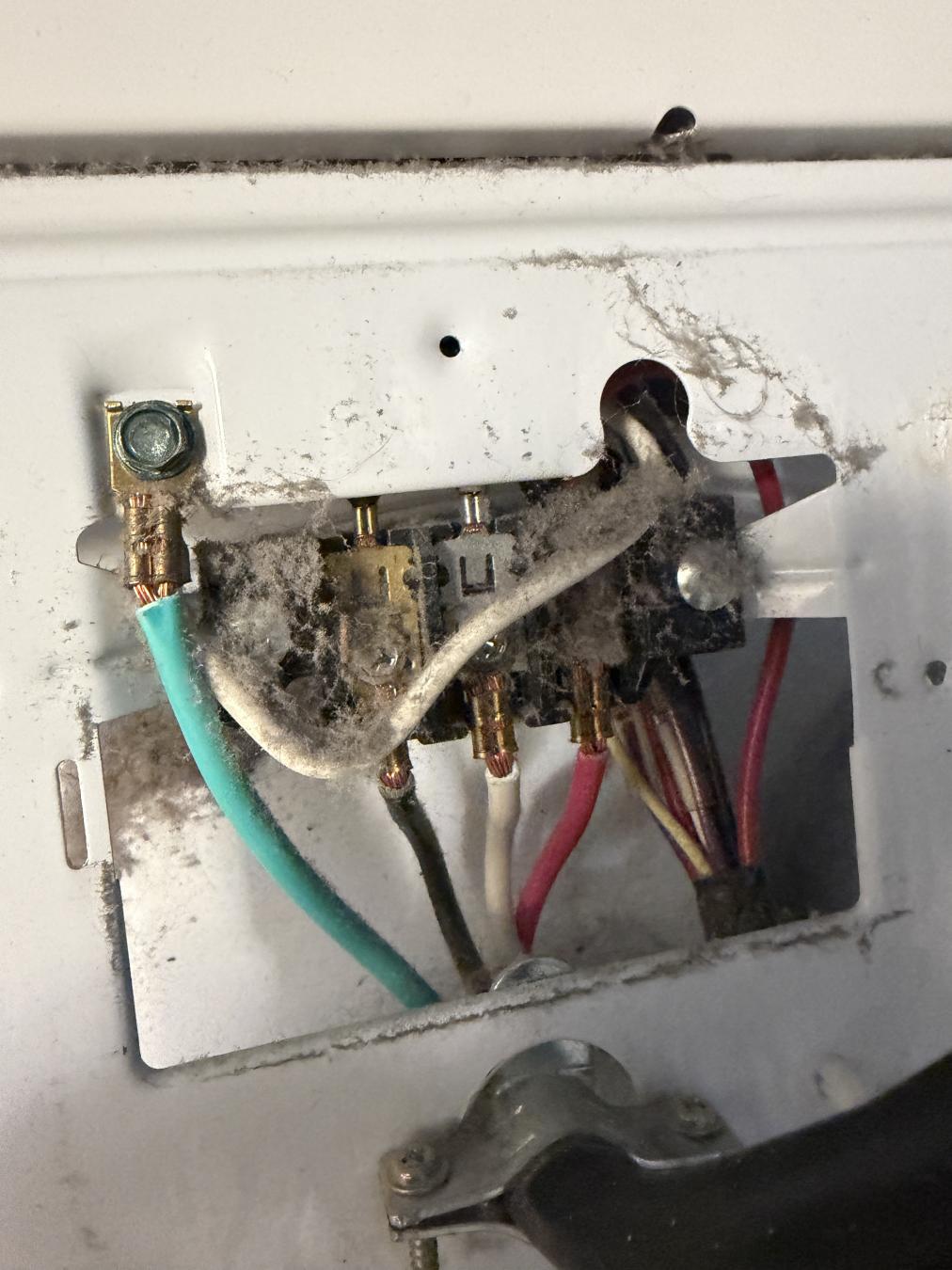

When the dryer at this Johns Island home hadn't been professionally cleaned in recent memory, the homeowner on Brittlebush Lane reached out to Valentine Vents to get things back on track. What the C-DET certified specialist discovered during the inspection told the story—a considerable buildup of lint had accumulated not only throughout the 15-foot metal rigid vent system but also deep within the dryer cabinet itself. Armed with professional equipment and the Valentine 360 Visibility camera system, the specialist documented the conditions and got to work removing every trace of the hazardous debris. The dramatic improvement spoke volumes: airflow measurements jumped from 816 FPM to an impressive 1,721 FPM after the thorough cleaning. Photos captured during the service showed both the extent of the problem and the quality of the solution. The specialist also delinted the dryer cabinet at no additional charge, ensuring every component was functioning as it should. With the vent system now breathing freely and operating safely, this Johns Island family can enjoy restored dryer performance and the peace of mind that comes from proper maintenance.
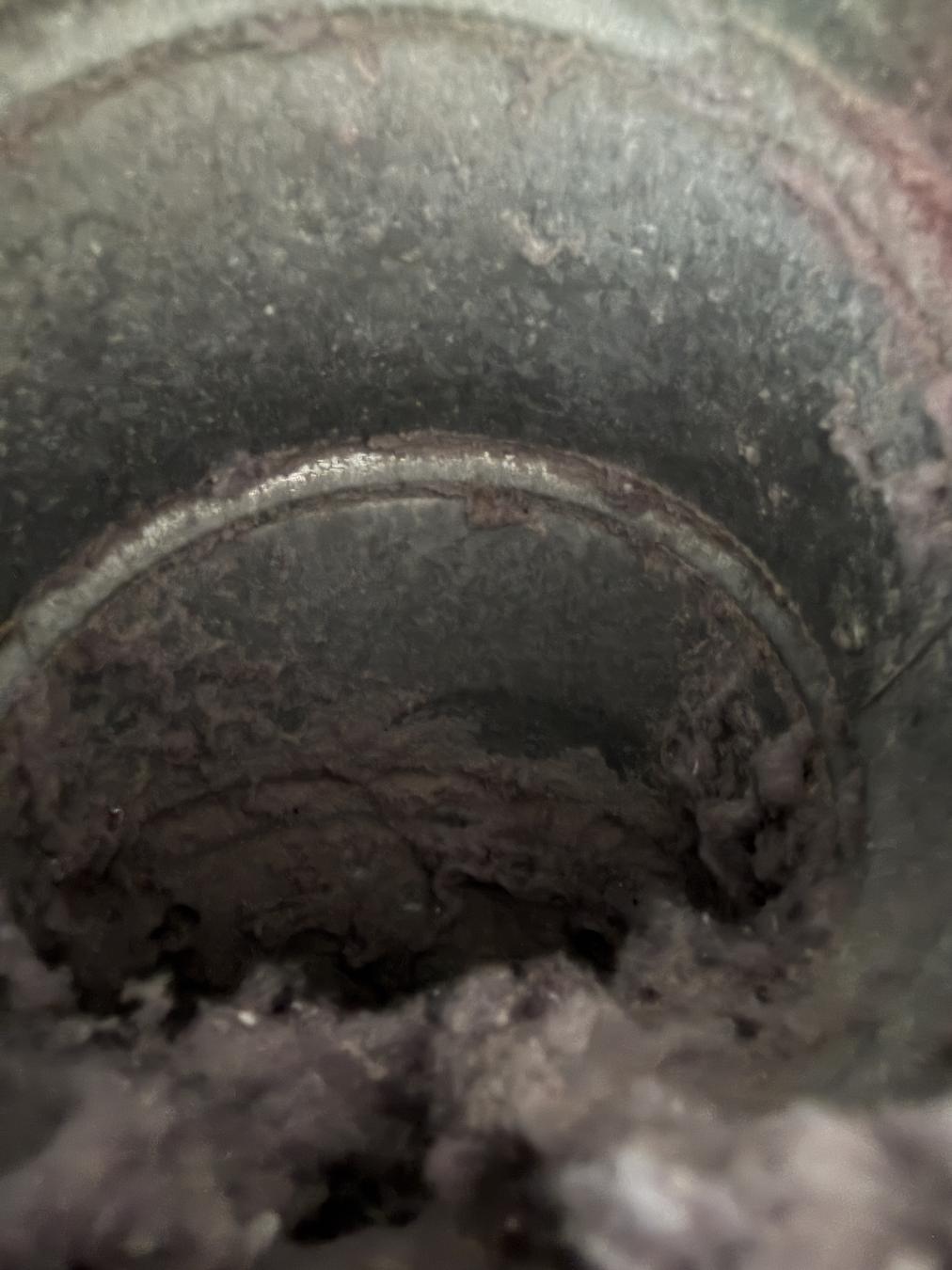
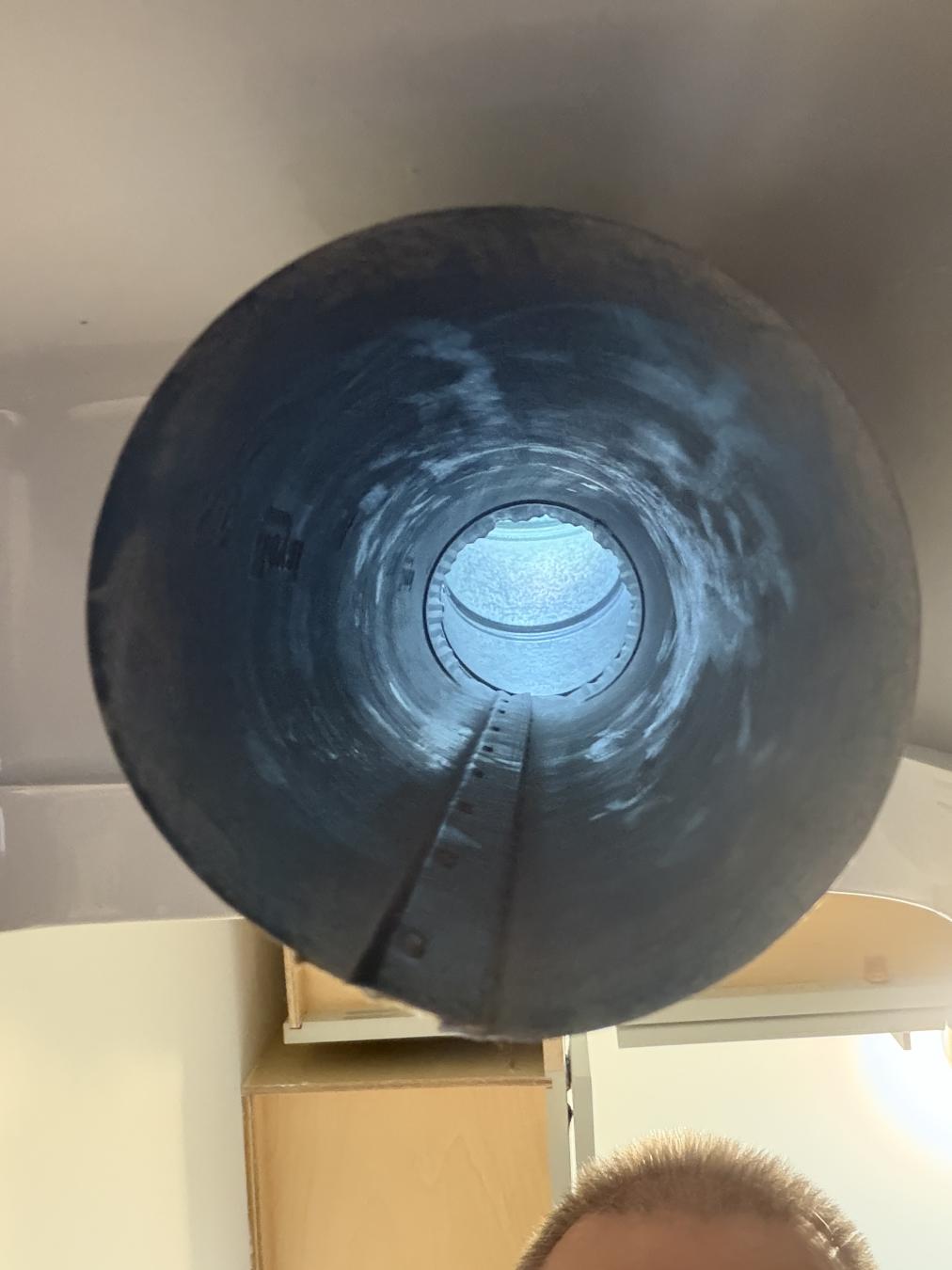
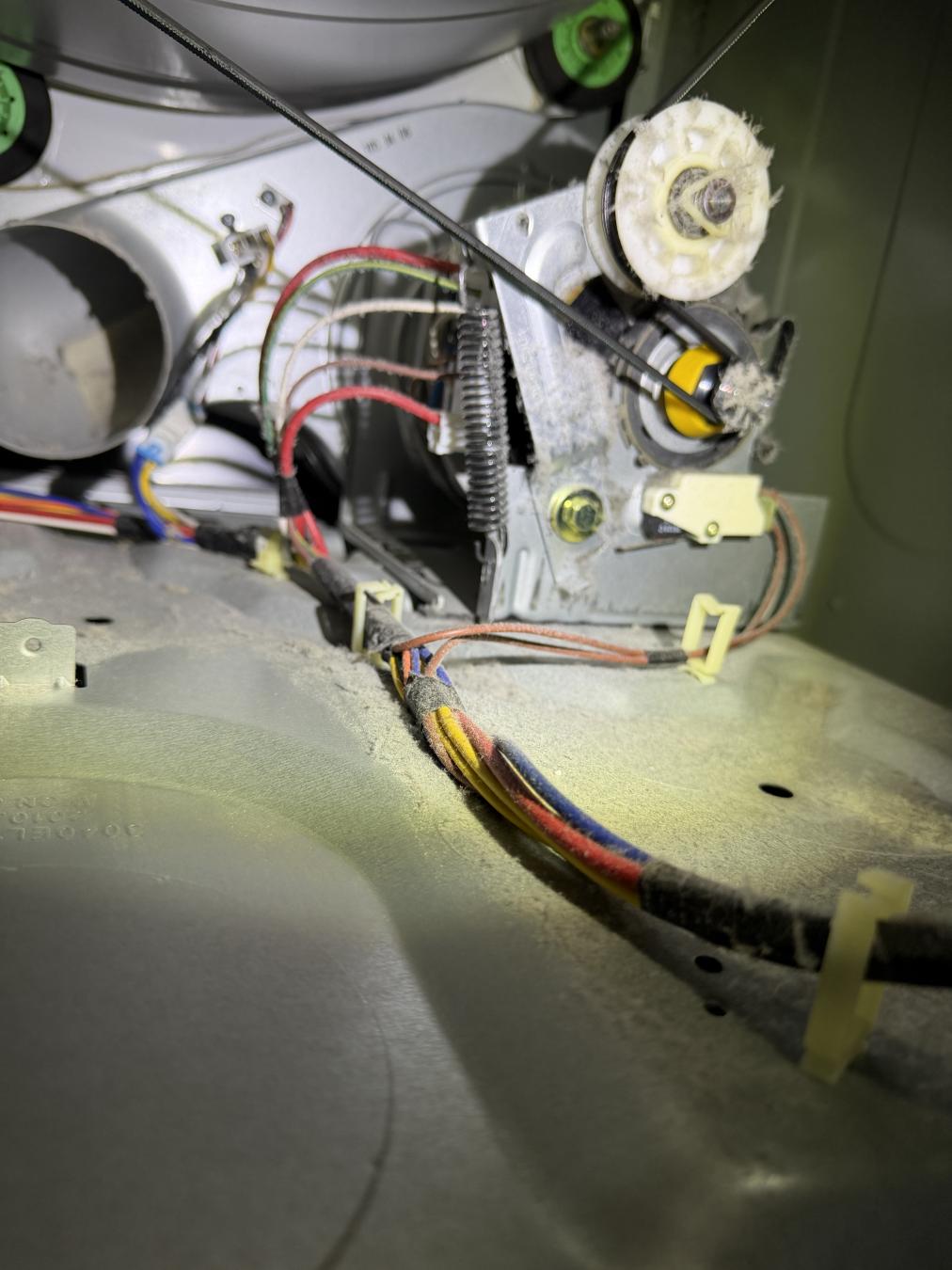
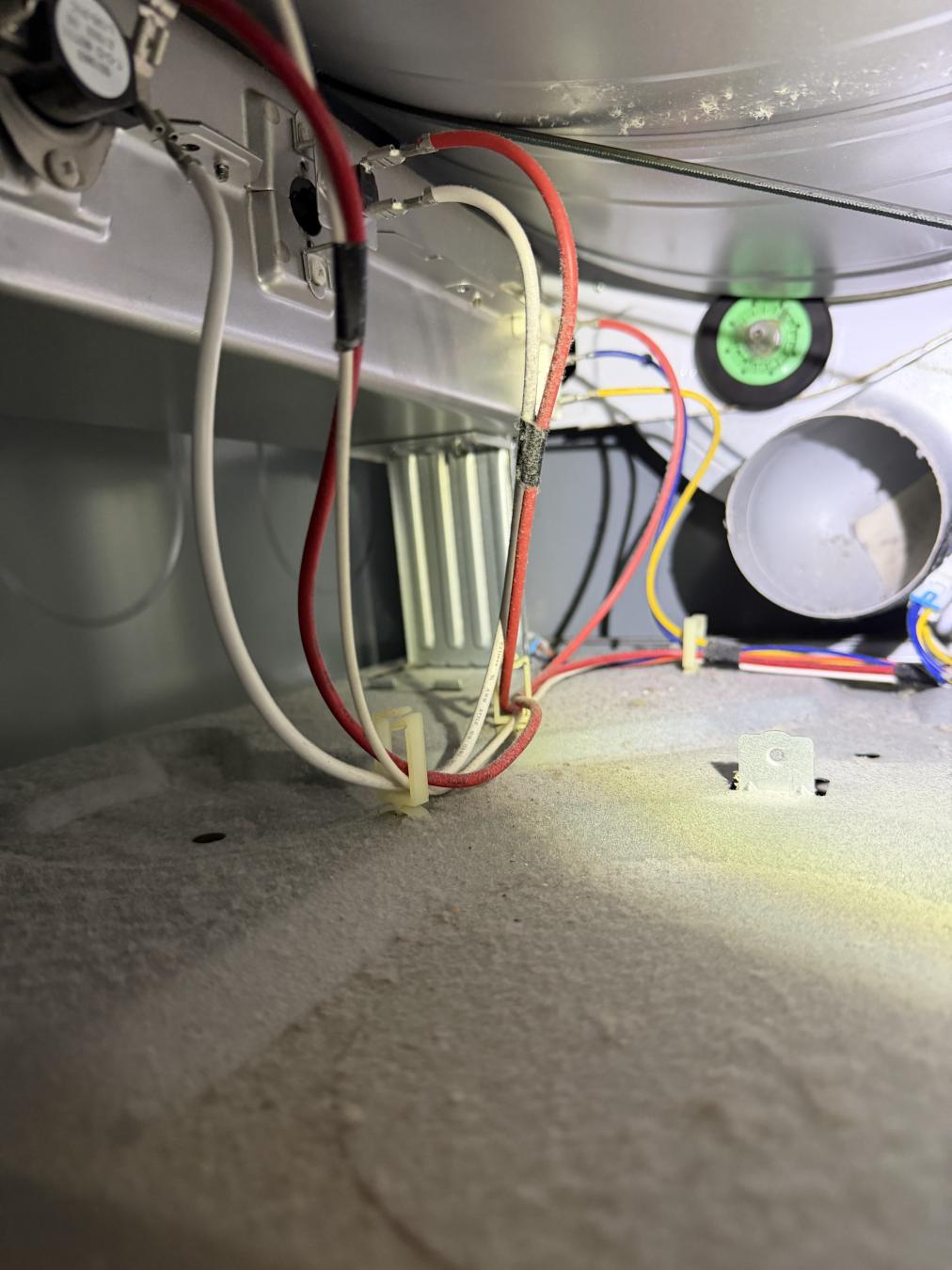
A routine maintenance call on 30th Ave in Isle of Palms revealed a home whose dryer vent hadn't been professionally serviced in over three years. Though the homeowner simply felt it was time for cleaning, the Valentine Vents specialist discovered a more pressing concern during the inspection: a flex foil transition duct that needed immediate attention. Dryer manufacturers explicitly warn against flex foil in their owner's manuals due to safety concerns, so the specialist replaced it with DryerFlex, a premium semi-rigid product valued for its superior airflow and fire-retardant properties. The C-DET certified technician thoroughly cleaned the three-foot metal rigid vent run and documented the work with Valentine 360 Visibility camera inspection. Performance testing demonstrated the improvement: airflow jumped from 952 FPM to an impressive 1,228 FPM. The specialist also noted that the backdraft damper in the wall vent cover wasn't closing properly and provided a quote for replacement at the homeowner's convenience. Photos captured throughout the service provide a complete record of the work performed. With the substandard transition replaced and the entire system running at peak performance, this Isle of Palms home now operates with both enhanced efficiency and fire safety.
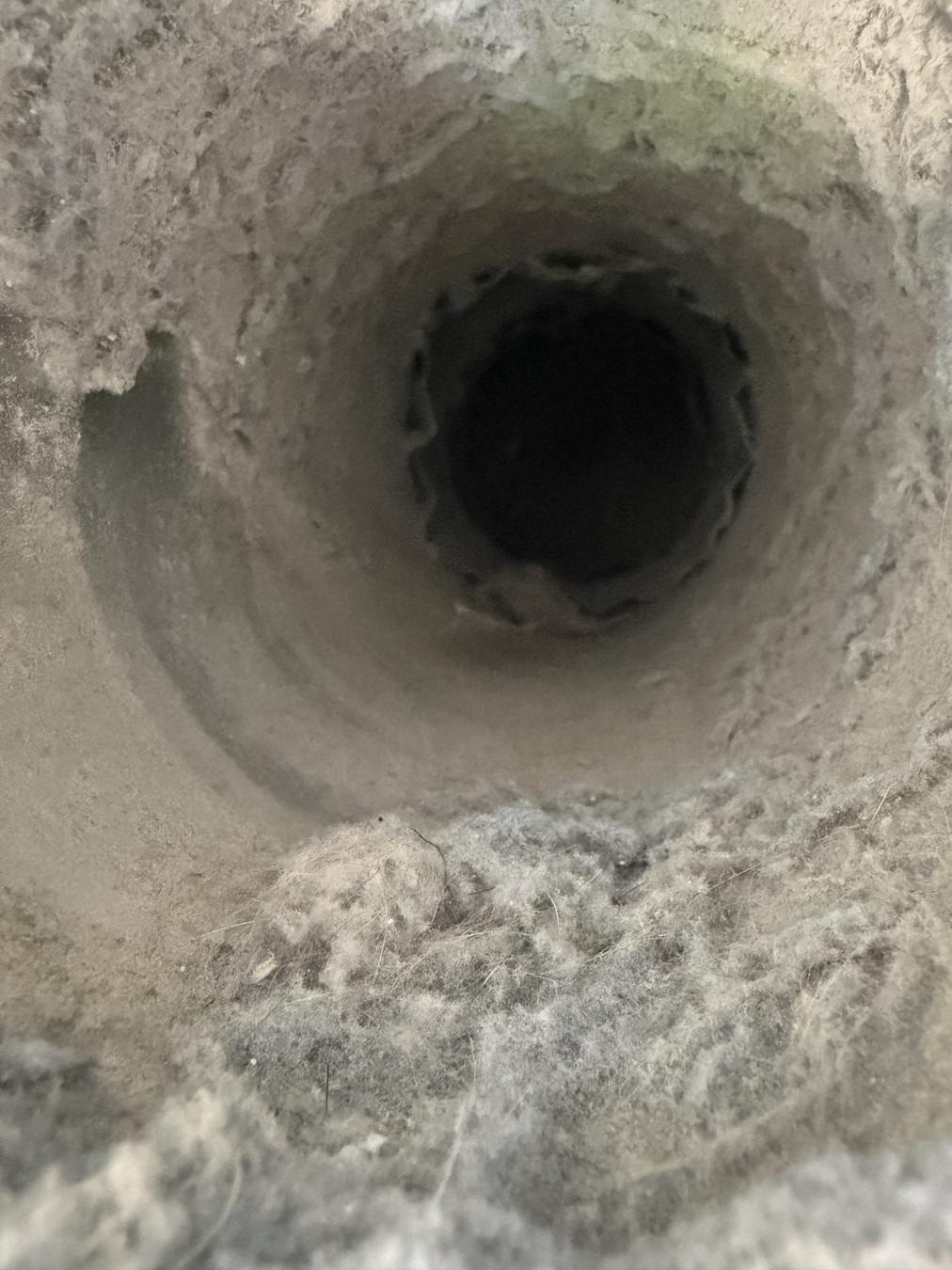

After more than three years since the last cleaning, a Mt. Pleasant home on Bowsprit Ct was overdue for professional dryer vent maintenance. The 21-foot metal rigid vent system with three turns had accumulated the kind of lint buildup that gradually diminishes performance and elevates fire risk, even when homeowners don't immediately notice the change. Valentine Vents dispatched a C-DET certified specialist to restore the system to optimal condition. The specialist performed a comprehensive cleaning of the entire run, then delinted the dryer itself to ensure no hidden accumulation remained inside the appliance. A Valentine 360 Visibility camera inspection provided visual confirmation of the thorough work, with photos documenting the before-and-after condition. Airflow measurements told the story numerically—climbing from 1,128 FPM to 1,203 FPM after service, reflecting improved ventilation through the cleaned pathway. The aluminum semi-rigid transition duct was inspected and found to be in good condition, meeting proper safety standards. With the entire system restored to peak performance, this Mt. Pleasant family can enjoy faster drying times and the peace of mind that comes with professional dryer vent care.


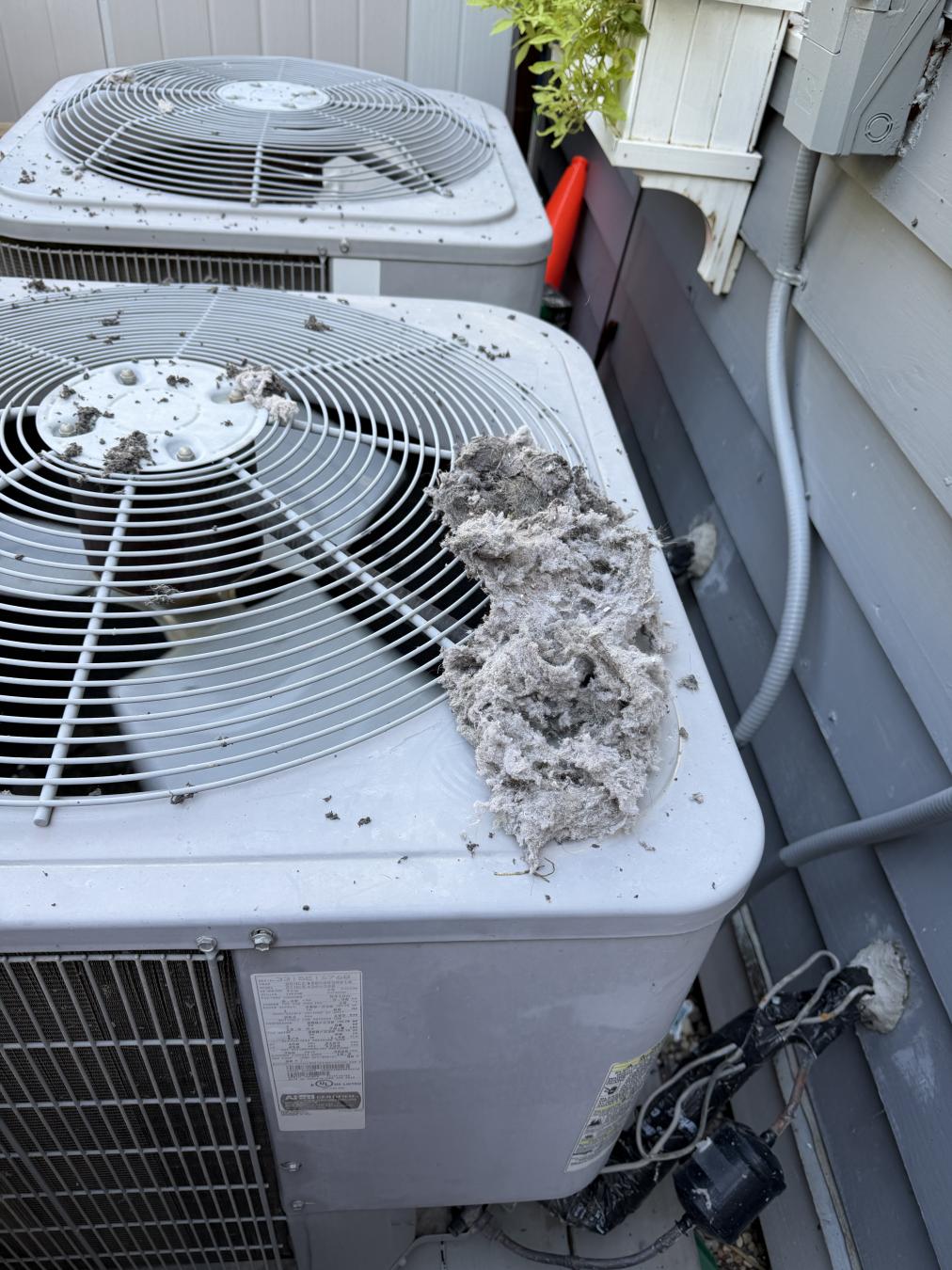

When a homeowner on Drake Street in Charleston reported a blocked vent, the conditions discovered inside proved far more alarming than expected. Valentine Vents' C-DET certified specialist arrived to find a pint of water pooled in the collapsing flex foil transition duct—a dangerous situation caused by the inferior material's lack of rigidity forming a U-shaped trap. A massive lint ball had nearly completely blocked airflow, restricting moisture-laden air from escaping and allowing water to accumulate at the low point. Initial airflow readings measured just 557 FPM, confirming the severe restriction. The specialist replaced the substandard flex foil with DryerFlex, a premium semi-rigid product chosen for its superior performance and fire-retardant properties. Dryer manufacturers specifically warn against flex foil in their owner's manuals for exactly this reason. A thorough delinting addressed concerning lint accumulation inside the dryer cabinet—precisely where fires ignite. Photos and video documentation captured the water being poured from the transition duct, illustrating the severity of the blockage. Post-cleaning airflow surged to 1,532 FPM through the 15-foot metal rigid vent system with three turns. With proper materials installed and dangerous buildup eliminated, this Charleston home now operates with the safety and efficiency every homeowner deserves.
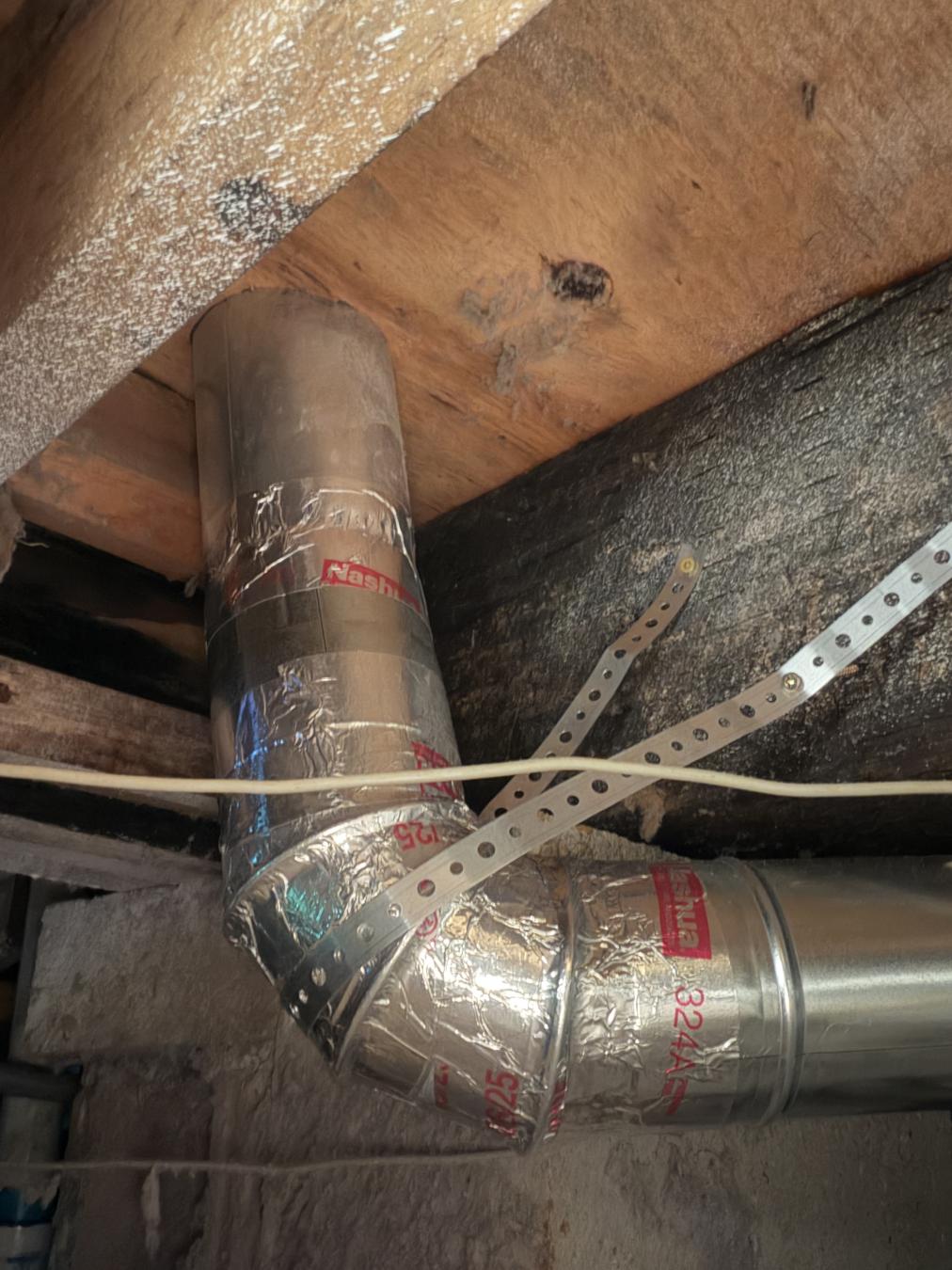
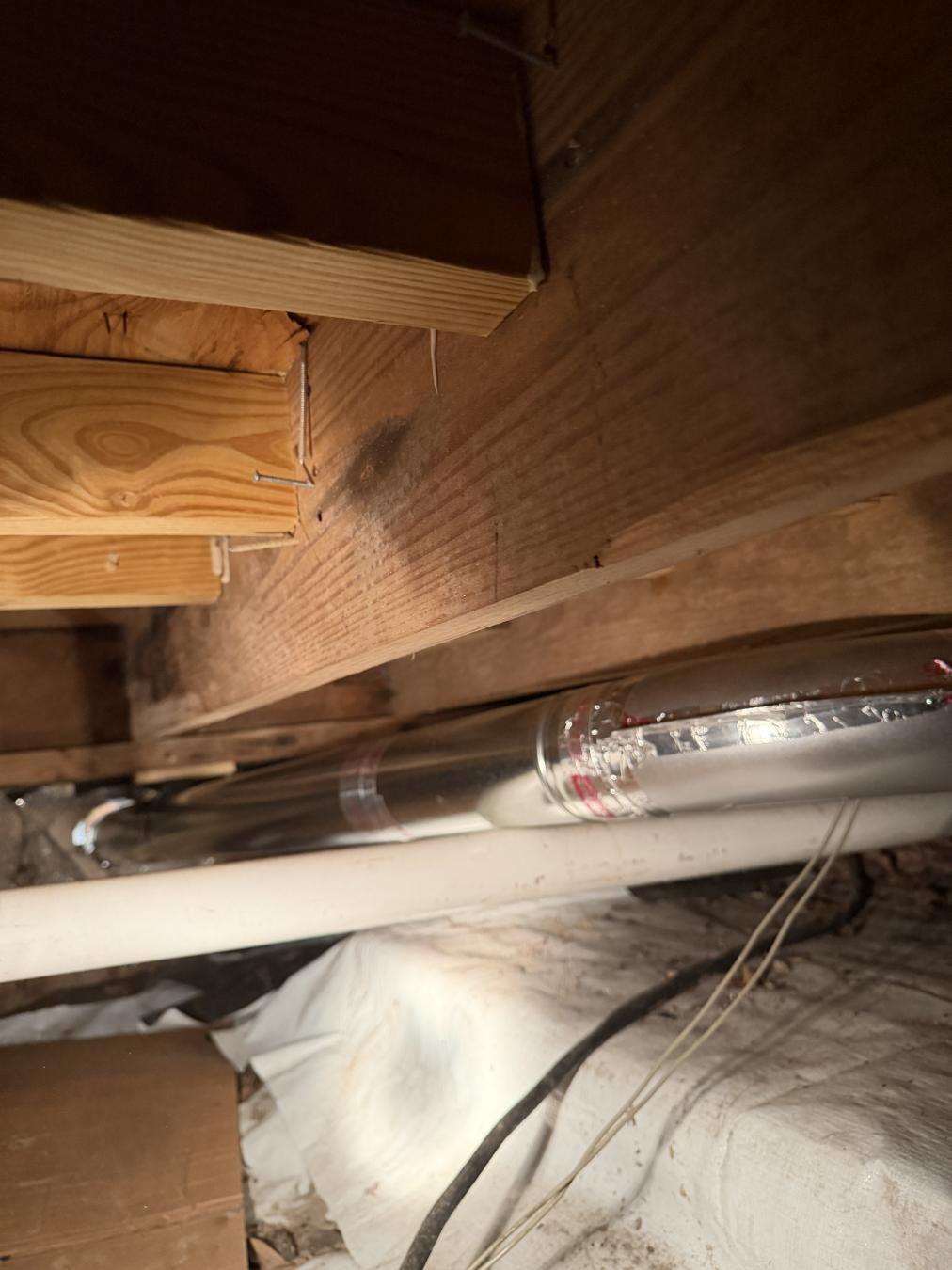
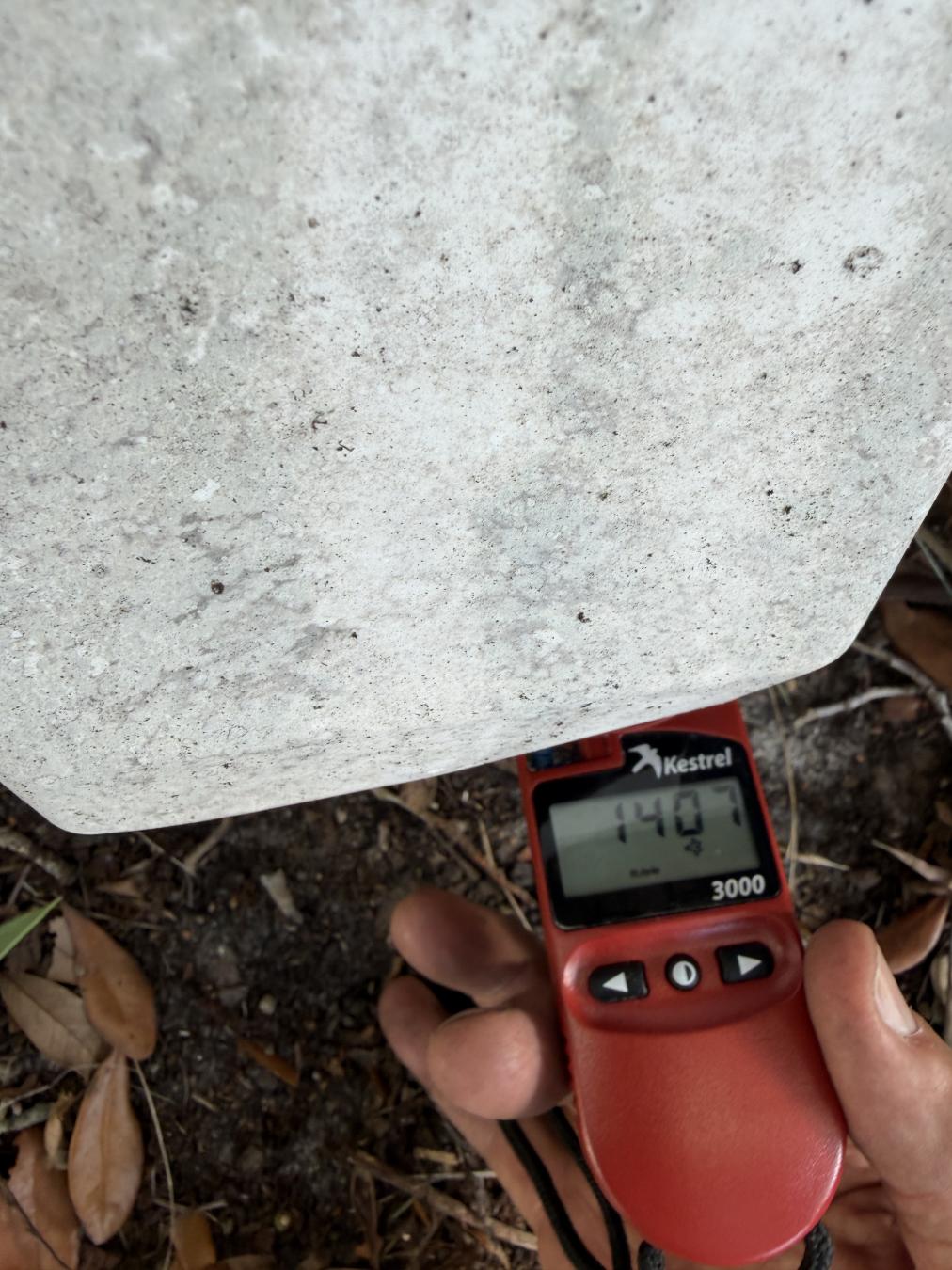
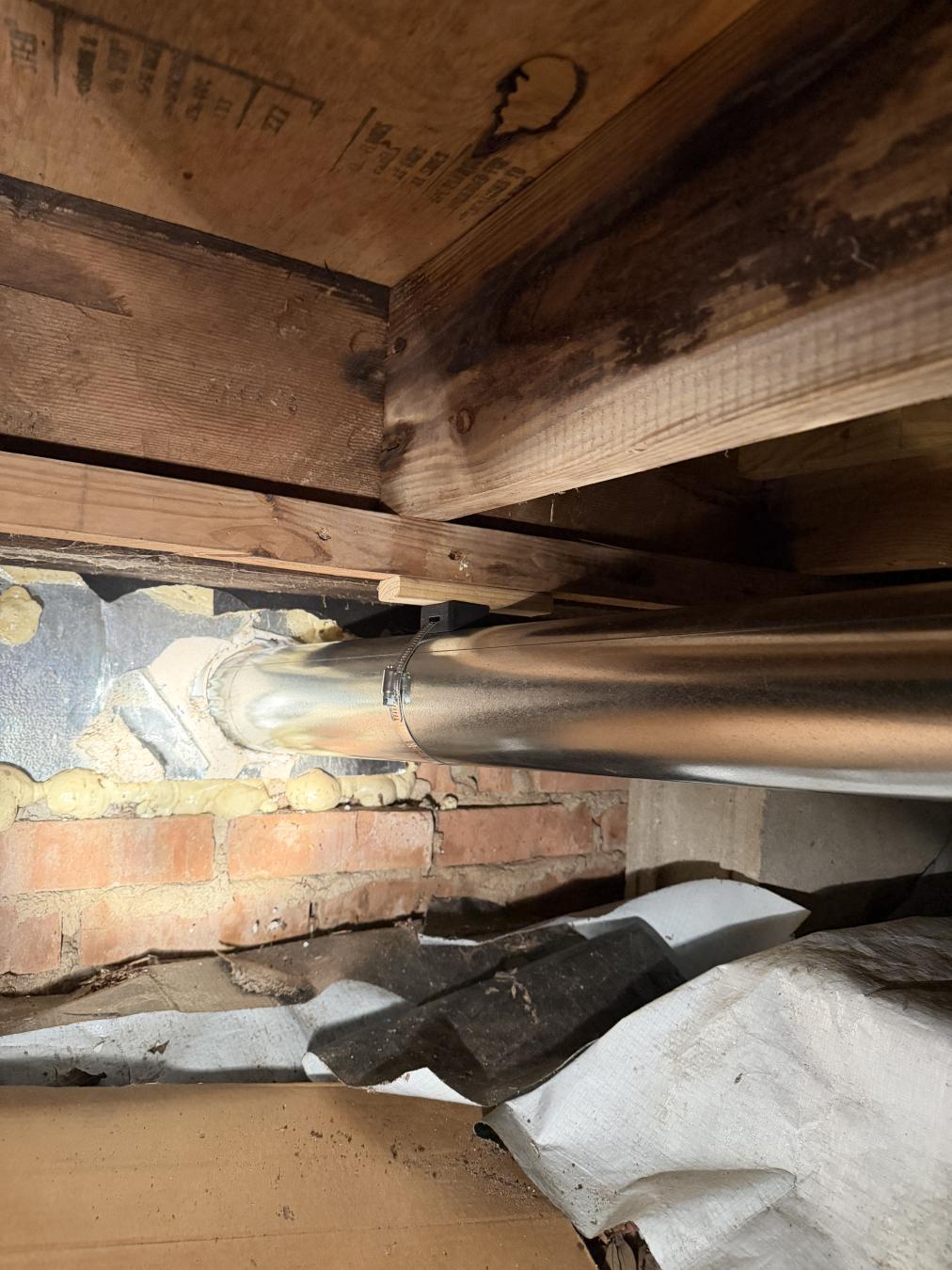
When a dryer vent becomes disconnected beneath a home, the consequences extend far beyond poor drying performance—moisture and lint accumulating in the crawl space create conditions ripe for mold growth and potential fire hazards. That's exactly what Valentine Vents discovered during a service call on Forest Trail in Isle of Palms. The C-DET certified specialist found that flex foil and semi-rigid aluminum vent material—both against building code for this application—had completely separated at an elbow connection. Instead of venting safely outside, lint and moisture-laden air had been pouring directly into the crawl space. The specialist replaced the substandard materials with proper 26-gauge rigid steel vent pipe throughout the fifteen-foot run, ensuring the two-turn system met code requirements and manufacturer specifications. A Valentine 360 Visibility camera inspection documented the quality of the installation, while airflow testing confirmed excellent performance at 1,407 feet per minute. Photos captured throughout the project tell the story of transformation from a hazardous situation to a properly functioning system. This Isle of Palms home now benefits from code-compliant venting that protects both property and peace of mind.
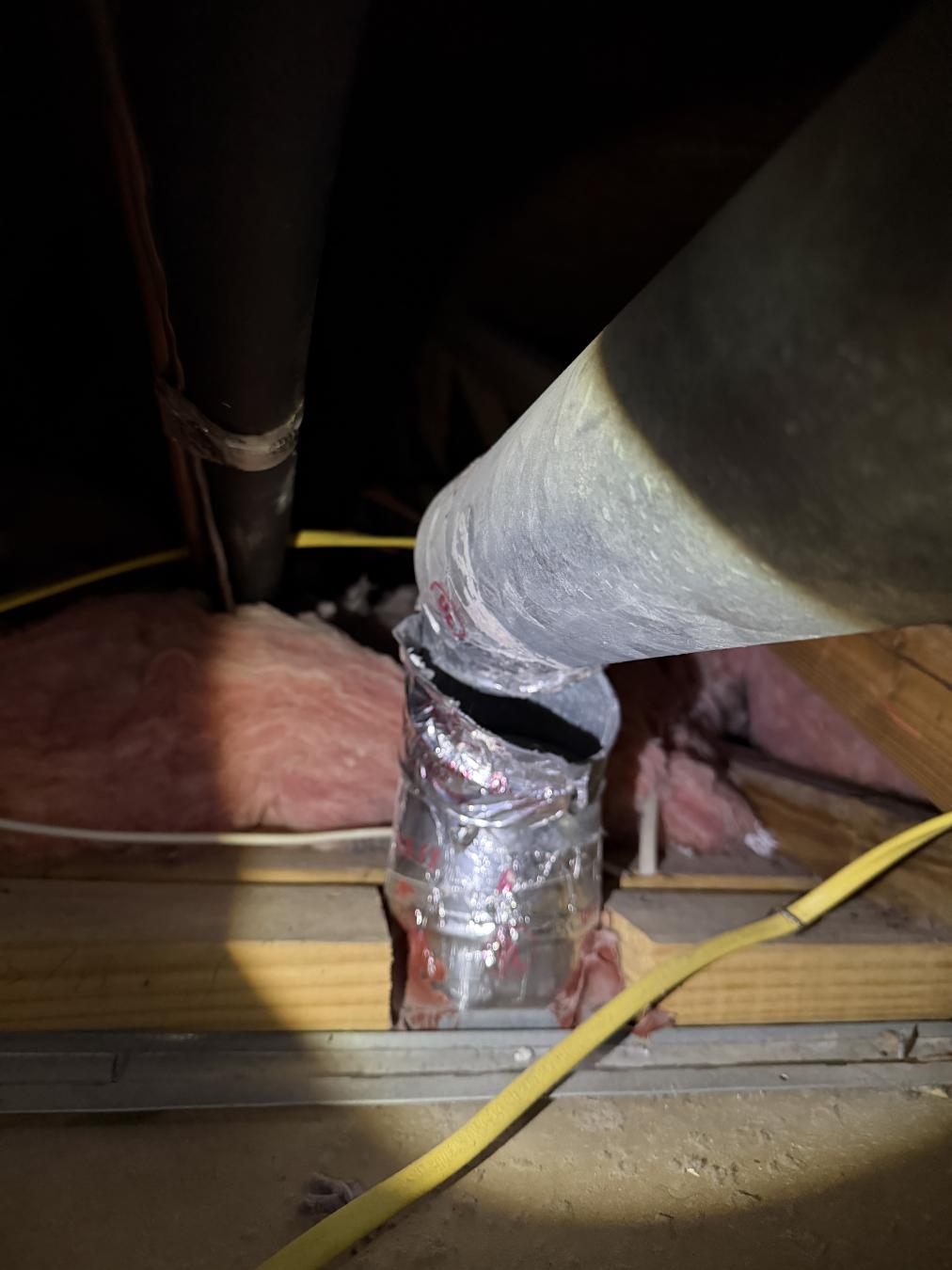
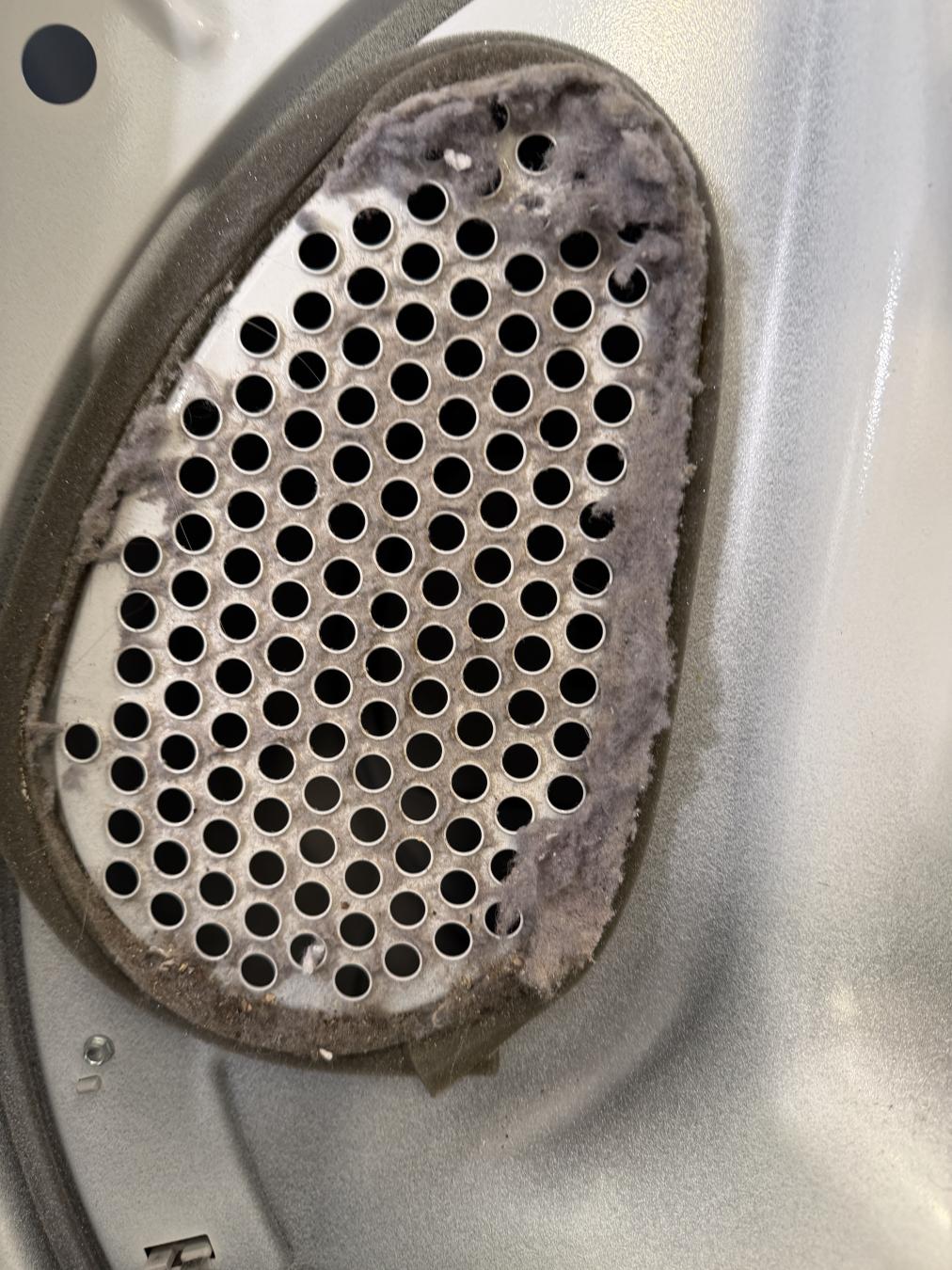
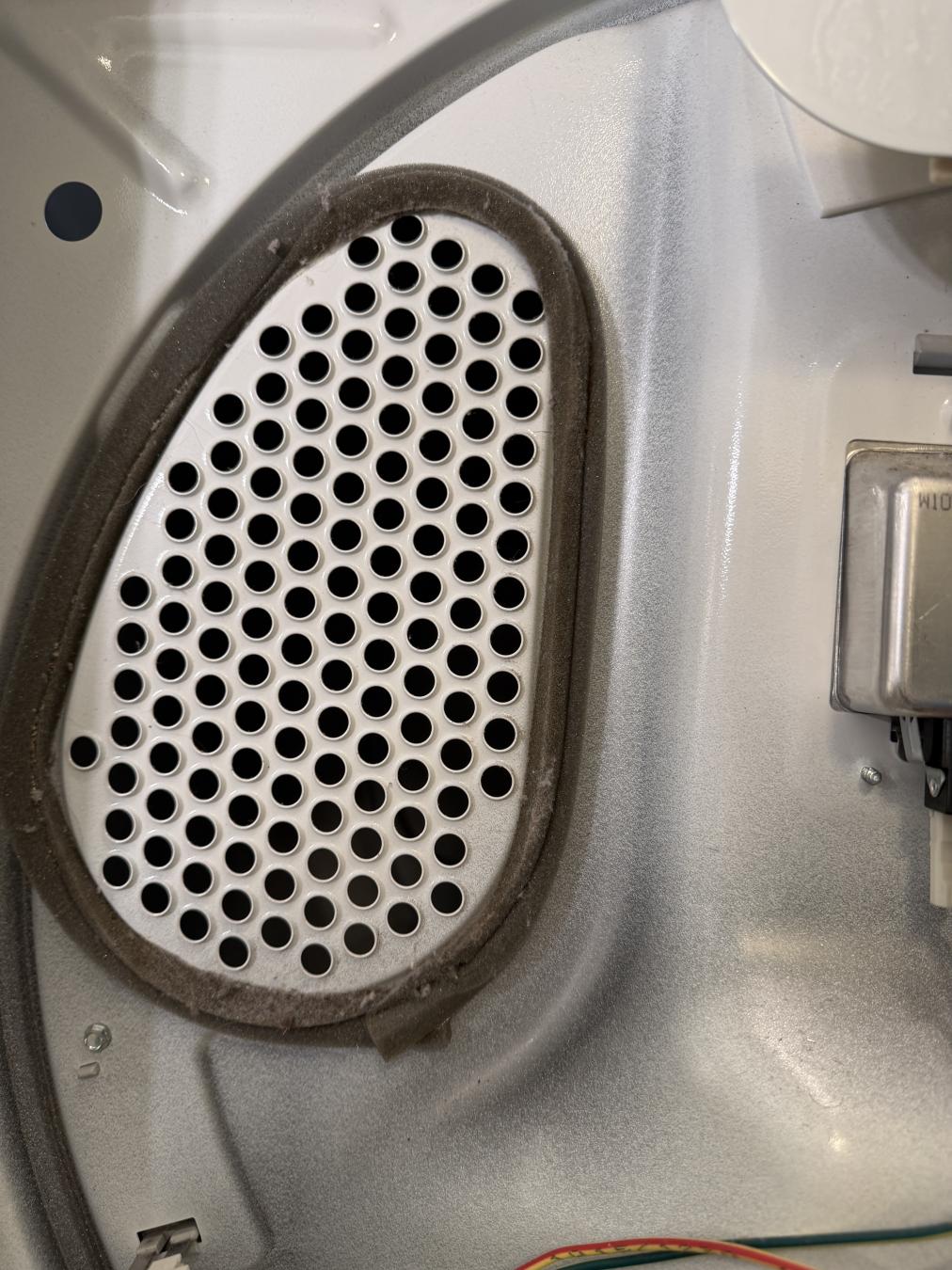
When homeowners on River Landing Dr in Daniel Island began experiencing longer drying times, they reached out to Valentine Vents to investigate. The home's dryer vent stretched an impressive 30 feet with two turns, which explained why a booster fan had been installed to maintain adequate airflow through the extended run. The C-DET certified specialist quickly identified multiple issues: a disconnected elbow in the ceiling above the dryer was allowing hot moisture laden air to escape into the attic, and substandard flex foil was being used as the transition duct. The specialist removed, thoroughly cleaned, and reinstalled the booster fan to restore its effectiveness, then repaired the broken ceiling elbow to restore proper airflow. The old flex foil transition was replaced with DryerFlex, a premium semi-rigid product chosen for its superior performance and fire-retardant properties—particularly important since dryer manufacturers specifically warn against flex foil in their owner's manuals. A Valentine 360 Visibility camera inspection documented the condition throughout the system, while a complimentary dryer delinting removed moderate buildup from the cabinet. With the vent path now secure, the booster fan functioning optimally, and proper materials in place, this Daniel Island home is back to drying efficiently and safely.
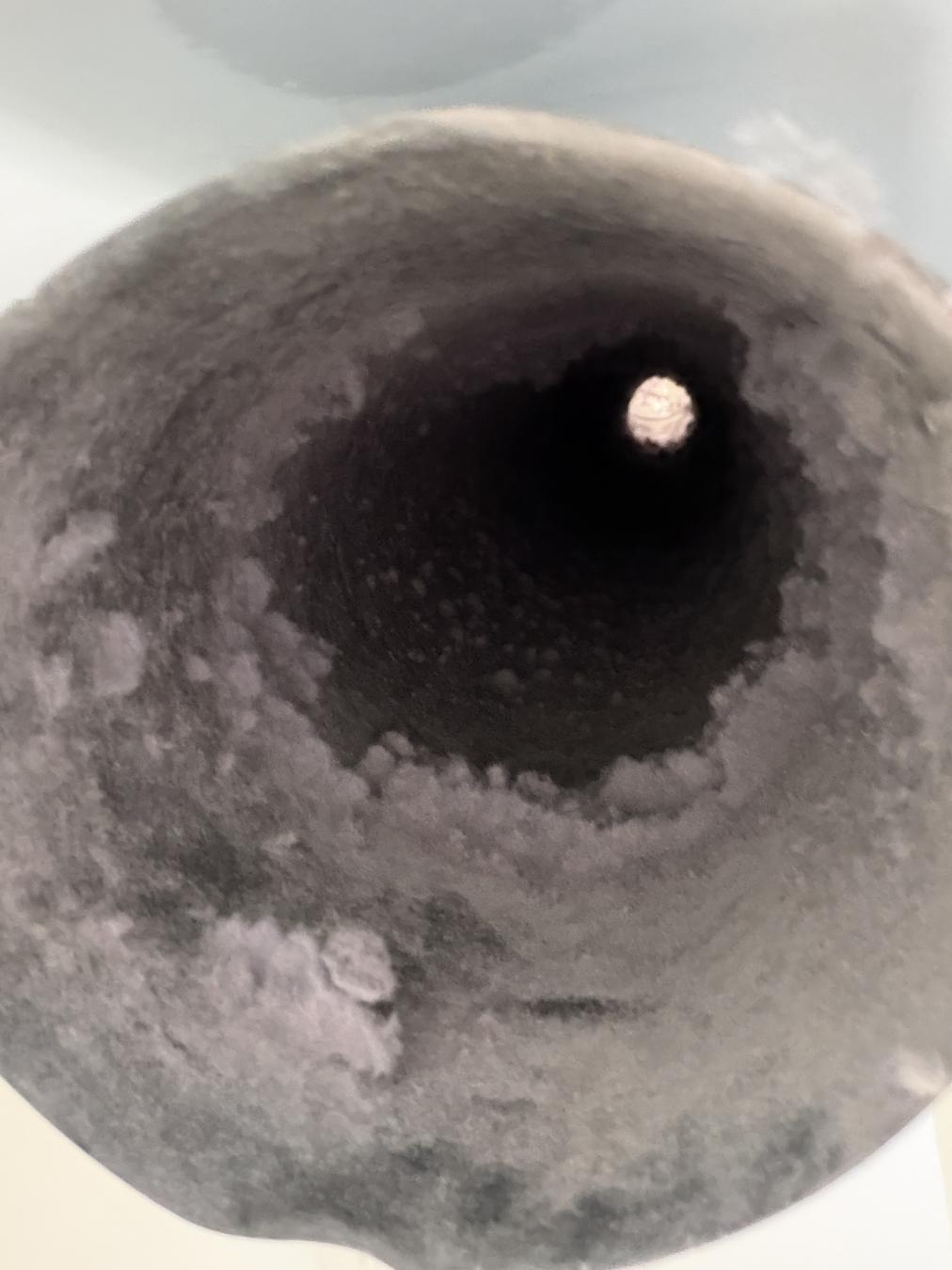


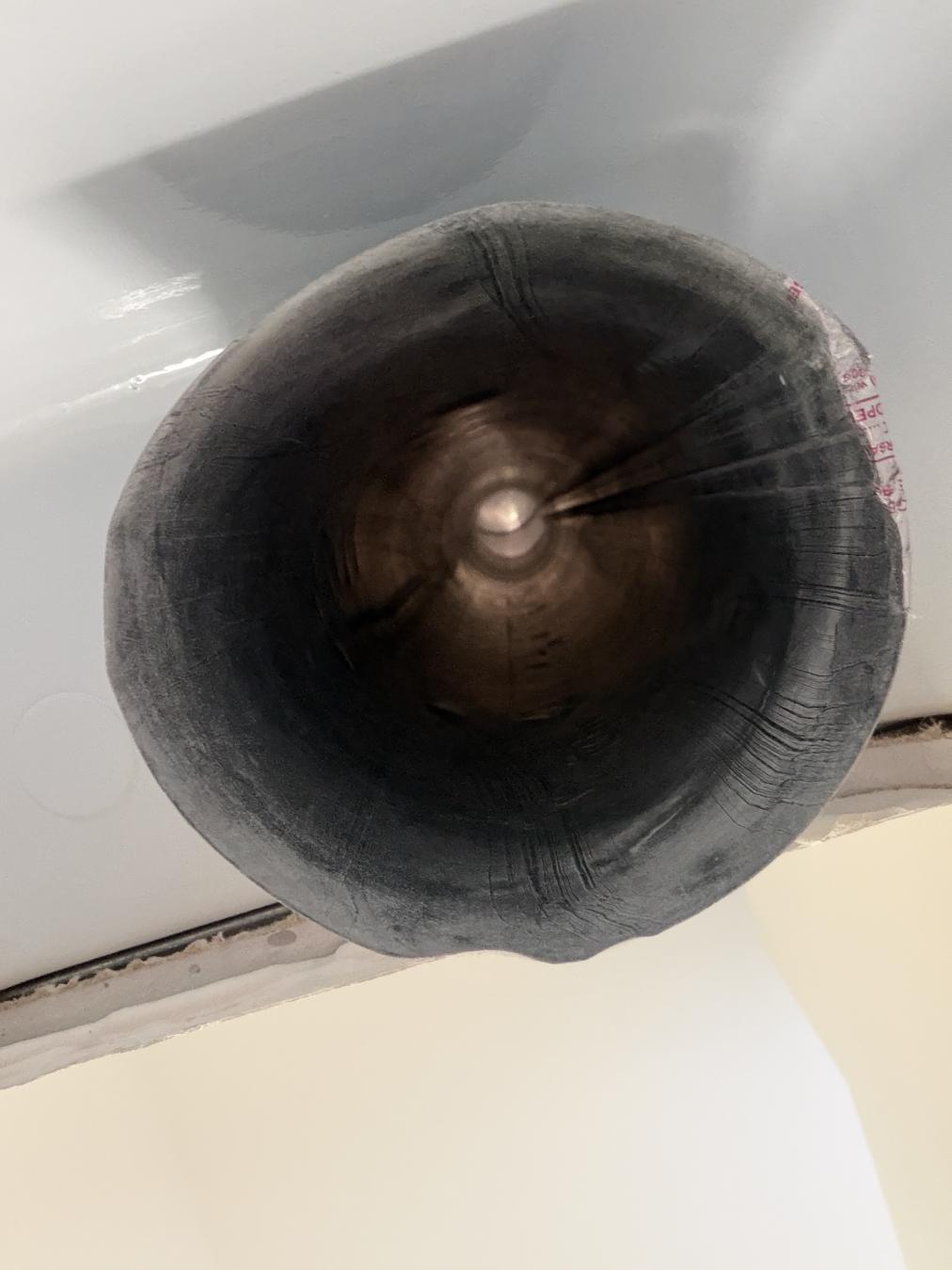
The second-floor laundry room on Brownell Avenue in Sullivans Island presented an intriguing situation when the Valentine Vents C-DET certified specialist arrived for service. Despite the homeowner reporting it had been two years since the last cleaning, the 18-foot metal rigid vent with two turns showed remarkably little lint accumulation—except for a concentrated buildup in the furthest section from the dryer. The photos captured during the Valentine 360 Visibility camera inspection clearly illustrated this unusual pattern, which would typically suggest incomplete prior cleaning, though the specialist noted the dryer's tight construction likely contributed to minimal internal lint escape. The substandard flex foil transition duct was replaced with DryerFlex, a premium semi-rigid material chosen for its superior performance and fire-retardant properties. The first-floor laundry room received attention as well, with its six-foot vent and single turn showing moderate lint accumulation that was thoroughly removed during the full cabinet delinting process. Valentine Vents addressed both systems completely, ensuring proper airflow and eliminating fire hazards throughout this coastal home. With both dryers now operating at peak efficiency and the obsolete flex foil replaced with code-compliant materials, this household enjoys the peace of mind that comes from professional dryer vent maintenance.
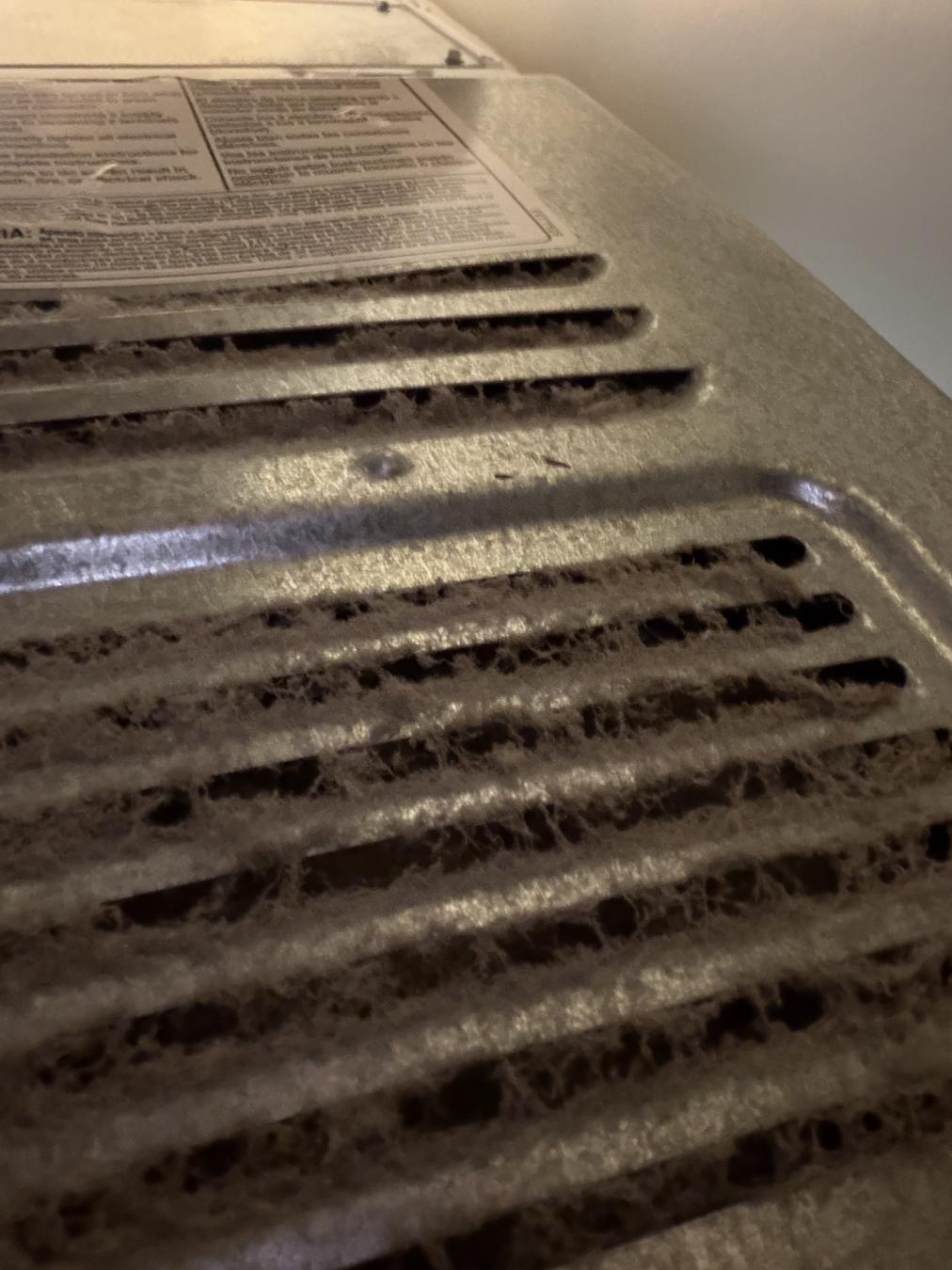
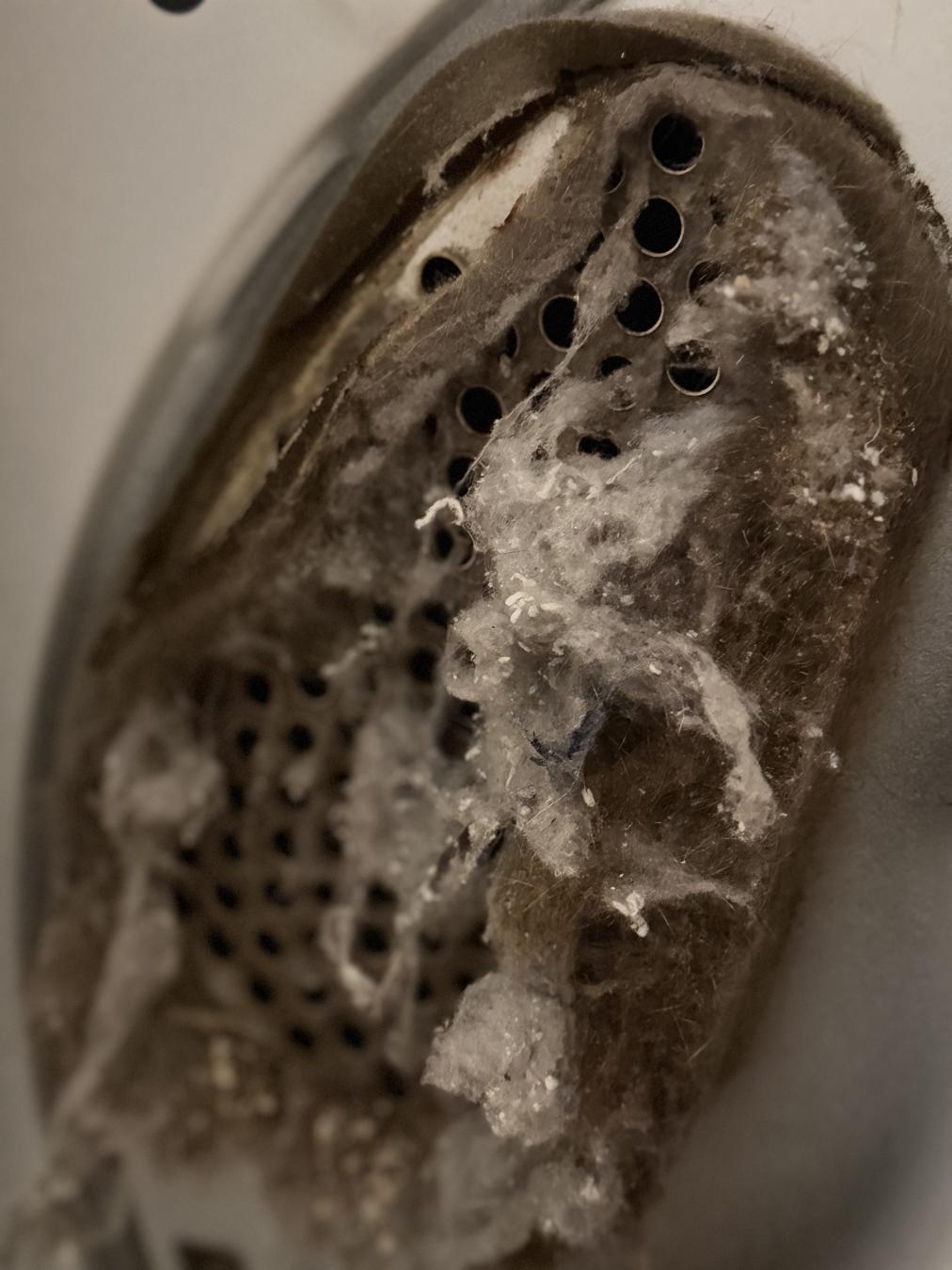
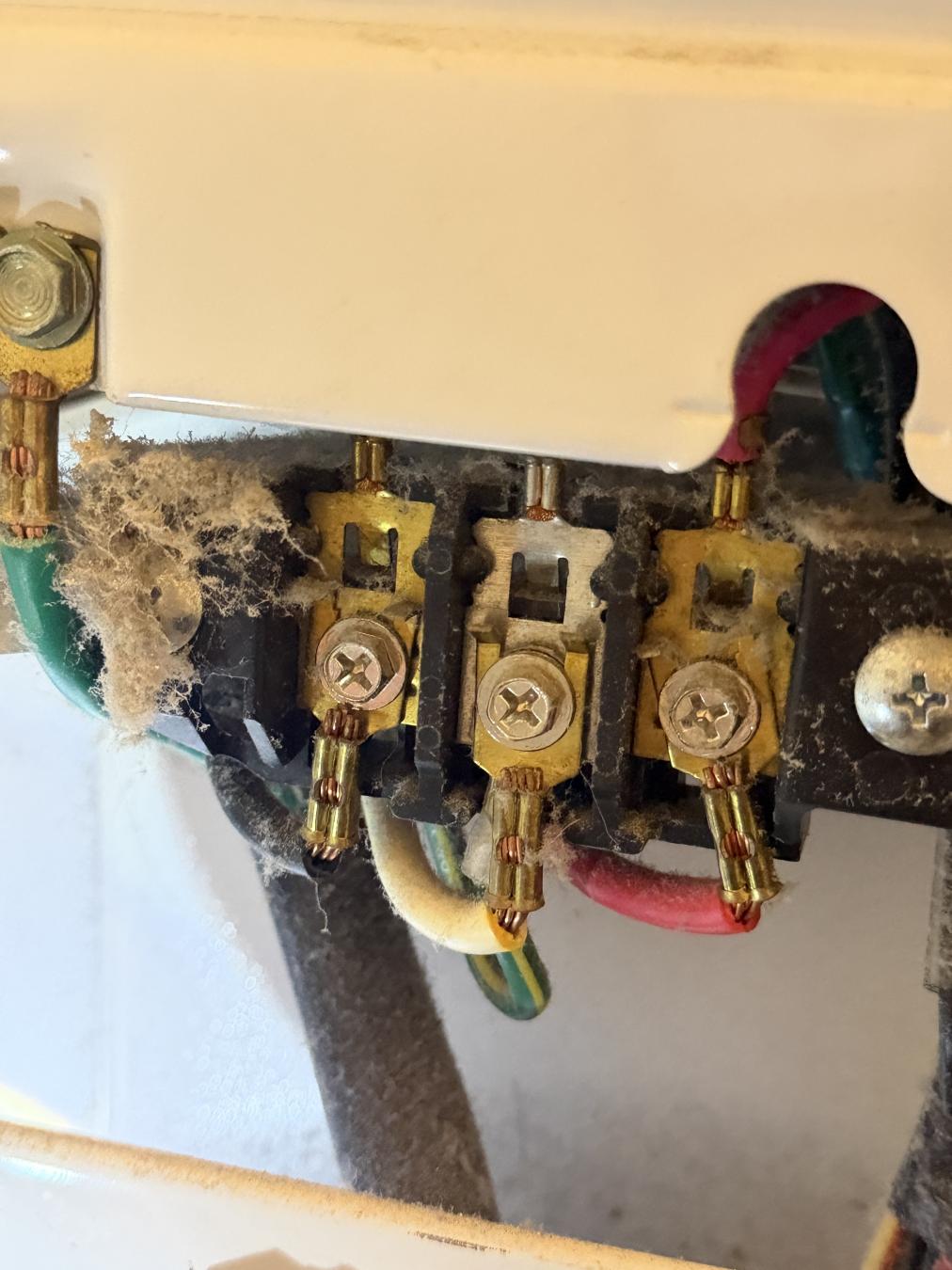
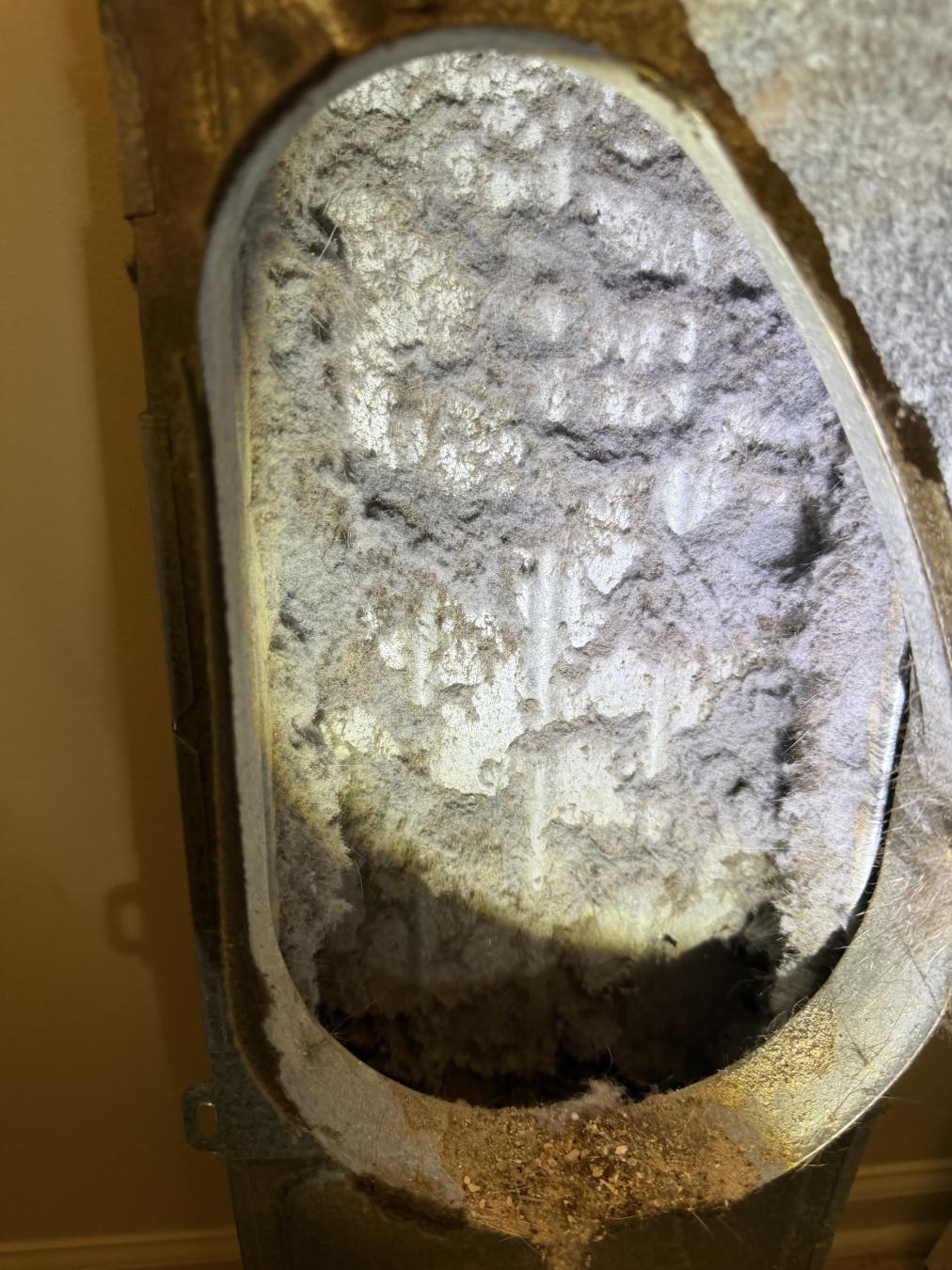
The root cause of longer drying times on Pond Pine Trail in Summerville turned out to be more complex than a simple lint blockage. While the twenty-foot metal rigid vent with two turns showed relatively little buildup, the Valentine Vents specialist discovered significant lint accumulation inside the dryer cabinet itself during the complimentary delinting service. More concerning, the existing soffit vent cover violated code standards with a grid design that trapped lint, and it wasn't even properly connected to the vent system. Airflow readings told the real story: what started at just 764 FPM jumped to an impressive 1,803 FPM after the complete service. The specialist replaced the problematic cover with a powder-coated aluminum version that meets proper specifications. During the thorough inspection, captured through Valentine 360 Visibility camera documentation, an unrelated bathroom exhaust fan issue was discovered and addressed—water removal and proper caulking ensured that system would function correctly as well. This C-DET certified service transformed a struggling dryer system into one operating at peak performance, delivering the efficiency and fire safety every homeowner deserves.
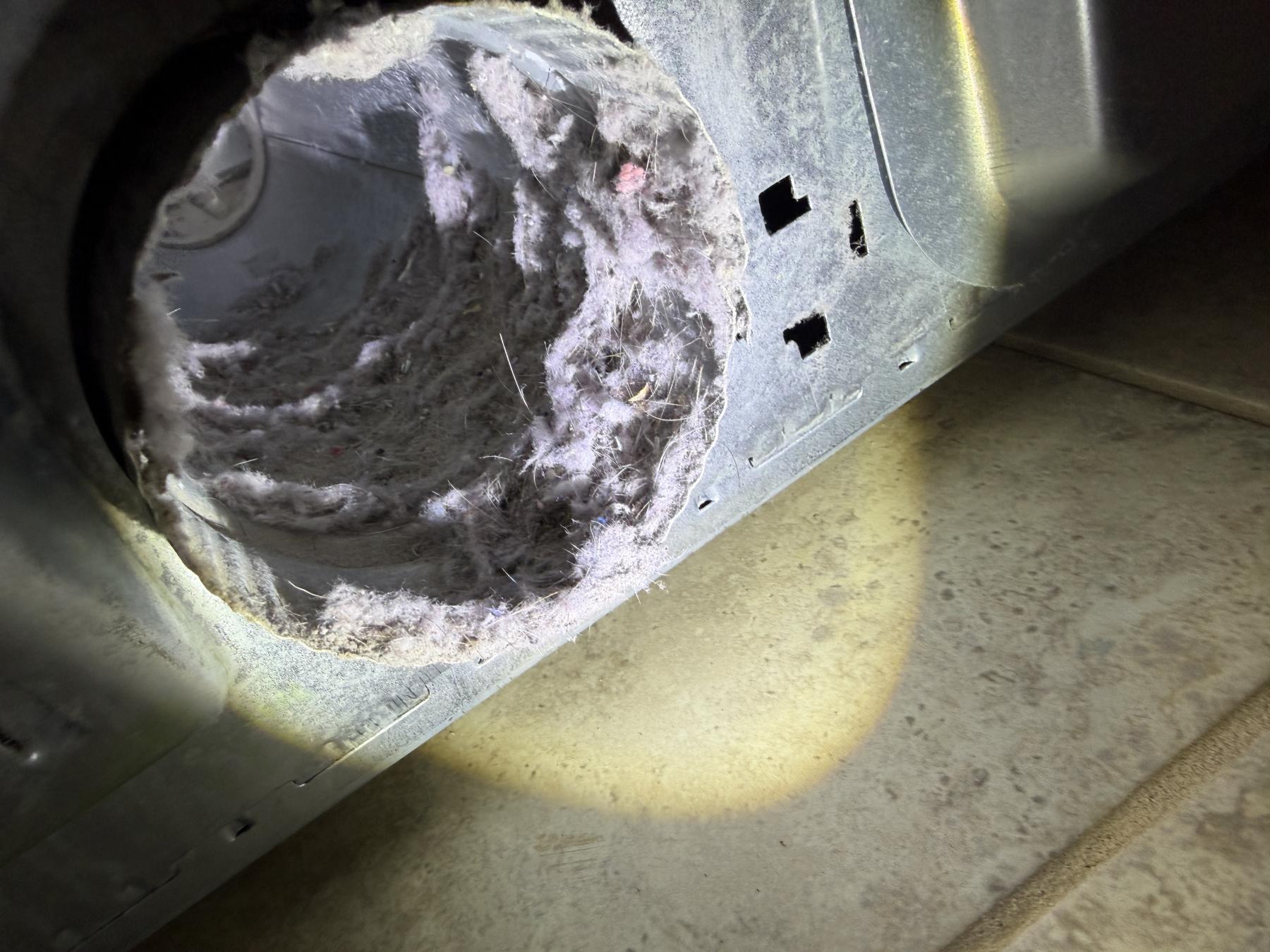
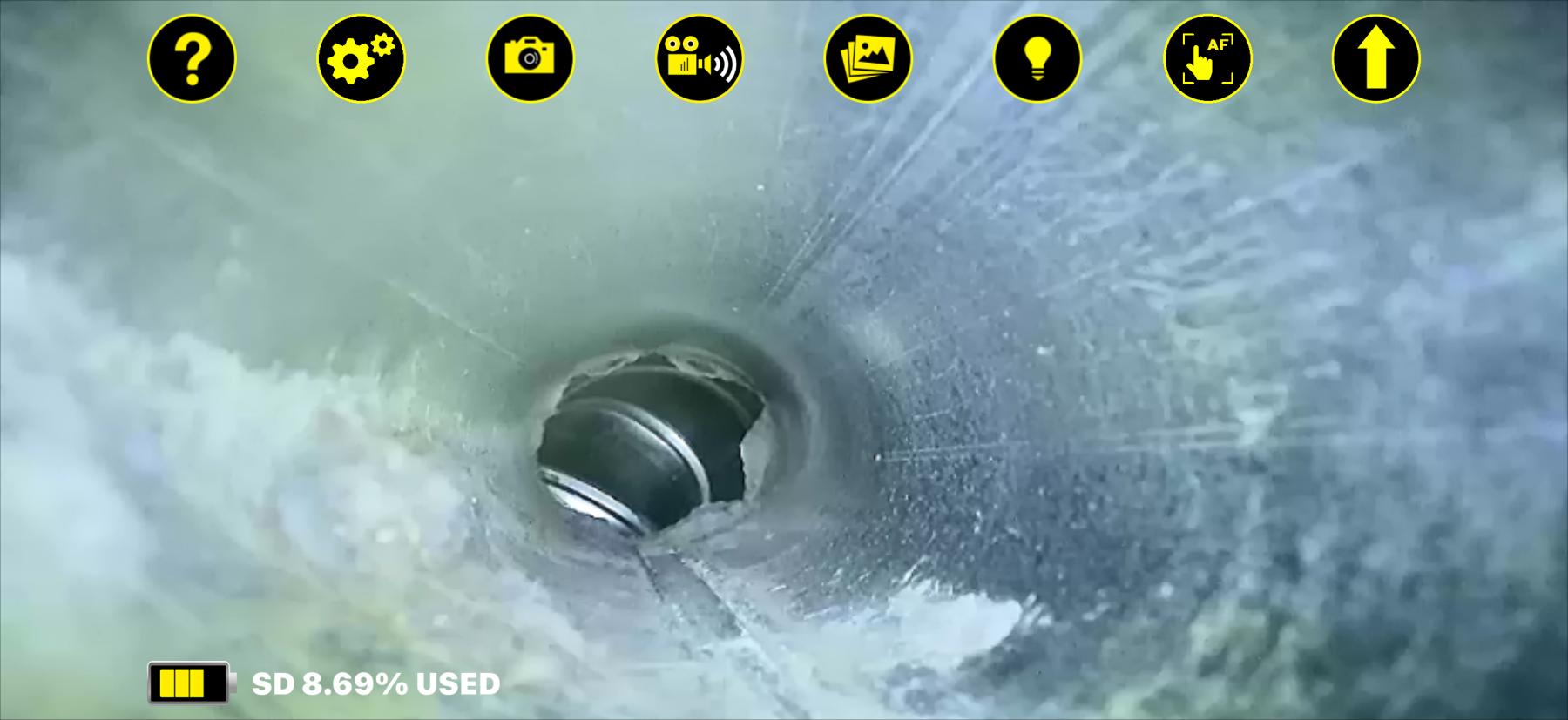
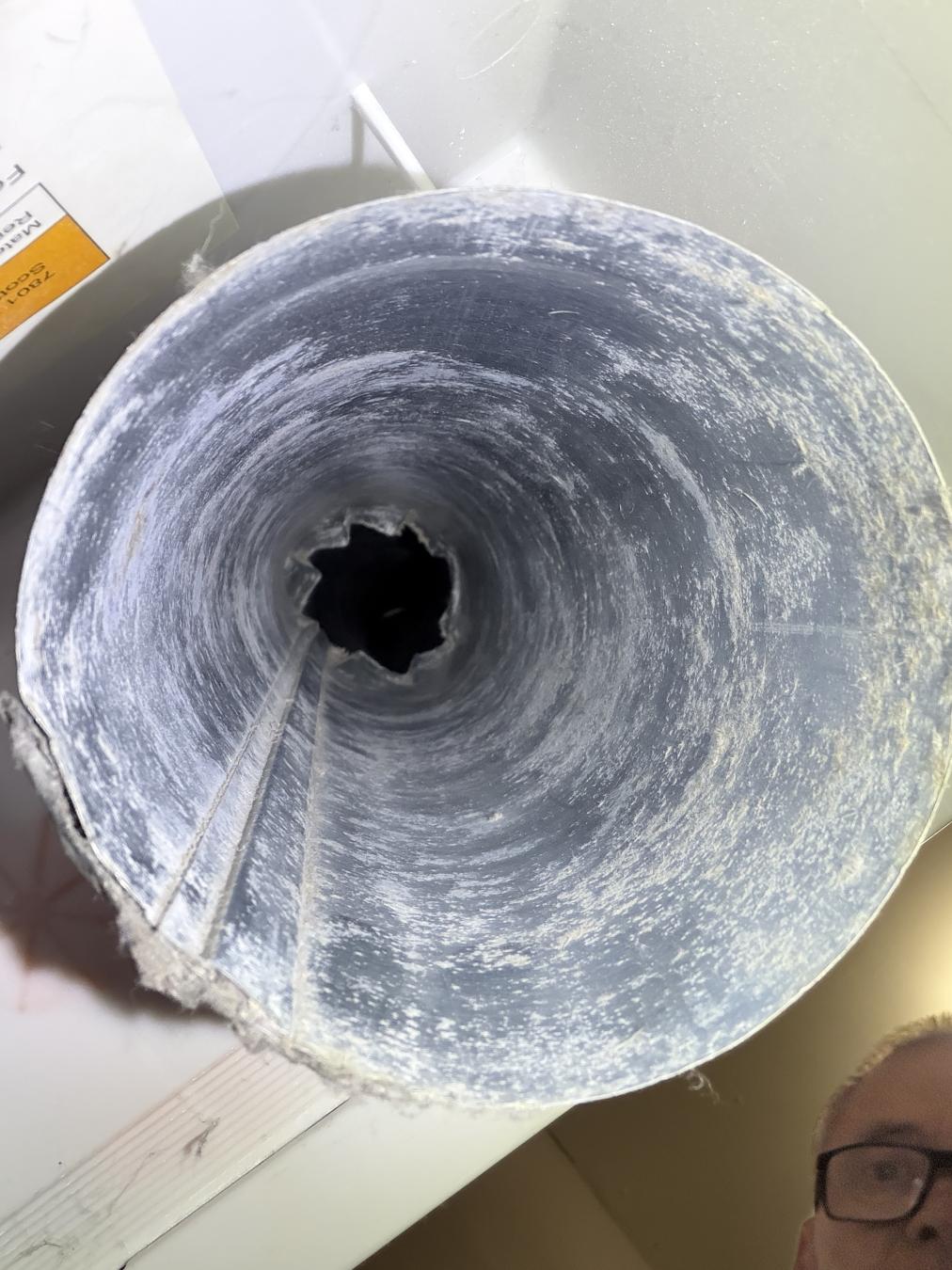

Years of neglect had taken their toll on the dryer vent system at this West Ashley home, where the homeowner reported increasingly longer drying times—a telltale sign of restricted airflow. Valentine Vents dispatched a C-DET certified specialist to investigate the 27-foot metal rigid vent system with two turns. While the main vent showed surprisingly minimal lint accumulation, the dryer itself told a different story, with moderate buildup compromising performance. More concerning was the substandard flex foil transition duct, which dryer manufacturers explicitly warn against in their owner's manuals. The specialist replaced it with DryerFlex, a premium semi-rigid product chosen for its superior performance and fire-retardant properties. A Valentine 360 Visibility camera inspection confirmed the thoroughness of the cleaning, and photos documented the transformation. Airflow readings revealed the dramatic improvement: jumping from a sluggish 746 FPM to a robust 1,453 FPM—nearly double the starting measurement. With the dryer also delinted and the entire system restored to optimal function, this Windsor Drive home now enjoys safer, more efficient laundry days ahead.
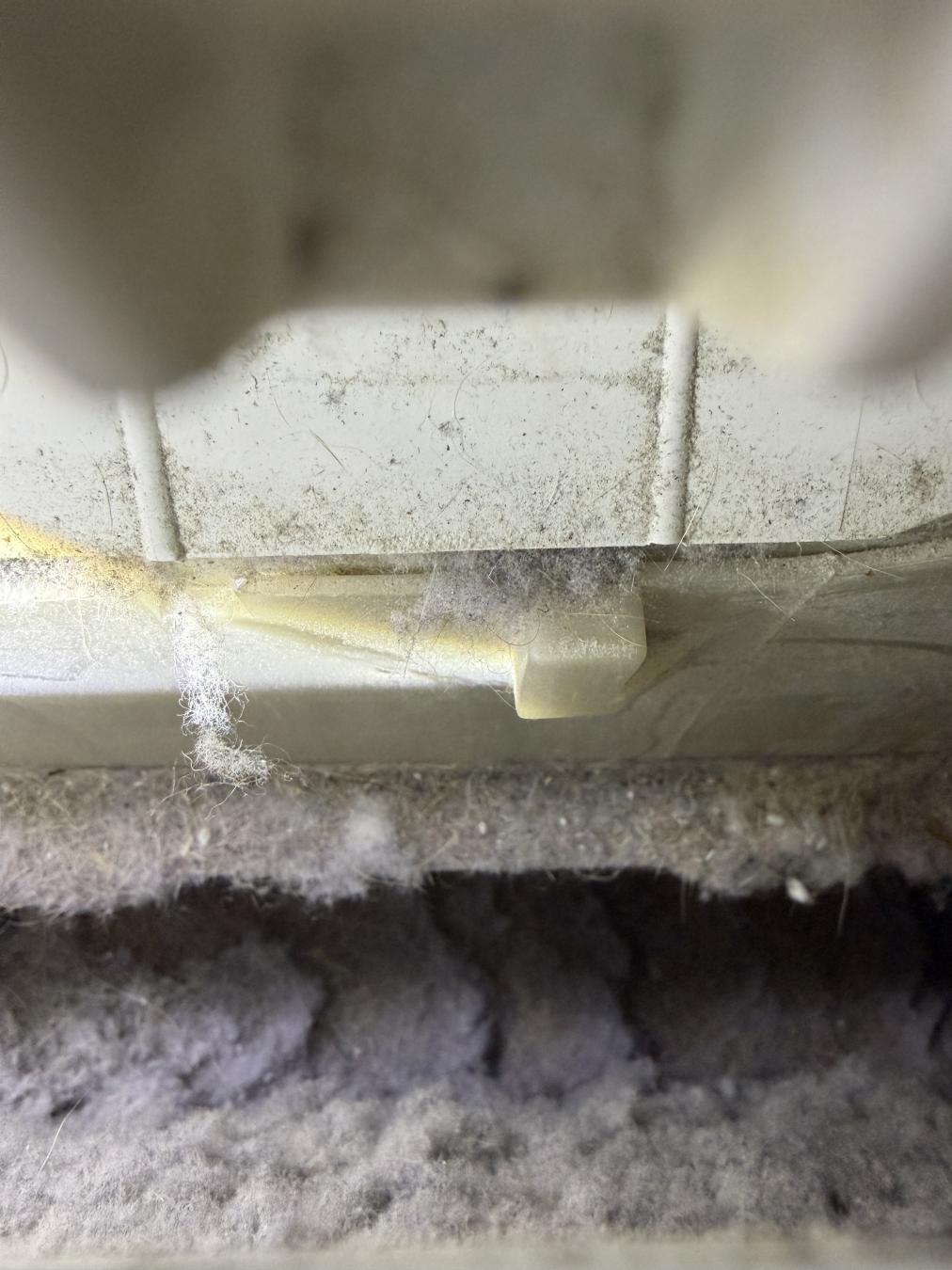
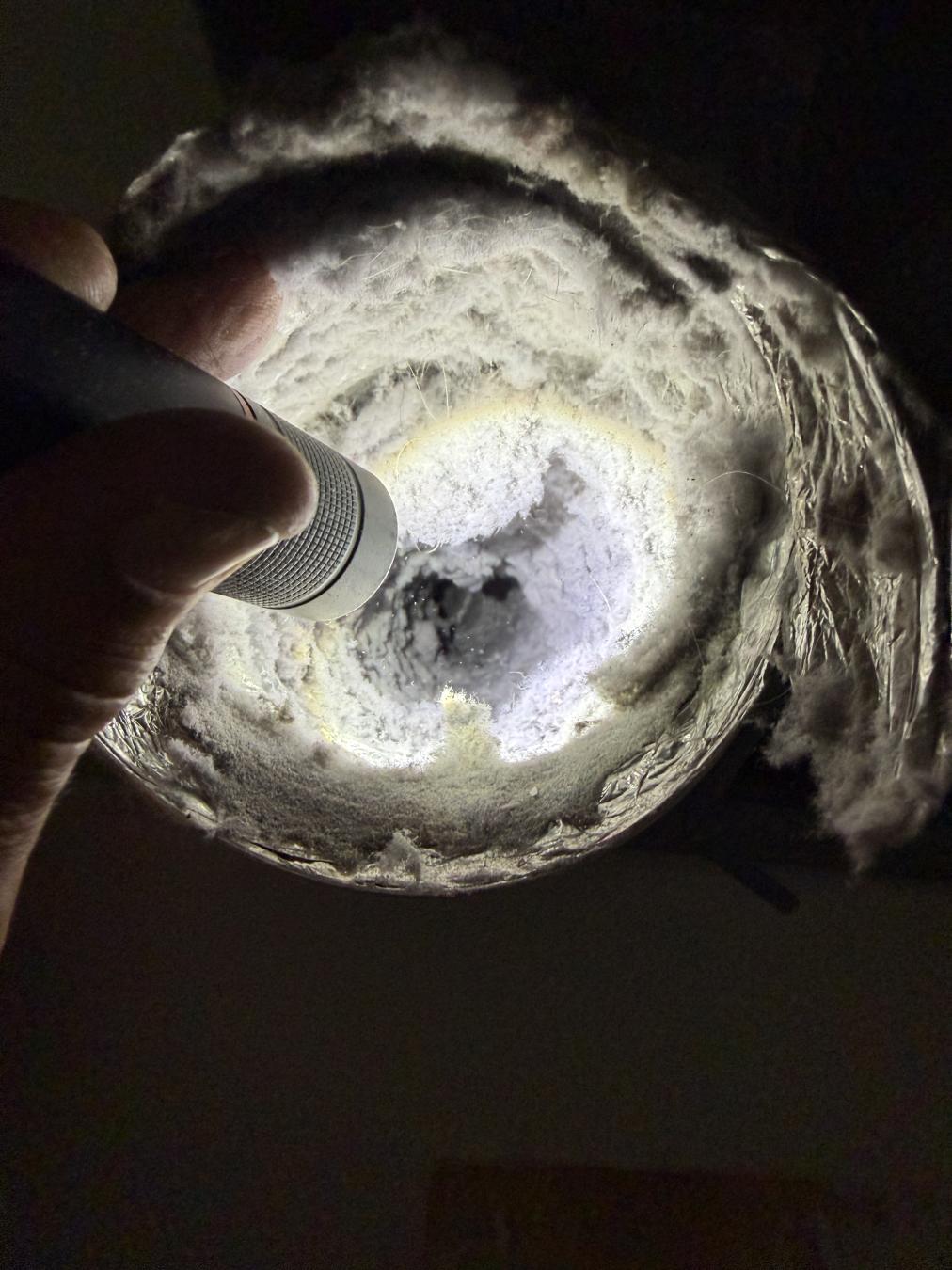
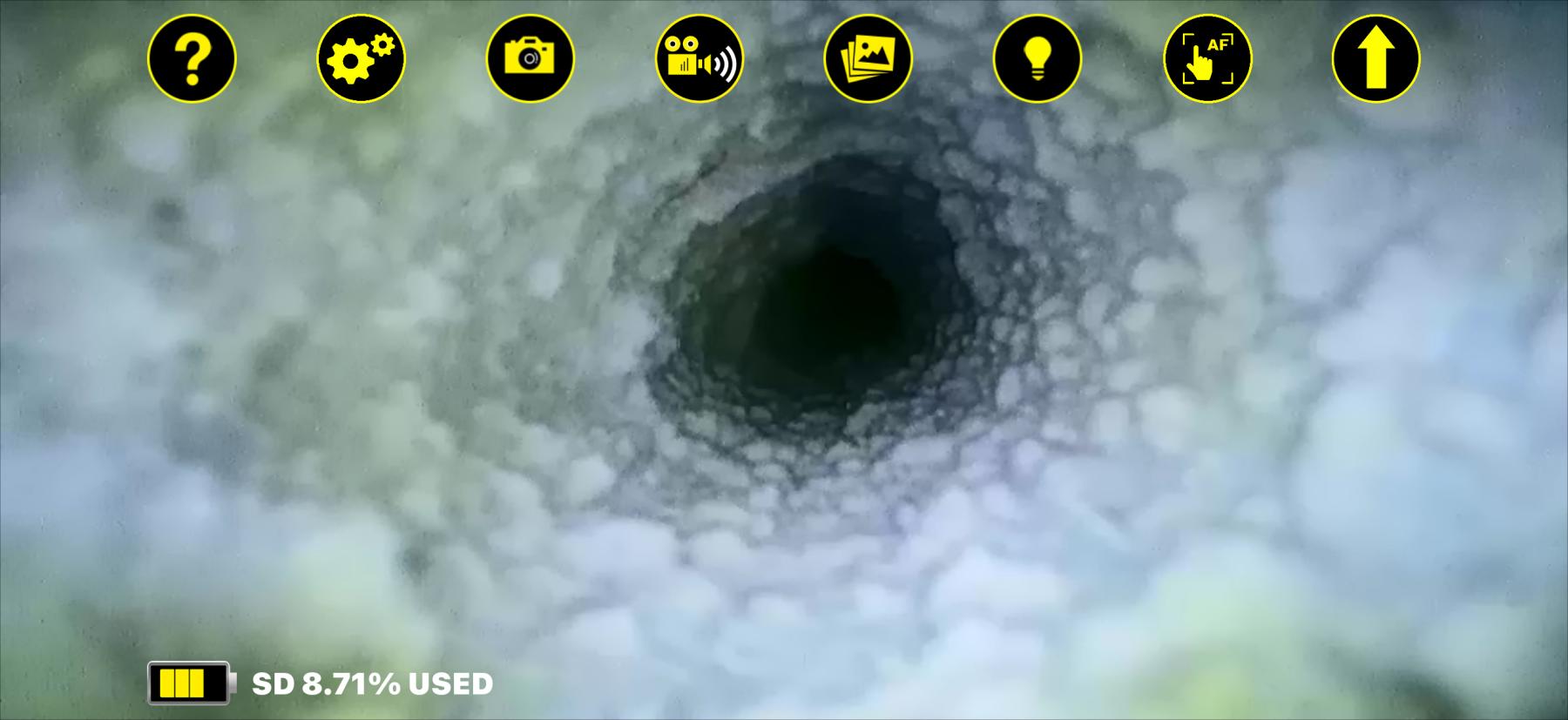
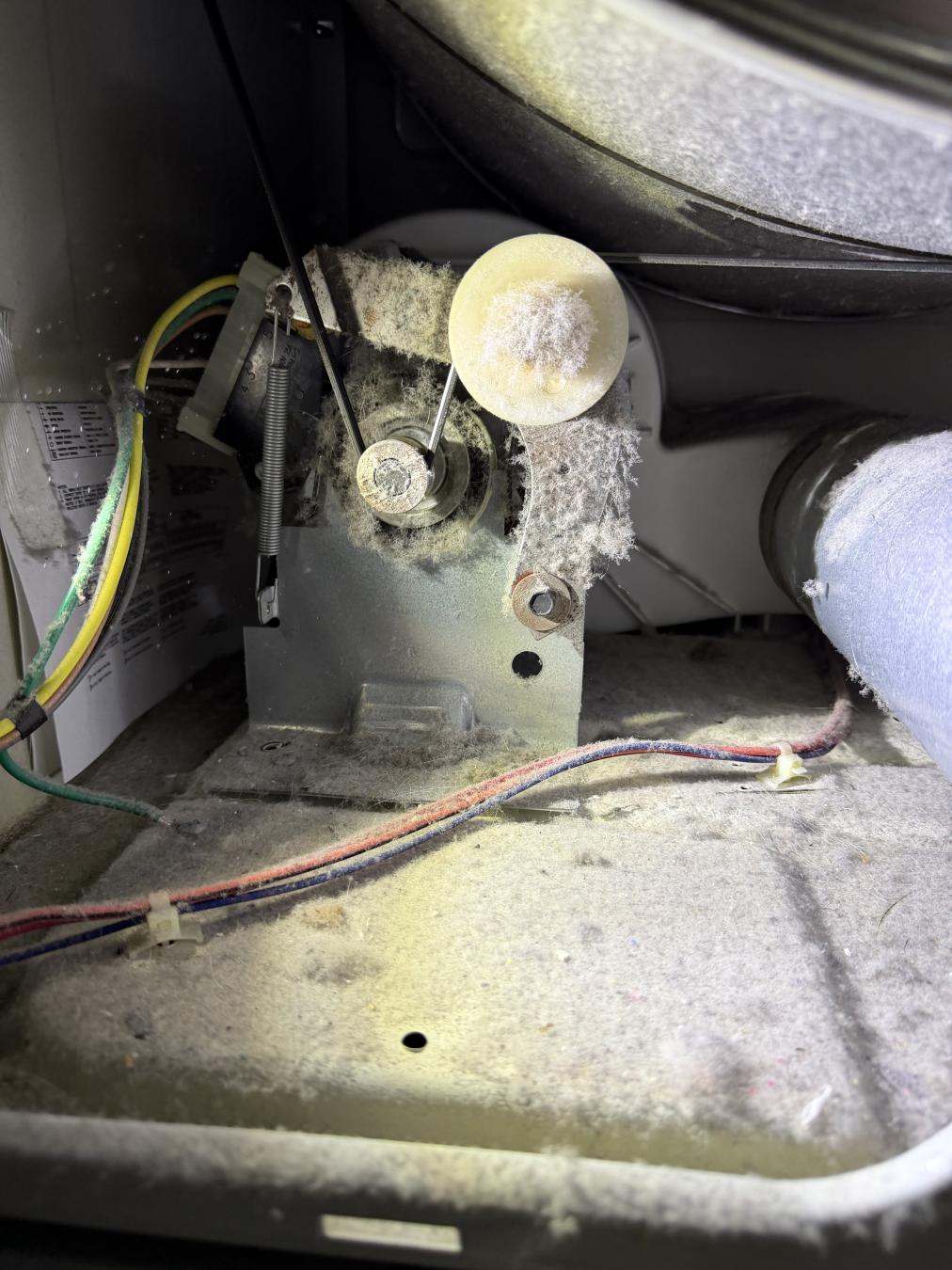
Sometimes what appears to be a routine maintenance call reveals opportunities for meaningful improvement. When the Valentine Vents C-DET certified specialist arrived at this George Street home in Charleston, the initial assessment seemed straightforward—a 41-foot metal rigid vent system with four turns, showing moderate lint buildup throughout and above-average accumulation in the dryer cabinet itself. The system also featured a booster fan, which was carefully removed, thoroughly cleaned, and reinstalled to proper working order. During the service, the specialist discovered and replaced substandard flex foil transition ducting with DryerFlex, a premium semi-rigid product specifically chosen for its superior airflow and fire-retardant properties—addressing a safety concern that dryer manufacturers explicitly warn against in their owner's manuals. A Valentine 360 Visibility camera inspection documented the work and revealed one remaining issue: the exterior wall vent cover doesn't meet current code requirements and restricts proper airflow. Photos captured throughout the service provide a complete record of the improvements made. With a clean vent system, properly functioning booster fan, and code-compliant transition duct now in place, this Charleston home benefits from significantly improved dryer safety and efficiency.

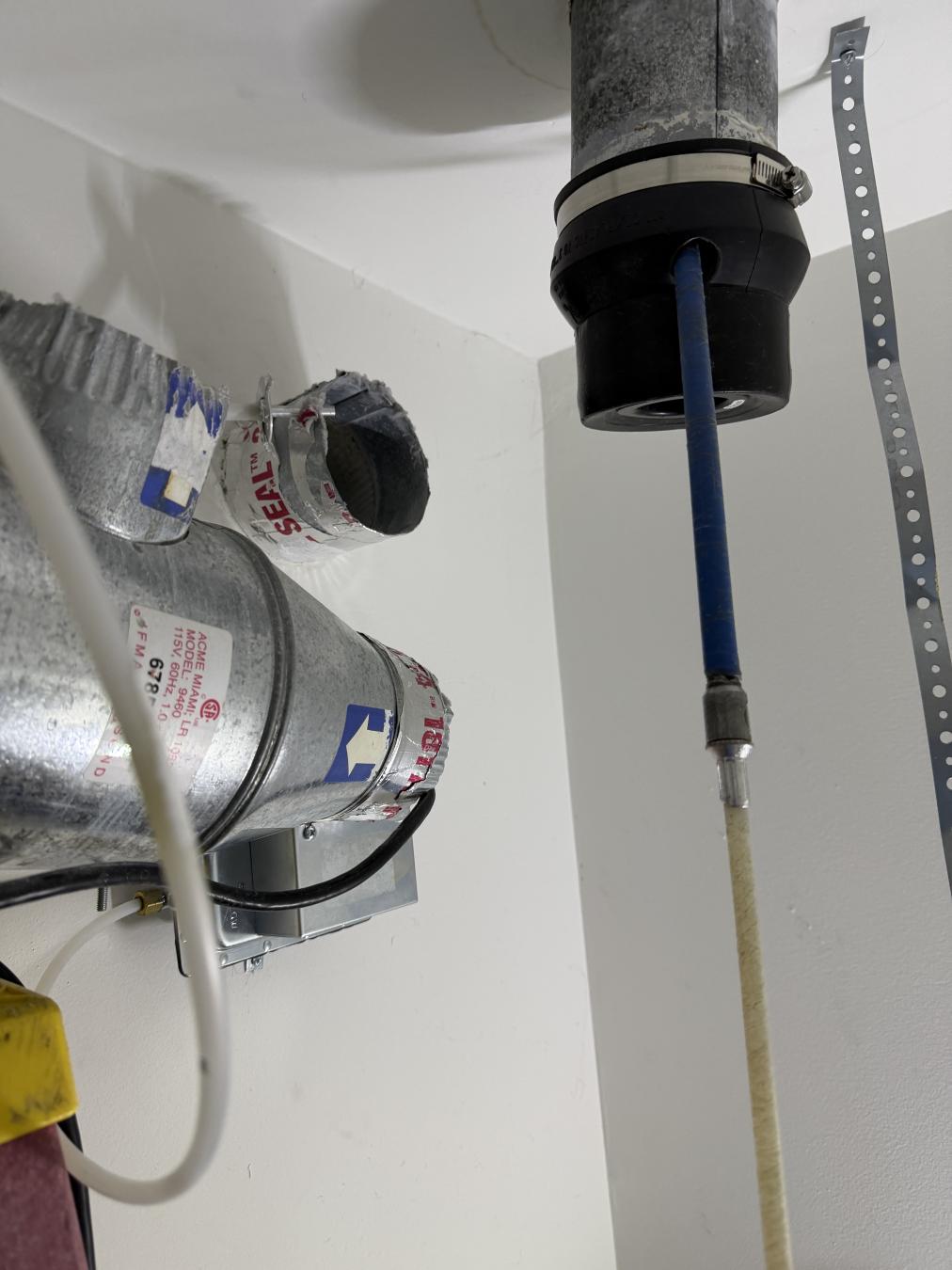

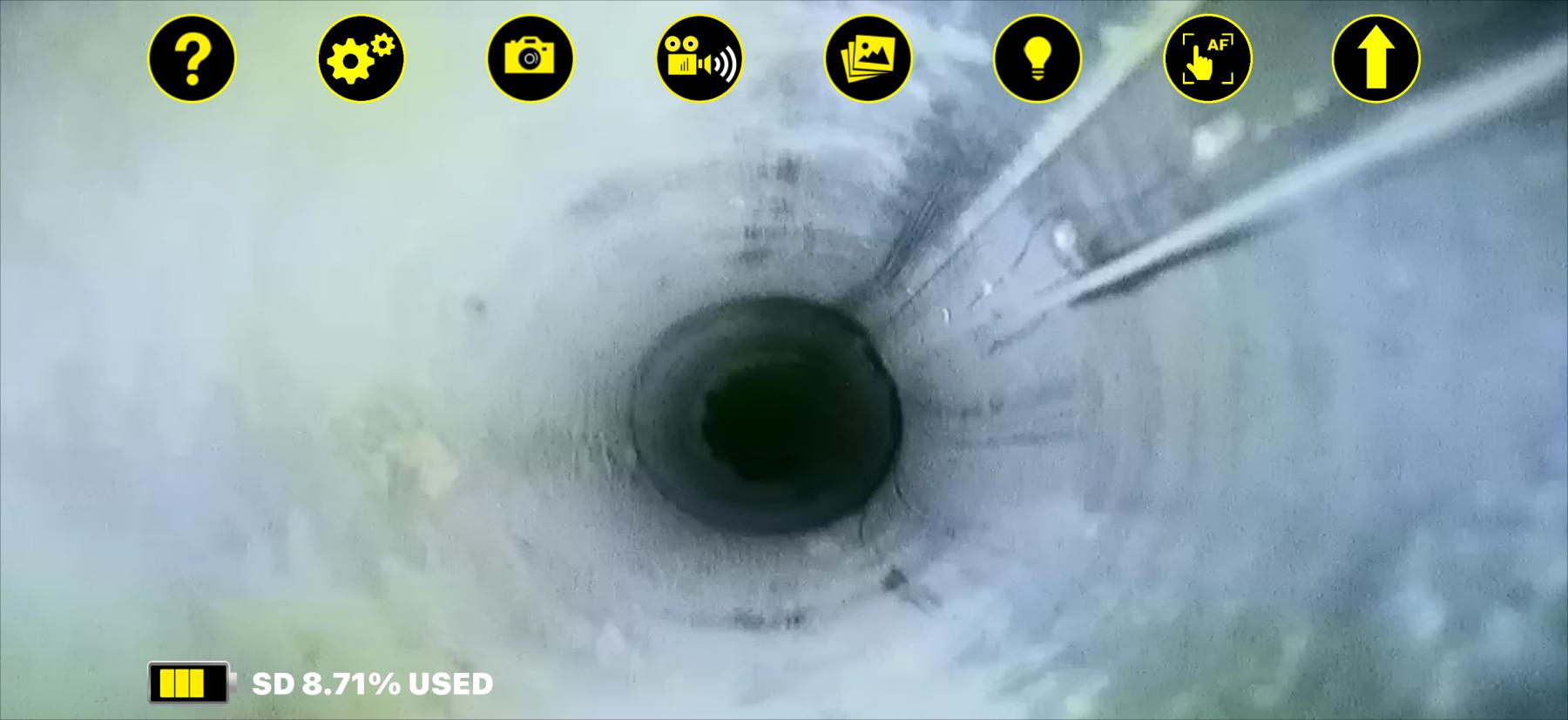
A dryer vent system on George St in Charleston presented an interesting challenge that required both technical expertise and creative problem-solving. The 41-foot metal rigid vent with four turns incorporated a booster fan to maintain proper airflow throughout the extended run. When the Valentine Vents C-DET certified specialist arrived, a thorough inspection revealed moderate lint accumulation within the dryer cabinet and throughout the vent system, along with substandard flex foil on the transition duct. The specialist methodically removed, cleaned, and reinstalled the booster fan to ensure optimal performance. During the Valentine 360 Visibility camera inspection, photographs captured a particularly problematic exterior termination point: a soffit vent cover designed like an HVAC register with fixed louvers and minimal openings, lacking the crucial backdraft damper that prevents pest intrusion and weather infiltration. The inadequate flex foil transition was replaced with DryerFlex, a premium semi-rigid product specifically chosen for its superior airflow and fire-retardant properties—a critical upgrade since dryer manufacturers explicitly warn against flex foil in their owner's manuals. With the vent thoroughly cleaned and the transition properly upgraded, the system now operates as safely as the extensive ductwork allows, though the restrictive exterior cover remains a limiting factor for future airflow optimization.
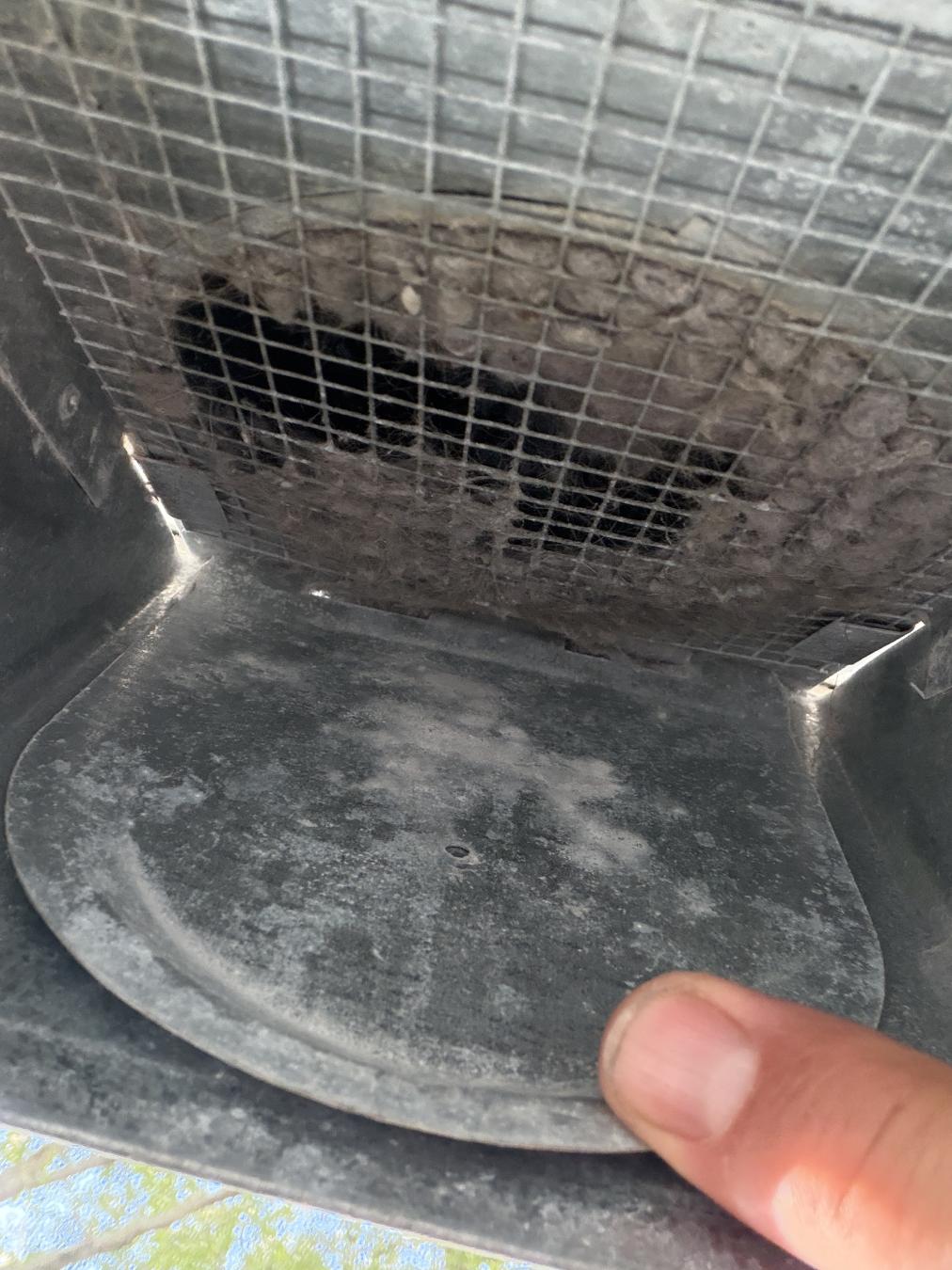
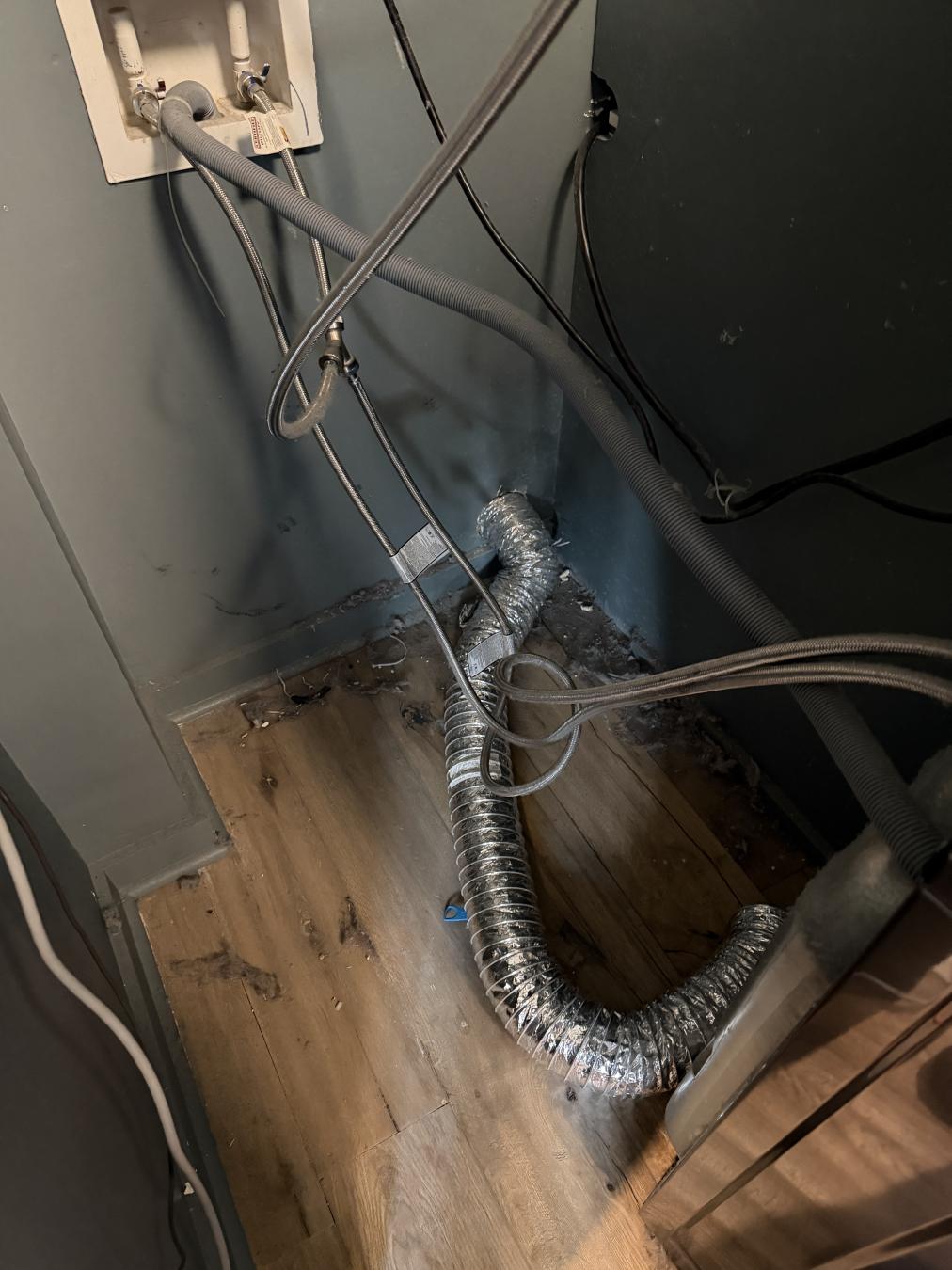
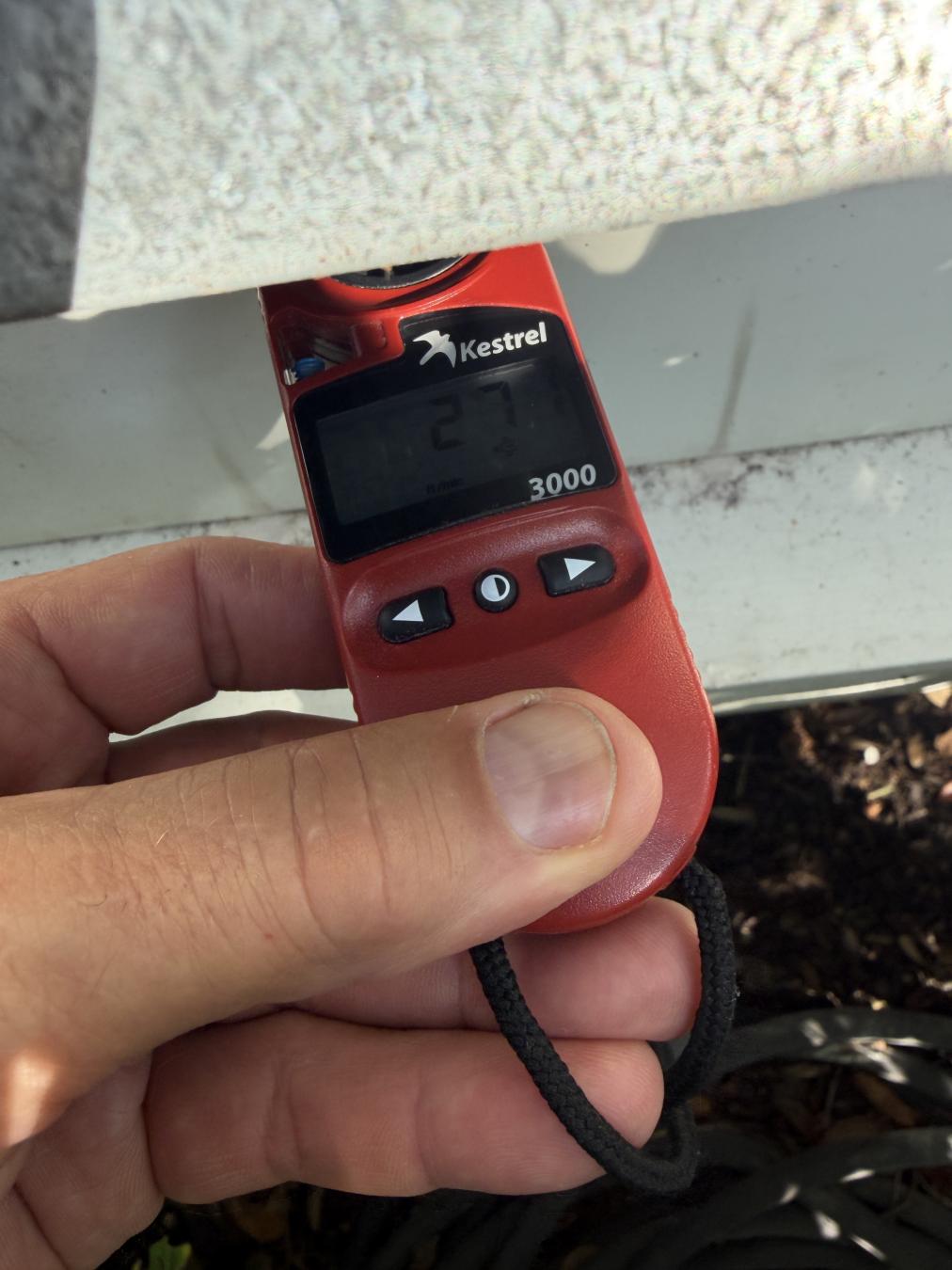
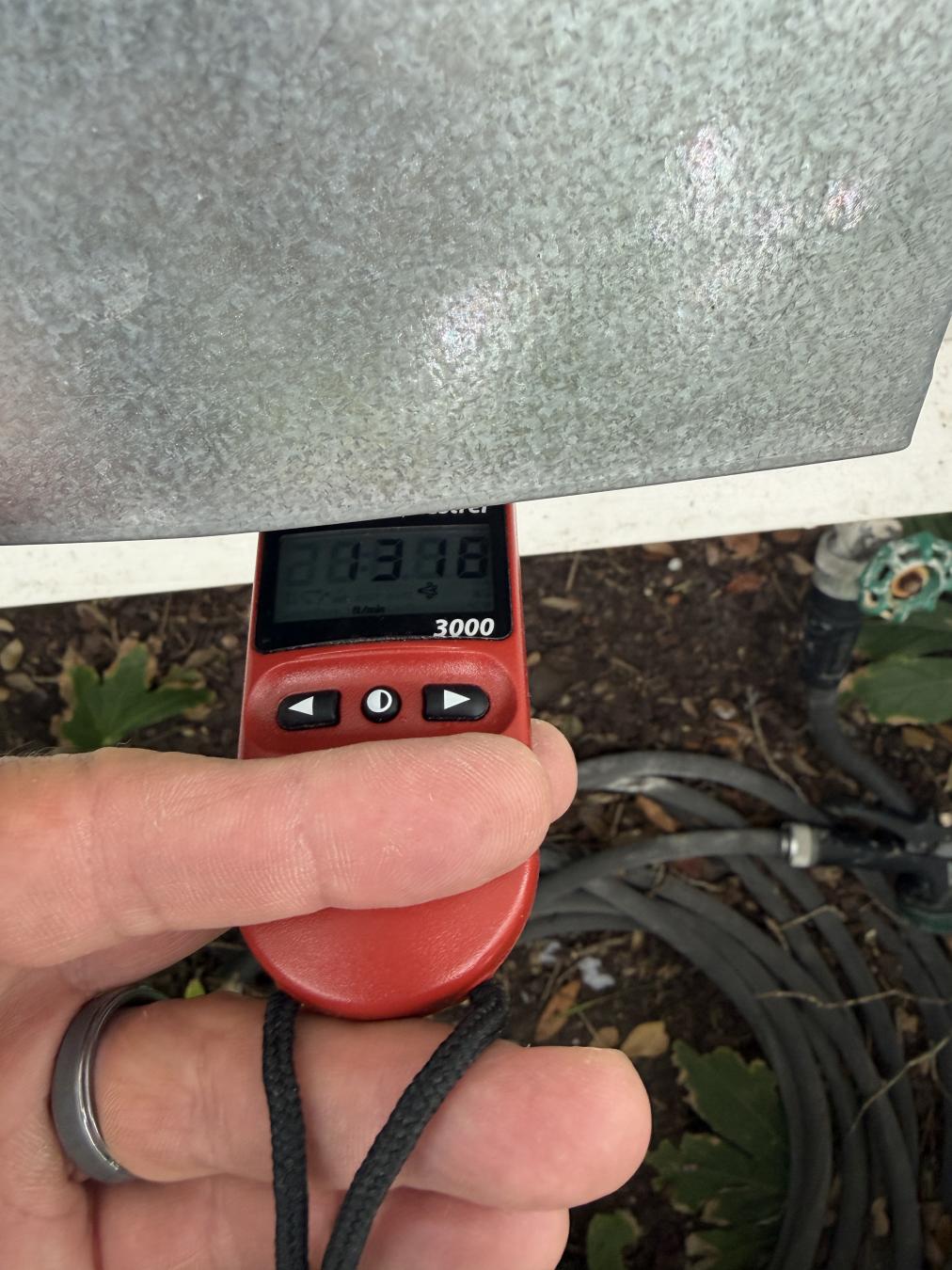
Condensation issues plaguing a dryer often point to restricted airflow, and that's exactly what the specialist discovered at this Mt. Pleasant home on Royall Ave. The culprit? A screened vent cover that had been trapping lint and choking off proper ventilation. Initial airflow readings of just 271 FPM confirmed the severity of the restriction—well below what's needed for safe, efficient operation. The Valentine Vents specialist got to work addressing multiple concerns. The screen was removed from the vent cover, immediately improving exhaust capability. Inside the home, the substandard flex foil transition duct was replaced with DryerFlex, a premium semi-rigid product specifically chosen for its superior performance and fire-retardant properties—exactly what dryer manufacturers recommend in their owner's manuals. The metal rigid pipe was also shortened, allowing the dryer to sit closer to the wall while maintaining proper ventilation. After a thorough cleaning and complimentary camera inspection with the Valentine 360 Visibility system, final airflow measurements told the story: 1,316 FPM—nearly a five-fold improvement. The homeowner can now dry laundry with confidence, knowing their C-DET certified service eliminated both the condensation problem and potential fire hazards.

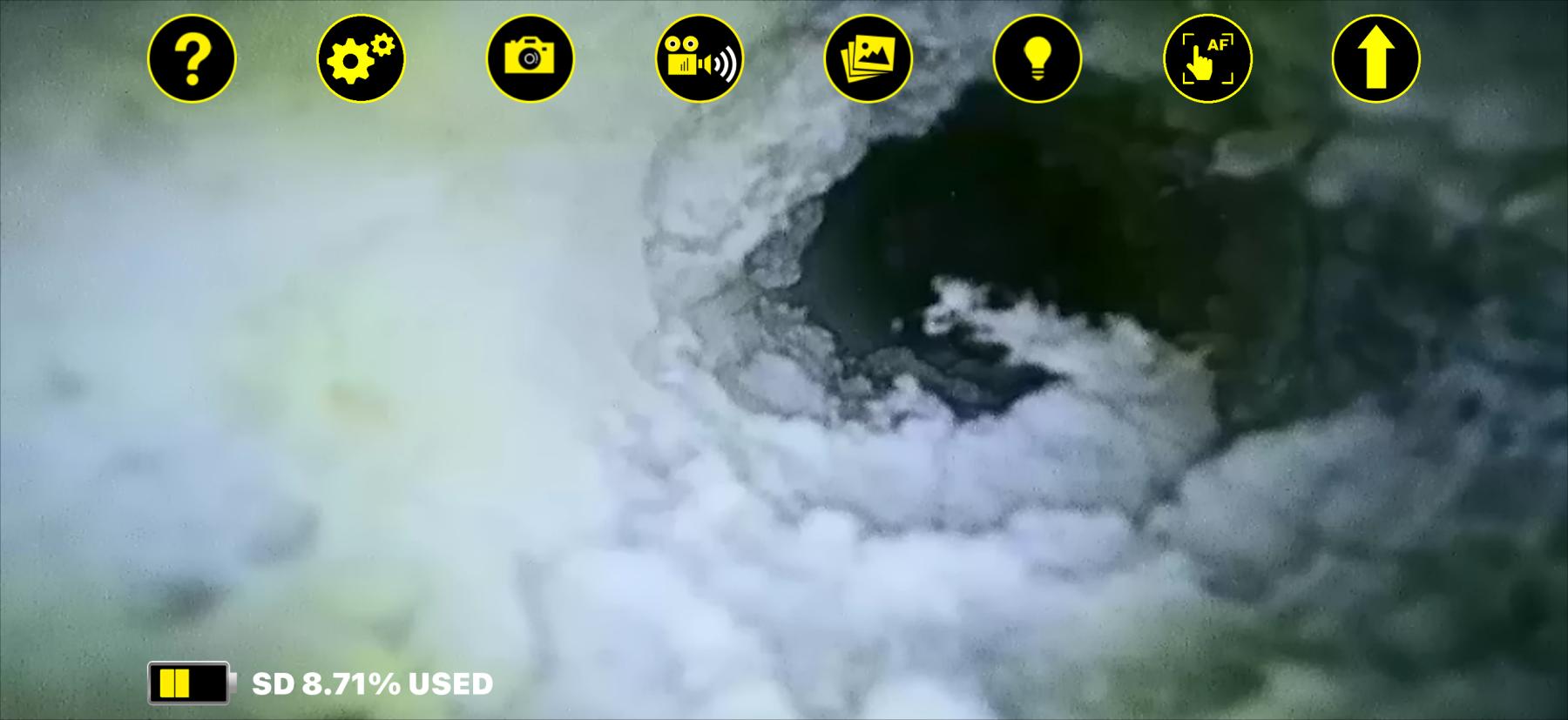
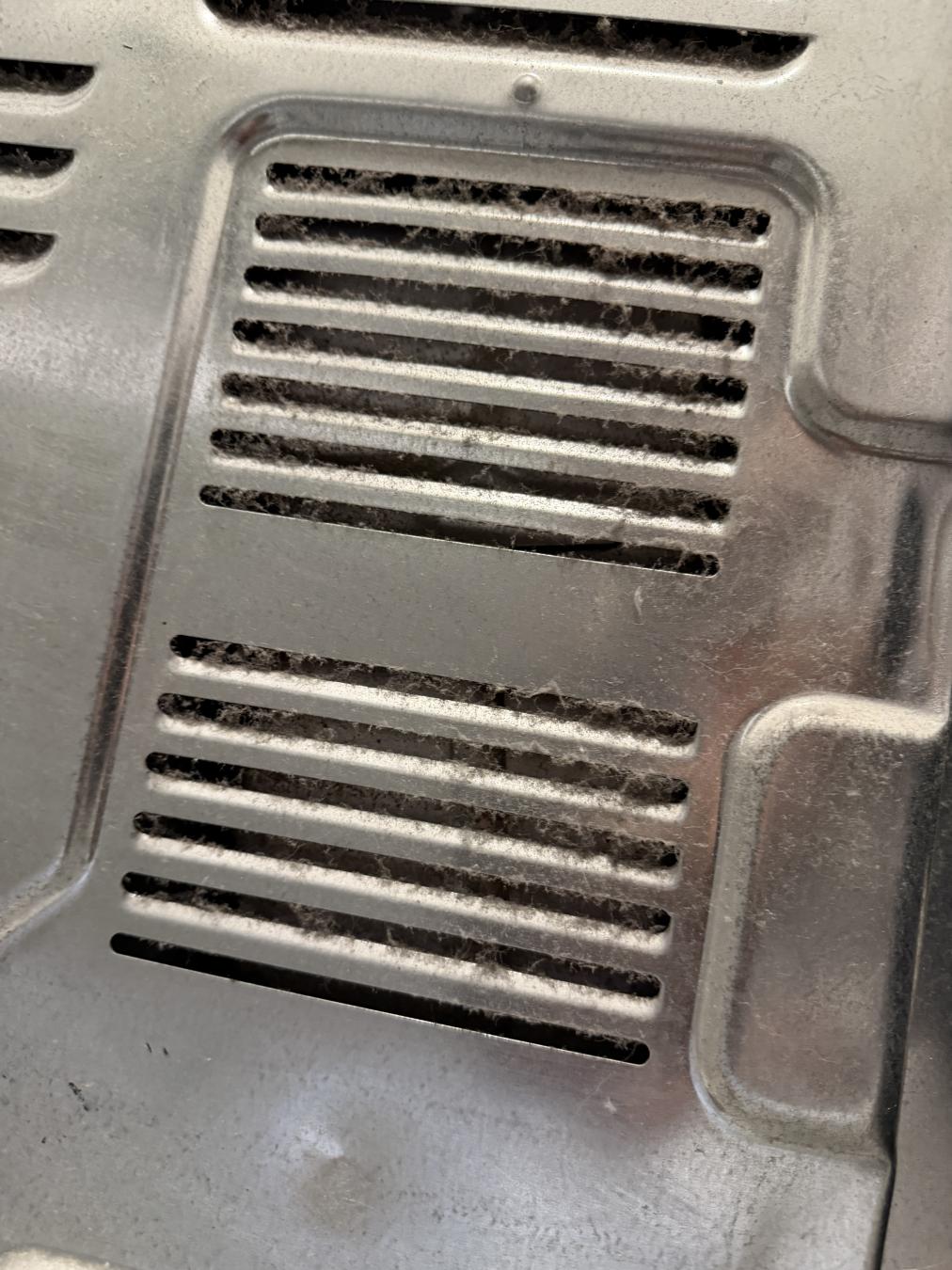
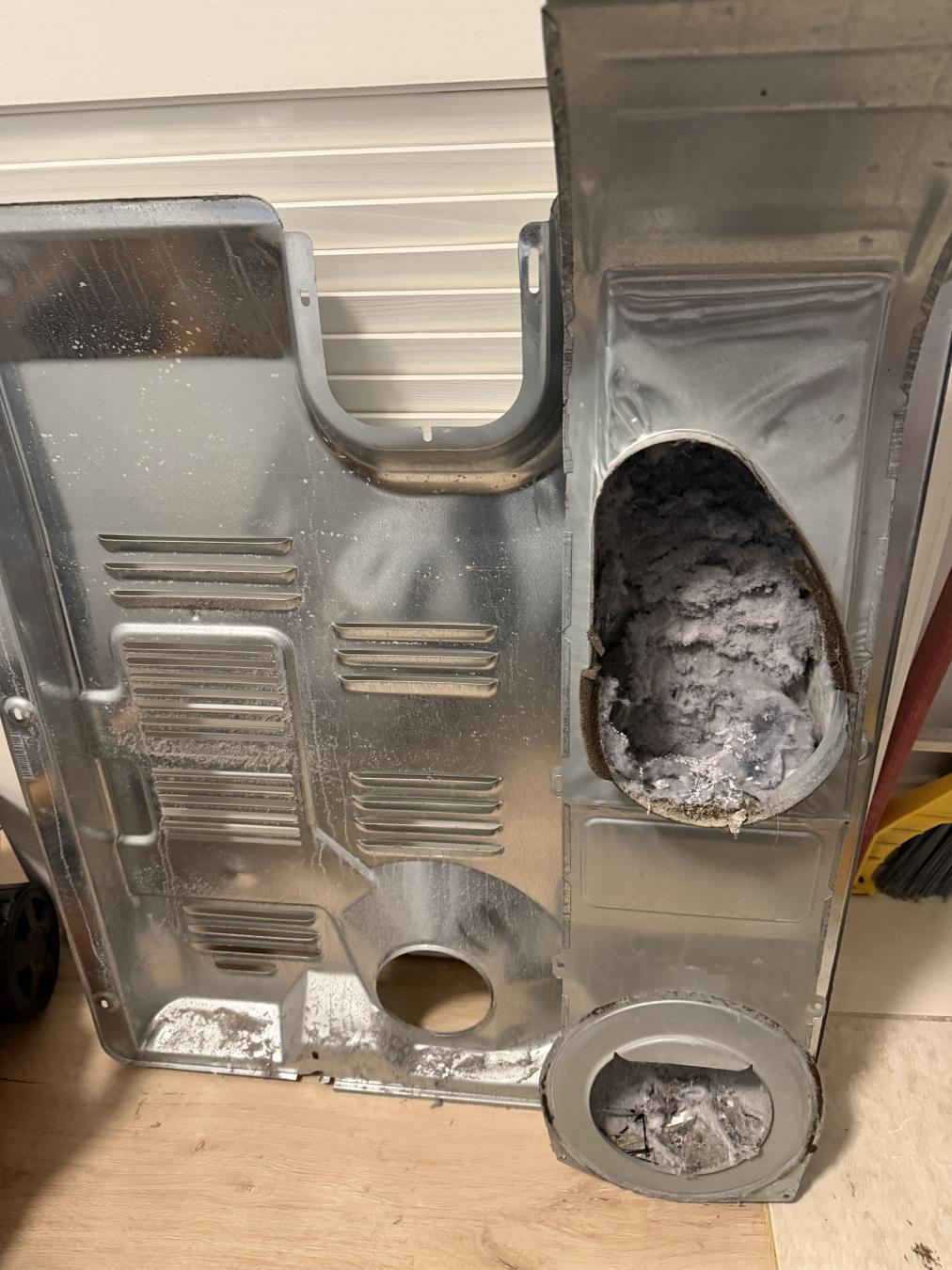
When the specialist from Valentine Vents arrived at this George Street home in Charleston, he discovered a dryer vent system in crisis. Wet lint had completely blocked the 30-foot metal rigid vent, the backdraft damper at the termination point wouldn't open, and a malfunctioning booster fan—known to cause more problems than it solves—compounded the issue. The C-DET certified specialist removed the problematic booster fan entirely, replacing it with a 90-degree elbow for more reliable performance. He also swapped out the substandard flex foil transition duct for DryerFlex, a premium semi-rigid product specifically chosen for its superior airflow and fire-retardant properties. After thorough cleaning and delinting of the dryer cabinet itself, a Valentine 360 Visibility camera inspection confirmed the system was functioning properly, though the moisture-laden lint proved challenging to extract completely. Post-service back pressure measured 0.75 inches of water column—higher than the ideal range due to the vent's 30-foot length and three turns. Photos captured throughout the process documented the dramatic transformation. Given the conditions, the specialist recommended returning in one year rather than the standard two-year interval, ensuring this home stays safe and efficient.

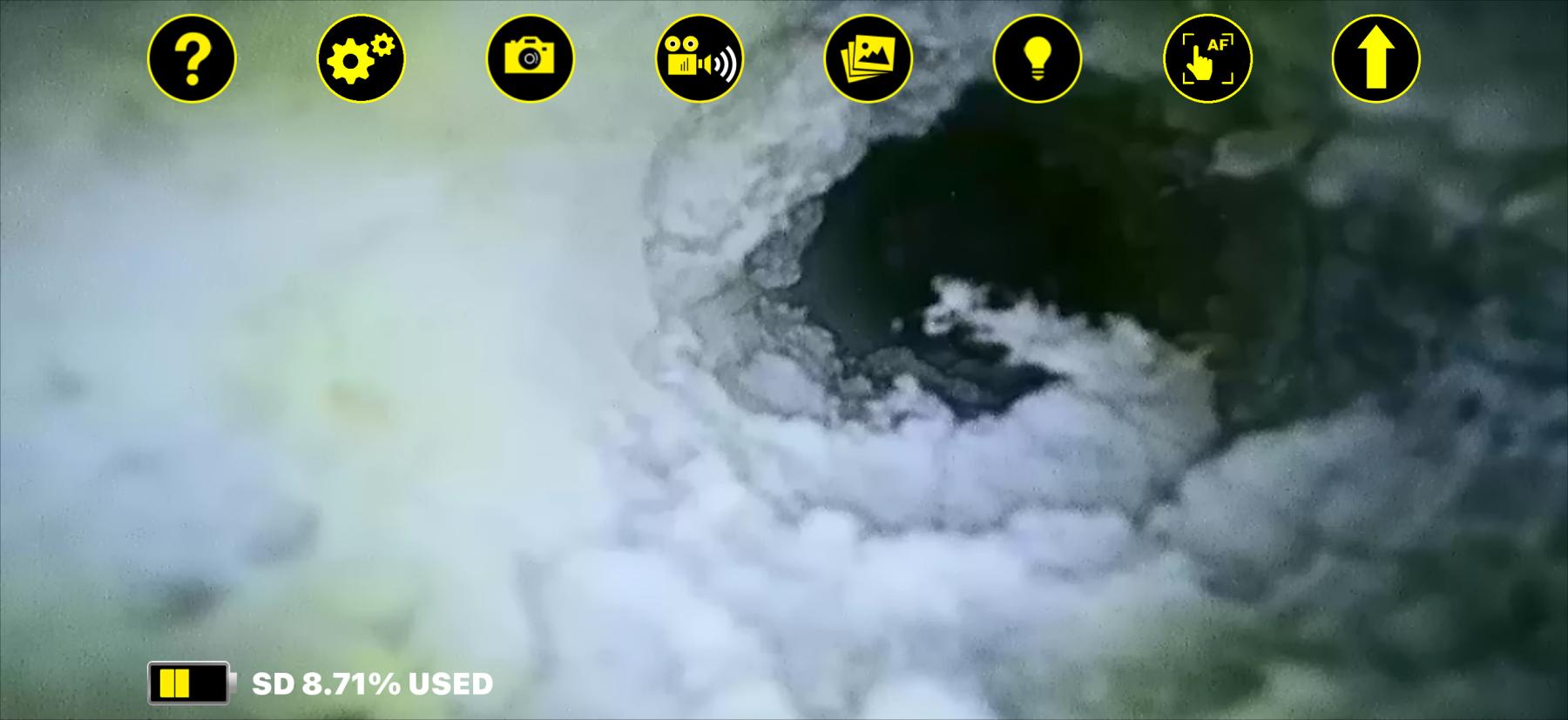
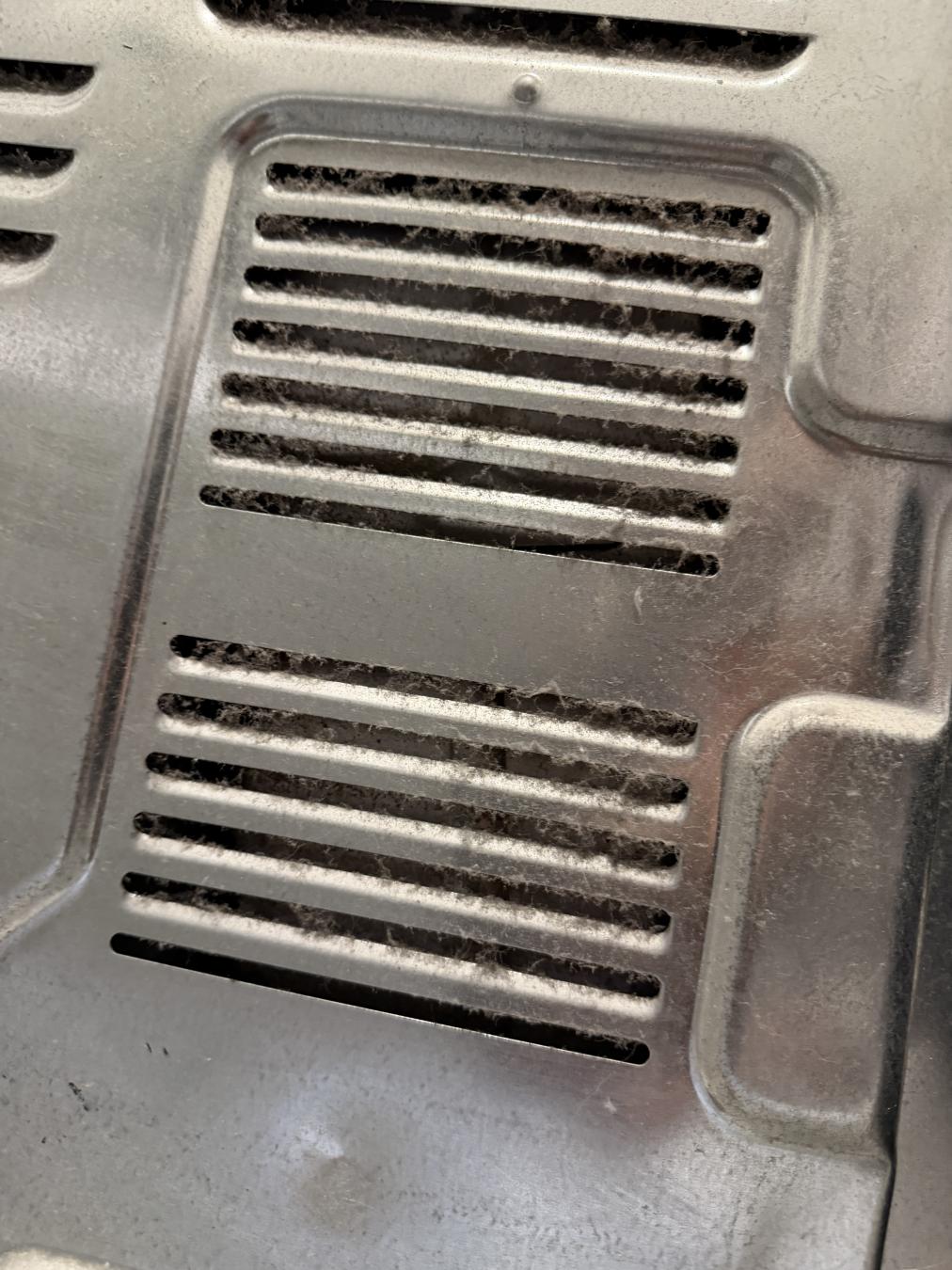
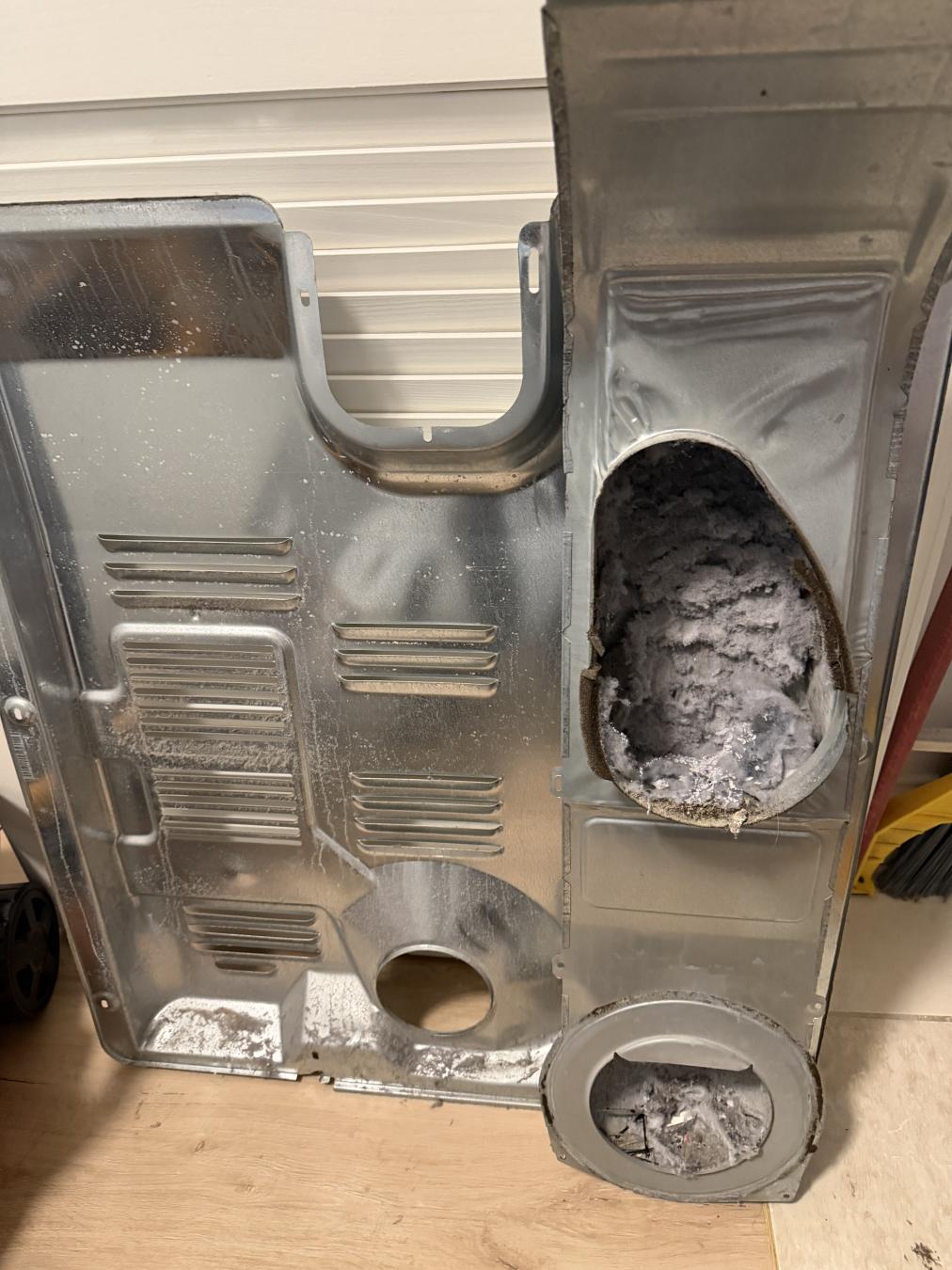
When the specialist from Valentine Vents arrived at this George Street home in Charleston, he discovered a dryer vent system in crisis. Wet lint had completely blocked the 30-foot metal rigid vent, the backdraft damper at the termination point wouldn't open, and a malfunctioning booster fan—known to cause more problems than it solves—compounded the issue. The C-DET certified specialist removed the problematic booster fan entirely, replacing it with a 90-degree elbow for more reliable performance. He also swapped out the substandard flex foil transition duct for DryerFlex, a premium semi-rigid product specifically chosen for its superior airflow and fire-retardant properties. After thorough cleaning and delinting of the dryer cabinet itself, a Valentine 360 Visibility camera inspection confirmed the system was functioning properly, though the moisture-laden lint proved challenging to extract completely. Post-service back pressure measured 0.75 inches of water column—higher than the ideal range due to the vent's 30-foot length and three turns. Photos captured throughout the process documented the dramatic transformation. Given the conditions, the specialist recommended returning in one year rather than the standard two-year interval, ensuring this home stays safe and efficient.




A troubling discovery awaited the C-DET certified specialist from Valentine Vents when he arrived at this Johns Island home on Utsey Street. The 24-foot metal rigid vent with a single turn had become totally blocked with wet lint—a dangerous condition that could have led to catastrophic consequences. What began as routine maintenance revealed the urgent need for immediate intervention. The specialist provided DryerFlex for the transition duct, a premium semi-rigid product chosen specifically for its superior performance and fire-retardant properties. To provide complete transparency and documentation, a Valentine 360 Visibility camera inspection was performed at no charge, allowing the homeowner to see firsthand the condition of their system. After thorough cleaning photos captured the transformation from a completely obstructed vent to one flowing freely once again. With the wet lint hazard eliminated and proper materials now in place, this Johns Island family can run their dryer knowing their home is protected from one of the leading causes of residential fires.
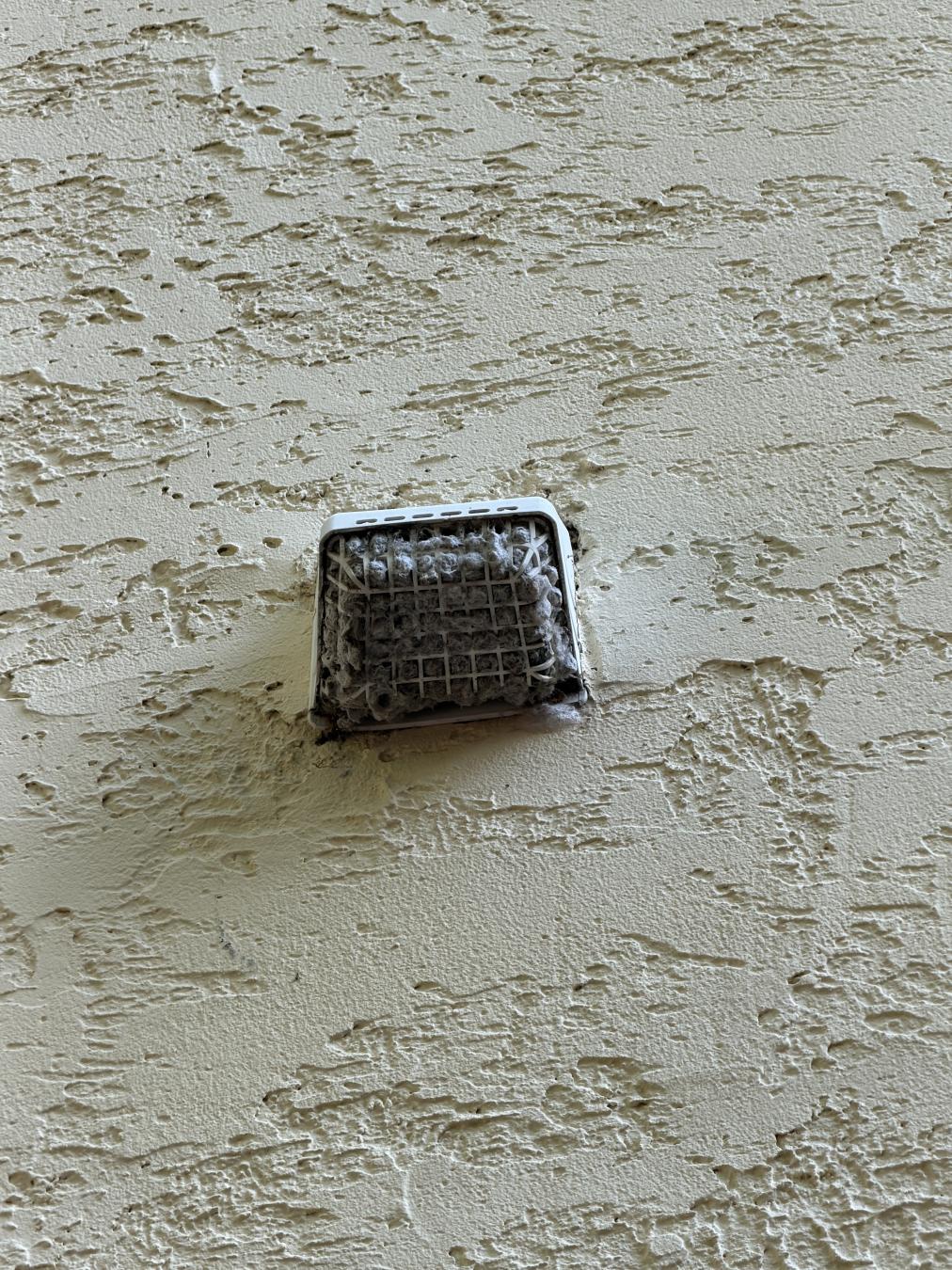
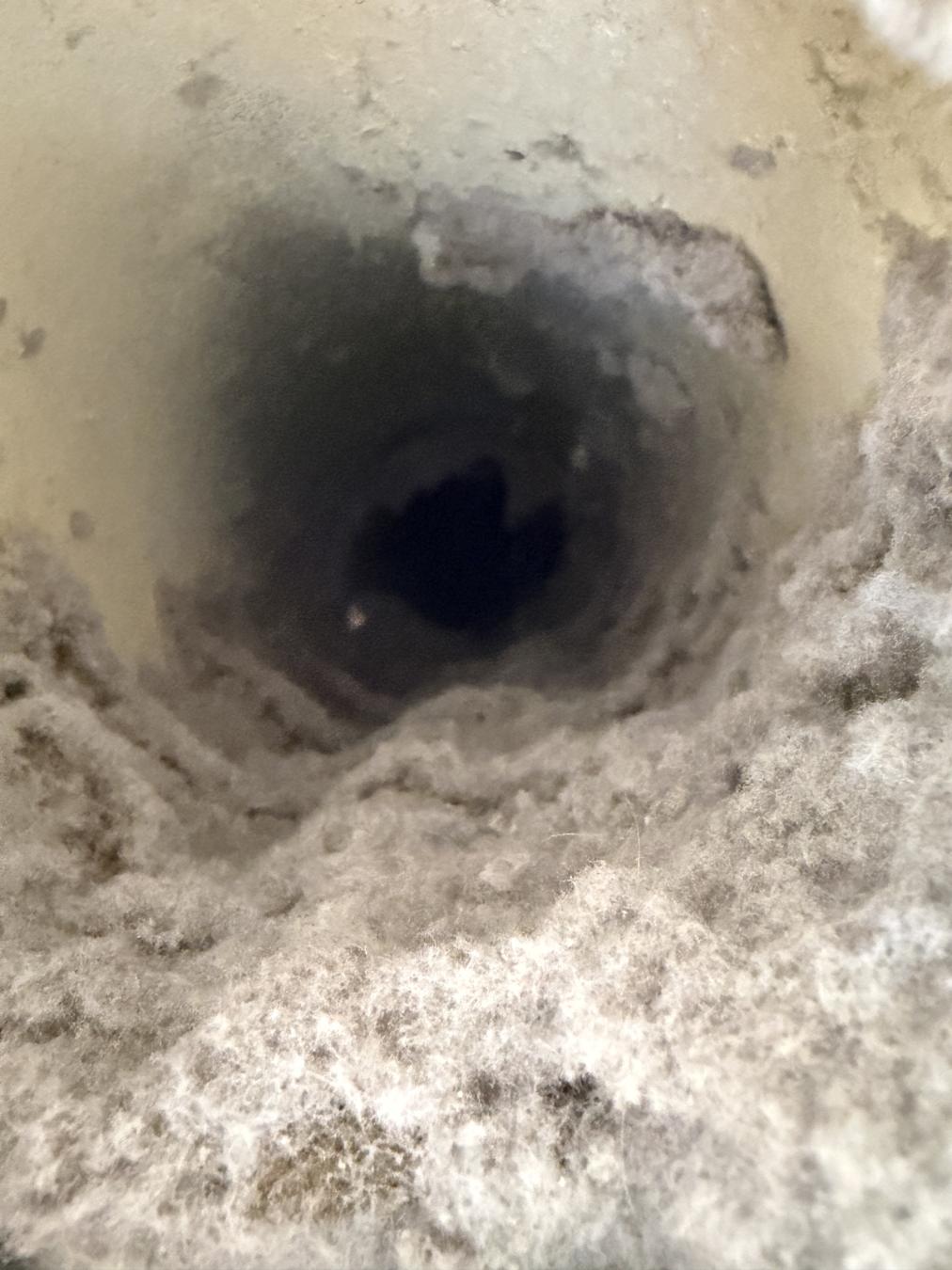


When a homeowner on West Coleman in Mt. Pleasant began noticing their laundry taking longer to dry, they reached out to Valentine Vents for a professional assessment. The C-DET certified specialist discovered the culprit: a wall vent cover with a grid design that had become completely blocked with lint, essentially choking off the system's ability to exhaust. Meanwhile, a significant accumulation had built up throughout the 15-foot metal rigid vent line with one turn. During the service, the specialist replaced the substandard flex foil transition duct with DryerFlex, a premium semi-rigid product chosen for its superior performance and fire-retardant properties. Dryer manufacturers specifically warn against flex foil in their owner's manuals, making this upgrade particularly important. The problematic grid was removed from the vent cover to prevent future blockages, and a thorough delinting of the dryer cabinet ensured no lint remained anywhere in the system. A Valentine 360 Visibility camera inspection documented the before-and-after condition, providing visual confirmation of the dramatic improvement. With proper airflow restored and hazardous materials removed, this Mt. Pleasant home now enjoys faster drying times and significantly improved safety.
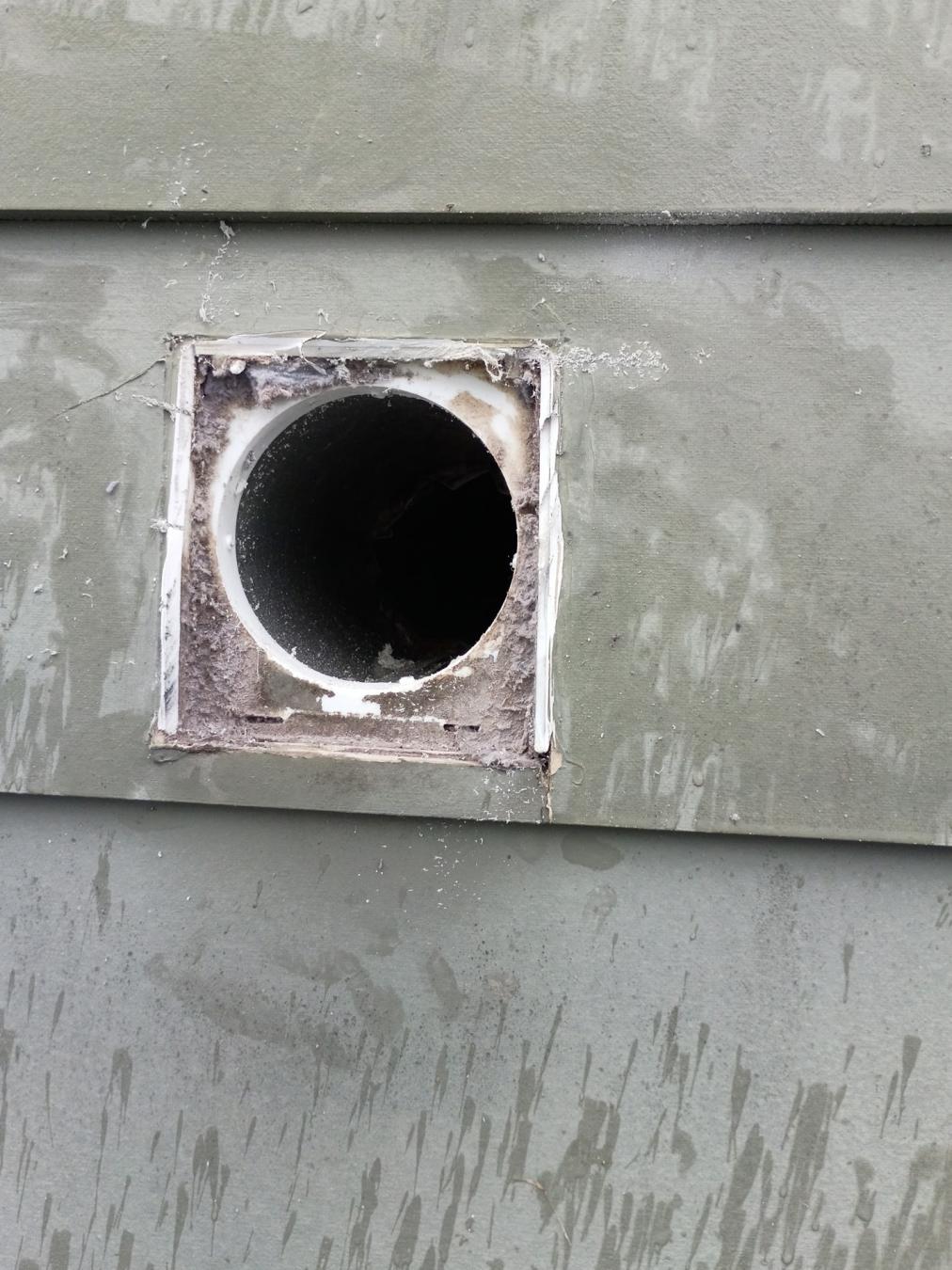
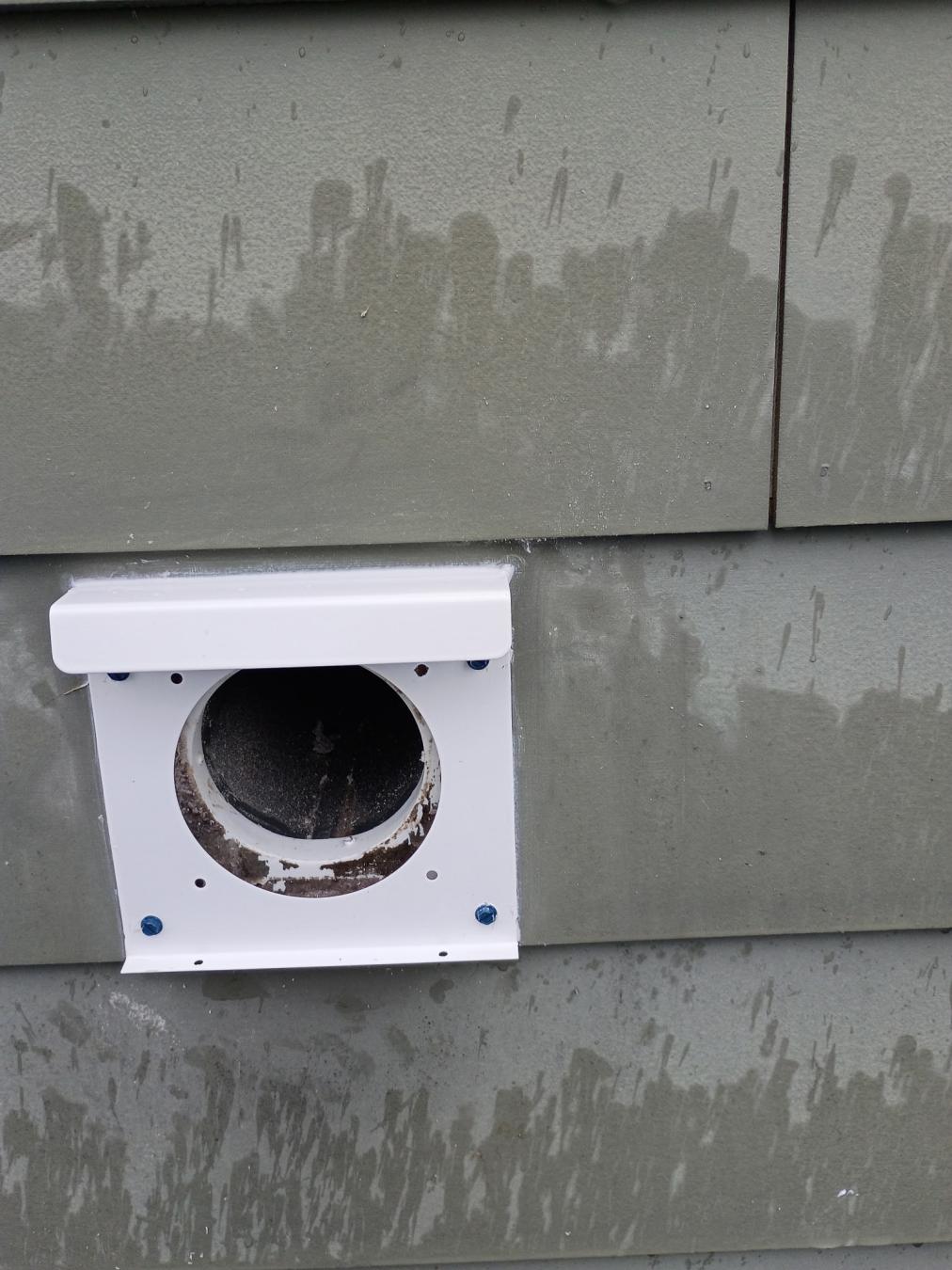
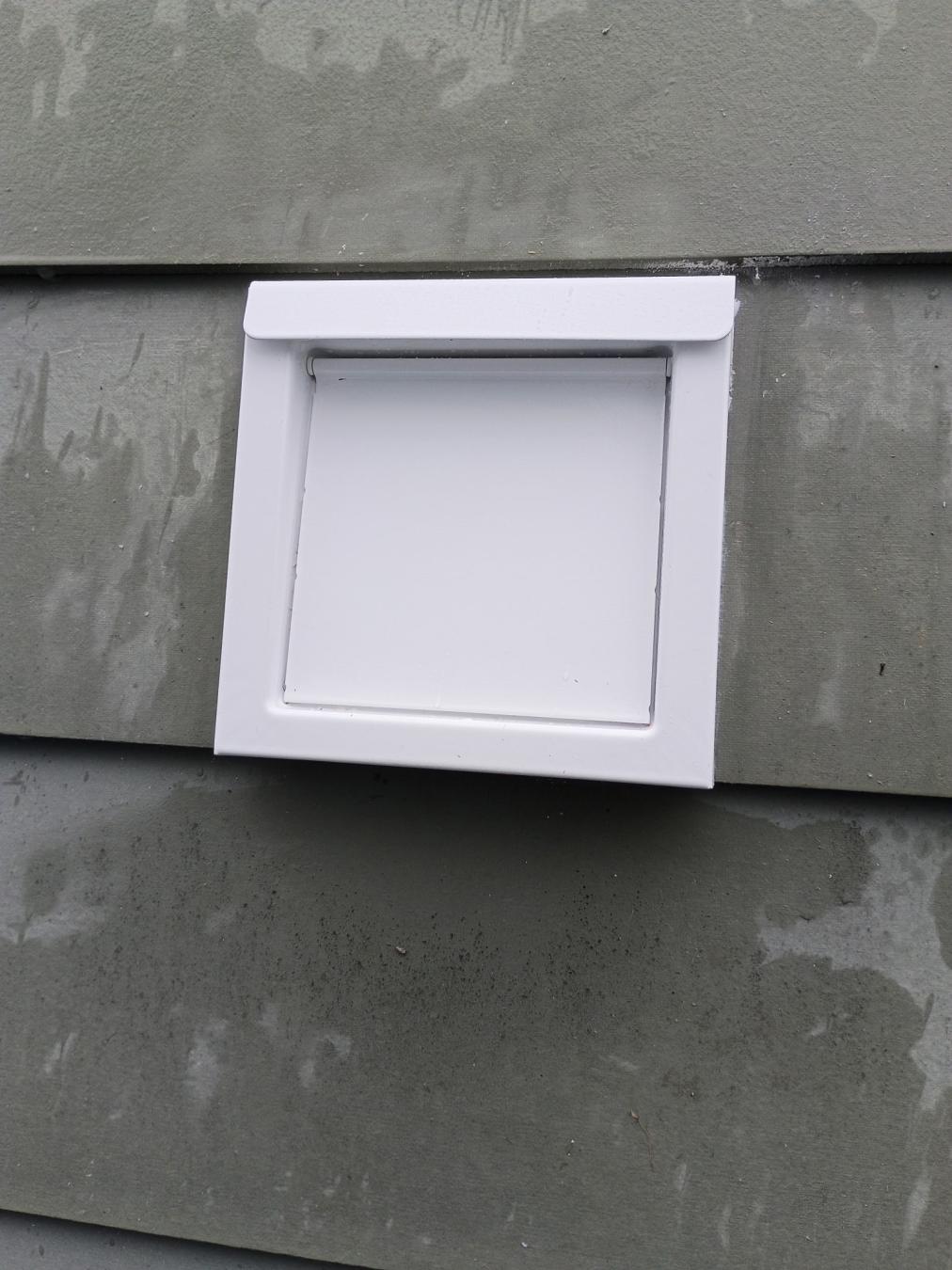
A dryer vent system in disrepair was restored to optimal function at this Mt. Pleasant home on Ayers Plantation Way. The existing wall vent cover—constructed of plastic and broken—lacked a critical backdraft damper, allowing outdoor air, pests, and debris potential access to the system. Valentine Vents addressed the issue by installing an Inovate WallVent steel powder coated vent cover, a substantial upgrade that provides both durability and proper airflow control. During the service, the C-DET certified specialist documented the metal rigid vent system with the Valentine 360 Visibility camera inspection, capturing clear visual evidence of the interior condition. Photos taken throughout the process provide the homeowner with a complete record of the improvements made. The homeowner can rest easy knowing their dryer vent now exhausts safely and efficiently, protected by a professional-grade vent cover designed to last.

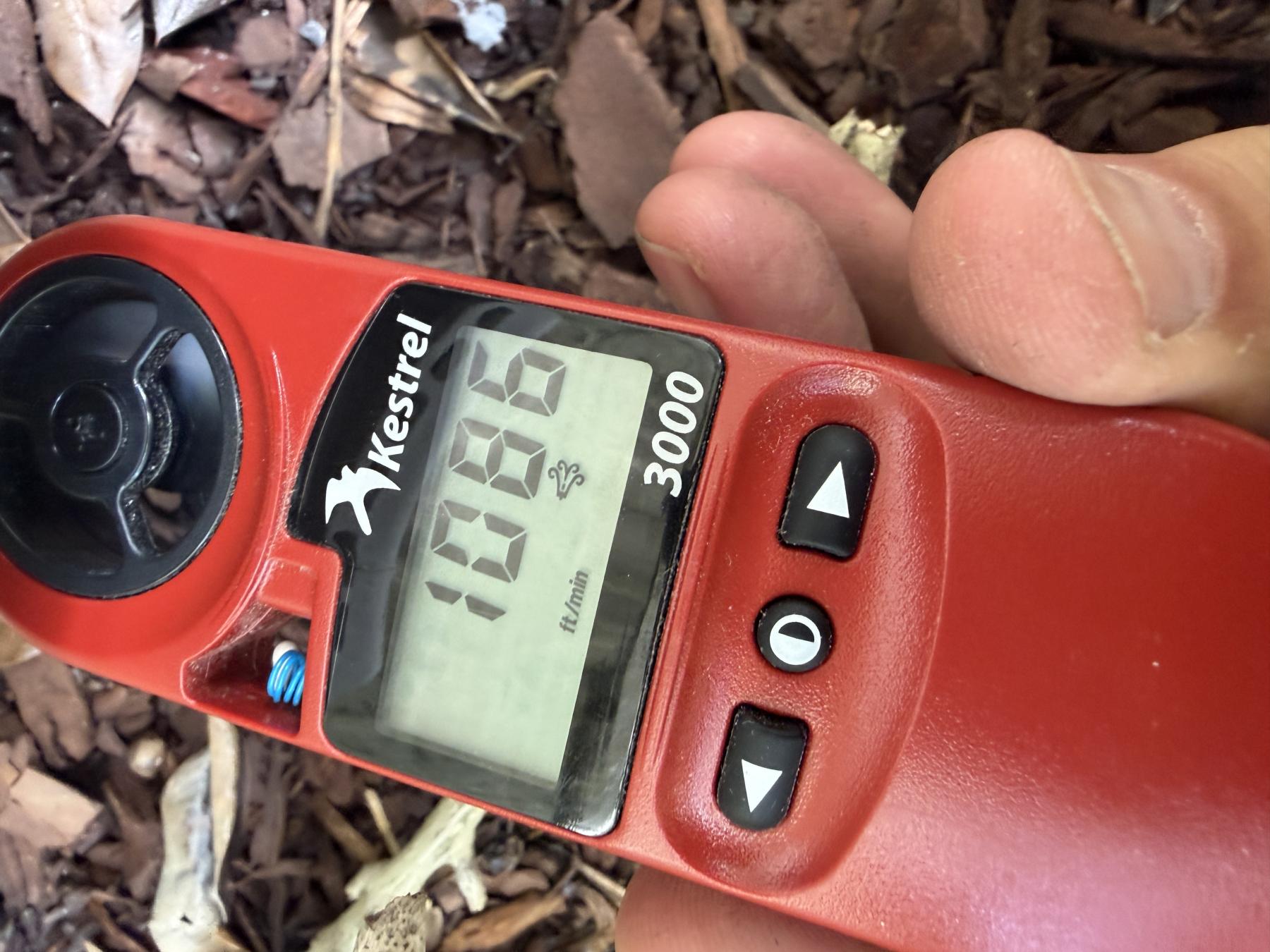
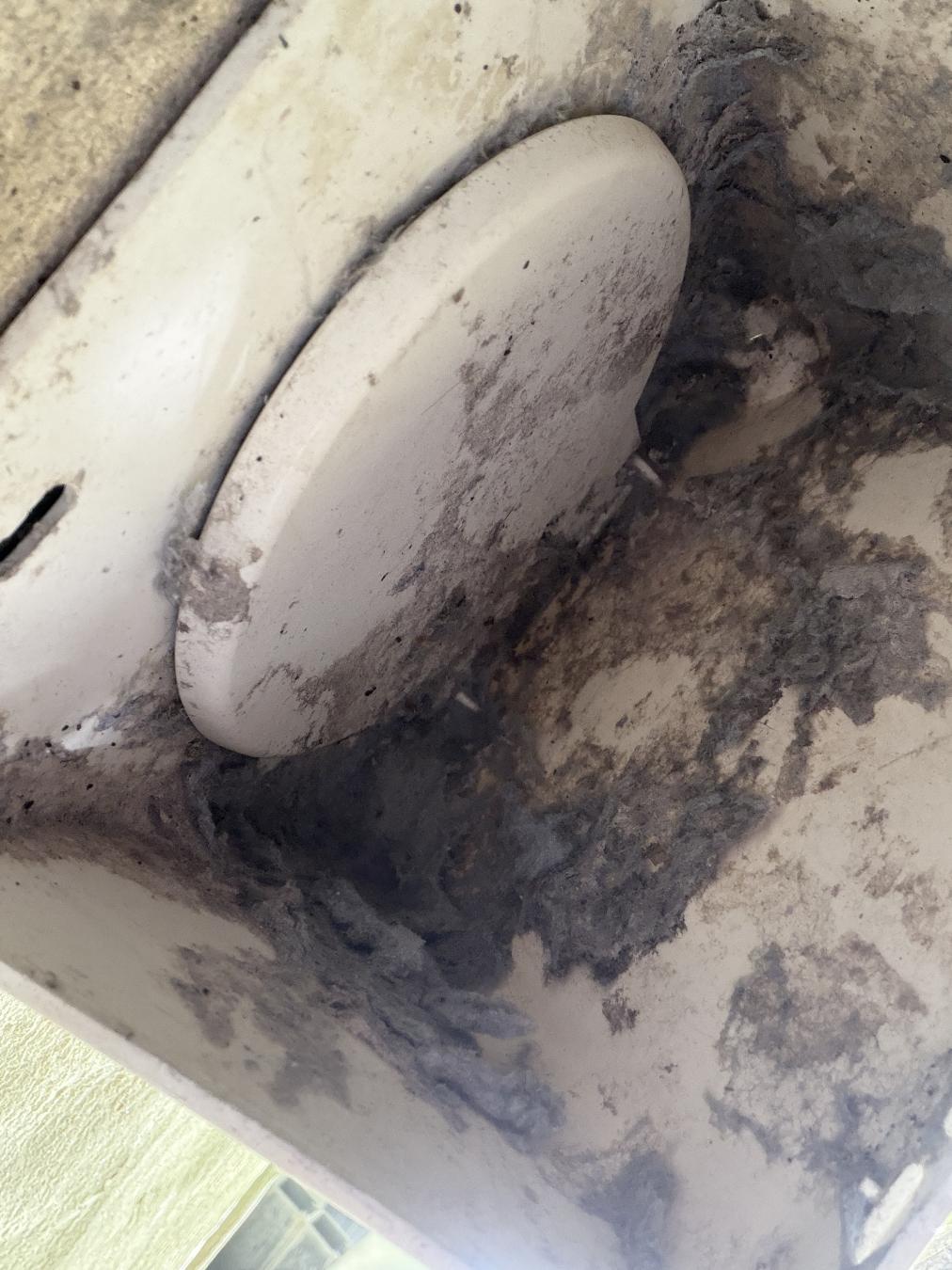
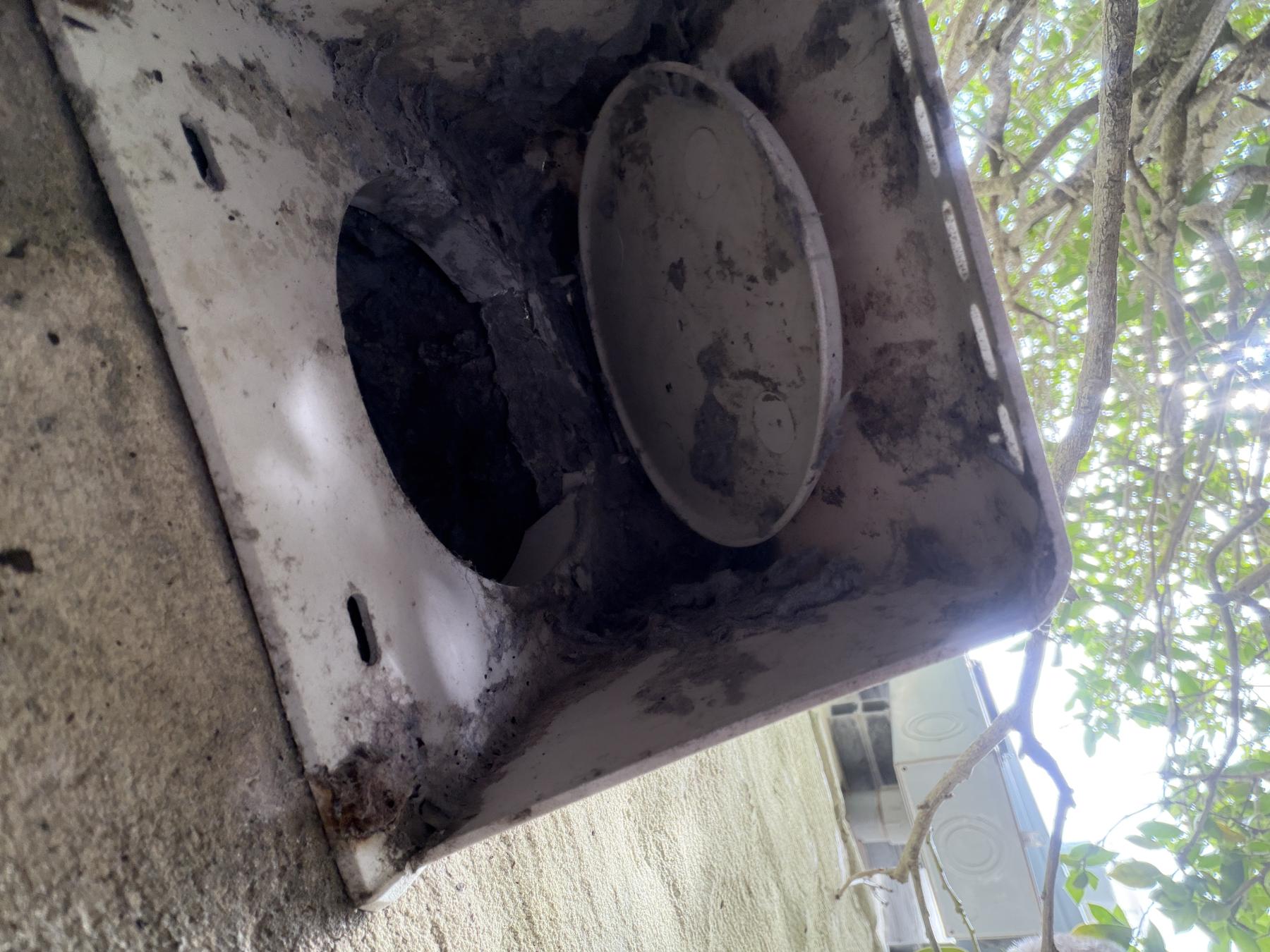
A homeowner on Joggling Street in Mt. Pleasant reached out to Valentine Vents with concerns about condensation appearing in their dryer system—an issue that can be unsettling when the cause isn't immediately clear. The C-DET certified specialist arrived to conduct a thorough diagnostic inspection, measuring airflow at 1,086 FPM at the termination point, well within the acceptable range for proper performance. The 9-foot metal rigid vent with two turns showed no obstructions, and the backdraft damper functioned exactly as designed, opening fully during operation and sealing completely when the dryer was off. To provide complete transparency, a Valentine 360 Visibility camera inspection captured the interior condition of the entire system. The specialist determined that the condensation wasn't due to any mechanical deficiency but rather environmental factors specific to the home—a combination of indoor temperature settings, air pressure dynamics, and seasonal dewpoint conditions. Photos documented the system's excellent condition and proper operation. With all components performing as intended and no improvements necessary, the homeowner gained valuable peace of mind knowing their dryer vent system was operating safely and that the temporary condensation would naturally resolve as the seasons change.
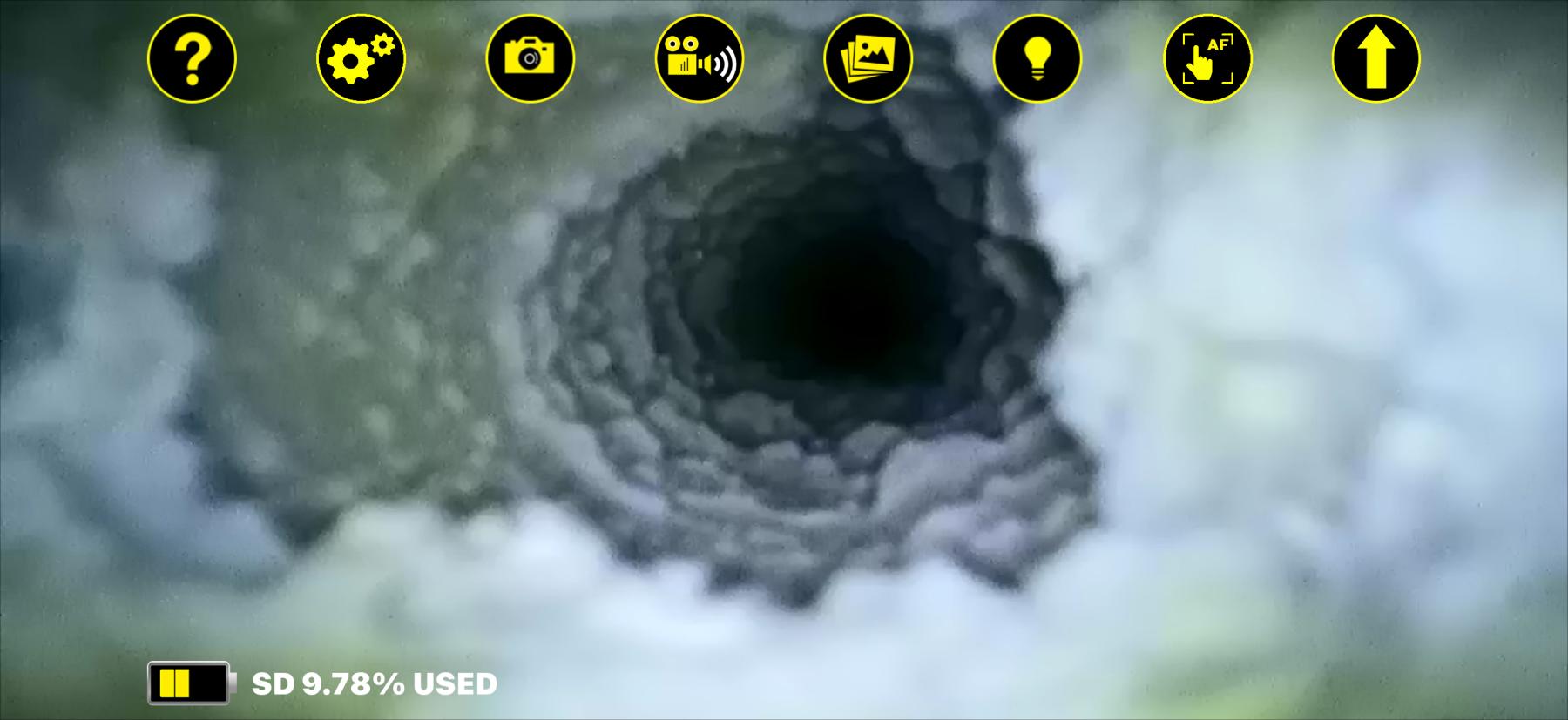

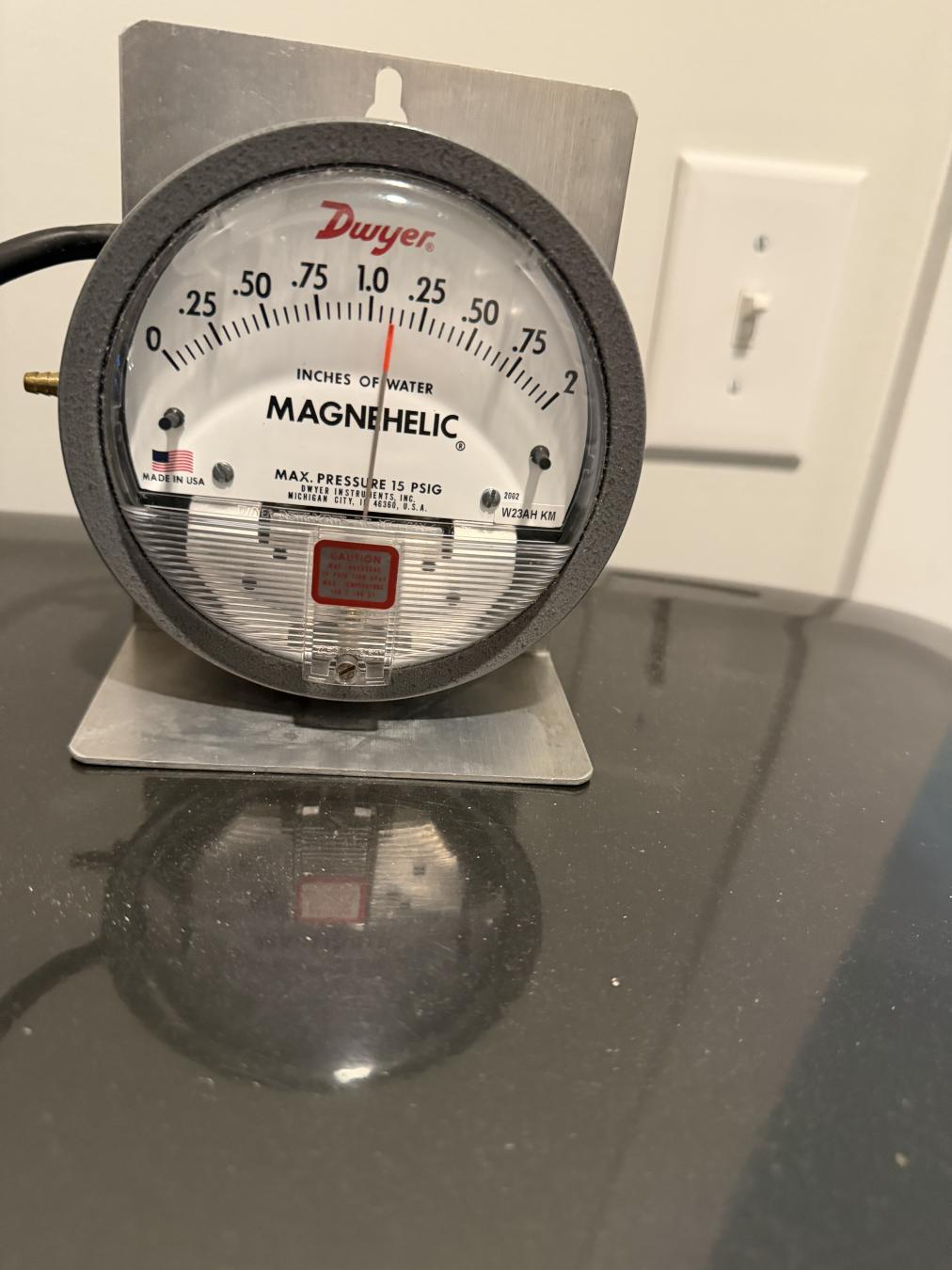
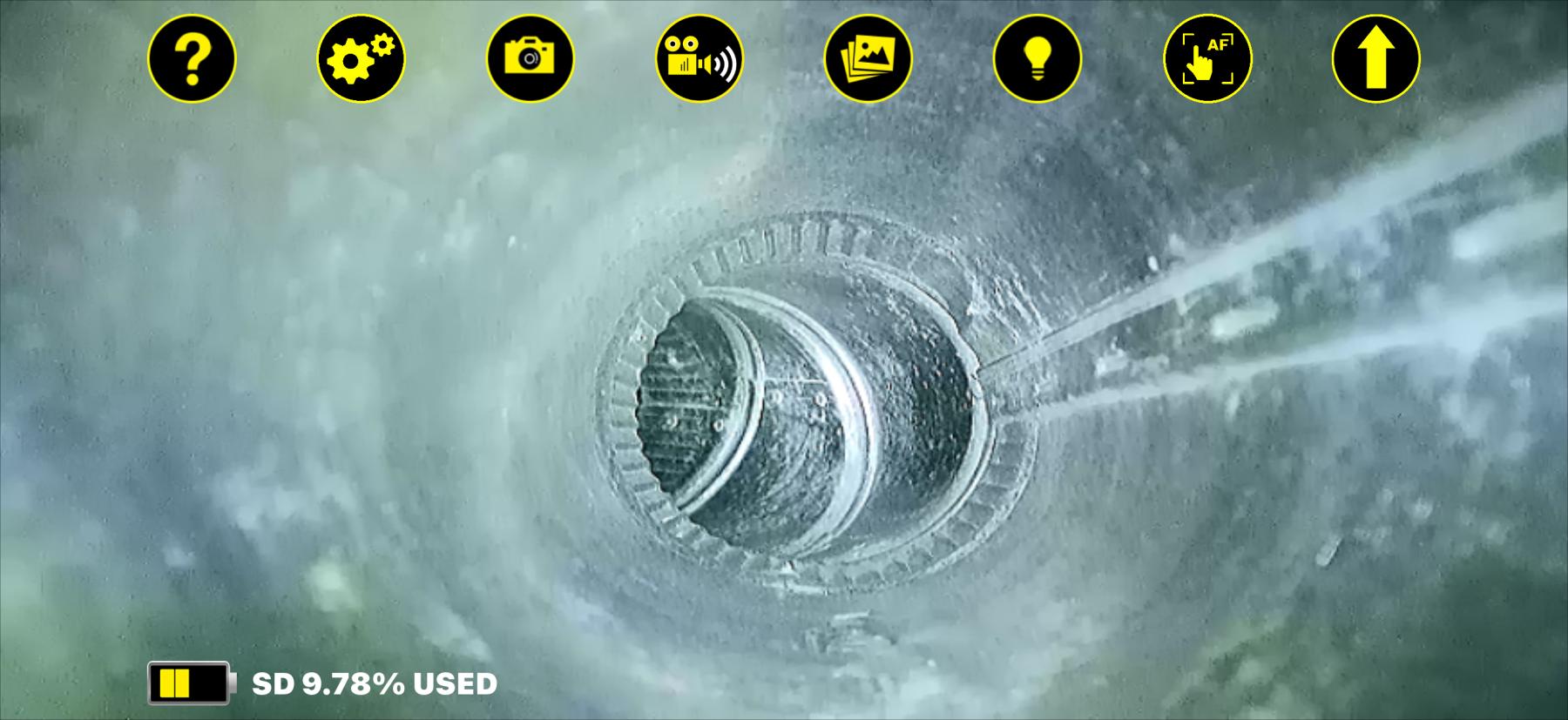
A persistent D80 error code brought Valentine Vents to this Huger home, where the C-DET certified specialist discovered conditions demanding immediate attention. The 21-foot metal rigid vent system with two turns harbored significant lint accumulation throughout, with additional buildup clogging the dryer cabinet itself—clear culprits behind the error message. Initial back pressure measured an alarming 1.10"WC, well above optimal levels. The specialist documented the conditions through Valentine 360 Visibility camera inspection before proceeding with a comprehensive cleaning. The substandard flex foil transition duct was replaced with DryerFlex, a premium semi-rigid product chosen for its superior performance and fire-retardant properties. As dryer manufacturers clearly state in their owner's manuals, flex foil should not be used for these critical connections. A thorough cabinet delinting completed the restoration. Post-service measurements showed back pressure reduced dramatically to just 0.45"WC—a transformation captured in the job photos. The specialist noted that the wall vent cover's grid design, located in the soffit, doesn't comply with building code and tends to trap lint, recommending future replacement. With the error code cleared and airflow fully restored, this Charleston-area home now operates with renewed safety and efficiency.

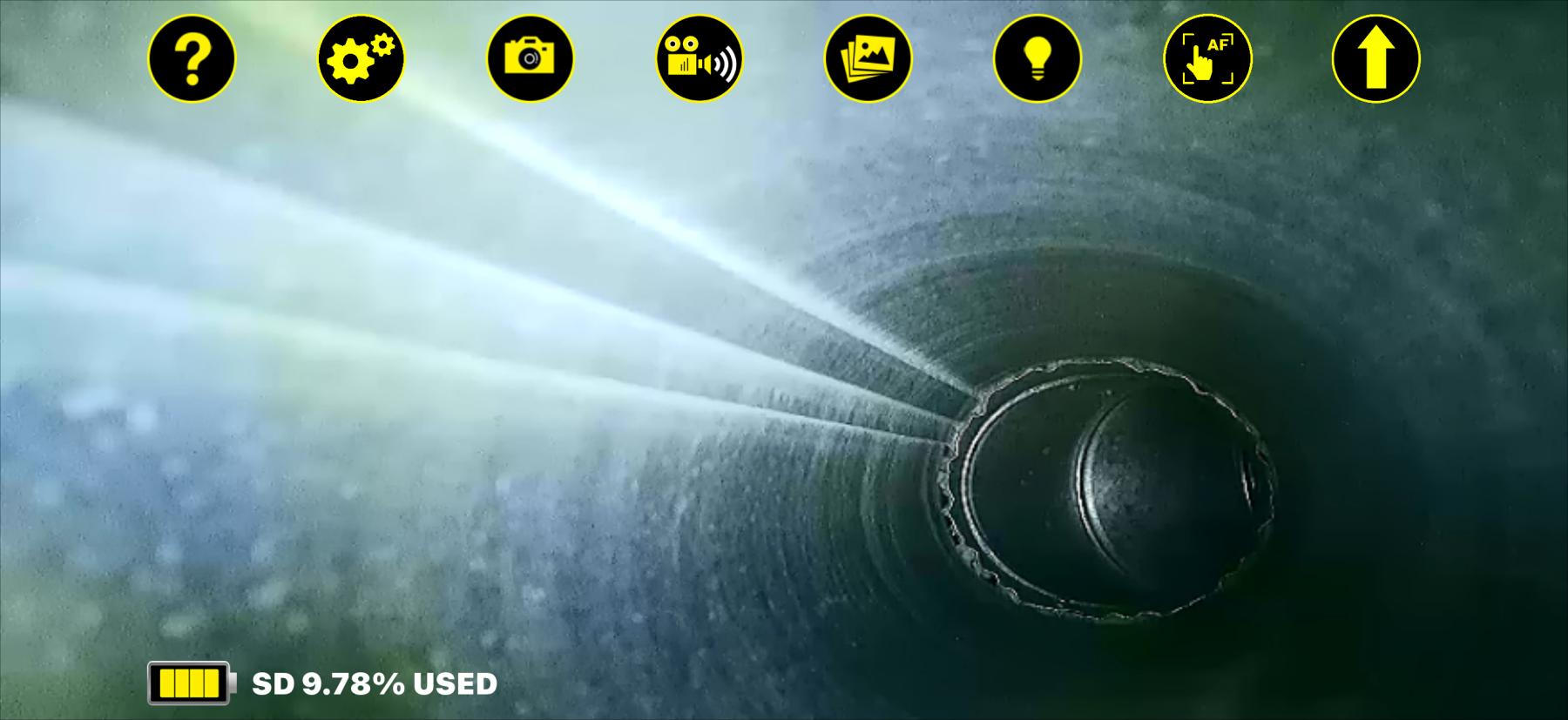
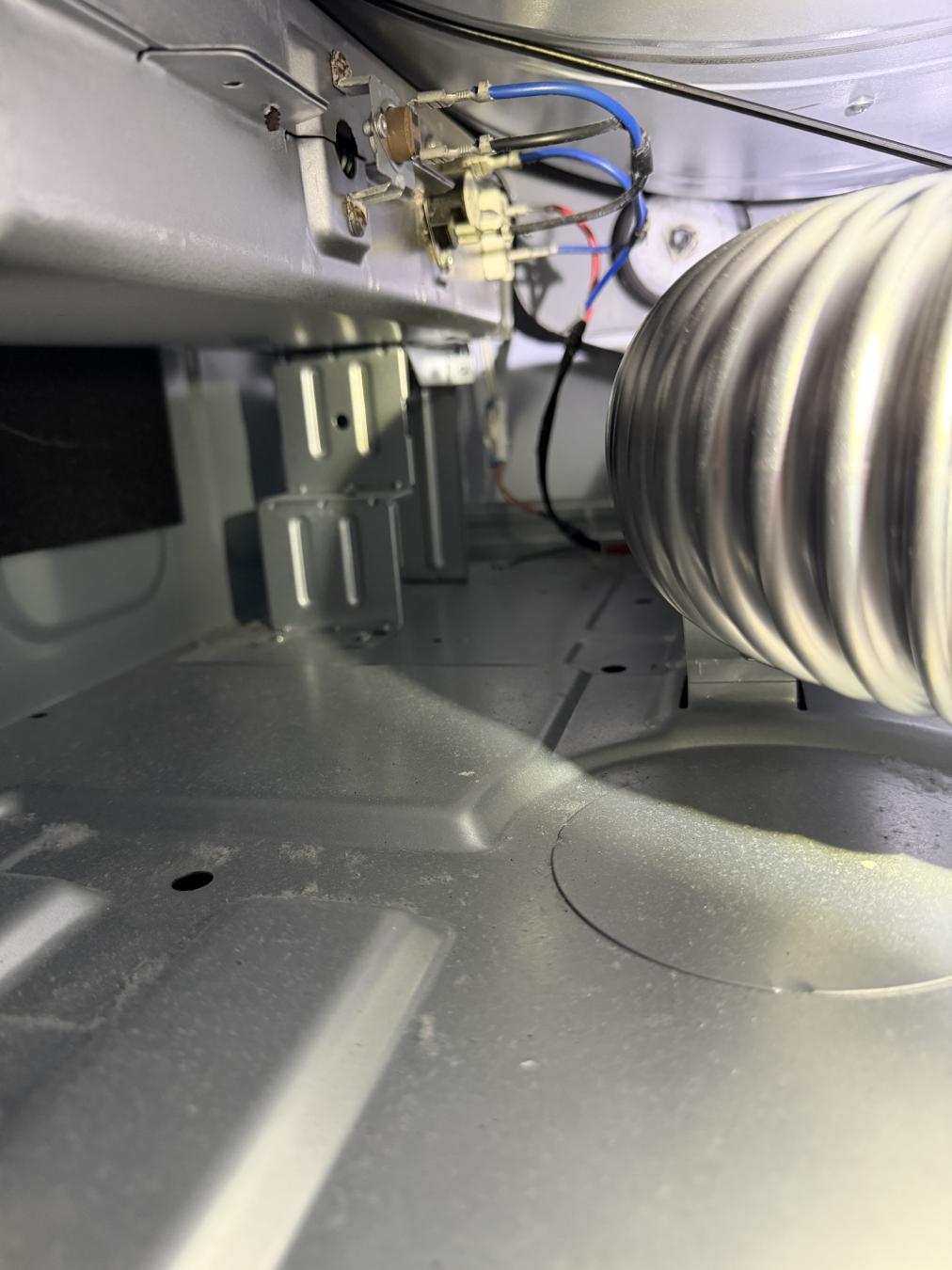
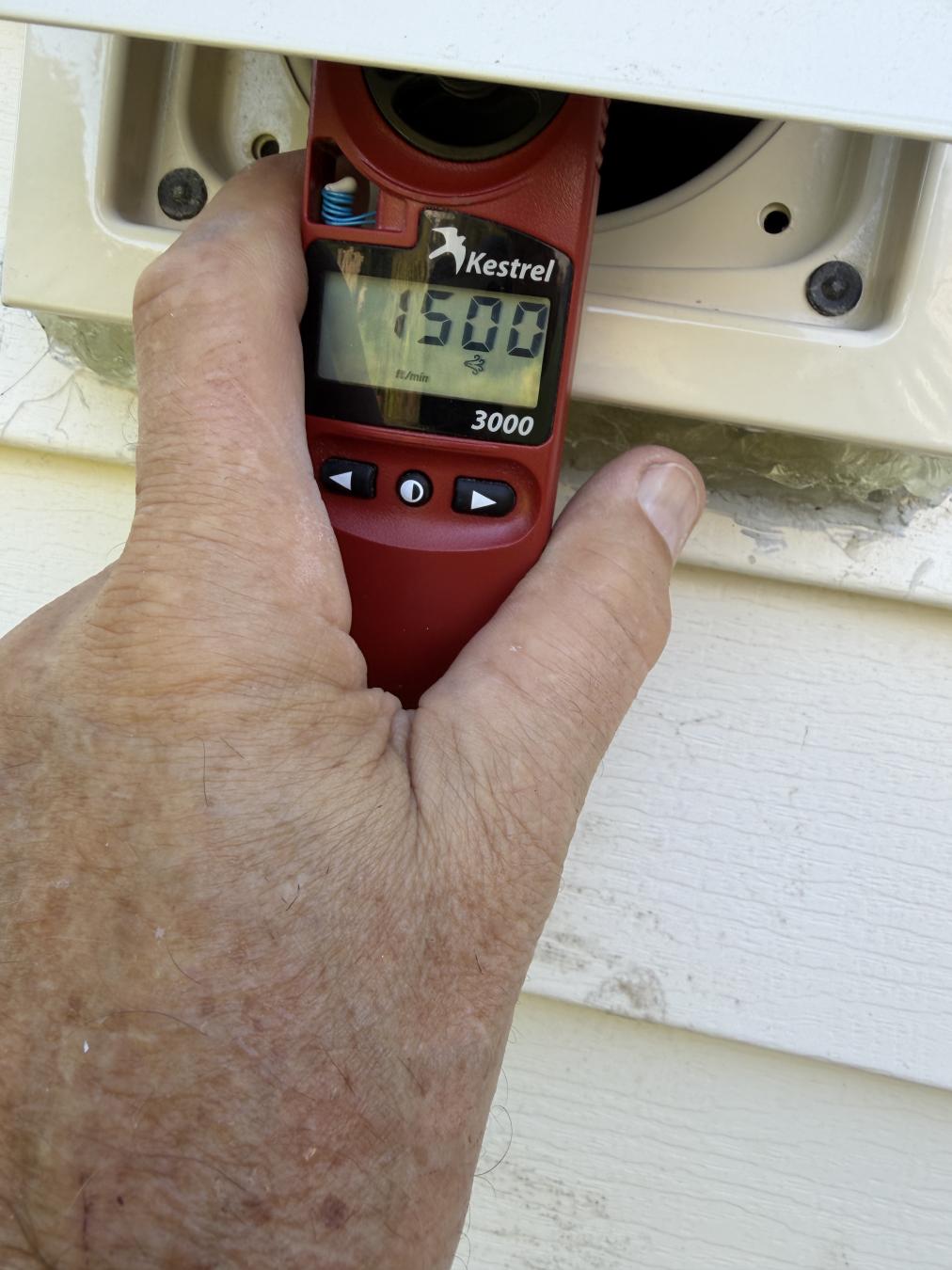
Not every dryer vent cleaning reveals a dramatic buildup, and the job completed on Sweet Garden Court in Mt. Pleasant proved that regular maintenance pays dividends. Though the home's dryer was functioning well and only a year had passed since the last service, the homeowner wisely scheduled their appointment to stay ahead of potential hazards. Valentine Vents dispatched a C-DET certified specialist to assess the 33-foot metal rigid system with two turns. The thorough inspection revealed remarkably little accumulation throughout the vent run. Airflow measurements confirmed excellent performance at 1,486 FPM before cleaning and 1,500 FPM after—numbers that reflect a well-maintained system. The specialist completed a full cleaning of both the dryer interior and vent line, capturing the condition with Valentine 360 Visibility camera inspection to document the minimal debris present. Based on these findings, the specialist recommended extending the service interval to two years rather than the standard annual frequency. It's a testament to proactive care: when homeowners stay consistent with professional maintenance, systems remain safer and more efficient while potentially reducing service frequency over time.
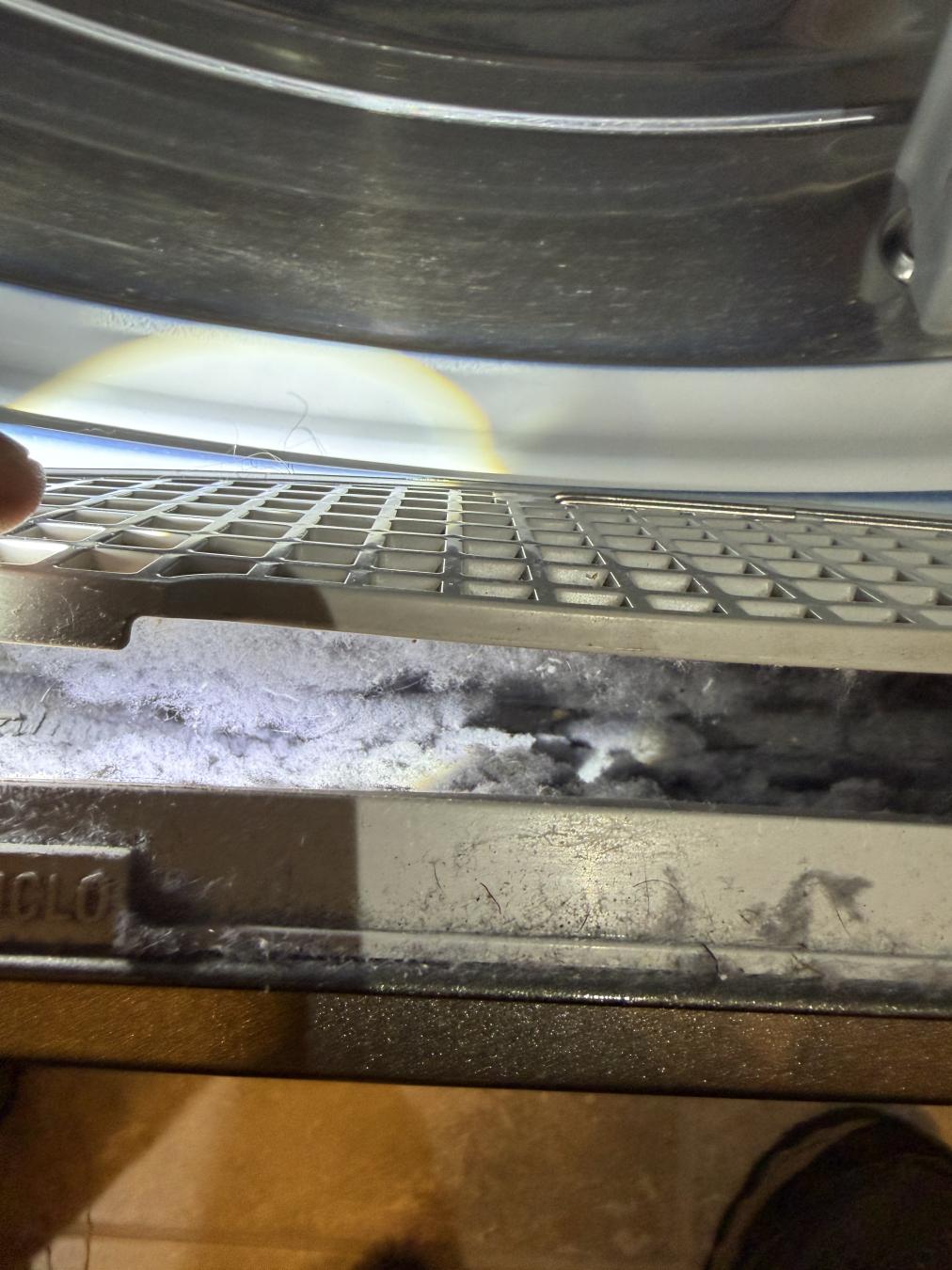
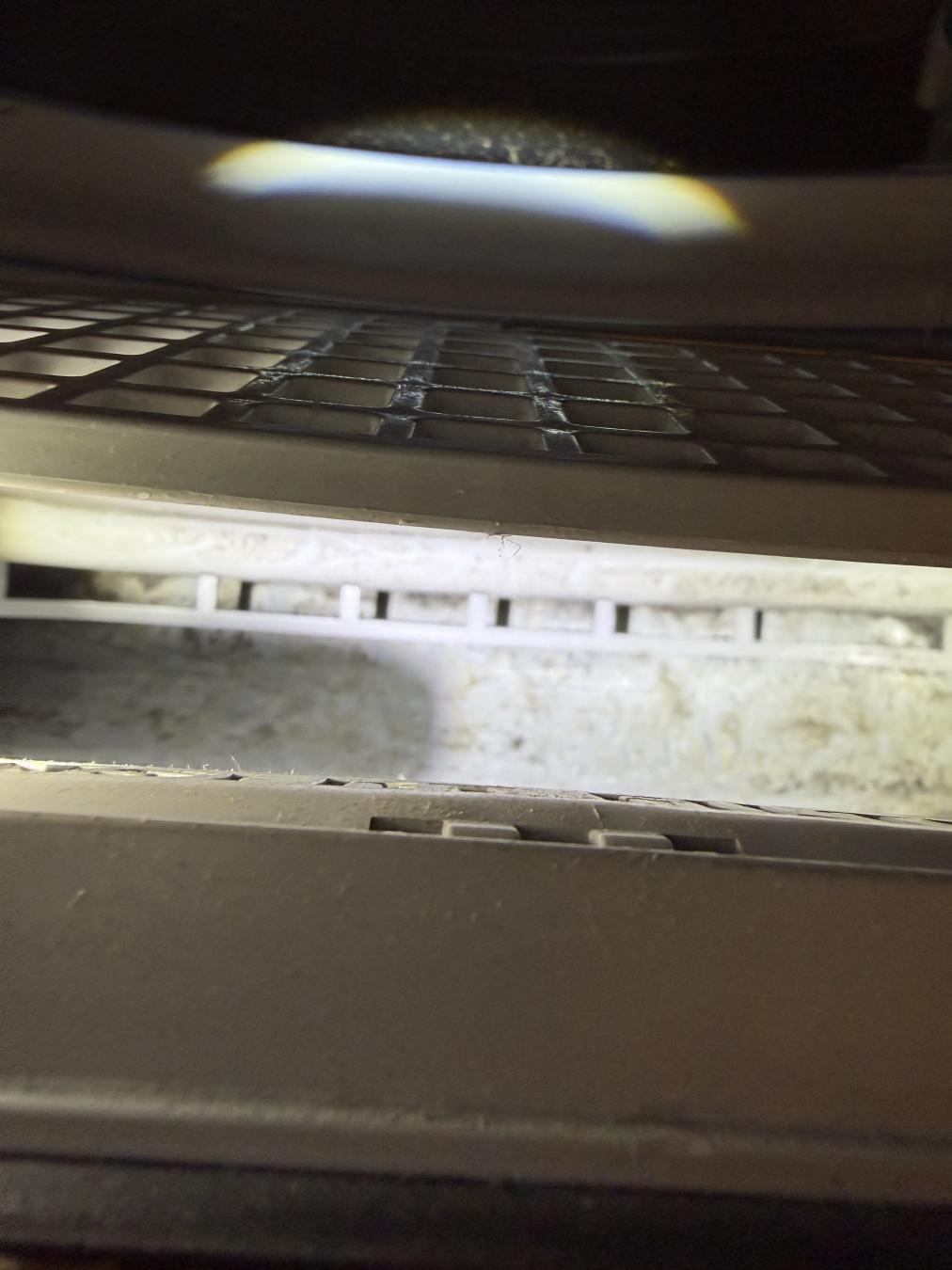
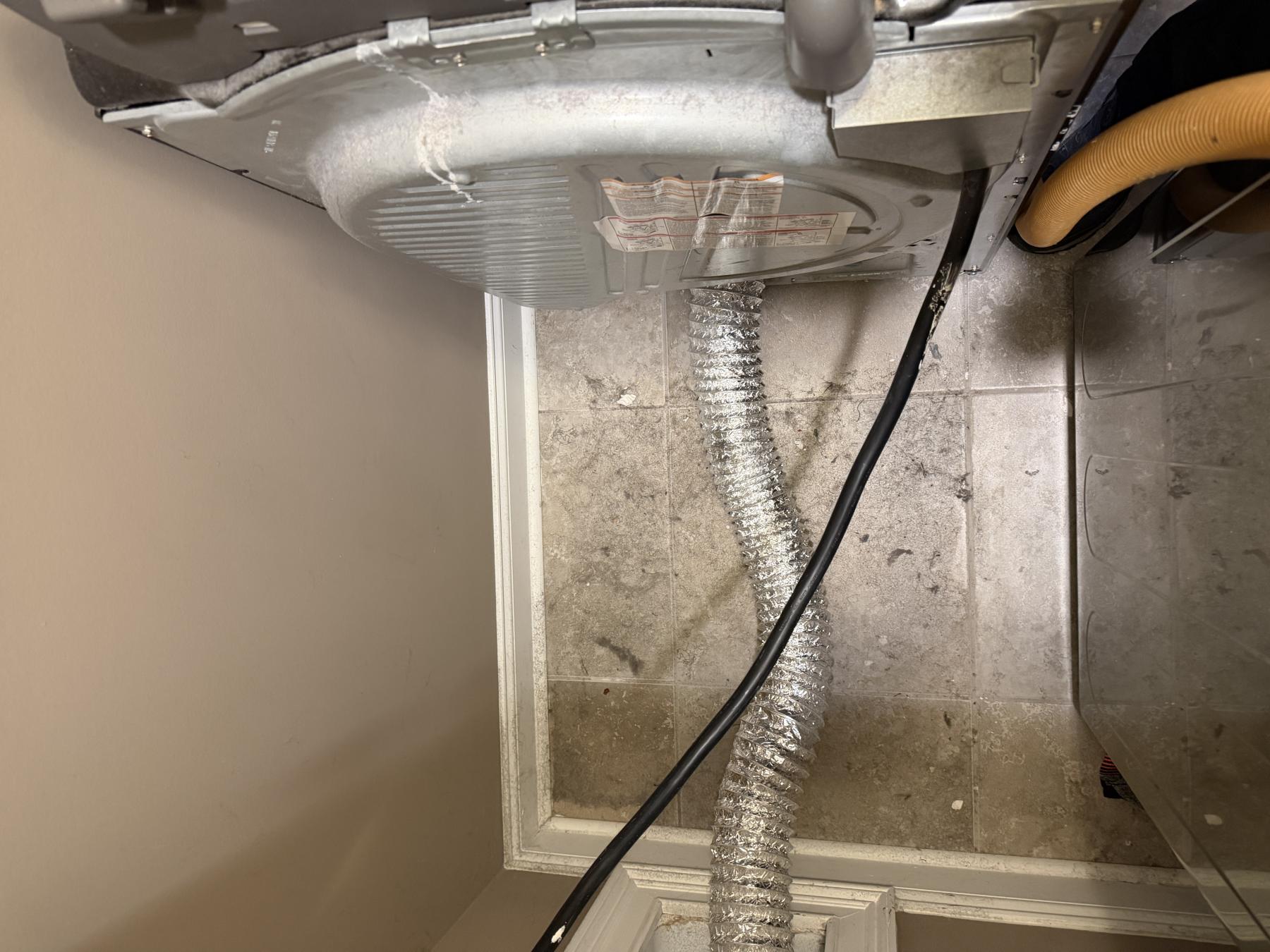
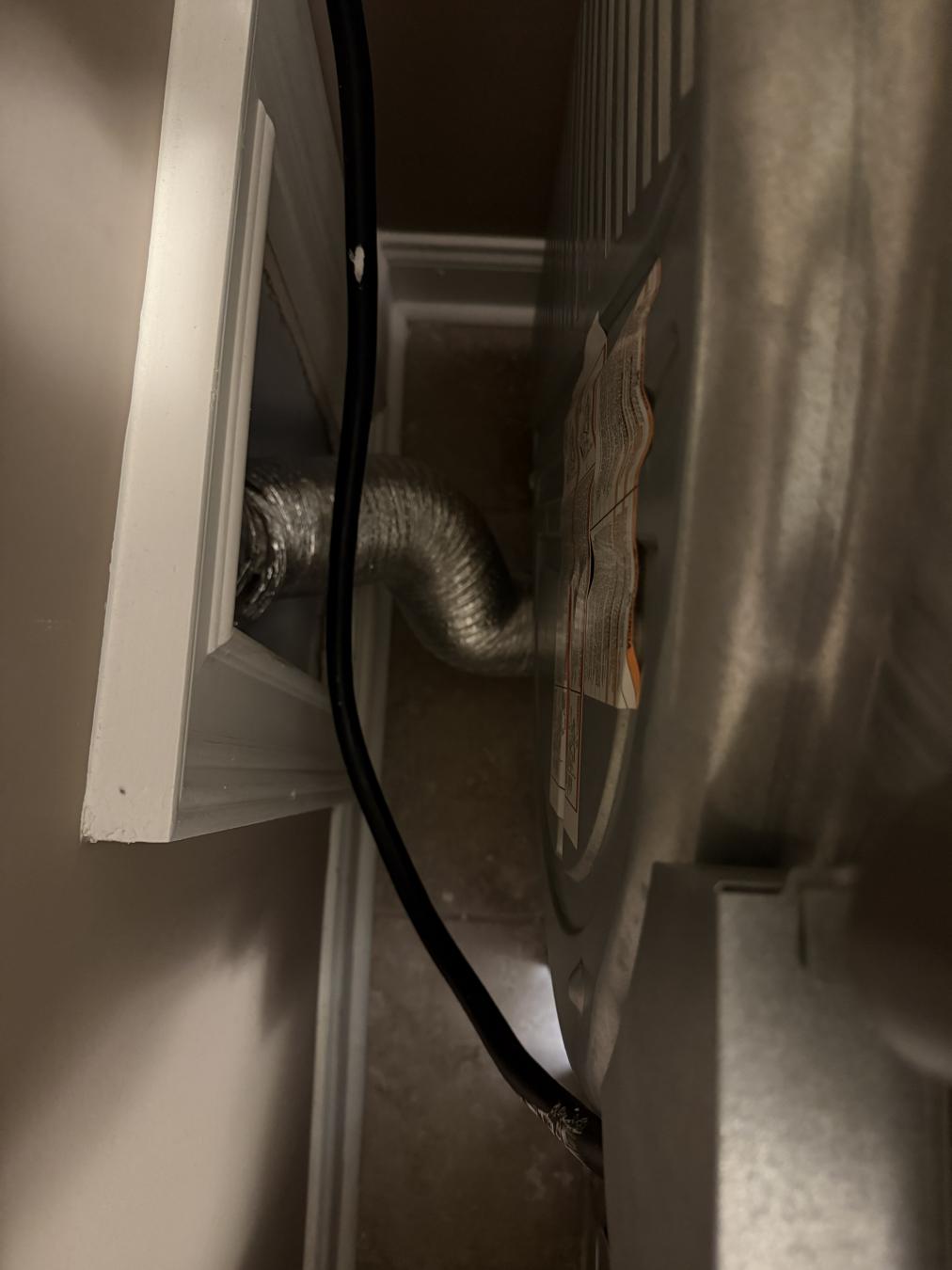
Sometimes the real story isn't in the vent line itself, but what's hiding inside the dryer cabinet. At this Mt. Pleasant home on Coleman, the homeowner called Valentine Vents when it seemed time for a cleaning, though the history was unclear. What the C-DET certified specialist discovered during the inspection told the complete picture: while the short 2-foot metal rigid vent showed minimal accumulation, the dryer's interior cabinet was packed with lint—a common yet serious fire hazard that often goes unnoticed. The specialist replaced the substandard flex foil transition duct with DryerFlex, a premium semi-rigid product chosen for its superior performance and fire-retardant properties. Dryer manufacturers explicitly warn against flex foil in their owner's manuals, making this upgrade essential for safe operation. The dryer delinting service addressed the dangerous buildup inside the cabinet, while the Valentine 360 Visibility camera inspection provided visual documentation of the entire system. Initial back pressure measured 0.20"WC, and photos captured throughout the process showed the transformation from hidden risk to properly maintained system. The homeowner now has a completely cleaned appliance operating exactly as intended—safer, more efficient, and built to last.

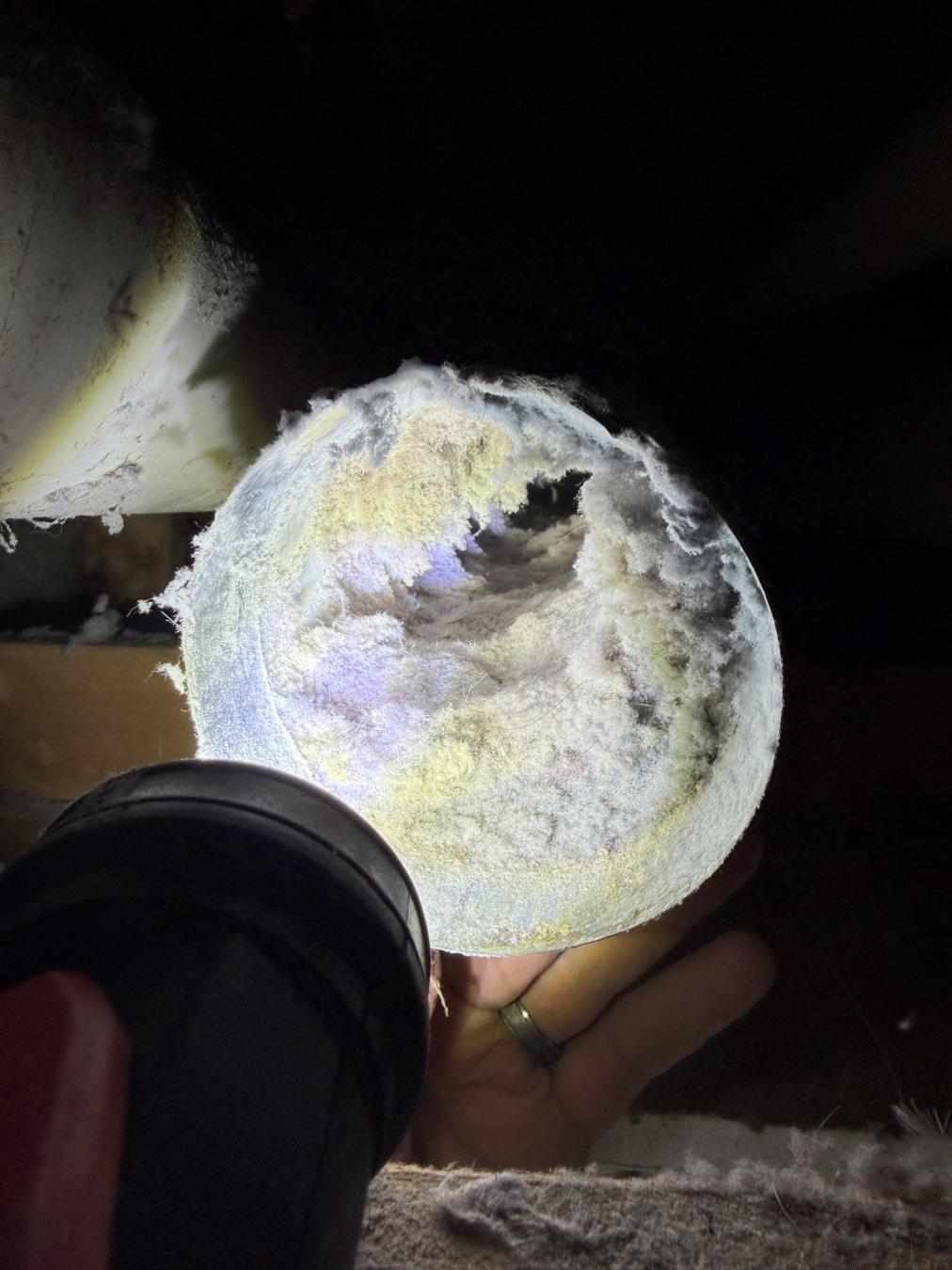
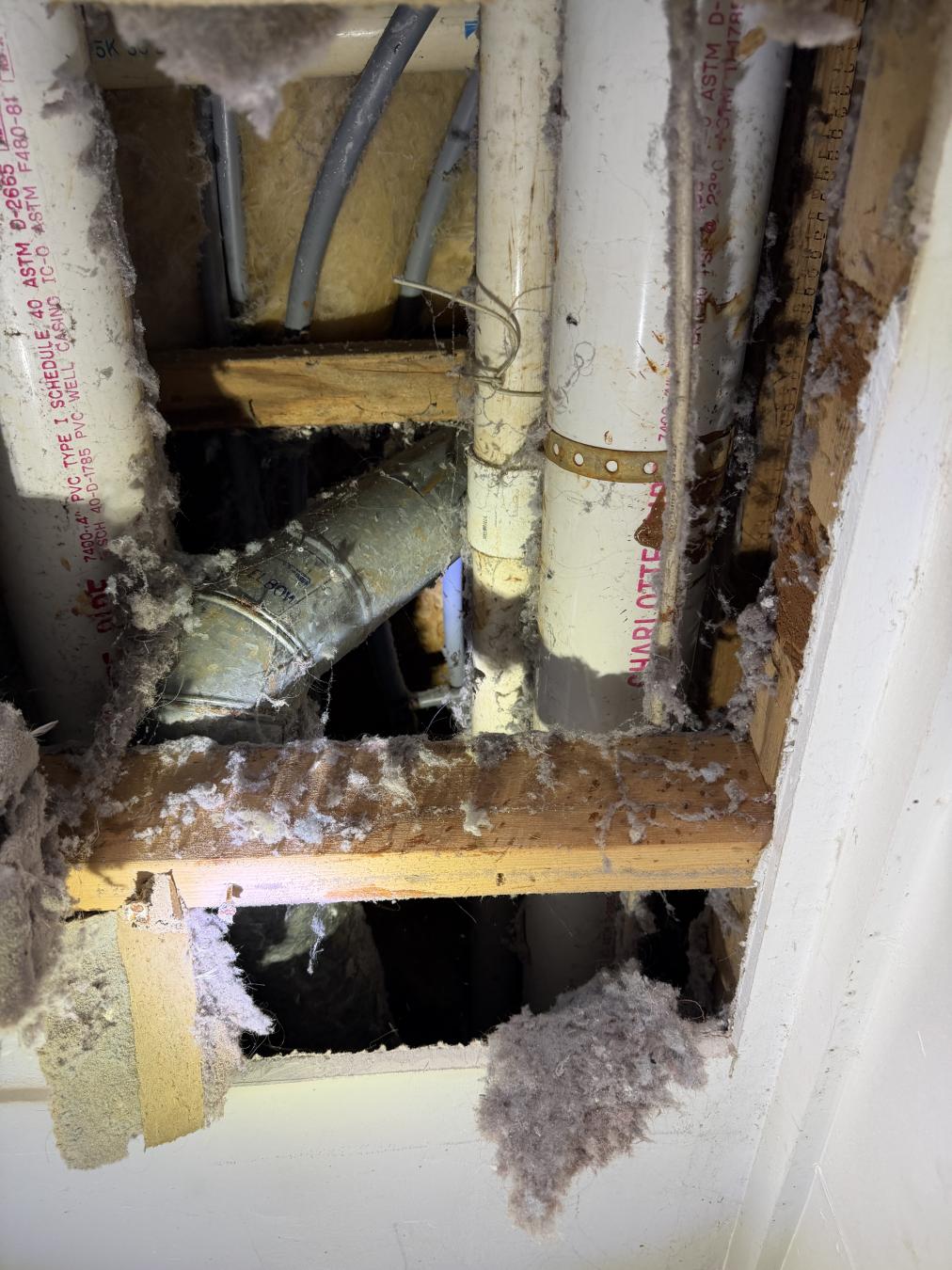
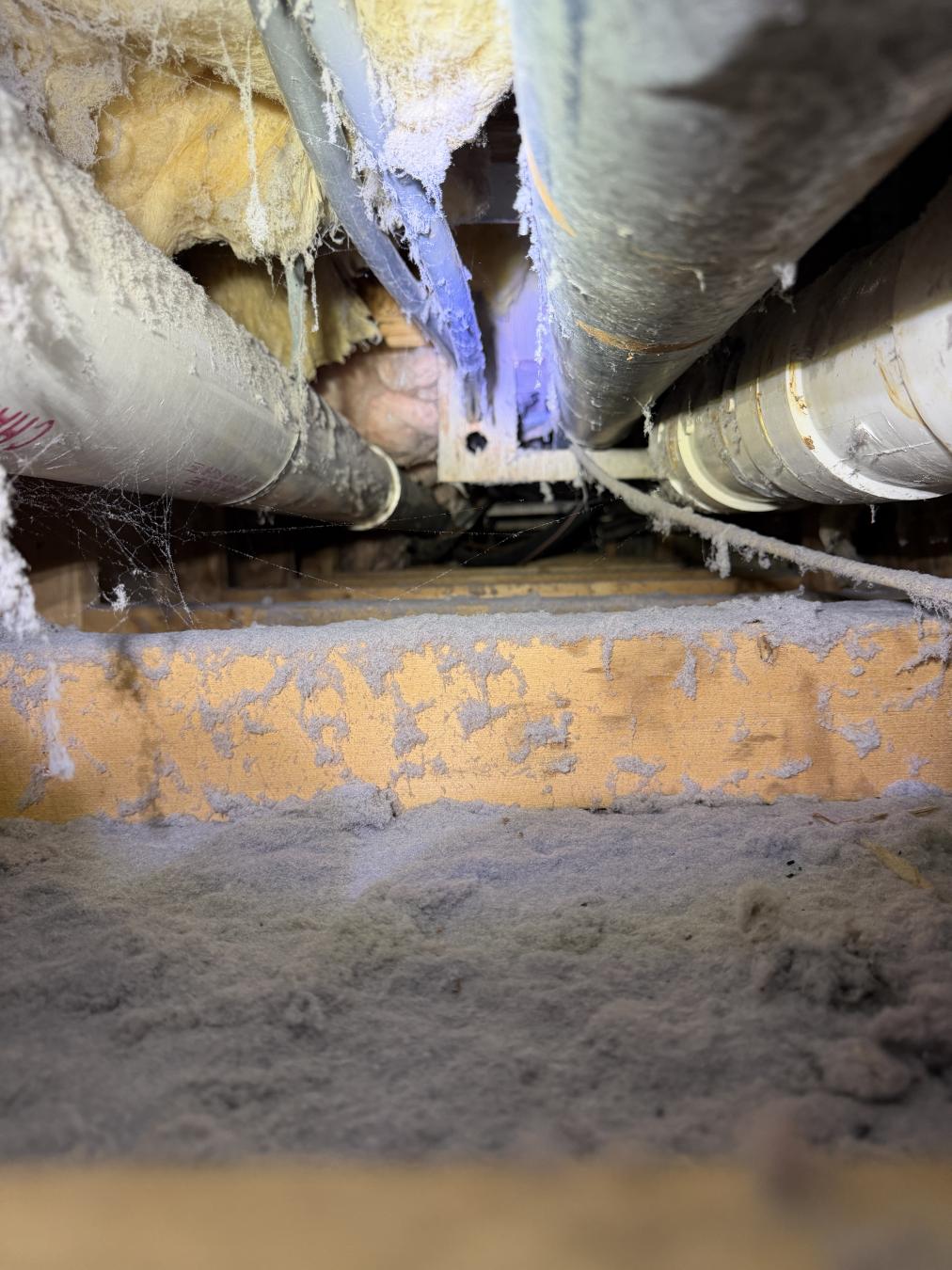
A homeowner on Ben Sawyer Blvd in Mt. Pleasant reached out to Valentine Vents after discovering their dryer vent was completely blocked. What the C-DET certified specialist found during inspection explained everything: the lengthy 42-foot vent line with four turns had become almost totally obstructed, and worse, a section had disconnected inside the garage ceiling chase, allowing lint to accumulate freely in a hidden space. The specialist got to work repairing the disconnected section, then meticulously cleaned the entire run while documenting the progress with Valentine 360 Visibility camera inspection. The original flex foil transition duct was replaced with DryerFlex, a premium semi-rigid product chosen for its superior performance and fire-retardant properties—particularly important since dryer manufacturers specifically warn against using flex foil in their owner's manuals. A thorough delinting of the dryer itself completed the service. The results told the whole story: airflow measurements jumped from zero to a robust 1,023 FPM. What had been a potentially dangerous situation—with lint escaping into the home's structure—was transformed into a properly functioning, safe system. The homeowners could finally dry their laundry efficiently while enjoying complete peace of mind.

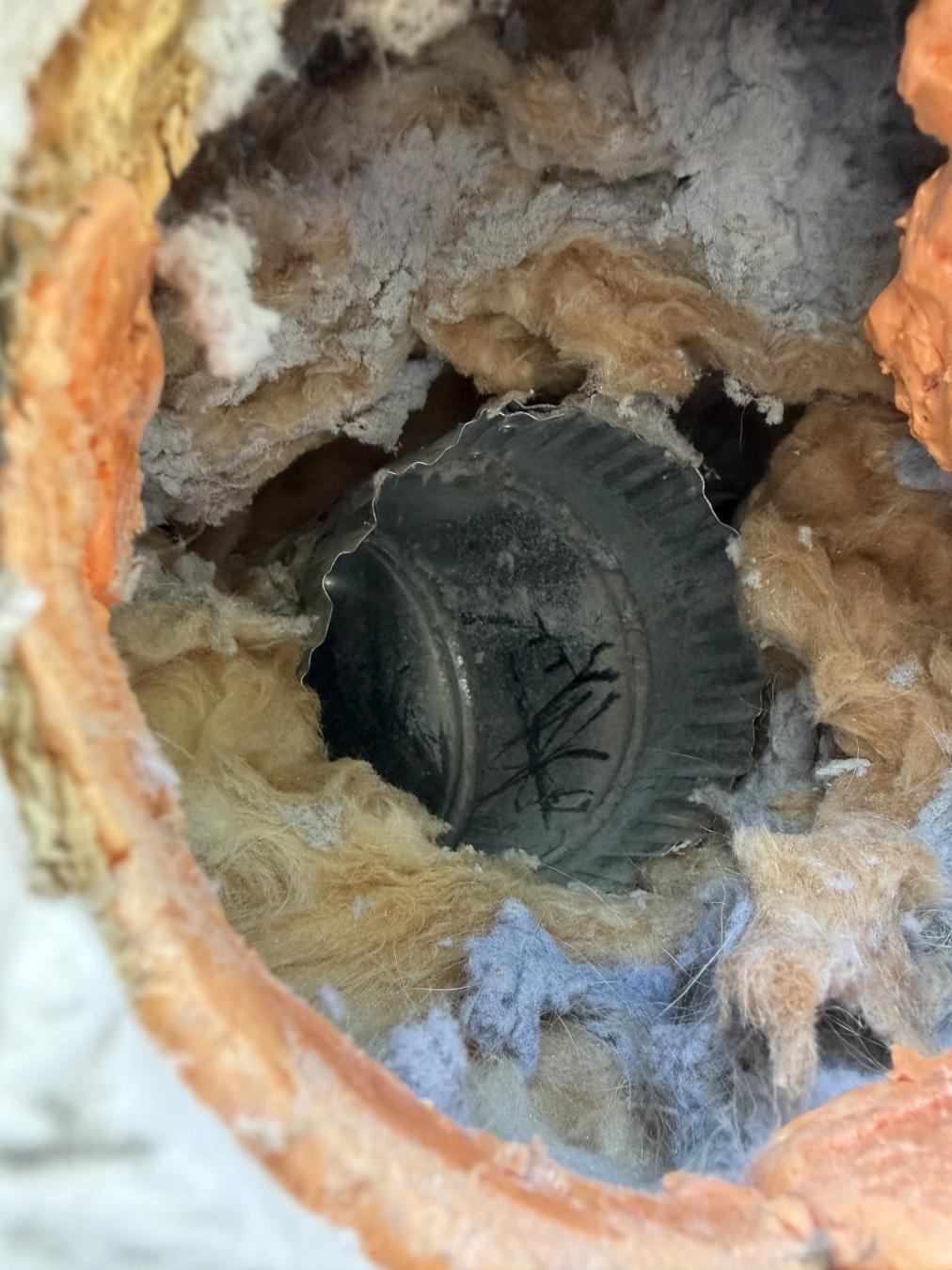
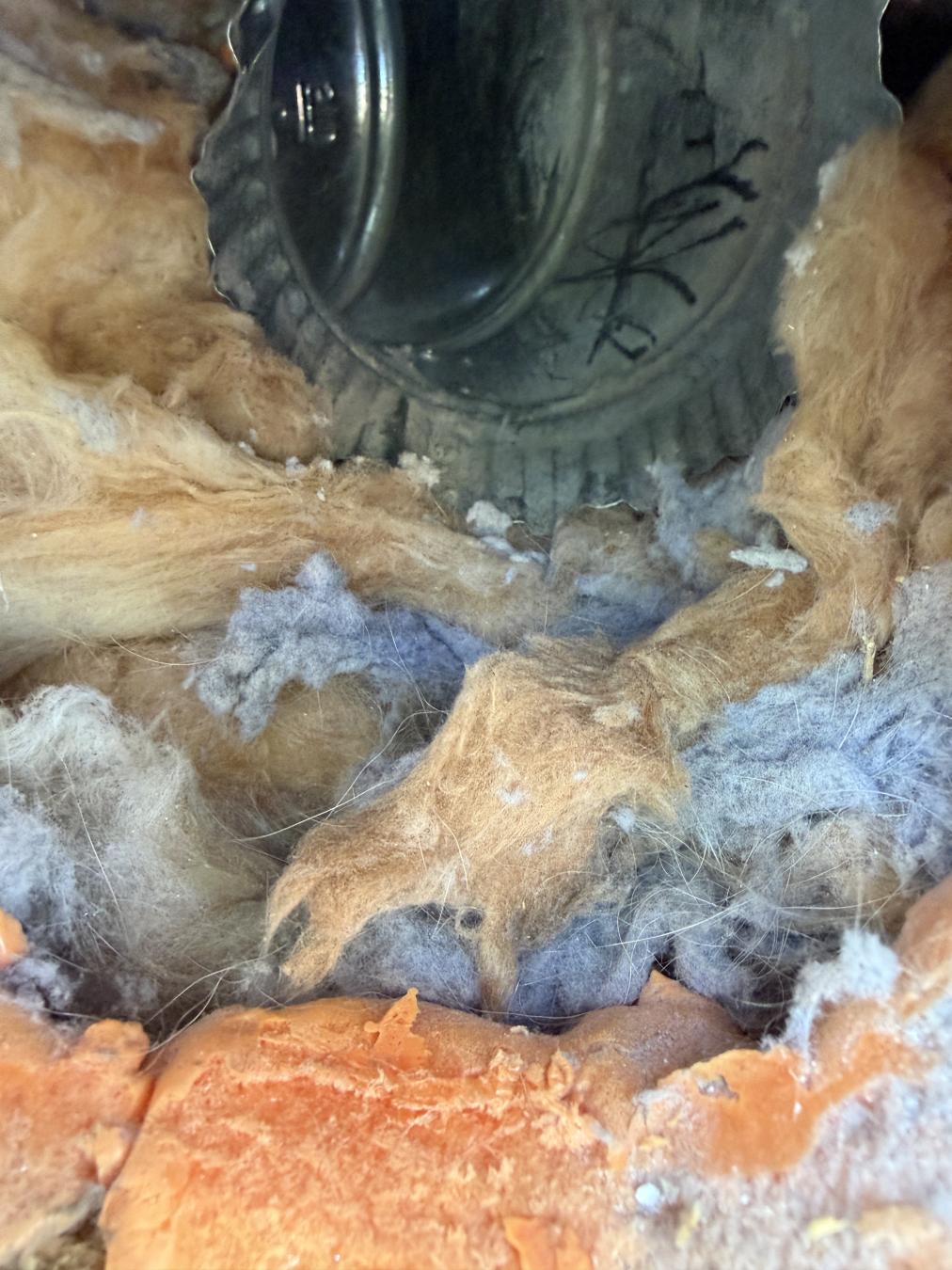
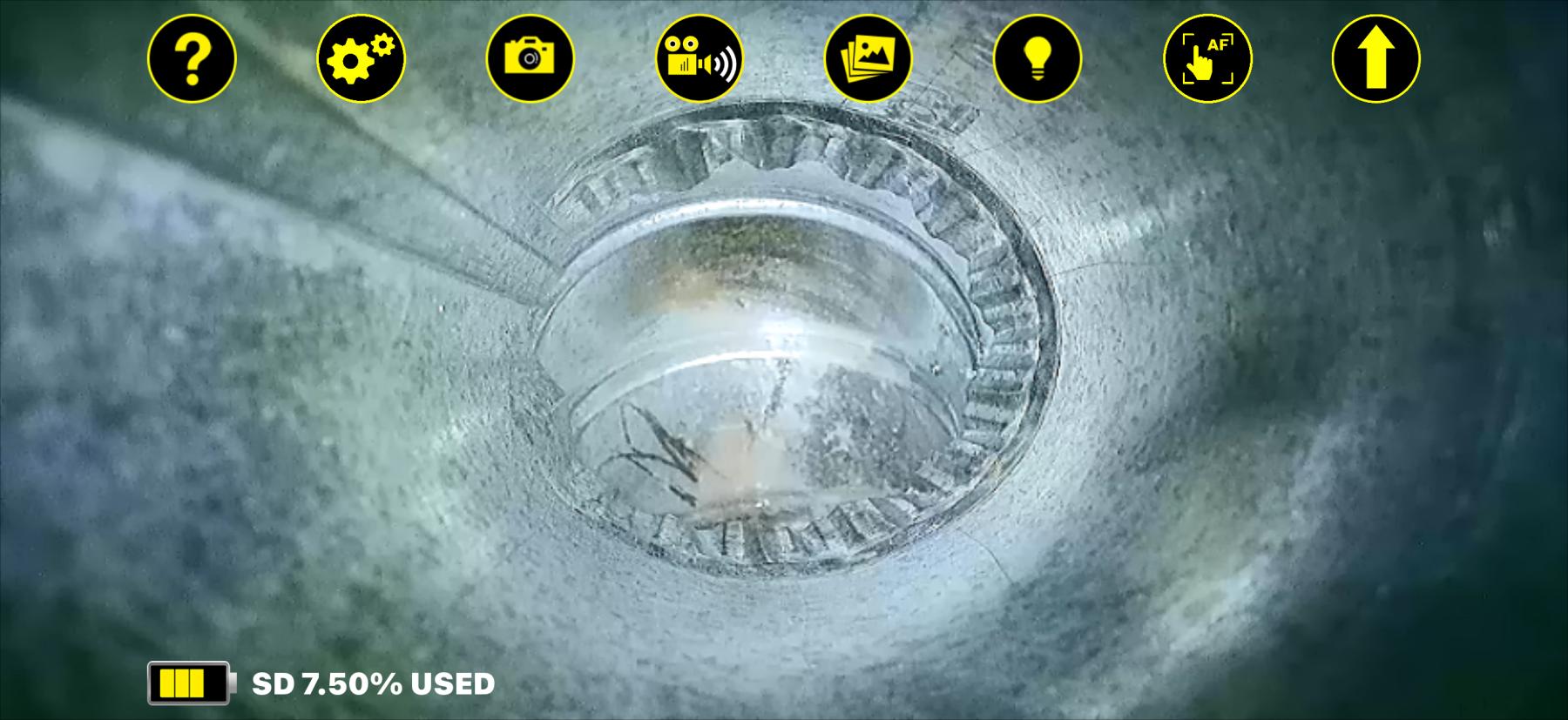
A homeowner on Hidden Bottom Lane in Daniel Island recognized it had been over three years since their dryer vent received professional attention and reached out to Valentine Vents for service. The C-DET certified specialist arrived to find a relatively short seven-foot metal rigid vent with two turns—a straightforward configuration that typically allows excellent airflow. Initial measurements confirmed solid performance at 984 FPM, with even stronger readings of 1,298 FPM at the dryer itself. During the inspection, the specialist discovered the transition duct was constructed of flex foil, a substandard material that dryer manufacturers explicitly warn against in their owner's manuals. It was promptly replaced with DryerFlex, a premium semi-rigid product chosen for its superior performance and fire-retardant properties. The Valentine 360 Visibility camera inspection revealed another concern: the vent had become disconnected at the exterior cover, a situation the builder agreed to repair. Photos documented the findings and the work performed. The specialist also noted the custom cabinetry surrounding the appliances restricted proper make-up air circulation—a factor that may limit peak performance despite the clean vent system. With hazardous materials removed and professional cleaning complete, this Daniel Island home now operates with improved safety and optimal efficiency under current conditions.
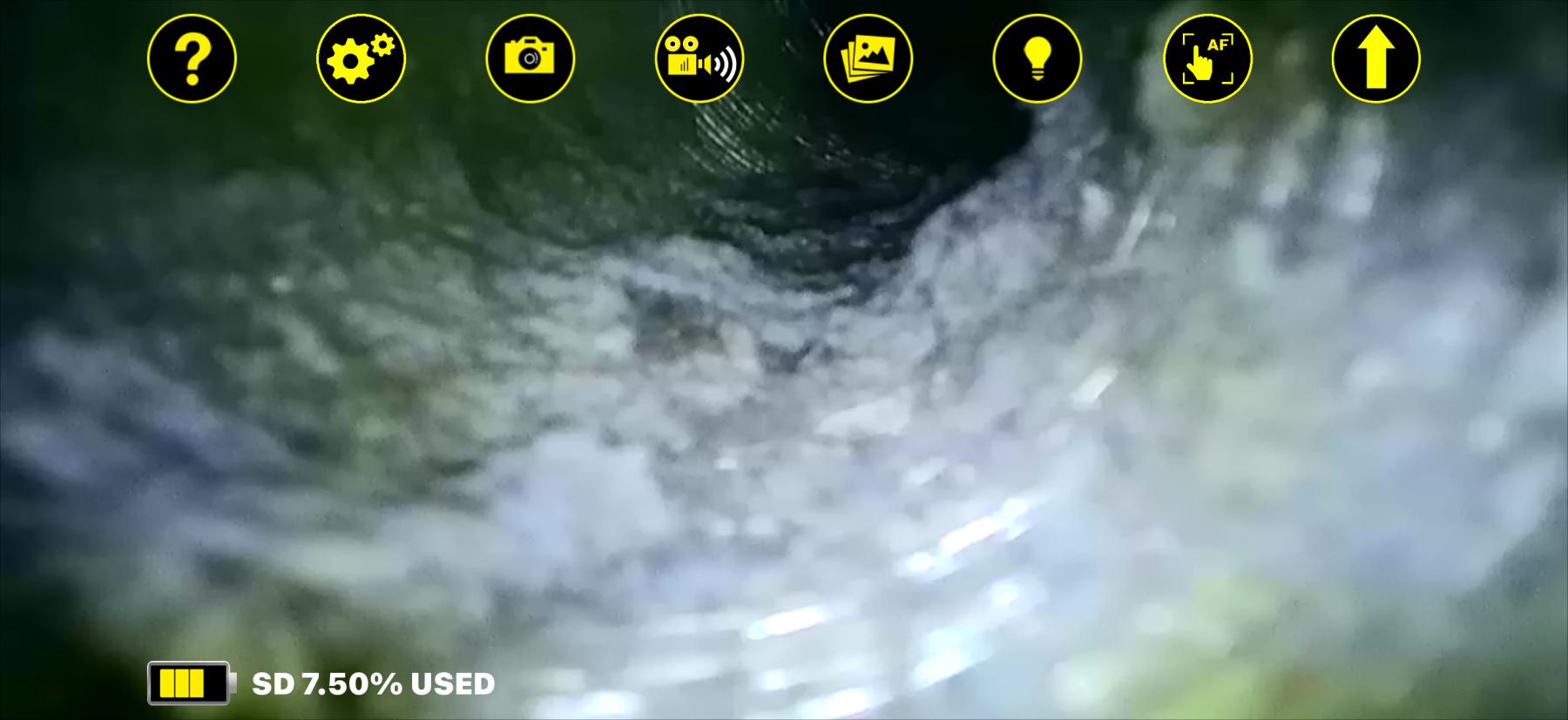

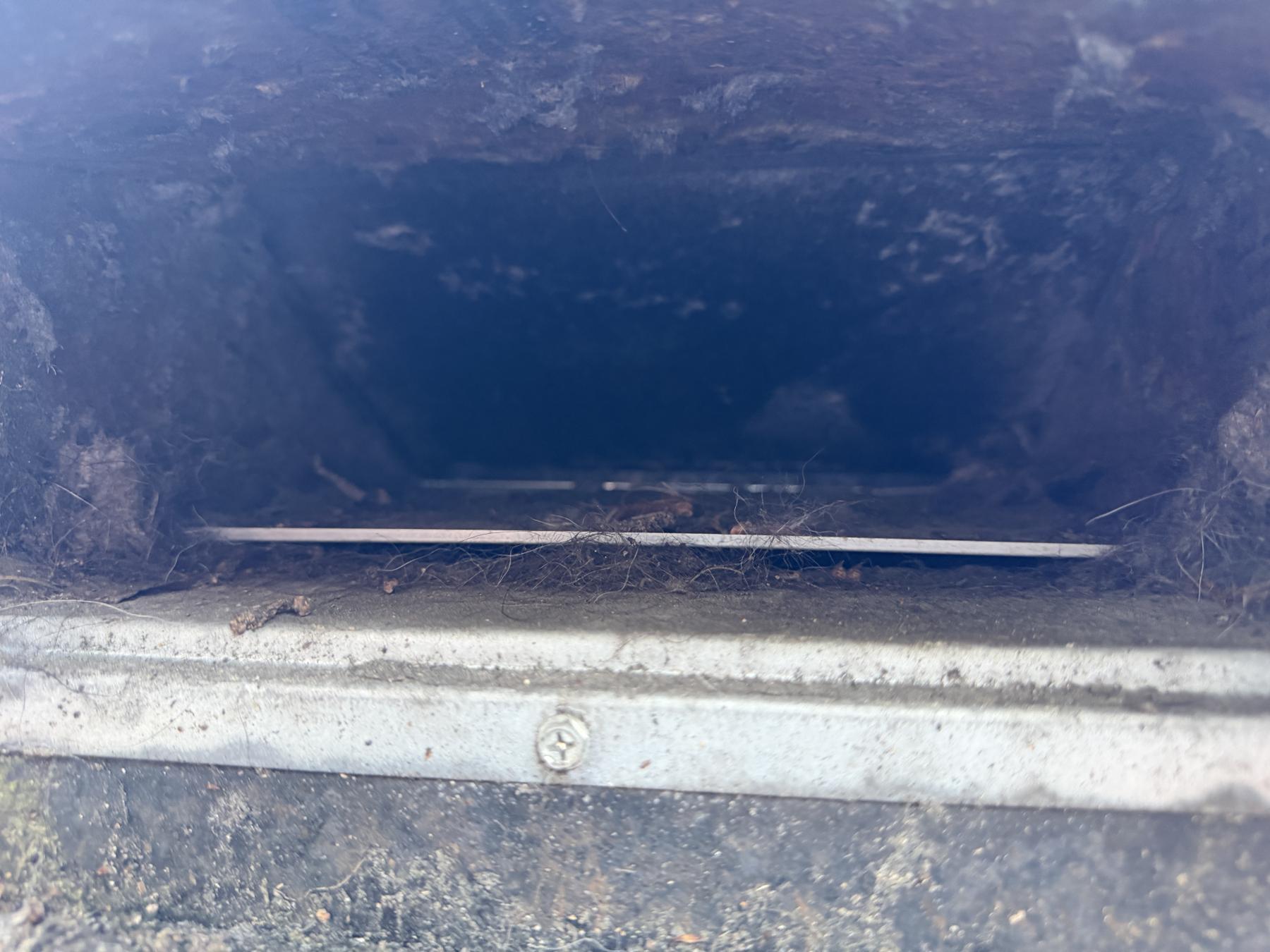
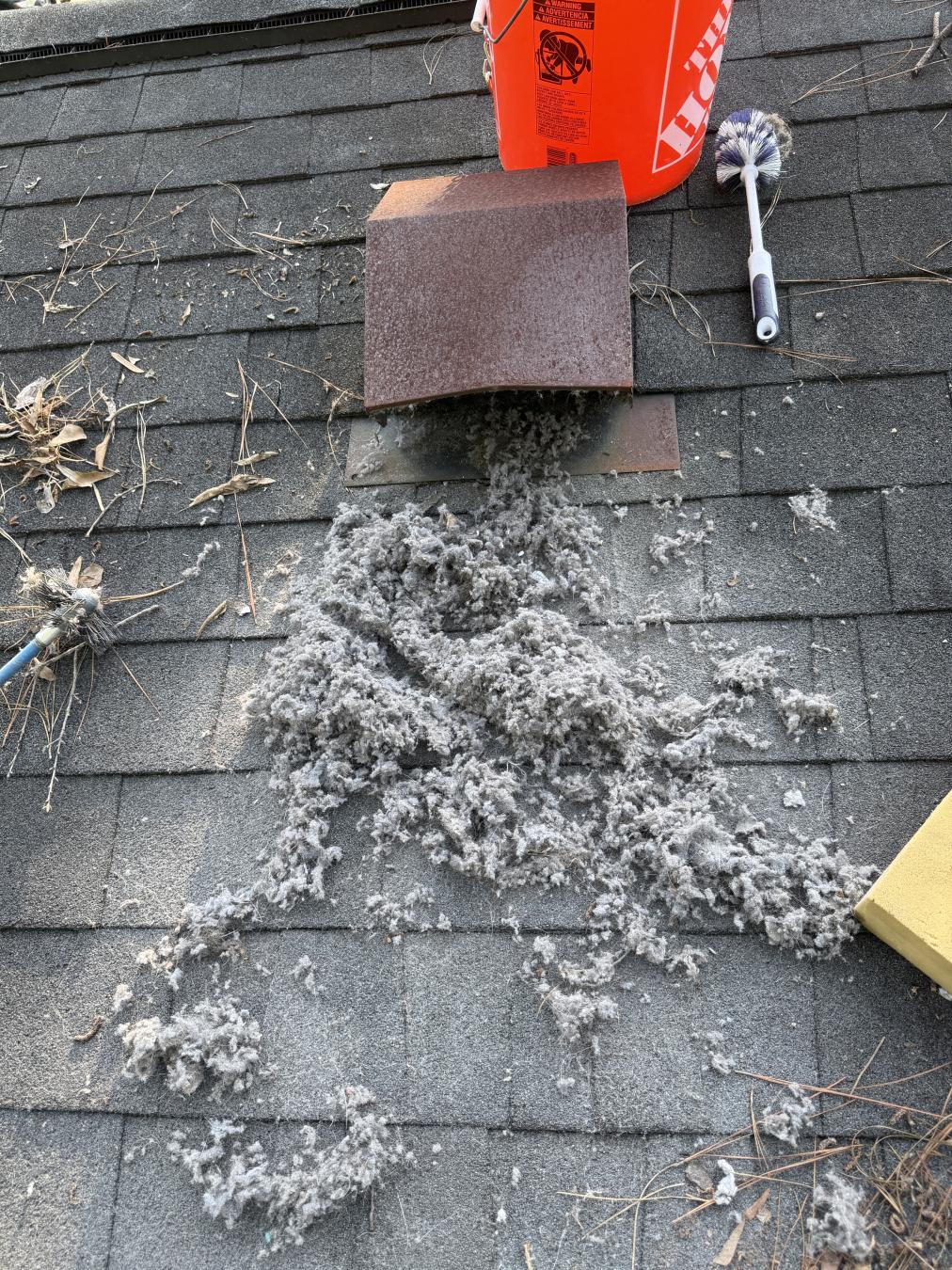
When the residents on Holly Ave in Goose Creek reached out to Valentine Vents, they weren't responding to a dryer crisis—just good sense. With no record of when the vent had last been serviced, it was time to establish a clean baseline. The C-DET certified specialist who arrived found a 10-foot semi-rigid vent system with a single turn, running to a roof termination. While the main system was in solid condition, the transition duct behind the dryer told a different story: substandard flex foil that dryer manufacturers explicitly warn against in their owner's manuals. The specialist carefully cleaned the entire system, taking extra care with the delicate semi-rigid material to avoid punctures or tears. A complimentary Valentine 360 Visibility camera inspection documented the interior condition, providing visual confirmation of the thorough work. Photos captured the process from start to finish. During the visit, the specialist also discussed a future optimization—potentially rerouting the entire system to exit through the laundry room's side wall, which would create the shortest possible run. Now with a professionally cleaned system and a roadmap for future improvements, this home is operating with both efficiency and informed planning.
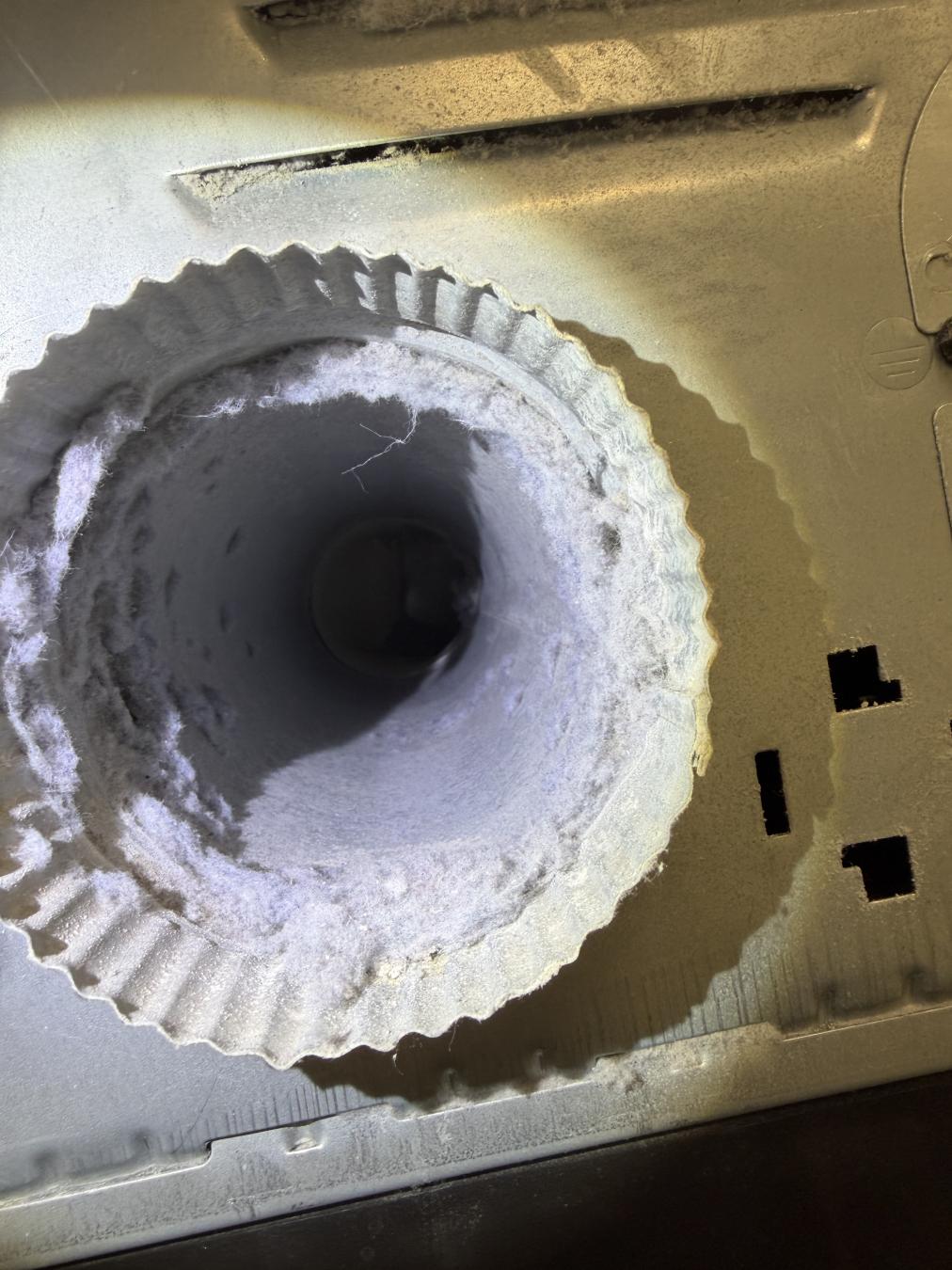
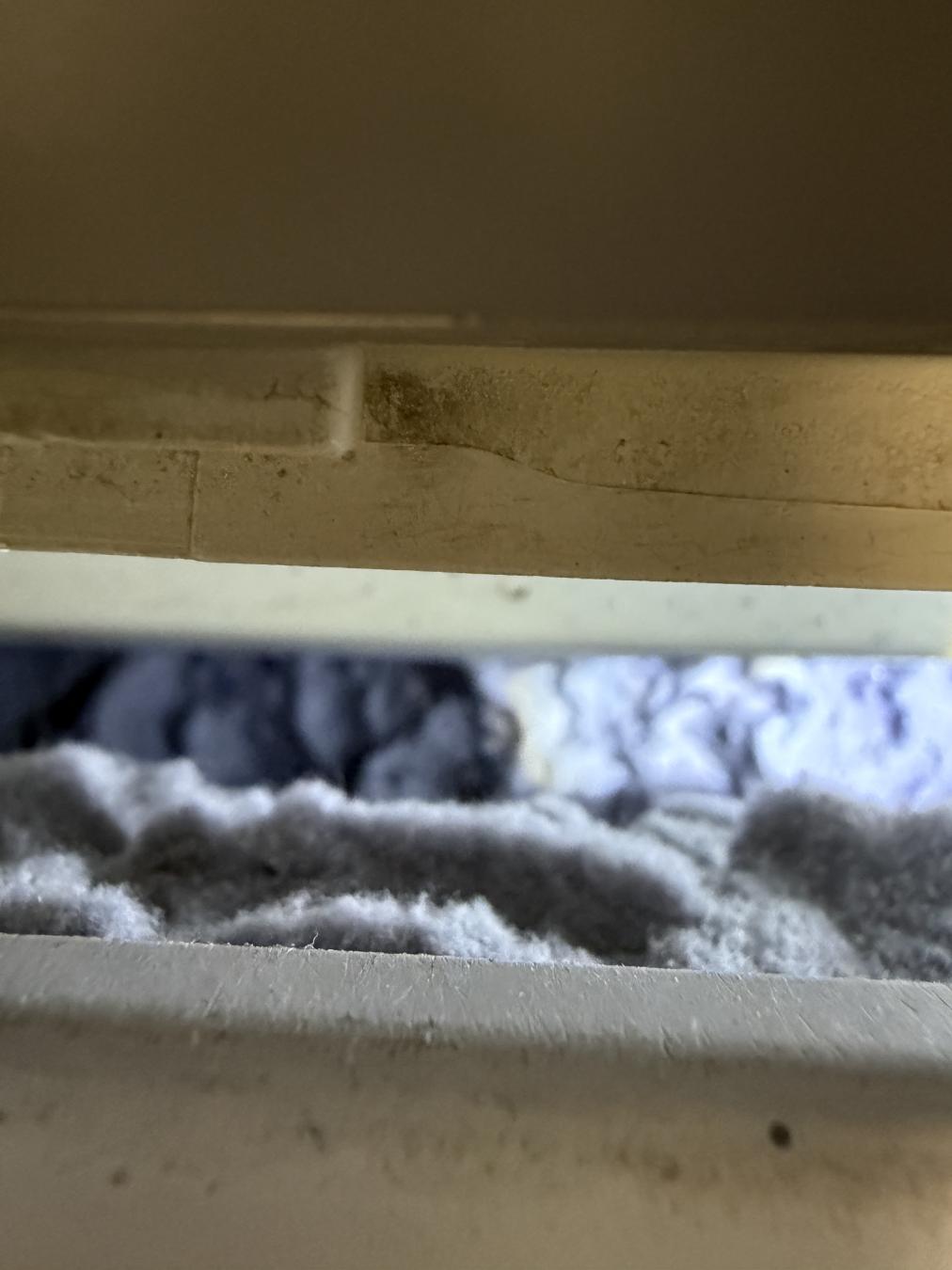
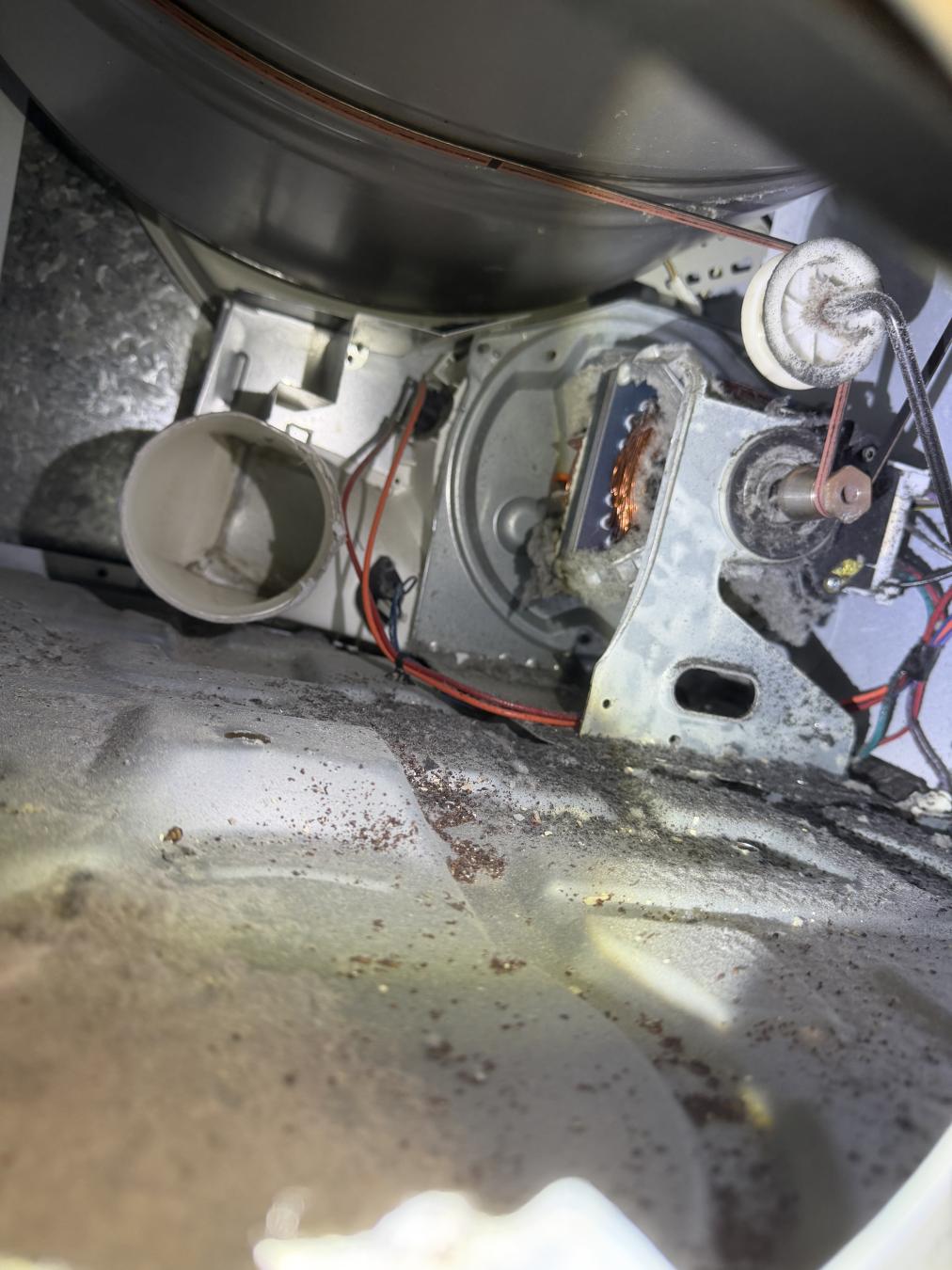
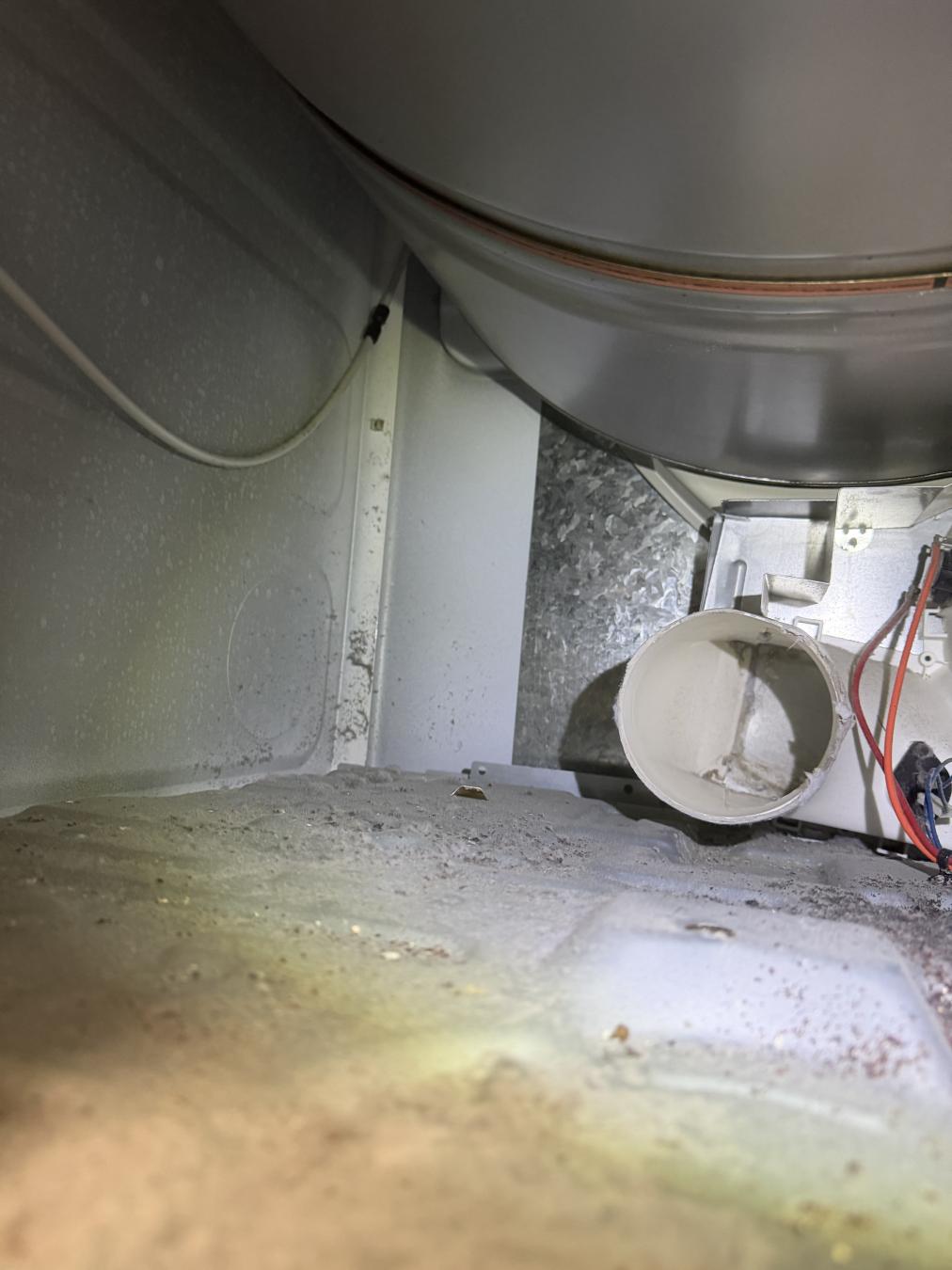
When a homeowner on Royal Assembly Dr in Charleston noticed longer drying times, they turned to Valentine Vents for answers. Though the vent had been serviced just a year prior, the C-DET certified specialist discovered the real culprit during inspection: a torn and deteriorating aluminum semi-rigid transition duct that was compromising the system's performance. The metal rigid vent itself showed minimal buildup, but the dryer cabinet contained above-average lint accumulation that needed attention. The specialist replaced the failing transition with DryerFlex, a premium semi-rigid product chosen for its superior performance and fire-retardant properties. While addressing an oblong dryer box connection, half of a plastic adapter had to remain in place to ensure a proper seal between the transition and the wall vent. A complimentary Valentine 360 Visibility camera inspection confirmed the entire system was thoroughly cleaned and functioning as it should. Photos captured the transformation from the compromised components to the professionally upgraded installation. With a properly connected transition and freshly cleaned system, this Charleston home now enjoys restored dryer efficiency and the peace of mind that comes with professional-grade equipment protecting what matters most.
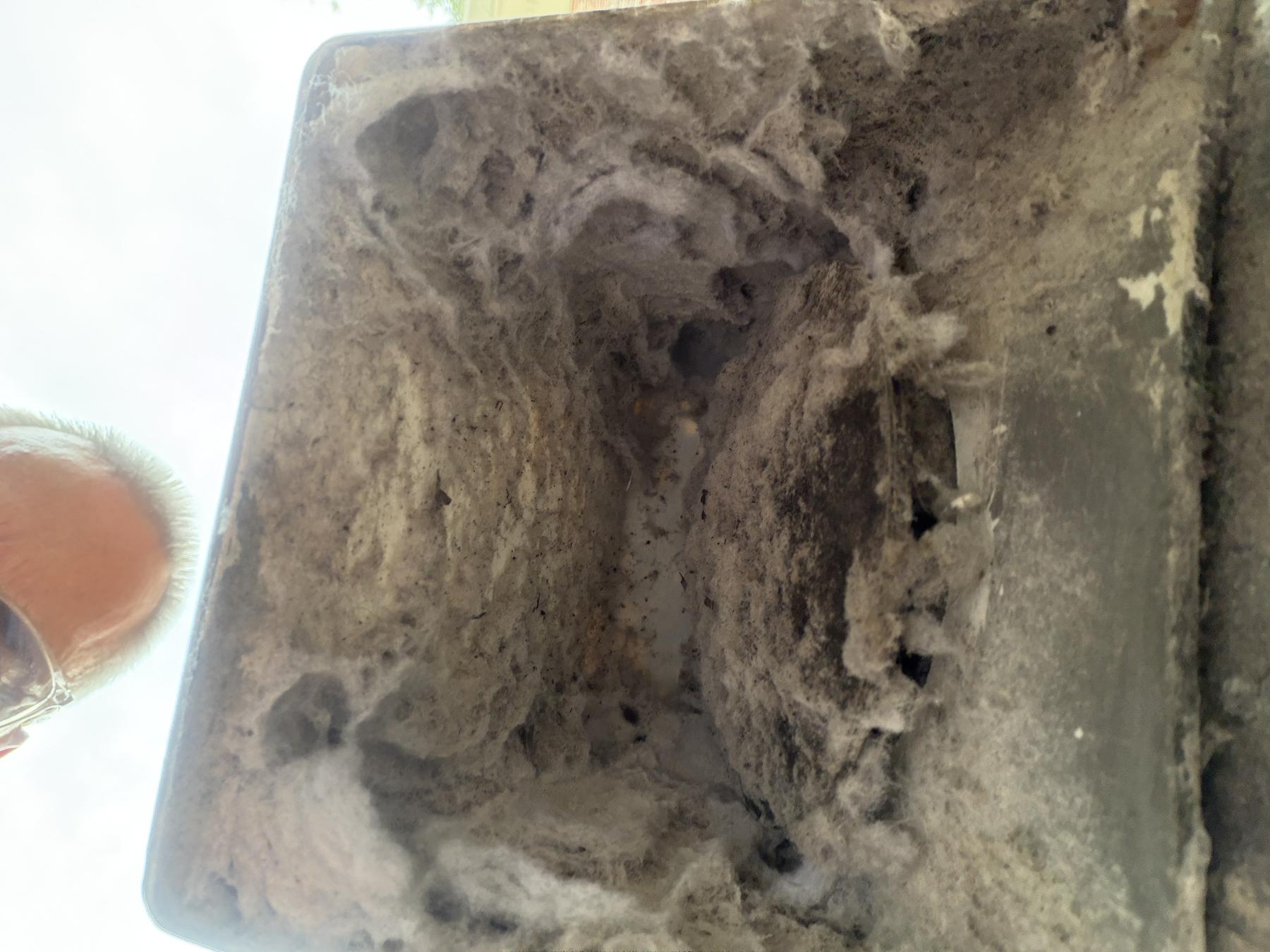
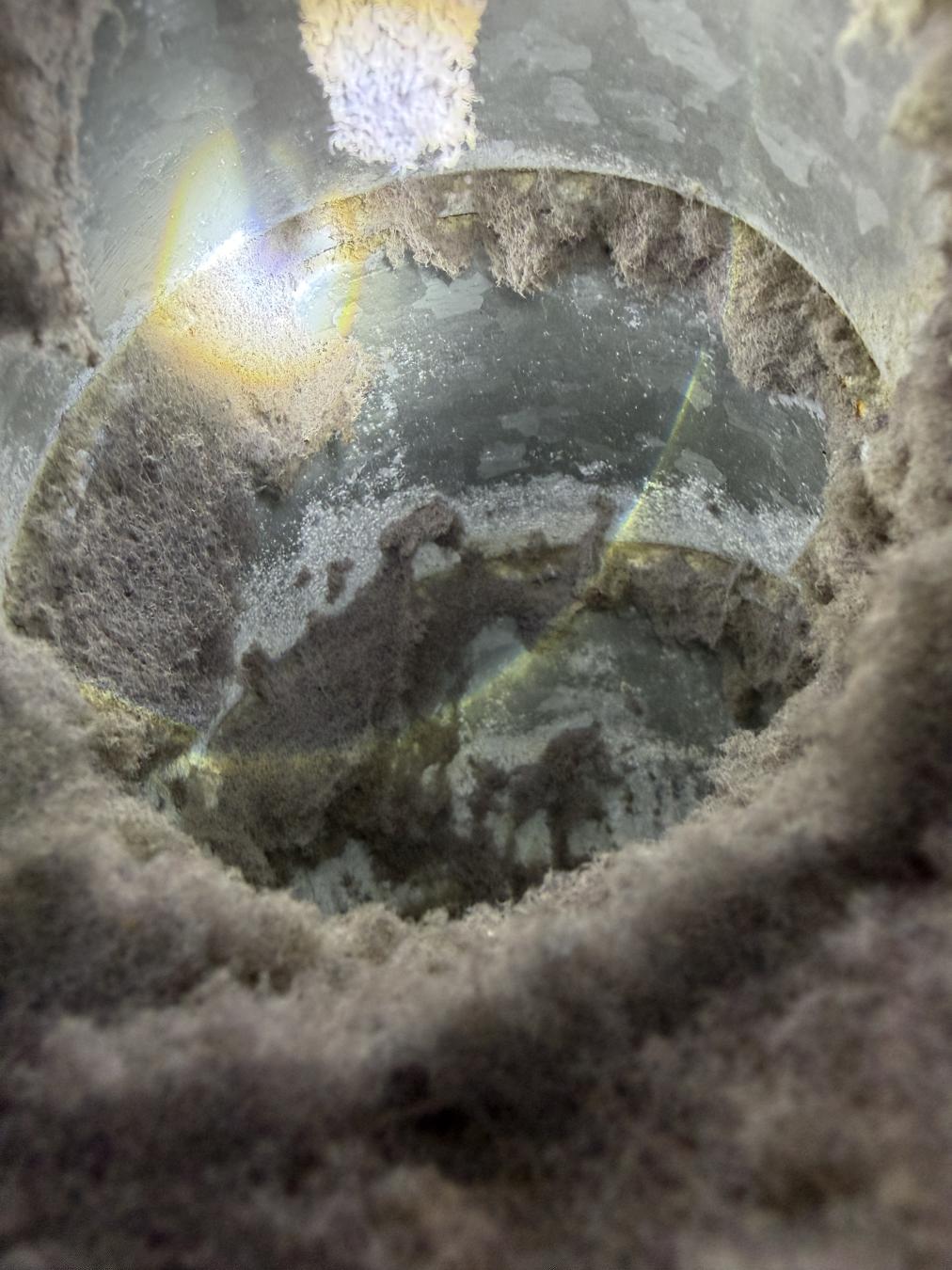
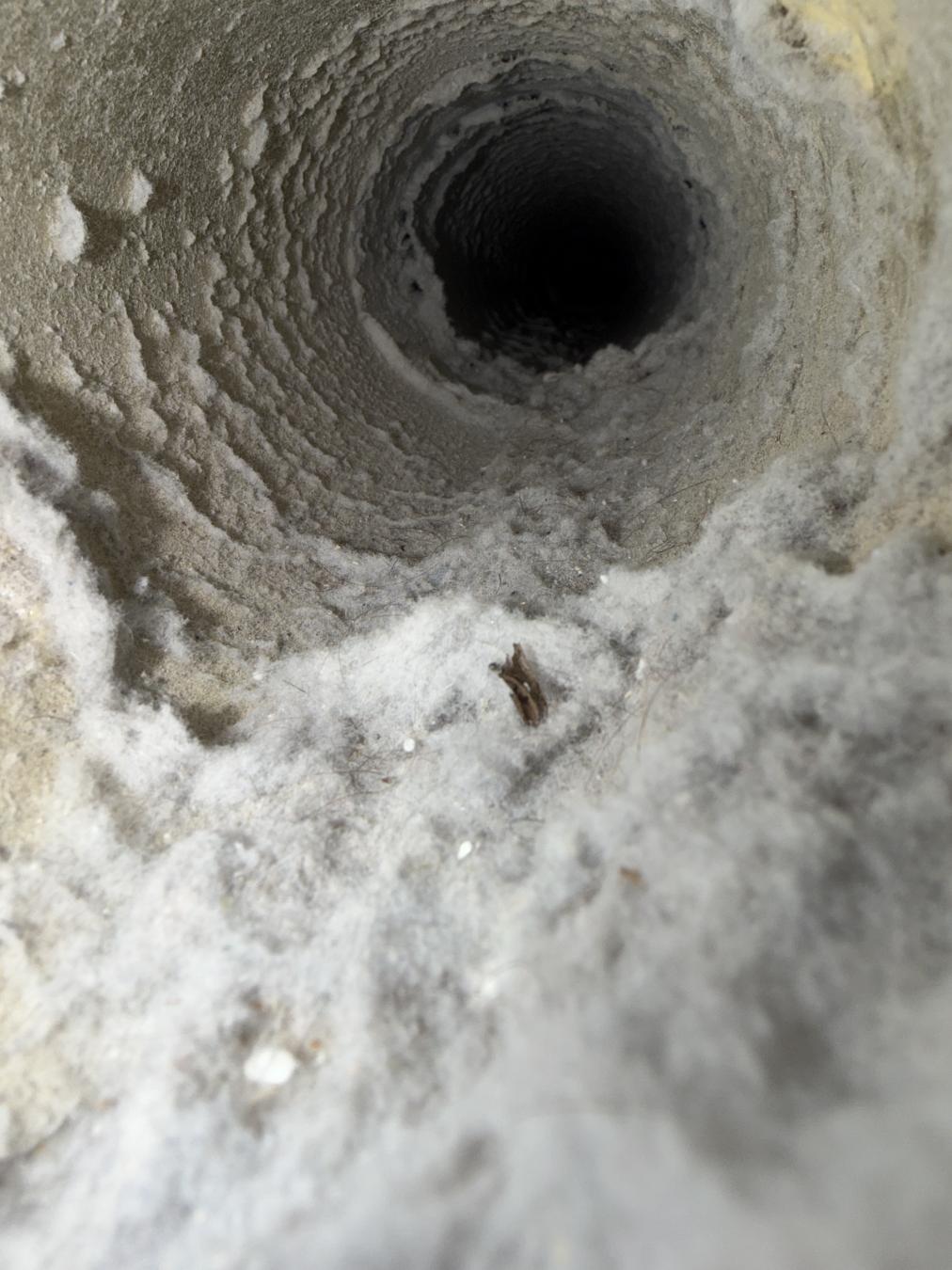

When a dryer starts taking longer and longer to finish a load, there's usually a clear culprit—and that's exactly what the specialist from Valentine Vents discovered at this Mt. Pleasant home on Ben Sawyer Blvd. With over three years since the last cleaning and a challenging 50-foot run with multiple turns, the system was severely compromised by accumulated lint throughout the entire pathway. The specialist documented the extensive buildup through Valentine 360 Visibility camera inspection, revealing not just lint clogging the vent line but also significant accumulation within the dryer cabinet itself—including lint trapped in the chamber leading to the drum behind the perforations. The metal rigid vent showed early signs of rust that will need monitoring. Given the exceptional length of the run, the specialist cleaned from both ends to ensure complete removal. During the service, the substandard plastic transition duct was replaced with DryerFlex, a premium semi-rigid product chosen for its superior performance and fire-retardant properties. Dryer manufacturers explicitly warn against plastic materials in their owner's manuals for good reason. The C-DET certified specialist also delinted the dryer cabinet to restore optimal function. Photos captured throughout the process tell the story of a system brought back from the brink to safe, efficient operation.
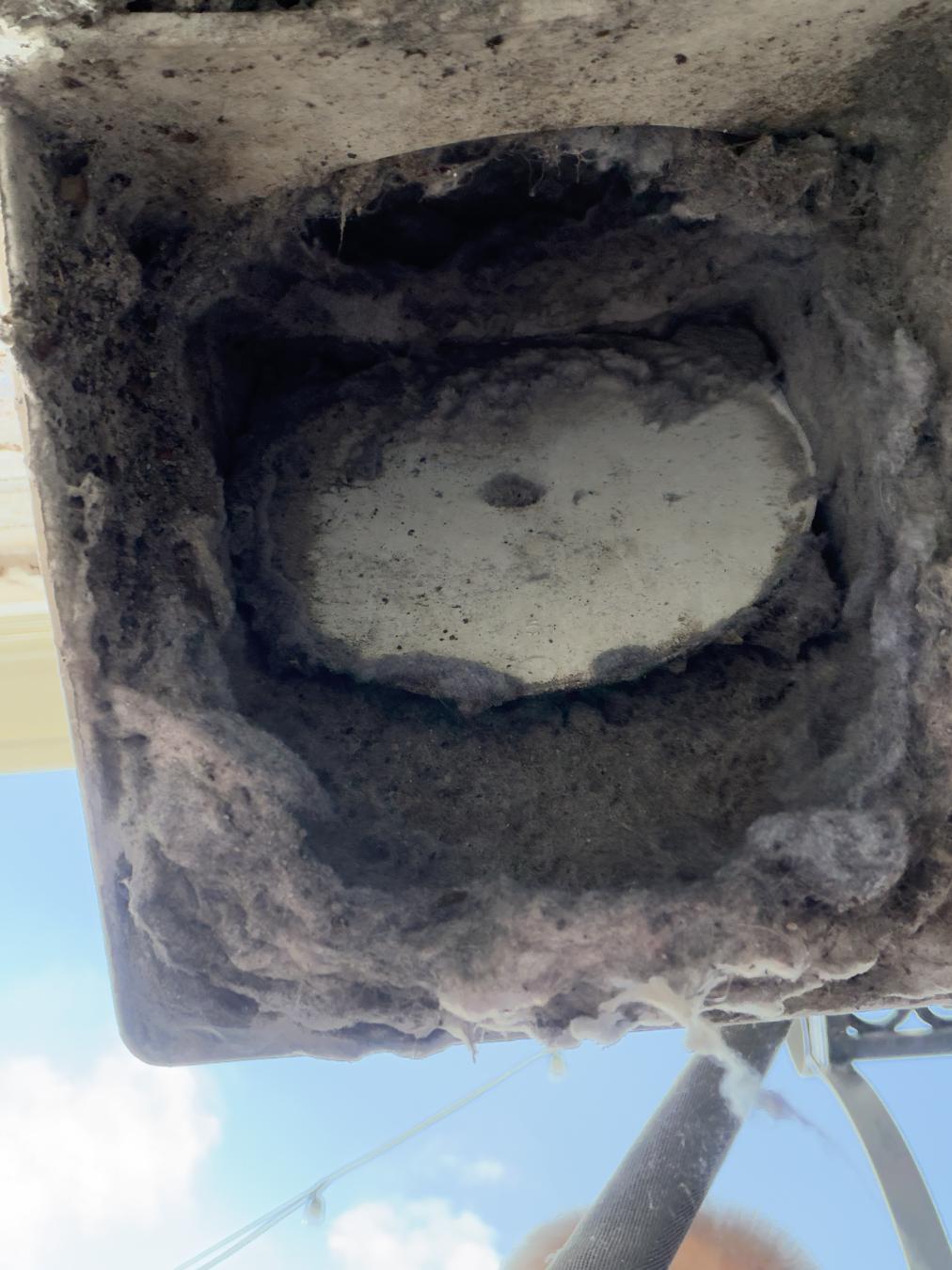
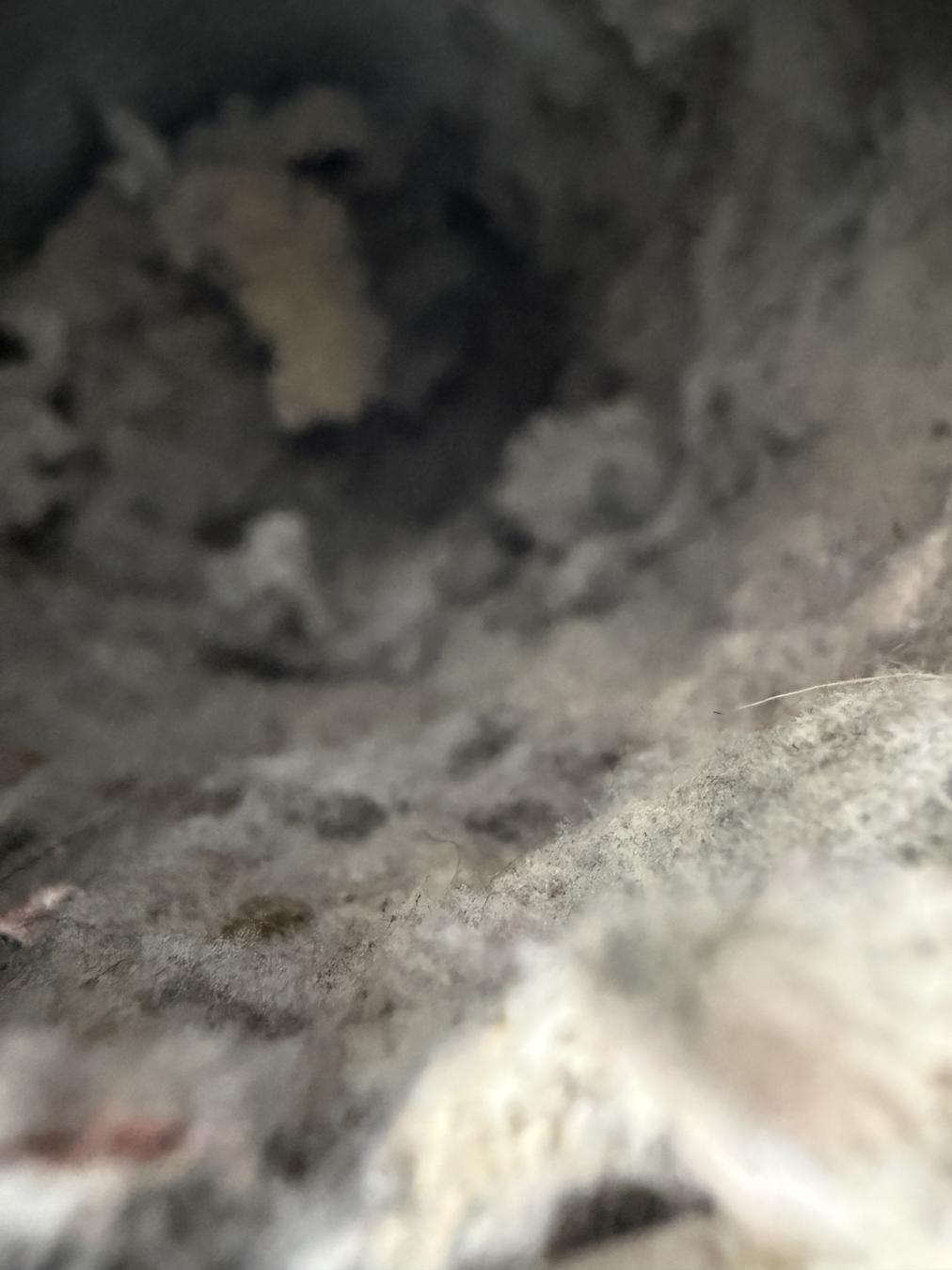
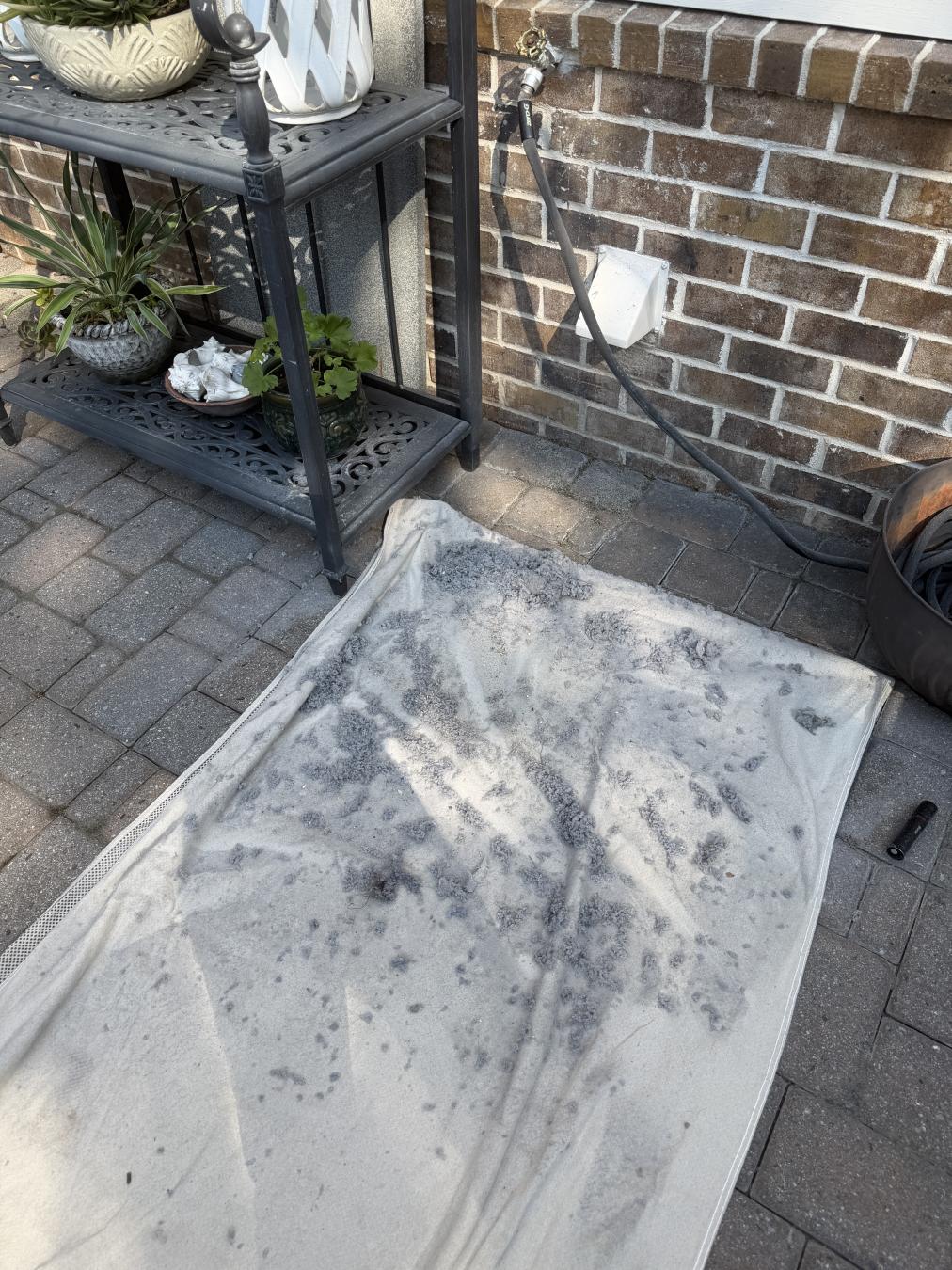
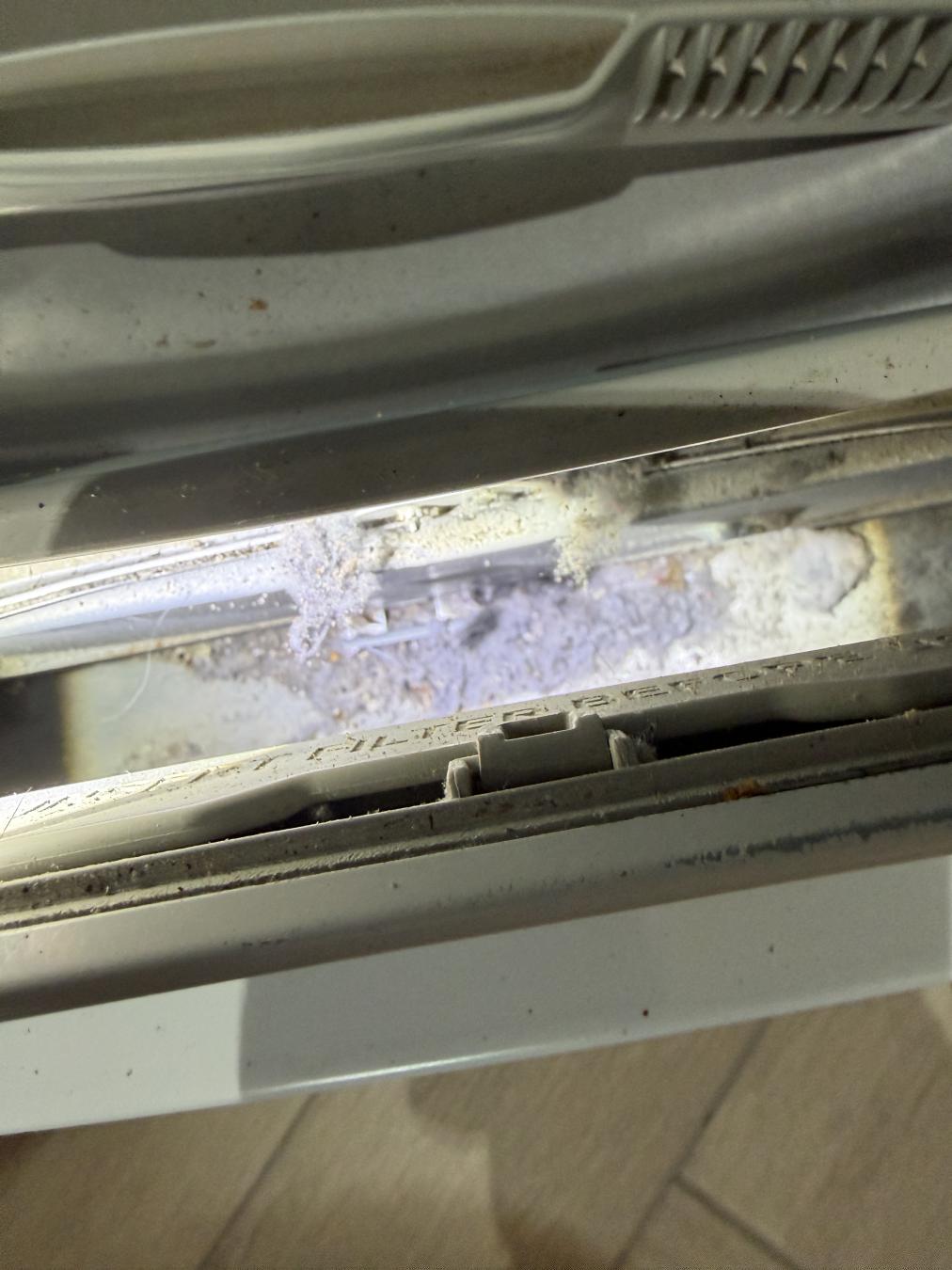
When an LG dryer's D80 error code alerted this Mt. Pleasant homeowner on Henrietta Hartford Road to a ventilation issue, Valentine Vents dispatched a C-DET certified specialist to investigate. The 15-foot metal rigid vent with two turns showed average lint accumulation throughout both the ductwork and dryer cabinet, but the real concern was the substandard flex foil transition duct connecting the dryer to the wall—a material specifically discouraged in dryer manufacturer owner's manuals due to fire risk. The specialist replaced the outdated flex foil with DryerFlex, a premium semi-rigid product chosen for its superior performance and fire-retardant properties. A thorough cleaning of the entire system and dryer cabinet followed, with a Valentine 360 Visibility camera inspection documenting the work. Photos captured the transformation from before to after. While an oblong dryerbox connection creates some unavoidable airflow restriction—correctable only through impractical re-routing—the system now operates safely within normal parameters. The D80 error cleared immediately, restoring the dryer to proper function and giving the homeowner confidence that their laundry equipment meets modern safety standards.
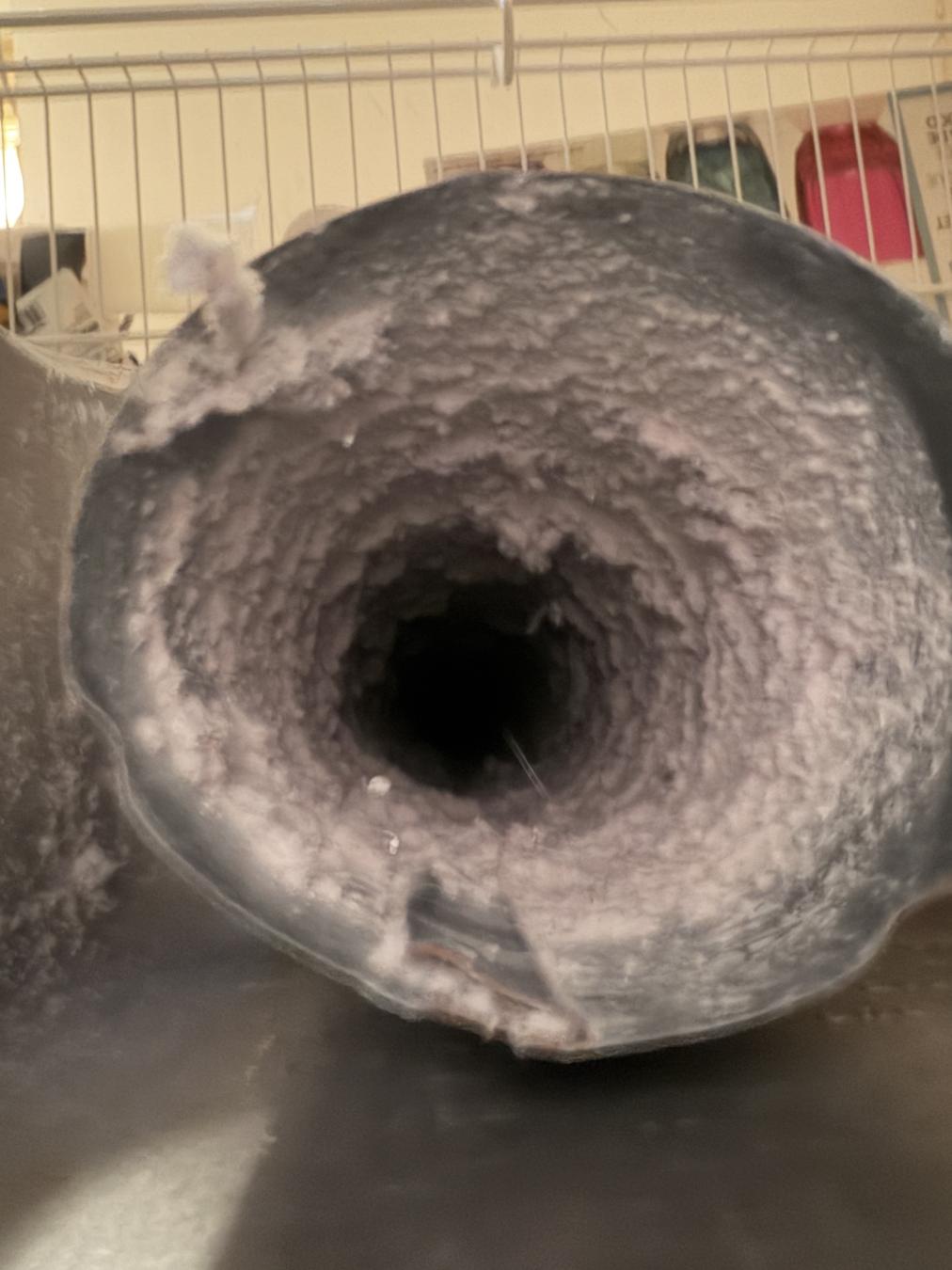

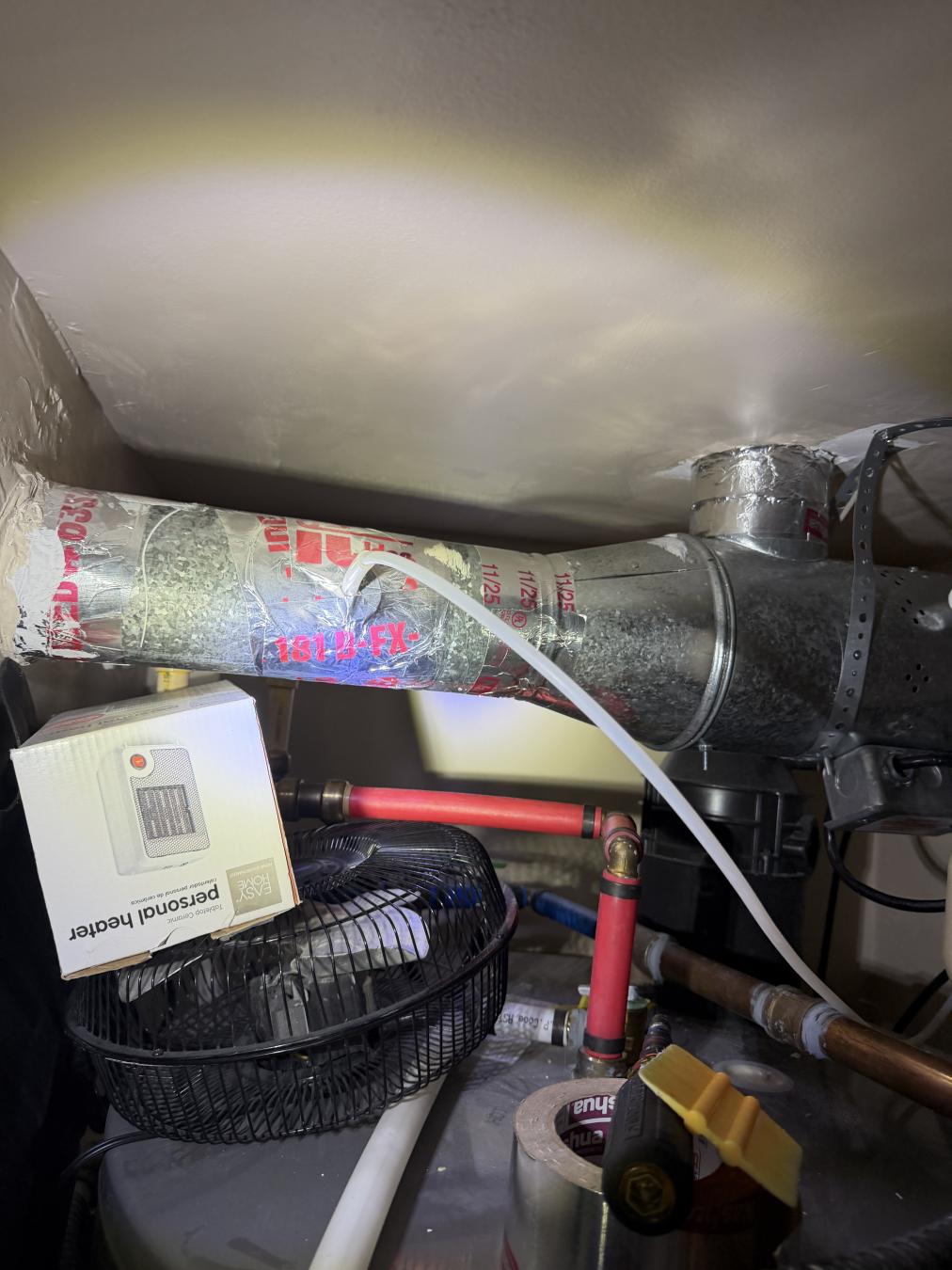
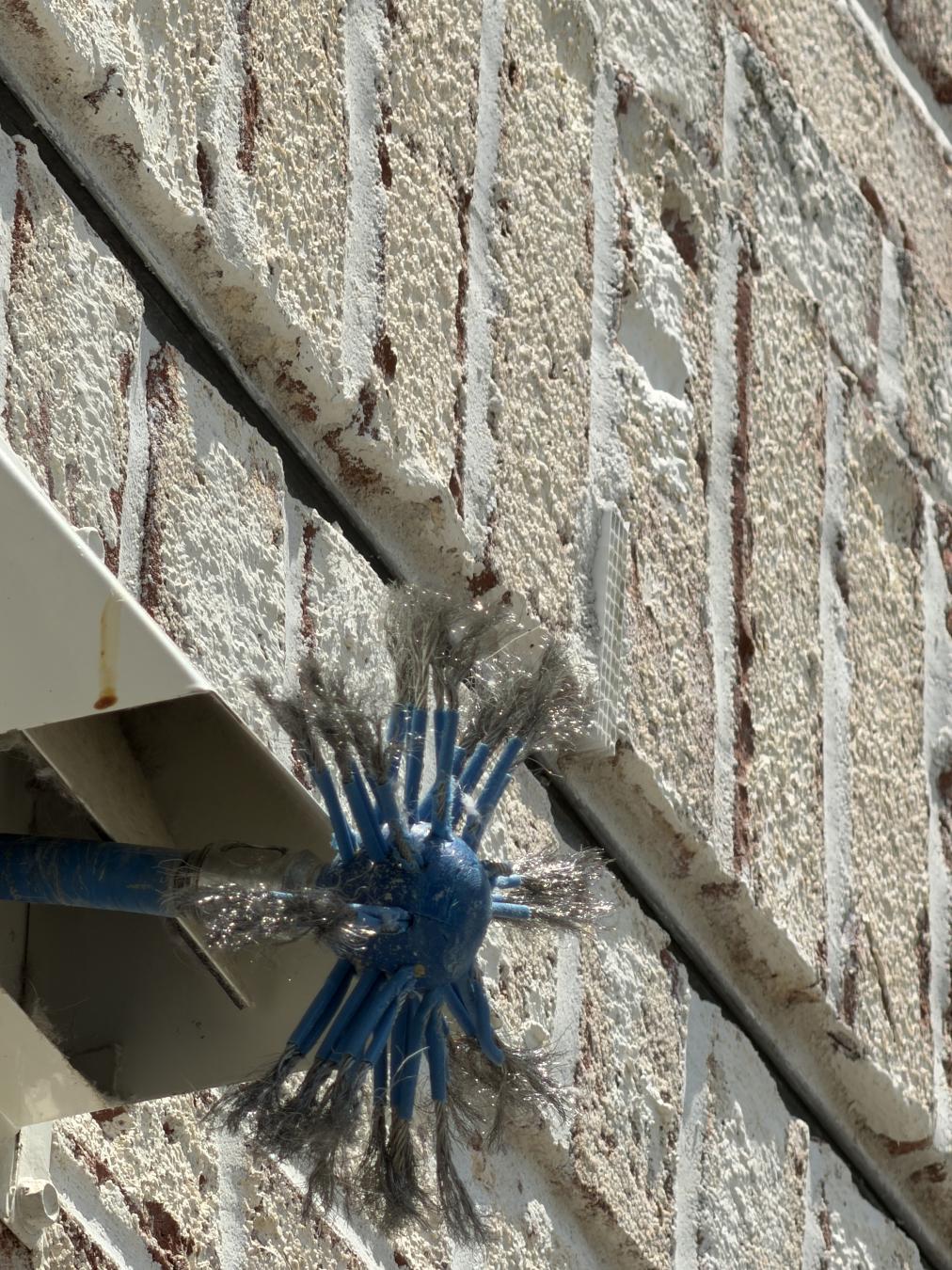
The specialist from Valentine Vents discovered significant lint accumulation throughout the 35-foot metal rigid vent system during this service call on George Street in Charleston. With three turns to navigate and a booster fan to clean, the job required thorough attention to detail. The Valentine 360 Visibility camera inspection revealed just how much buildup had collected not only within the lengthy vent run but also inside the dryer cabinet itself, where lint had infiltrated areas most homeowners never see. During the inspection, the C-DET certified specialist identified substandard flex foil connecting the dryer to the vent system—a material specifically prohibited in dryer manufacturer owner's manuals due to safety concerns. This was immediately replaced with DryerFlex, a premium semi-rigid product chosen for its superior performance and fire-retardant properties. The booster fan, essential for moving air through such a long vent run, was cleaned and confirmed to be operating properly. After delinting the dryer cabinet and completing a comprehensive cleaning of the entire vent system, the home's laundry setup was restored to safe, efficient operation. Addressing both the dangerous flex foil and the substantial lint buildup eliminated two significant fire hazards in one visit.
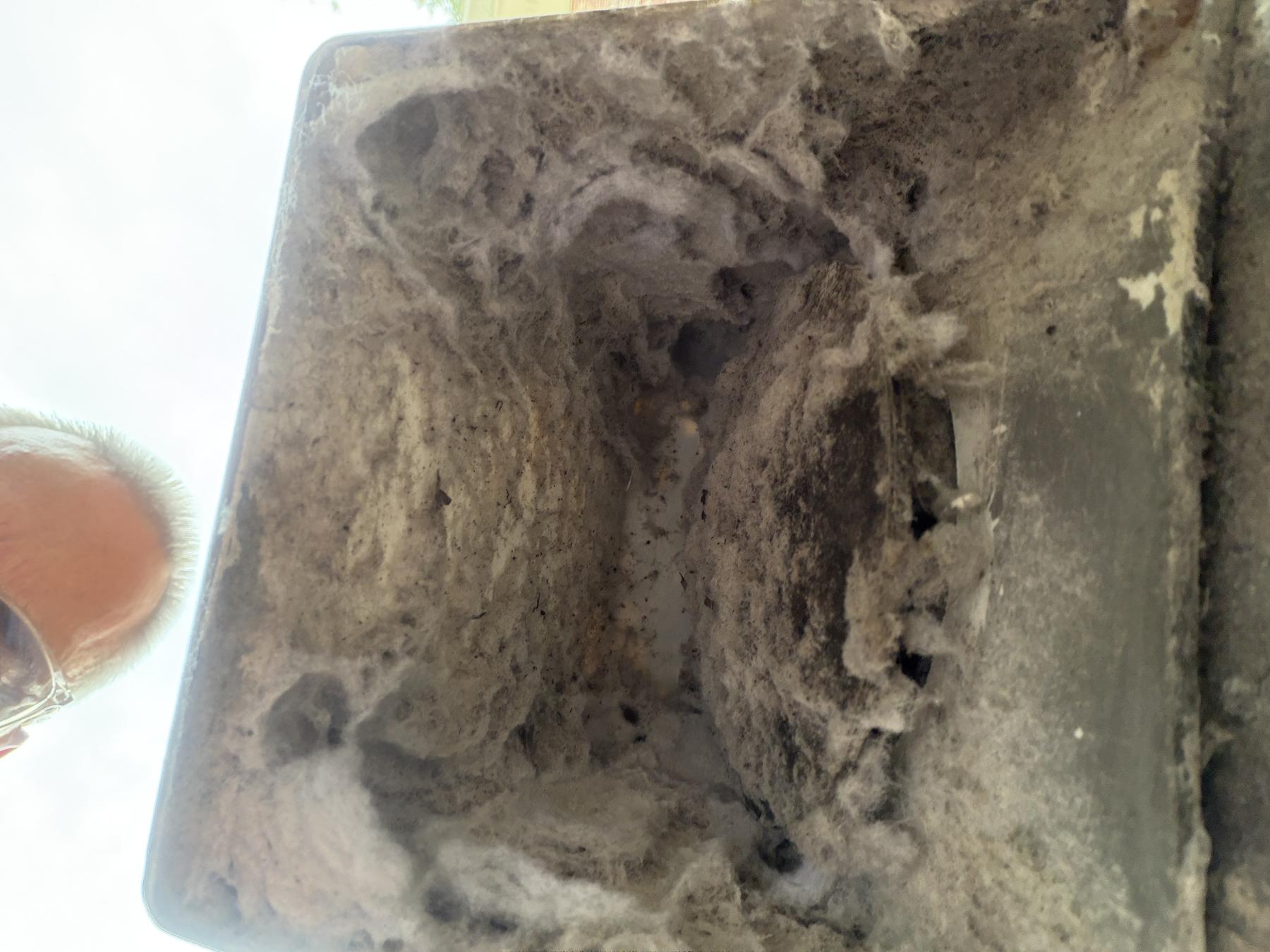
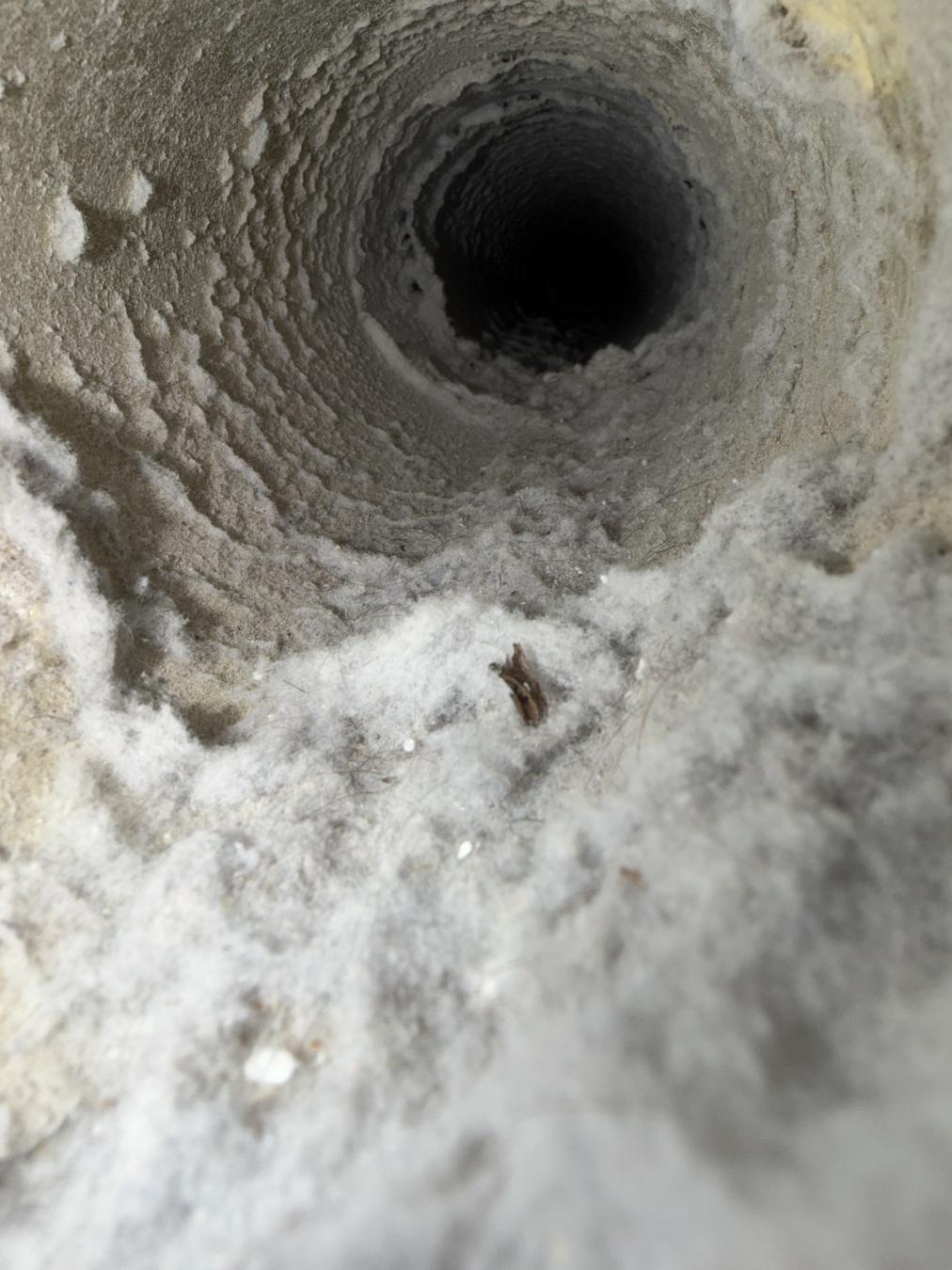
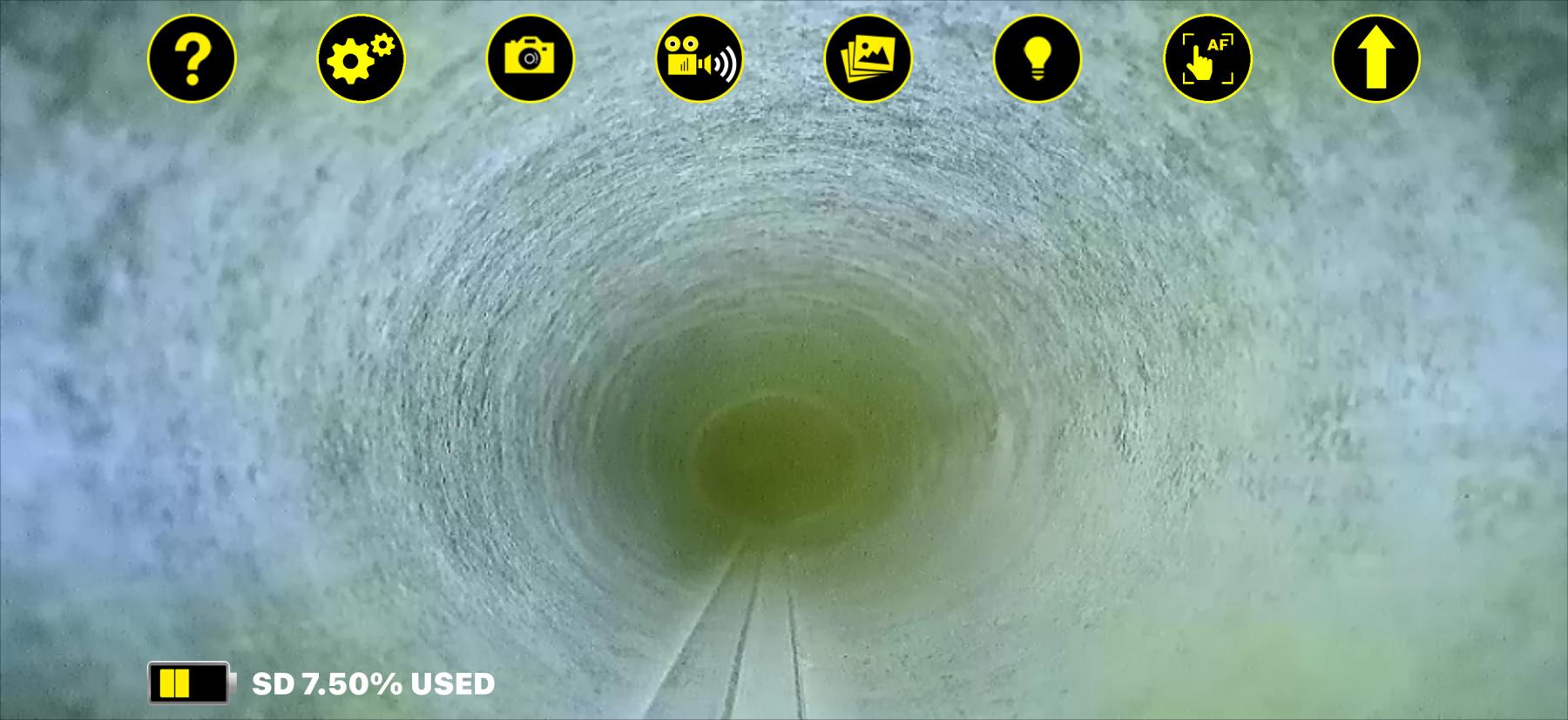

When a new dryer was installed at this Mt. Pleasant home on Hidden Lakes Drive, the homeowner wisely recognized that even fresh equipment needs a clean pathway to perform its best. The existing 18-foot metal rigid vent line with two turns showed average lint accumulation from the previous appliance—enough buildup to compromise efficiency right from the start. Valentine Vents dispatched a C-DET certified specialist to ensure the new installation could operate safely and at peak performance. After a thorough cleaning that removed residual lint throughout the system, the specialist conducted a complimentary Valentine 360 Visibility camera inspection, providing visual documentation of the now-pristine vent interior. The semi-rigid aluminum transition duct already in place met proper safety standards, and the wall termination was confirmed to be functioning correctly. Photos captured throughout the service provided the homeowner with clear evidence of the transformation. Starting fresh with a professionally cleaned vent means this new dryer can deliver optimal drying performance while using less energy per load—a smart investment that protects both the appliance and the home from preventable hazards.
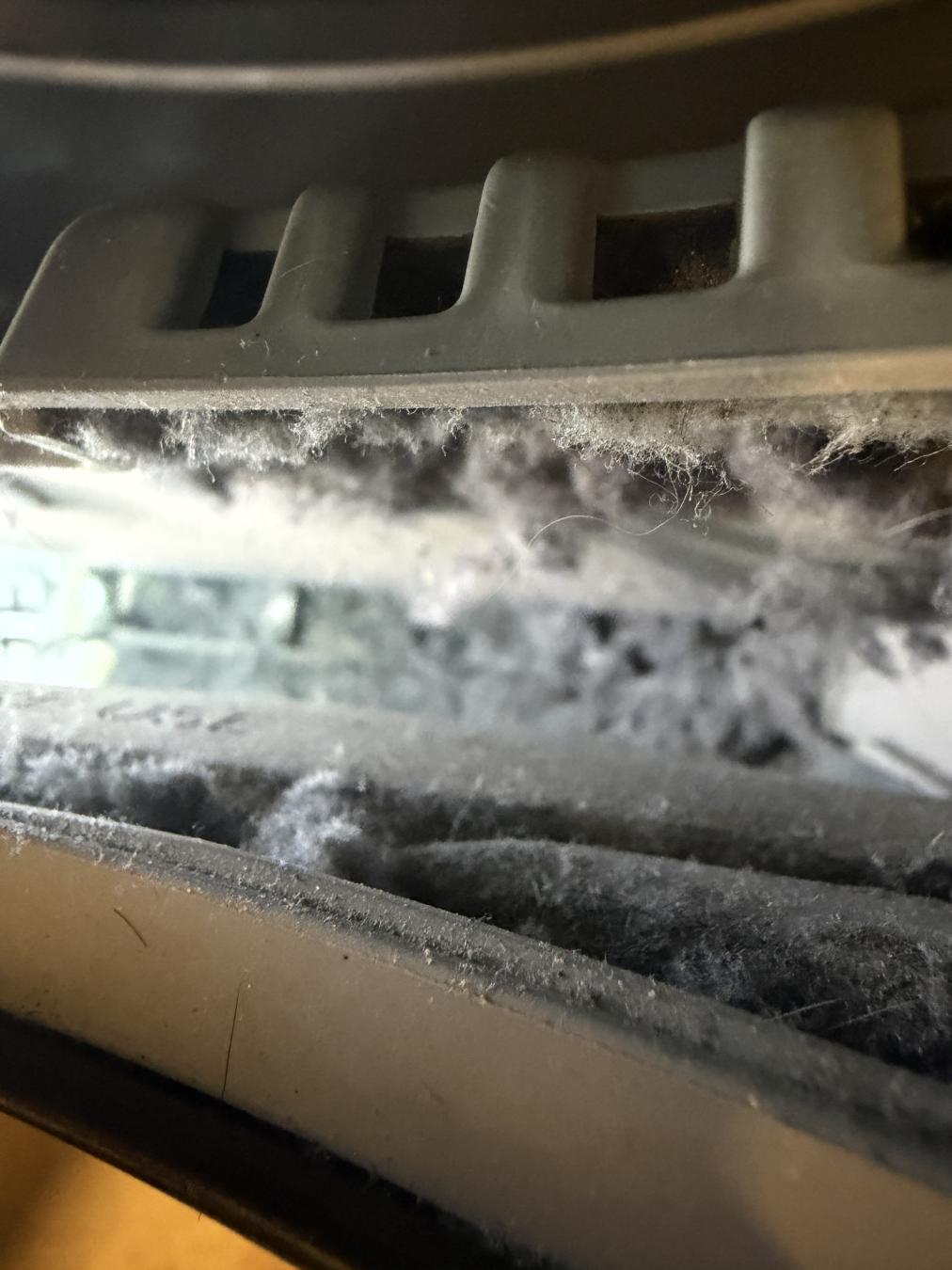



When a homeowner on Riverwood Dr in Mt. Pleasant noticed their laundry taking longer to dry, they turned to Valentine Vents for answers. The C-DET certified specialist discovered significant lint accumulation throughout the 14-foot metal rigid vent system and within the dryer cabinet itself—a troubling combination that explained the declining performance. Before cleaning, back pressure measured 0.75"WC, well above optimal levels for the two-turn vent configuration. The specialist methodically cleared the entire run, paying careful attention to the bends where lint tends to collect. A Valentine 360 Visibility camera inspection confirmed thoroughness while providing the homeowner visual documentation of the improvement. The substandard flex foil transition duct was replaced with DryerFlex, a premium semi-rigid product chosen for its superior performance and fire-retardant properties—exactly what dryer manufacturers specify in their owner's manuals. Though the roof vent remained inaccessible, careful inspection from below confirmed the backdraft damper operated properly and the termination point was free of debris. Post-cleaning back pressure dropped to 0.37"WC, restoring efficient airflow throughout the system. With proper materials now in place and the entire vent system operating as designed, this Mt. Pleasant home can enjoy faster drying times and reduced fire risk.
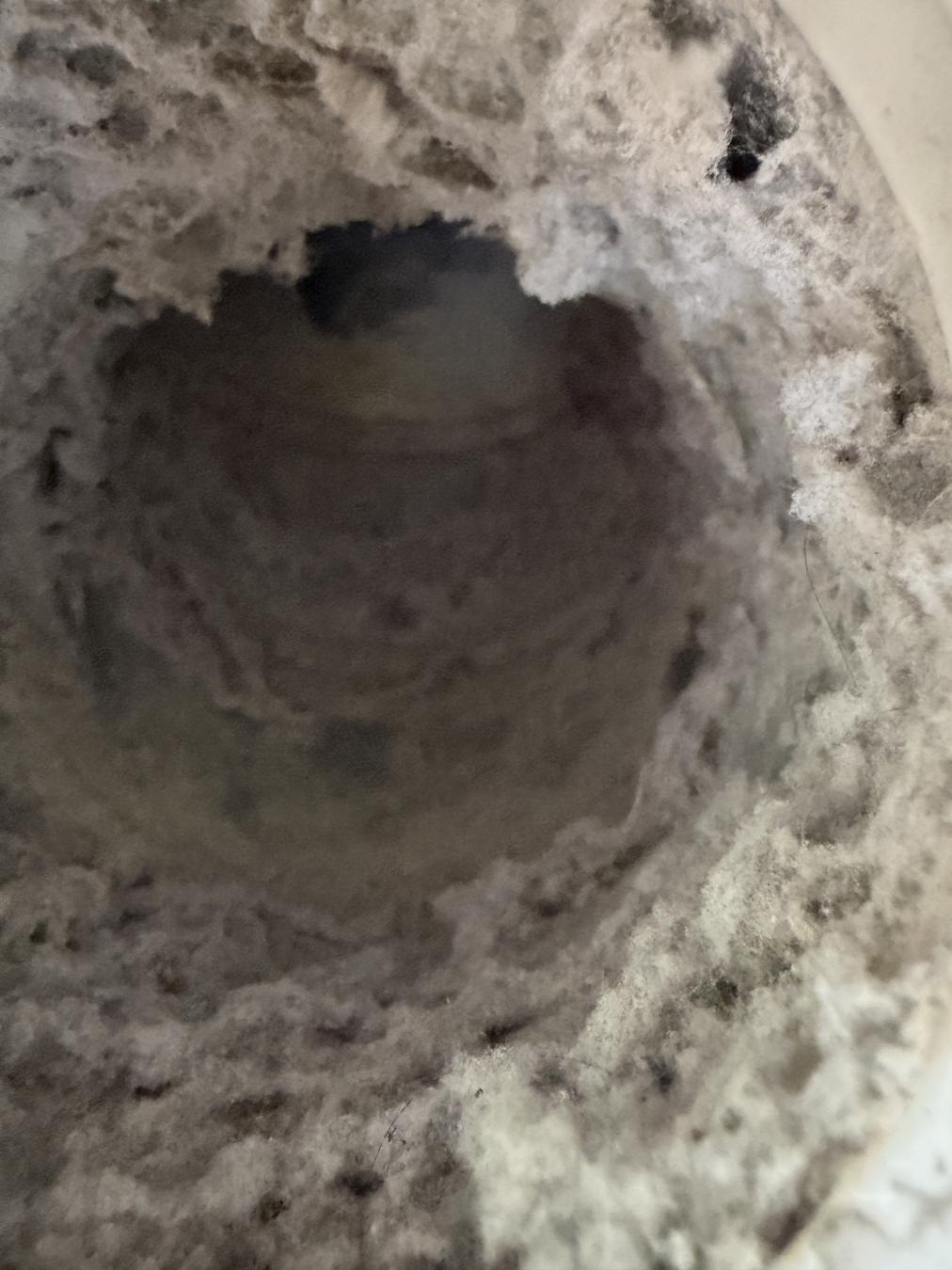
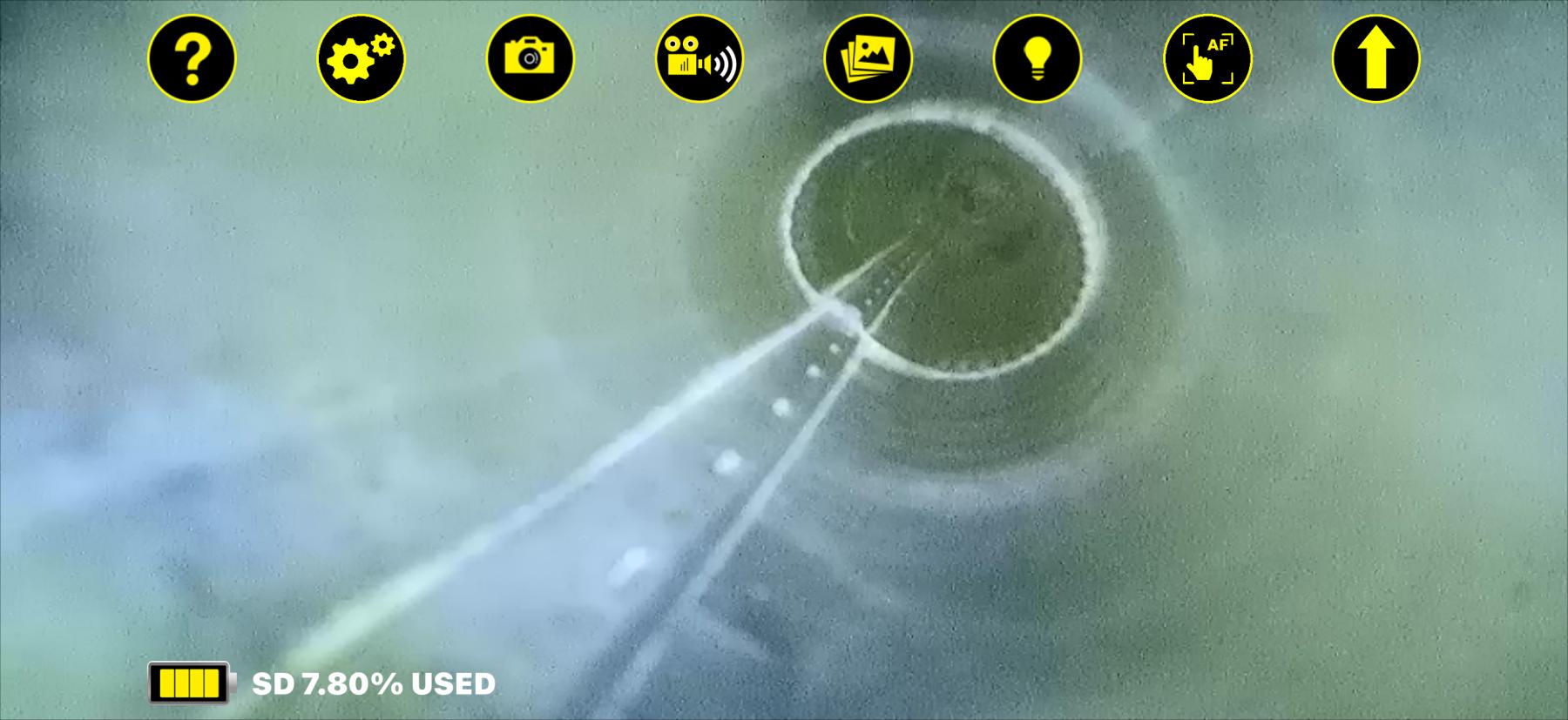
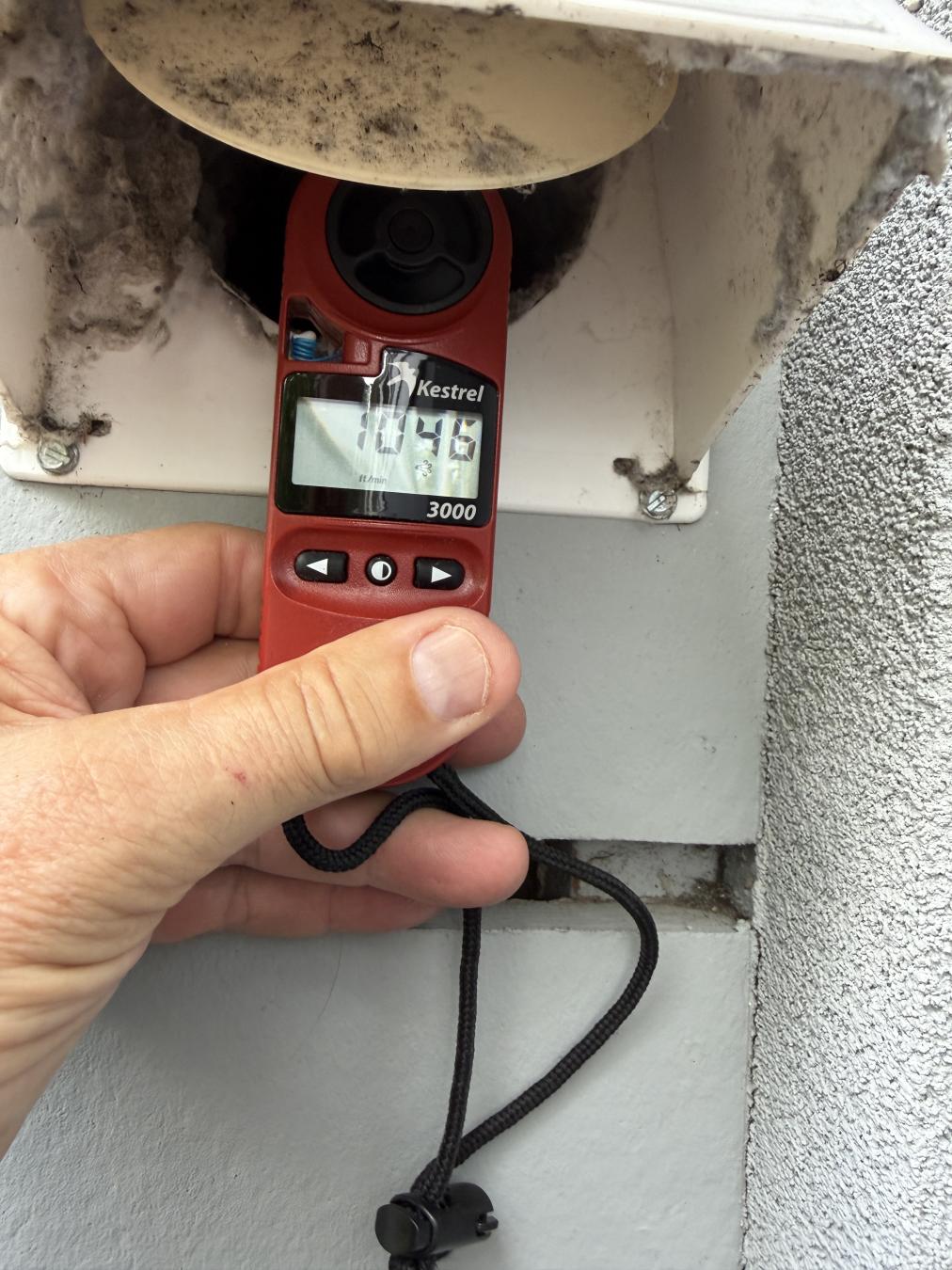
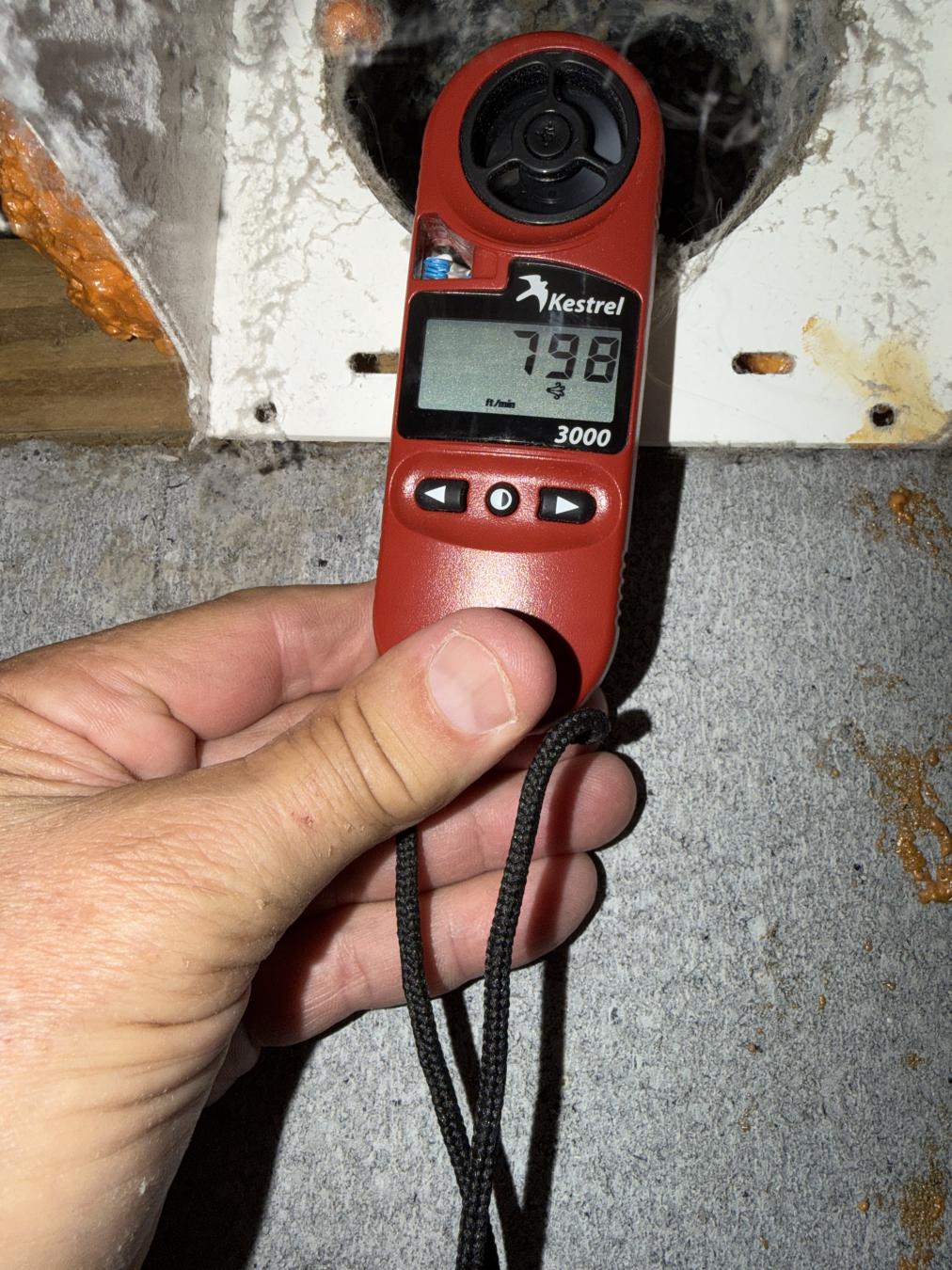
A thorough two-dryer maintenance visit on Lesesne Street in Daniel Island revealed the value of professional inspection and service. Valentine Vents addressed both the frequently used first-floor laundry room and a less-active ground-floor unit, uncovering important safety concerns along the way. The main dryer's 18-foot vent system with five-plus turns showed average lint accumulation, though the specialist noted singed lint in the cabinet—a clear indicator of excessive heat buildup. Airflow measurements told the story: what started at 1,046 FPM improved dramatically to 1,507 FPM after cleaning. The substandard flex foil transition was replaced with DryerFlex, a premium semi-rigid product chosen for its superior performance and fire-retardant properties—especially important given that dryer manufacturers specifically warn against flex foil in their owner's manuals. The Valentine 360 Visibility camera inspection proved invaluable on the second dryer, revealing a vent disconnect and flex foil routed through a wall. While the homeowners chose to consult their builder about these concerns, the C-DET certified specialist provided clear documentation of the issues. With one system fully optimized and both thoroughly assessed, this Daniel Island home is operating safer and more efficiently.
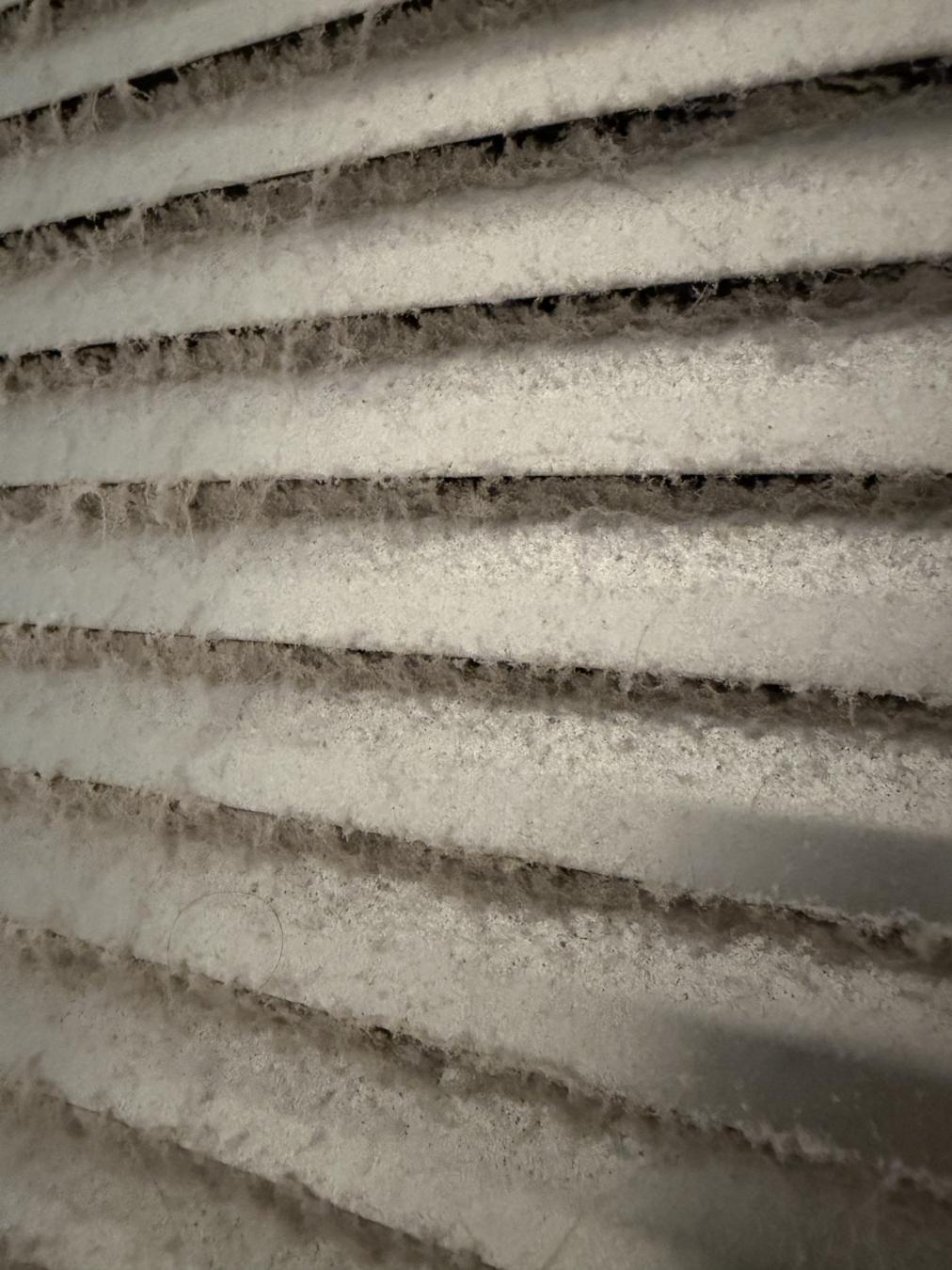
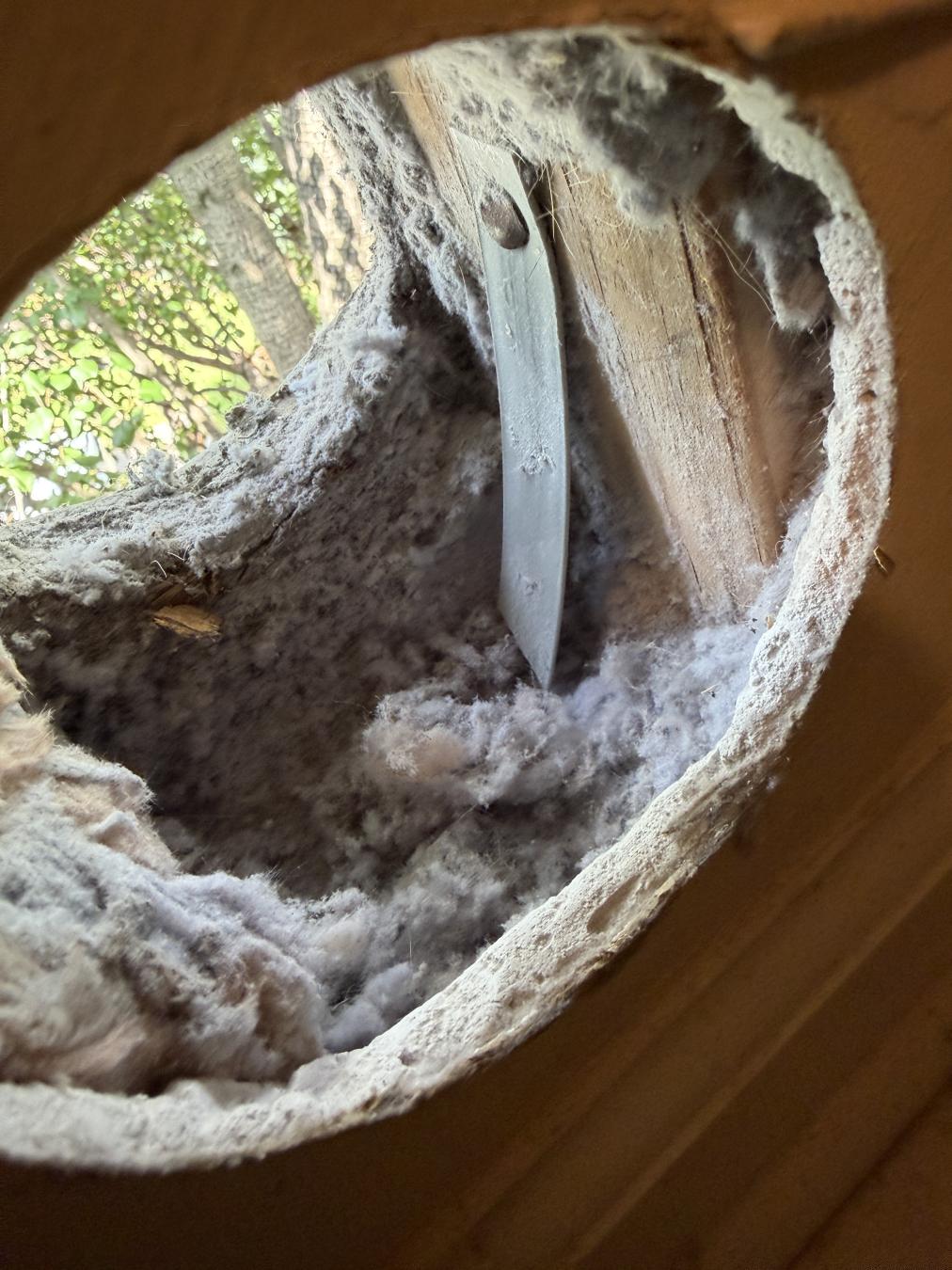
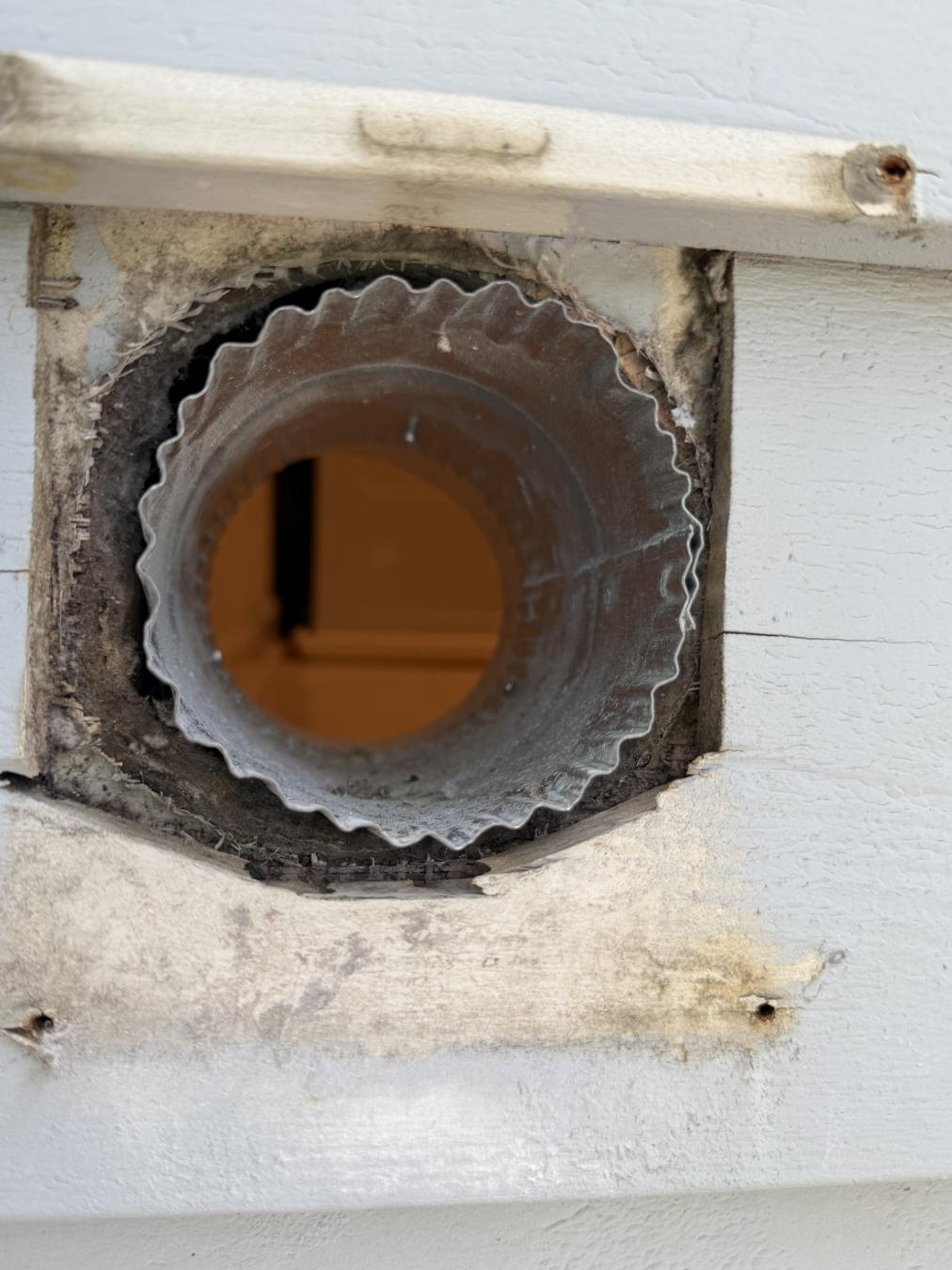
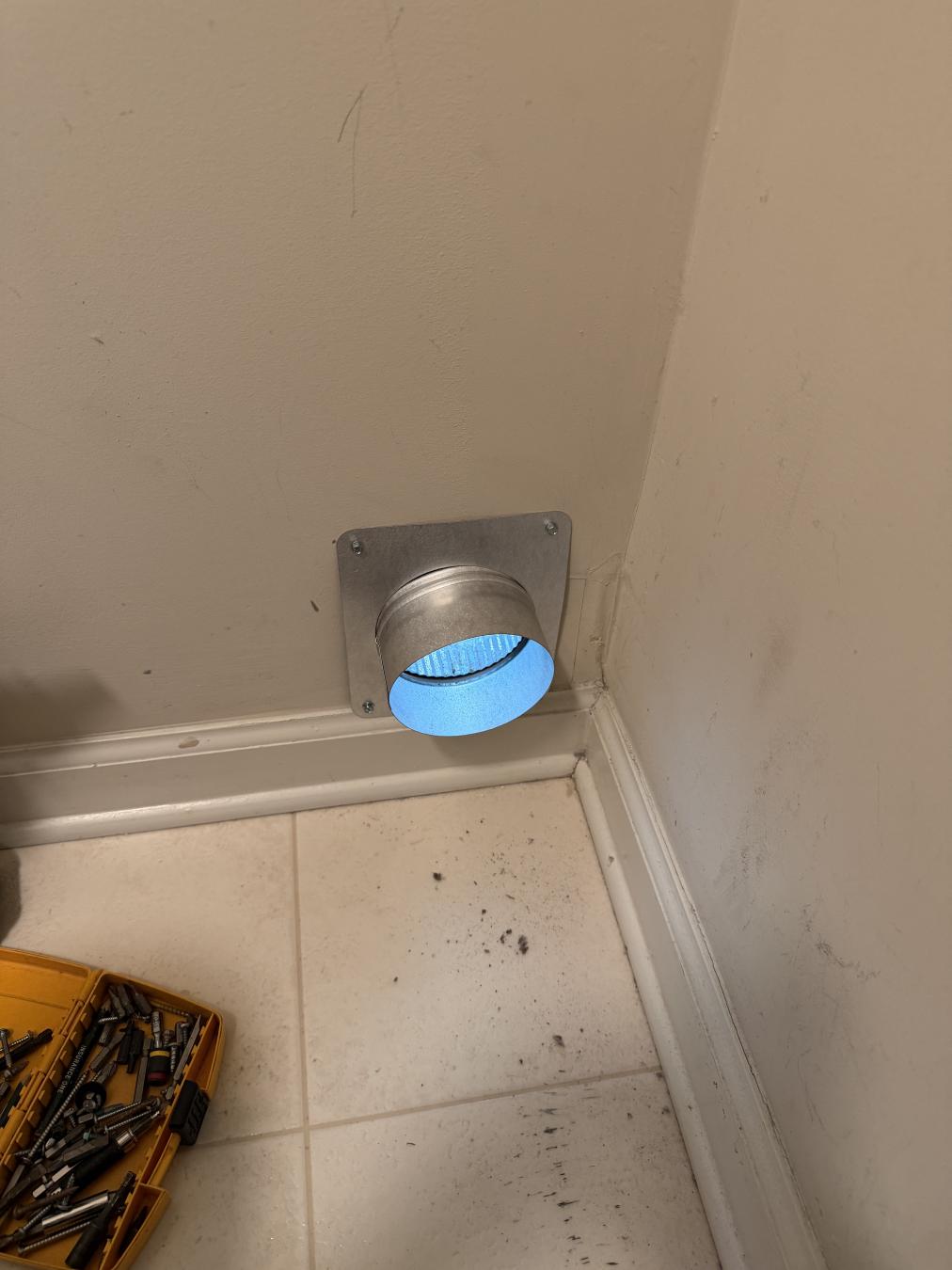
Longer drying times brought Valentine Vents to a home on Oak Point Landing in Mt. Pleasant, where a C-DET certified specialist discovered several issues compromising dryer performance. The existing vent cover lacked a proper backdraft damper, and substandard flex foil transition duct posed both an efficiency and safety concern—dryer manufacturers explicitly warn against flex foil in their owner's manuals. The specialist replaced the inadequate materials, installing premium DryerFlex transition duct chosen for its superior performance and fire-retardant properties, along with an Inovate wall vent cover for proper exterior termination. Inside the wall cavity, aluminum vent material was upgraded to durable 28-gauge hard pipe. A thorough cleaning of the system and delinting of the dryer itself were completed, with the Valentine 360 Visibility camera inspection documenting the improvements. Photos captured throughout the service show the transformation from compromised to optimized. Airflow readings confirmed the impact: measurements jumped from 1,661 FPM to 1,968 FPM after the work was completed. The homeowners can now enjoy faster drying cycles, lower energy costs, and the peace of mind that comes with a properly maintained and code-compliant dryer vent system.
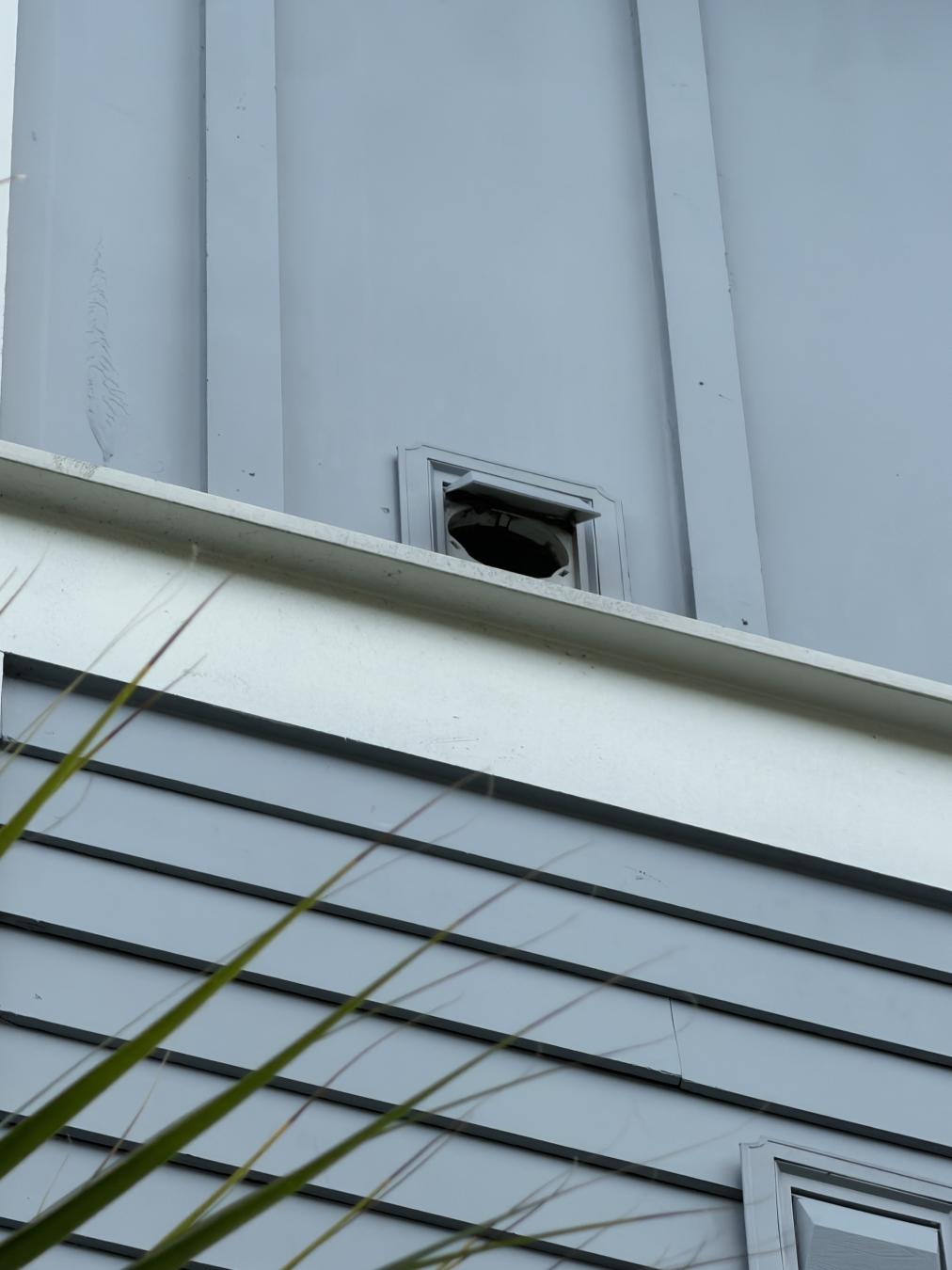
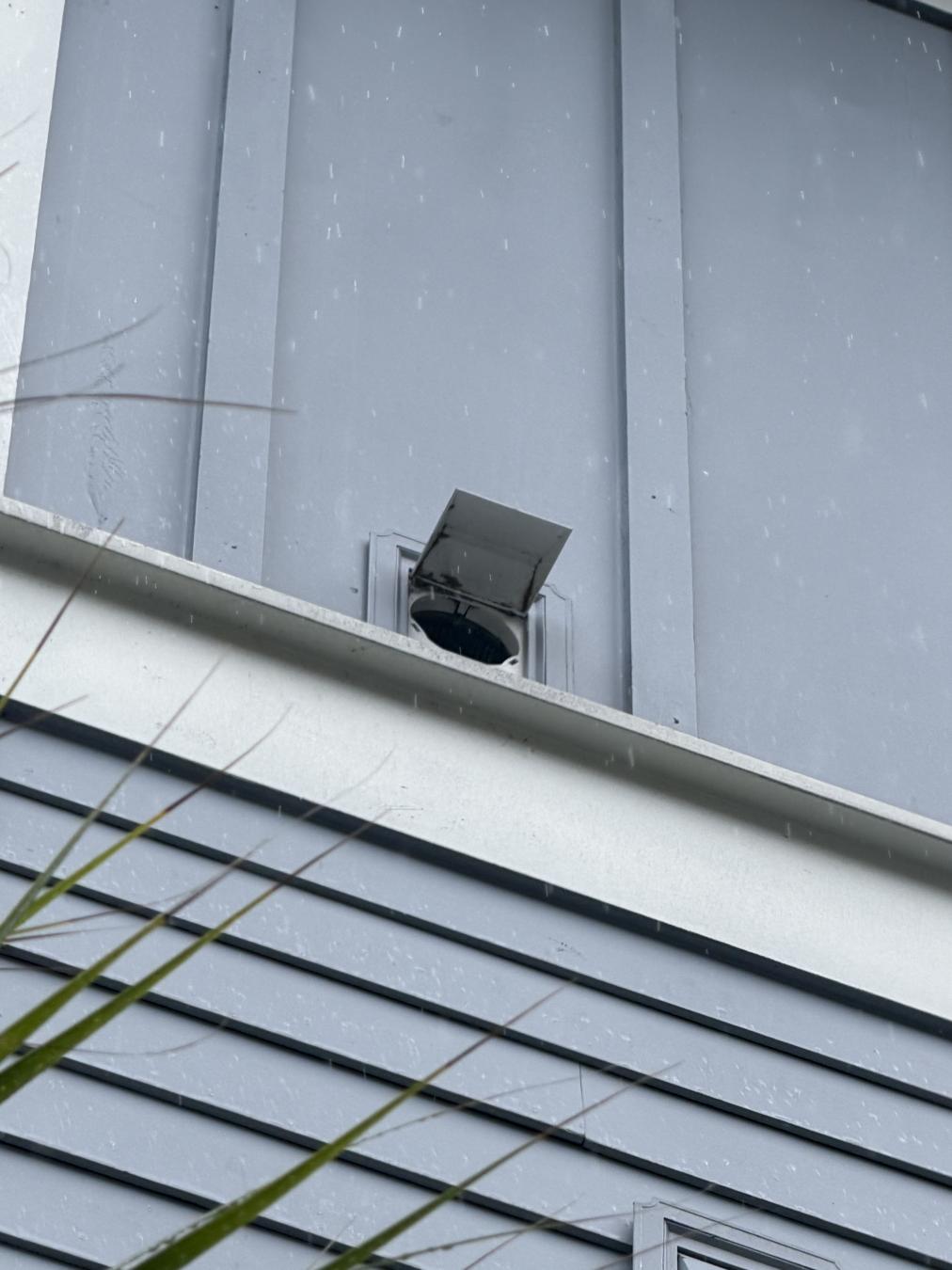
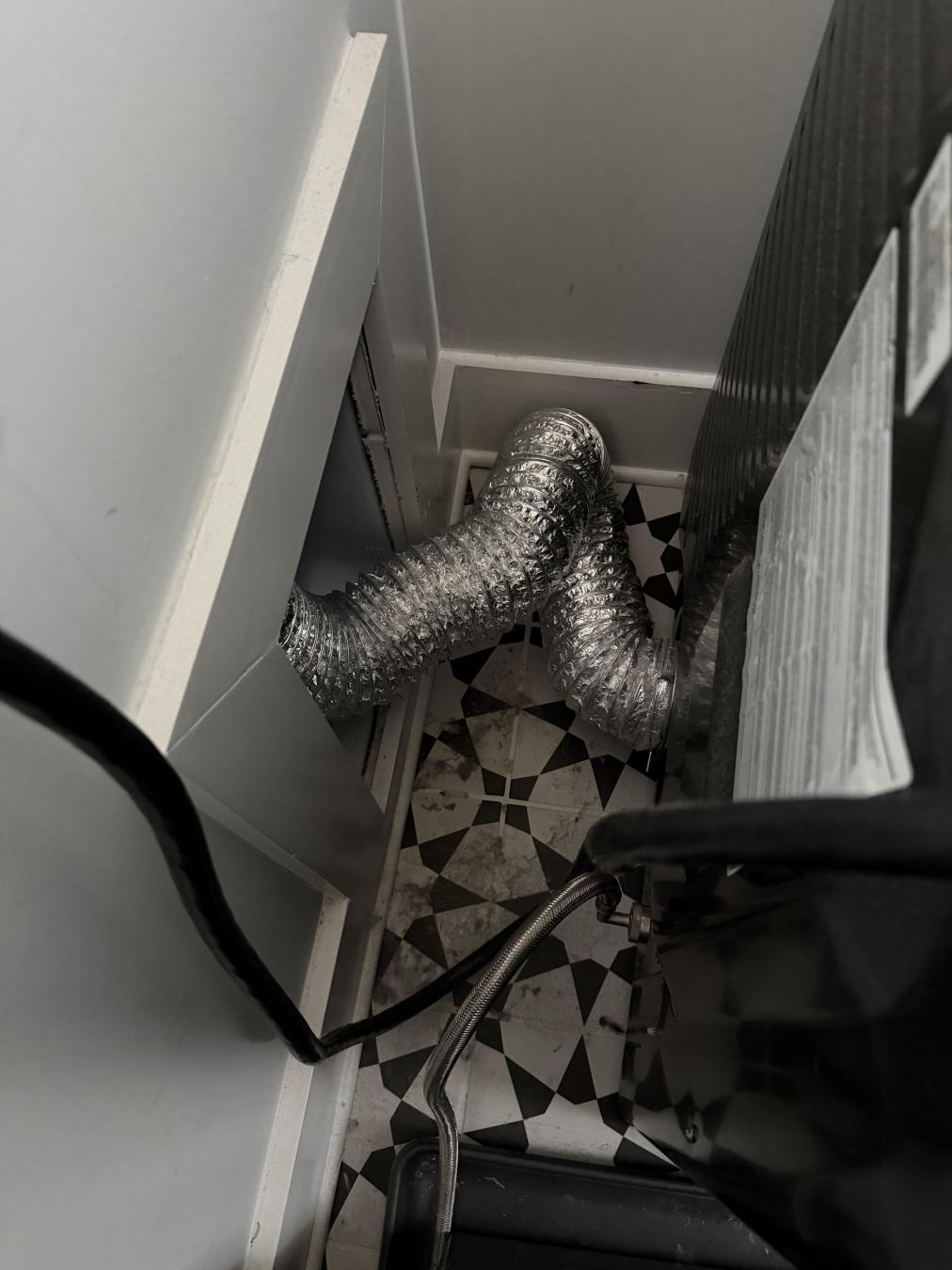
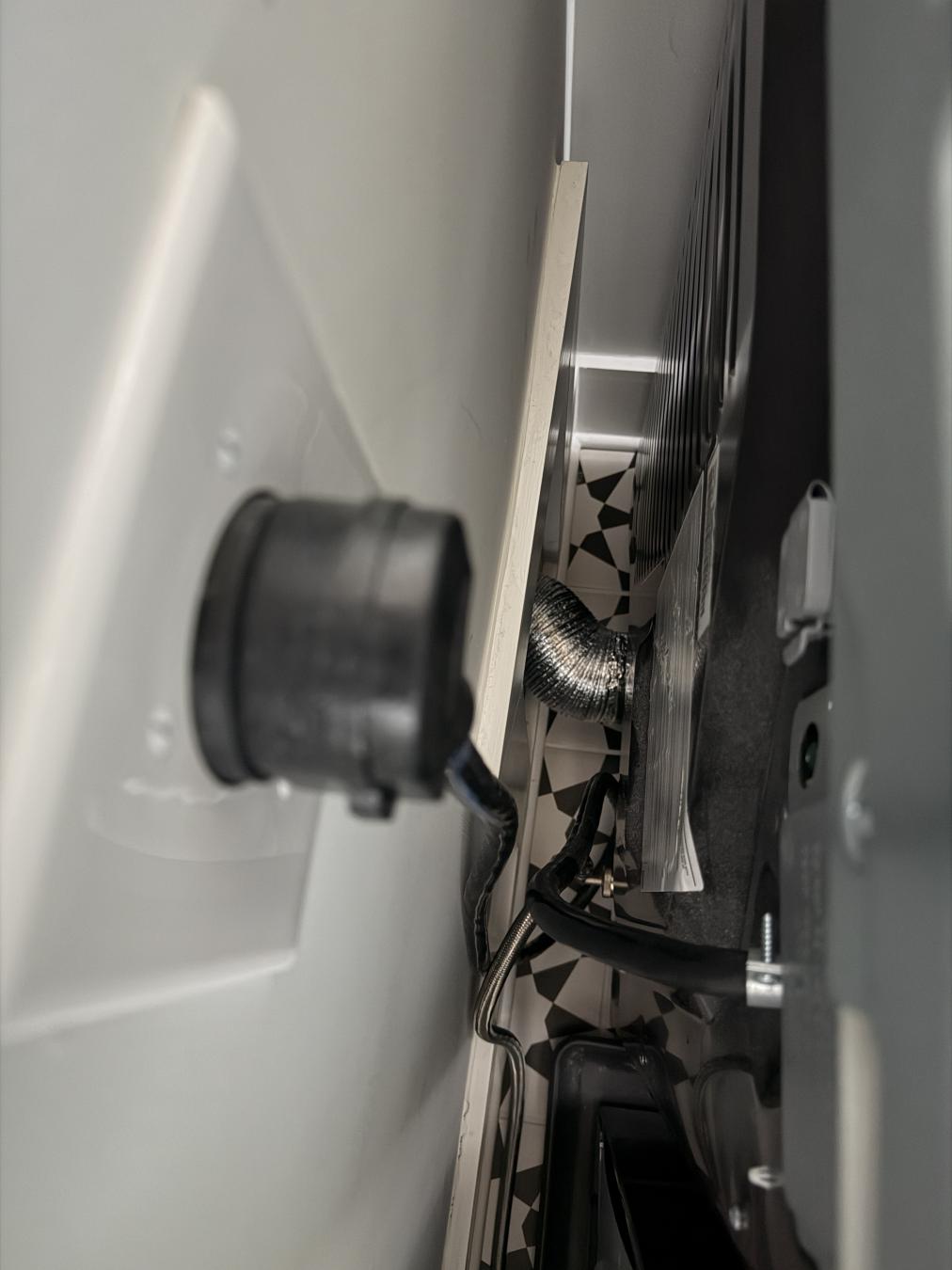
Hidden hazards don't always announce themselves with warning signs, and this Mt. Pleasant home on Welcome Dr proved that point perfectly. While the vent system itself measured just two feet with minimal lint accumulation, the real culprit was lurking behind the dryer: eight feet of kinked flex foil transition duct severely restricting airflow. Valentine Vents dispatched their C-DET certified specialist to investigate, and what appeared to be a routine maintenance call quickly revealed a serious performance issue. The flex foil—a substandard material explicitly discouraged by dryer manufacturers in their owner's manuals—was replaced with DryerFlex, a premium semi-rigid product valued for its superior airflow and fire-retardant properties. The specialist also delinted the dryer cabinet and conducted a thorough Valentine 360 Visibility camera inspection, documenting the complete air path from start to finish. Photos captured throughout the service tell the story of a seemingly minor issue with major implications. With proper materials now in place and unobstructed airflow restored, this home's dryer can finally operate at peak efficiency without the hidden fire risk that comes from restricted ventilation.
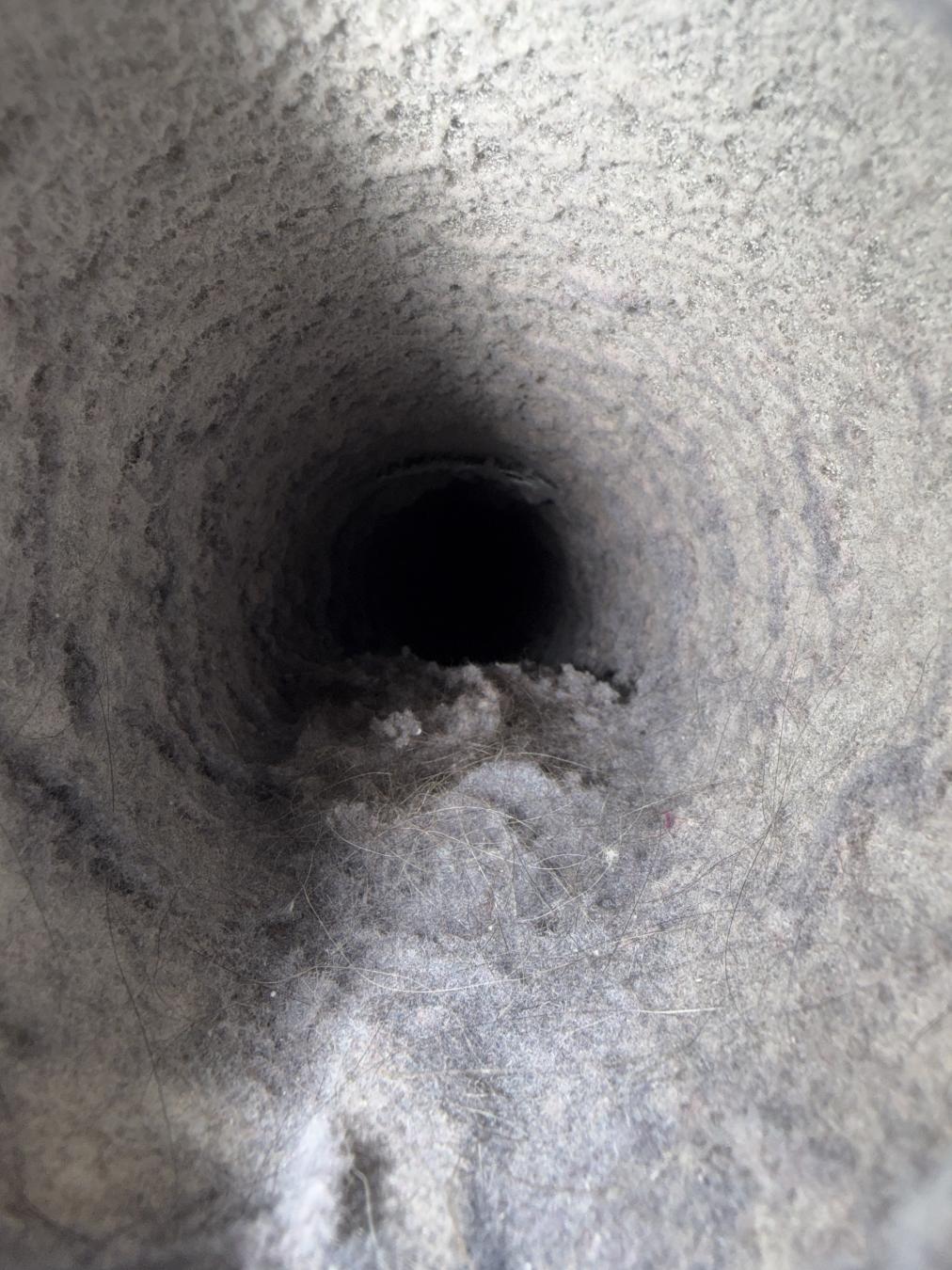

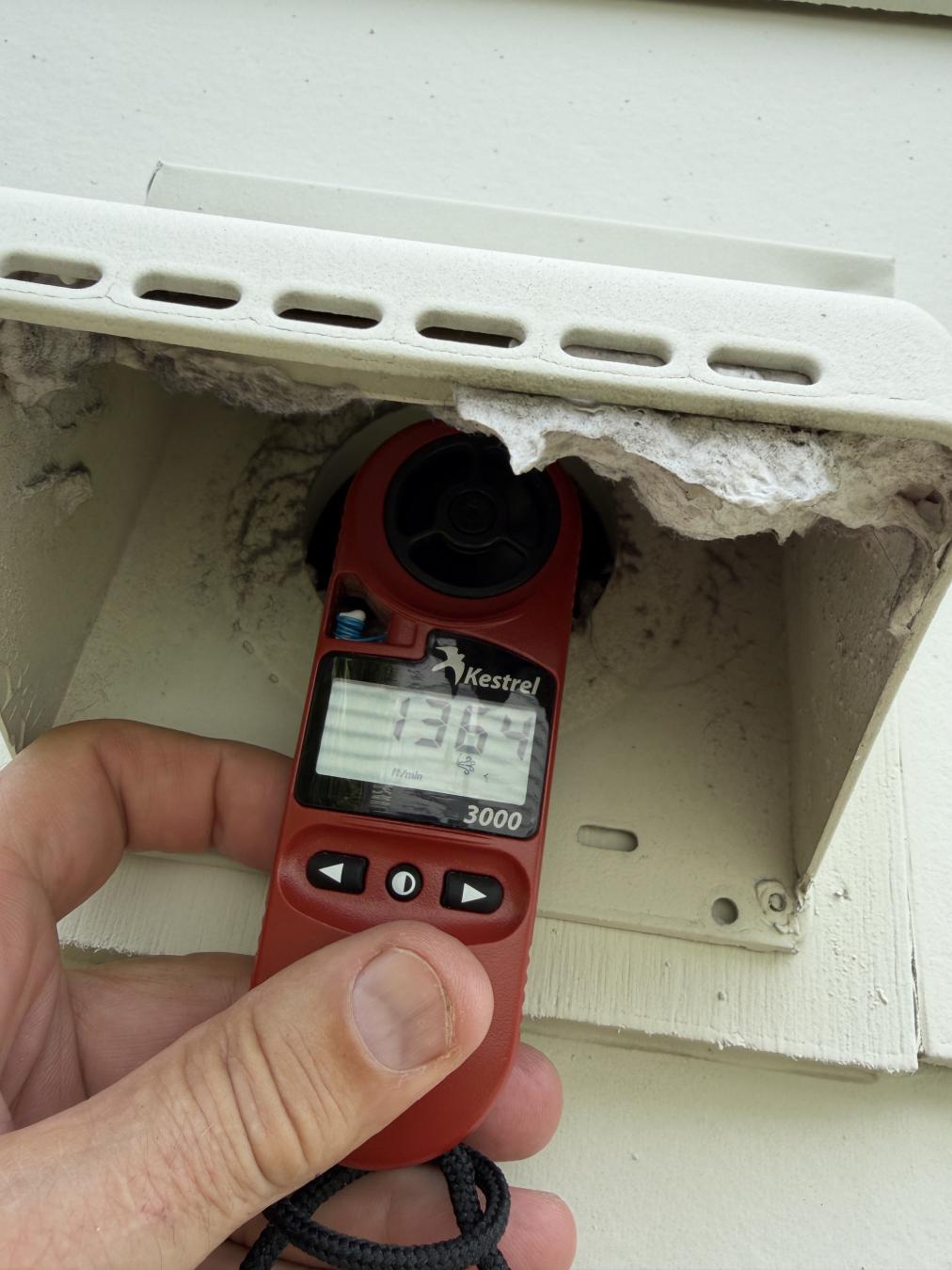
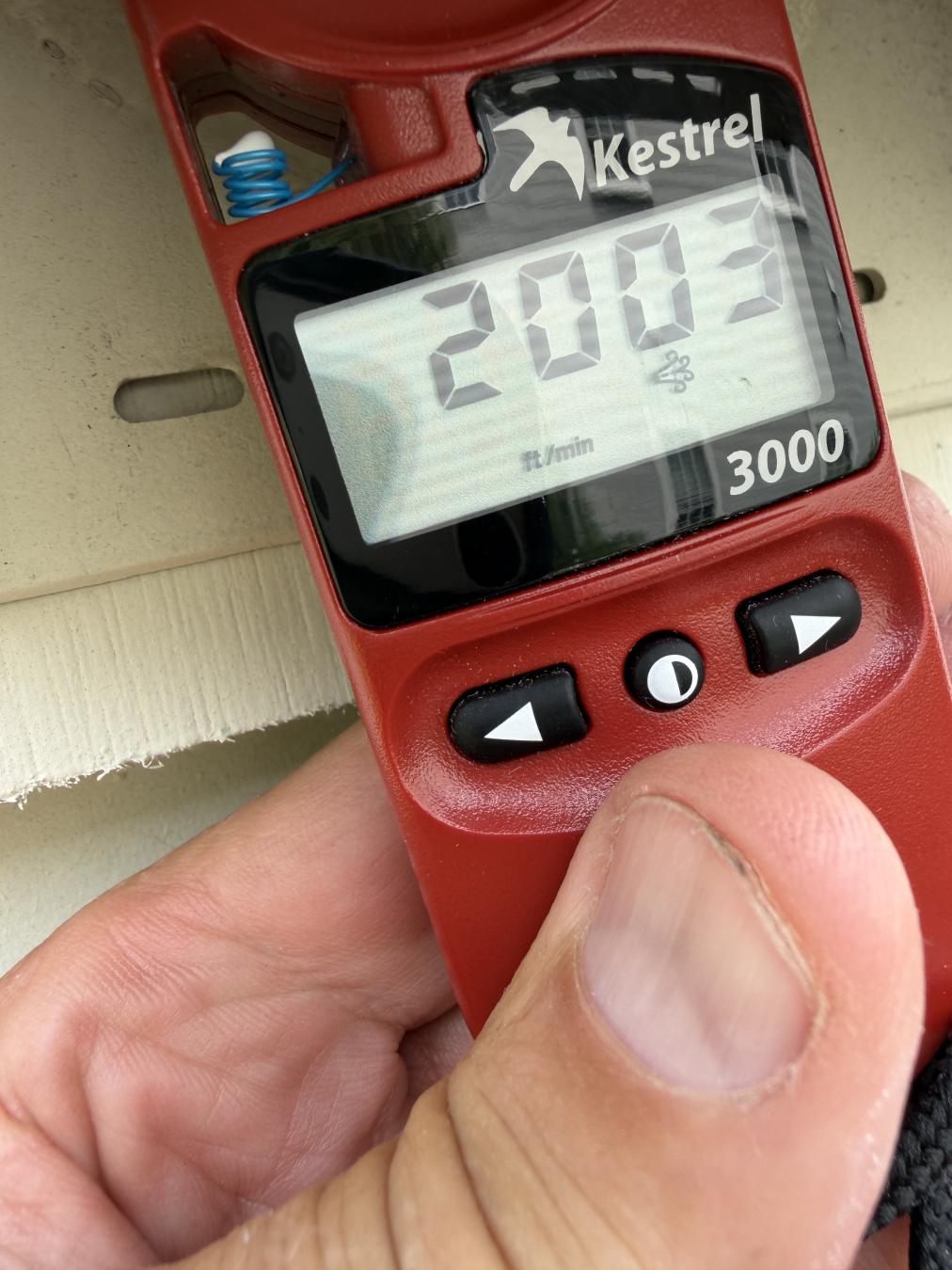
When homeowners on Island Park Dr in Daniel Island reached out for dryer vent maintenance, the Valentine Vents team arrived to find an 18-foot metal rigid vent system with two turns that was long overdue for attention. The initial airflow reading of 1,364 FPM signaled room for improvement, and a thorough cleaning was in order. The C-DET certified specialist methodically worked through the system, removing average lint accumulation from both the vent line and dryer cabinet. To provide complete transparency, a Valentine 360 Visibility camera inspection was performed, allowing the homeowner to see firsthand the condition of their ductwork. Photos captured throughout the service documented the transformation. The results spoke for themselves—airflow jumped to an impressive 2,003 FPM, a significant improvement that translates directly to faster drying times and reduced energy consumption. With the dryer cabinet also delinted as part of the comprehensive service, this Daniel Island home now operates at peak performance. Valentine Vents left another satisfied customer with the peace of mind that comes from knowing their dryer system is running safely and efficiently.
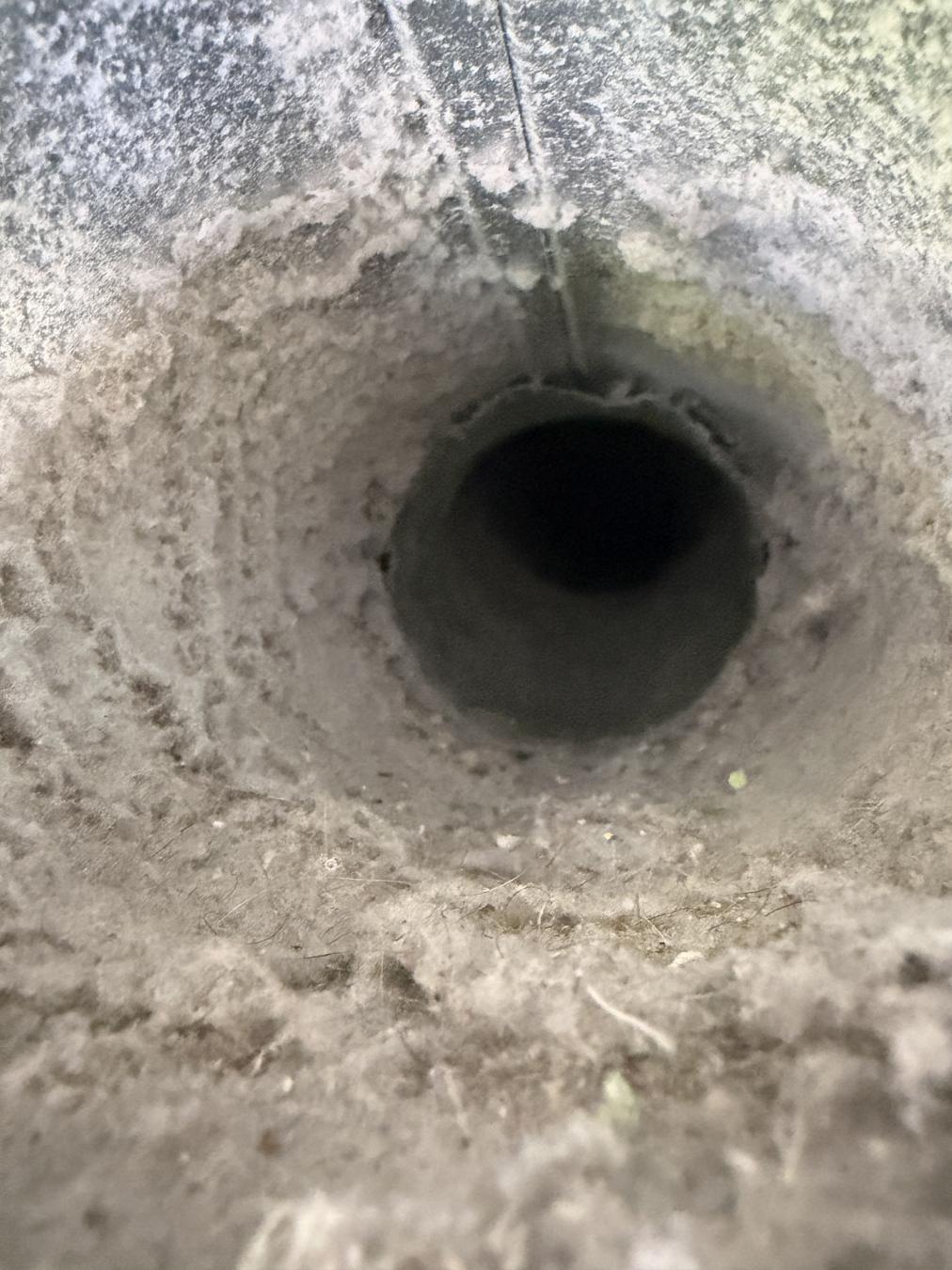
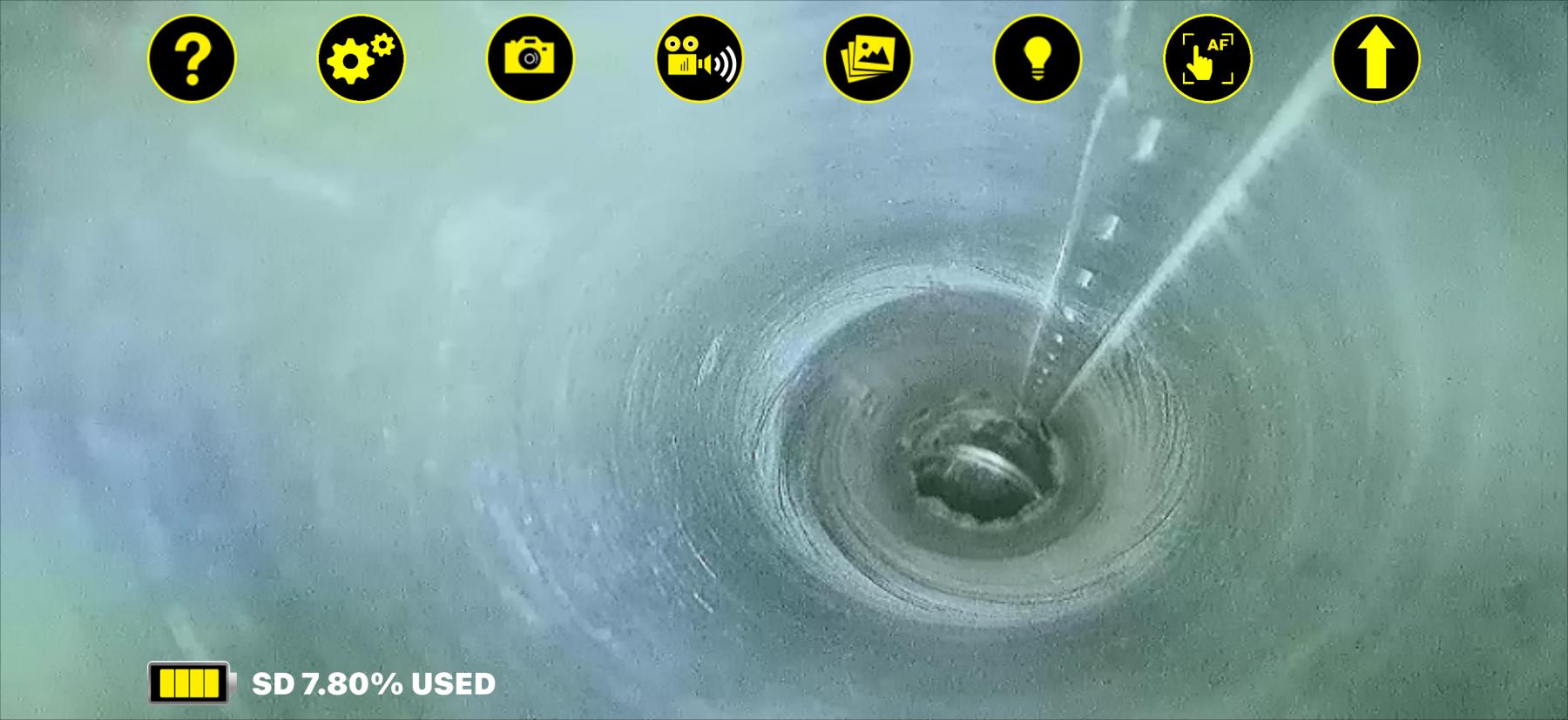
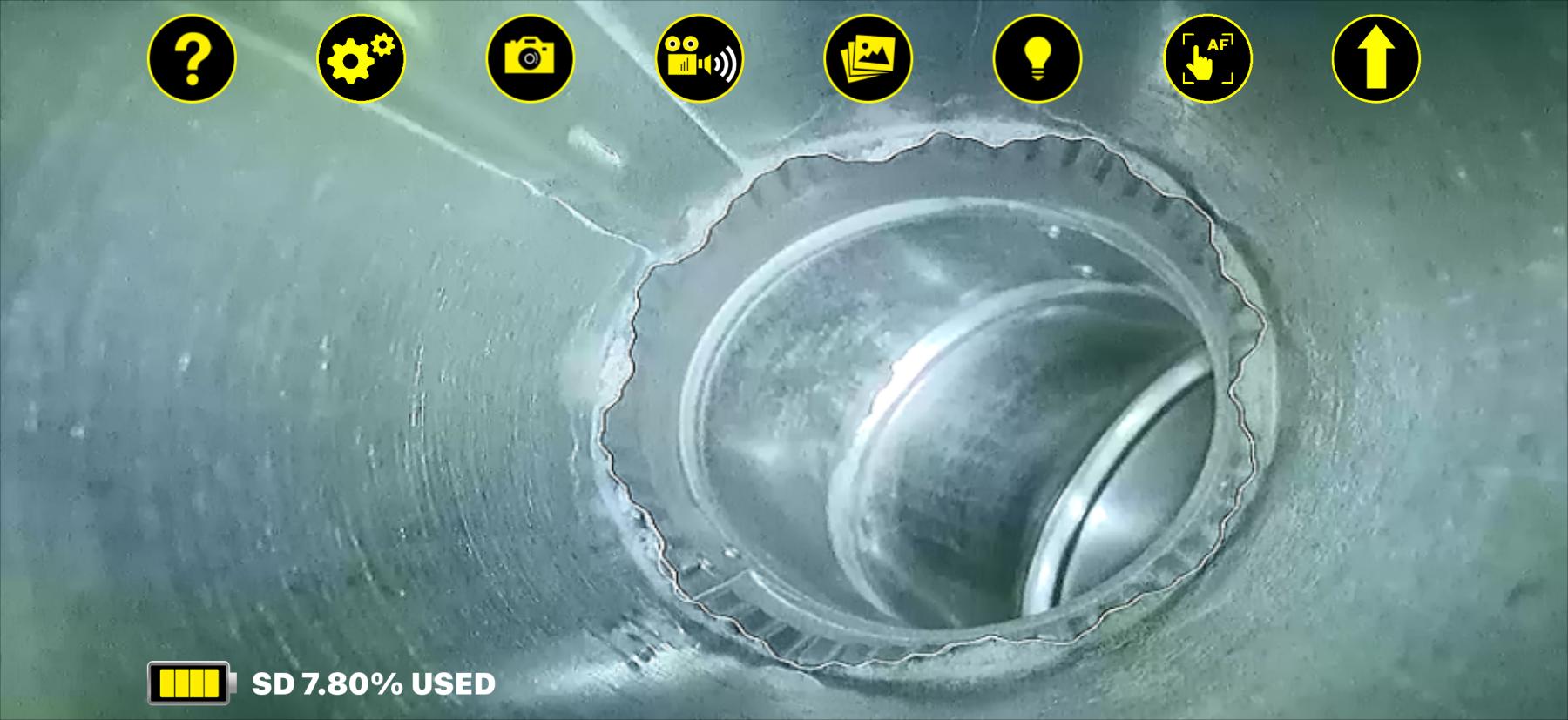
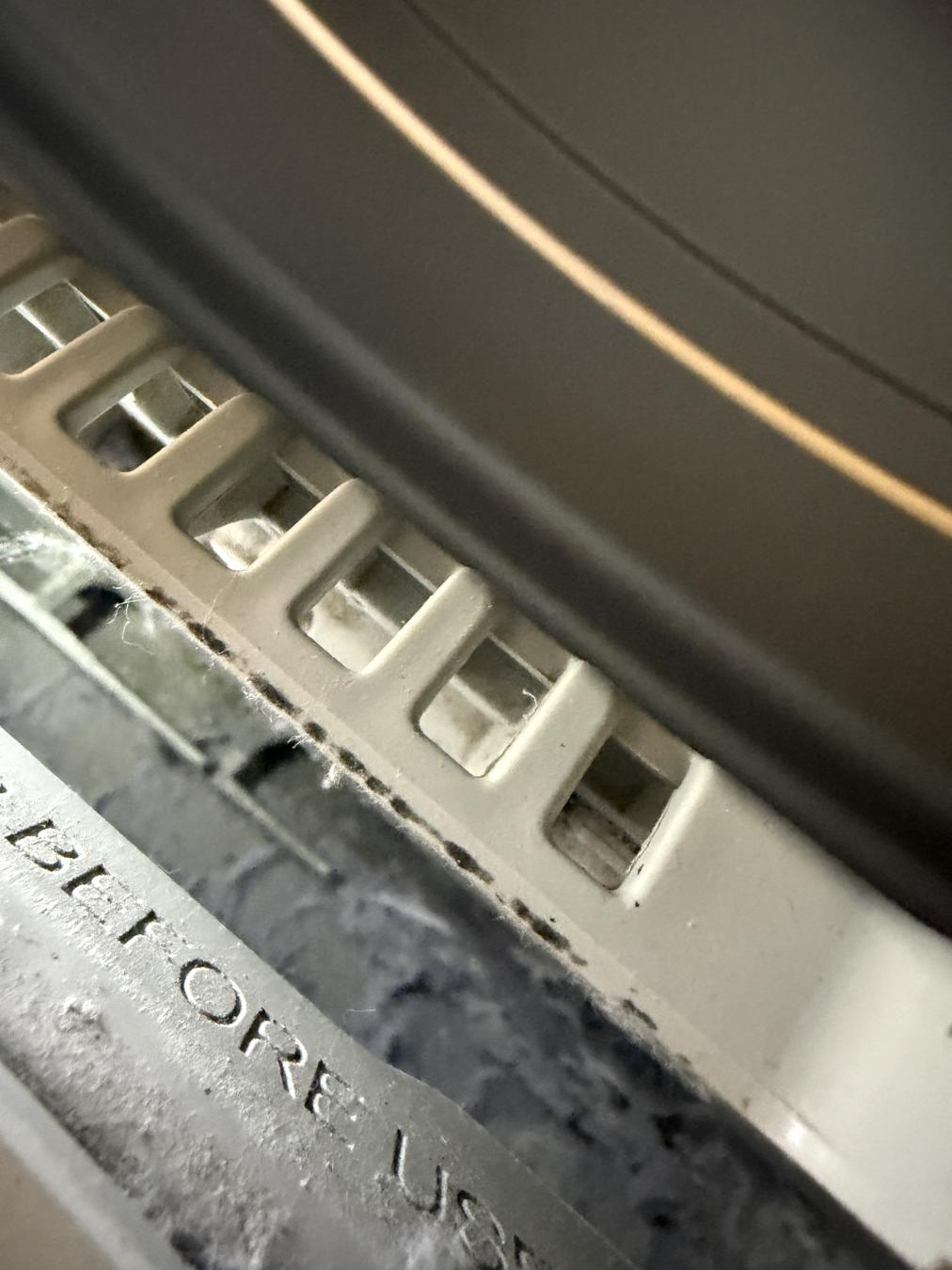
When a persistent D80 error code appeared on a dryer at this Des Arc Road home in Johns Island, the root cause wasn't excessive lint accumulation—it was a kinked flex foil transition duct choking off airflow. The Valentine Vents specialist recognized immediately that this substandard material, which dryer manufacturers explicitly warn against in their owner's manuals, needed to go. The transition was replaced with DryerFlex, a premium semi-rigid product chosen for its superior performance and fire-retardant properties. Working through twenty-four feet of metal rigid vent with two turns, the C-DET certified specialist performed a complete system cleaning and used the Valentine 360 Visibility camera inspection to document conditions throughout. Airflow measurements told the story clearly: what began at 903 FPM jumped to an impressive 1,346 FPM after service—a forty-nine percent improvement. The specialist also delinted the dryer interior to ensure optimal performance from drum to exterior wall vent cover. With proper materials now in place and airflow fully restored, this Johns Island family can run laundry cycles with confidence, knowing their system meets manufacturer standards and operates safely.
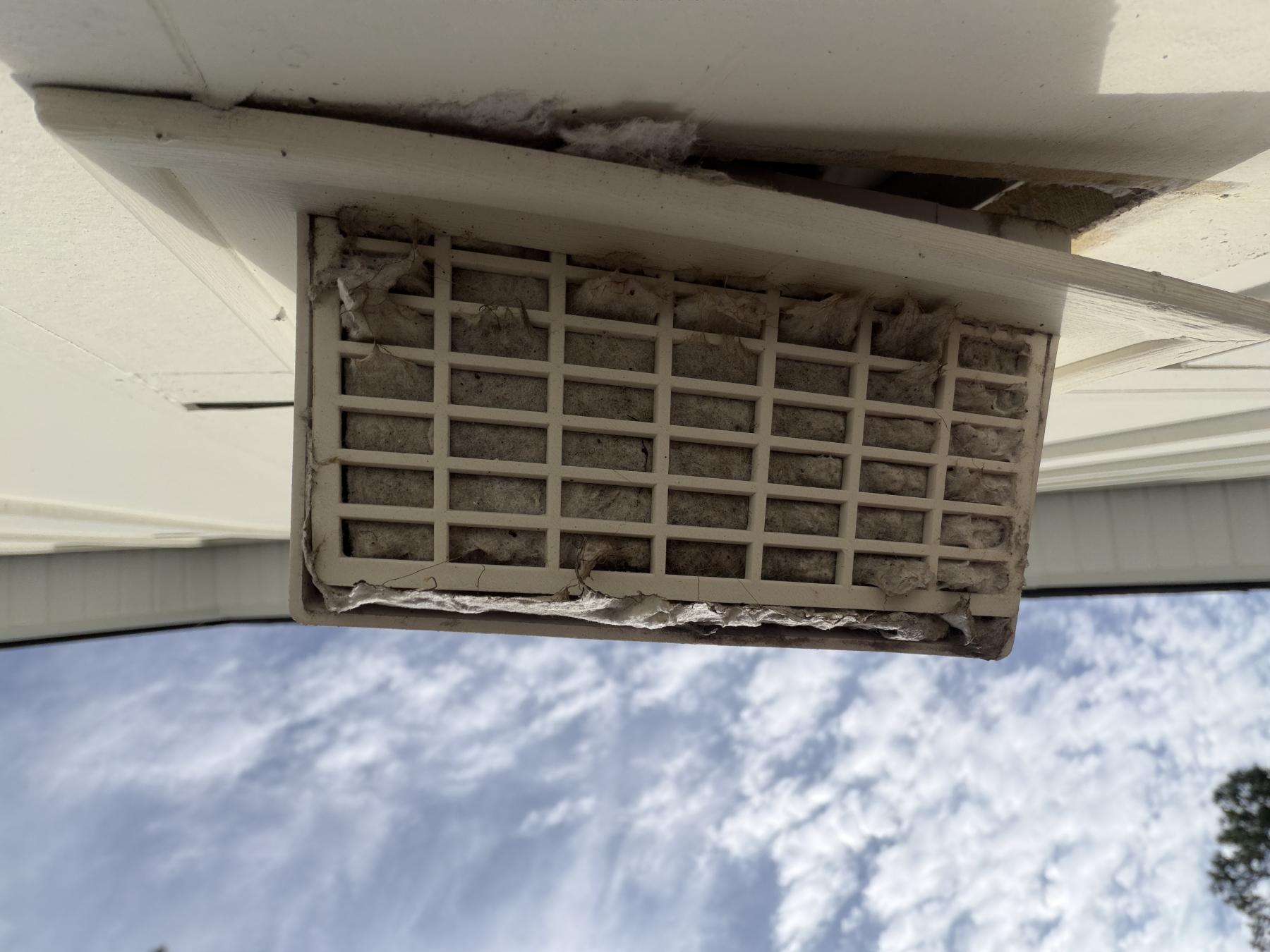
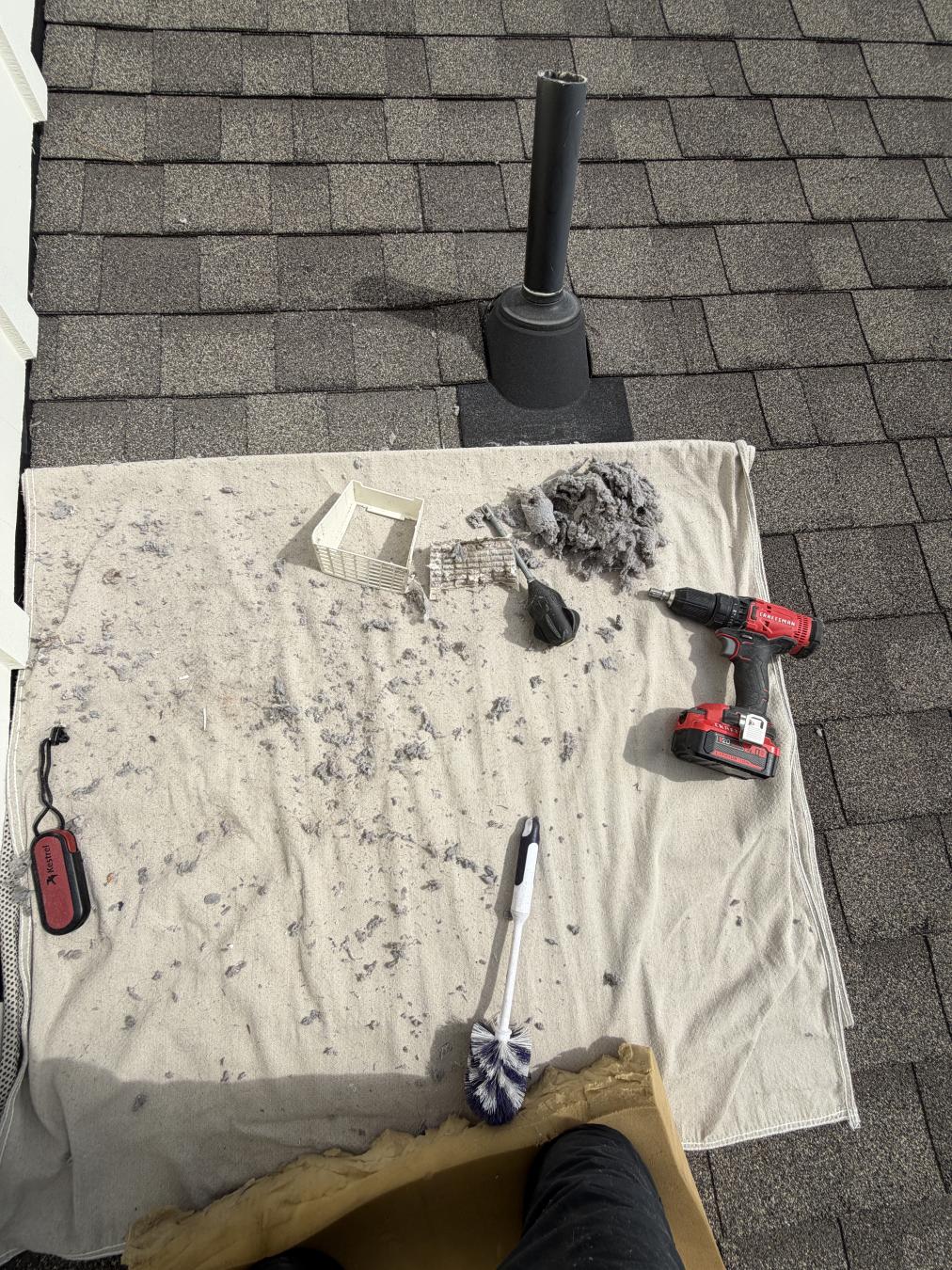

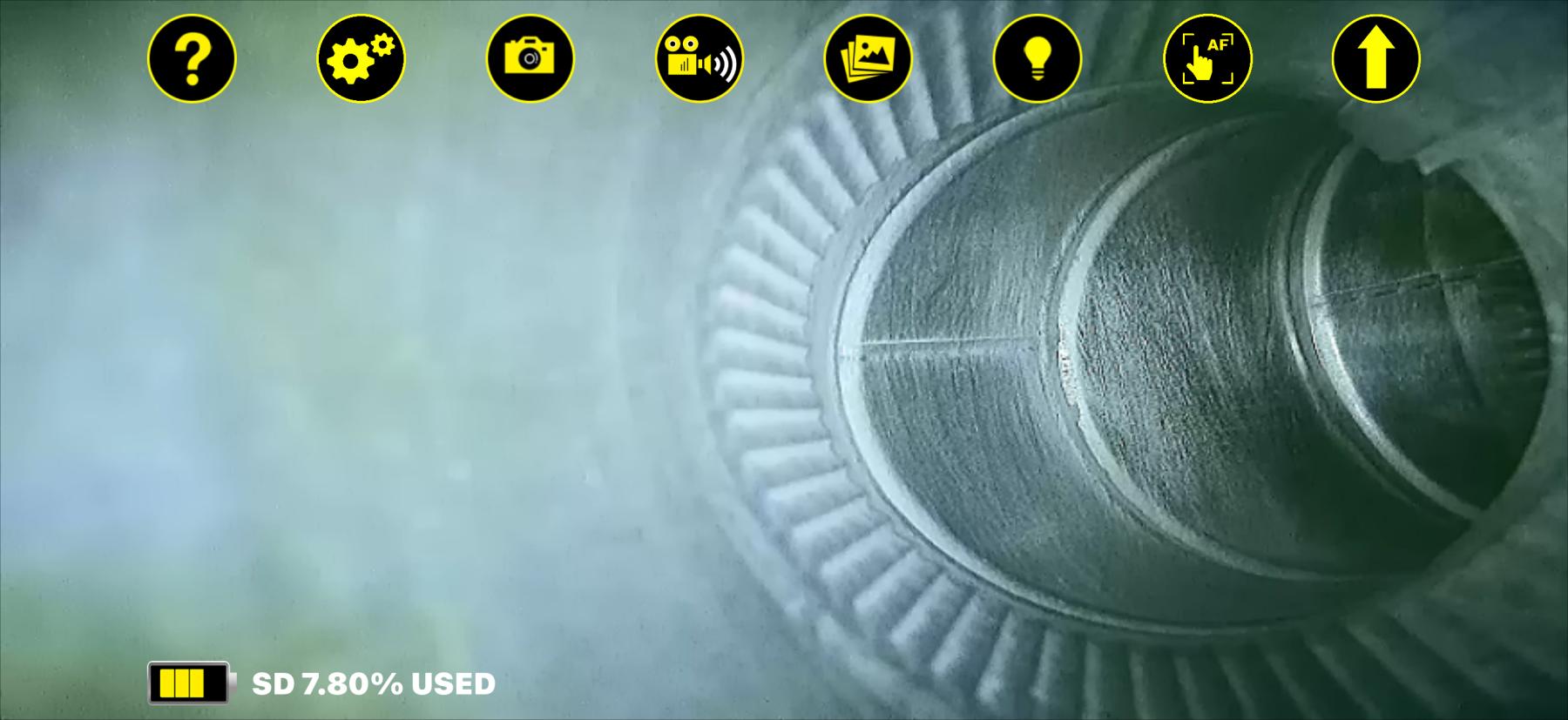
When a dryer displays an error code and refuses to run, the culprit is often lurking where homeowners least expect it. At this Matisse Street home in Charleston, the problem wasn't the machine itself—it was a completely blocked vent cover whose grill had become so packed with lint that airflow had dropped to zero. Valentine Vents dispatched a C-DET certified specialist to investigate, and what the initial inspection revealed was a ventilation system in crisis. The 21-foot metal rigid vent with three turns had potential, but years of neglect had rendered it useless. Beyond the clogged exterior grill, the specialist also discovered substandard flex foil transition ducting—a material dryer manufacturers explicitly warn against in their owner's manuals. After removing the restrictive grill and thoroughly cleaning the entire system, the specialist replaced the old transition with DryerFlex, a premium semi-rigid product chosen for its superior performance and fire-retardant properties. A Valentine 360 Visibility camera inspection confirmed the vent was clear from dryer to exterior. The transformation was dramatic: airflow surged from nothing to a robust 1,346 FPM. Photos captured throughout the service document the complete restoration, giving this Charleston family both a functioning dryer and genuine peace of mind.


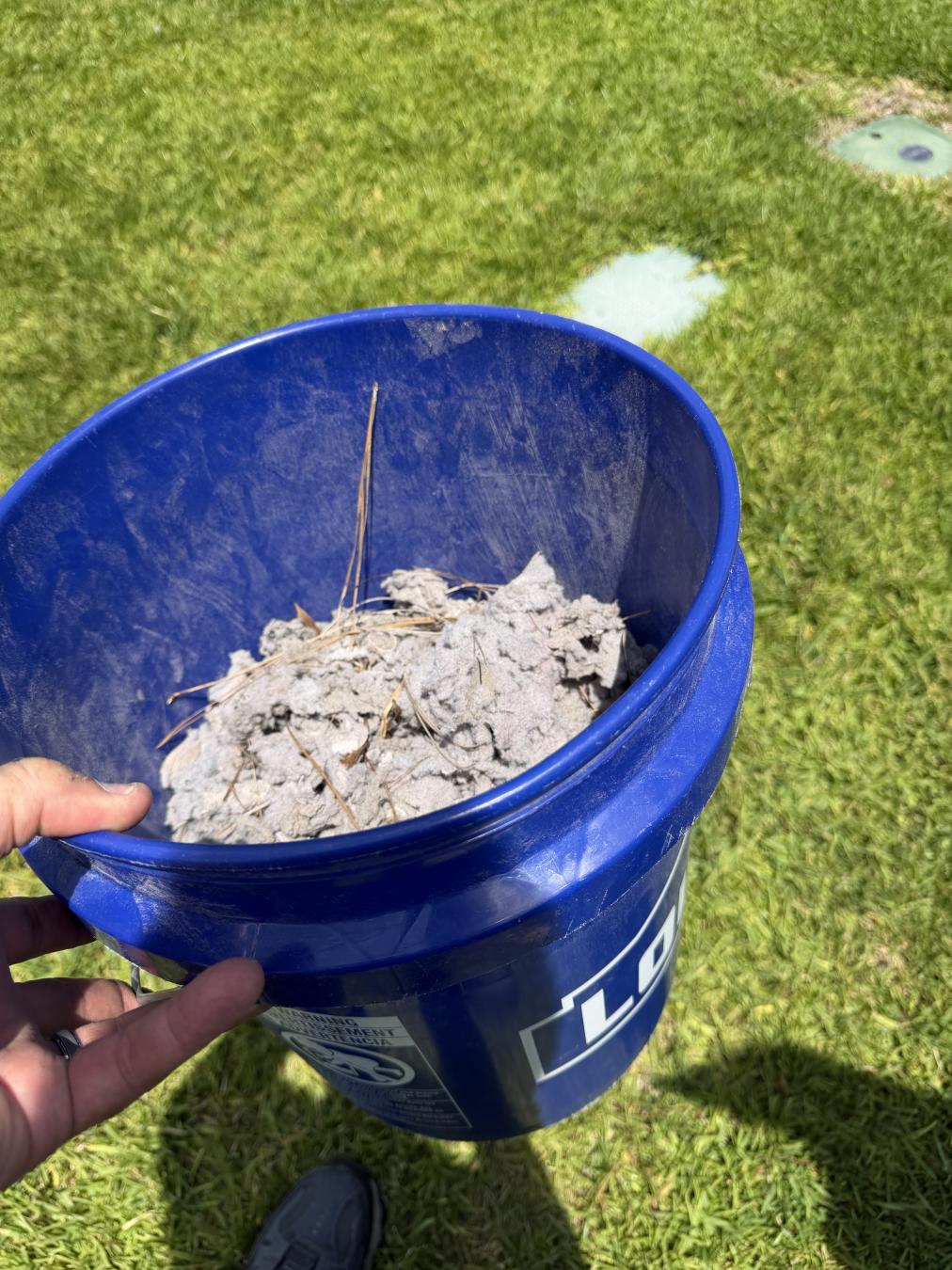
An unusual service call brought Valentine Vents to a home on Revolution Drive in Mt. Pleasant, where the homeowner was dealing with an unexpected problem: water forming inside the dryer. The C-DET certified specialist arrived to investigate what was causing moisture to accumulate in the drum—a concerning issue that pointed to restricted airflow and potential condensation problems. The 27-foot metal rigid vent system with three turns had accumulated substantial lint buildup, and initial airflow readings confirmed the severity at just 345 FPM. During the inspection, the specialist discovered substandard flex foil on the transition duct and replaced it with DryerFlex, a premium semi-rigid product chosen for its superior performance and fire-retardant properties. Dryer manufacturers specifically warn against flex foil in their owner's manuals, making this replacement essential. A thorough cleaning removed the heavy lint accumulation, and the Valentine 360 Visibility camera inspection documented the restored system. Post-service airflow measured an impressive 1,057 FPM—more than triple the initial reading. While a damaged vent cover hinge was noted for future monitoring, it remained functional. Photos captured throughout the process showed the dramatic improvement, giving the homeowner confidence that proper ventilation had been restored and safety enhanced.
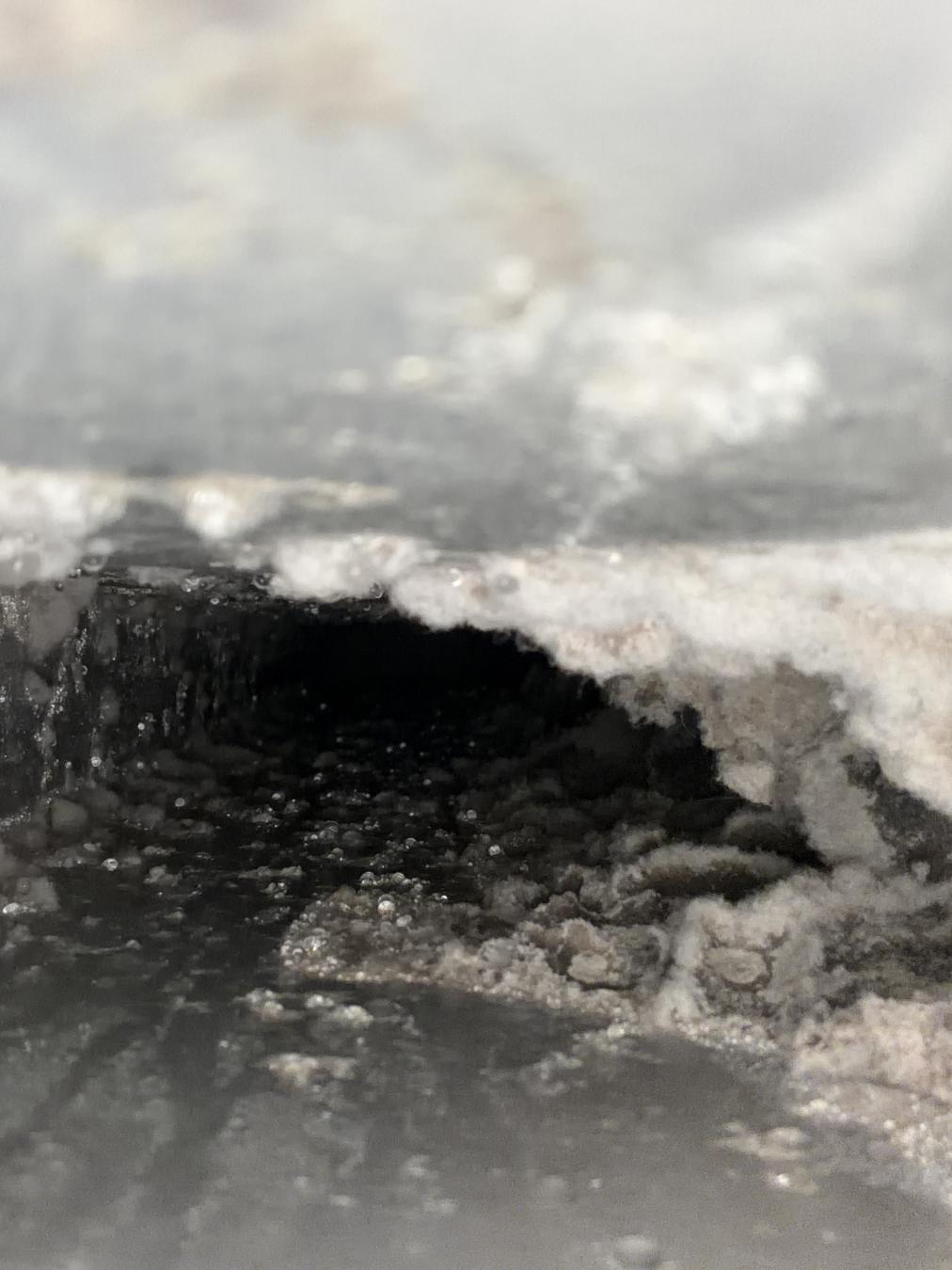

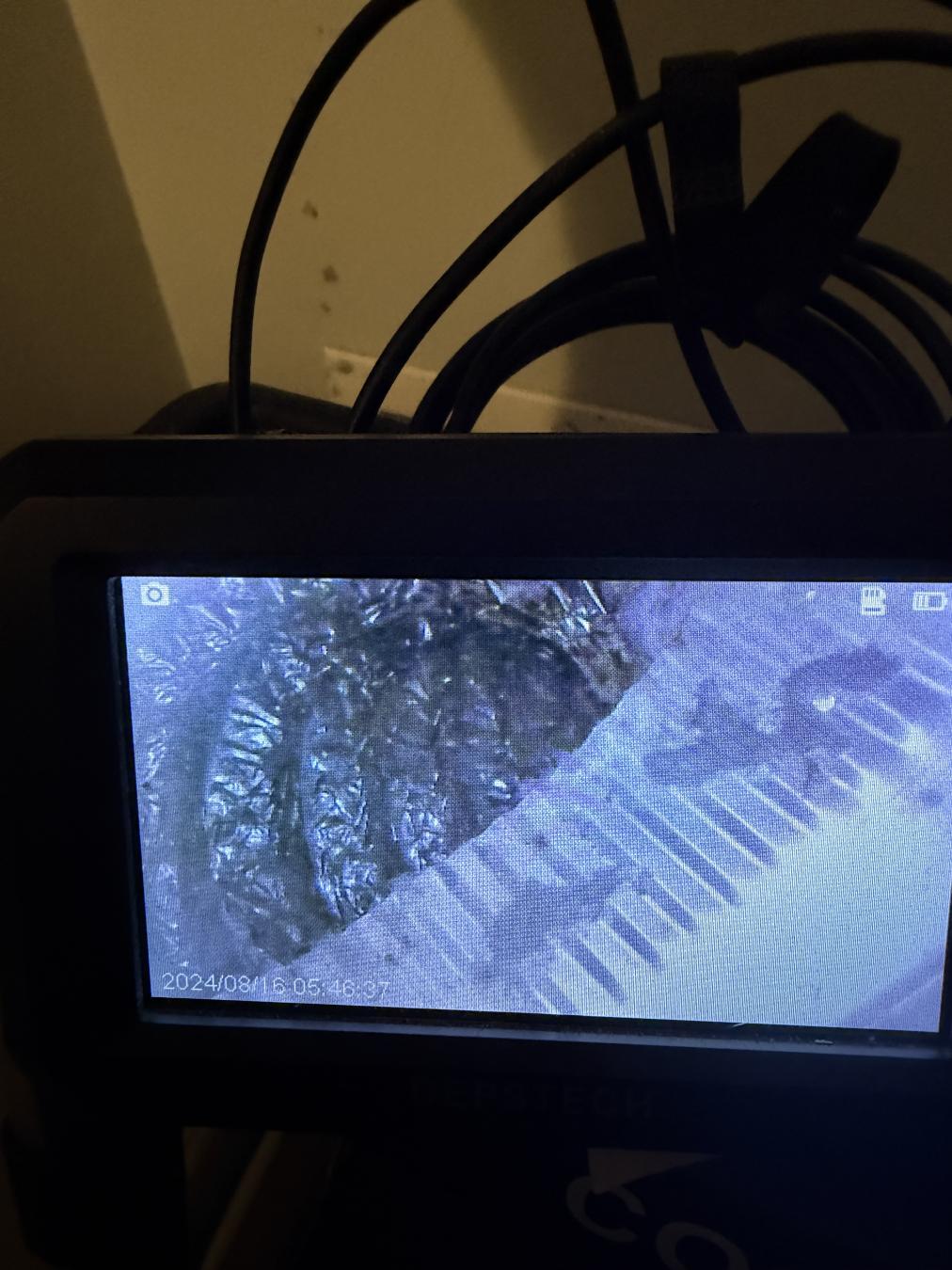
A completely blocked dryer vent brought Valentine Vents to this Mt. Pleasant home on Ponsbury Road, where the C-DET certified specialist discovered a challenging configuration that was compromising performance. The 21-foot system featured an unusual rectangular rigid vent behind the dryer—just two inches deep and five inches wide—creating a restrictive bottleneck from the start. Making matters worse, this narrow passage connected to substandard flex foil running fifteen feet through the ceiling before finally meeting proper rigid vent at the termination point. The specialist documented these findings through Valentine 360 Visibility camera inspection, capturing photos of the problematic setup for the homeowner's review. After thoroughly cleaning the entire run and removing the blockage, back pressure dropped to an acceptable 0.55"WC, though the restrictive rectangular vent prevented optimal performance. The wall vent cover was also sold as a replacement after the original was found missing one of its three flaps, which the homeowner's painter would install at the elevated location. While the system now operates properly, Valentine Vents provided recommendations for replacing both the rectangular vent and ceiling flex foil—upgrades the homeowner will consider to achieve truly ideal airflow and long-term fire safety.
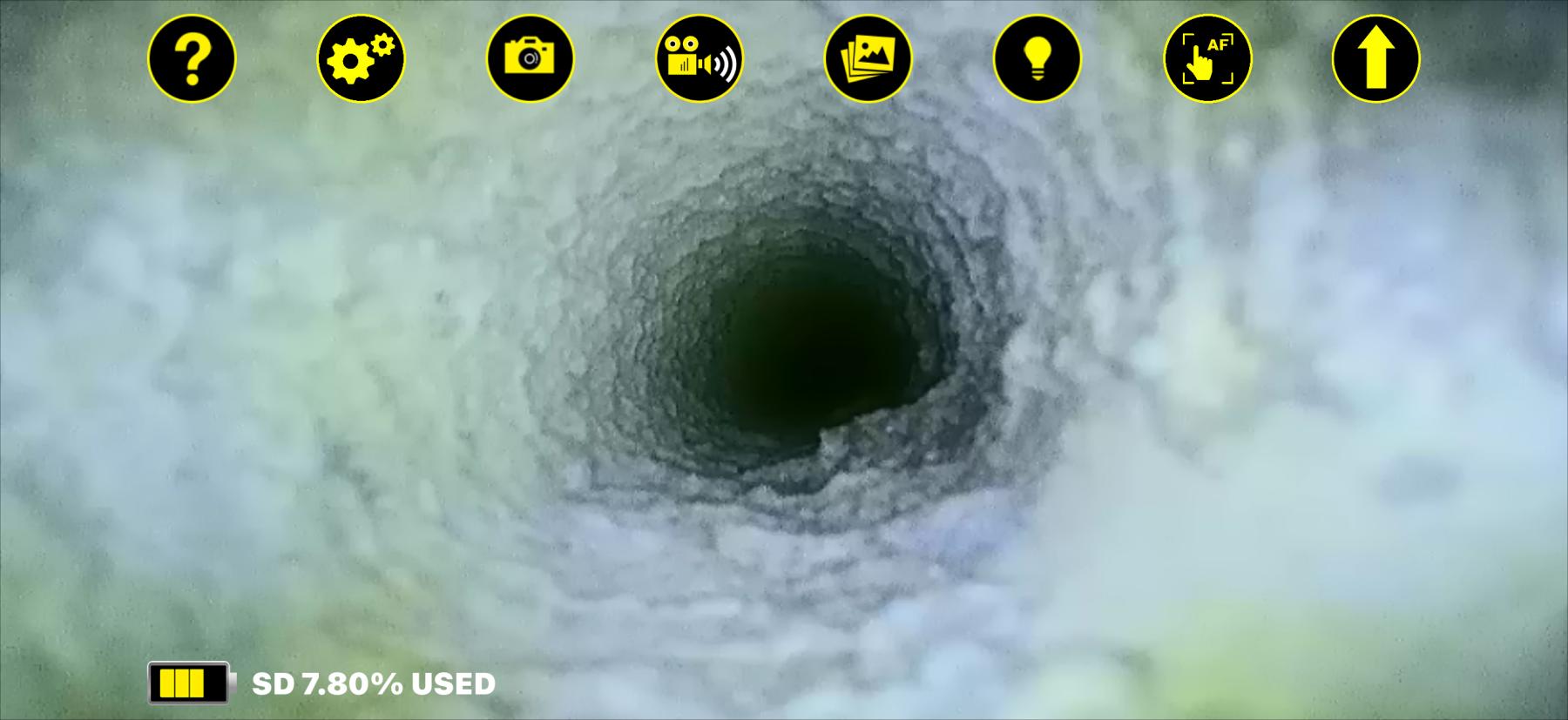
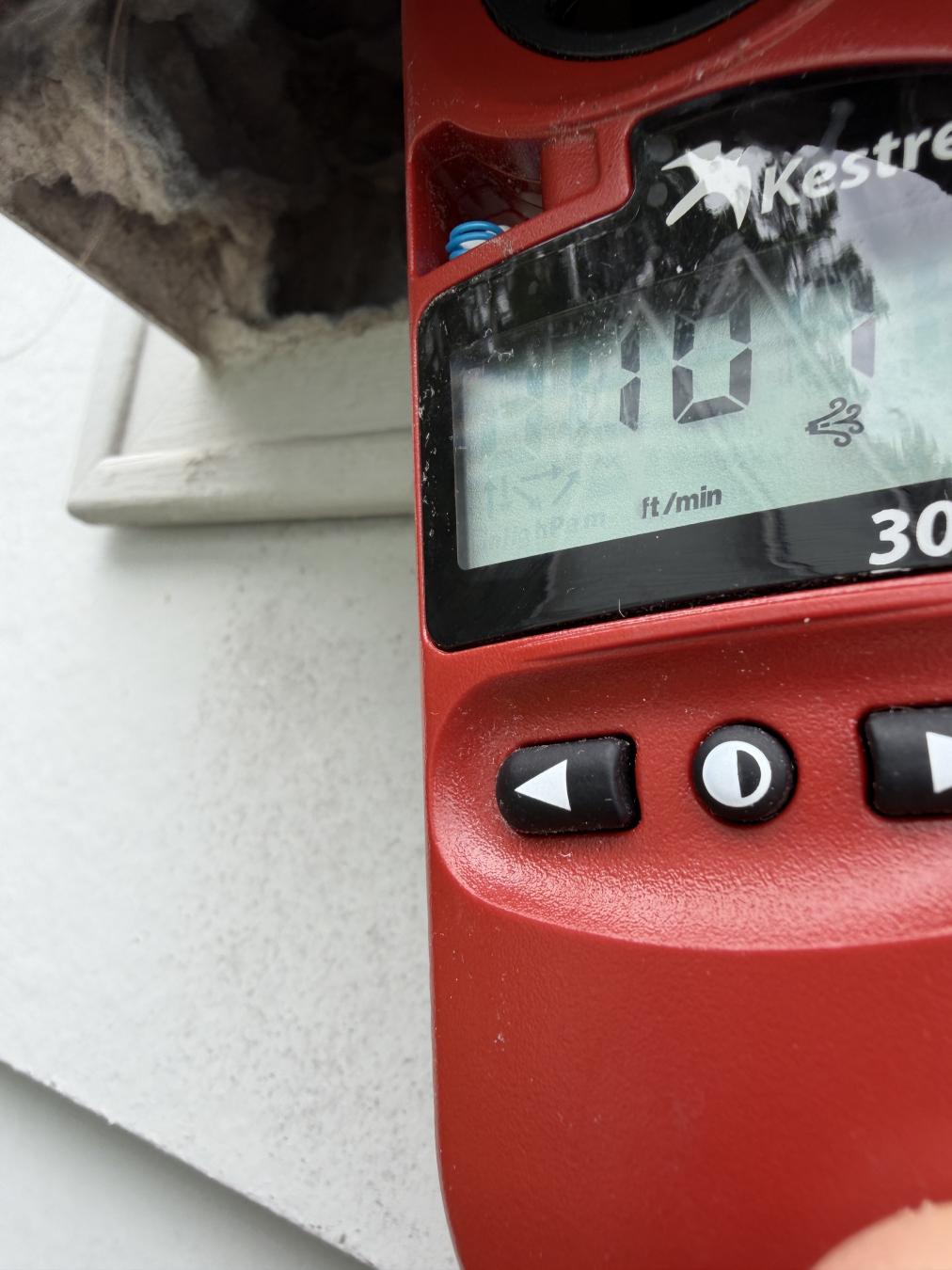
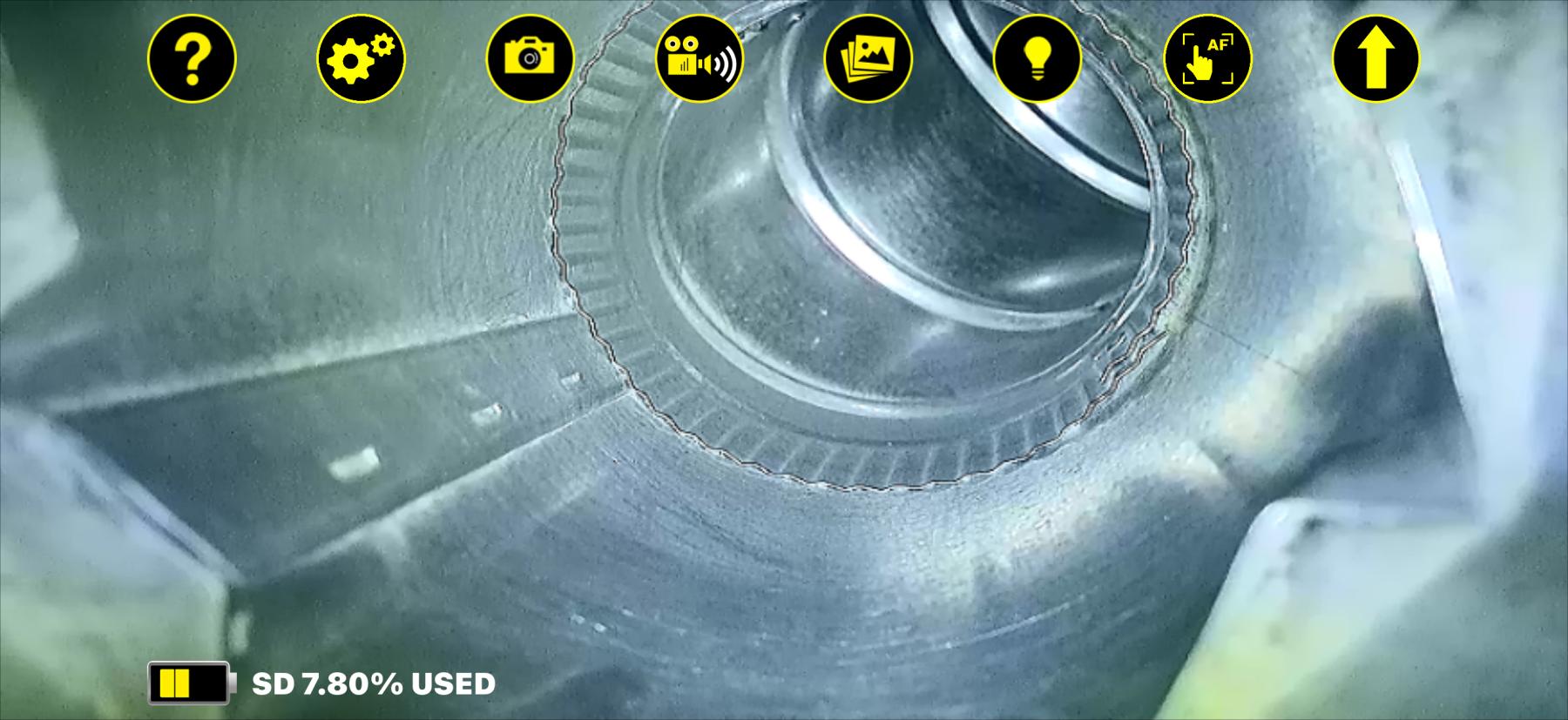
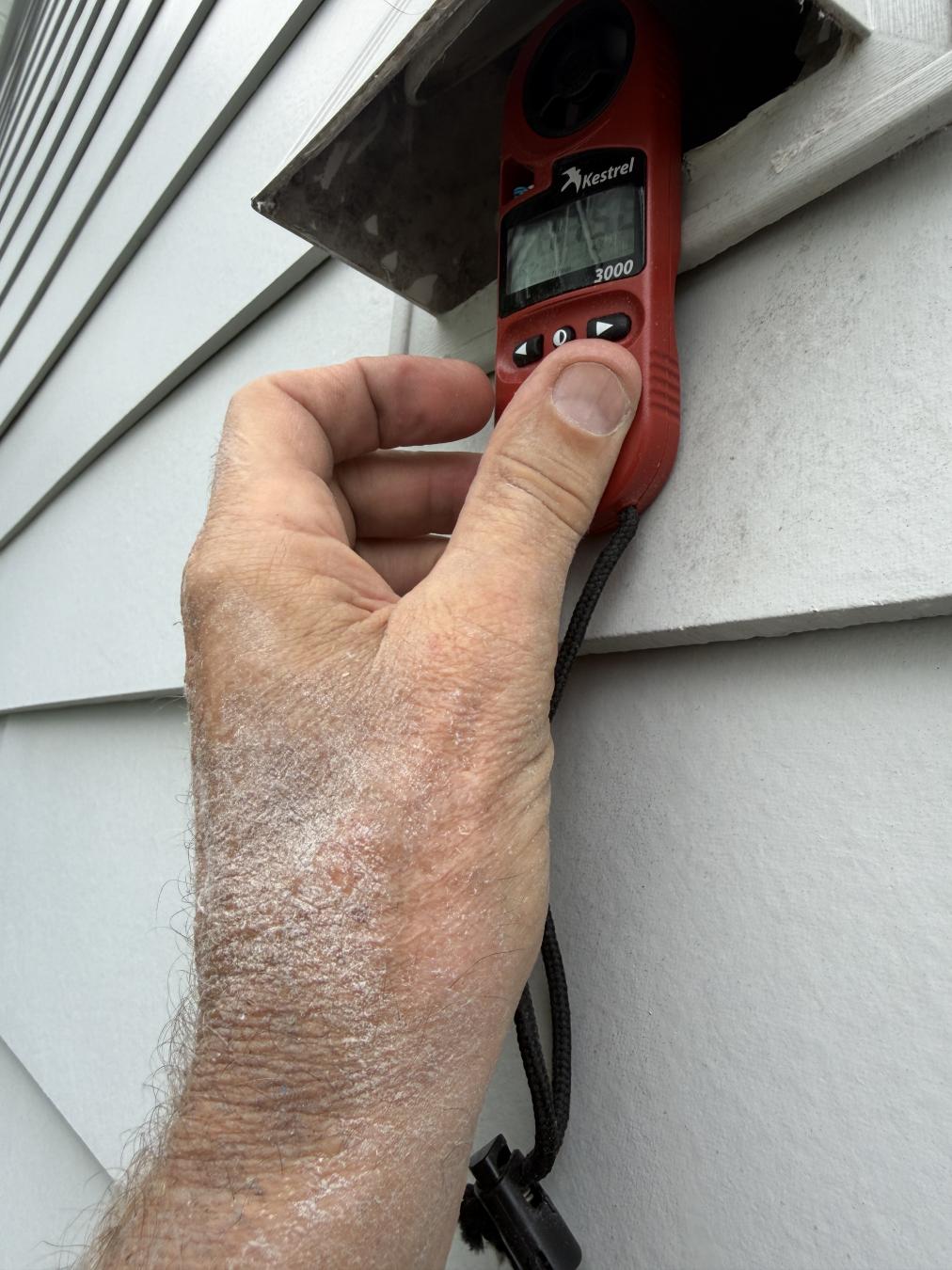
Moisture accumulating inside a dryer is often a telltale sign of poor ventilation, and that's exactly what brought a Mt. Pleasant homeowner to contact Valentine Vents. The 21-foot metal rigid vent system with three turns had accumulated above-average lint buildup, severely restricting airflow and preventing moisture from properly escaping. Initial readings revealed airflow struggling at just 707 FPM—far below optimal performance levels. The C-DET certified specialist thoroughly cleaned the entire vent run to ensure maximum efficiency. The Valentine 360 Visibility camera inspection documented conditions throughout the system, providing clear visual confirmation of both the problem areas and the completed work. Photos captured during the service offer a compelling before-and-after comparison of the transformation. The results spoke for themselves: airflow surged to an impressive 1,758 FPM after service—more than double the initial measurement. With the system now breathing freely and moisture properly venting outdoors, this home's dryer can operate as its manufacturer intended, reducing drying times while eliminating the condensation issues that had plagued the appliance. Proper ventilation means safer, more efficient operation for years to come.
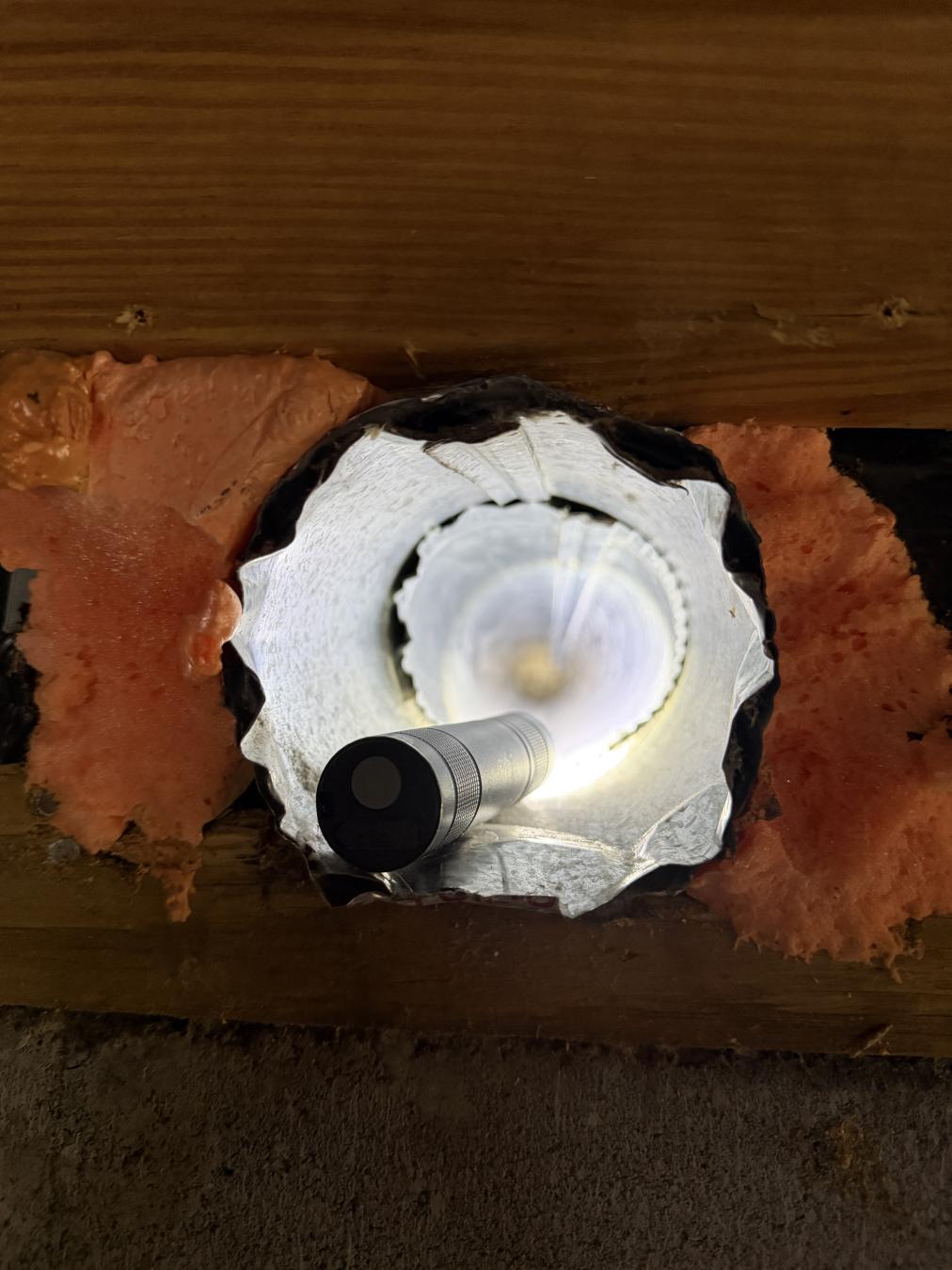
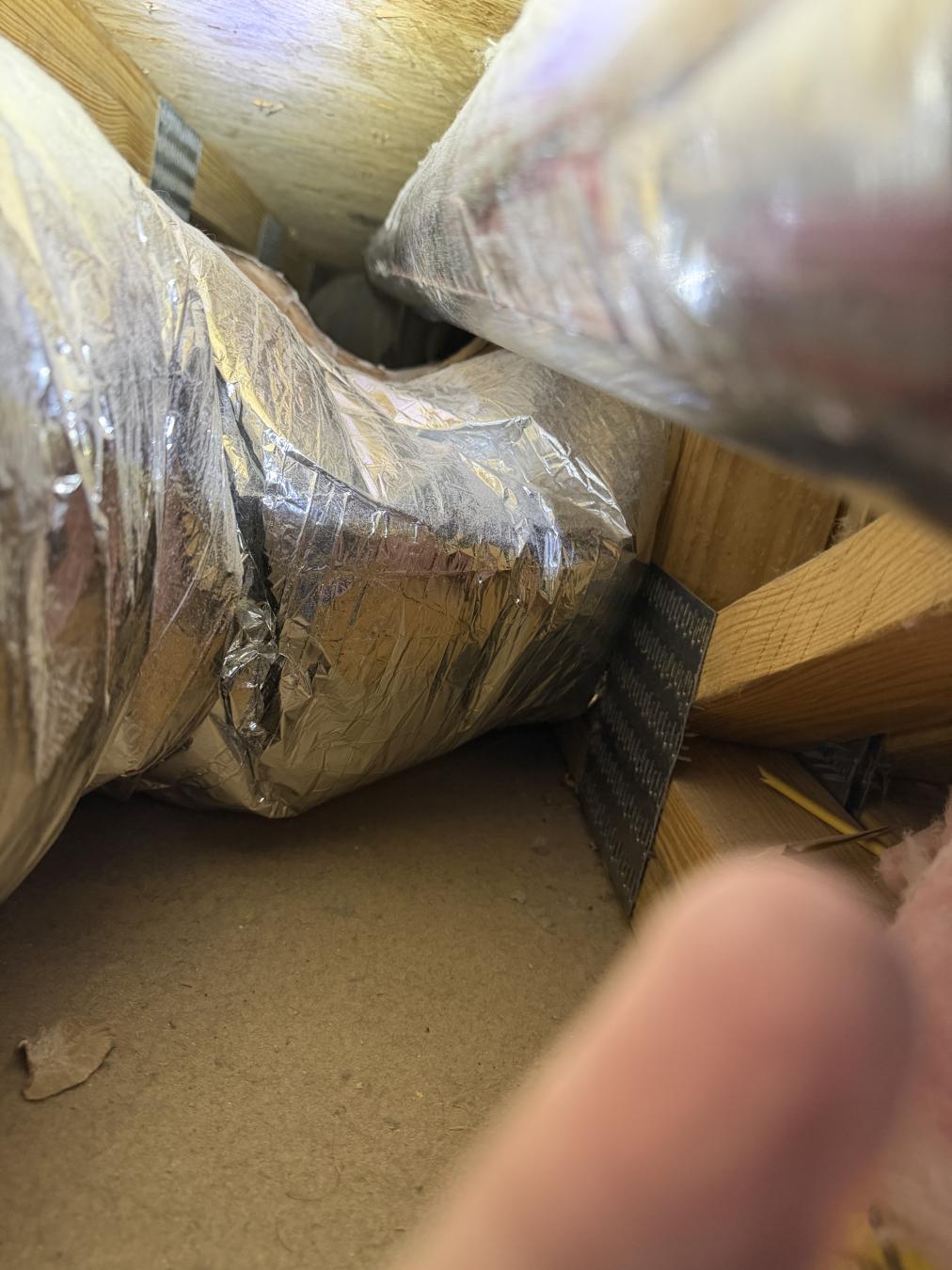
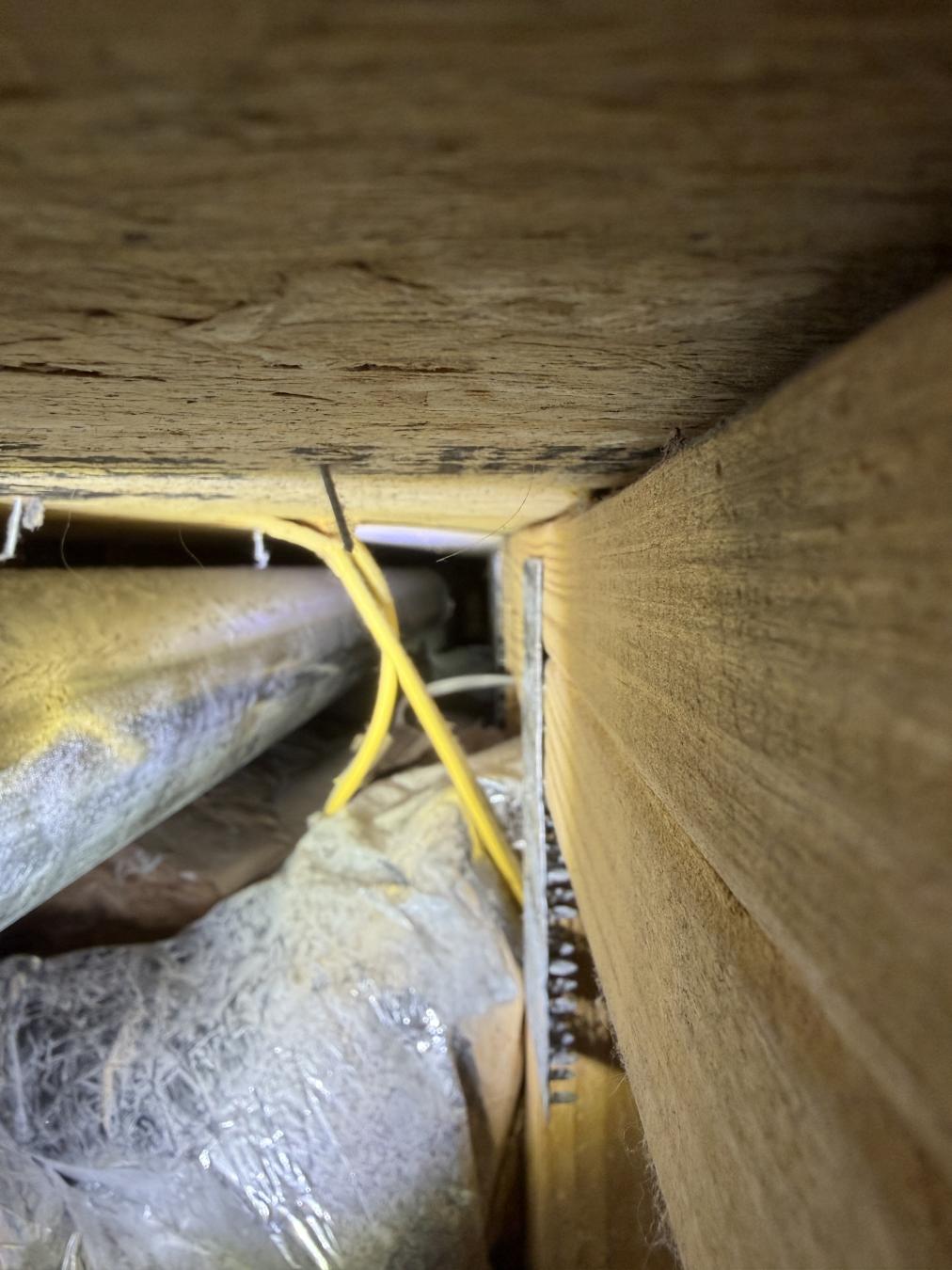
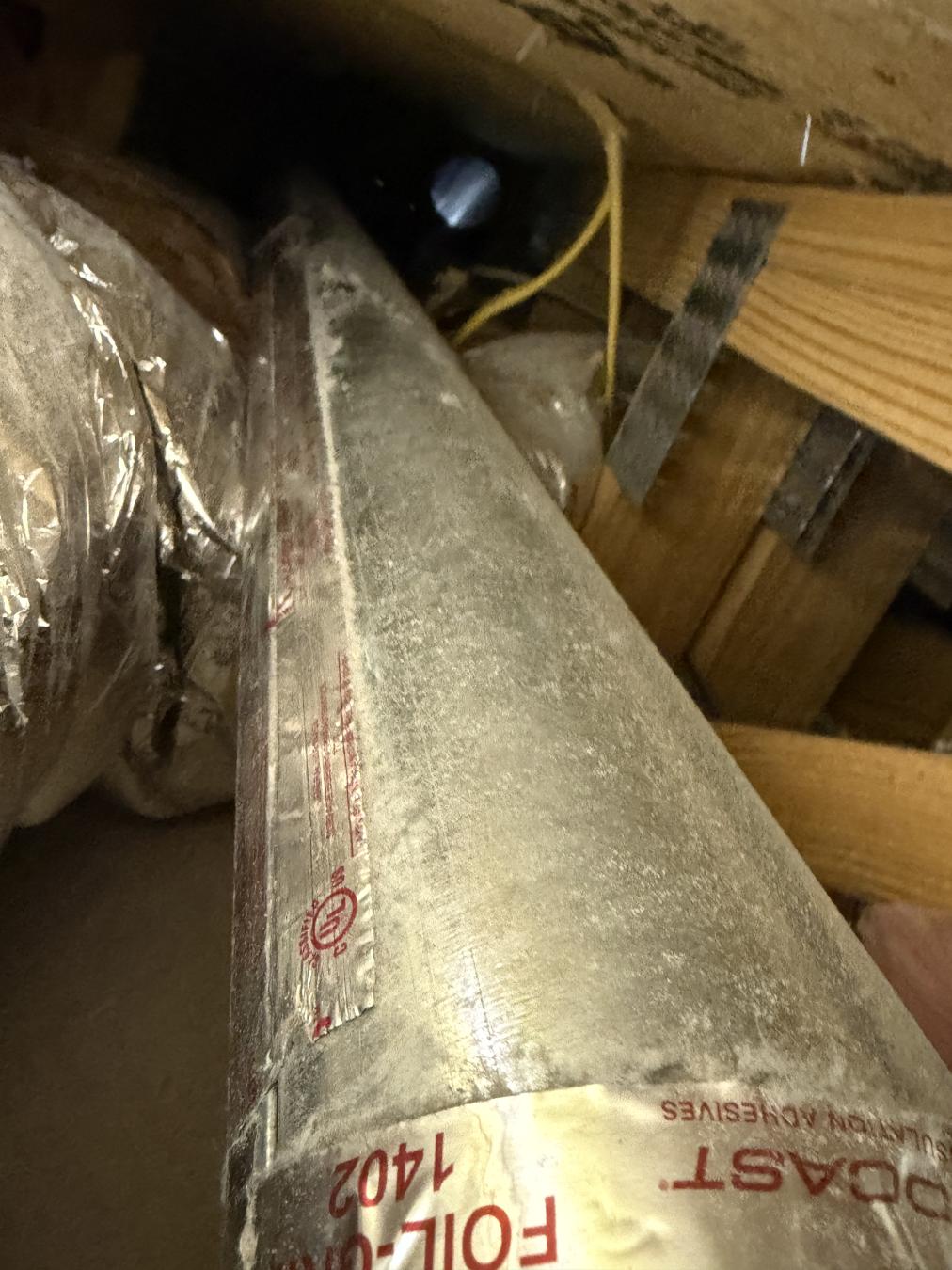
A disconnected vent hidden in the ceiling was silently venting lint and moisture into the home on Lesesne Street, creating a hazard the homeowners on Daniel Island didn't even know existed. When the Valentine Vents C-DET certified specialist arrived, the situation became clear: the metal rigid vent had separated roughly seven feet from the exterior wall, while substandard flex foil transition duct snaked through the wall into an adjacent electrical room. To restore proper function, the specialist cut a strategic access point in the ceiling, reconnected the separated sections, and secured them firmly to prevent future disconnection. The flex foil was completely replaced with hard metal pipe, then joined seamlessly with existing hard pipe in the electrical room—a proper, manufacturer-approved configuration. A Valentine 360 Visibility camera inspection documented the repairs, while post-service airflow readings of 1,332 feet per minute at the termination confirmed the successful reconnection and restored ventilation. What had been a completely compromised system was transformed into a safe, properly secured venting pathway. The homeowners now have documentation of the correction and the confidence that their dryer exhaust is directed safely outside where it belongs.
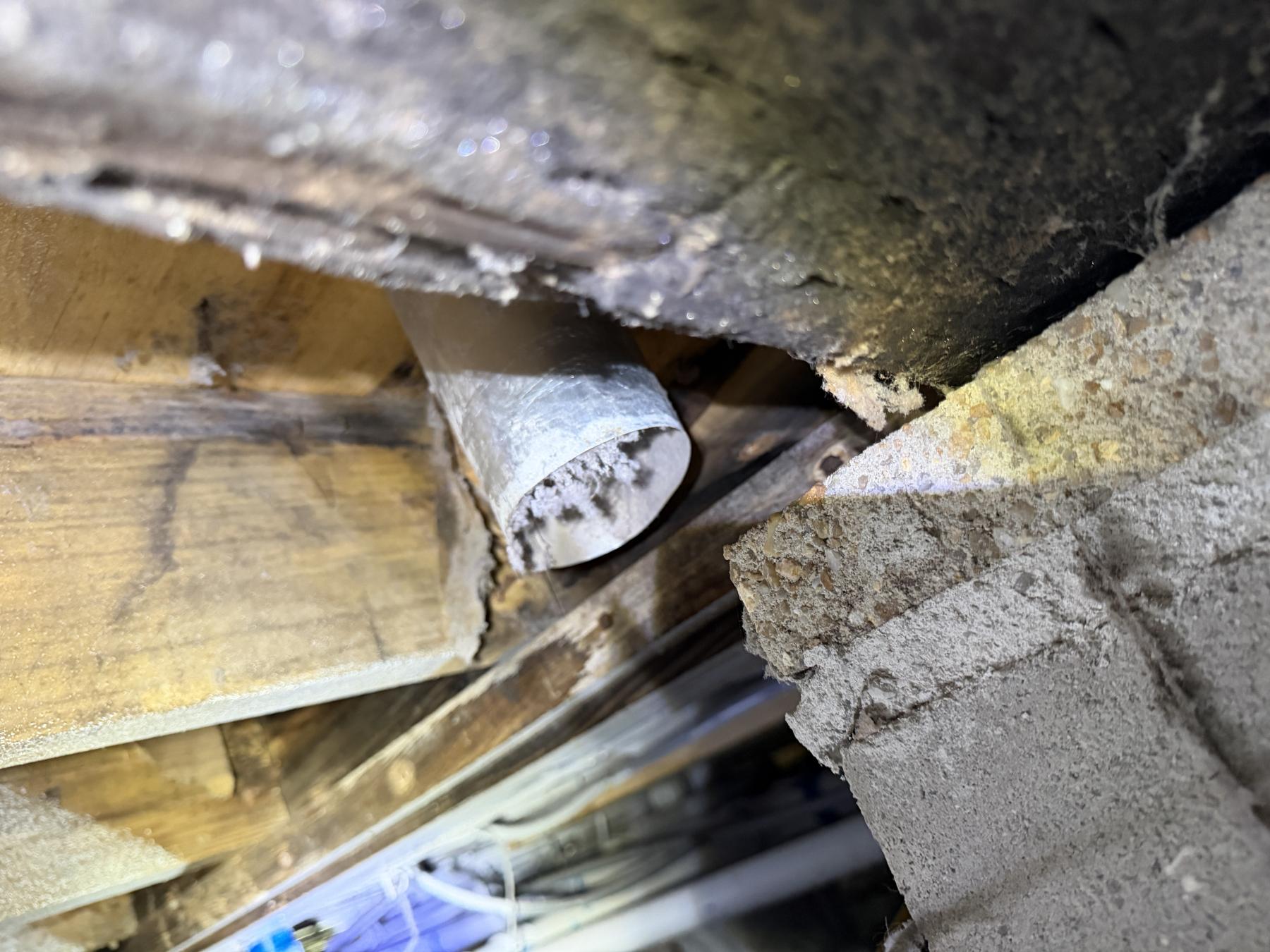
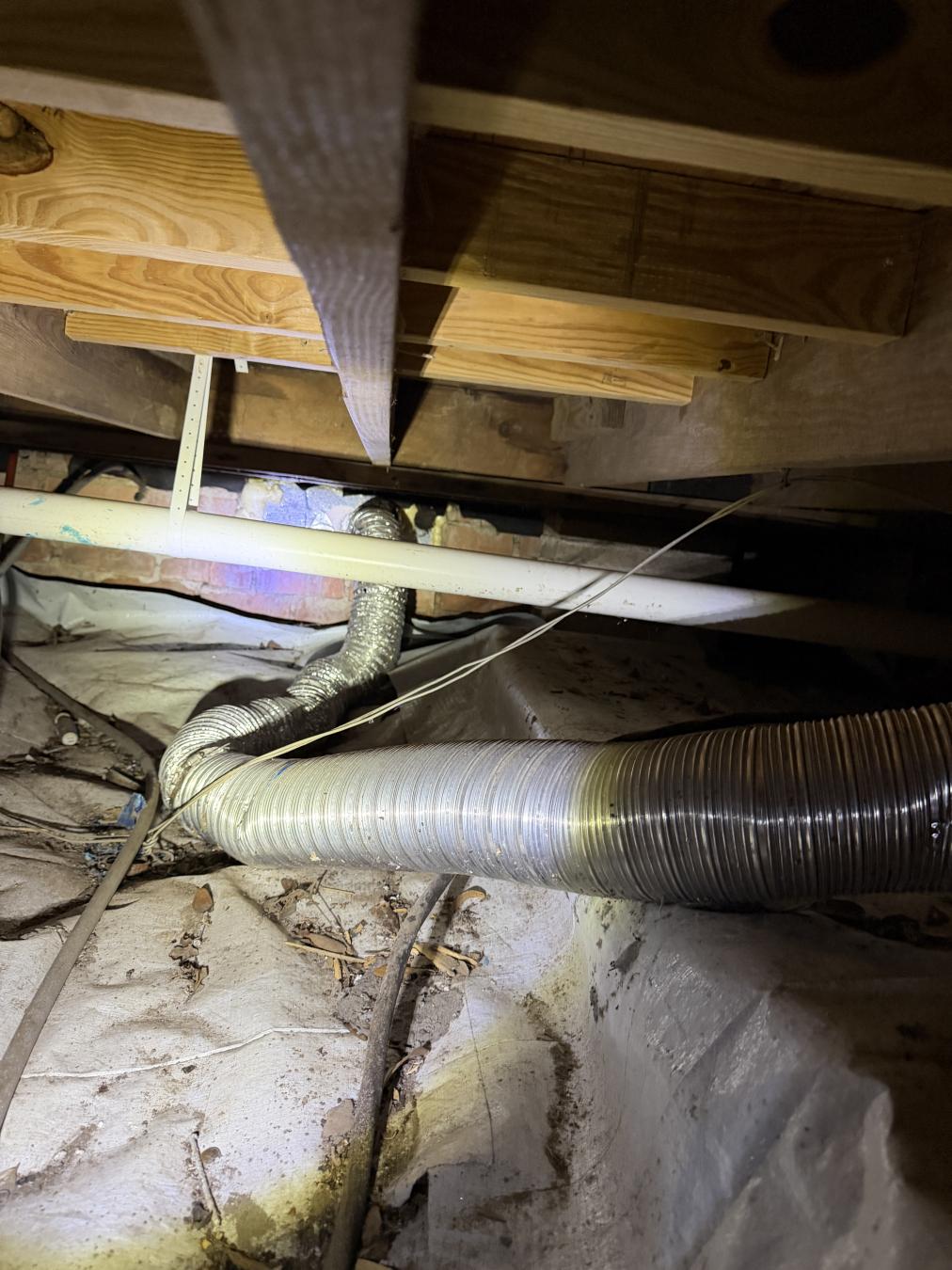
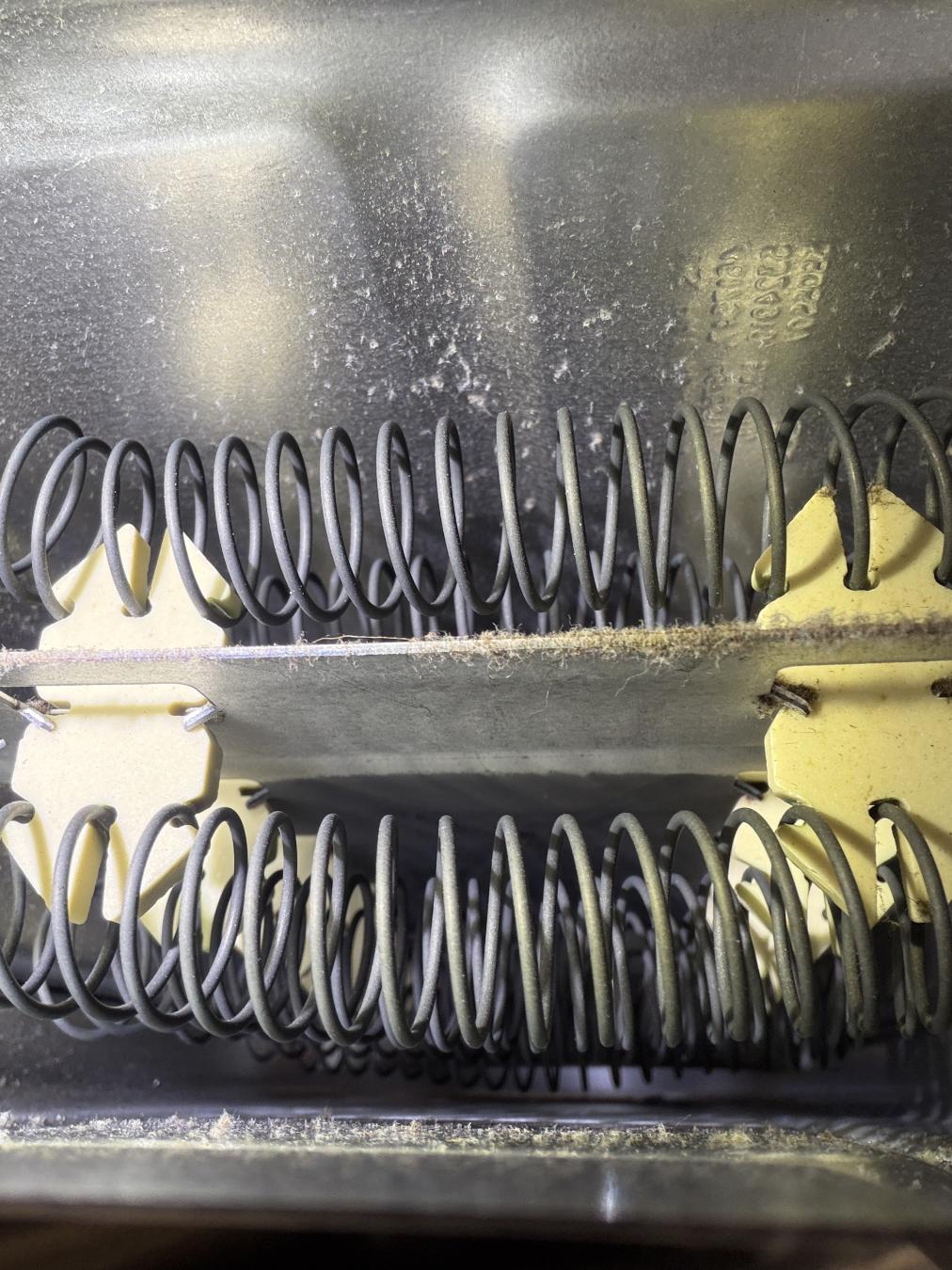
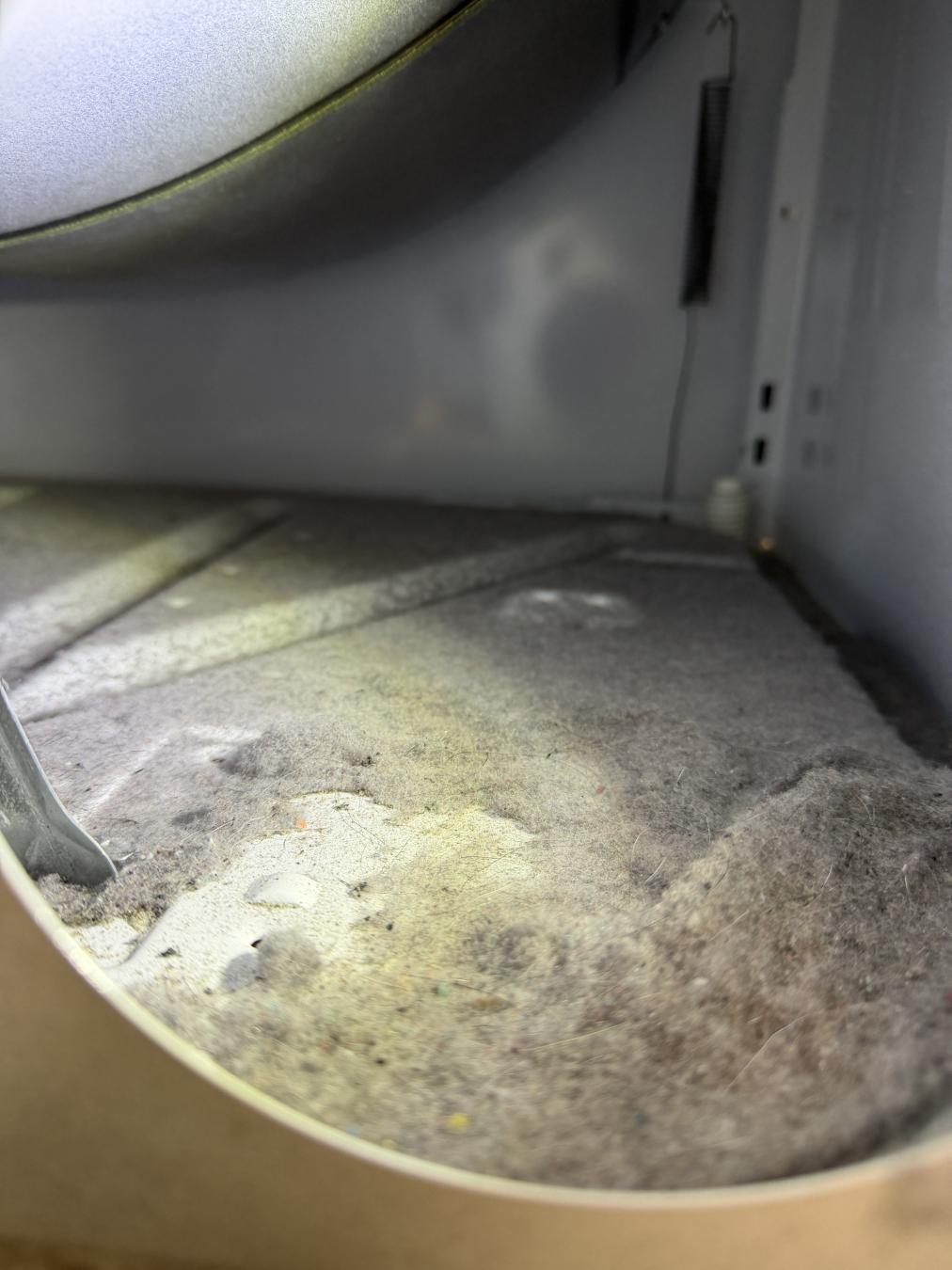
A homeowner on Forest Trail in Isle of Palms reached out to Valentine Vents after noticing clothes taking longer to dry—a telltale sign of restricted airflow. With more than three years since the last cleaning, the 21-foot vent system with one turn was overdue for professional attention. The C-DET certified specialist discovered a troubling situation during the initial assessment: not only was the vent severely clogged, but it had become disconnected in the crawlspace, and substandard flex foil was being used as the transition duct. Dryer manufacturers explicitly warn against flex foil in their owner's manuals due to safety concerns, so the specialist replaced it with DryerFlex—a premium semi-rigid product chosen for its superior performance and fire-retardant properties. The Valentine 360 Visibility camera inspection documented the crawlspace conditions and captured the transformation after a thorough cleaning and delinting service. With the disconnection scheduled for proper repair and the immediate hazards addressed, this Isle of Palms home is now operating far more safely and efficiently than before the service call.
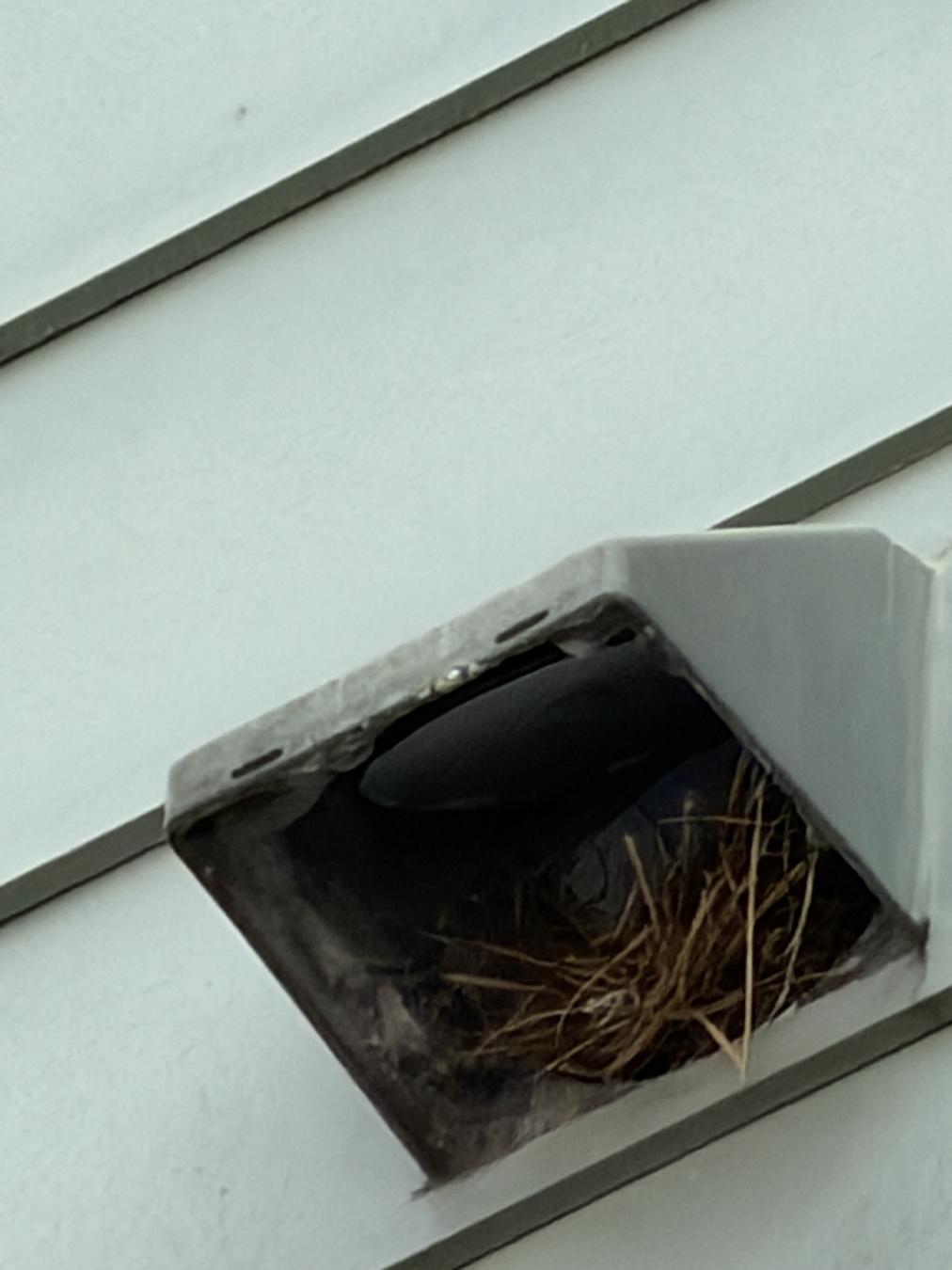

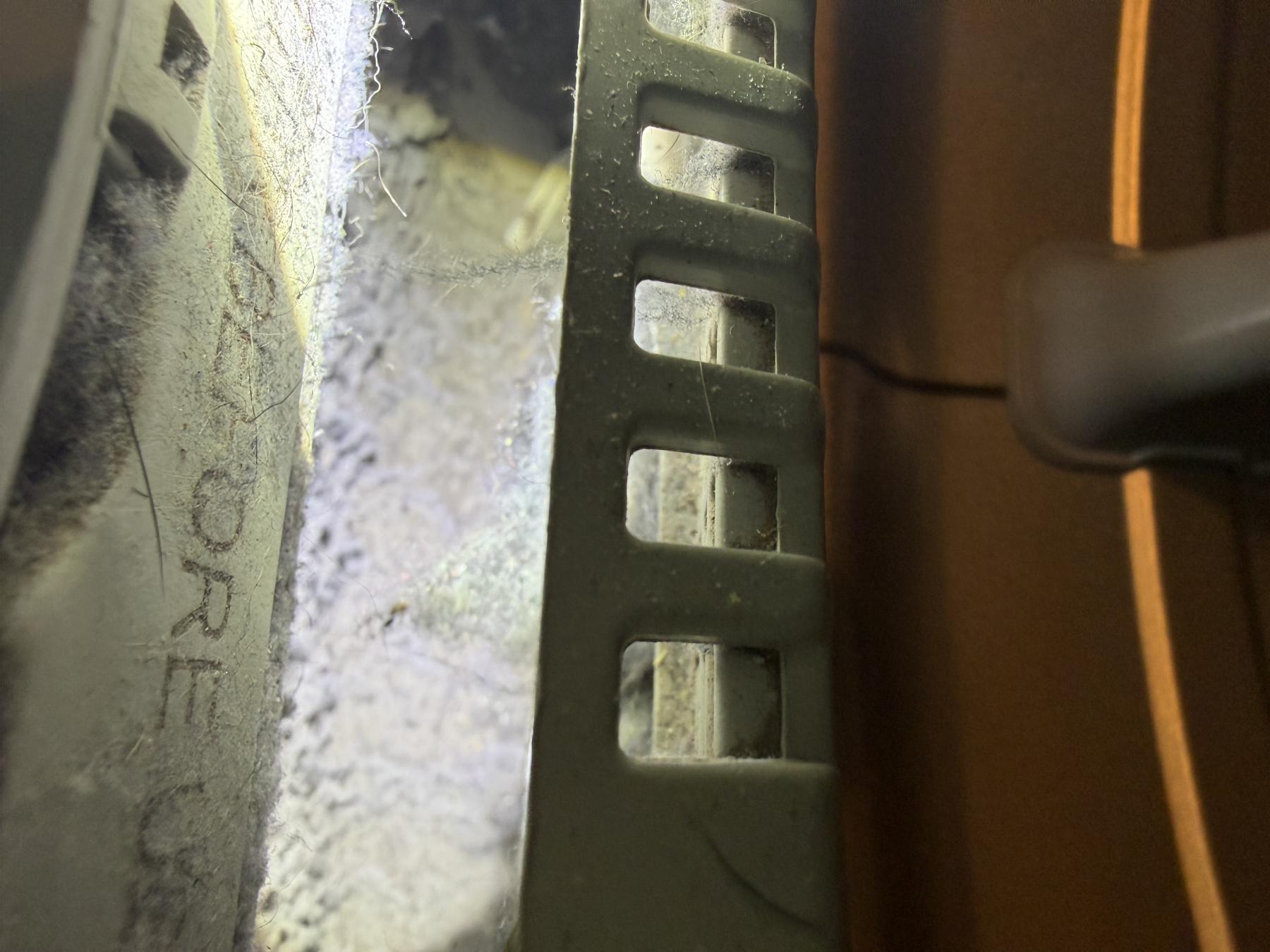
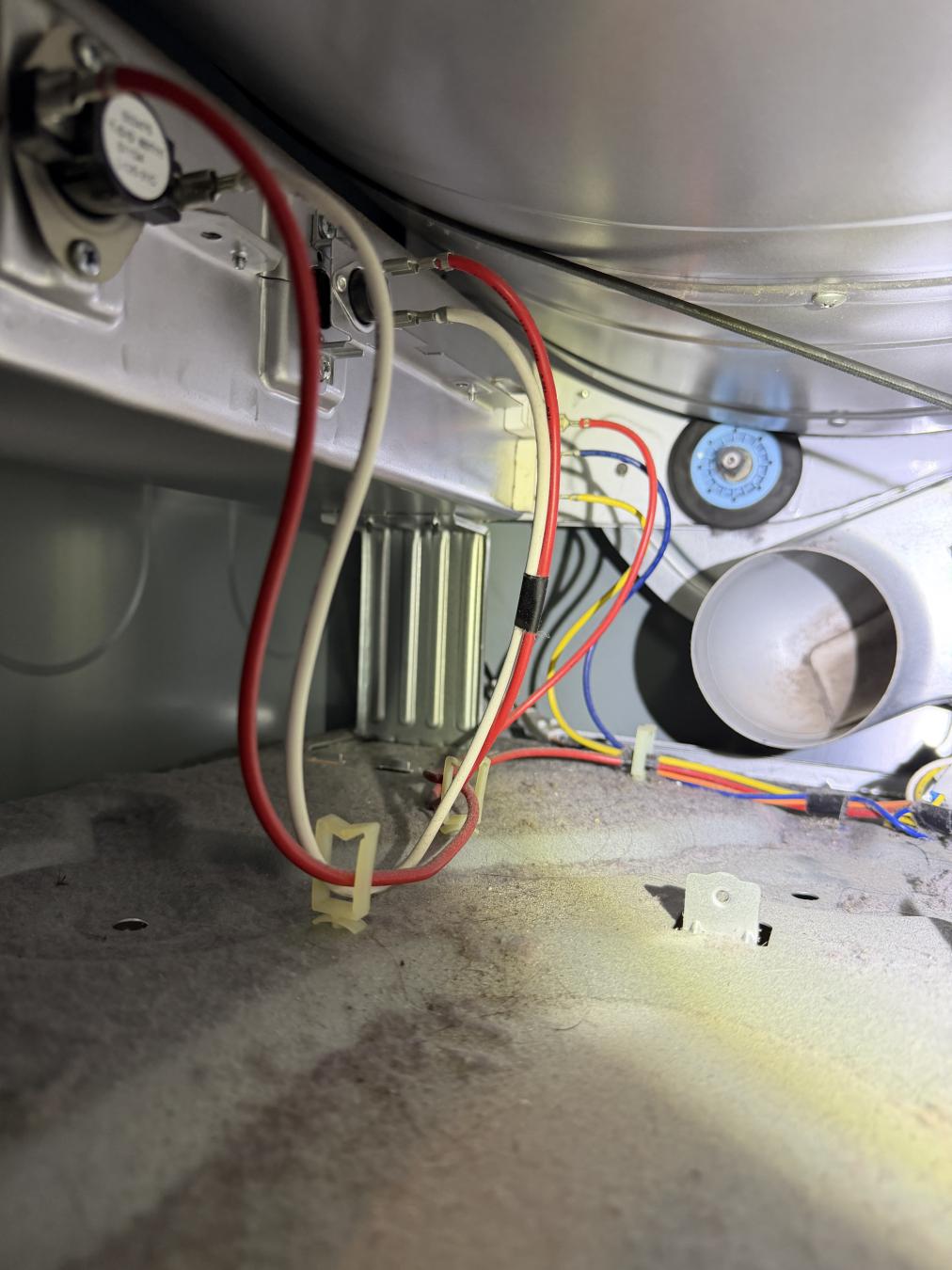
When a Mt. Pleasant homeowner on Ayers Plantation Way noticed their laundry cycles taking considerably longer than usual, they reached out to Valentine Vents for help. The C-DET certified specialist arrived to find a sixteen-foot metal rigid vent system with one turn—and discovered the culprit immediately. A bird's nest had taken up residence near the wall vent cover, severely restricting airflow and causing back pressure to spike to 0.55 inches of water column. After carefully removing the nest and thoroughly cleaning the entire vent run, measurements showed a dramatic improvement, with back pressure dropping to just 0.18 inches. The specialist also performed a complimentary Valentine 360 Visibility camera inspection, which revealed an additional concern: the vent cover lacked a backdraft damper, leaving the system vulnerable to future wildlife intrusions. Though the cover's height made immediate replacement impractical during this visit, the homeowner planned to coordinate installation of a proper damper-equipped cover with a roofer. With the blockage cleared and the dryer delinted at no additional charge, the home's laundry system was restored to proper working order—delivering faster drying times and greater peace of mind.
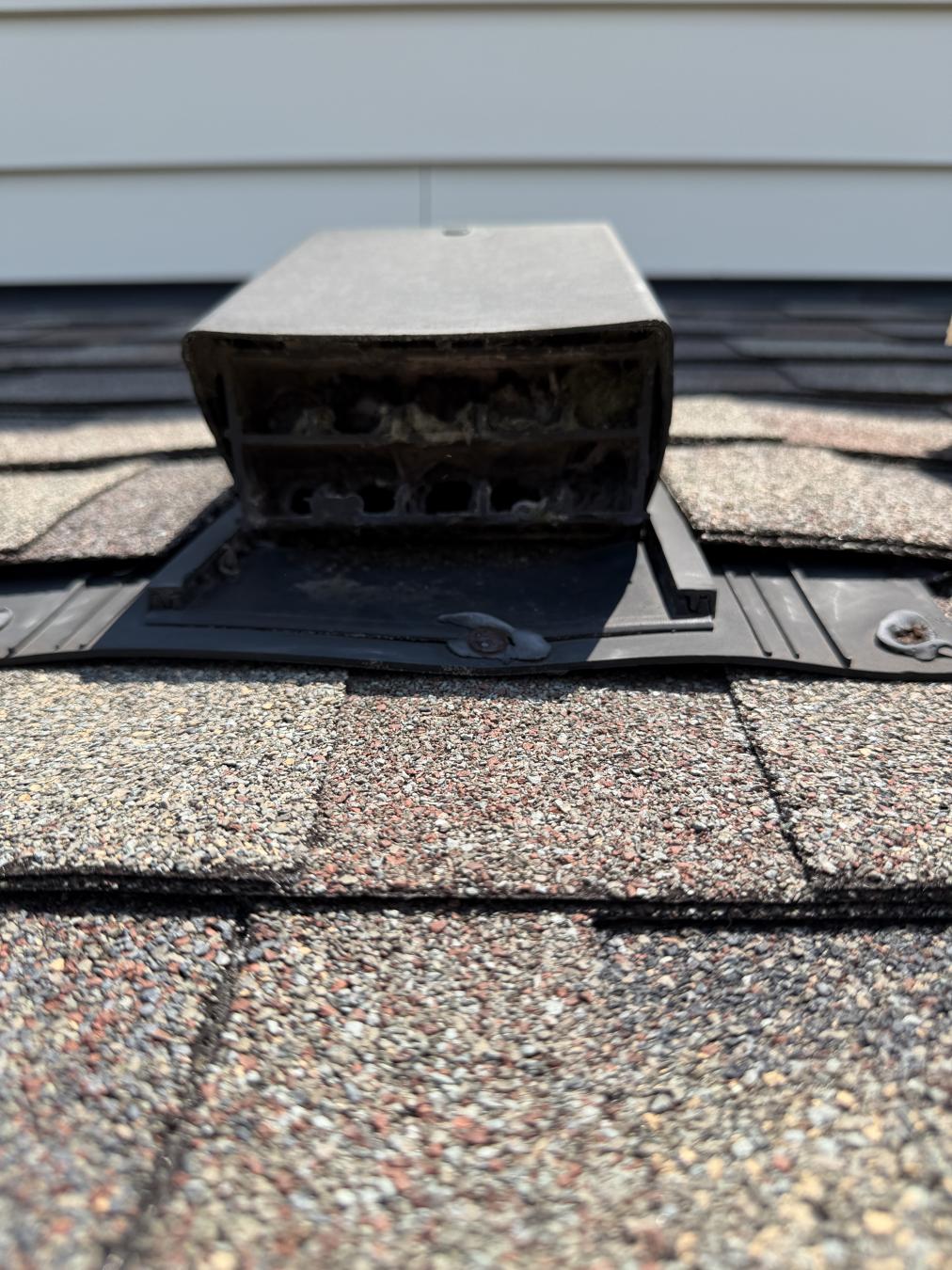
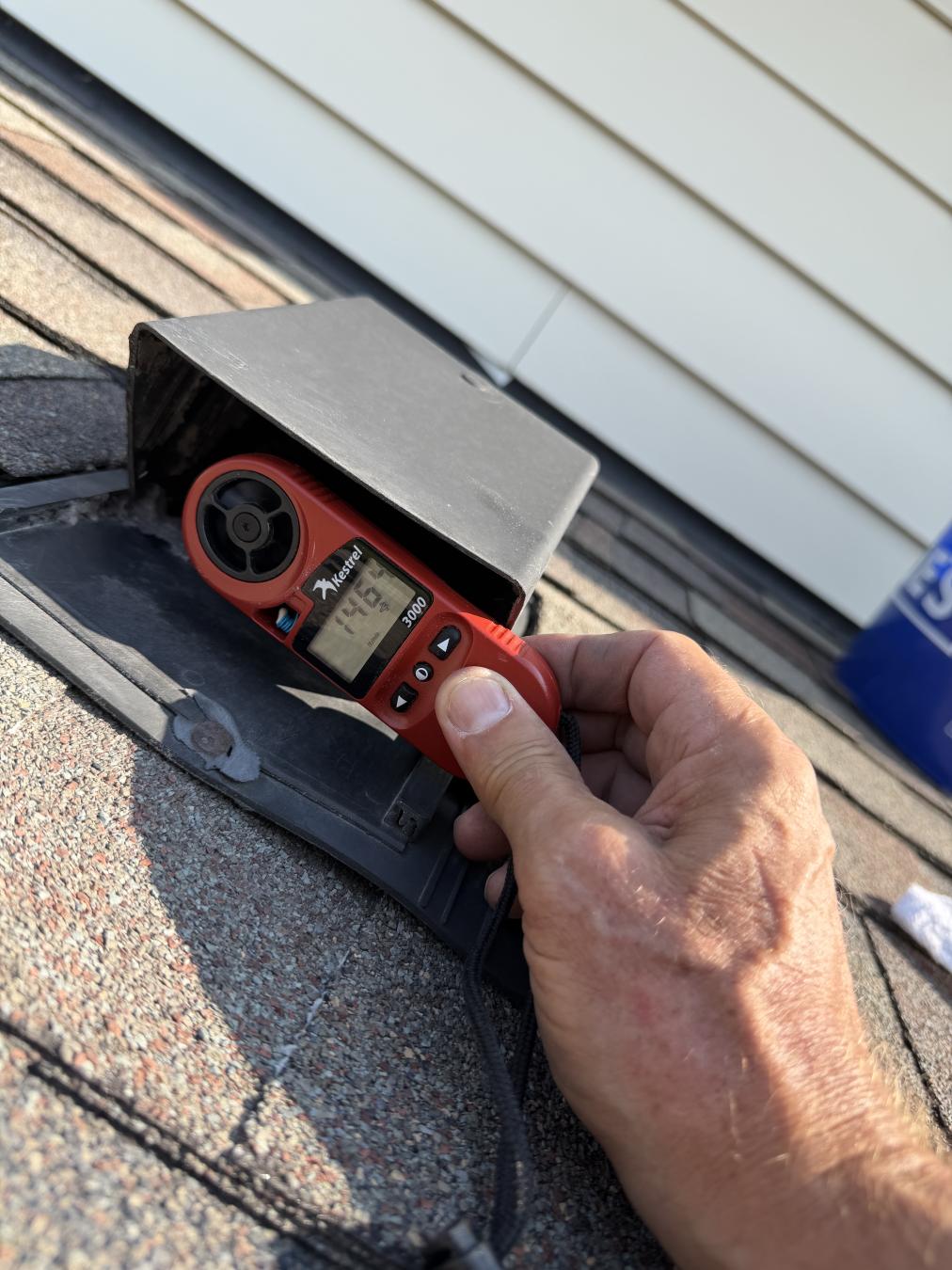
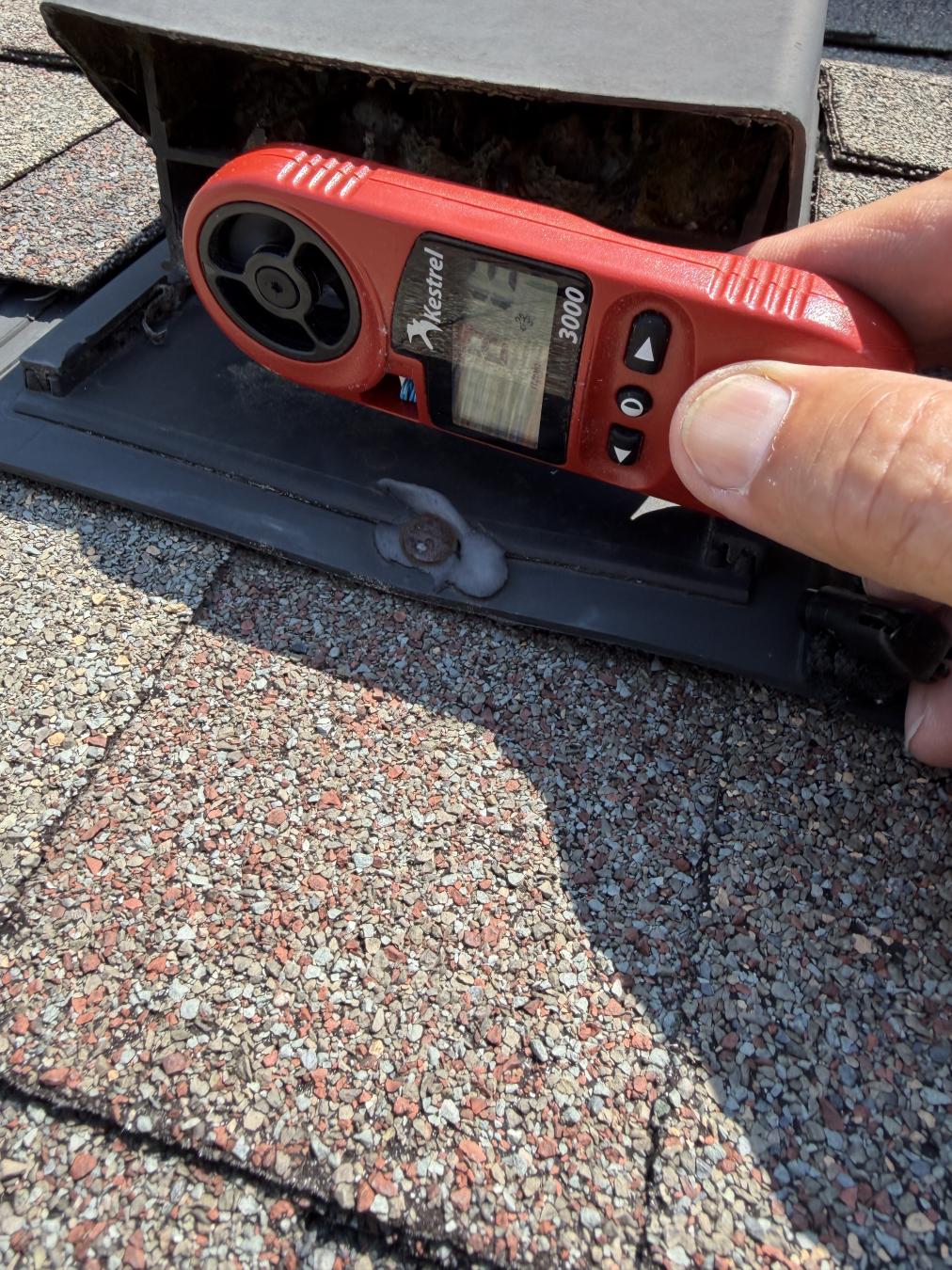
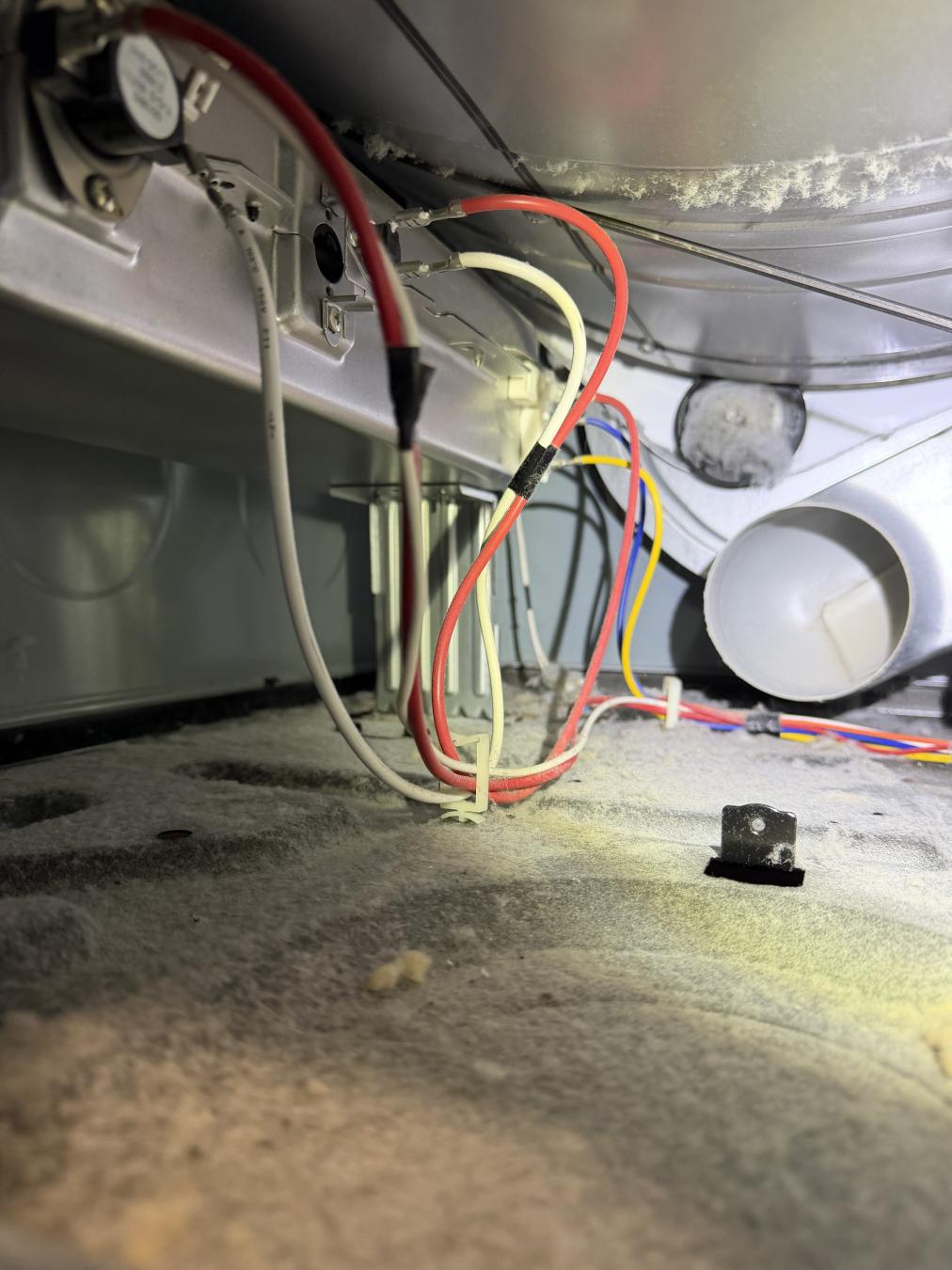
When a Mt. Pleasant homeowner on Sturbridge Rd noticed their dryer taking longer and longer to complete cycles, they turned to Valentine Vents for answers. The C-DET certified specialist discovered multiple issues compromising the system's performance. A grid in the roof vent cover had become completely clogged with lint—a common but problematic feature since building code specifically prohibits grids or screens in dryer vent systems due to their severe airflow restriction. Inside the dryer cabinet, significant lint accumulation pointed to overdue maintenance, while the 25-foot metal rigid vent with four turns contained average buildup throughout. The specialist removed the restrictive grid and thoroughly cleaned the entire system, then replaced the substandard flex foil transition duct with DryerFlex, a premium semi-rigid product chosen for its superior performance and fire-retardant properties. Dryer manufacturers explicitly warn against flex foil in their owner's manuals. A complimentary Valentine 360 Visibility camera inspection documented the transformation, with airflow measurements telling the story: from 813 FPM to an impressive 1,464 FPM. Photos captured throughout the service show the dramatic difference proper maintenance makes in both safety and efficiency.
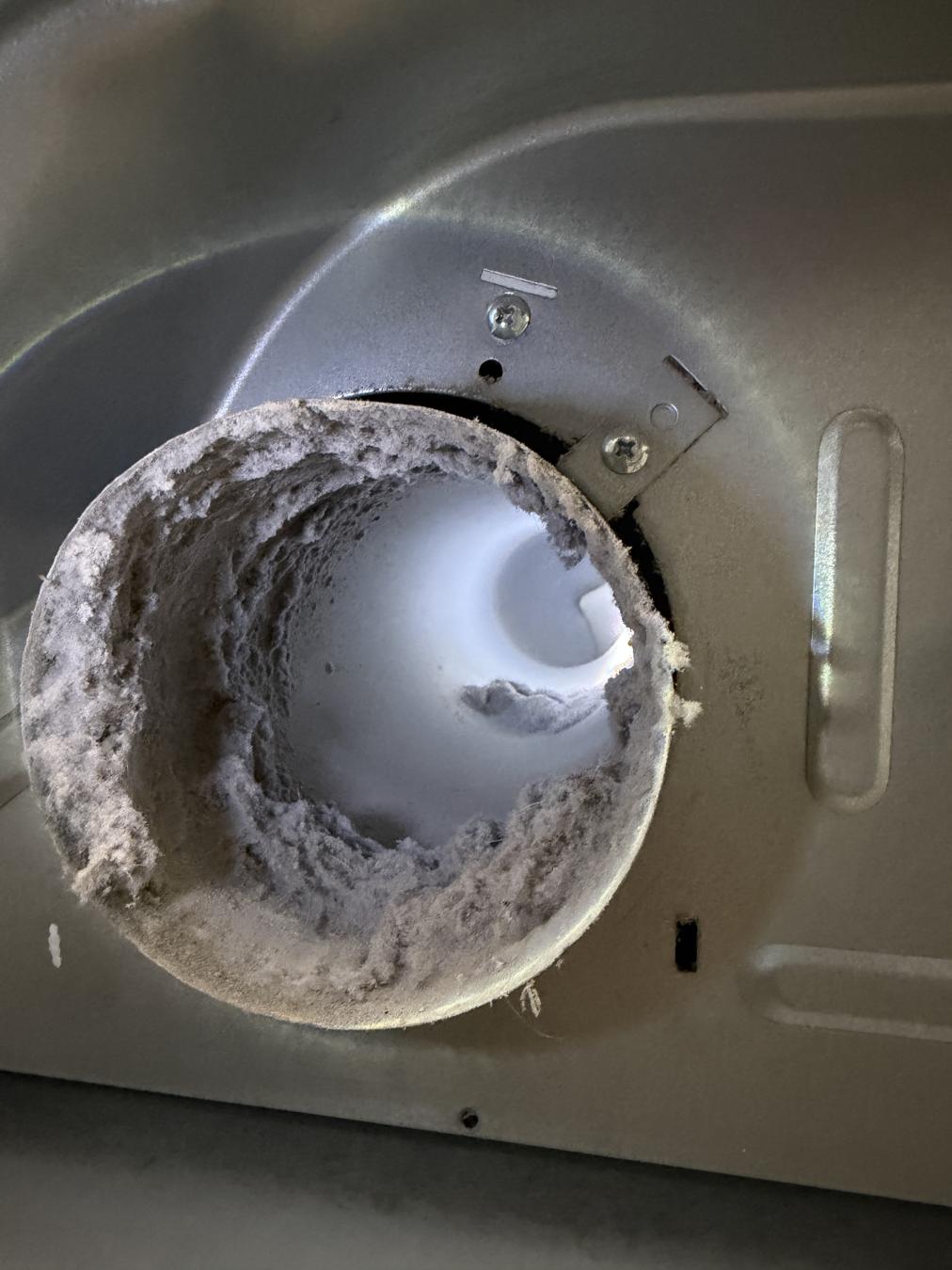
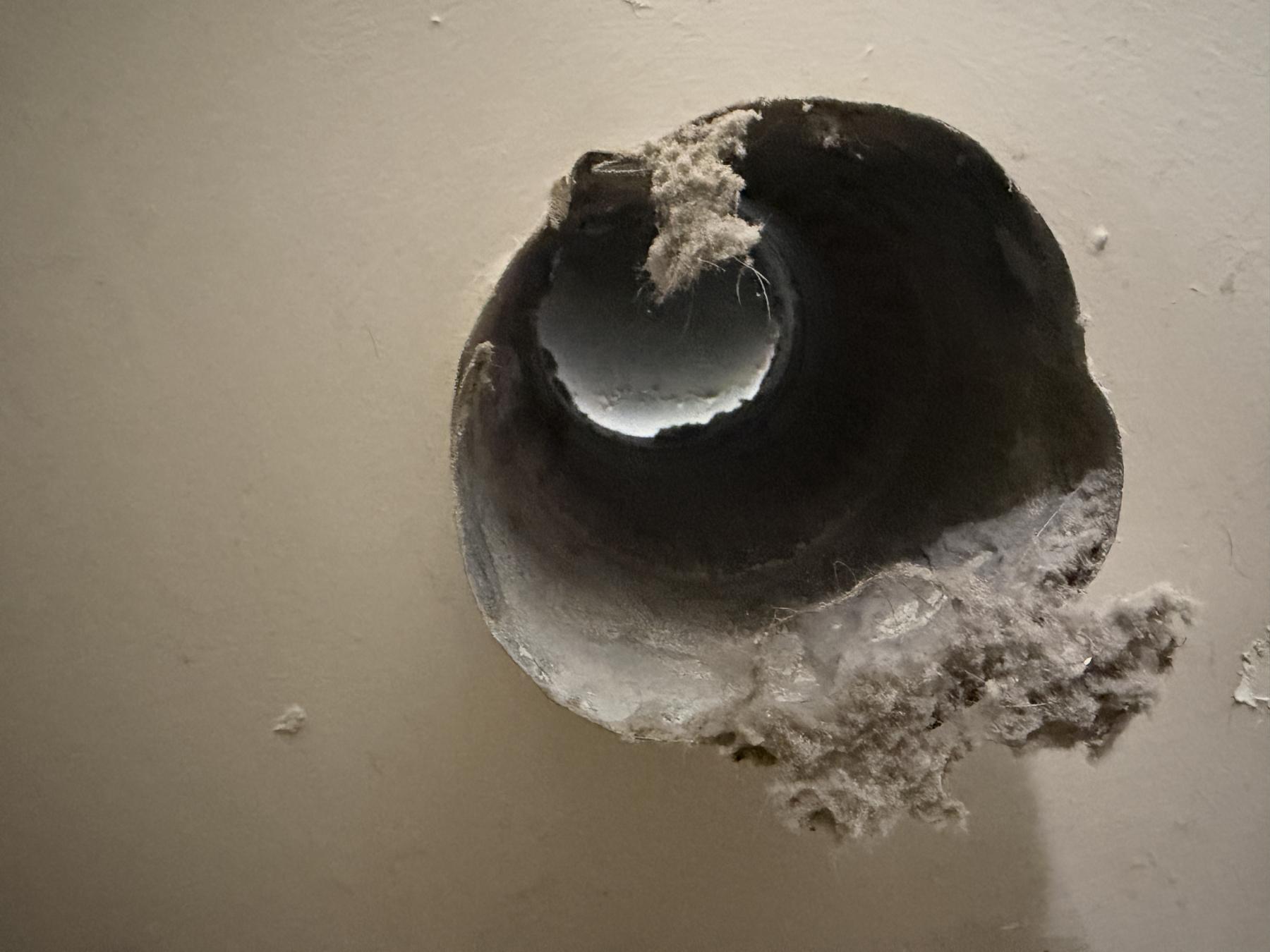
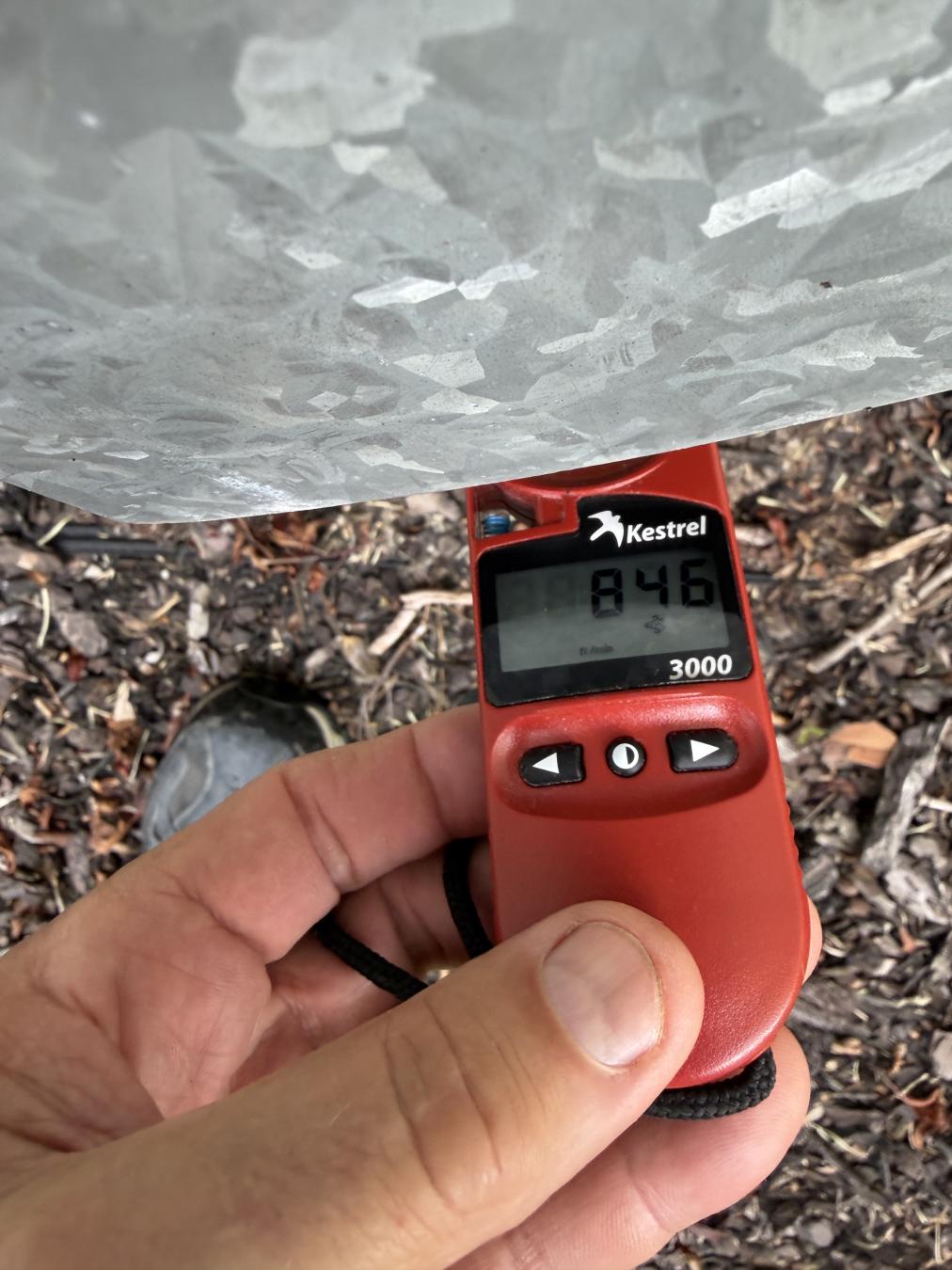
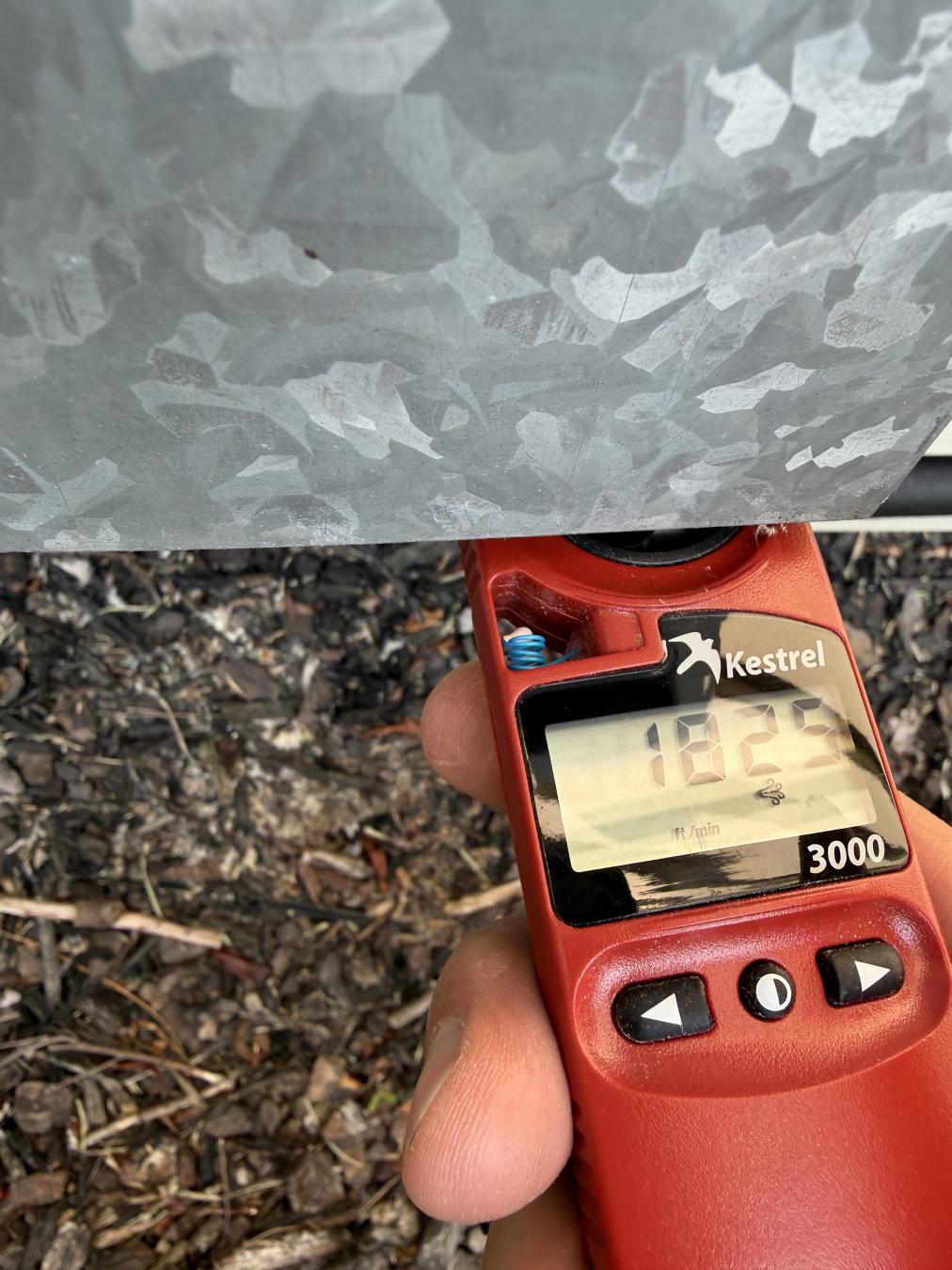
Hidden hazards often lurk where homeowners least expect them, and that was certainly the case at this Mt. Pleasant residence on Wellesley Circle. While the vent system itself measured just a foot with no turns and showed minimal buildup, the real concern emerged when the Valentine Vents specialist inspected inside the dryer cabinet—discovering a significant lint accumulation that posed a serious fire risk. The substandard flex foil transition duct was immediately replaced with DryerFlex, a premium semi-rigid product chosen for its superior performance and fire-retardant properties, bringing the installation in line with manufacturer specifications. A thorough delinting of the dryer cabinet addressed the dangerous buildup, while the Valentine 360 Visibility camera inspection documented conditions before and after service. Photos captured throughout the process revealed the transformation. The metal rigid vent was professionally cleaned, and airflow readings told the success story—jumping from 846 FPM to an impressive 1,825 FPM. This C-DET certified service didn't just restore efficiency; it eliminated a genuine safety hazard that had been developing unnoticed inside the appliance itself. The homeowners can now dry their laundry with complete peace of mind.


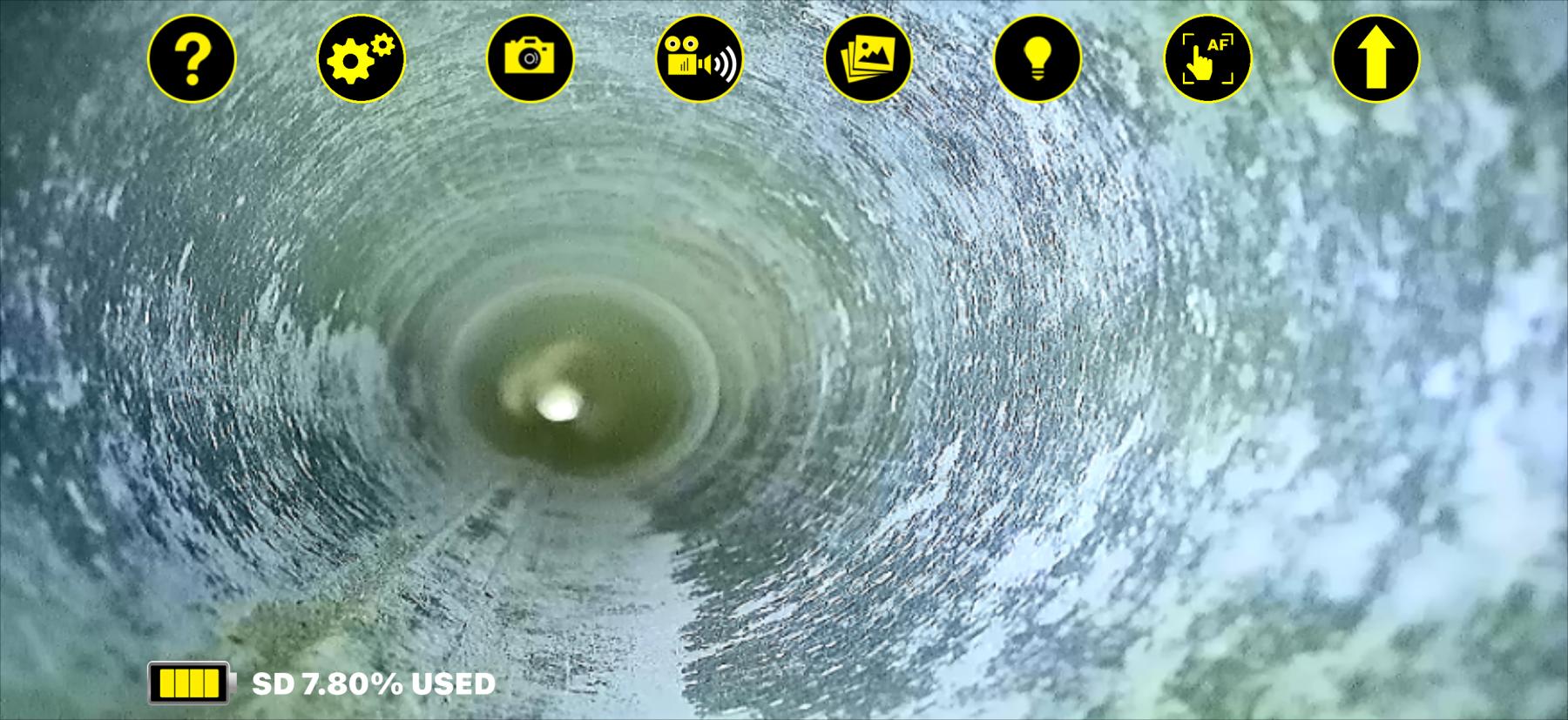
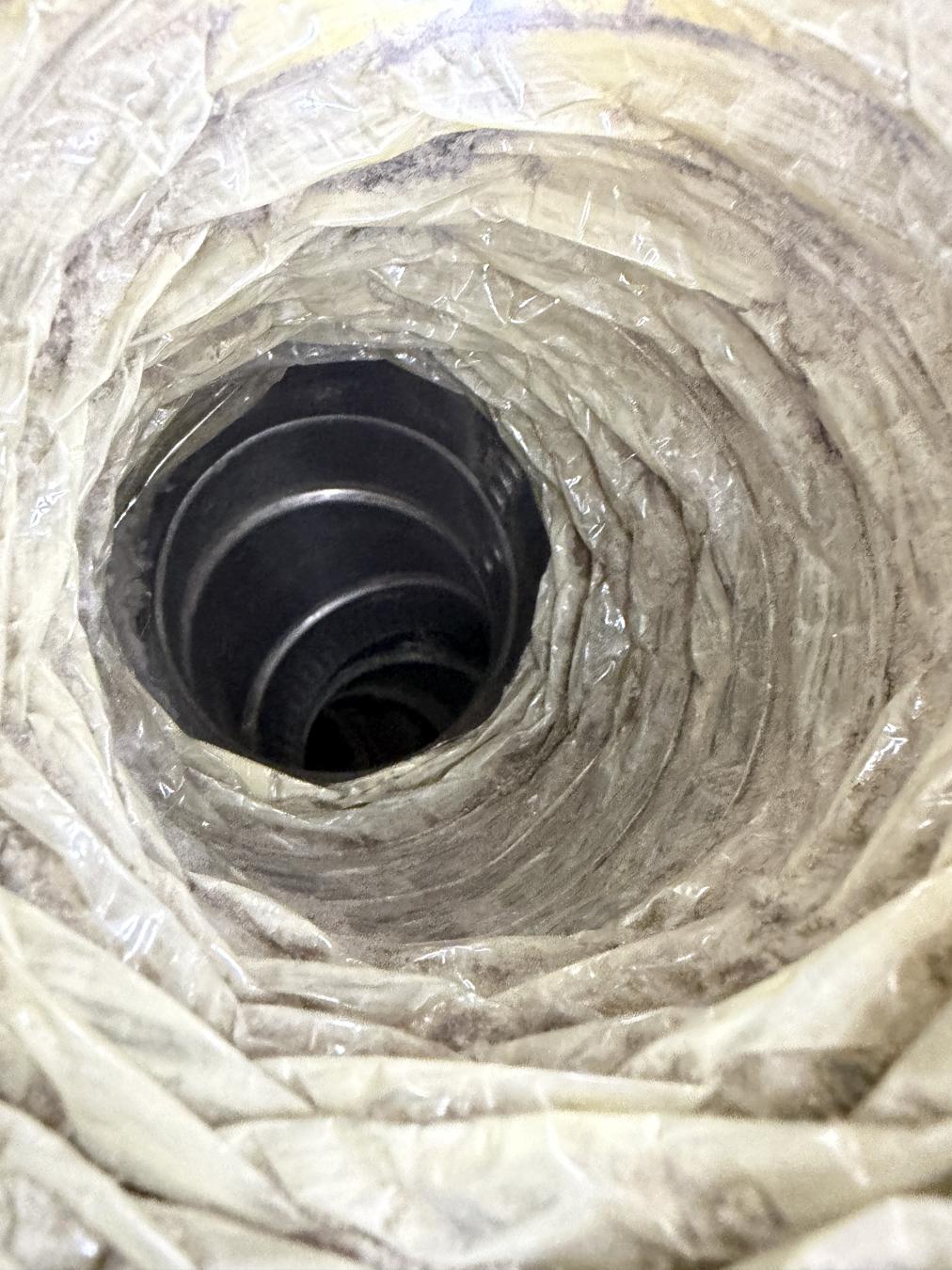
A concerning burning smell coming from the dryer led this Mt. Pleasant family on Beckenham Drive to reach out to Valentine Vents after more than three years without service. Upon arrival, the C-DET certified specialist measured back pressure at 0.63"WC and discovered substandard flex foil connecting the dryer—a material specifically prohibited in dryer manufacturer guidelines. The 18-foot vent system with two turns included a short section of flexible duct concealed within the wall, a code violation that restricts airflow and poses risks, though accessing it would require cutting into the wall. After carefully cleaning the entire run using specialized nylon brushes to protect the existing flex, the specialist replaced the hazardous foil transition with DryerFlex, a premium semi-rigid product chosen for its superior performance and fire-retardant properties. The Valentine 360 Visibility camera inspection documented the improved conditions throughout the system, and photos captured the transformation. Post-cleaning measurements showed back pressure reduced to 0.48"WC. The specialist also noted the exterior backdraft damper was bent and recommended monitoring to prevent wildlife intrusion. With proper airflow restored and dangerous materials removed, this home now operates with significantly improved safety and efficiency.
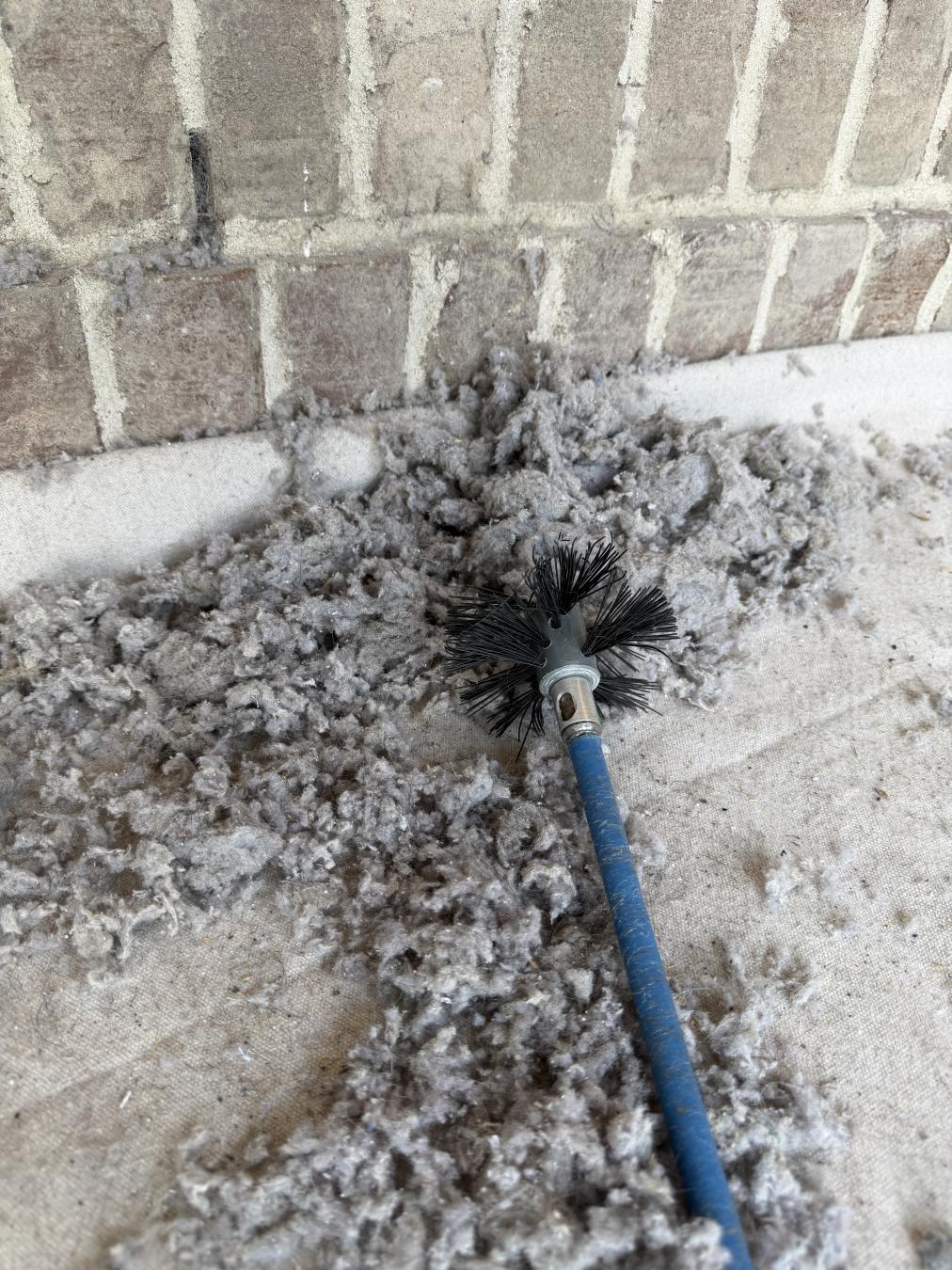
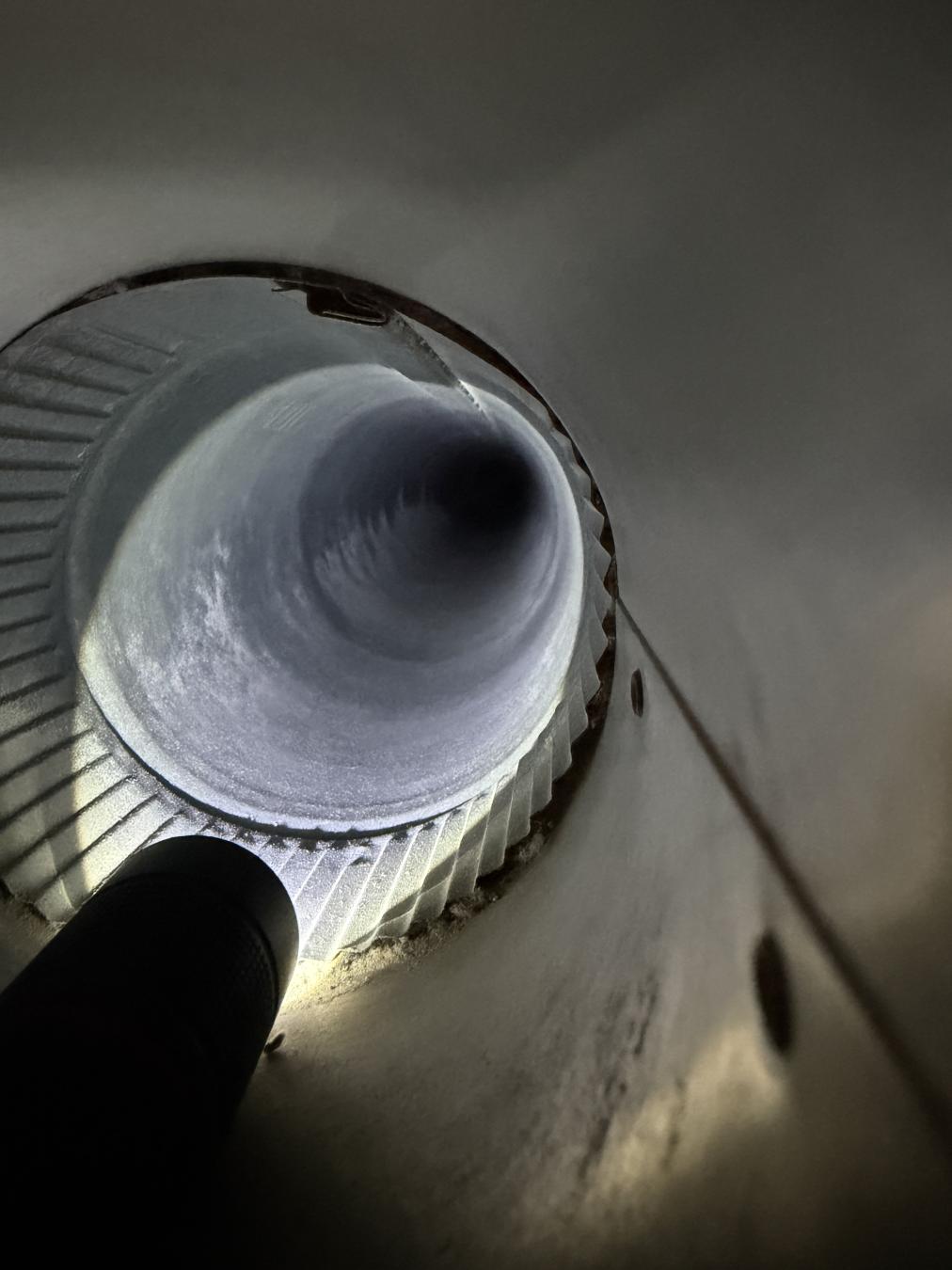
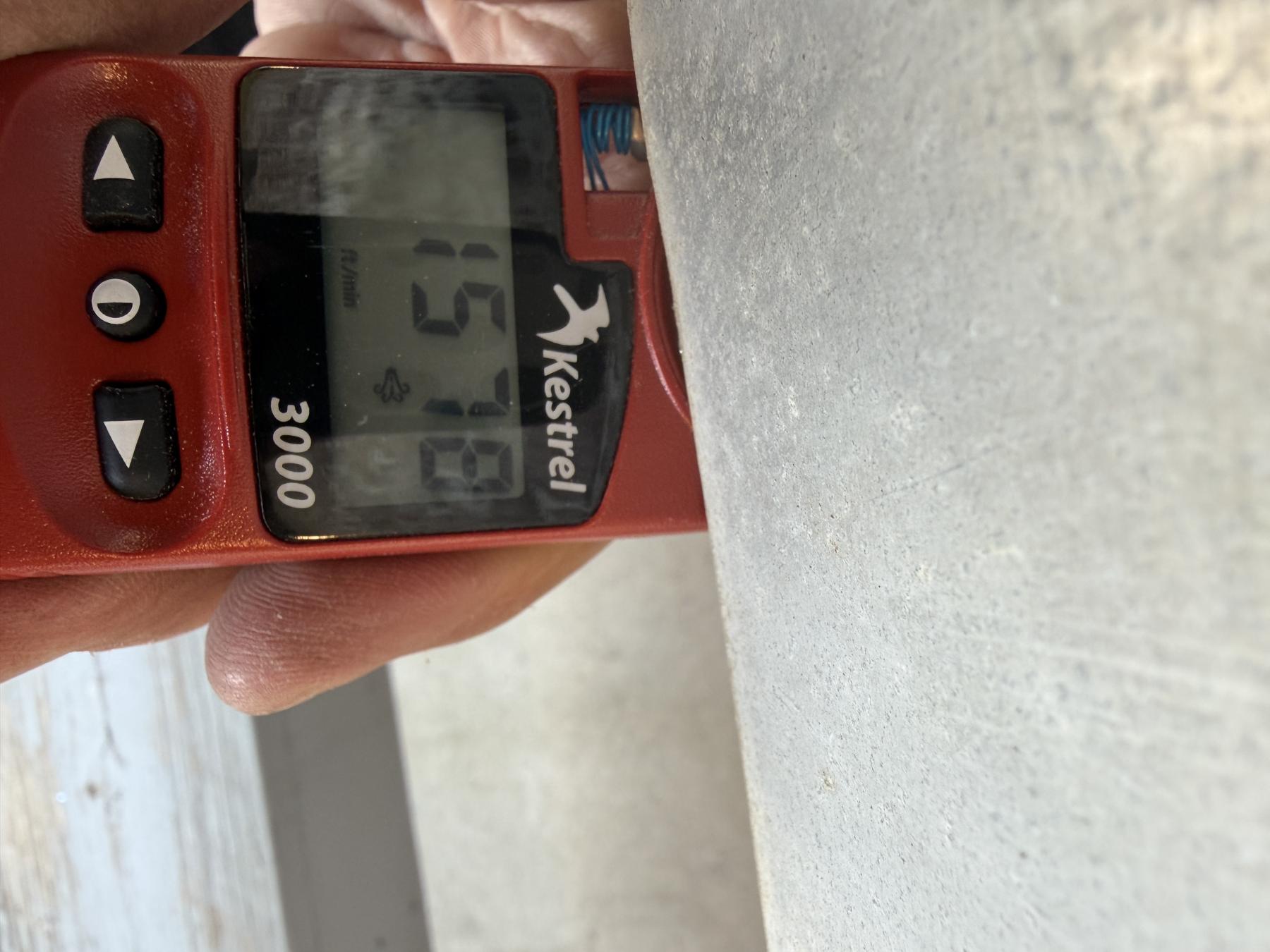
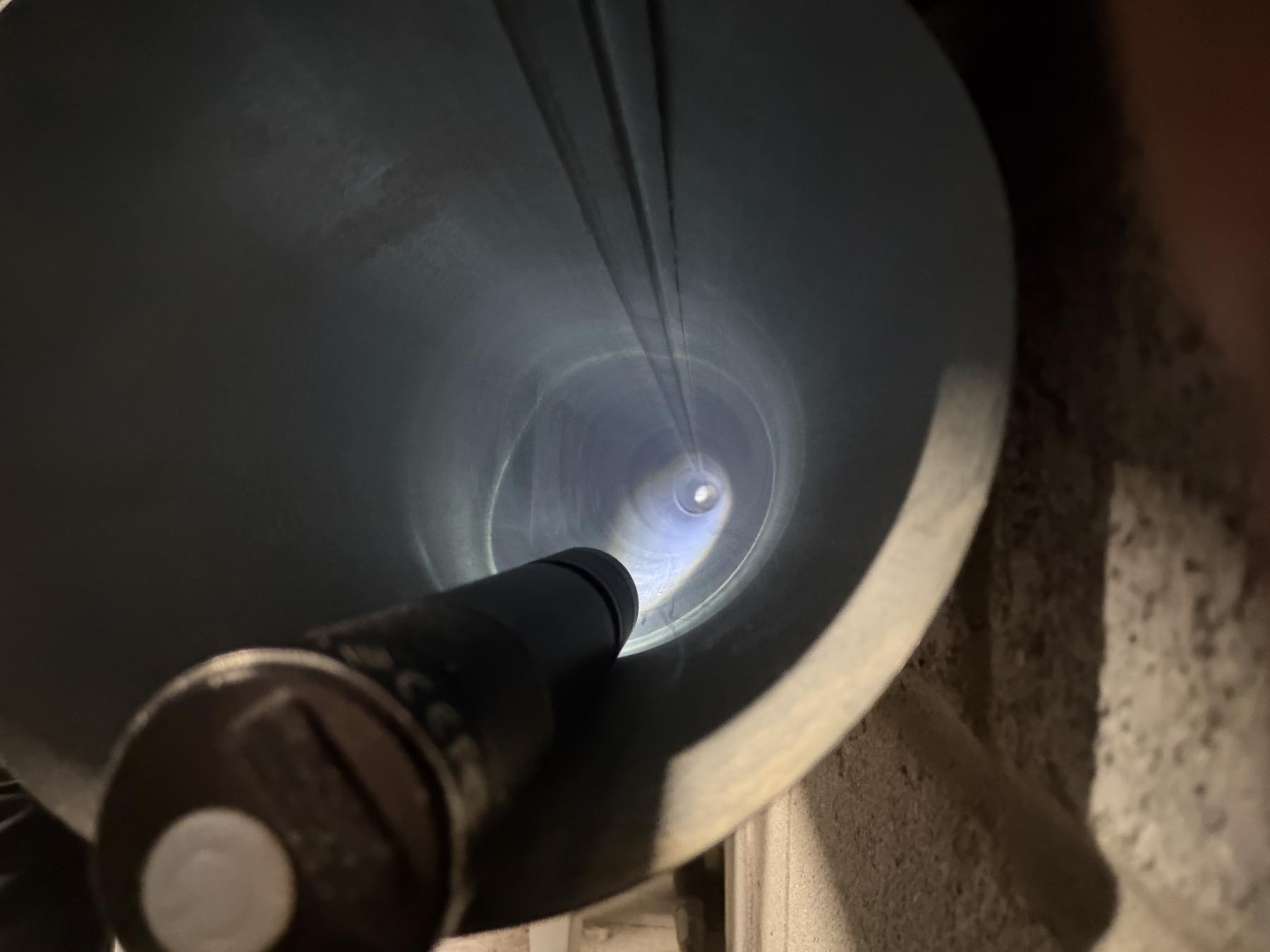
When a secondary laundry area had gone more than three years without professional attention, the homeowners on Beckenham Dr in Mt. Pleasant knew it was time to bring in Valentine Vents. Though this dryer saw less frequent use than the main unit, the C-DET certified specialist discovered conditions that told a different story—while the newer appliance showed only a light accumulation inside the cabinet, the 15-foot metal rigid vent revealed substantial lint buildup despite the straightforward configuration with zero turns. The Valentine 360 Visibility camera inspection captured the extent of the blockage before the thorough cleaning process began. Airflow measurements confirmed the improvement, jumping from 1,386 FPM to 1,578 FPM once the system was cleared. The specialist also addressed a critical safety concern by replacing the substandard flex foil transition duct with DryerFlex, a premium semi-rigid product chosen for its superior performance and fire-retardant properties—exactly what dryer manufacturers recommend in their owner's manuals. After delinting the cabinet and verifying proper operation throughout, the specialist left behind photographic documentation of the transformation. Even a less-frequently-used dryer deserves the safety and efficiency that comes with professional care.
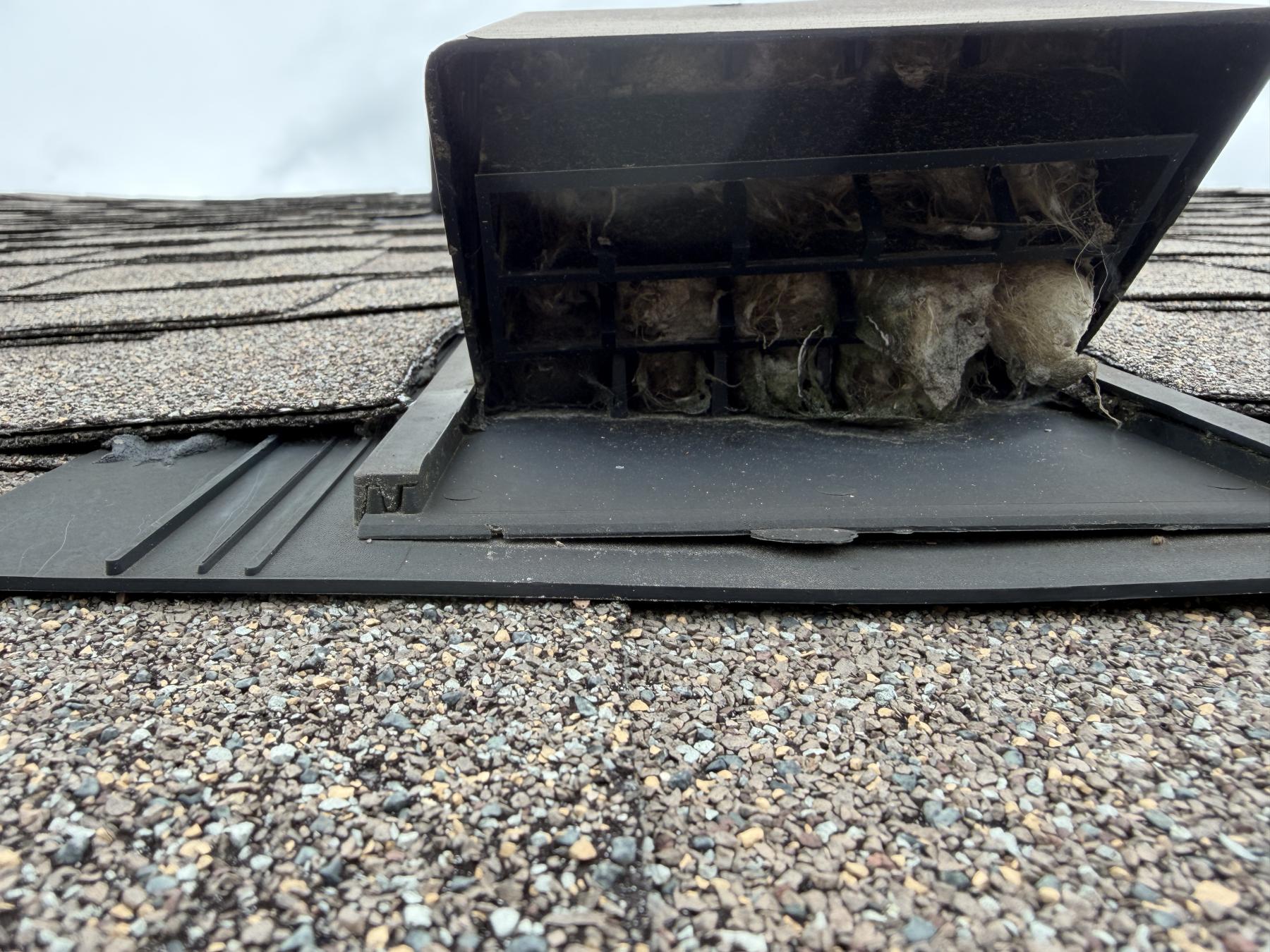
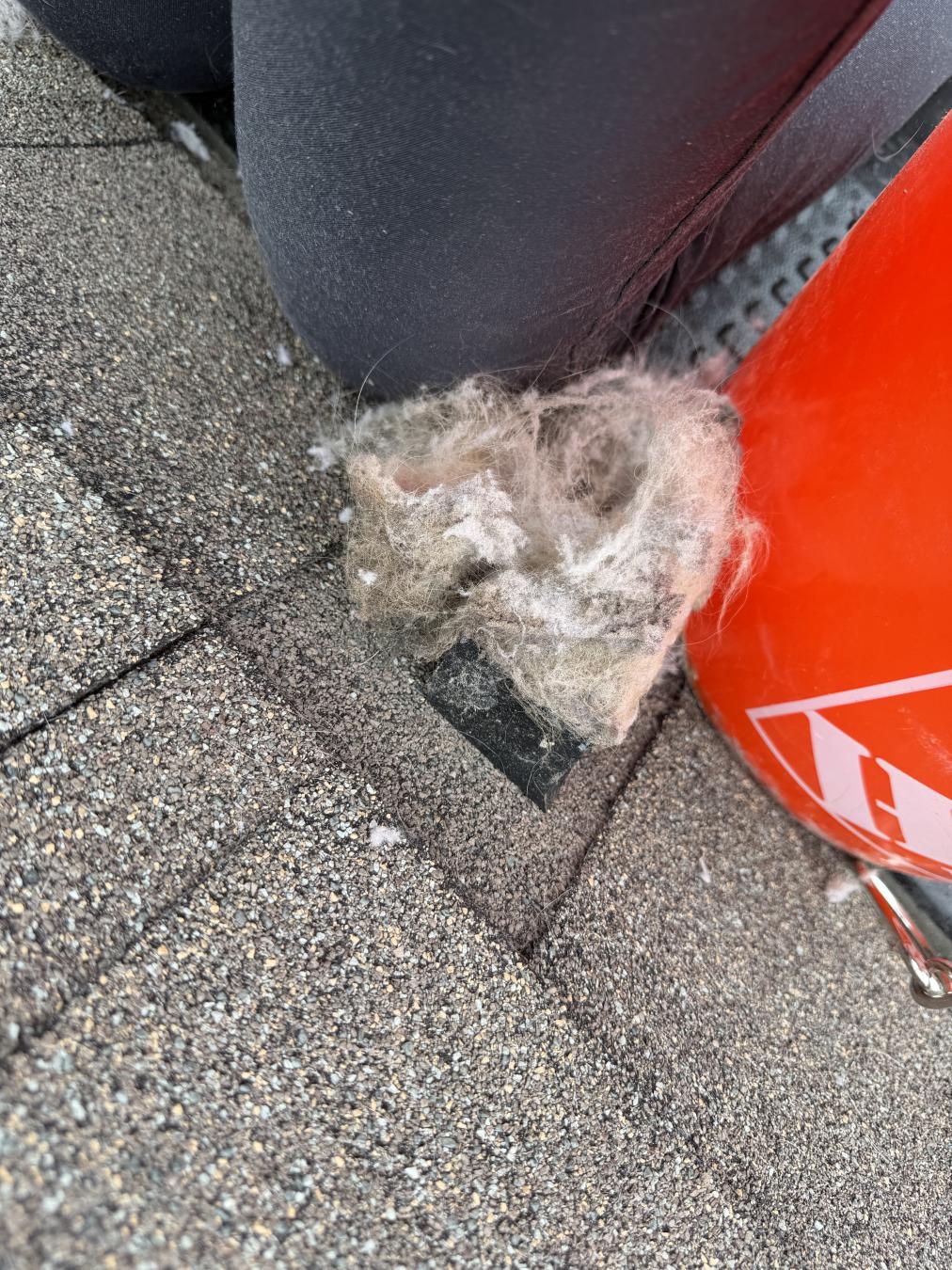
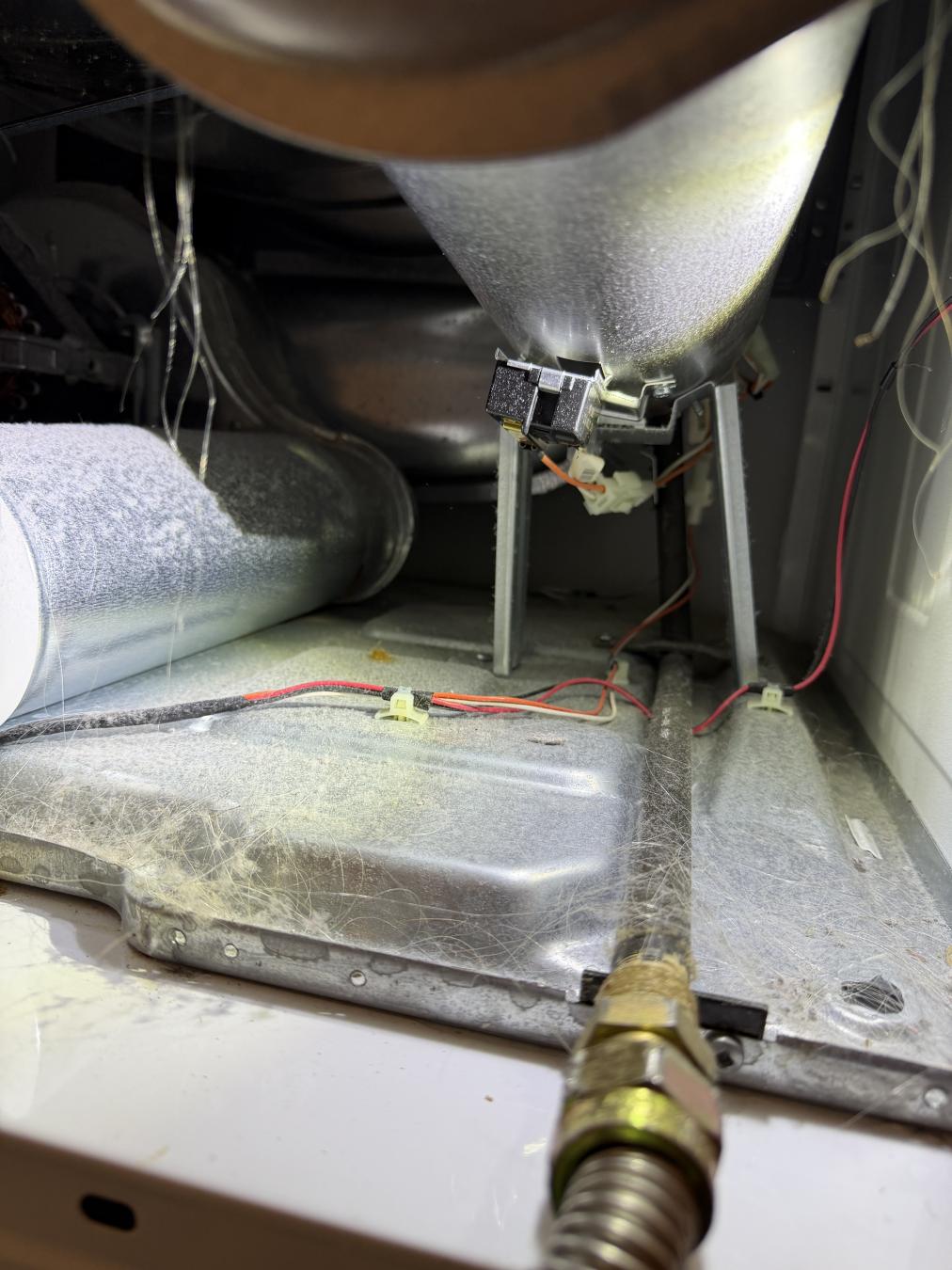
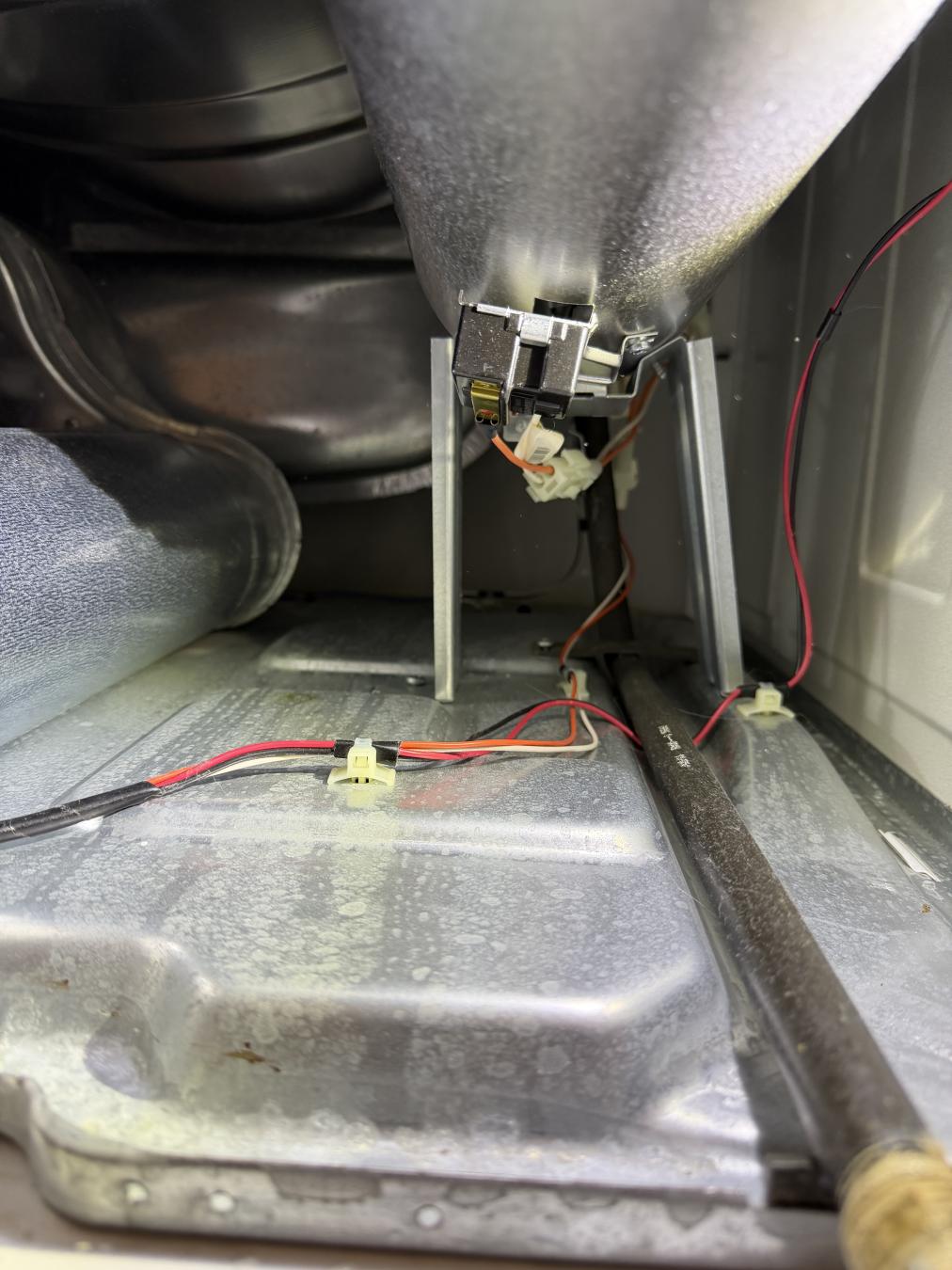
When a dryer in a Mt. Pleasant home began taking longer to complete cycles, the culprit turned out to be a combination of issues affecting the entire ventilation system. The C-DET certified specialist from Valentine Vents discovered moderate lint accumulation throughout the 18-foot metal rigid vent, complicated by pet hair from the family dog. Most concerning was the grid on the roof termination, which had become completely packed with debris and was severely restricting airflow—initial readings showed only 905 FPM at the dryer outlet. The specialist documented conditions using the Valentine 360 Visibility camera inspection before thoroughly cleaning the two-turn vent system. The grid, which violated code requirements and impeded proper exhaust, was removed from the goose neck termination. Additionally, the substandard flex foil transition duct was replaced with DryerFlex, a premium semi-rigid product chosen for its superior performance and fire-retardant properties that meets manufacturer specifications. As a complimentary service, the dryer cabinet itself was delinted to eliminate the pet hair and lint that had accumulated inside. With proper airflow restored and code violations corrected, this Mt. Pleasant home now enjoys faster drying times and significantly reduced fire risk.
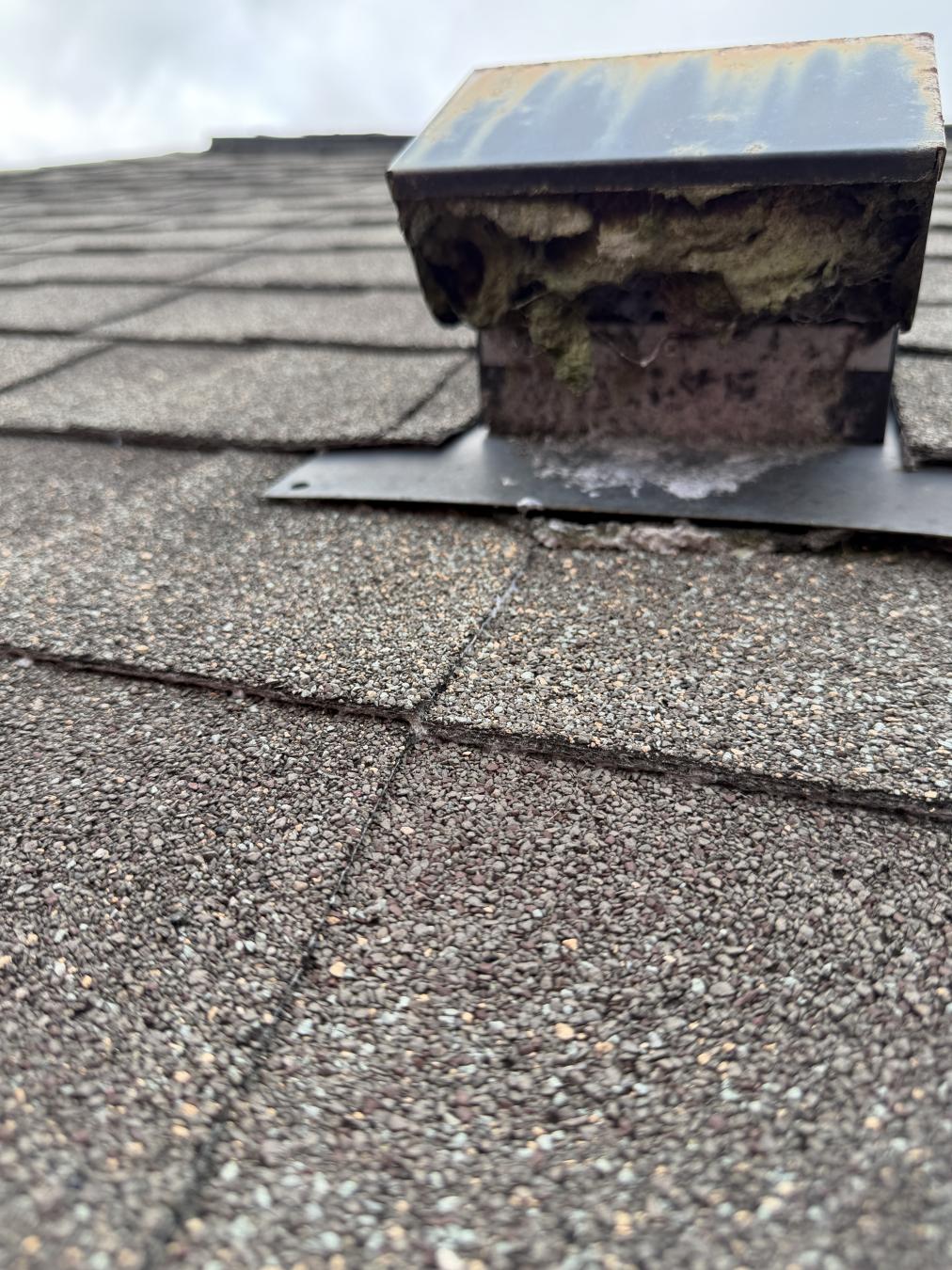
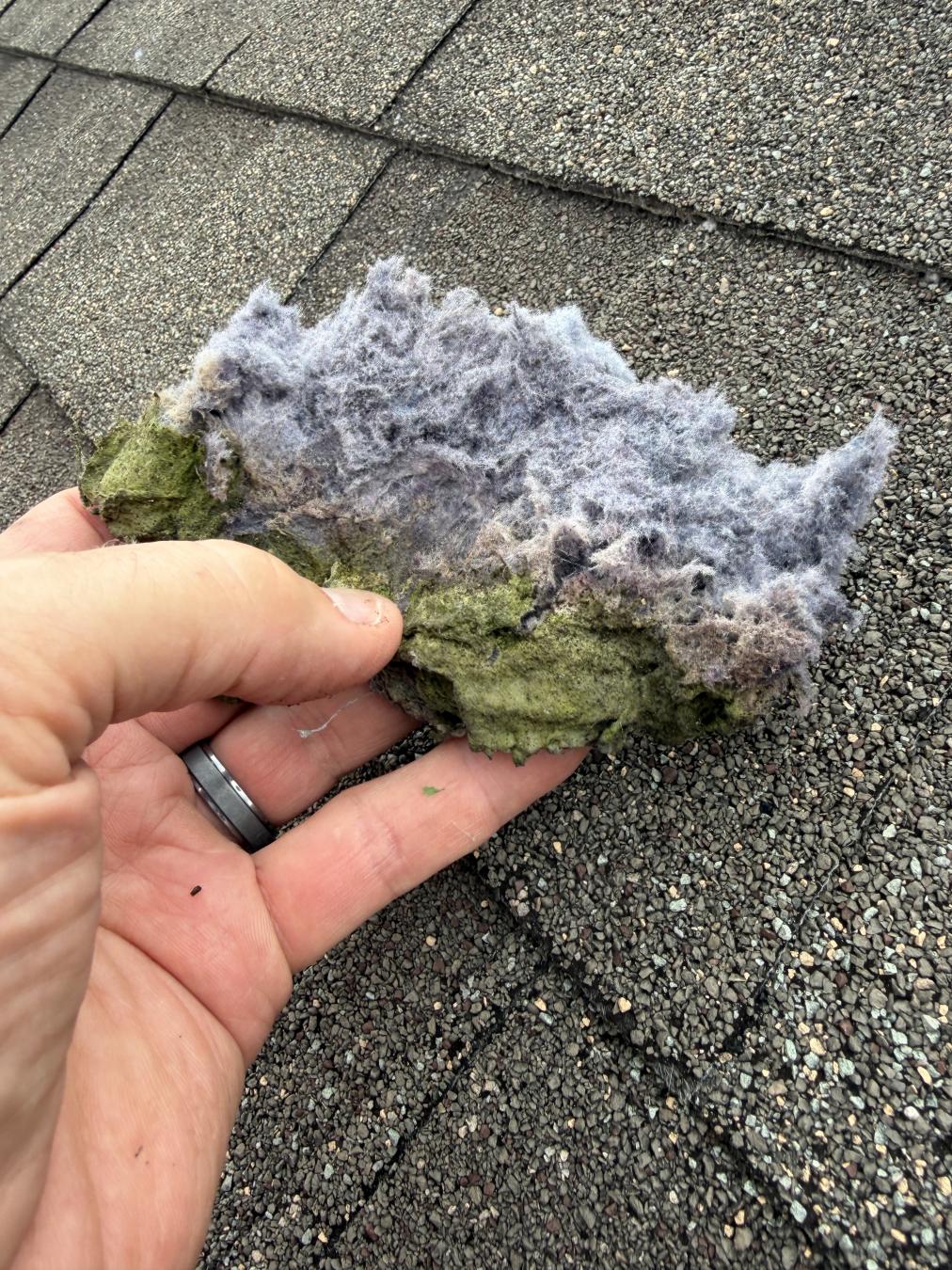
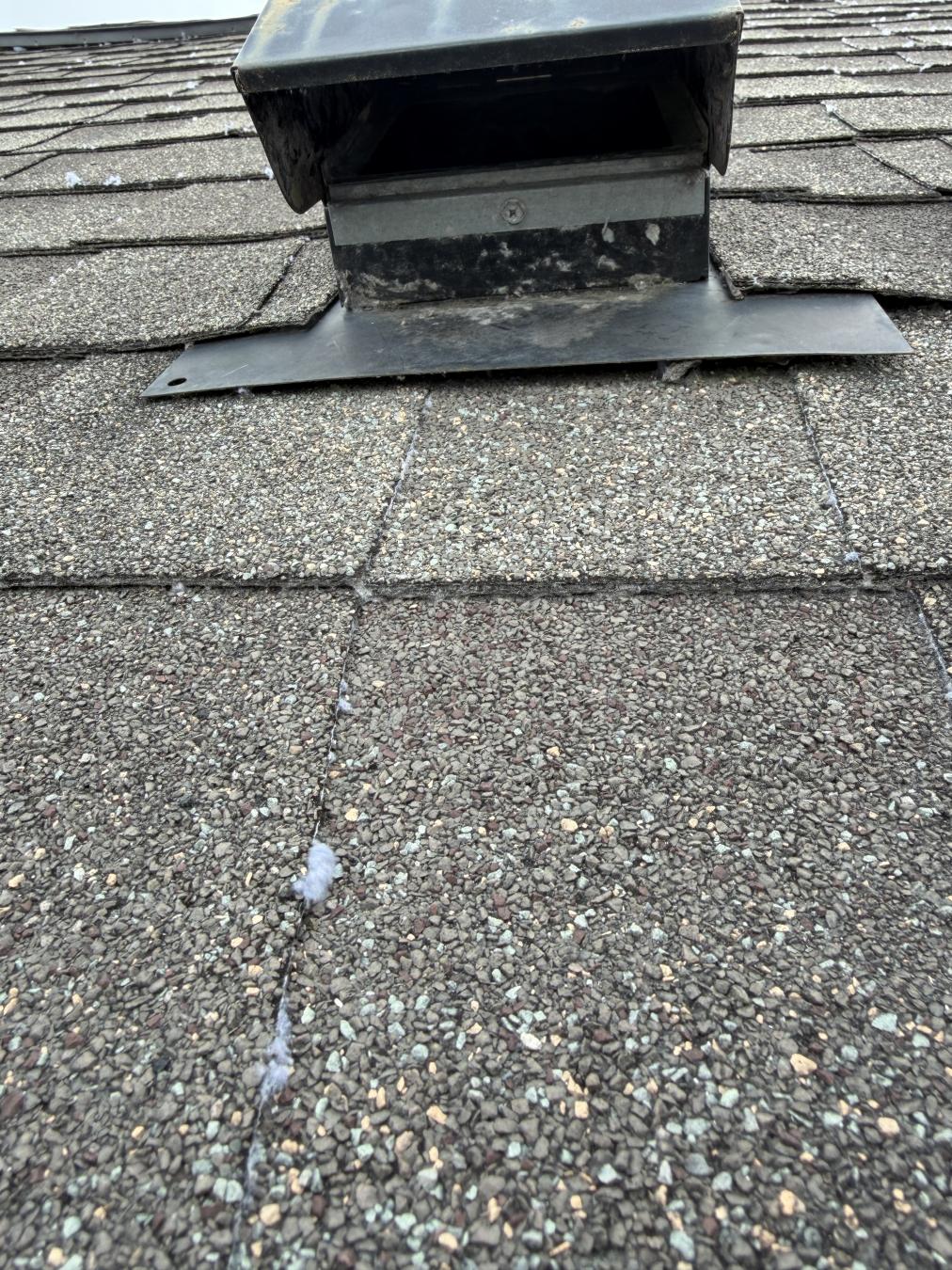
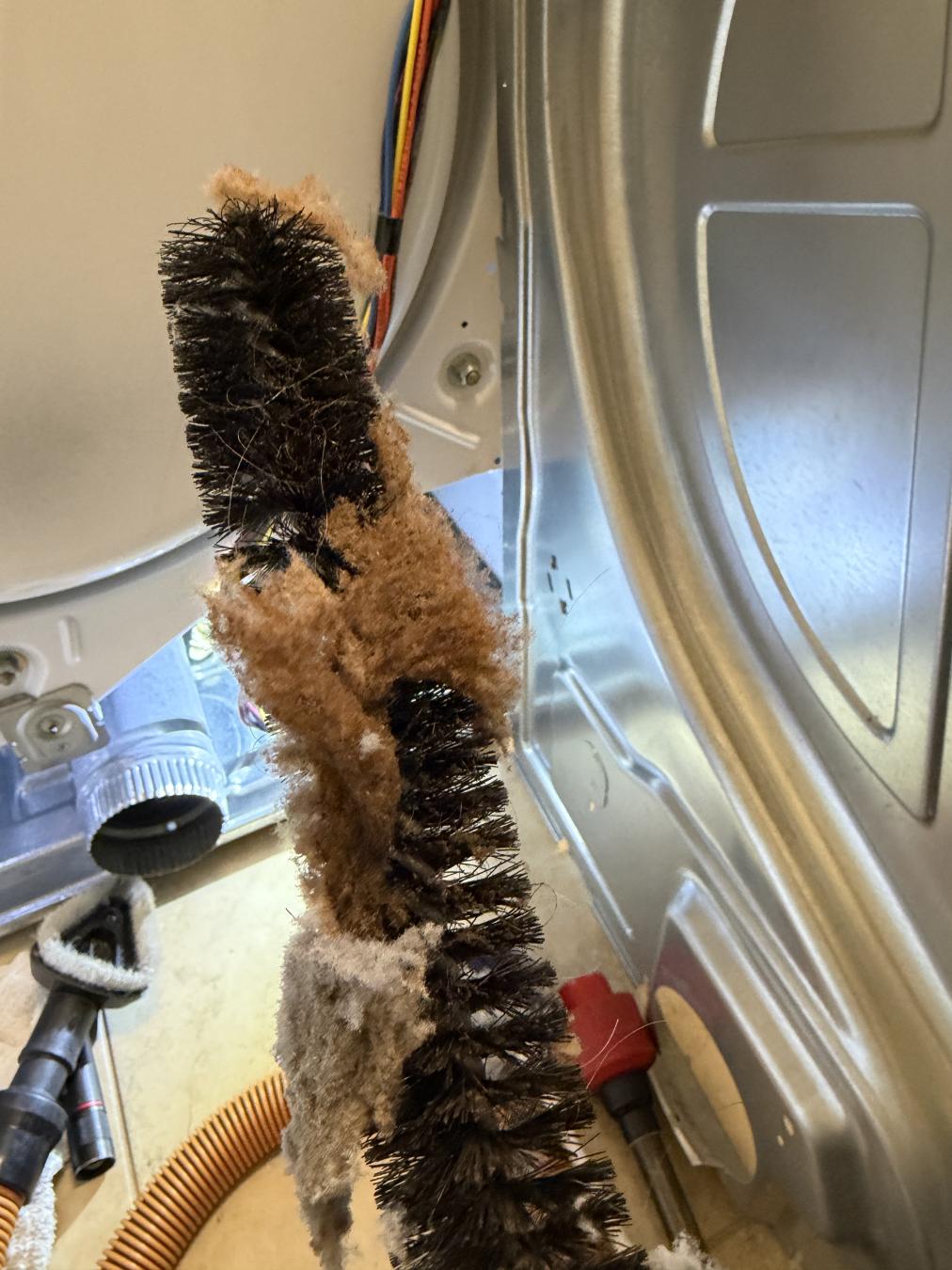
When this Mt. Pleasant home's dryer started showing concerning signs, the owners wisely called in Valentine Vents for a thorough evaluation. What the C-DET certified specialist discovered on Orion Lane was alarming: the roof vent termination was completely blocked with lint—a serious fire hazard—and inspection of the dryer cabinet revealed even more troubling evidence. Singed lint on the heat chamber indicated the appliance had been operating dangerously hot, likely due to the severe restriction in the 21-foot metal rigid vent line. After carefully clearing the blockage and removing accumulated lint throughout the entire system, the specialist delinted the dryer cabinet to eliminate the internal buildup. A Valentine 360 Visibility camera inspection documented the dramatic transformation, with photos capturing the before-and-after conditions. Final airflow testing confirmed the improvement: the system now measured 1810 FPM, a significant jump from conditions that had allowed virtually no exhaust. This family can now operate their dryer with confidence, knowing their home is protected from a very real fire risk.
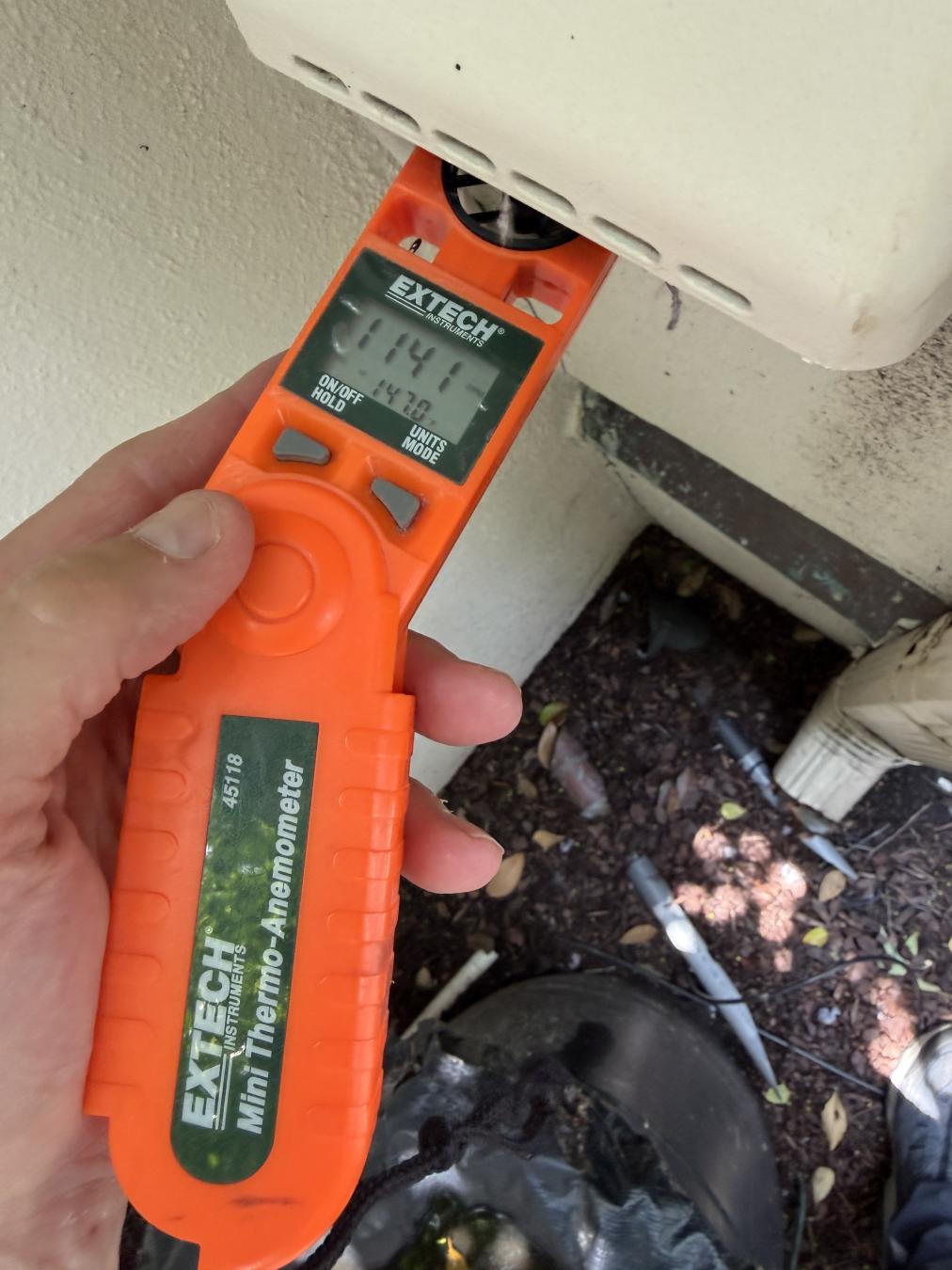
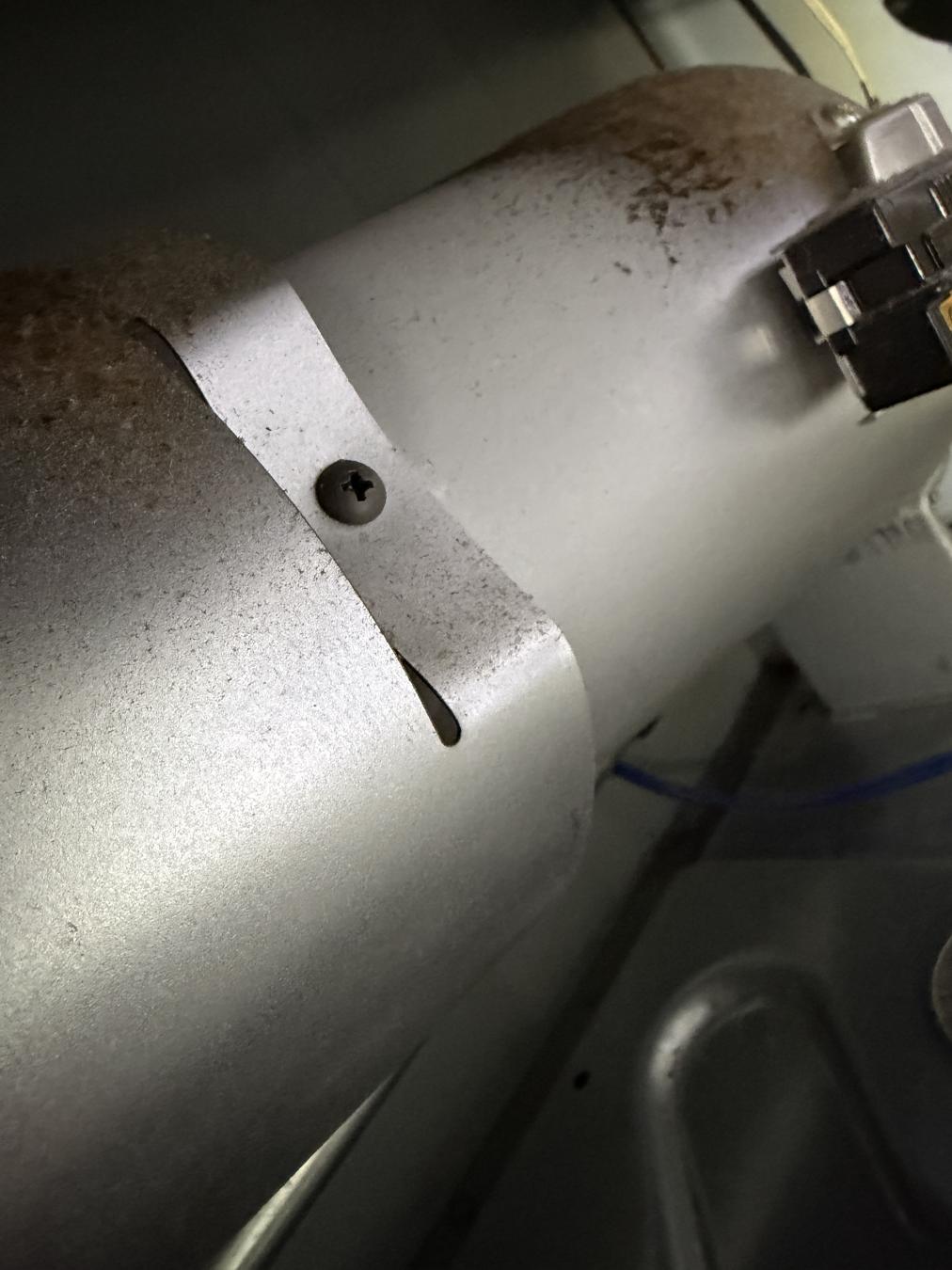
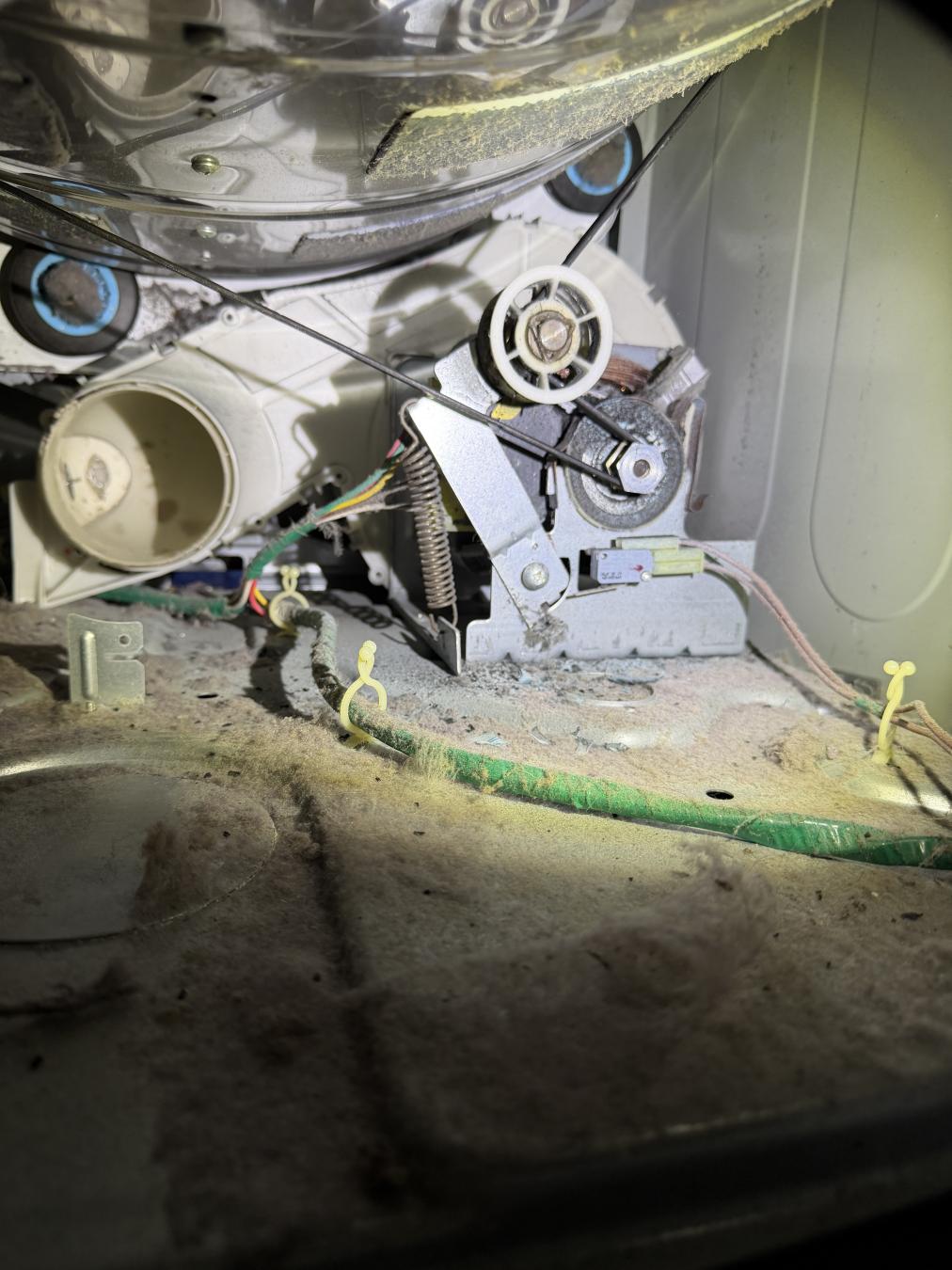
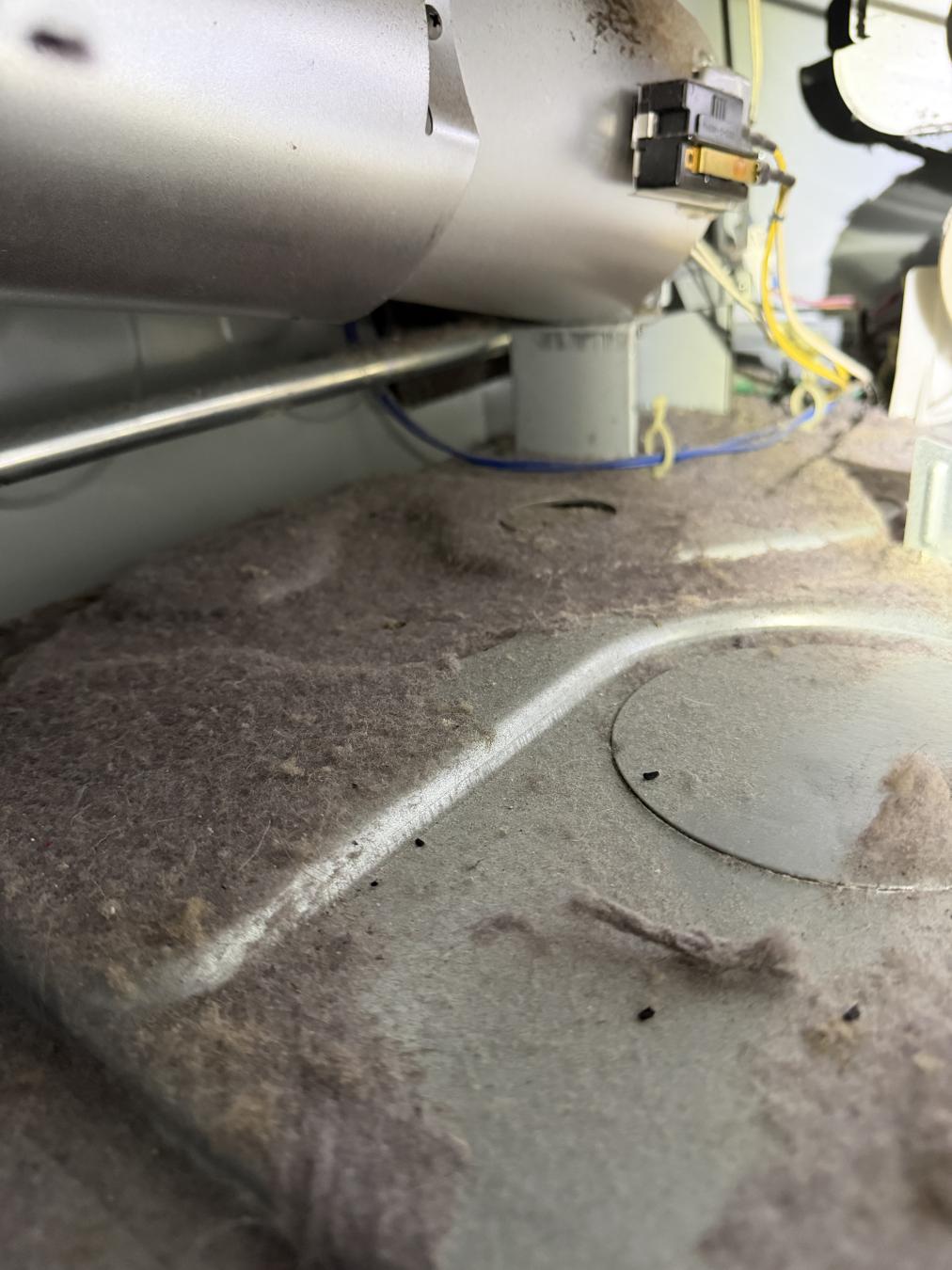
When the specialist from Valentine Vents arrived at this Montrose Road home in Mt. Pleasant, the dryer appeared to function normally—but what lay hidden inside told a different story. Excess lint had accumulated not only in the vent cover and below the lint trap, but throughout the dryer cabinet itself. Most concerning was the discovery of singed lint resting on the heat chamber, a clear warning sign that this appliance had been operating under dangerous conditions. The airflow readings confirmed the severity of the restriction: just 1,141 FPM where robust ventilation was needed. After thoroughly cleaning the system and delinting the dryer cabinet, the specialist addressed an inefficient 180-degree turn by shortening the transition duct. The Valentine 360 Visibility camera inspection documented the transformation, and photos captured the extent of buildup that had been silently threatening this home. Post-service airflow surged to 2,361 FPM—more than double the original measurement. For homeowners who can't recall their last cleaning, this job demonstrates why C-DET certified professionals recommend regular maintenance. What seemed like routine upkeep revealed conditions that could have led to a dryer fire, now completely resolved.
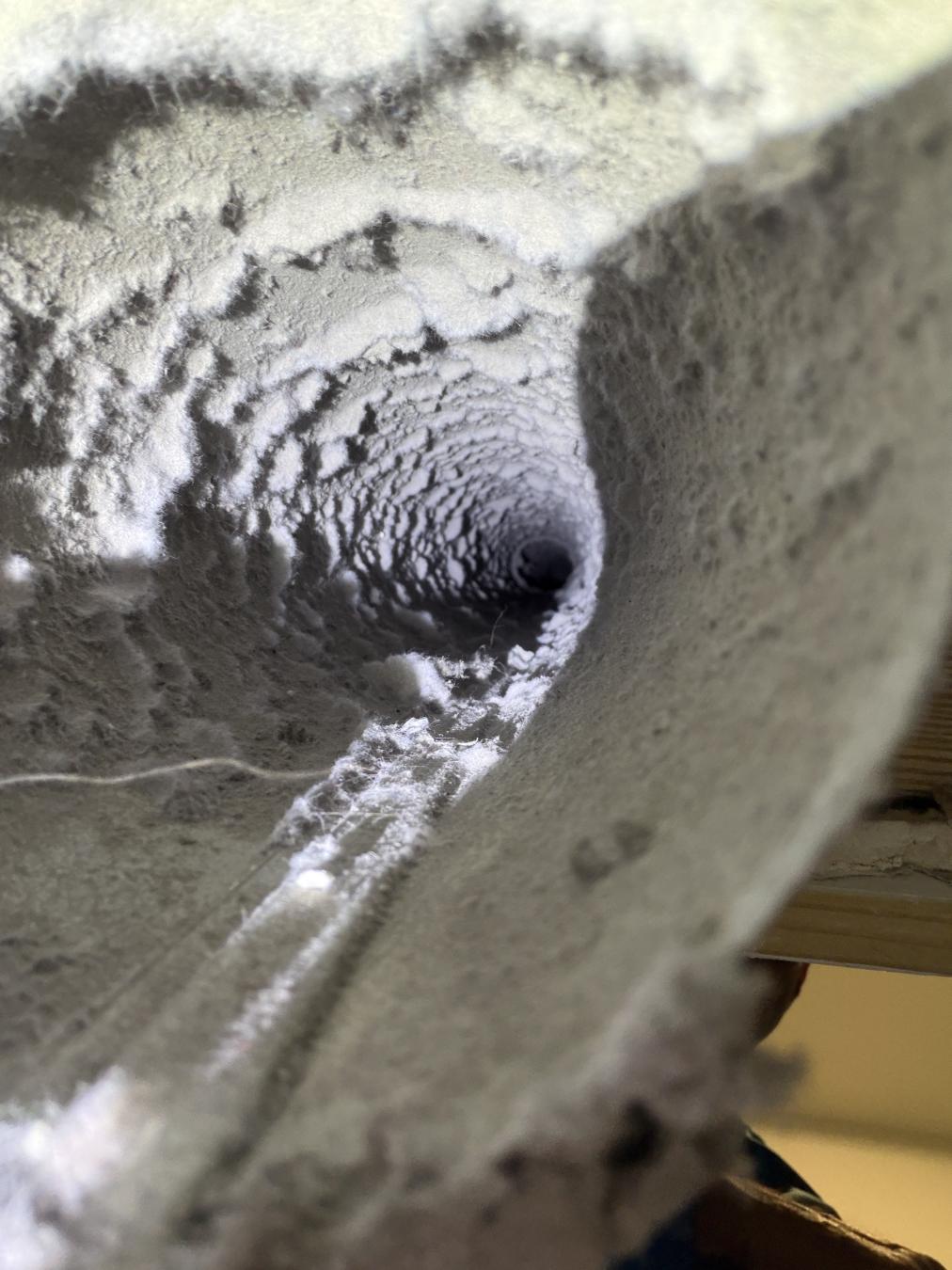
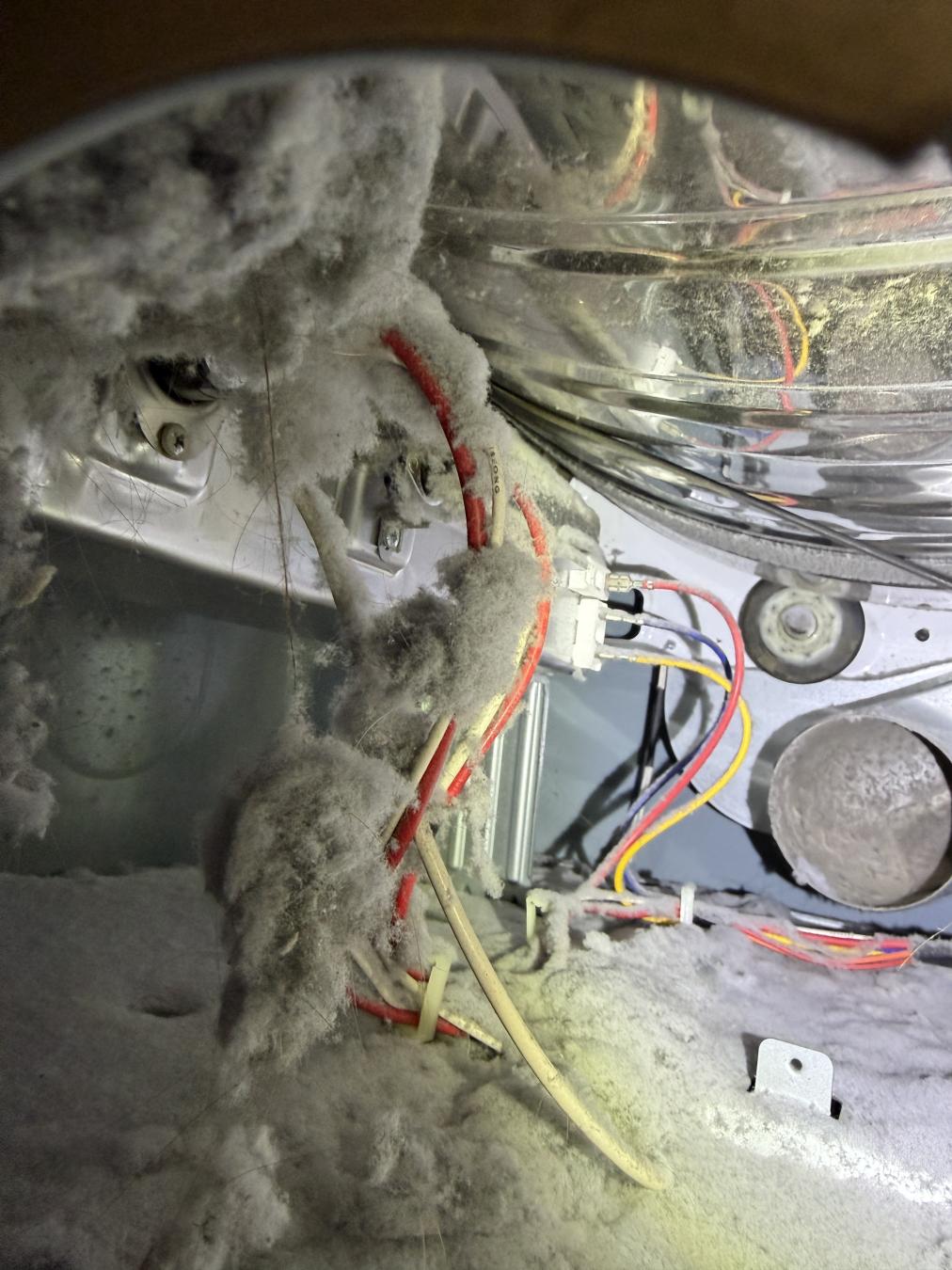
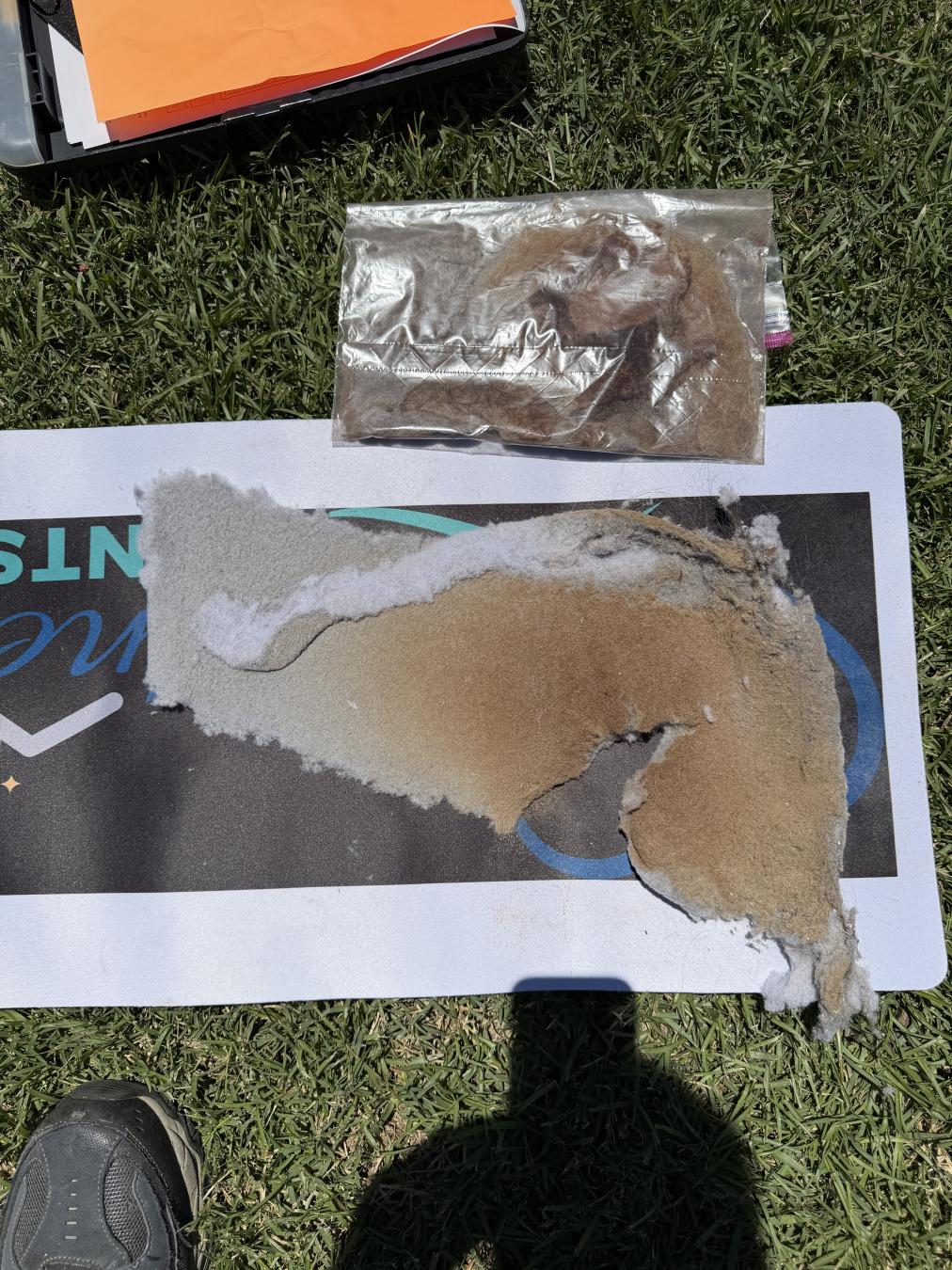
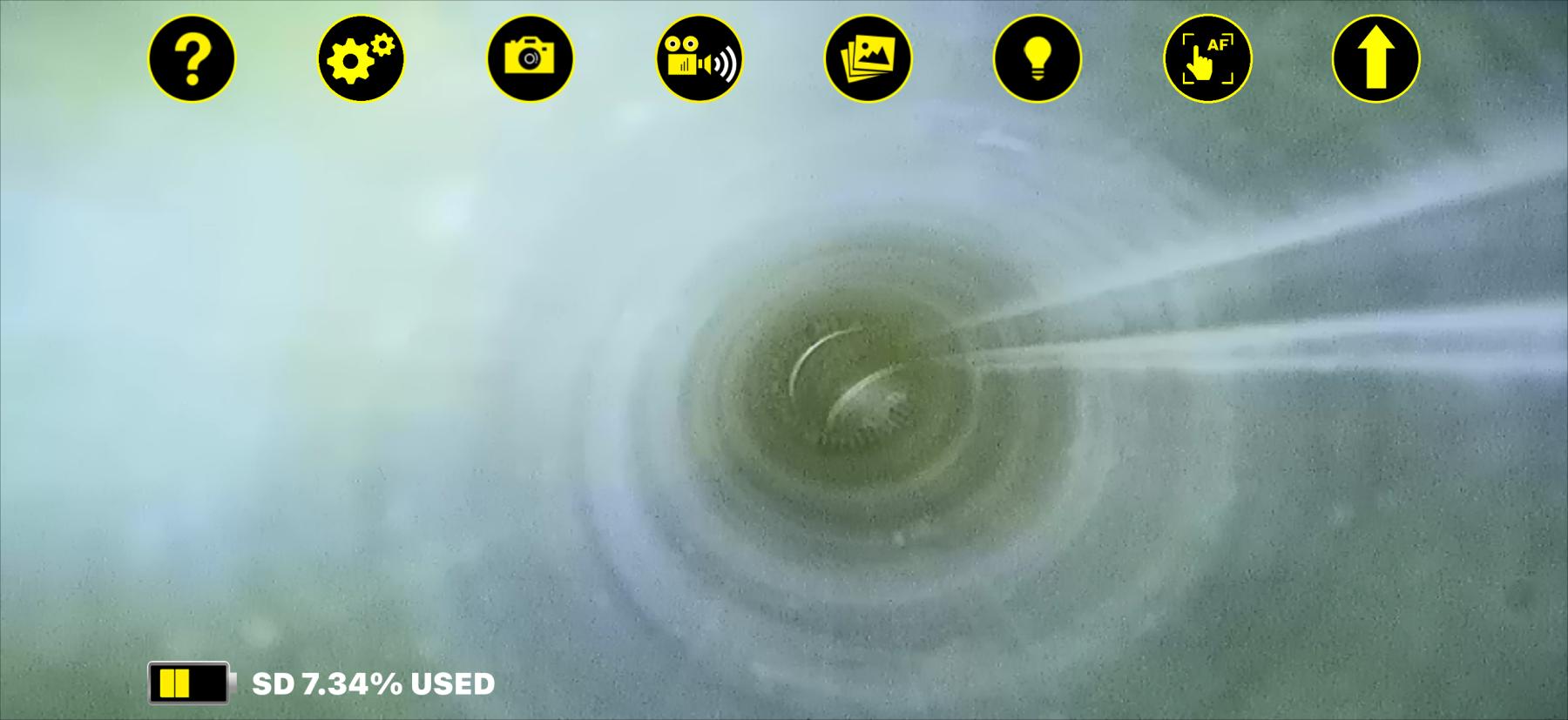
The telltale signs of a long-overdue cleaning were unmistakable when Valentine Vents arrived at this home on Yachtsman in Mt. Pleasant. With more than three years since the last service, lint had accumulated not just in the vent line itself, but throughout the dryer cabinet and beneath the lint screen—a common but often overlooked hazard zone. Even more concerning, the C-DET certified specialist discovered singed lint on the heat chamber, a clear indicator that temperatures had been climbing dangerously high. The 15-foot metal rigid vent run with a single turn was thoroughly cleaned, removing the heavy buildup that had been restricting airflow and forcing the appliance to work overtime. A Valentine 360 Visibility camera inspection provided visual confirmation of the cleaning's success and verified the roof termination was free of any restrictive grid. As part of the service, the specialist delinted the dryer cabinet to eliminate fire risk at its source. Photos captured throughout the process document the transformation from a potentially hazardous situation to a properly maintained system. This Mt. Pleasant family can now dry their clothes with confidence, knowing their home is safer and their dryer is operating as efficiently as intended.
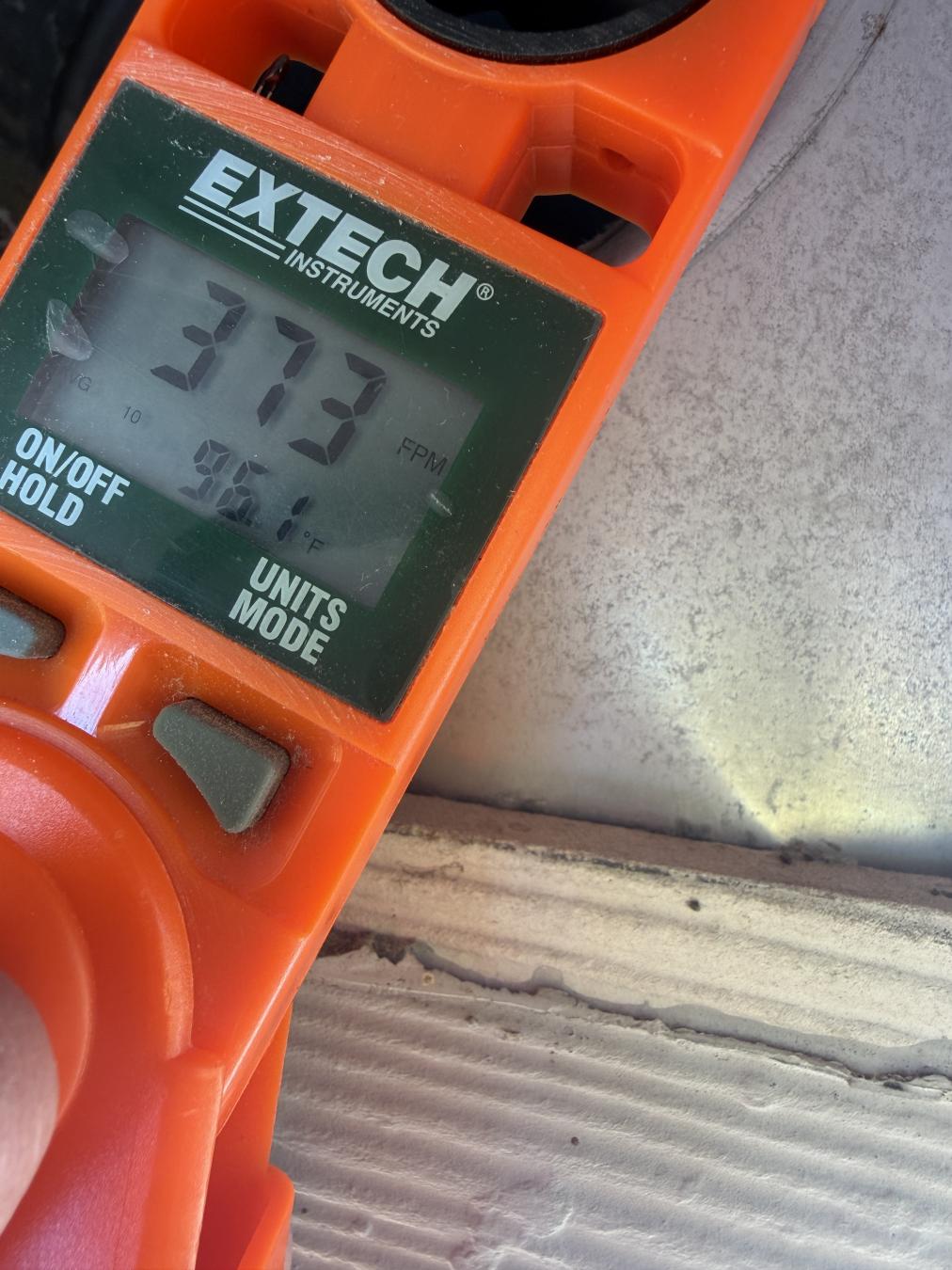
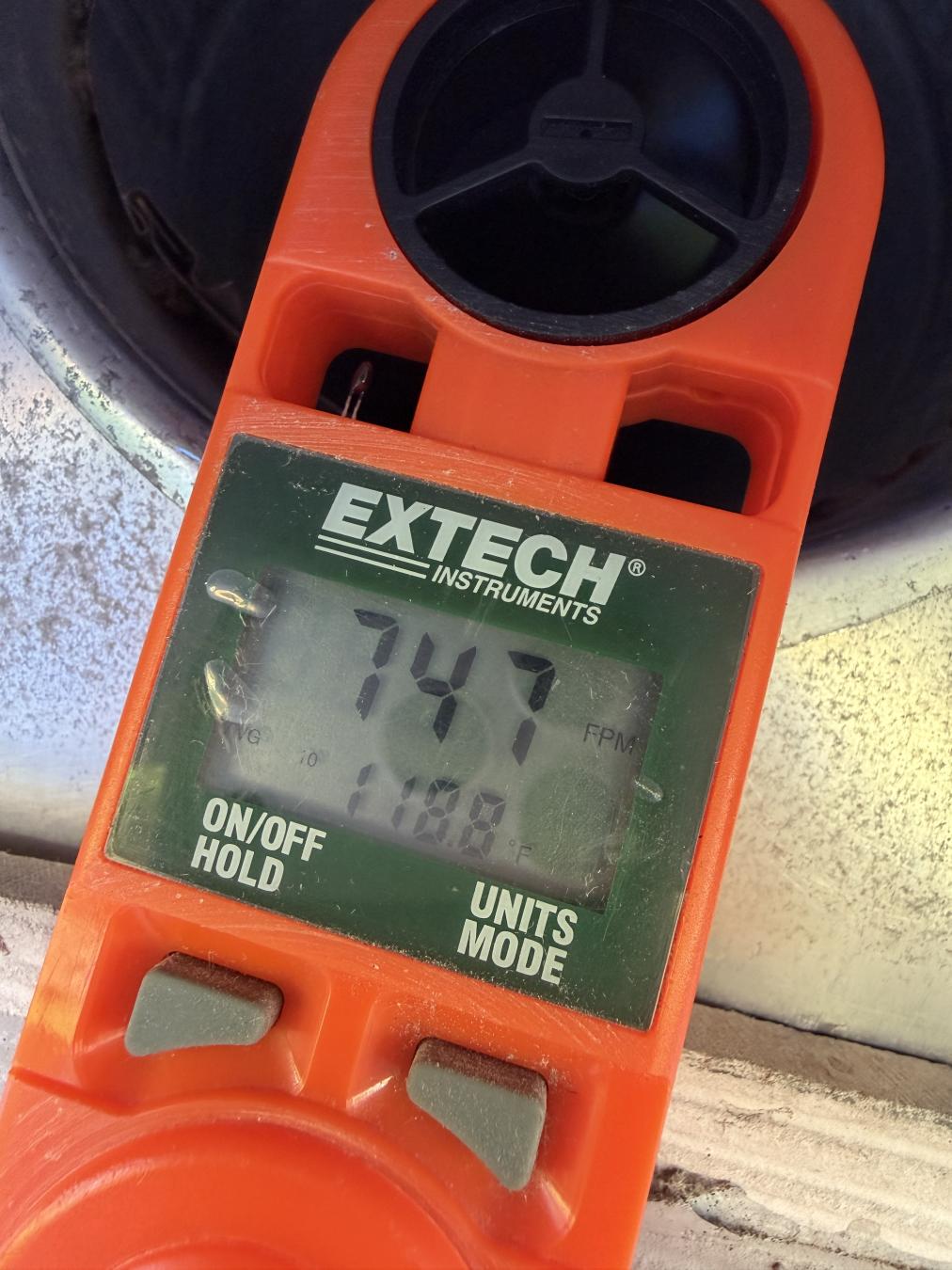
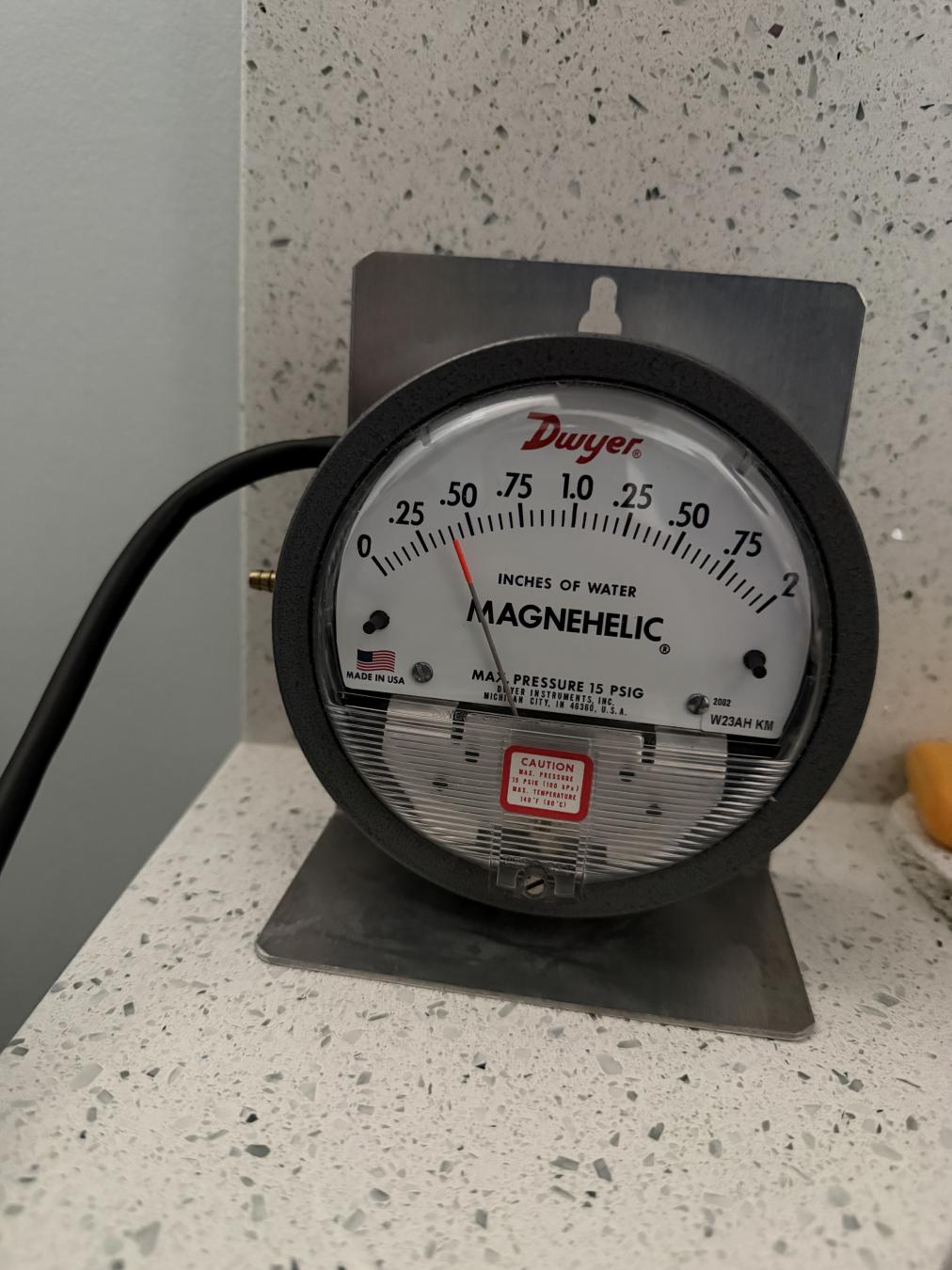
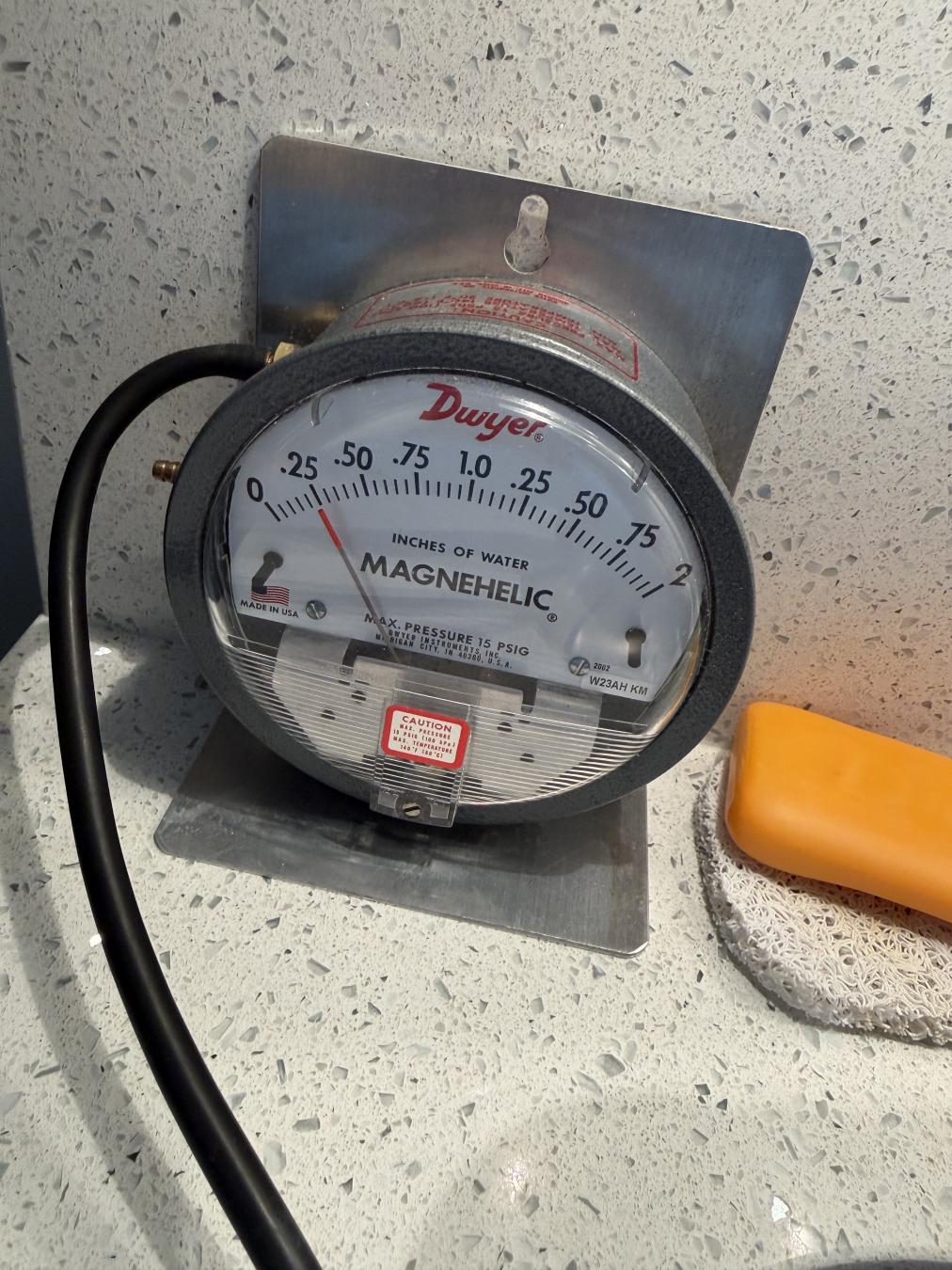
When the specialist from Valentine Vents arrived at this Mt. Pleasant home on Cross Timber Drive, he encountered an unusually challenging setup: a forty-foot metal rigid vent that traveled up into the attic before descending into the crawlspace, with the duct diameter transitioning from four inches to six inches along the way. With four turns throughout its complex pathway and the homeowner reporting increasingly longer drying times after more than three years without service, the C-DET certified specialist knew thorough attention was essential. The vent's extreme length prevented traditional end-to-end rod access, so the specialist worked methodically from both ends to ensure complete cleaning. Performance data told the success story: back pressure dropped from 0.40"WC to 0.25"WC while airflow nearly doubled from 373 FPM to an impressive 747 FPM. The substandard flex foil transition duct was replaced with DryerFlex, a premium semi-rigid product selected for its superior performance and fire-retardant properties. Photos documented the work, and a Valentine 360 Visibility camera inspection provided visual confirmation of the restoration. Despite the architectural complexities, this Mt. Pleasant home now enjoys dramatically improved dryer efficiency and enhanced fire safety.
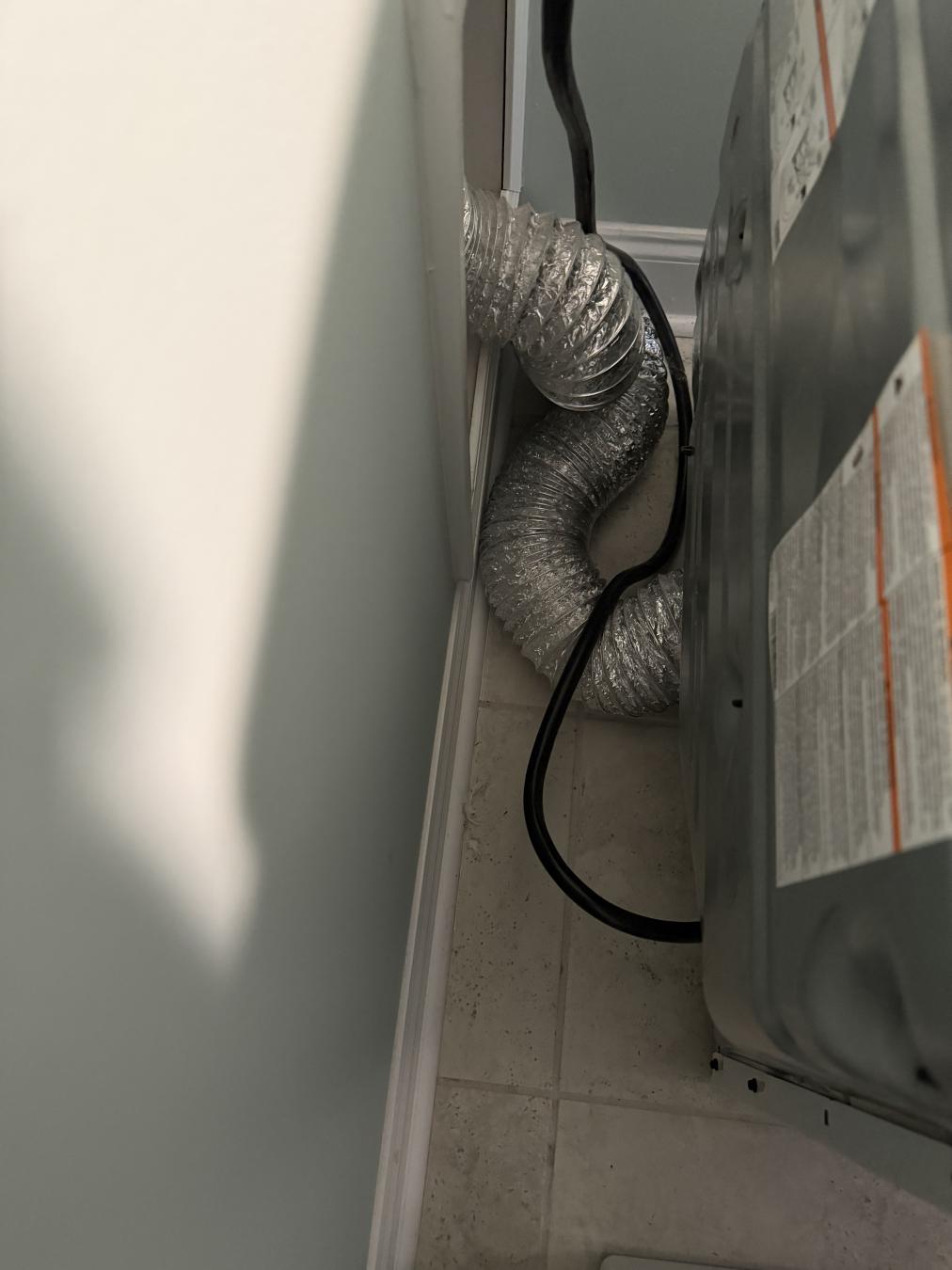
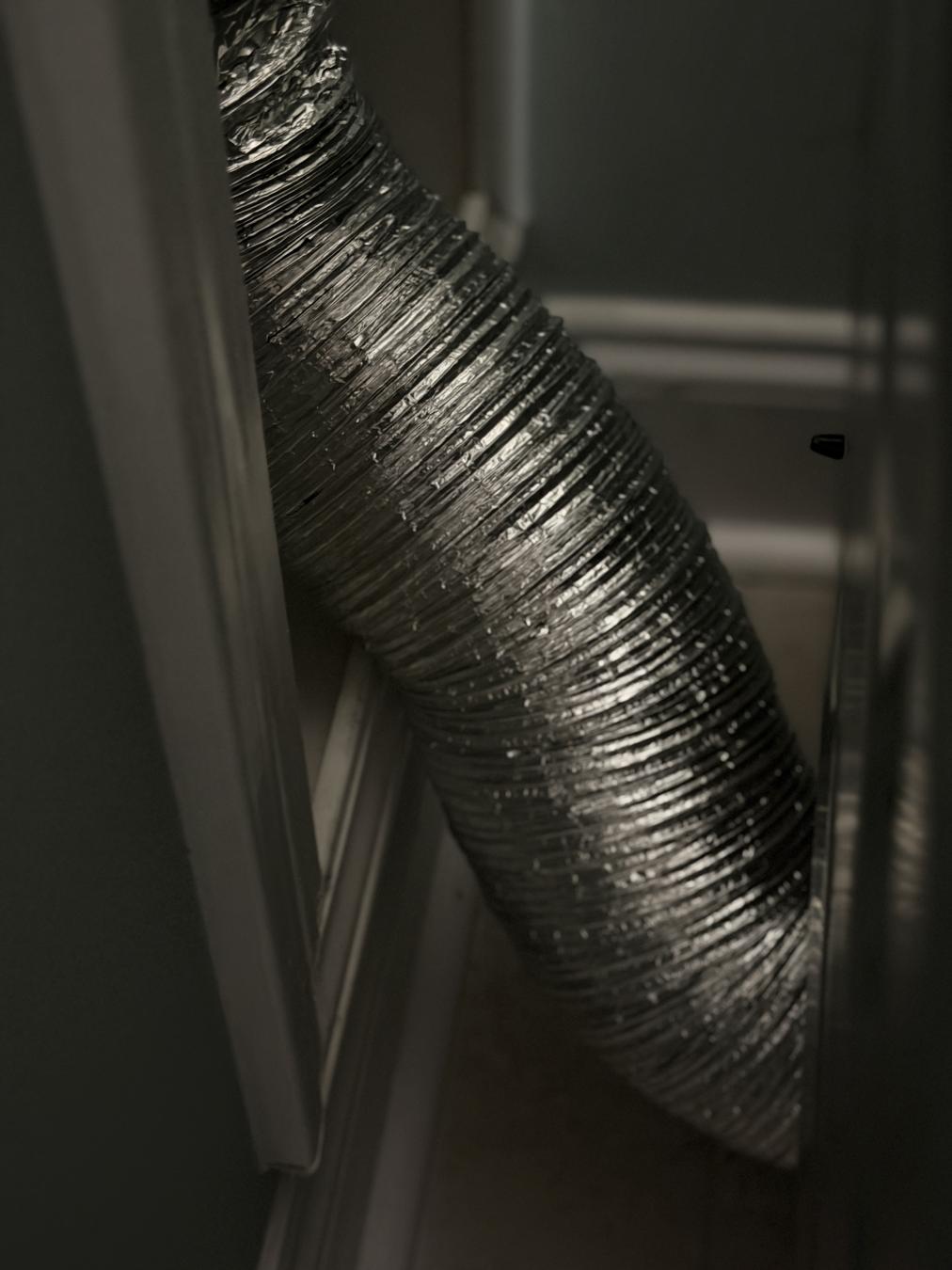
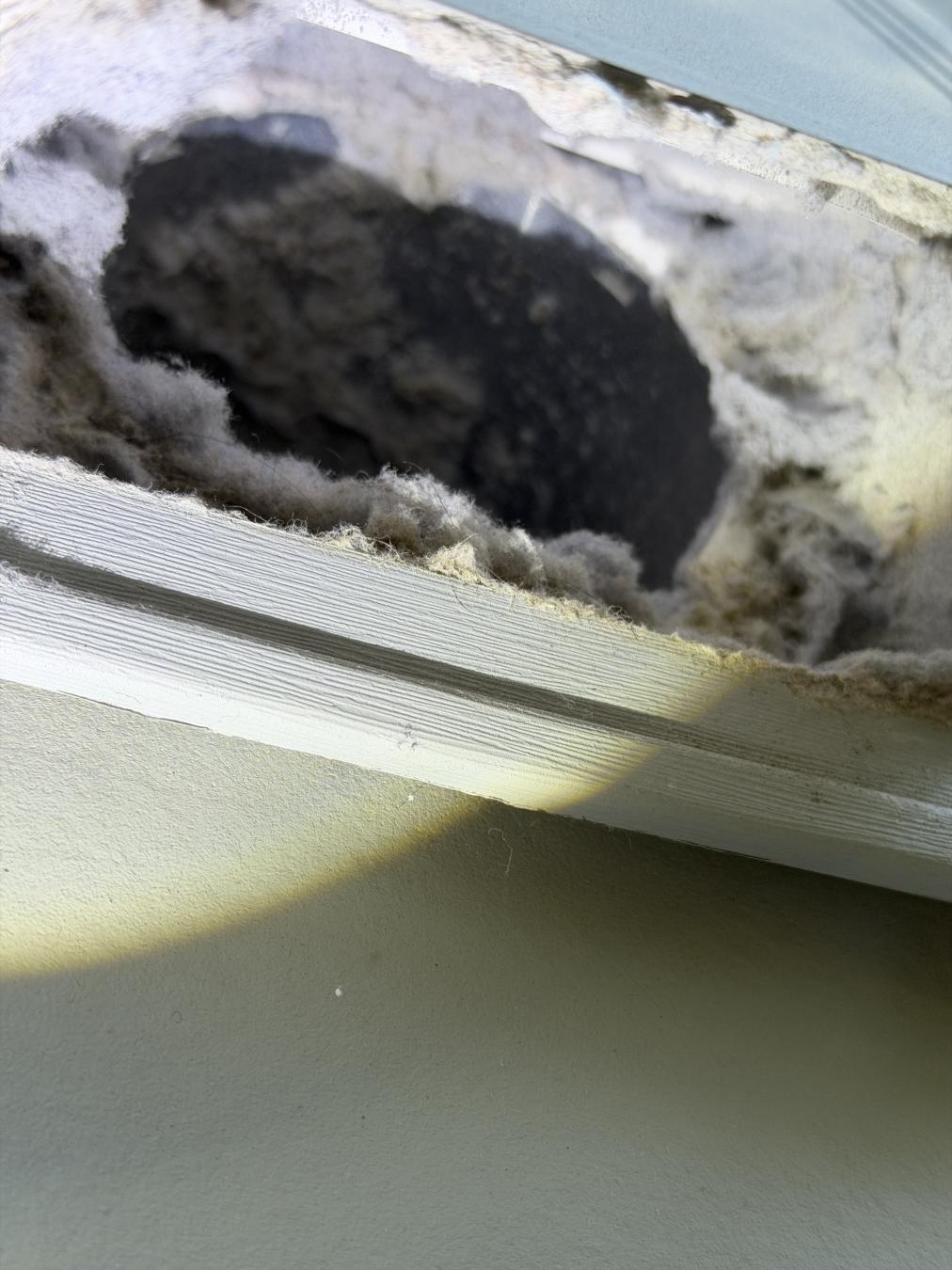
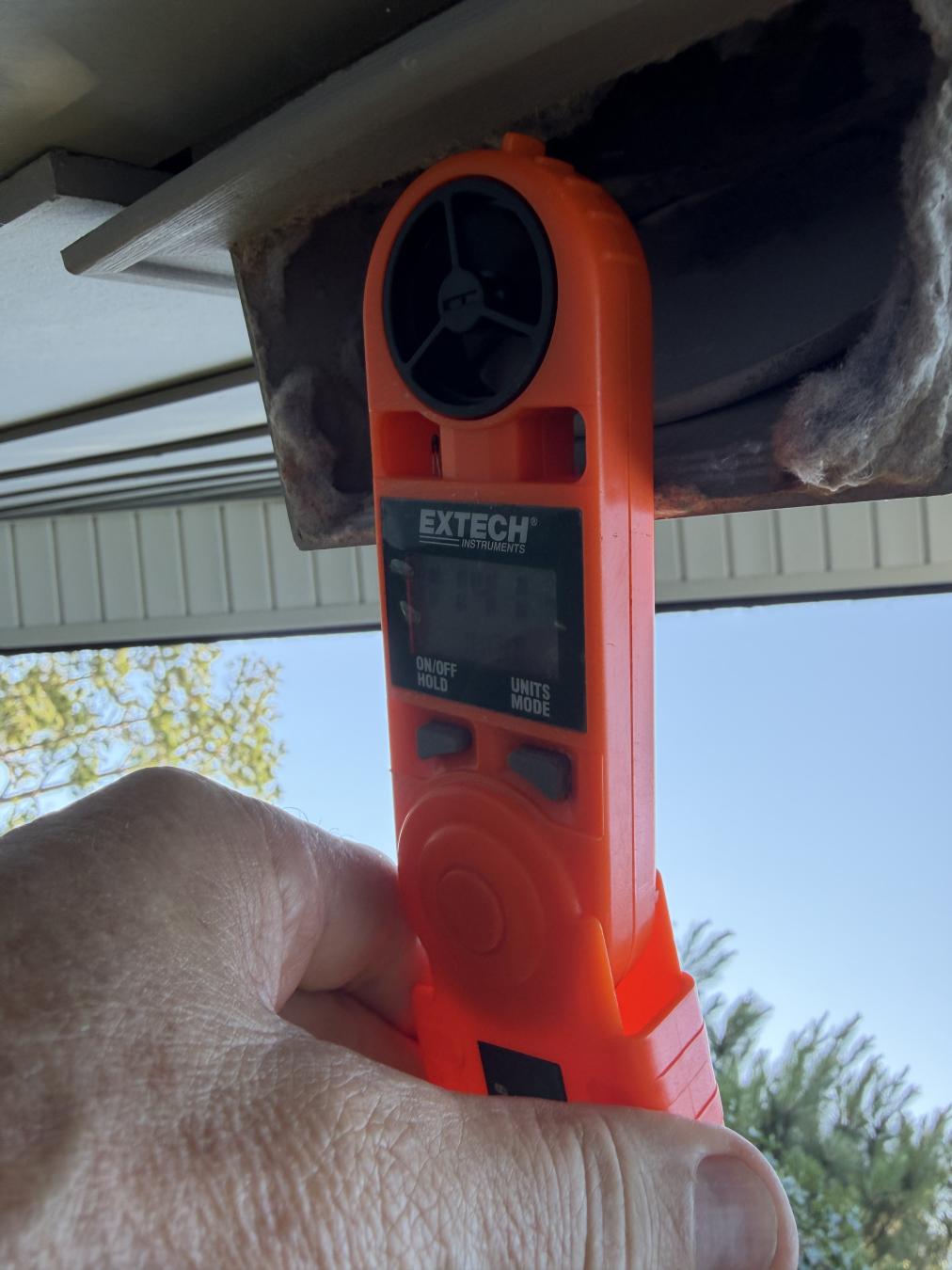
When the homeowners on Neighbors Way in Mt. Pleasant called for service, they knew it was time but weren't sure when the vent had last been cleaned. What the Valentine Vents specialist discovered confirmed their instinct—a 25-foot metal rigid vent system with significant lint accumulation, including a concerning buildup below the lint trap that required interior delinting of the appliance. Initial airflow readings of 1,141 FPM told part of the story, but the Valentine 360 Visibility camera inspection revealed the full picture. The specialist also identified substandard flex foil on the transition duct—a material specifically prohibited in dryer manufacturer guidelines. This was immediately replaced with DryerFlex, a premium semi-rigid product chosen for its superior performance and fire-retardant properties. After thorough cleaning of the entire 25-foot run, post-service airflow jumped to 2,007 FPM—a dramatic improvement that translates to faster drying and reduced energy consumption. The C-DET certified specialist documented the transformation with photos, providing the homeowners with visual confirmation of the work completed. With proper airflow restored and substandard materials eliminated, this Mt. Pleasant home now operates with the efficiency and safety every family deserves.

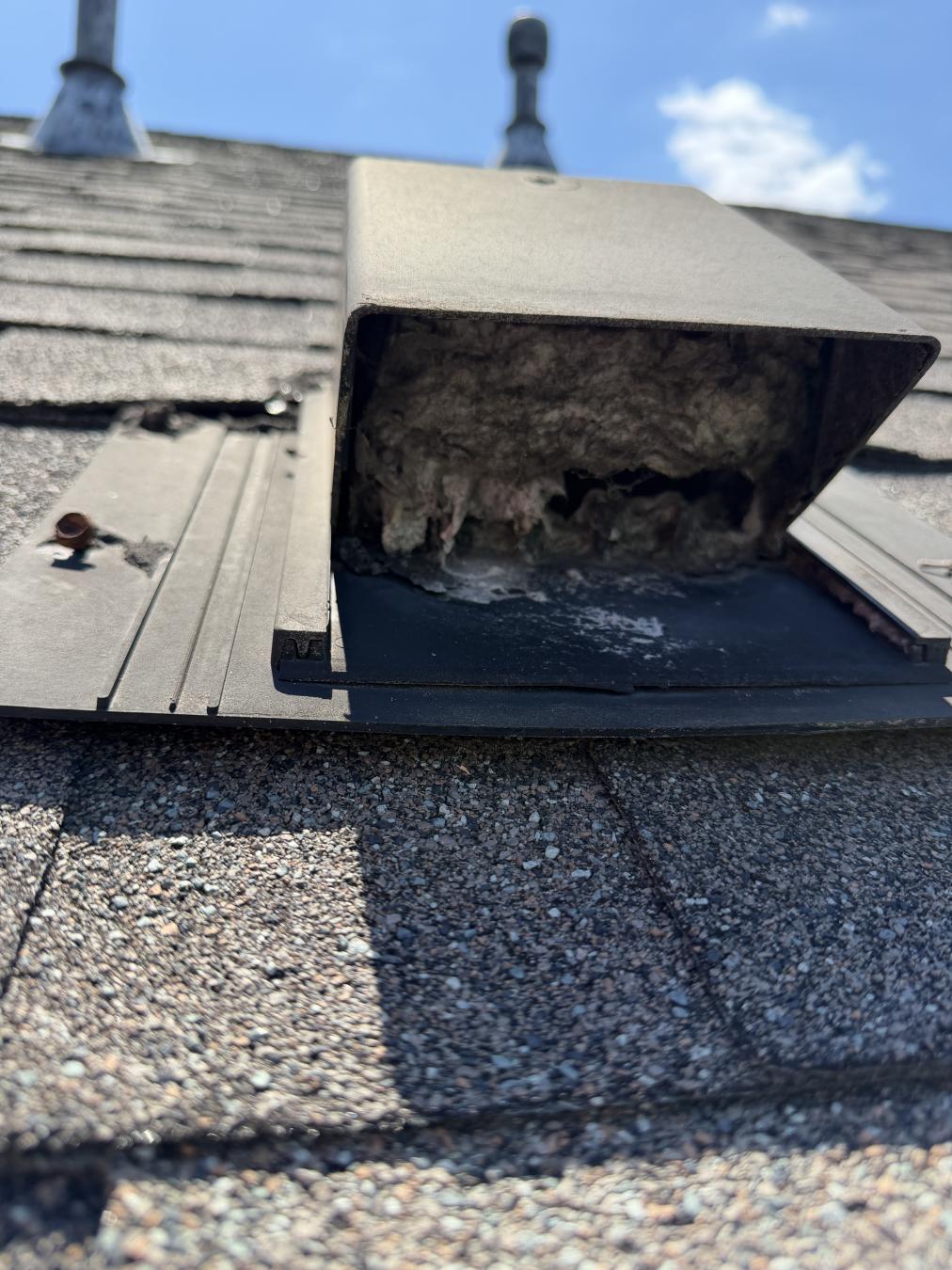
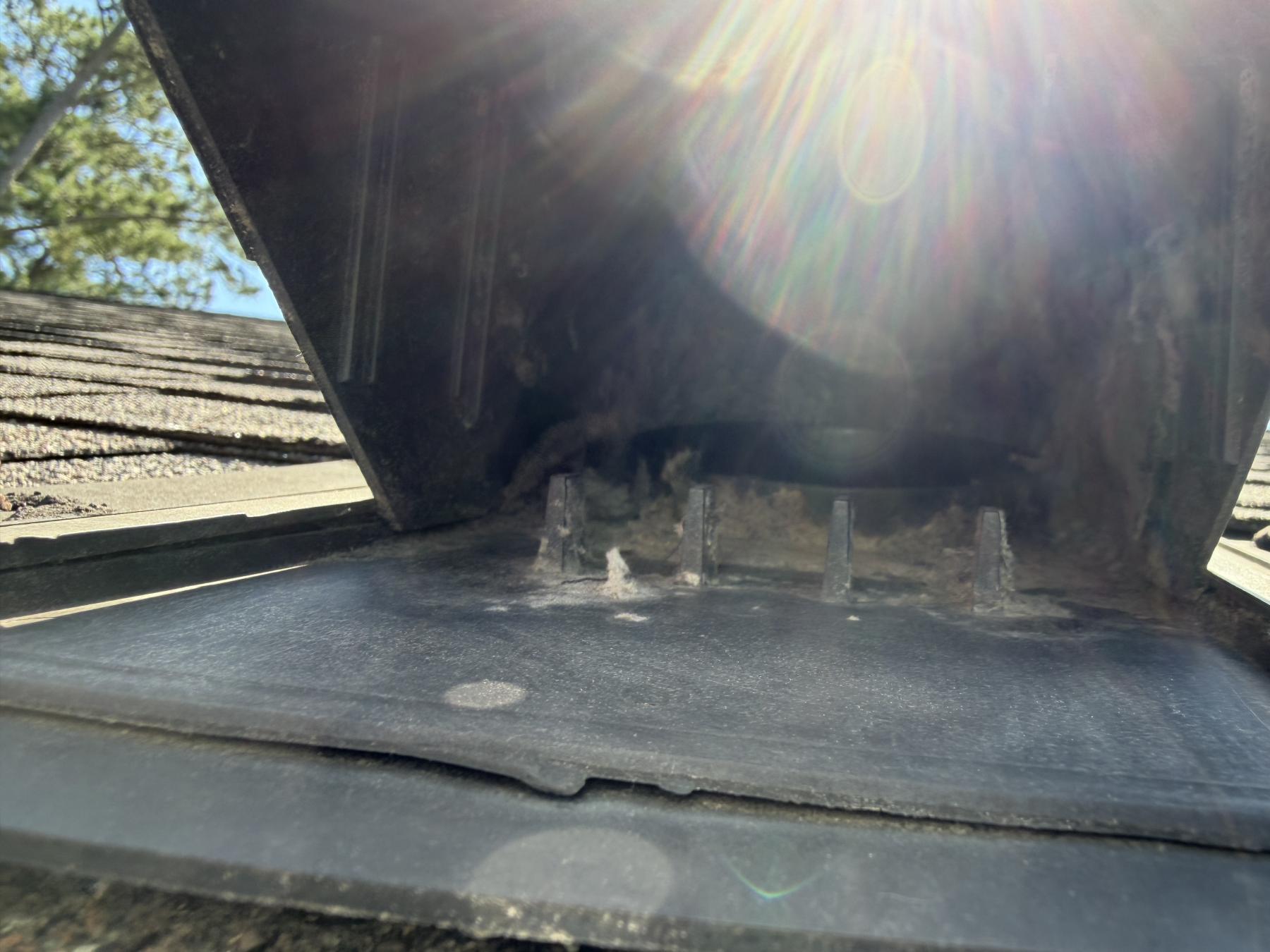
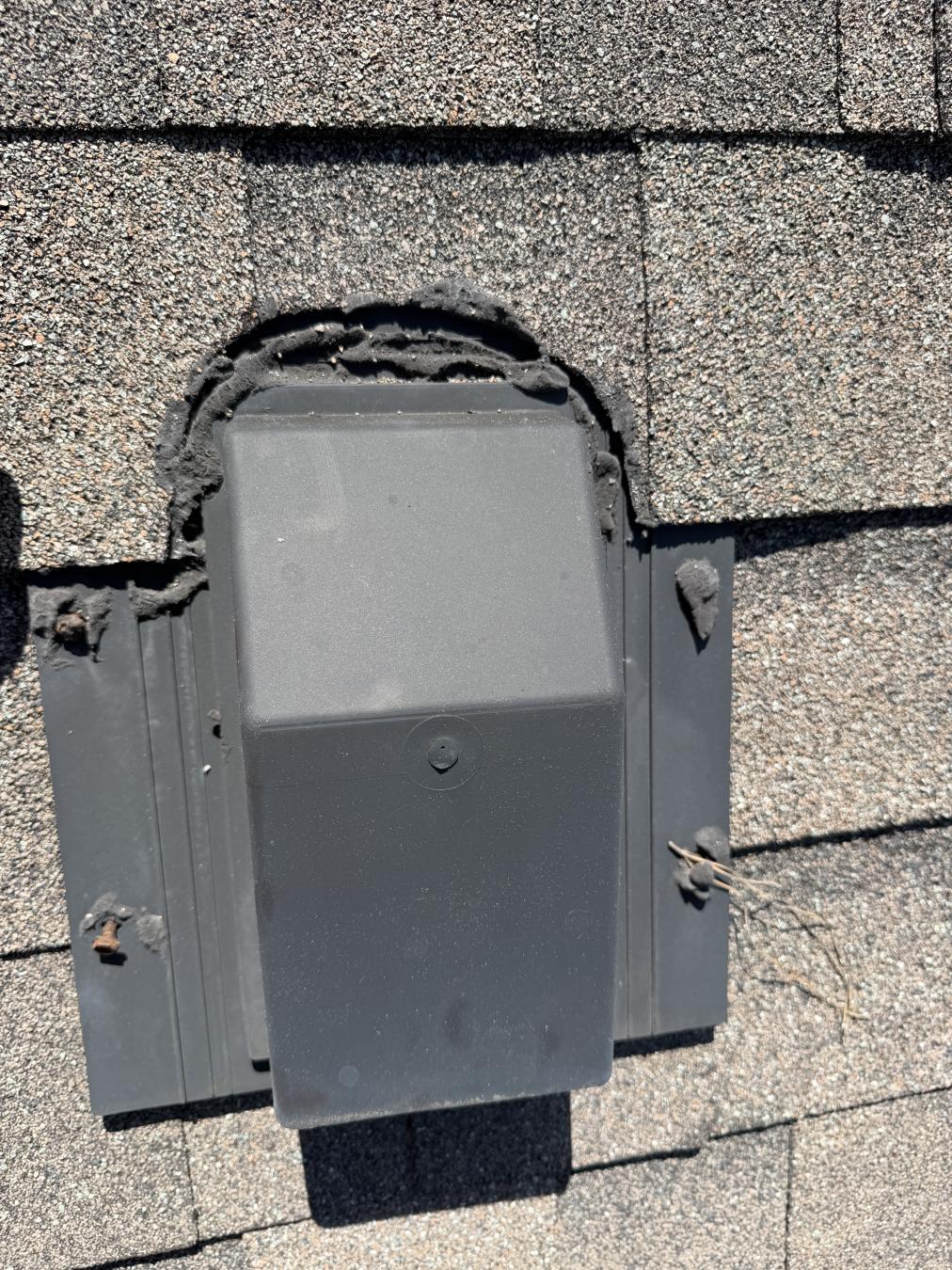
When a Mt. Pleasant homeowner on Fountainhead Way decided it was time for a professional cleaning, Valentine Vents arrived to discover conditions far more concerning than accumulated lint. The roof vent cover was completely blocked—bird spikes intended to deter nesting had instead created a trap for lint, effectively choking off airflow. Back pressure readings told the story clearly: 0.82"WC before service, indicating significant restriction in the 14-foot metal rigid vent system. Making matters worse, the transition duct was outdated flex foil, the very material dryer manufacturers explicitly warn against in their owner's manuals. The C-DET certified specialist replaced it with DryerFlex, a premium semi-rigid product valued for its superior performance and fire-retardant properties. After thorough cleaning and a Valentine 360 Visibility camera inspection to document conditions throughout the system, back pressure dropped dramatically to just 0.25"WC. Though the compromised roof vent cover ideally requires future replacement, the home now operates with dramatically improved airflow and reduced fire risk—a transformation captured in before-and-after photos that illustrate just how blocked the termination point had become.
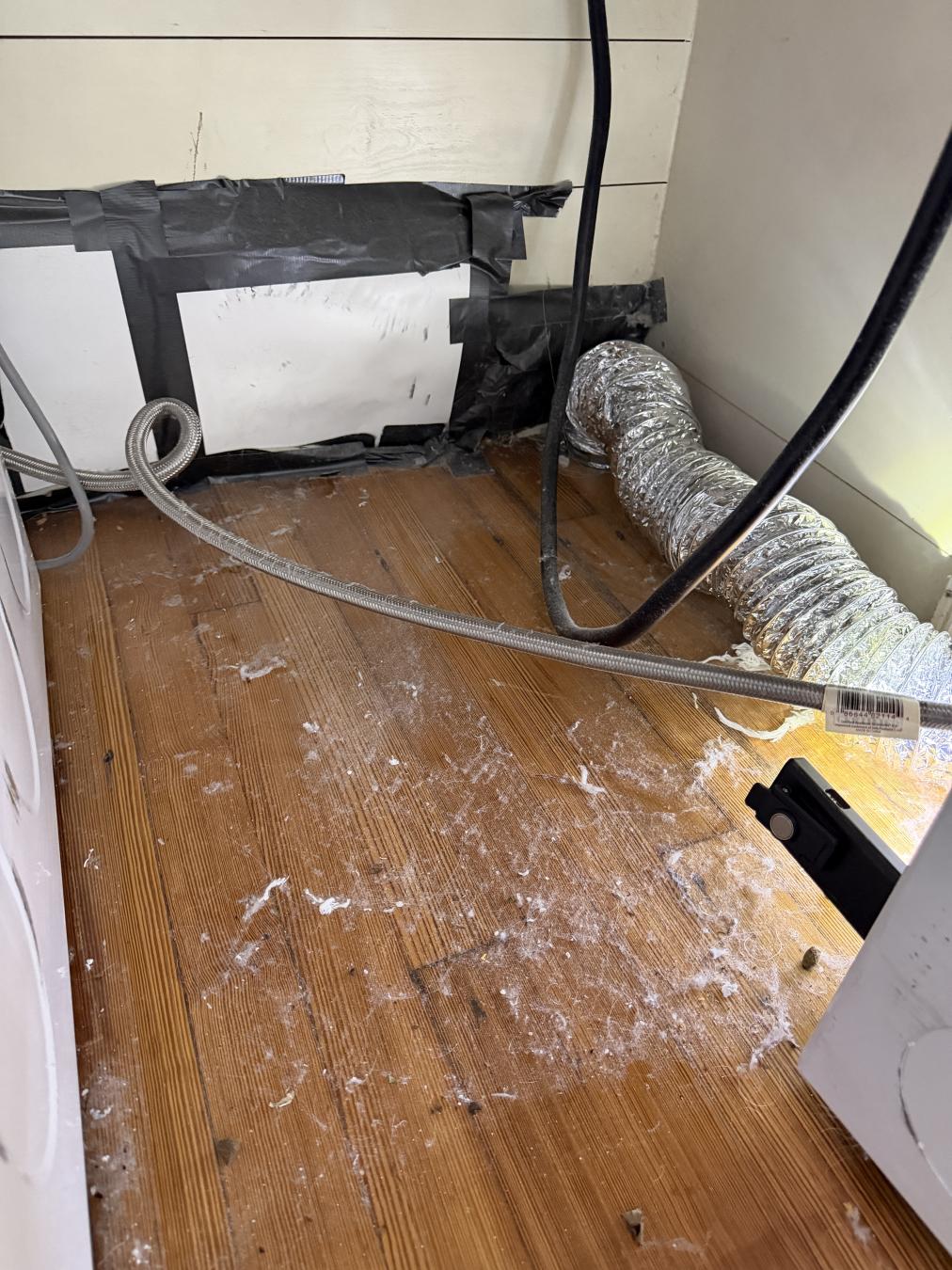
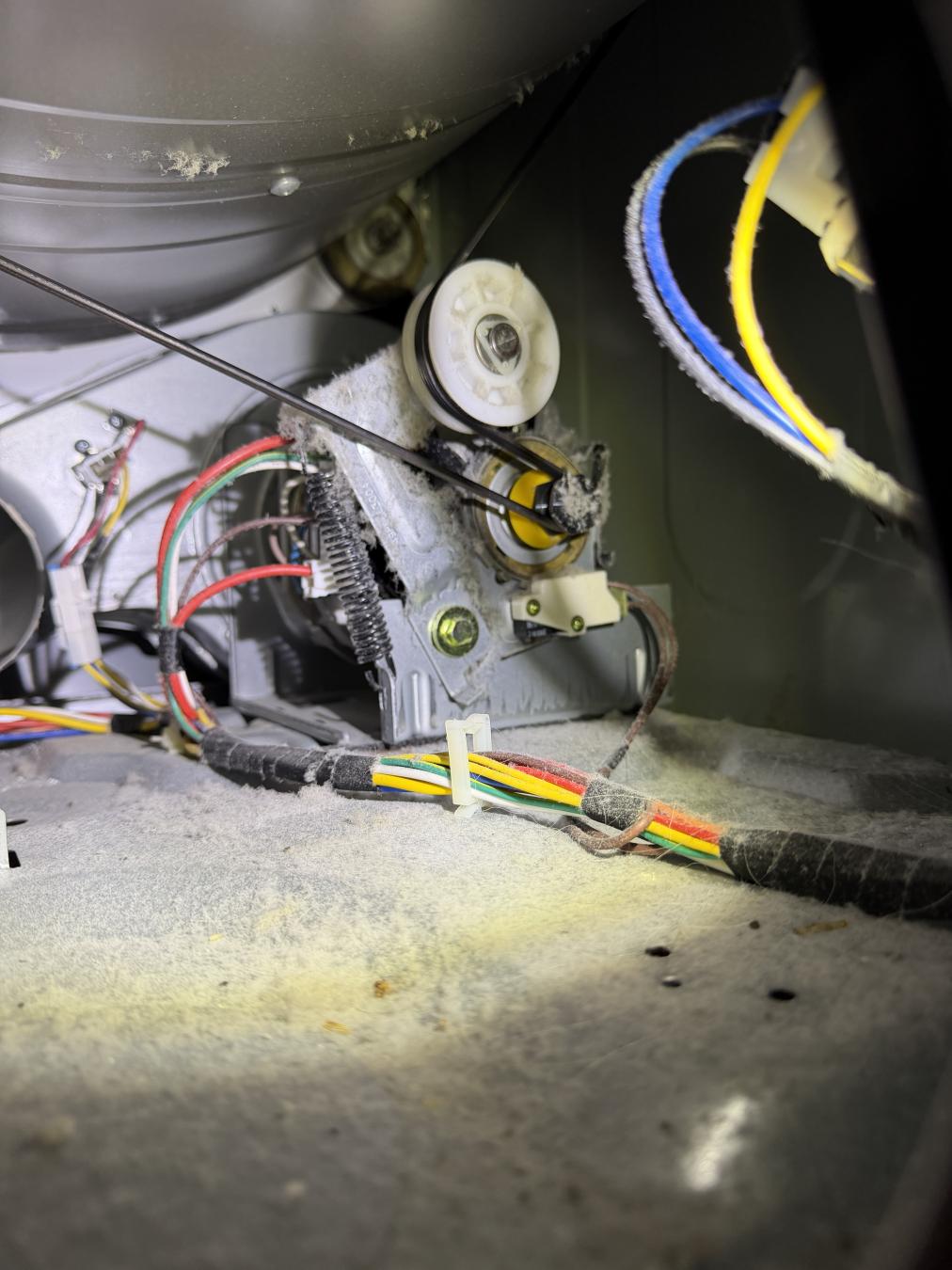
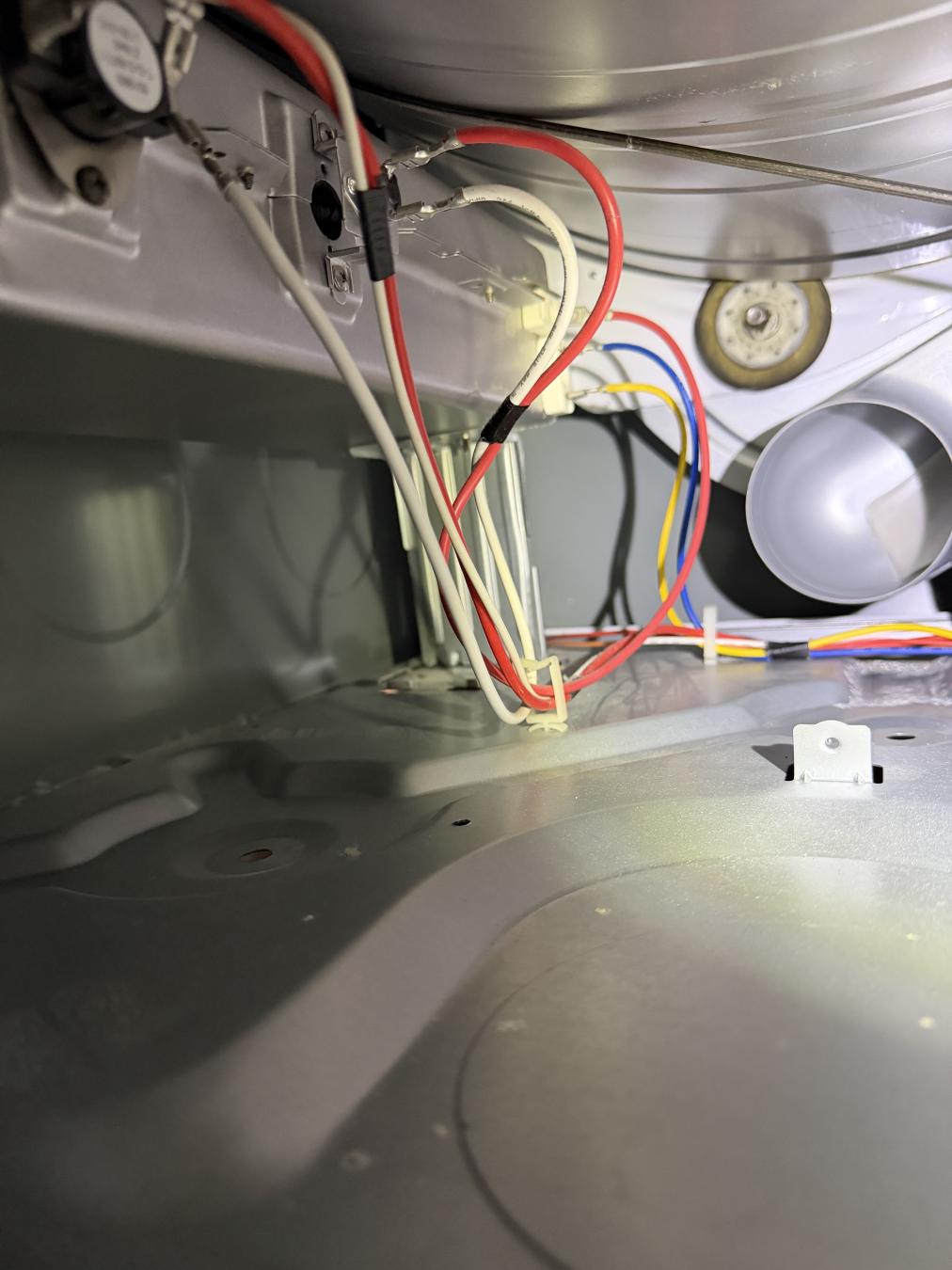
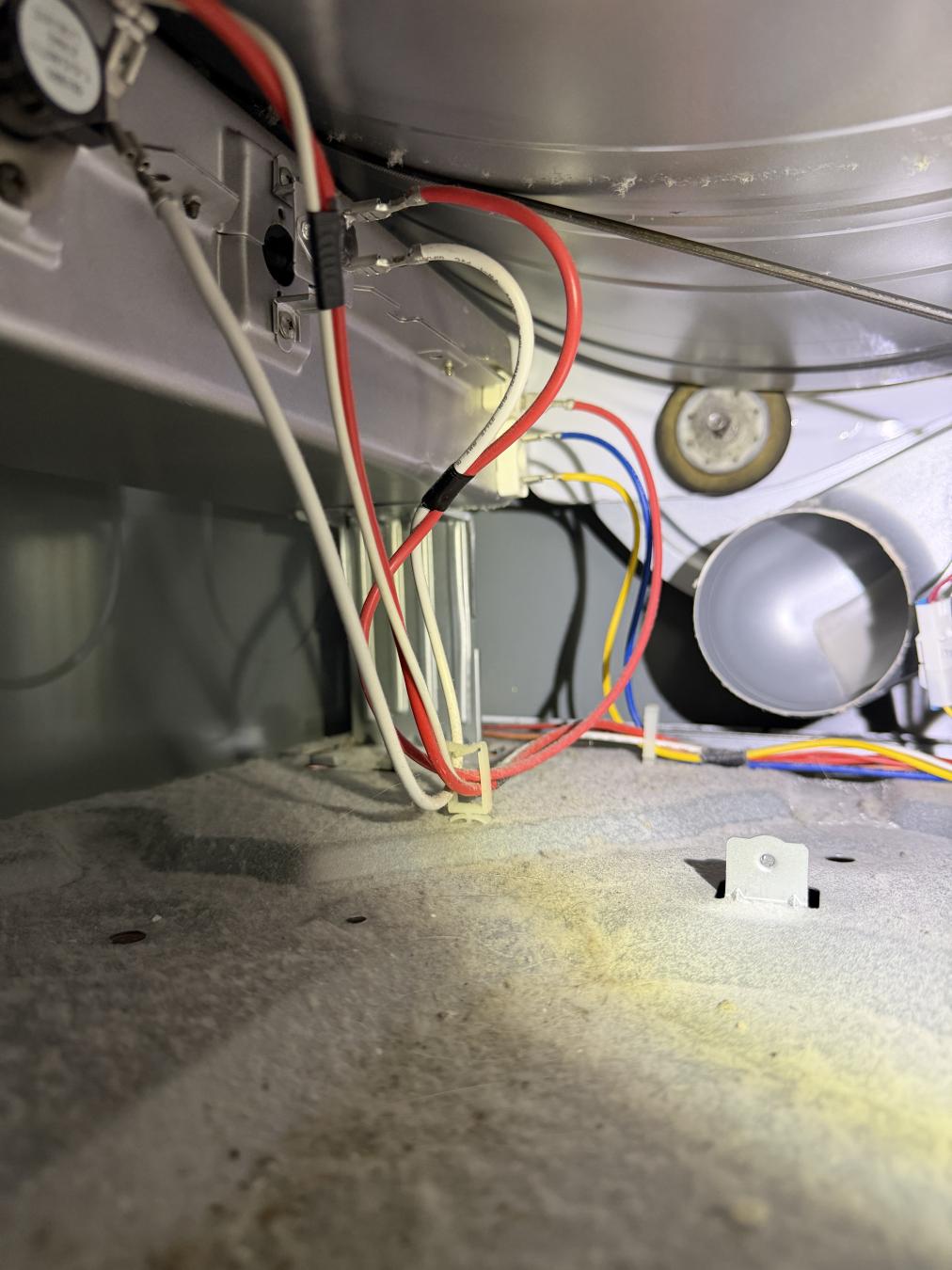
When a homeowner on Middle Street in Sullivans Island noticed their laundry taking longer to dry, the culprit turned out to be hiding in plain sight—or rather, behind the dryer where it couldn't be seen. The appliance sat in a built-in configuration, concealing a kinked flex foil transition duct that was choking off airflow. Valentine Vents dispatched a C-DET certified specialist who discovered moderate lint accumulation throughout both the dryer cabinet and the 15-foot metal rigid vent line with its four turns. Back pressure readings confirmed the restriction, measuring 0.50"WC on arrival. The specialist replaced the substandard flex foil—a material specifically discouraged in dryer manufacturer manuals—with DryerFlex, a premium semi-rigid product chosen for its superior performance and fire-retardant properties. After a thorough cleaning and delinting of the dryer cabinet, back pressure dropped to a healthy 0.31"WC. Photos captured during the Valentine 360 Visibility camera inspection documented the transformation. With proper airflow restored and a code-compliant transition in place, this Sullivans Island home now enjoys faster drying cycles and significantly reduced fire risk.

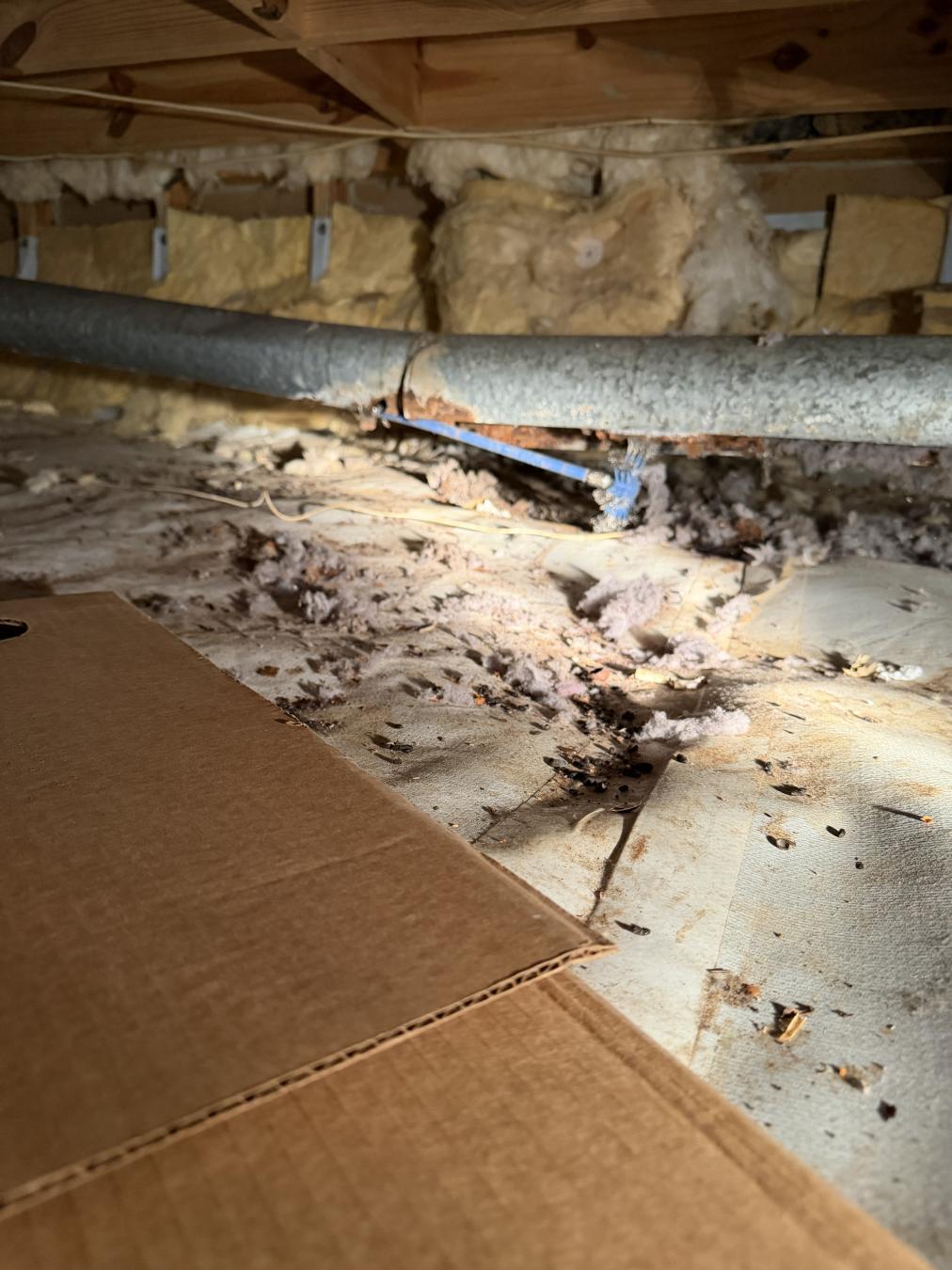
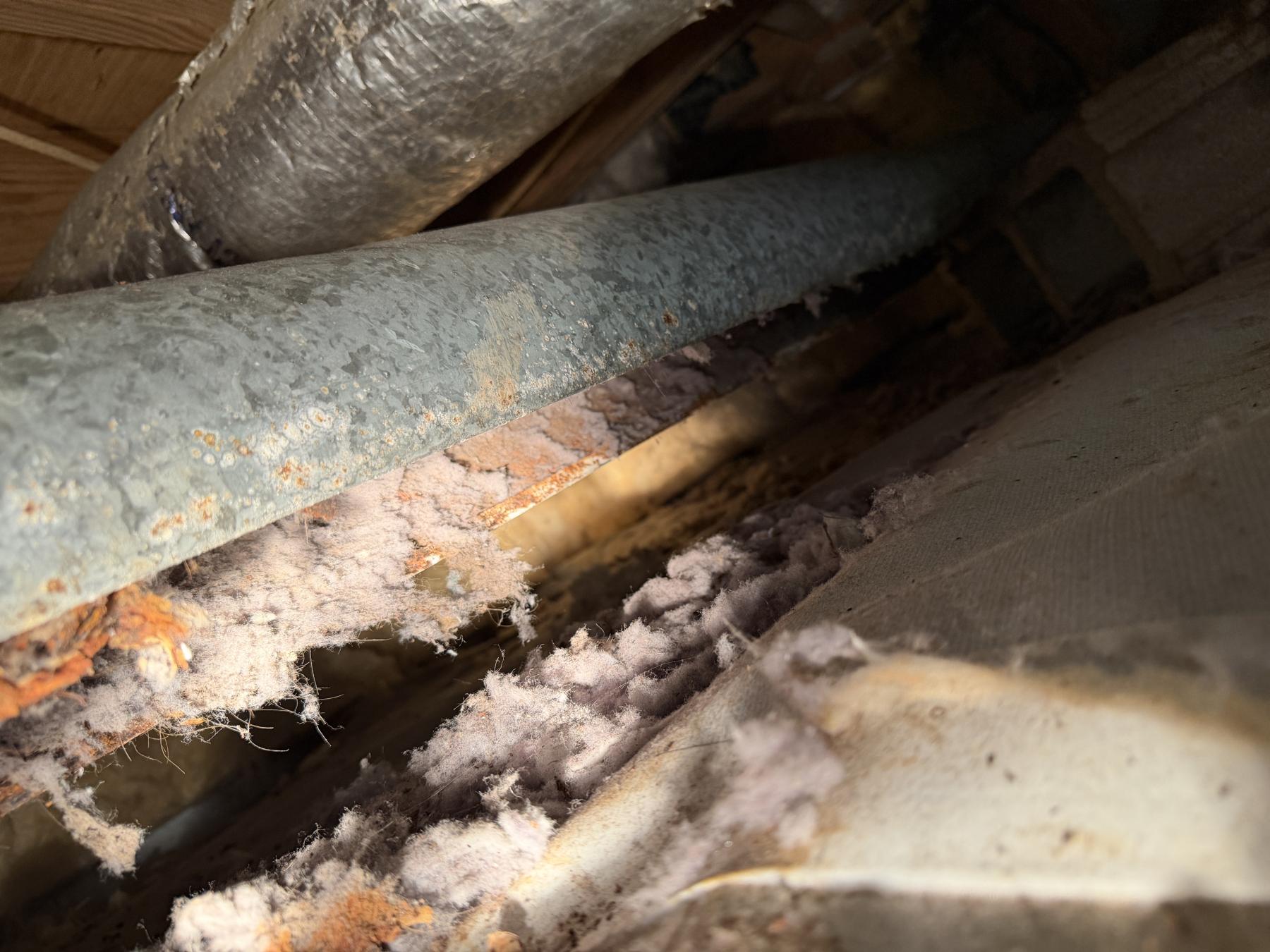
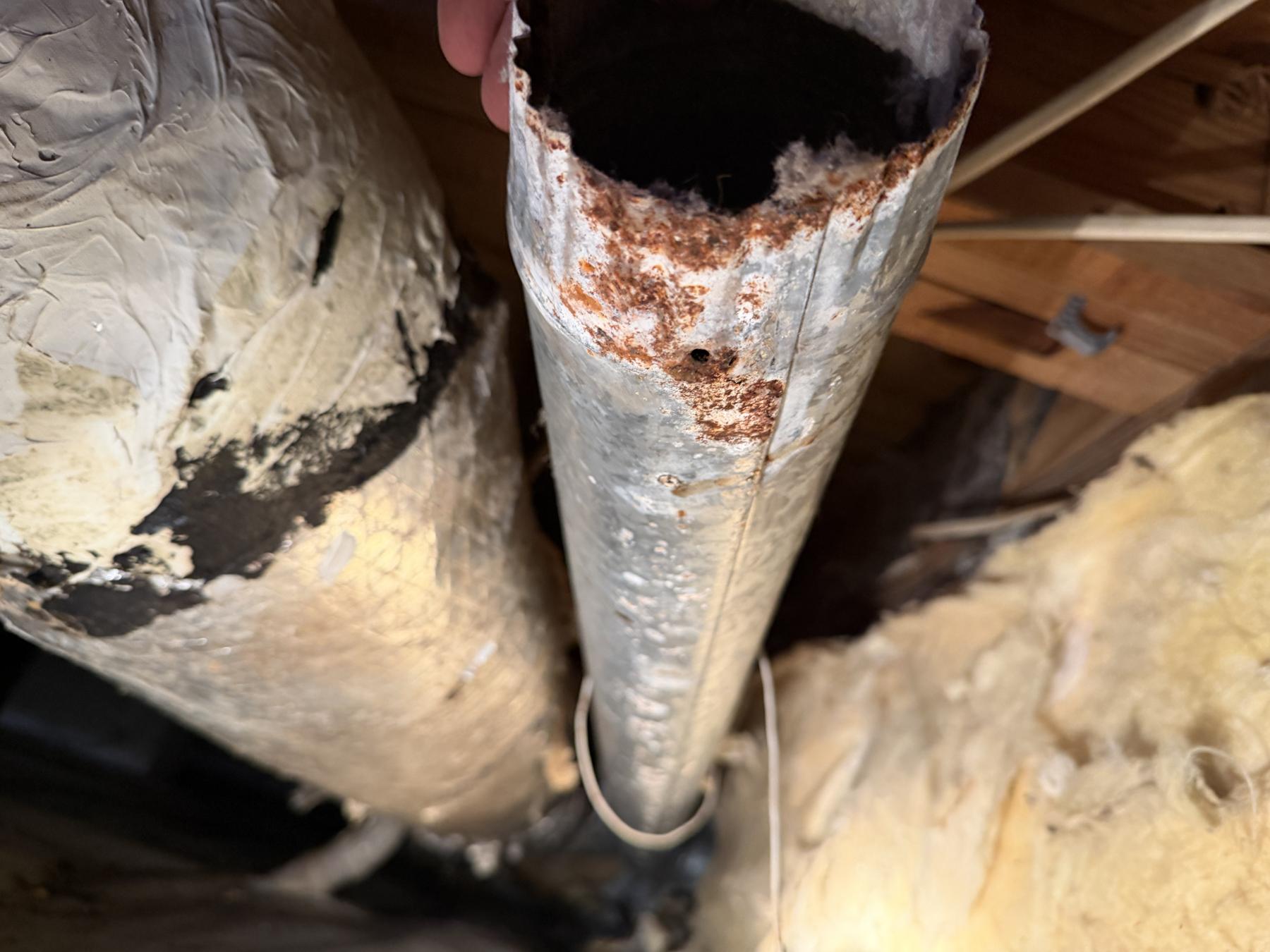
When a dryer vent stops working altogether, there's usually more to the story than just routine buildup. This Mt. Pleasant home on Detyens Rd was experiencing a complete blockage, and the Valentine Vents specialist quickly discovered why. Twenty-five feet of metal rigid vent stretched through the home with one turn, but thirteen of those feet ran through the crawlspace—where years of moisture had caused the metal to rust through and split open along the seam. The specialist documented the damage with Valentine 360 Visibility camera inspection before replacing the compromised section with new four-inch metal conductor pipe designed to handle the demanding conditions. The cleaning also revealed the transition duct was the substandard flex foil type that dryer manufacturers specifically warn against in owner's manuals, so it was replaced with DryerFlex—a premium semi-rigid product chosen for its superior performance and fire-retardant properties. A moderate amount of lint was removed from the dryer cabinet as well. Post-service airflow measured an impressive 1,908 FPM, confirming the entire system was functioning as it should. The homeowners now have the peace of mind that comes from knowing their C-DET certified specialist didn't just clean the vent—they made it right.
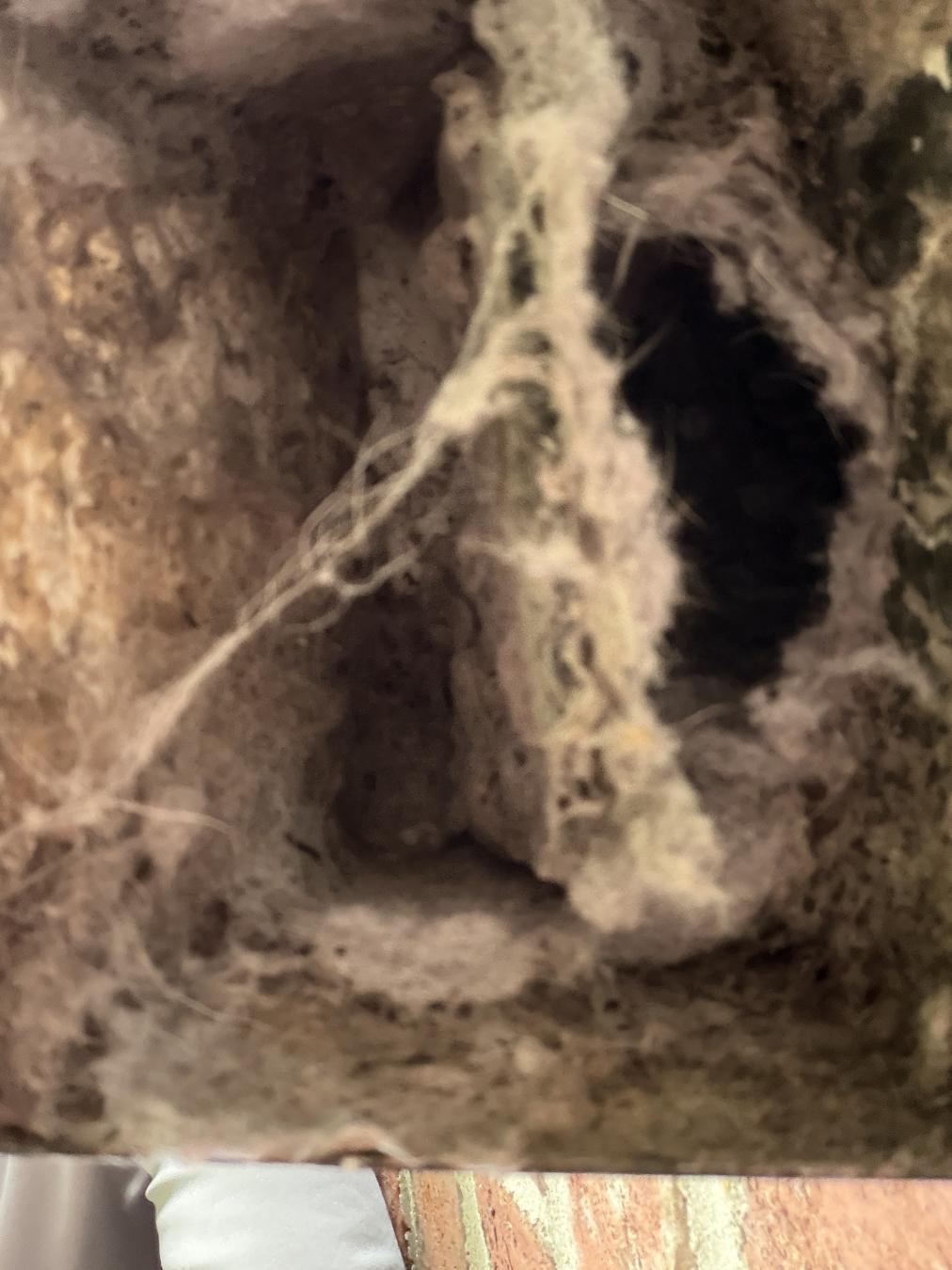
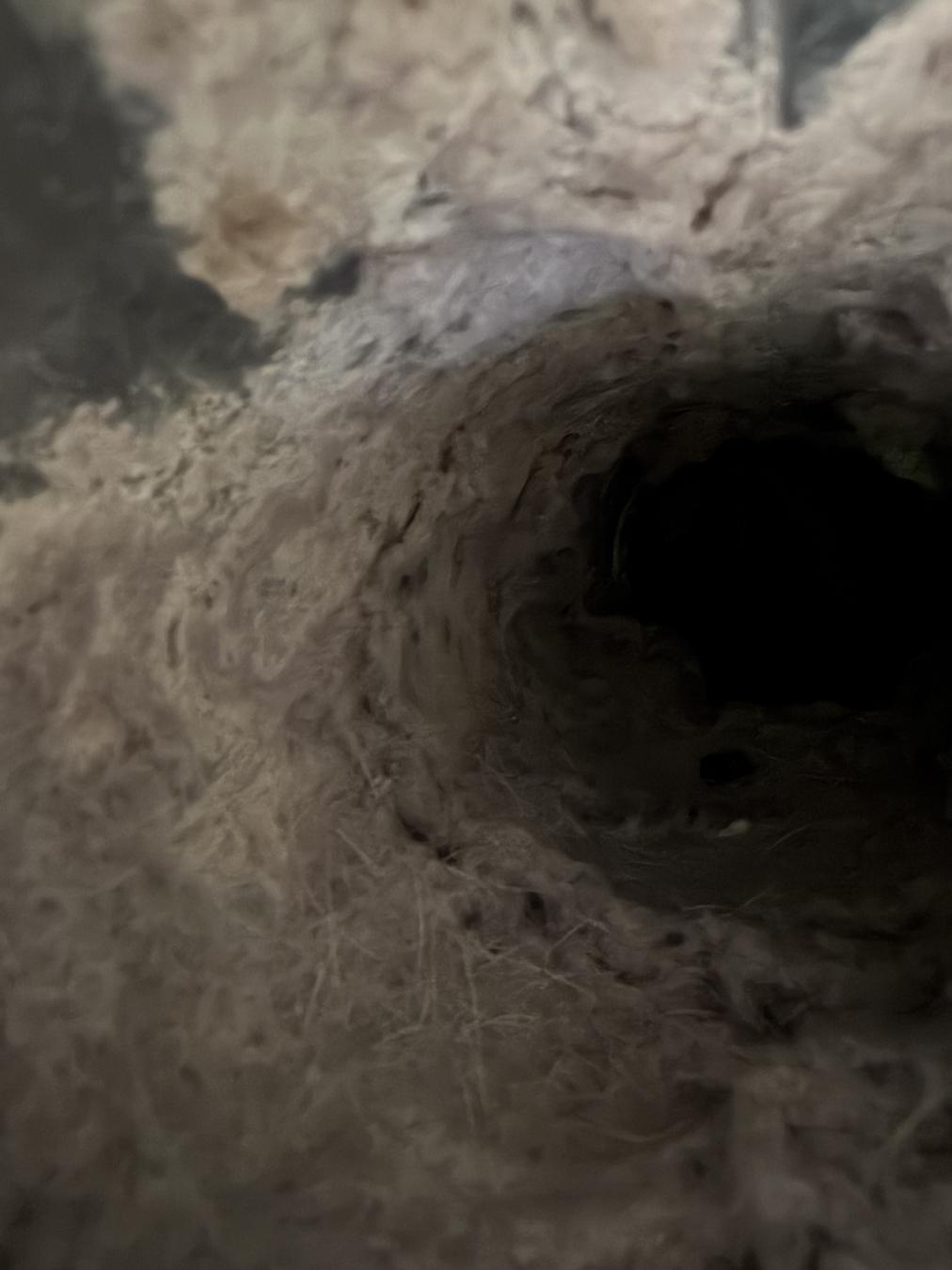
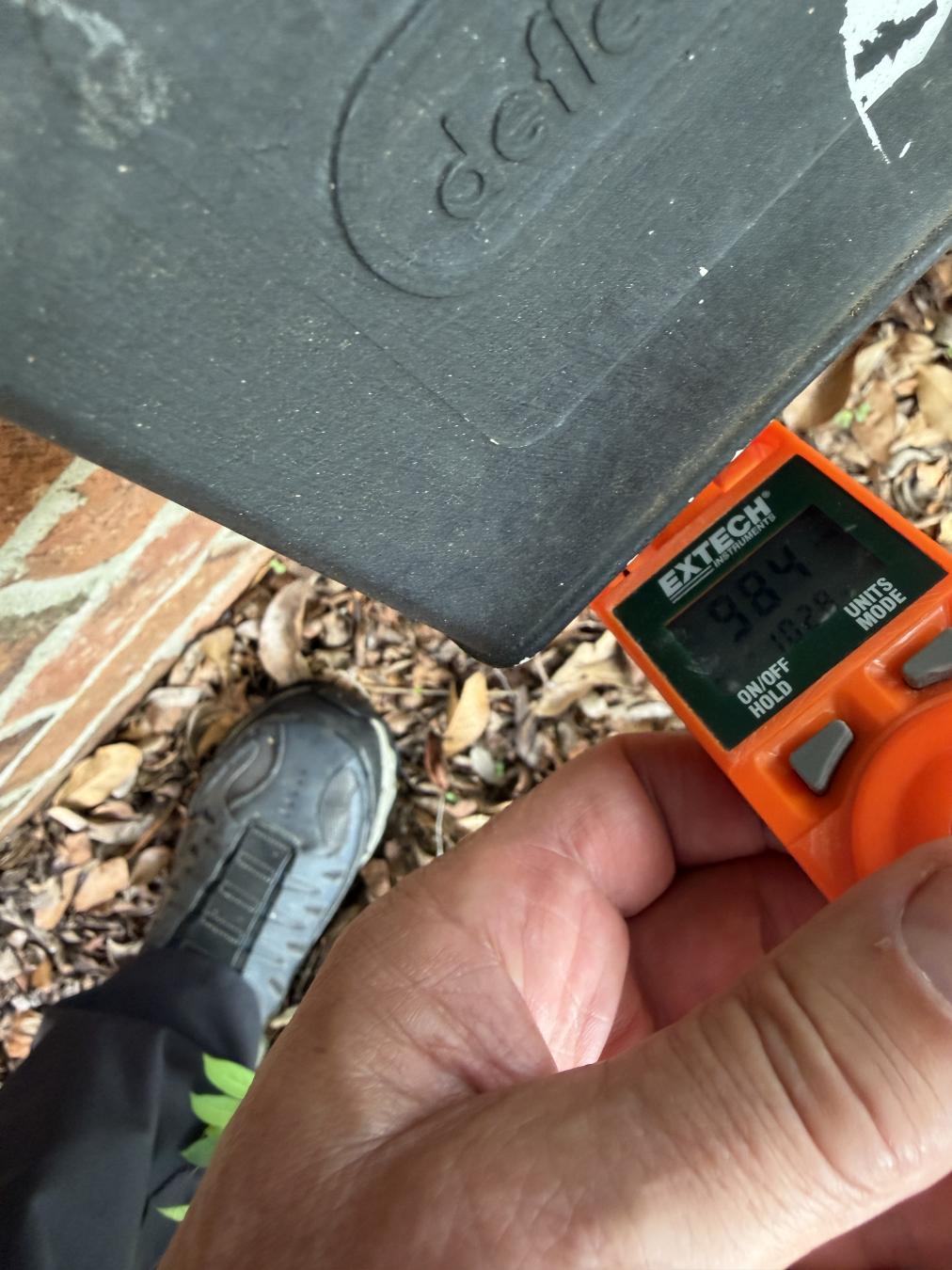
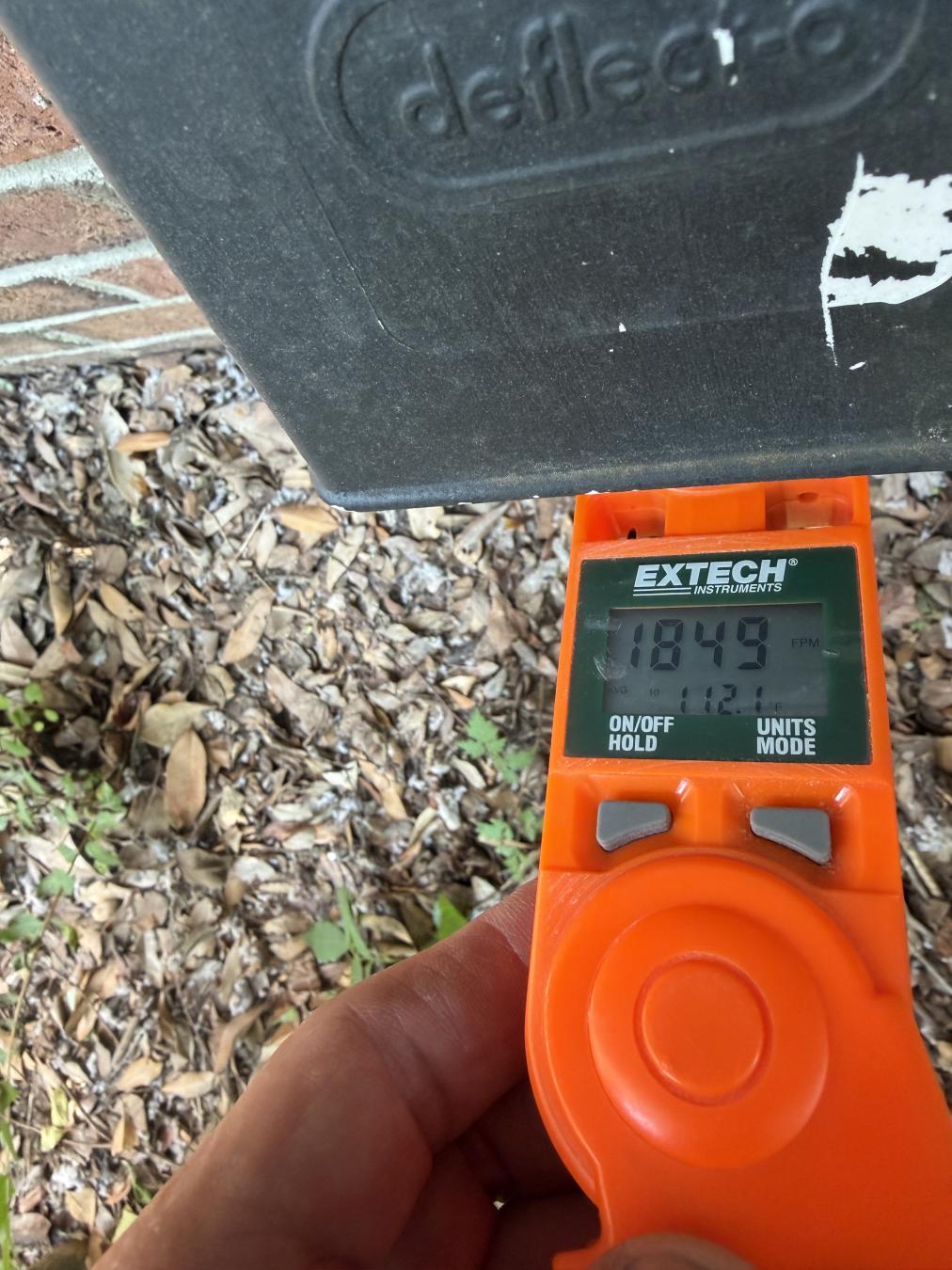
Hidden maintenance can often hide significant issues, and that was certainly the case at this Mt. Pleasant home on Hidden Lakes Drive. When the homeowner decided it was time for a professional cleaning, the Valentine Vents specialist discovered heavy lint accumulation throughout the 18-foot metal rigid vent system, along with moderate buildup inside the dryer cabinet itself. The substandard flex foil transition duct—specifically cautioned against in dryer manufacturer manuals—was replaced with DryerFlex, a premium semi-rigid material valued for its fire-retardant properties and superior airflow performance. The Valentine 360 Visibility camera inspection captured the extent of the blockage within the two-turn vent run, providing clear documentation of the problem and the thorough cleaning that followed. Airflow measurements told the real story: what began at a restricted 984 FPM surged to an impressive 1,849 FPM after the C-DET certified technician completed the work. The specialist also switched the door swing for improved accessibility and performed a complimentary cabinet delinting to address the internal buildup. With nearly double the airflow and proper materials throughout, this dryer now operates safely and efficiently, giving the homeowner confidence with every load.
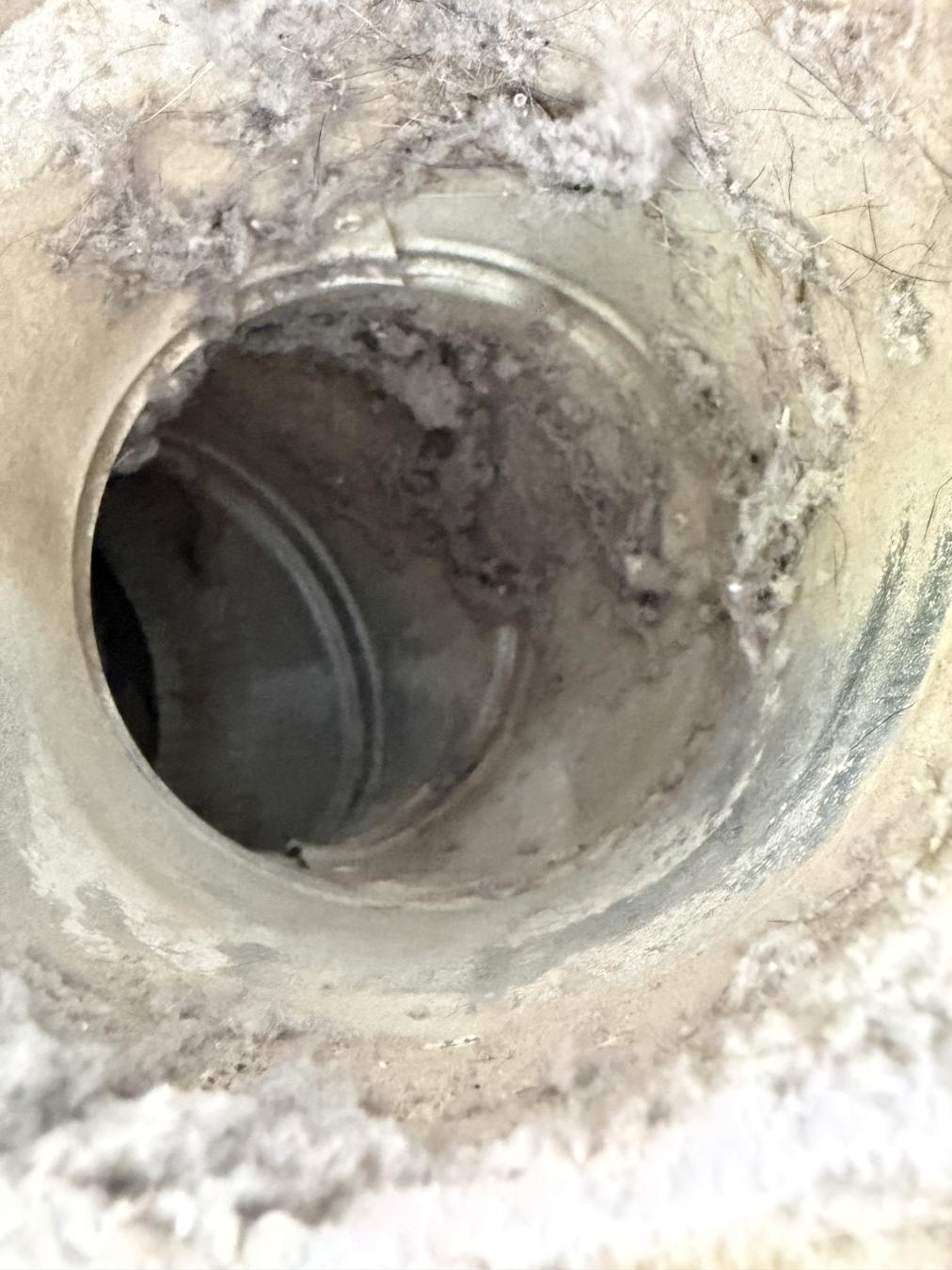
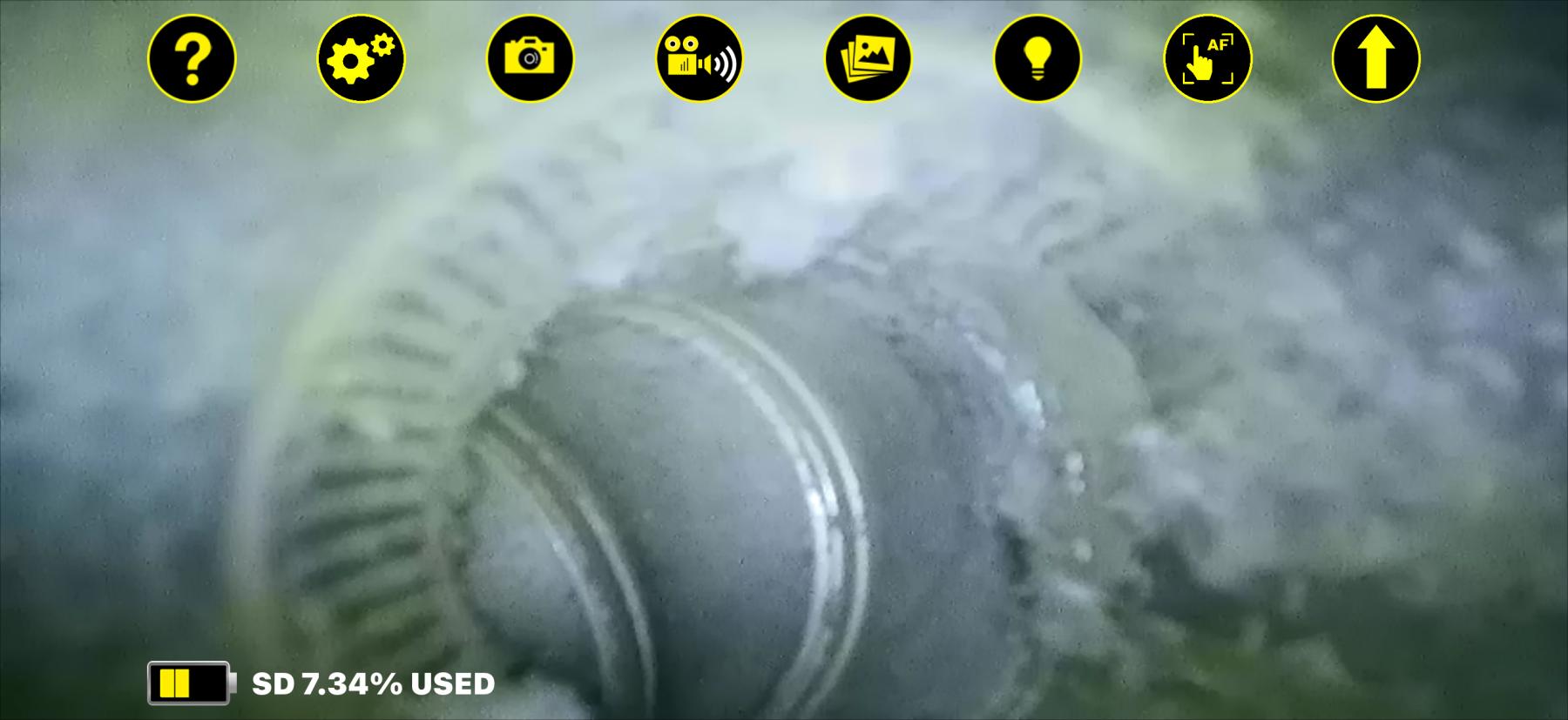
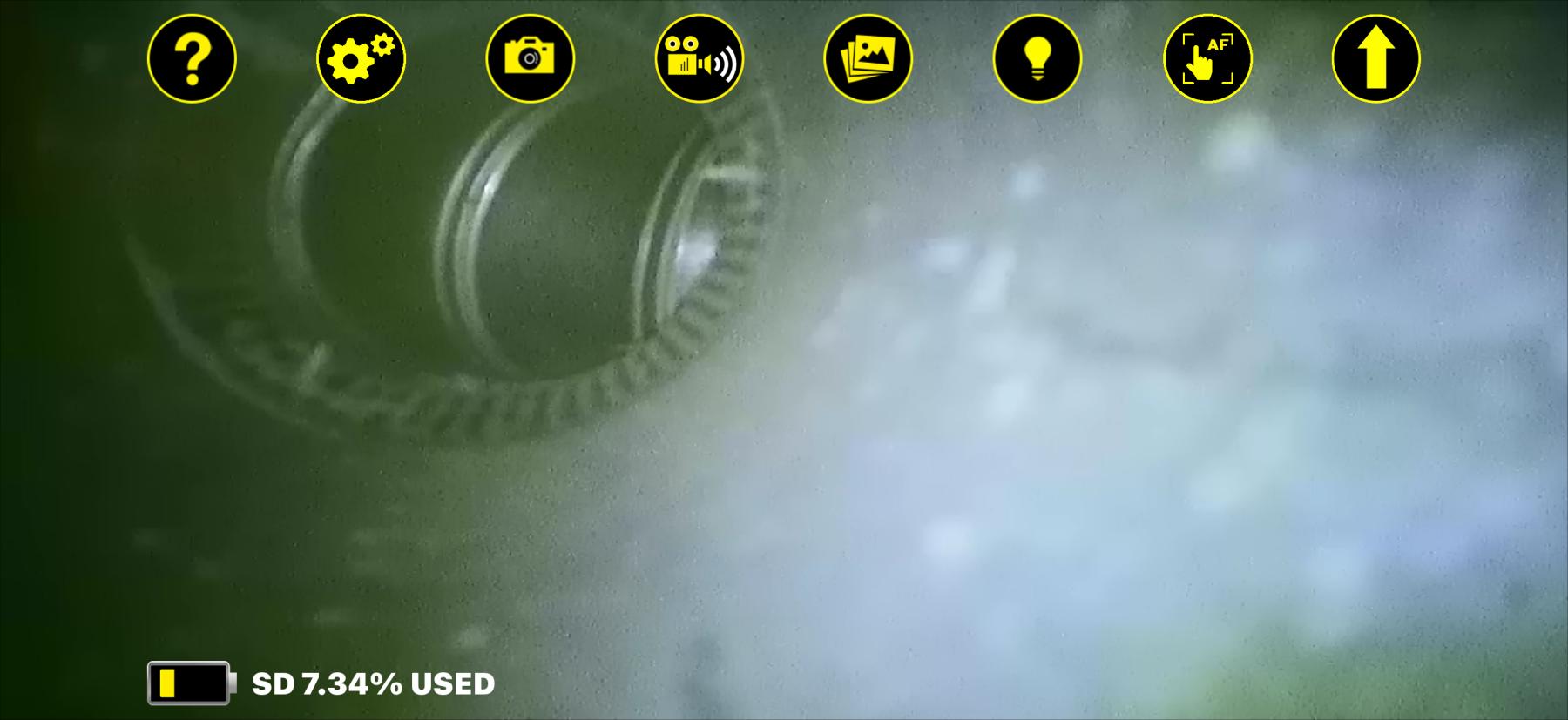
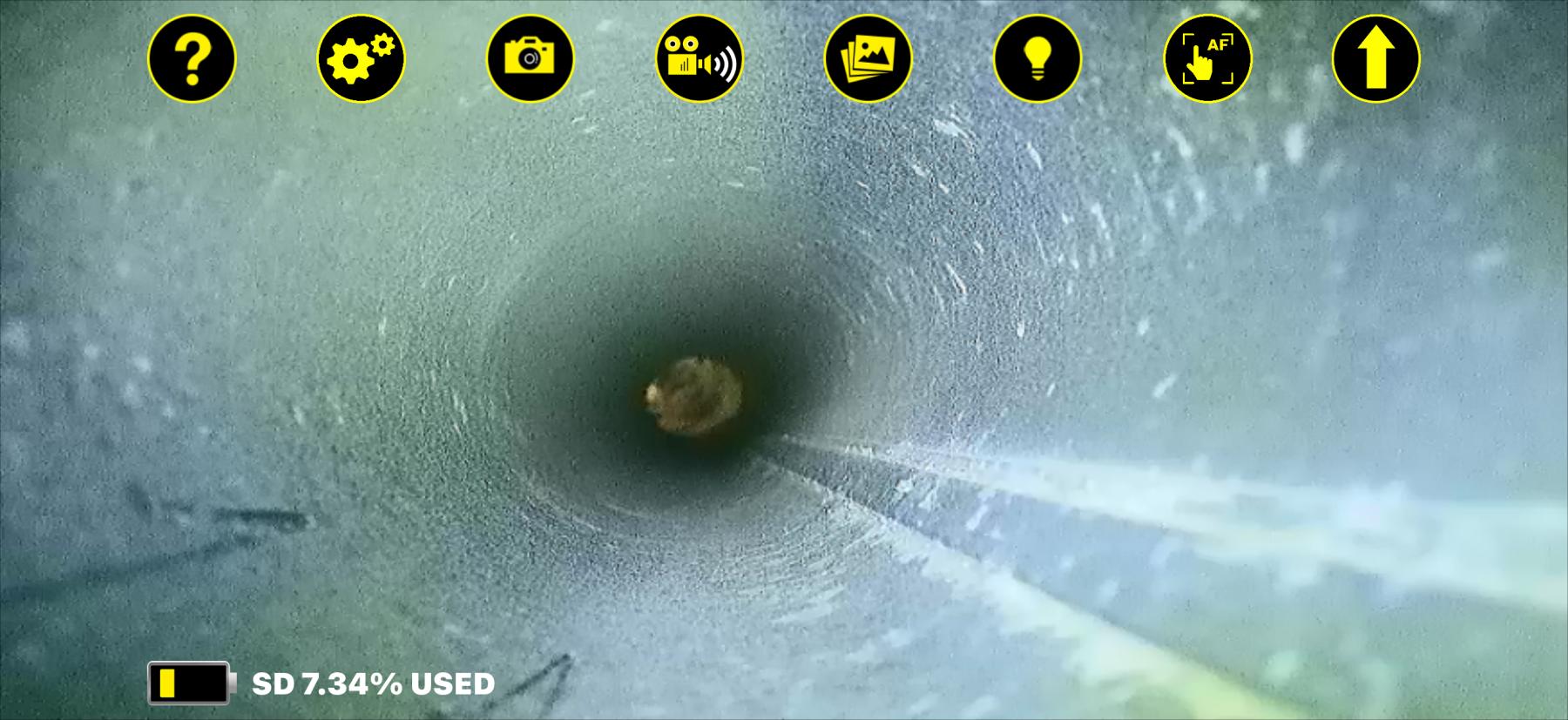
The dryer at this Isle of Palms home on Palm Blvd had been performing adequately, but with its cleaning history unknown, the homeowner wisely scheduled a maintenance visit before problems could develop. Valentine Vents dispatched a C-DET certified specialist to evaluate and service the system. The 12-foot metal rigid vent configuration included four turns—a setup that can trap lint over time if not properly maintained. Initial airflow measured 1,554 feet per minute, suggesting the system was functioning but had room for improvement. The specialist found minimal lint accumulation within the vent itself, though average buildup had collected inside the dryer cabinet. After thorough cleaning of both areas, airflow jumped to 1,995 feet per minute—a significant improvement that translates directly to faster drying times and reduced energy consumption. To provide complete transparency, a Valentine 360 Visibility camera inspection was performed, with photos documenting the condition before and after service. The aluminum semi-rigid transition duct remained in excellent condition and required no replacement. With the system now operating at peak efficiency and the dryer cabinet cleared of accumulated lint, this Isle of Palms home can enjoy safer, more economical laundry days ahead.
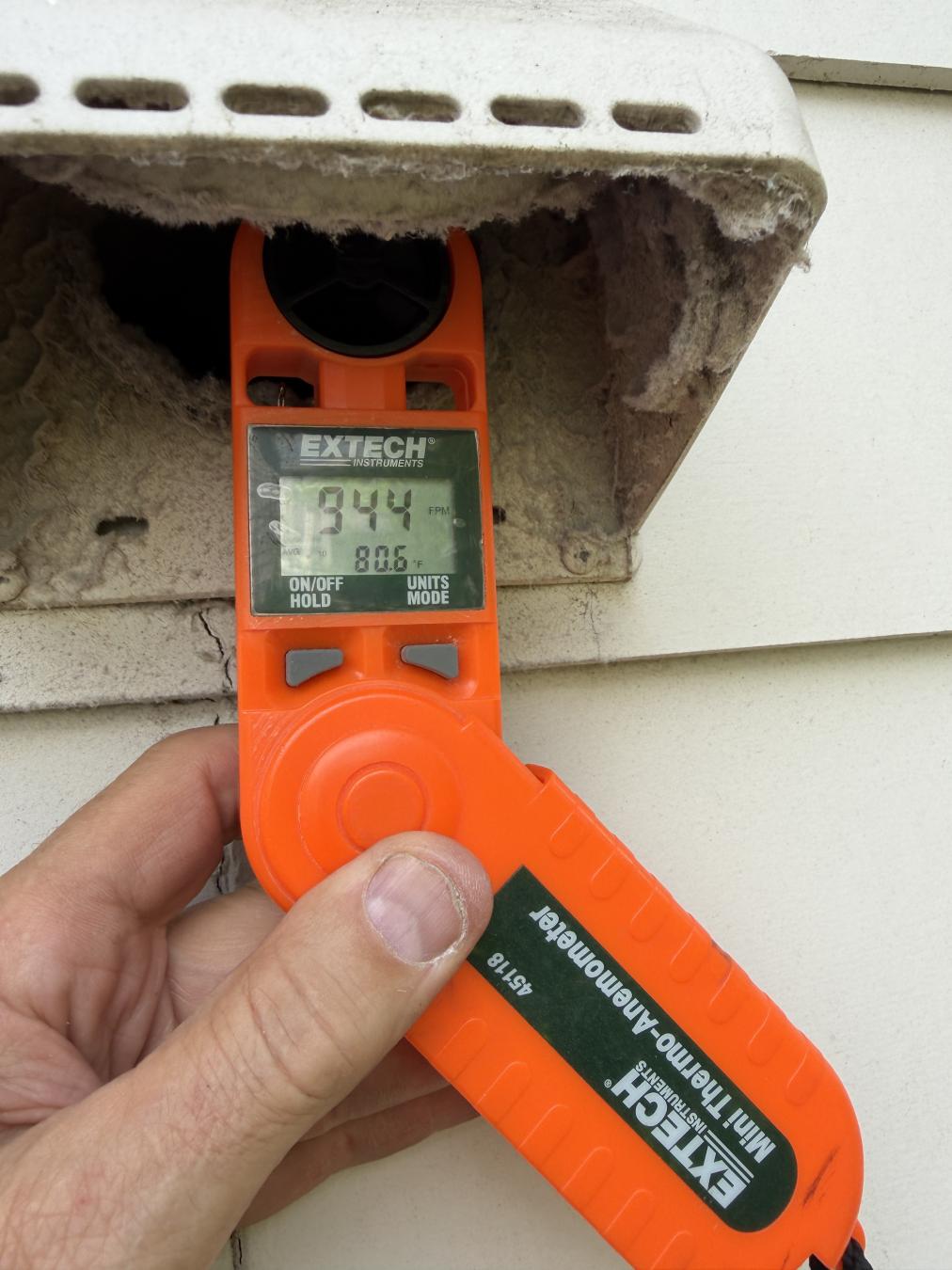
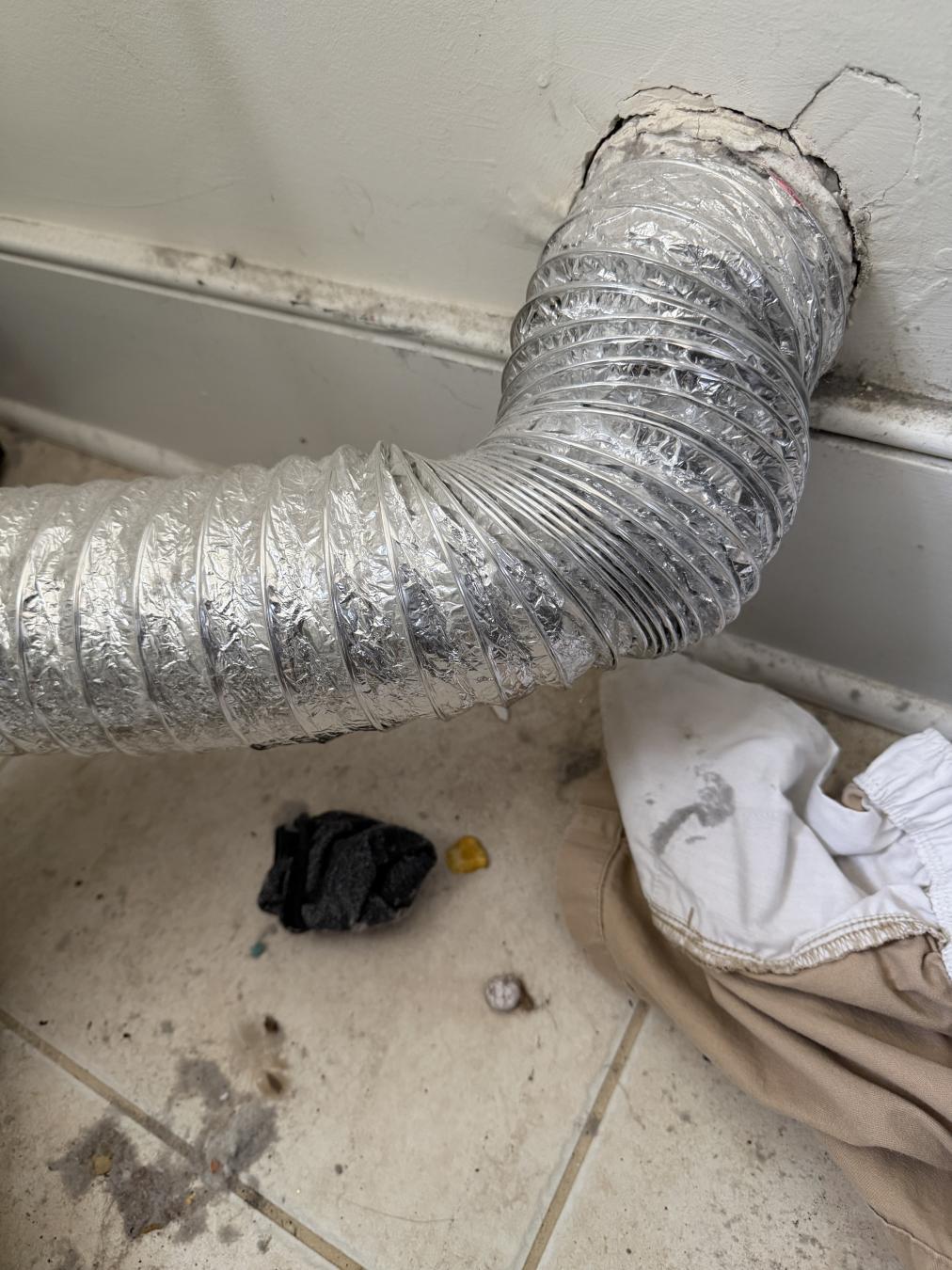
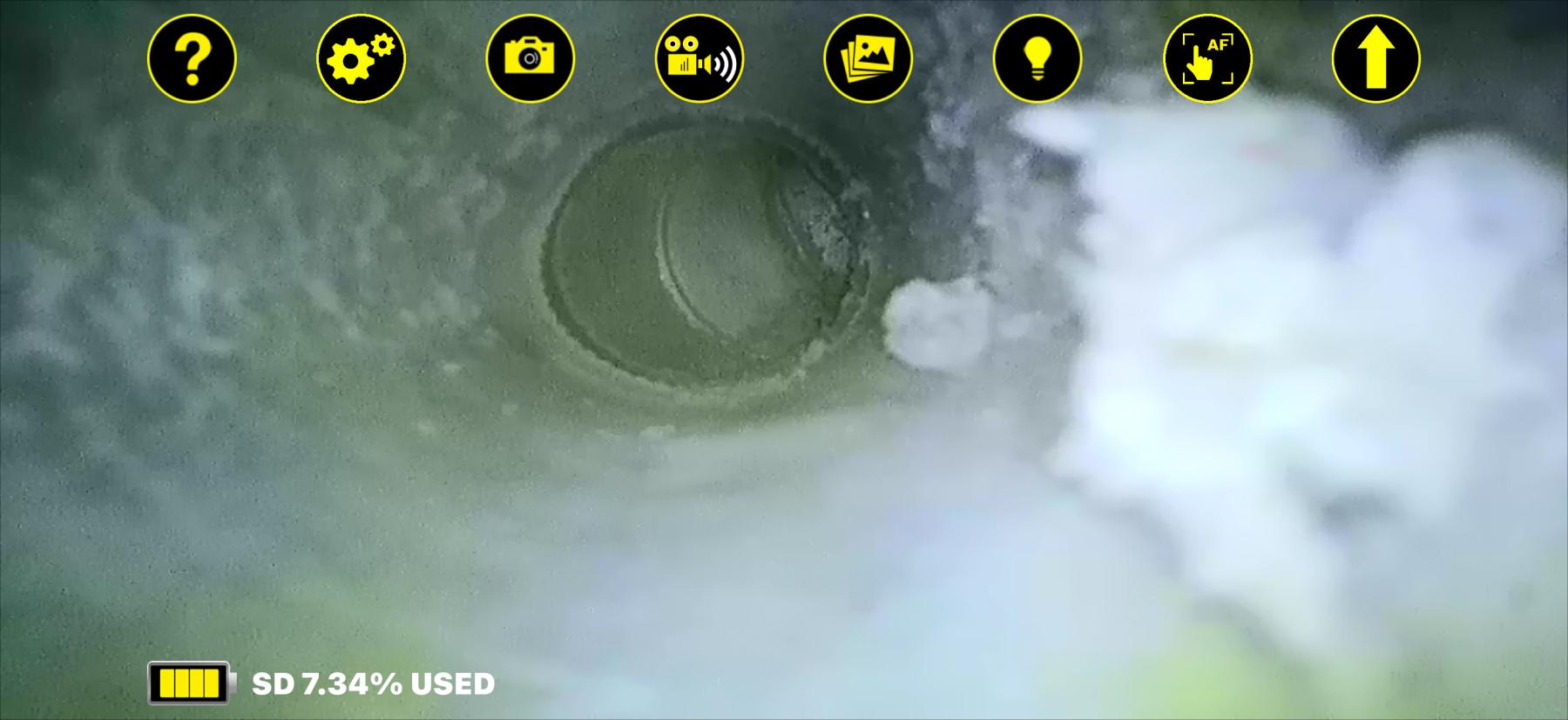

Frustration over longer drying times brought a Mt. Pleasant homeowner on Atlantic St to reach out to Valentine Vents for help. The C-DET certified specialist arrived to find substantial lint accumulation throughout the 12-foot metal rigid vent system and inside the dryer cabinet itself. Making matters worse, the original flex foil transition duct had become crushed, creating a severe bottleneck that strangled airflow—a finding confirmed when initial readings showed only 944 FPM moving through the system. The specialist replaced the substandard flex foil with DryerFlex, a premium semi-rigid product chosen for its superior performance and fire-retardant properties. Dryer manufacturers specifically state in their owner's manuals that flex foil should not be used. After thoroughly cleaning the two-turn vent run and delinting the cabinet, airflow measurements jumped to an impressive 1,515 FPM—a dramatic improvement captured through Valentine 360 Visibility camera inspection. The specialist also accommodated a request to change the door swing on both appliances for better room flow. The transformation from restricted to robust airflow means clothes will dry faster, energy bills should decrease, and fire risk has been significantly reduced.
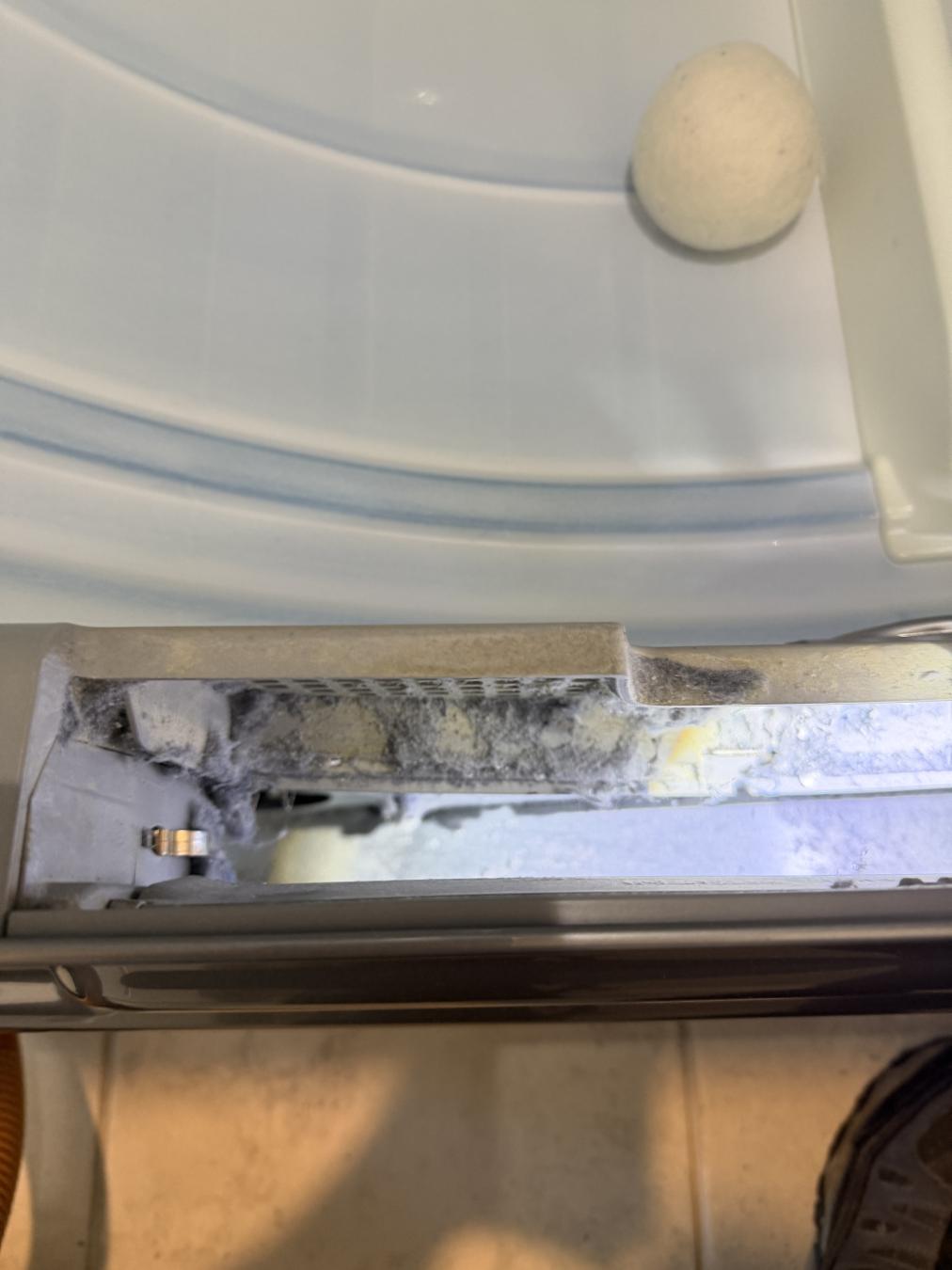
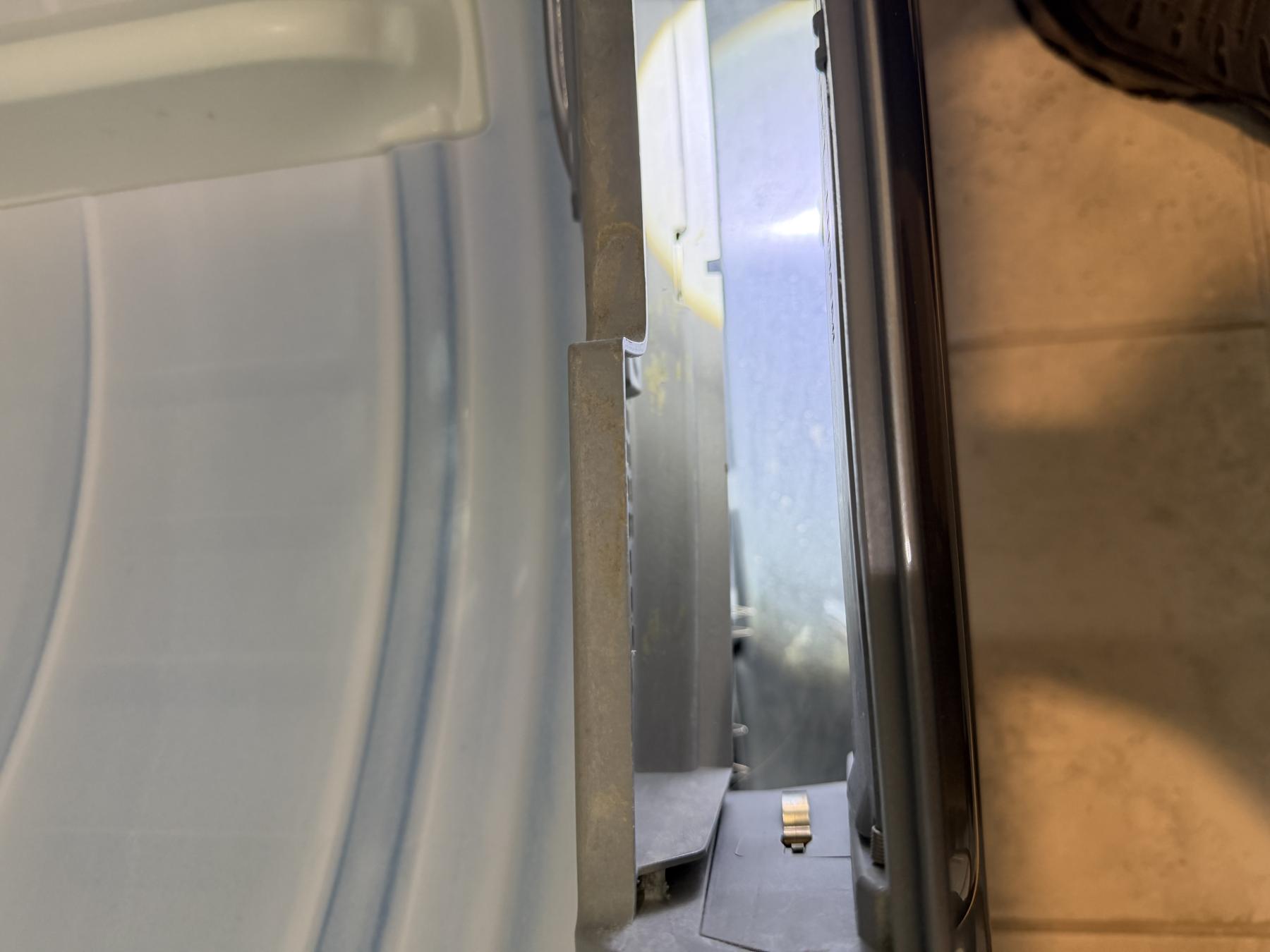
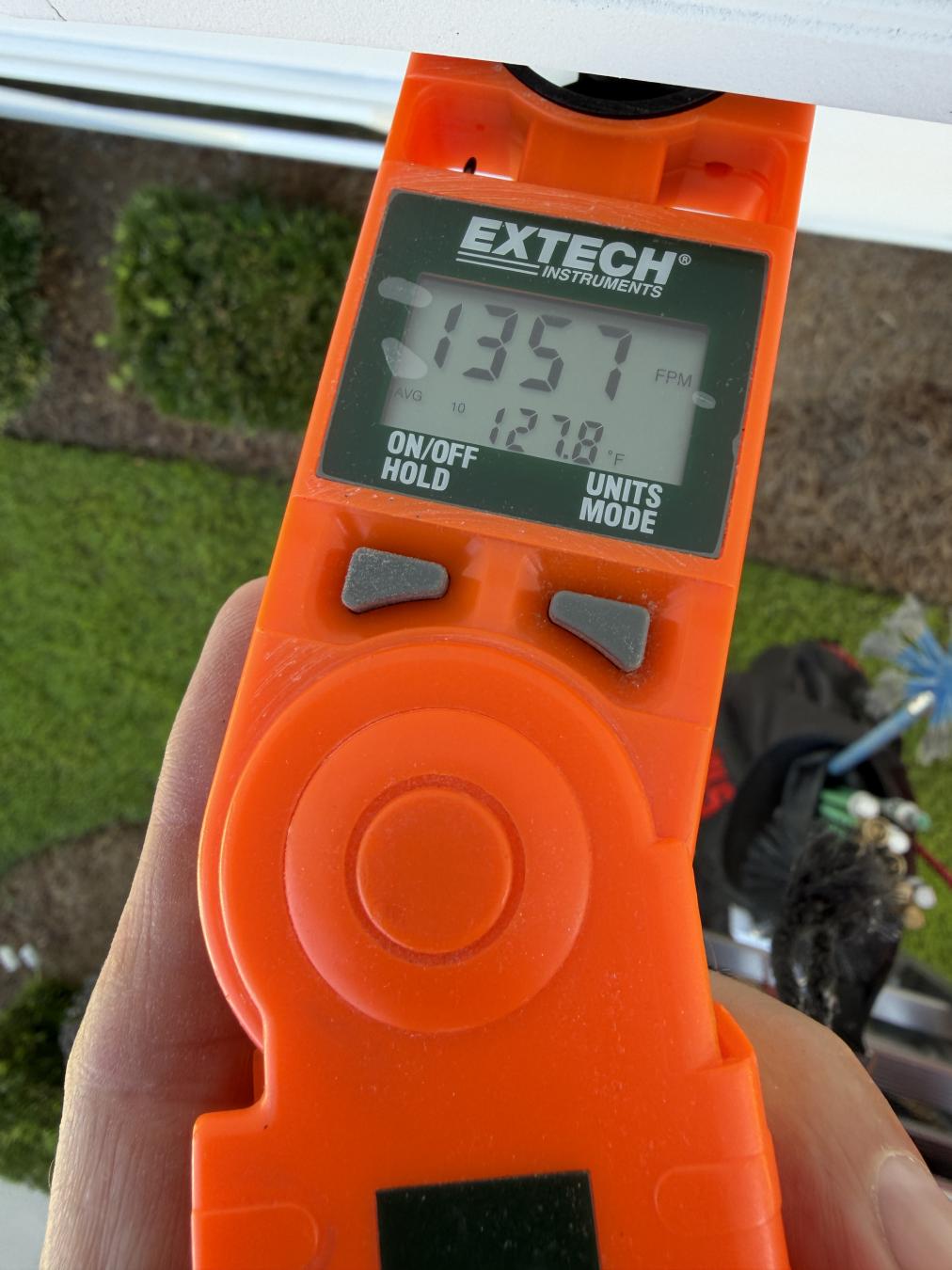
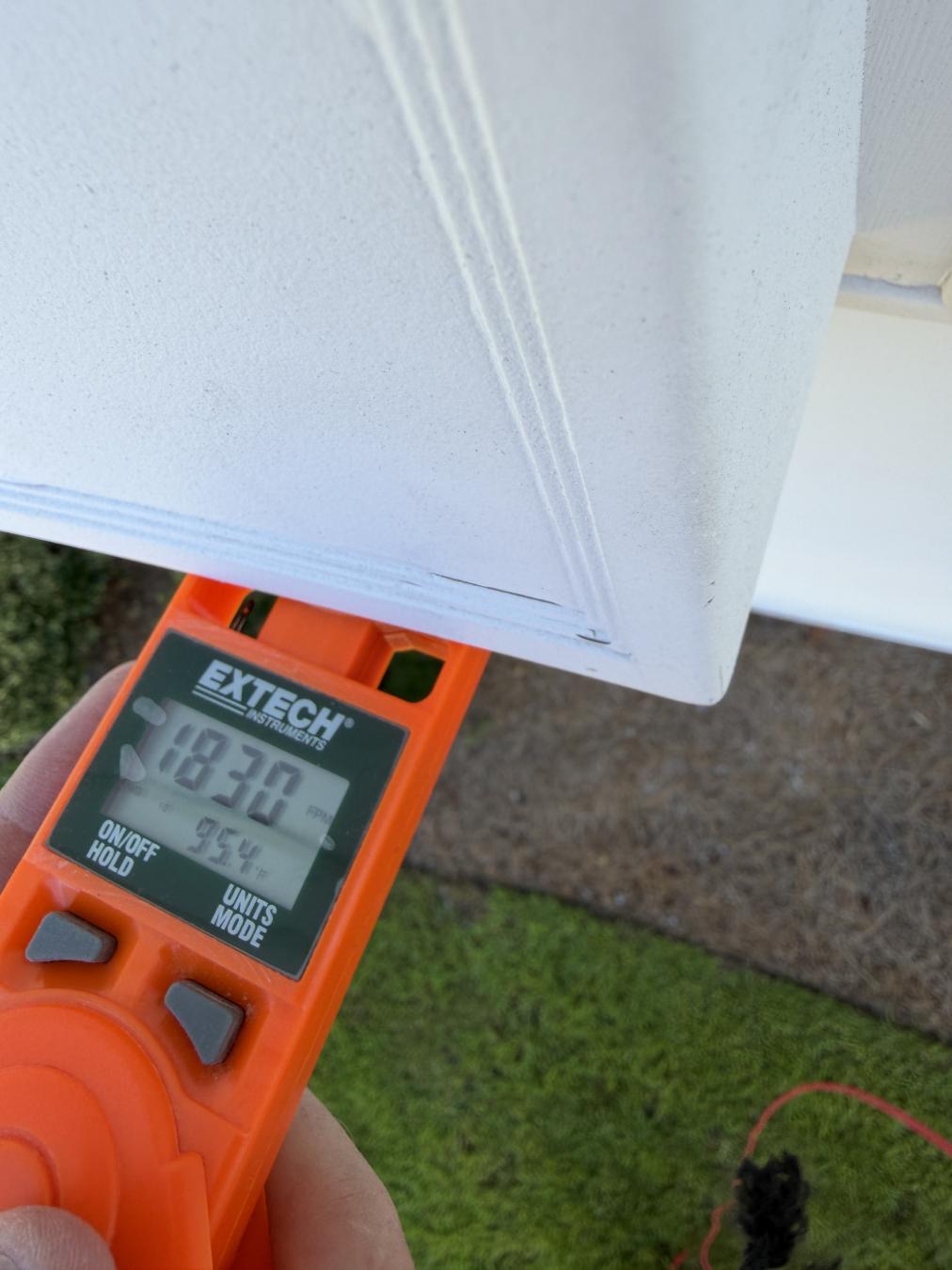
After more than three years without service, a home on Ricefield Lane in Mt. Pleasant was overdue for professional dryer vent attention. The 27-foot metal rigid vent with a single turn was performing reasonably well, but the Valentine 360 Visibility camera inspection revealed an important safety concern: the transition duct connecting the dryer to the wall consisted of substandard flex foil material that dryer manufacturers specifically warn against in their owner's manuals. The C-DET certified specialist replaced it with DryerFlex, a premium semi-rigid product chosen for its superior performance and fire-retardant properties. While the system wasn't heavily clogged—a testament to the quality metal rigid vent—the cleaning and transition upgrade made a noticeable difference. Airflow readings jumped from 1,357 FPM to 1,830 FPM, demonstrating improved efficiency. Valentine Vents documented the entire process with photographs, providing the homeowner with visual confirmation of both the hazard that was corrected and the thoroughness of the work completed. The specialist also delinted the dryer cabinet and performed a complete system safety inspection. With proper materials now in place and optimal airflow restored, this Mt. Pleasant home is set up for safer, more efficient drying for years to come.
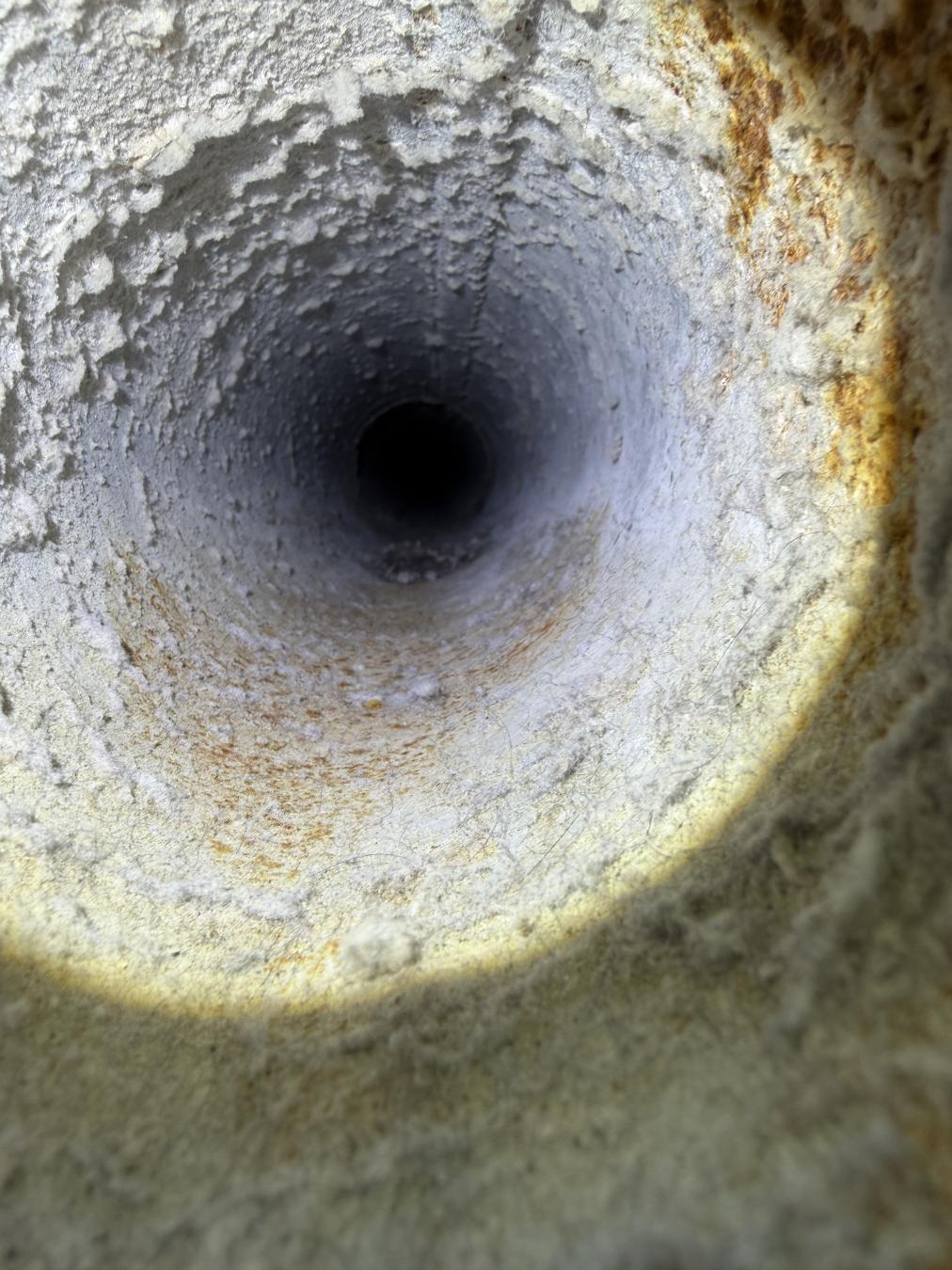

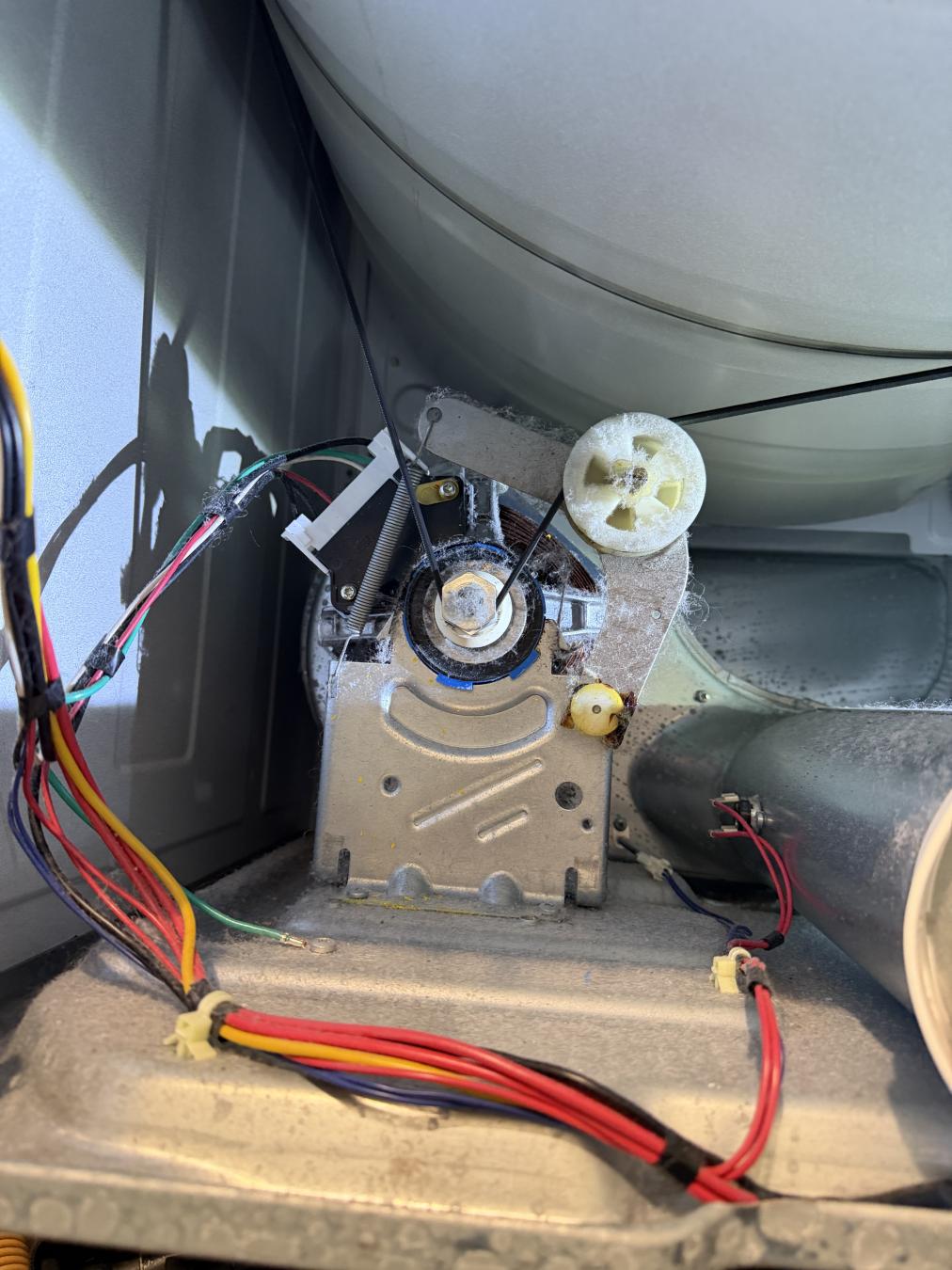
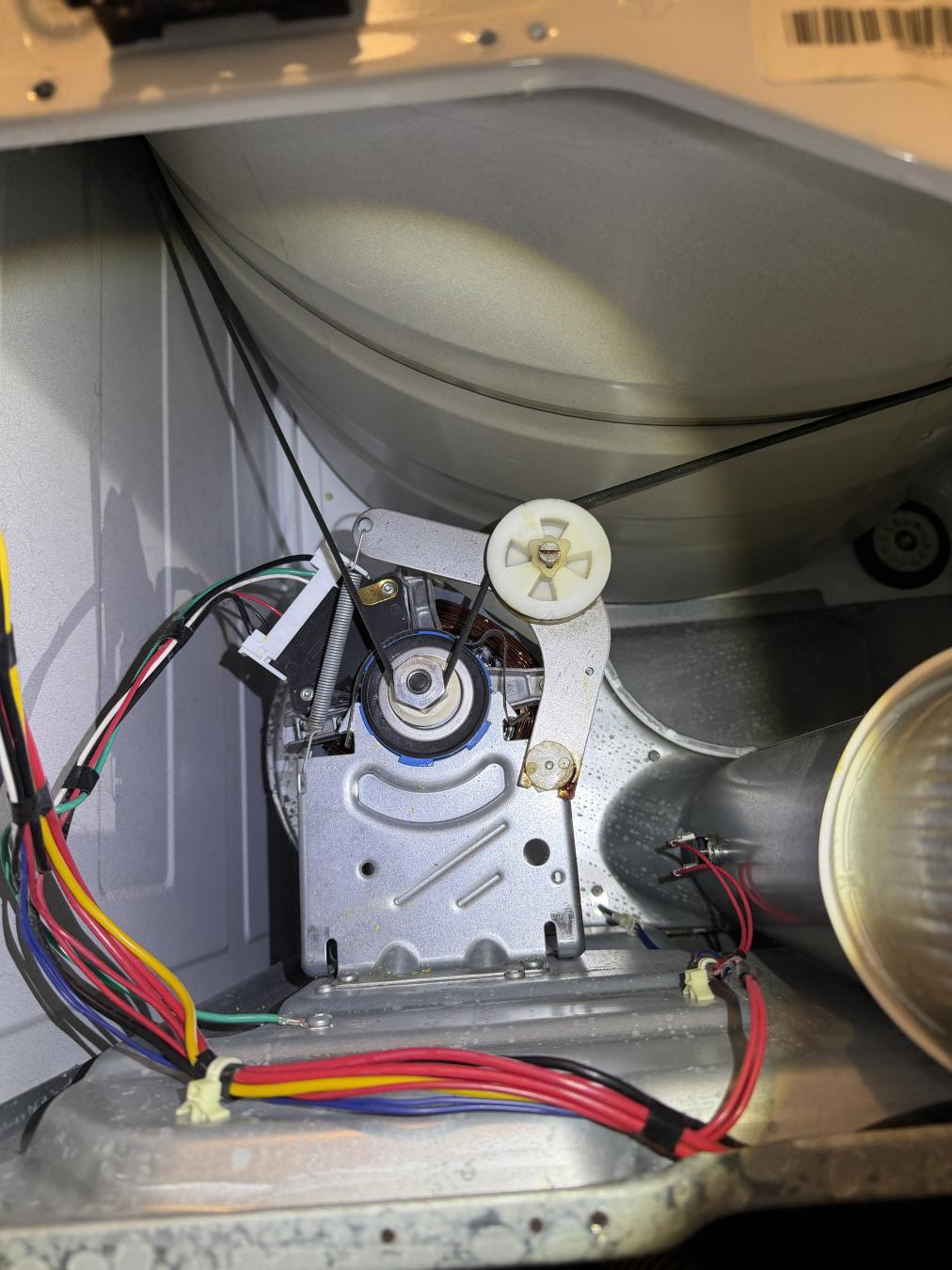
When a Mt. Pleasant homeowner on Hope Town Road reached out knowing it was simply time for a professional cleaning, Valentine Vents dispatched a C-DET certified specialist to ensure the system was performing at its best. The 13-foot metal rigid vent with a single turn showed light lint accumulation, while the dryer cabinet revealed a moderate buildup that warranted attention. Airflow measurements told an encouraging story, climbing from 1,672 FPM to 1,810 FPM after the thorough cleaning process. During the inspection, the specialist identified two important safety concerns: substandard flex foil connecting the dryer to the vent system and a damaged wall vent cover missing its damper. The flex foil was promptly replaced with DryerFlex, a premium semi-rigid product chosen for its superior performance and fire-retardant properties—exactly what dryer manufacturers recommend in their owner's manuals. The exterior termination received an upgraded Inovate wall vent to restore proper function and pest protection. A Valentine 360 Visibility camera inspection documented the entire system, and the dryer cabinet was delinted to eliminate hidden fire hazards. This home now enjoys improved airflow, code-compliant materials, and the peace of mind that comes with a professionally maintained dryer vent system.
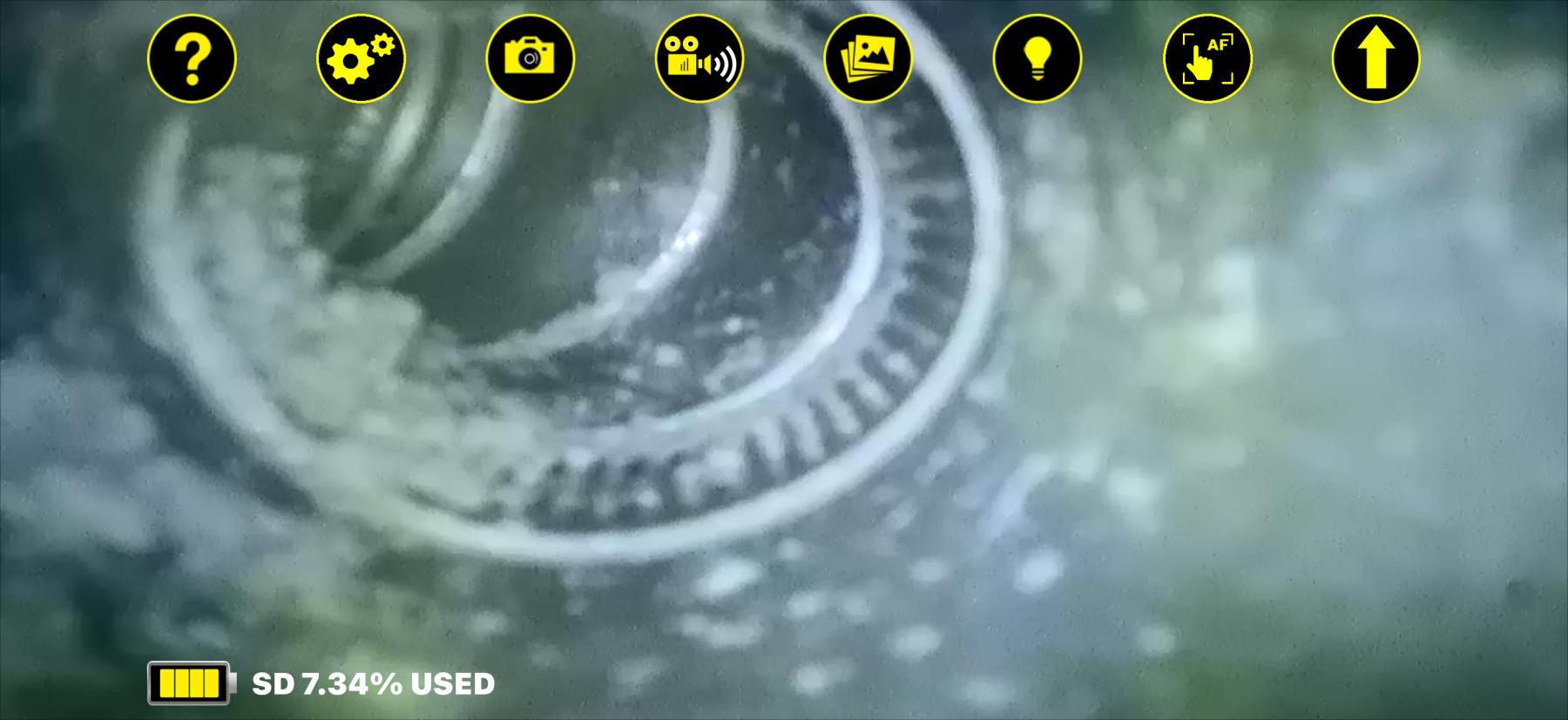
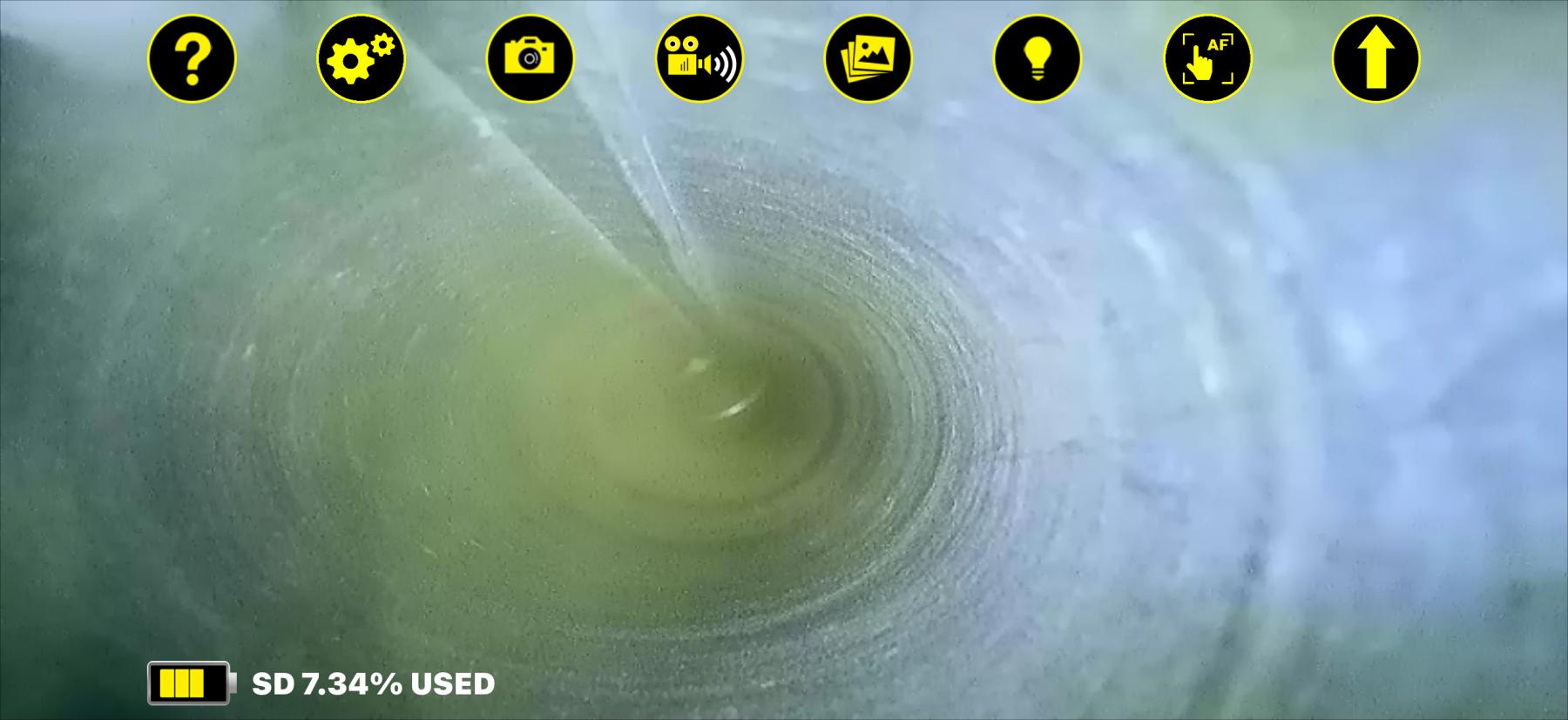
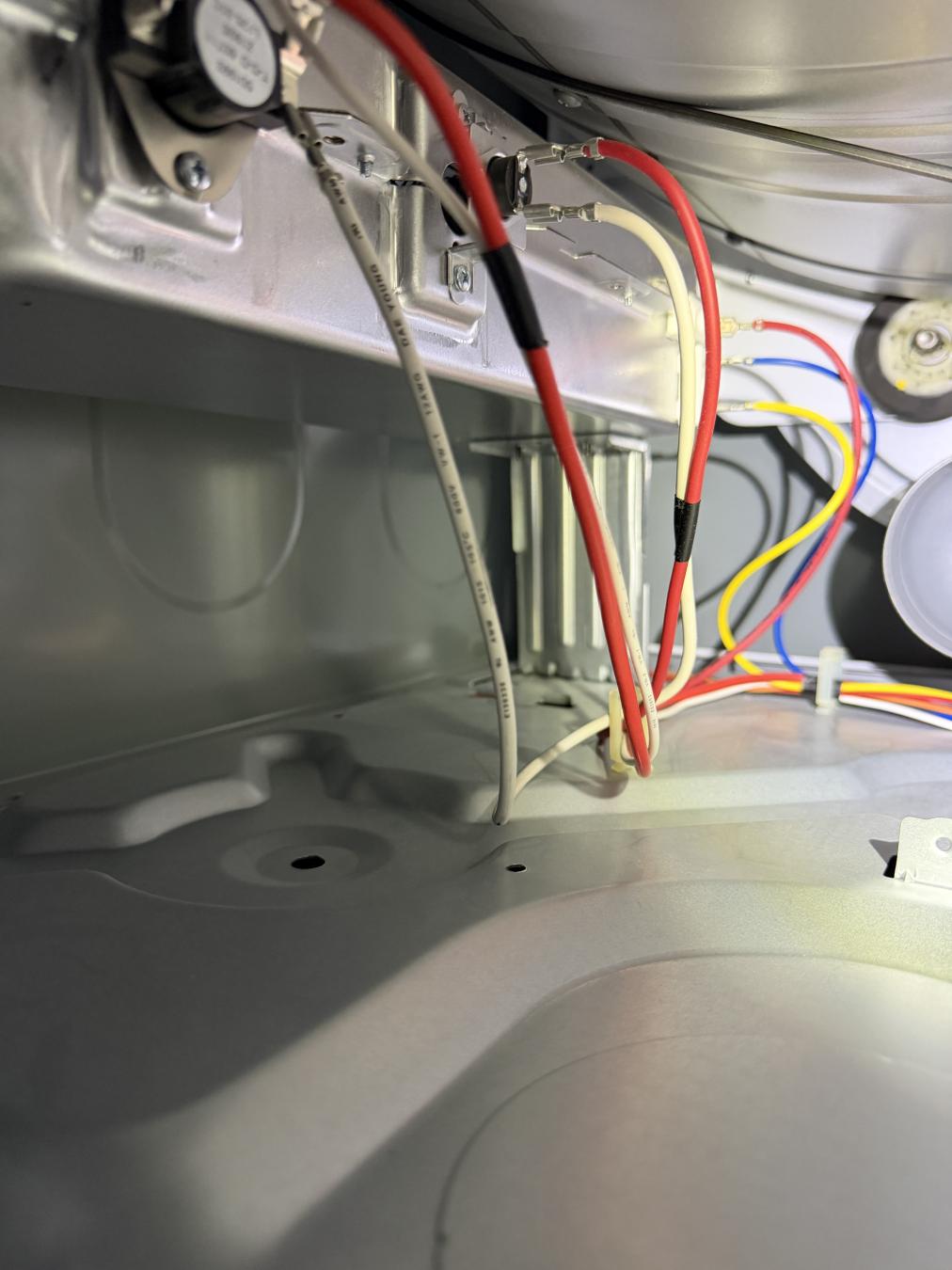
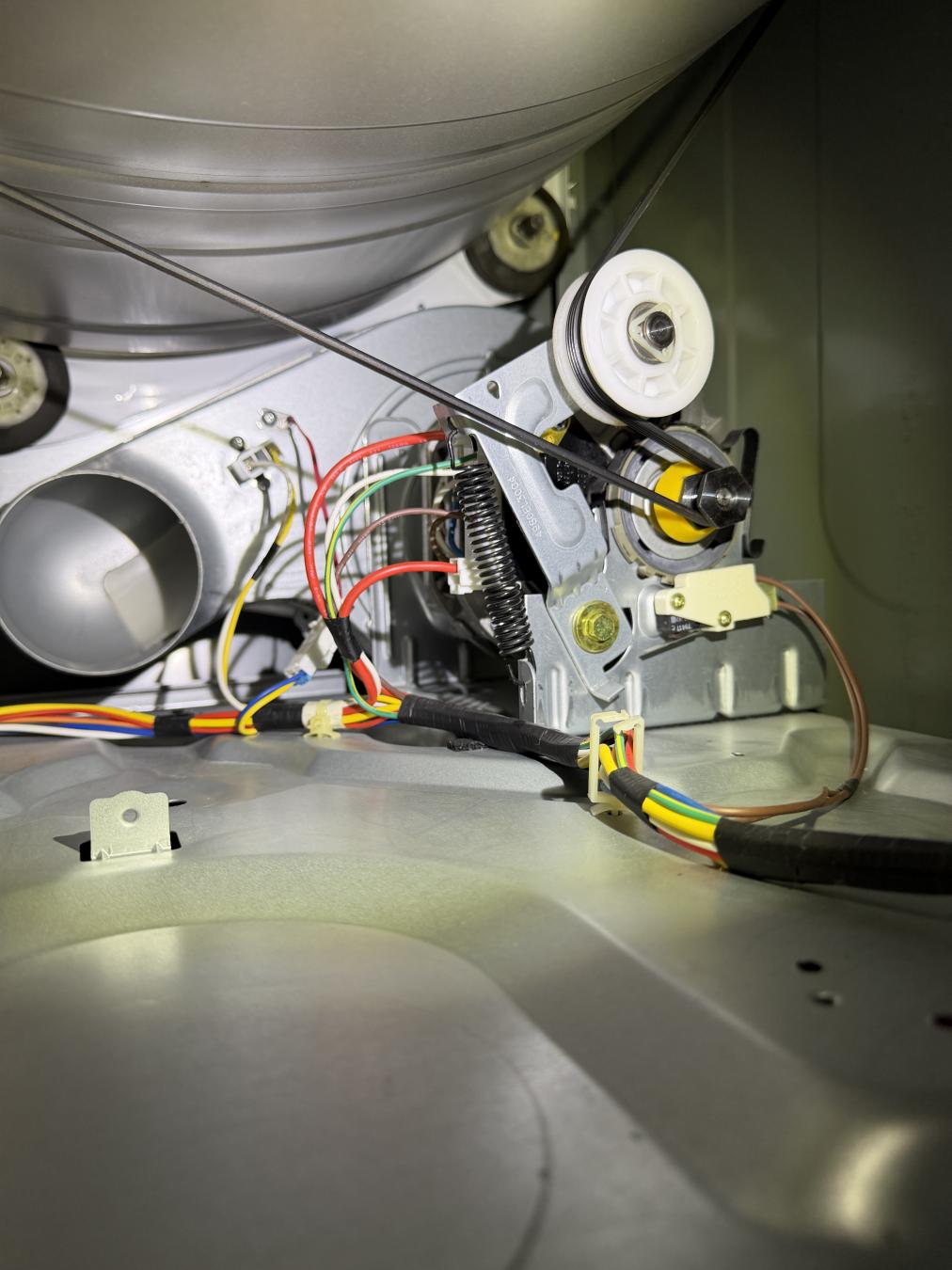
When a homeowner on River Landing Drive in Daniel Island noticed their dryer taking longer to complete cycles, they turned to Valentine Vents for answers. The C-DET certified specialist arrived to find a 24-foot metal rigid vent system with three turns—a setup that was actually in excellent condition with minimal lint accumulation despite being two years since the last cleaning. Through the complimentary Valentine 360 Visibility camera inspection, the specialist was able to confirm the vent pathway was clear and functioning properly. A thorough delinting of the dryer cabinet revealed no hidden obstructions. The true culprit became apparent during the diagnostic process: inadequate makeup air in the confined laundry closet was creating an environment where the dryer couldn't exhaust efficiently, regardless of how clean the vent was. The specialist provided a simple solution—keeping the closet door open during operation to allow proper air circulation. With the vent thoroughly cleaned and the airflow issue identified, the homeowner gained valuable insight into their dryer's performance. Sometimes the most important service isn't just removing lint, but understanding how ventilation dynamics affect drying efficiency and home safety.
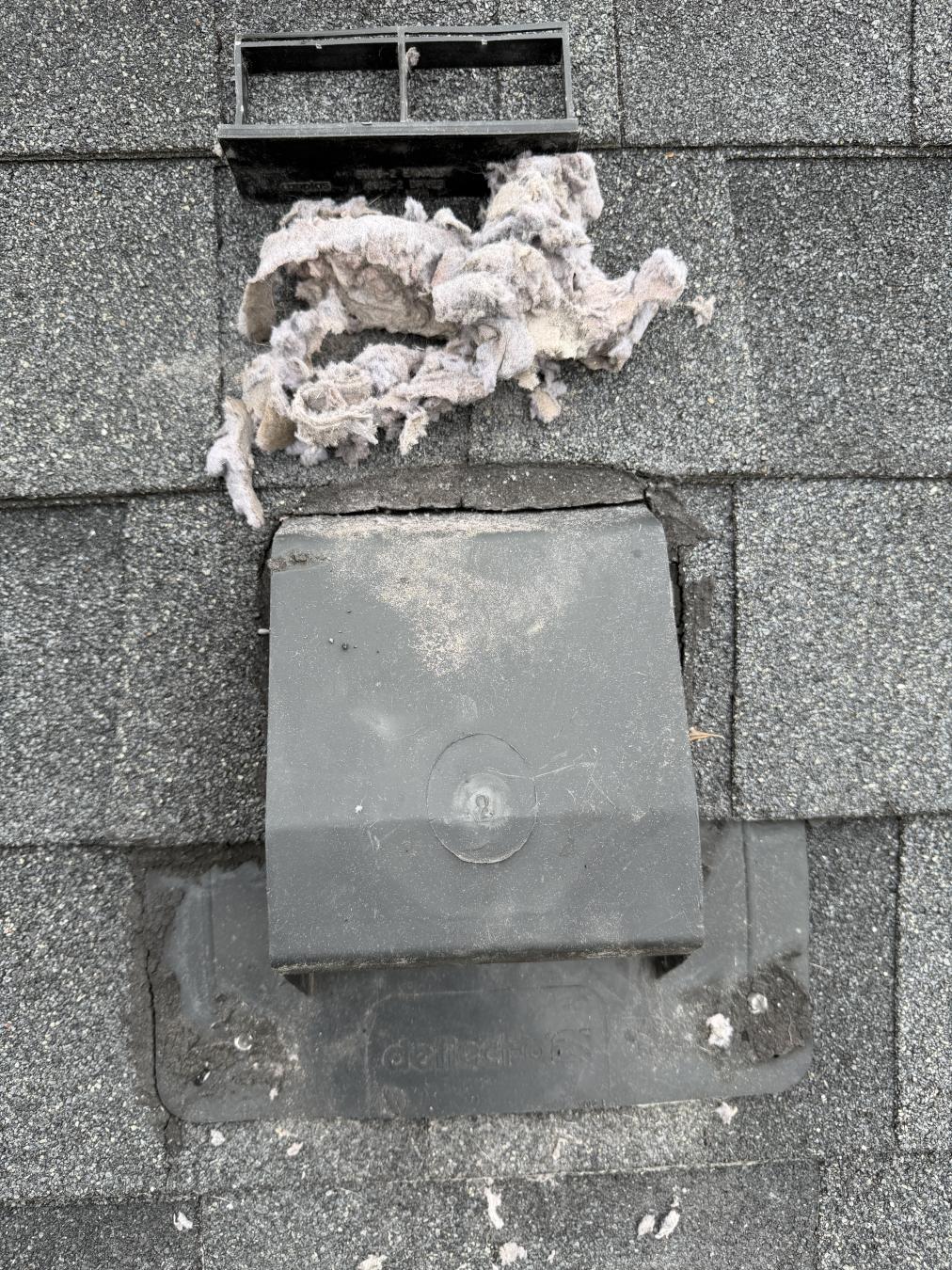
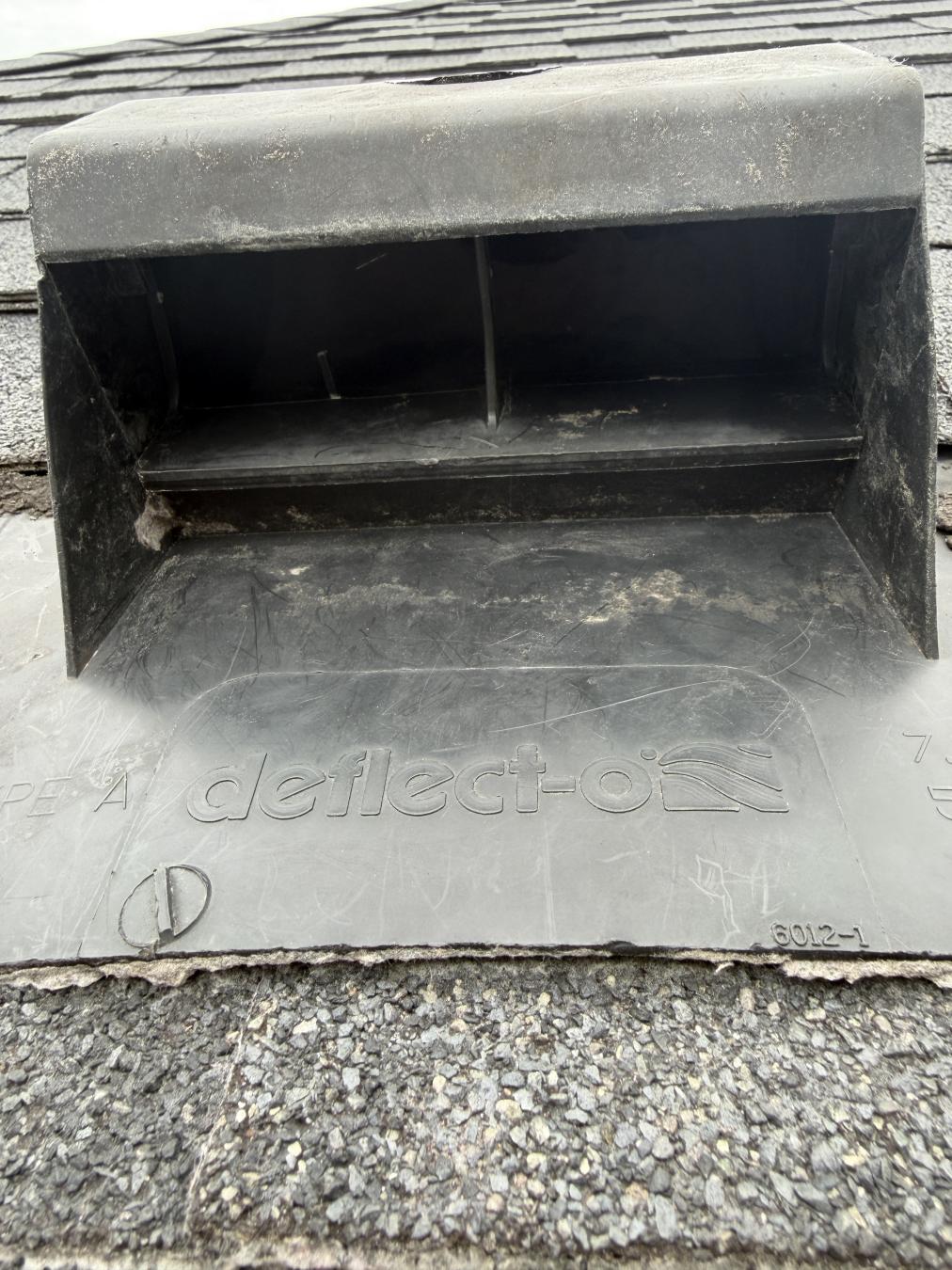
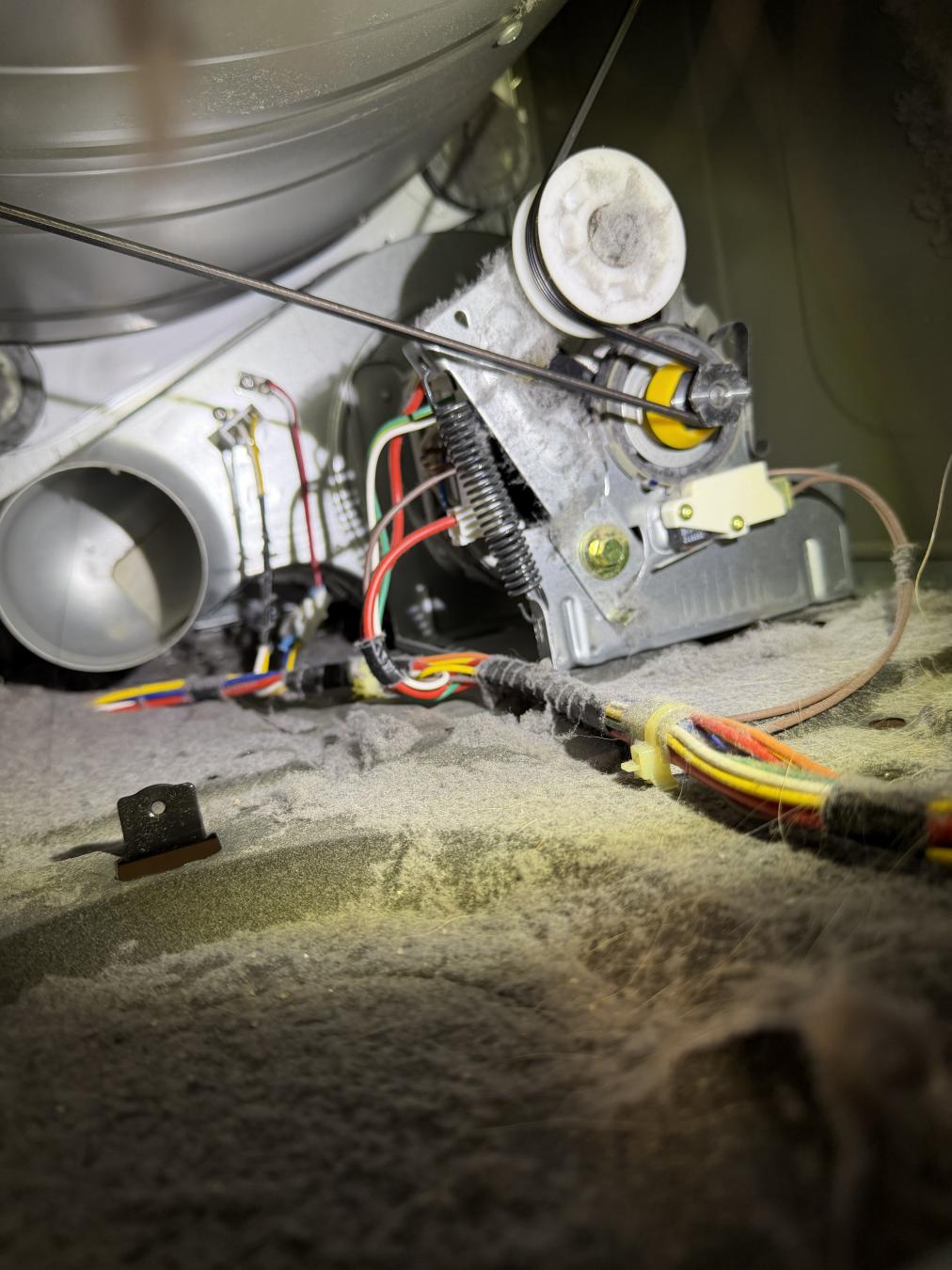
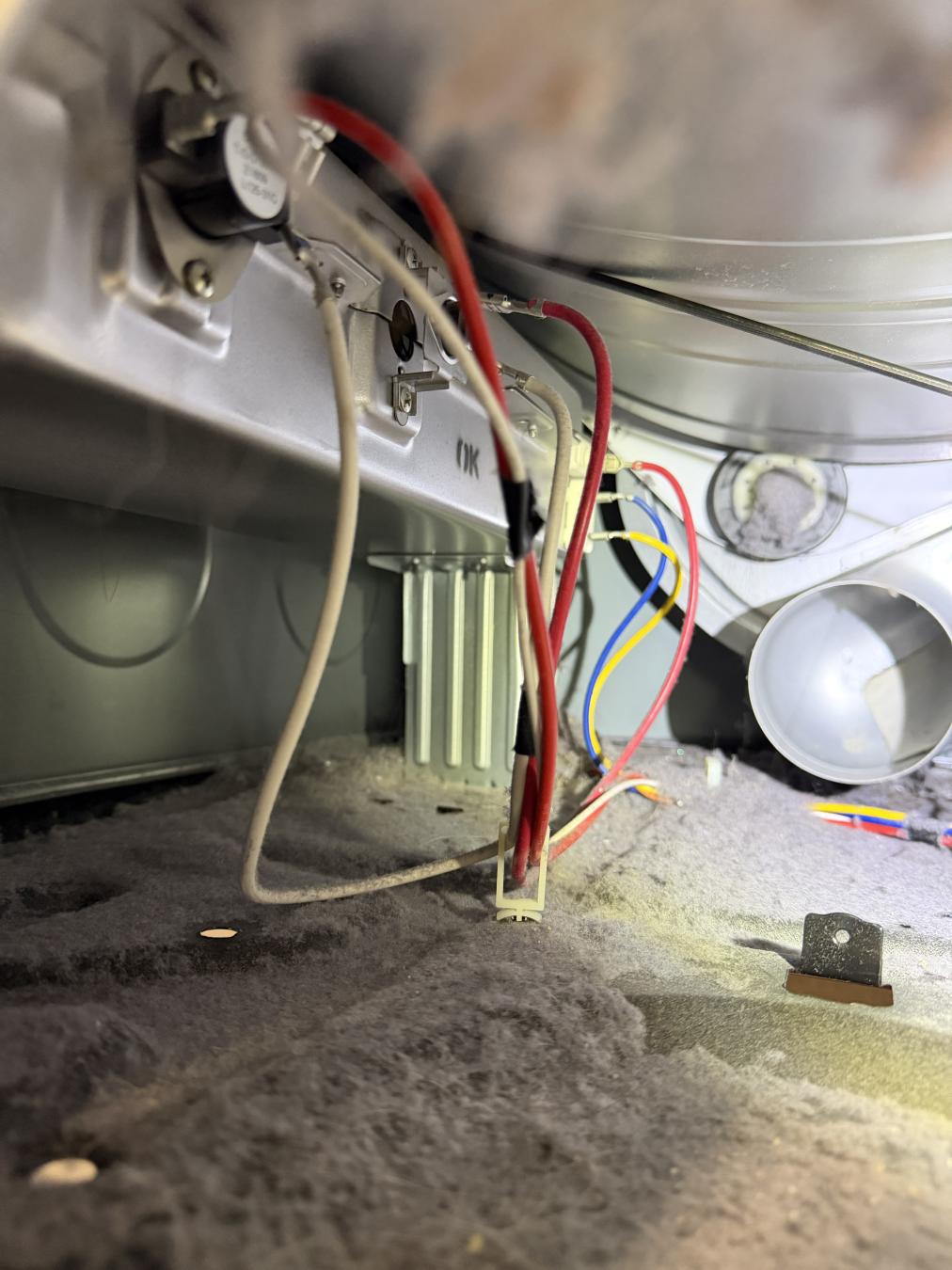
A homeowner on Harding Court in Johns Island sought out Valentine Vents when it was time for their dryer vent system to receive proper professional attention. The specialist discovered a thirteen-foot metal rigid vent line with two turns terminating at the roof, along with moderate lint accumulation throughout the system and above-normal buildup inside the dryer cabinet itself. The transition duct connecting the dryer to the wall was substandard flex foil—the type dryer manufacturers explicitly warn against in their owner's manuals—which the specialist replaced with DryerFlex, a premium semi-rigid alternative valued for its superior performance and fire-retardant properties. Using Valentine 360 Visibility camera inspection technology, the C-DET certified specialist documented conditions throughout the system, including a partial grid on the roof vent cover that will need monitoring over time. The thorough cleaning and transition upgrade yielded impressive results: airflow jumped from 1,574 FPM to 2,125 FPM. The specialist also delinted the dryer cabinet to ensure optimal performance from every component of the system. With proper airflow restored and hazardous materials removed, this Johns Island home now operates with the efficiency and fire safety every homeowner deserves.
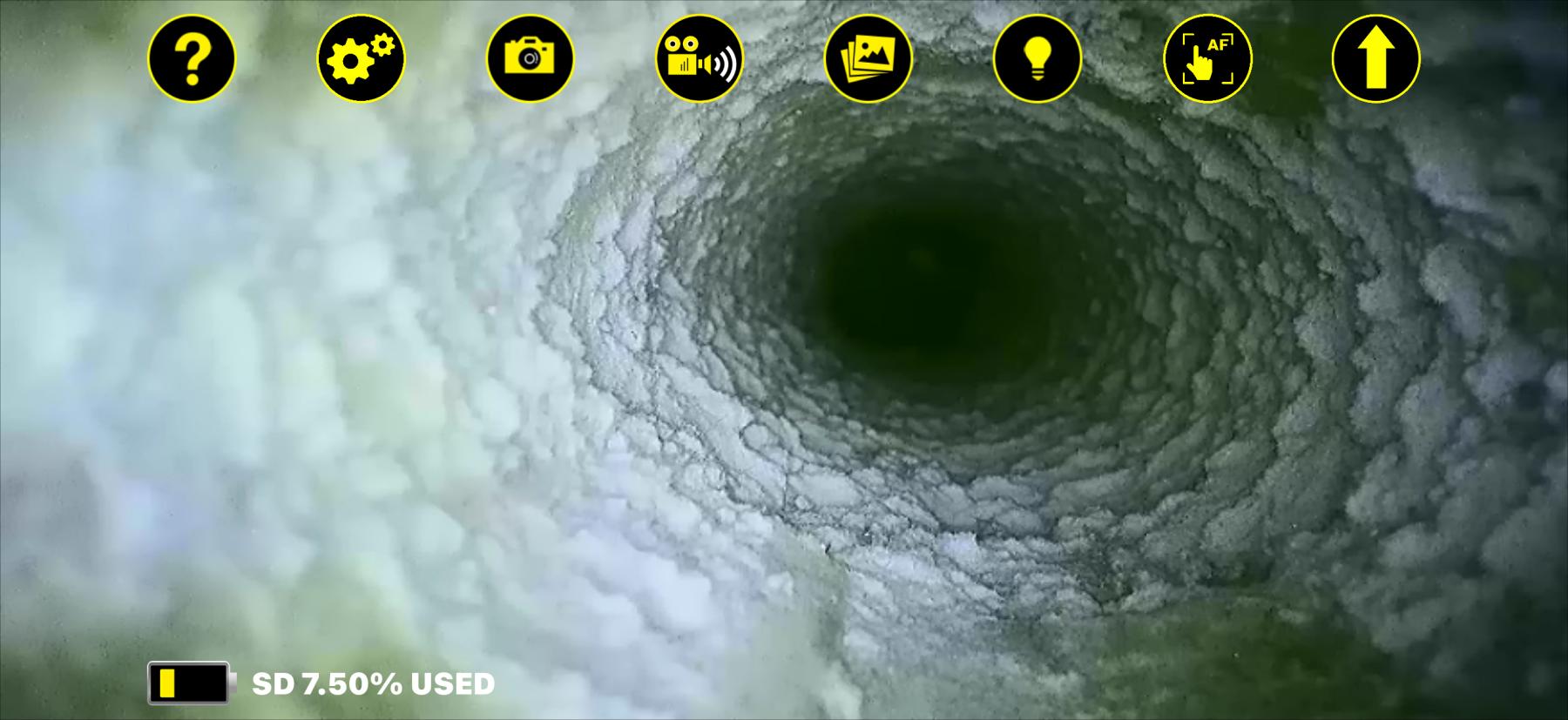
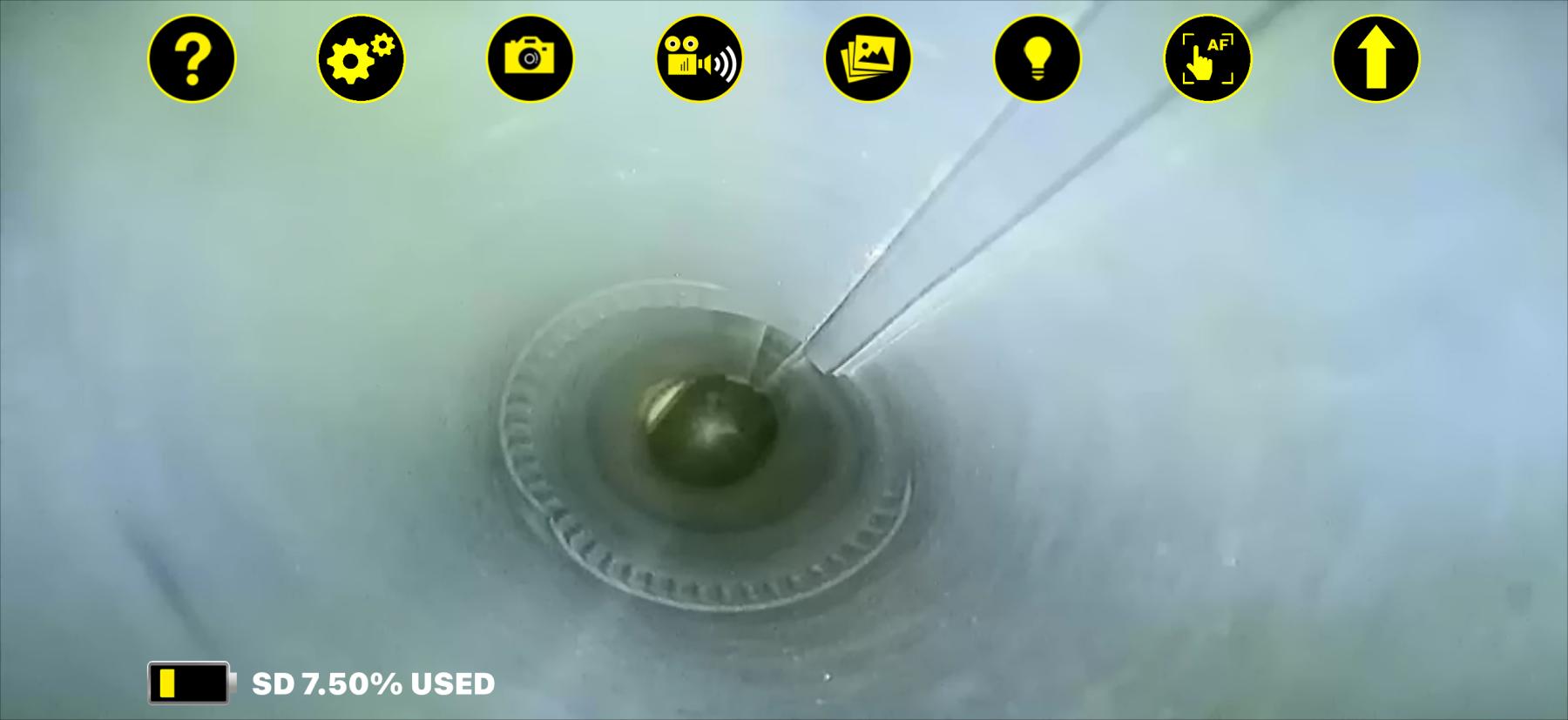
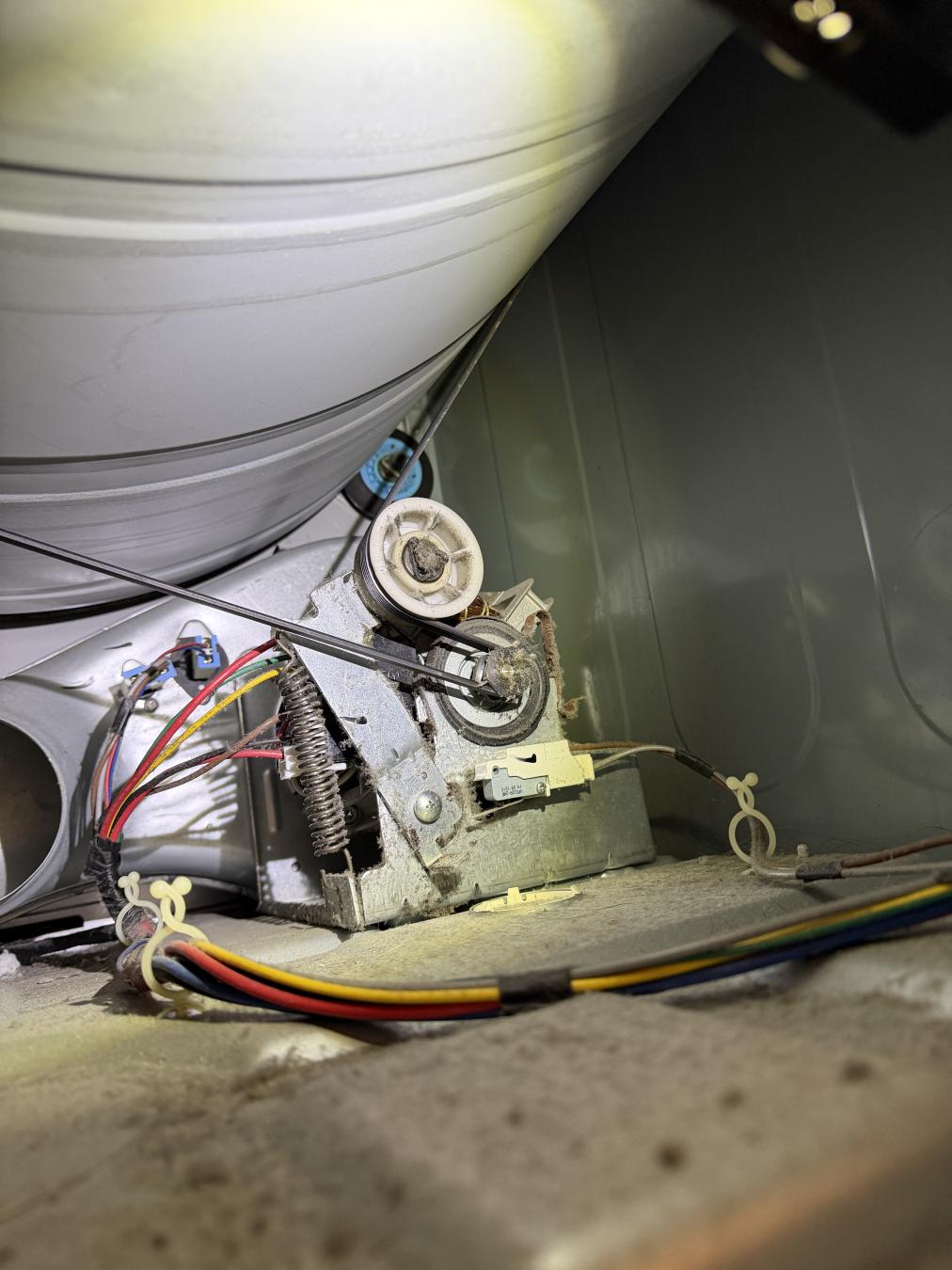
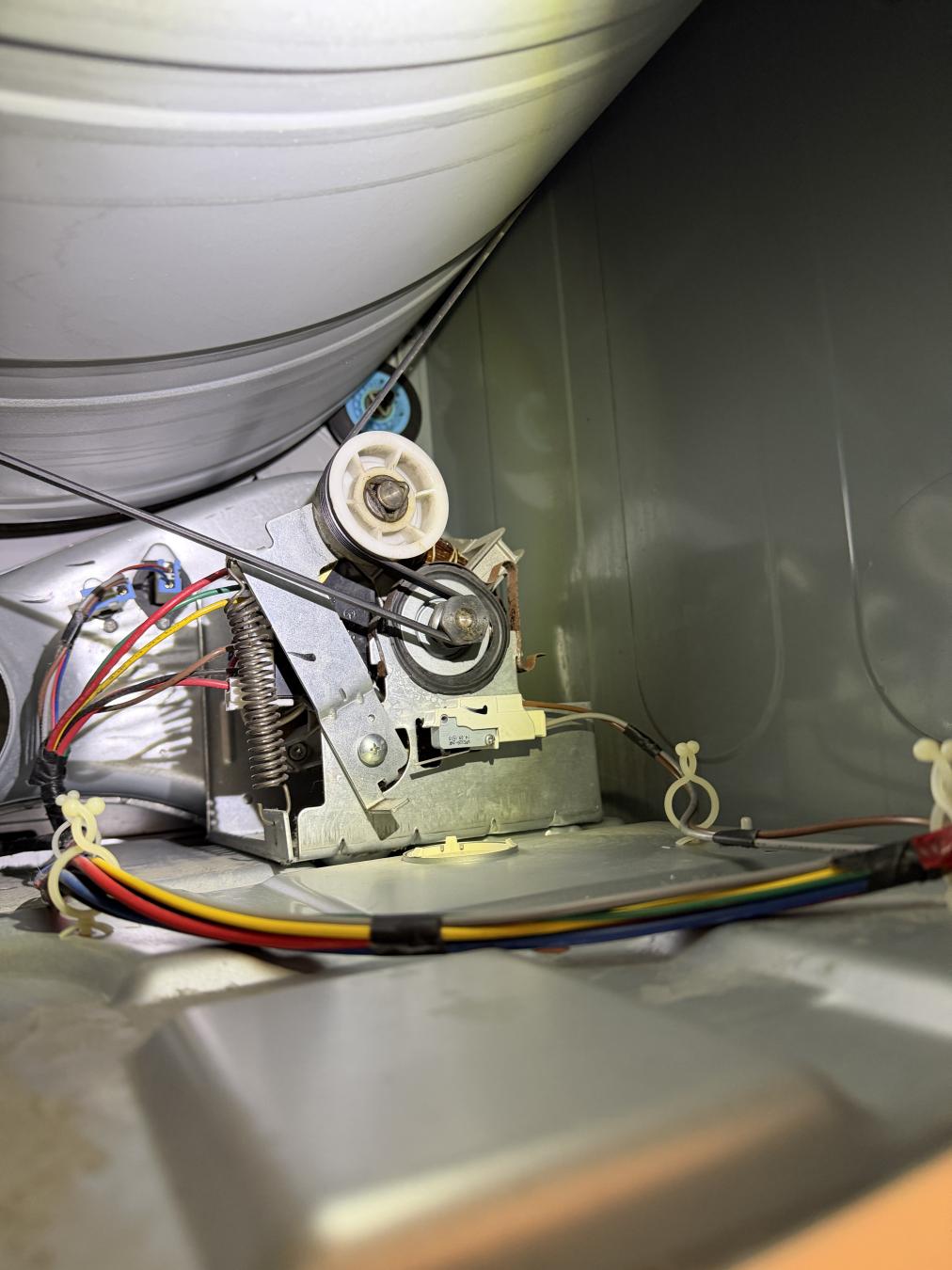
When a homeowner on Sans Souci St in Charleston began experiencing longer drying times, they reached out to Valentine Vents for a professional assessment. What the C-DET certified specialist discovered was a troubling mix of materials in the dryer vent system: rigid metal combined with substandard flex foil and even a PVC elbow—all contributing to restricted airflow and potential safety hazards. The specialist thoroughly cleaned the vent line and dryer cabinet, removing average lint accumulation throughout. More importantly, the problematic transition duct was replaced with DryerFlex, a premium semi-rigid product chosen for its superior performance and fire-retardant properties. Dryer manufacturers explicitly warn against using flex foil in their owner's manuals, making this upgrade essential. The rigid vent was properly anchored to the wall with a standoff and hose clamp for stability. A Valentine 360 Visibility camera inspection documented the improvements, and airflow readings at the dryer's back confirmed strong performance at 2200 FPM. However, the air temperature on high heat only reached 82 degrees, suggesting the drying issue may be related to a faulty heating element rather than vent restriction. With the venting system now properly configured and safely operating, the homeowner has one less concern to worry about.
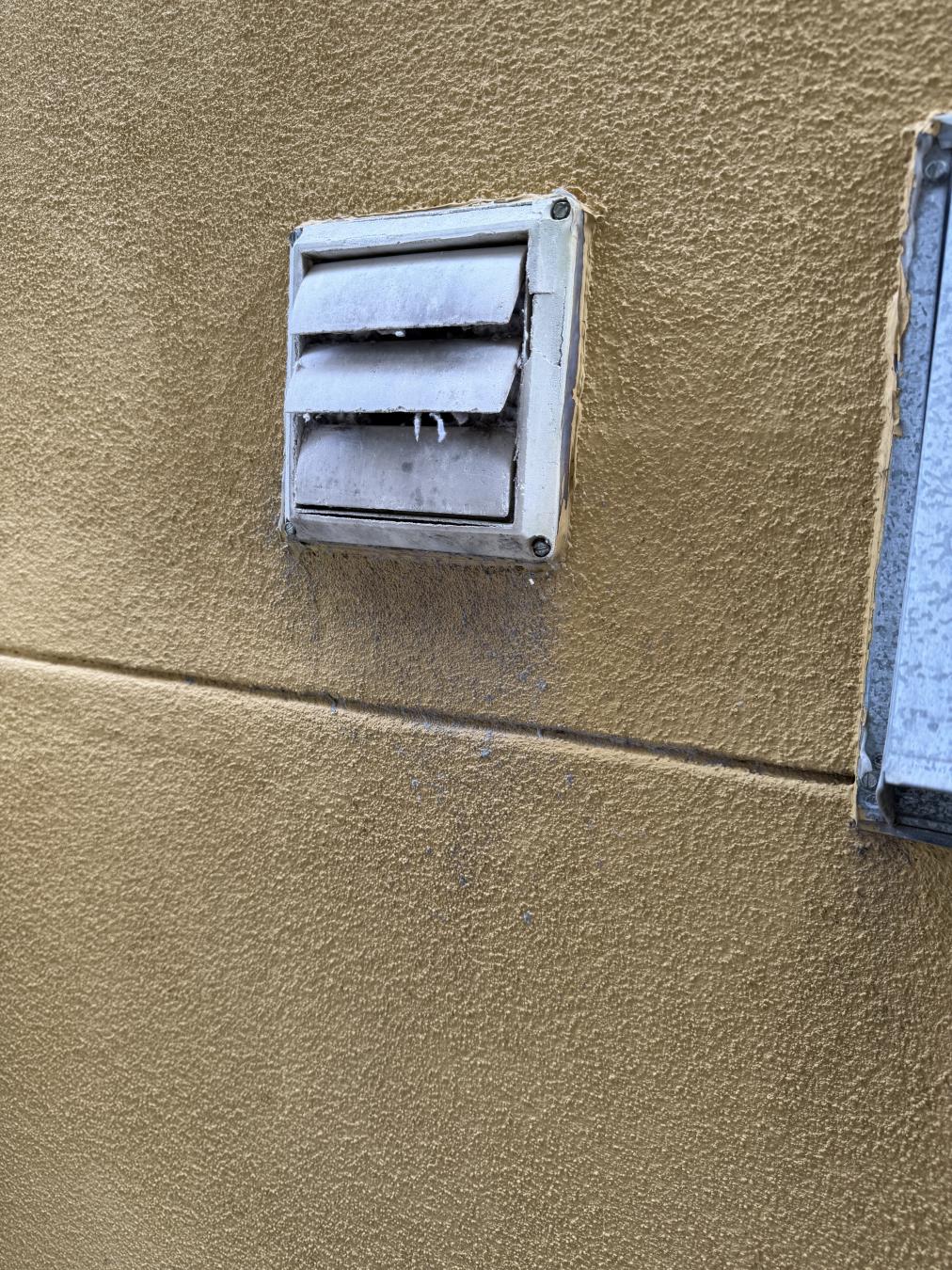
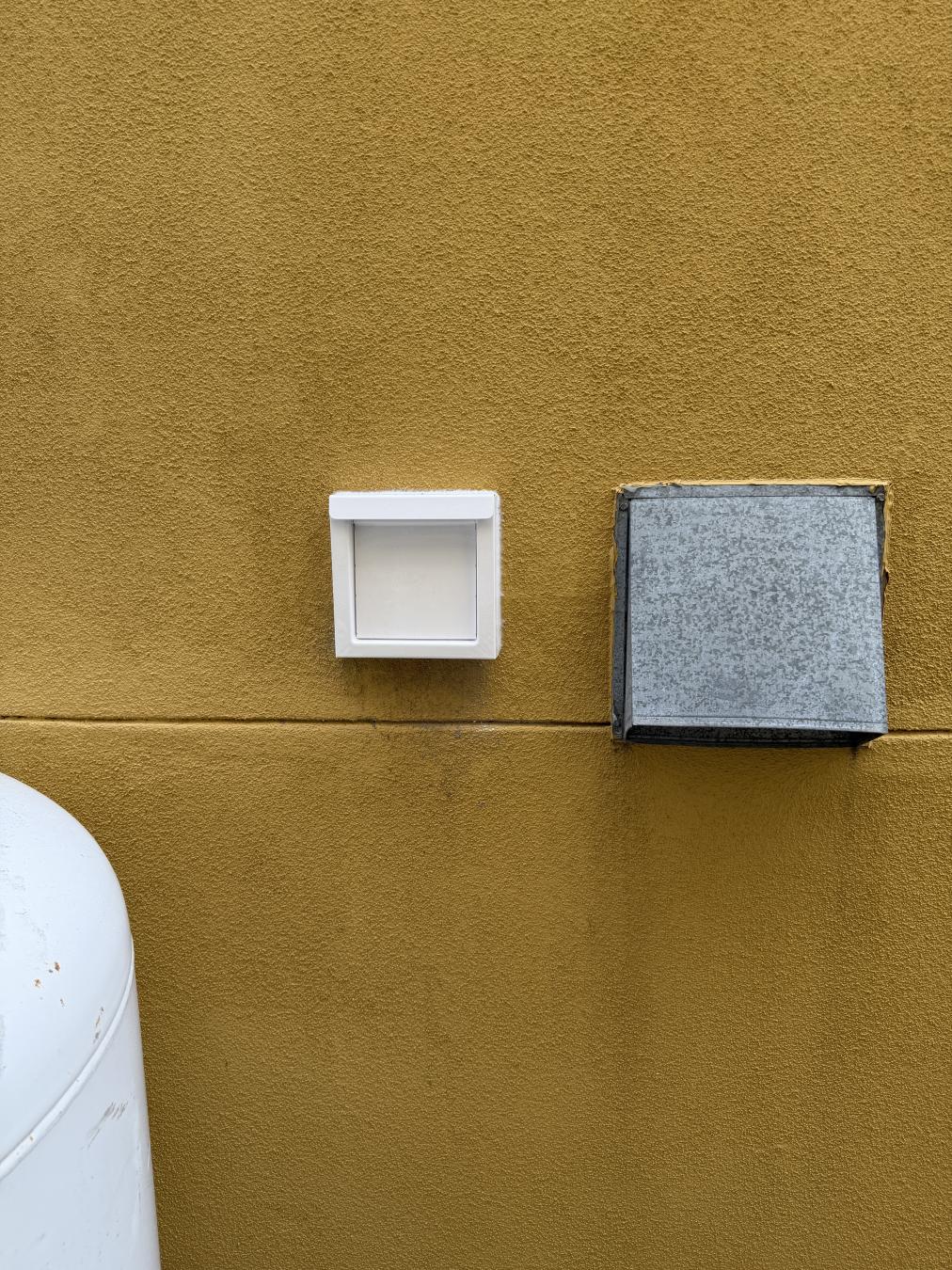
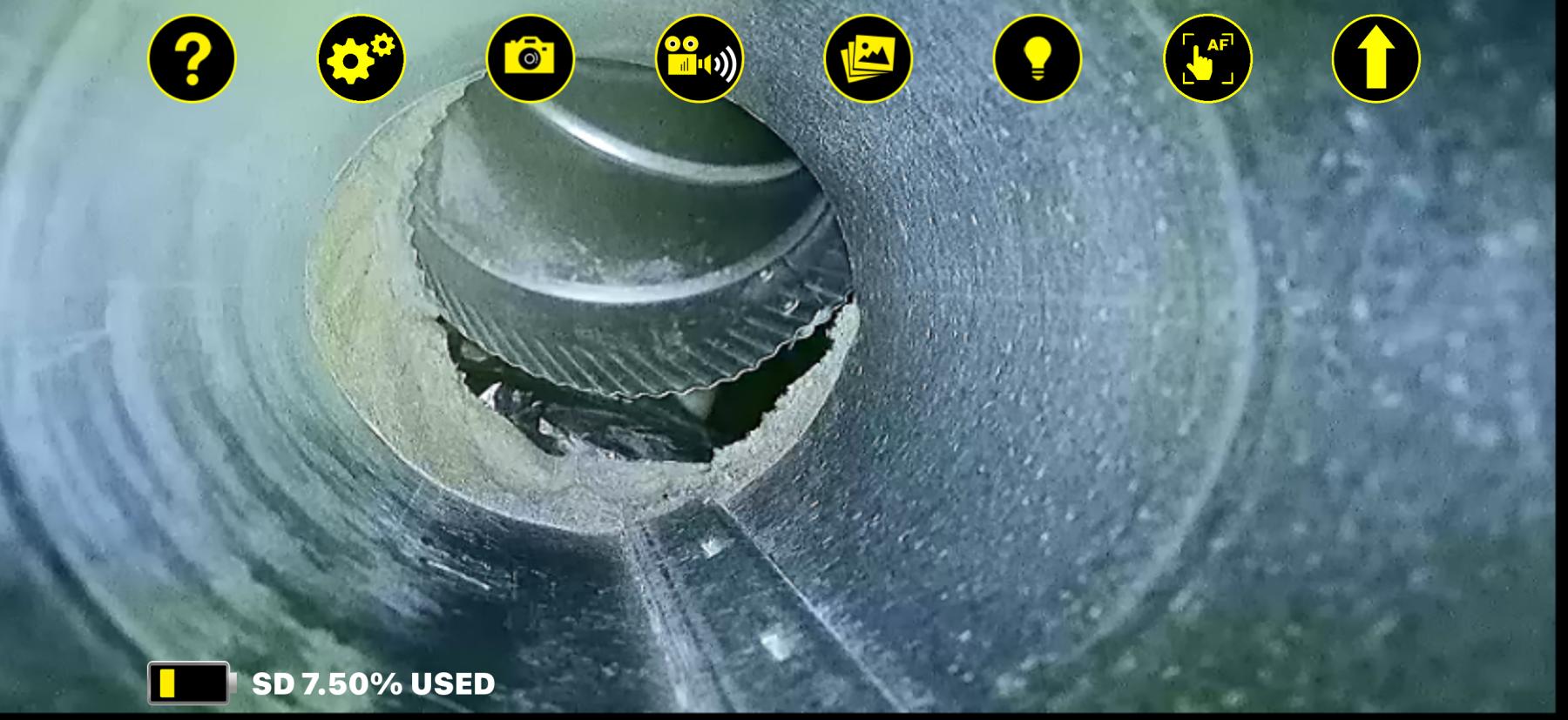

When longer drying times started affecting laundry routines at a home on John Galt Way in Mt. Pleasant, the homeowner reached out to Valentine Vents for an overdue inspection—it had been more than three years since the last cleaning. The C-DET certified specialist discovered moderate lint buildup in the dryer cabinet and above-average accumulation throughout the 15-foot metal rigid vent system with two turns. Airflow measurements told the story: initial readings of 1,161 FPM jumped to 1,810 FPM after a thorough cleaning, restoring proper ventilation and dramatically improving drying performance. The investigation also revealed several safety concerns. The old flex foil transition duct—a substandard material specifically cautioned against in dryer manufacturer manuals—was replaced with DryerFlex, a premium semi-rigid product chosen for its superior performance and fire-retardant properties. A cracked plastic vent cover was upgraded to a durable steel Inovate Dryer Wall Vent. Photos captured during the Valentine 360 Visibility camera inspection documented the improvements and identified a disconnected elbow in the wall. This was a critical find since water and lint are being blown into the space between floors in this home. This becomes a breeding ground for termites and wood rot. Without a camera inspection this would continue for years but will now be repaired. With proper airflow restored and substandard materials eliminated, this Mt. Pleasant home now operates with renewed efficiency and significantly reduced fire risk.


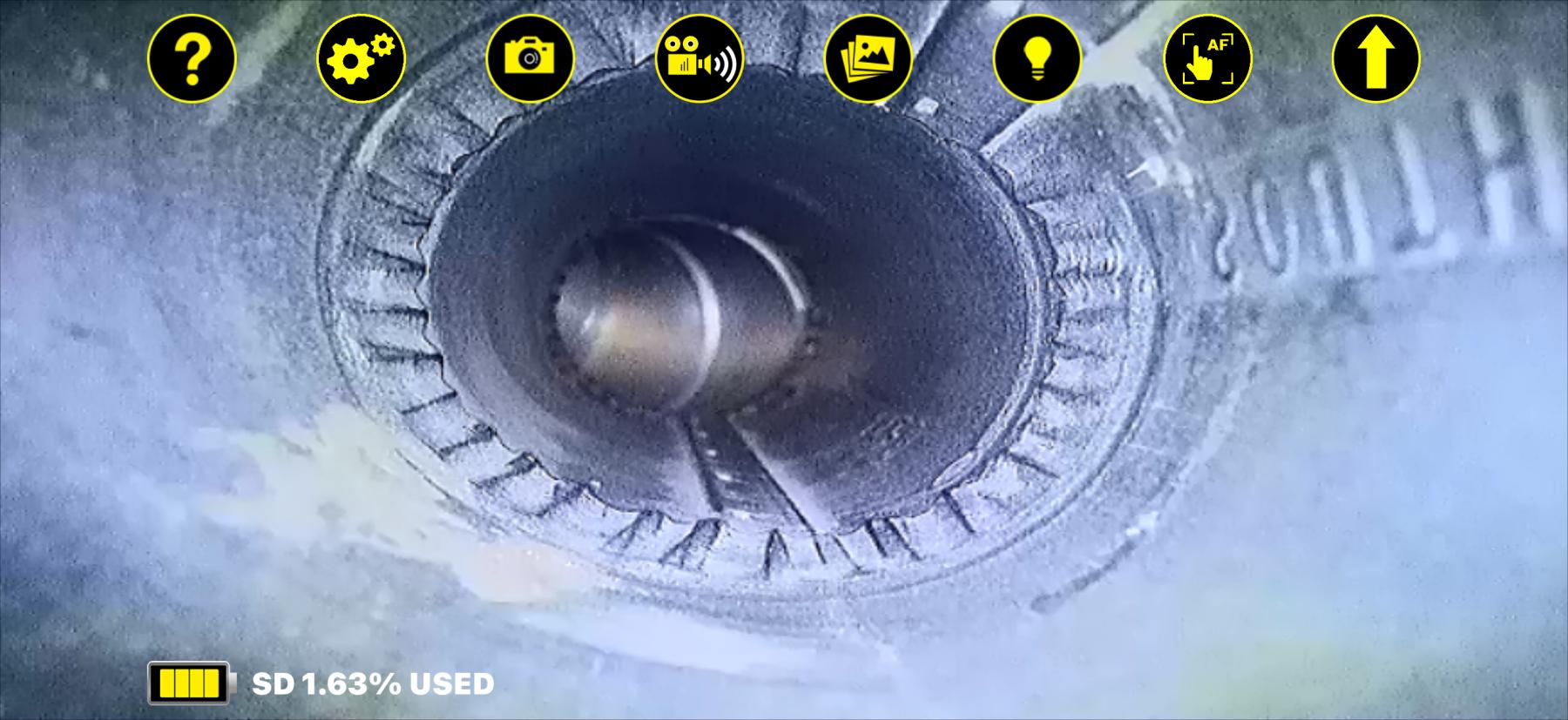

When a homeowner on Doldridge Street in Daniel Island noticed their drying cycles taking longer than usual, they reached out to Valentine Vents for a professional assessment. The C-DET certified specialist discovered that despite the impressively short 3-foot vent run with only two turns, the system wasn't performing at its best. While lint accumulation was minimal throughout the metal rigid vent and dryer cabinet, airflow measurements revealed room for improvement at 1,712 FPM. The specialist replaced the substandard flex foil transition duct with DryerFlex, a premium semi-rigid product chosen for its superior performance and fire-retardant properties. Dryer manufacturers specifically warn against flex foil in their owner's manuals, making this upgrade essential. A thorough delinting of the dryer cabinet and Valentine 360 Visibility camera inspection ensured nothing was overlooked. Photos captured throughout the service documented the work and system condition. The results told an interesting story: while airflow increased modestly to 1,869 FPM, the termination temperature jumped dramatically from 137°F to 163°F, indicating a significant boost in drying efficiency. Sometimes the most substantial improvements come from addressing the details others might overlook, restoring both performance and peace of mind.
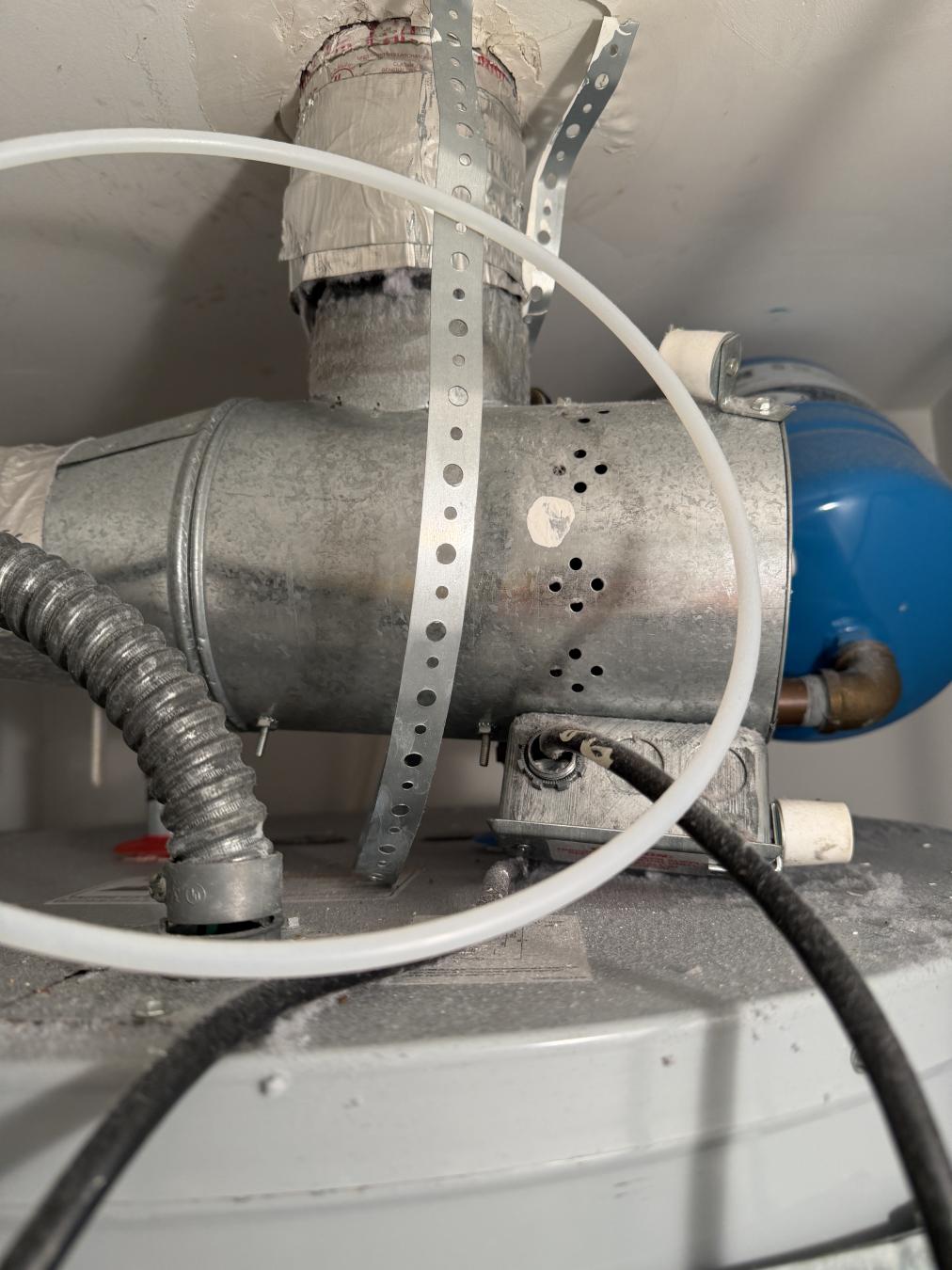



When a dryer on George St in Charleston started taking considerably longer to complete cycles, the homeowners had no idea they were facing an almost total lint blockage hidden within their 35-foot metal rigid vent system. Valentine Vents was called to investigate, and the C-DET certified specialist quickly identified the severity of the situation. The four-turn configuration had allowed lint to accumulate to dangerous levels, severely restricting airflow through the entire run. Adding to the challenge, a booster fan had become unsecured from the ceiling and dropped, creating a complete disconnect in the system. The specialist methodically cleared the substantial blockage, then remounted and secured the booster fan to restore proper function. A Valentine 360 Visibility camera inspection documented the transformation, showing the vent restored to full capacity. The dryer cabinet itself showed minimal lint accumulation, confirming that the problem was isolated to the ventilation system rather than the appliance. With the blockage eliminated and the booster fan reinstalled, the homeowners can now enjoy efficient drying cycles and the peace of mind that comes with a properly maintained and fully functional vent system.
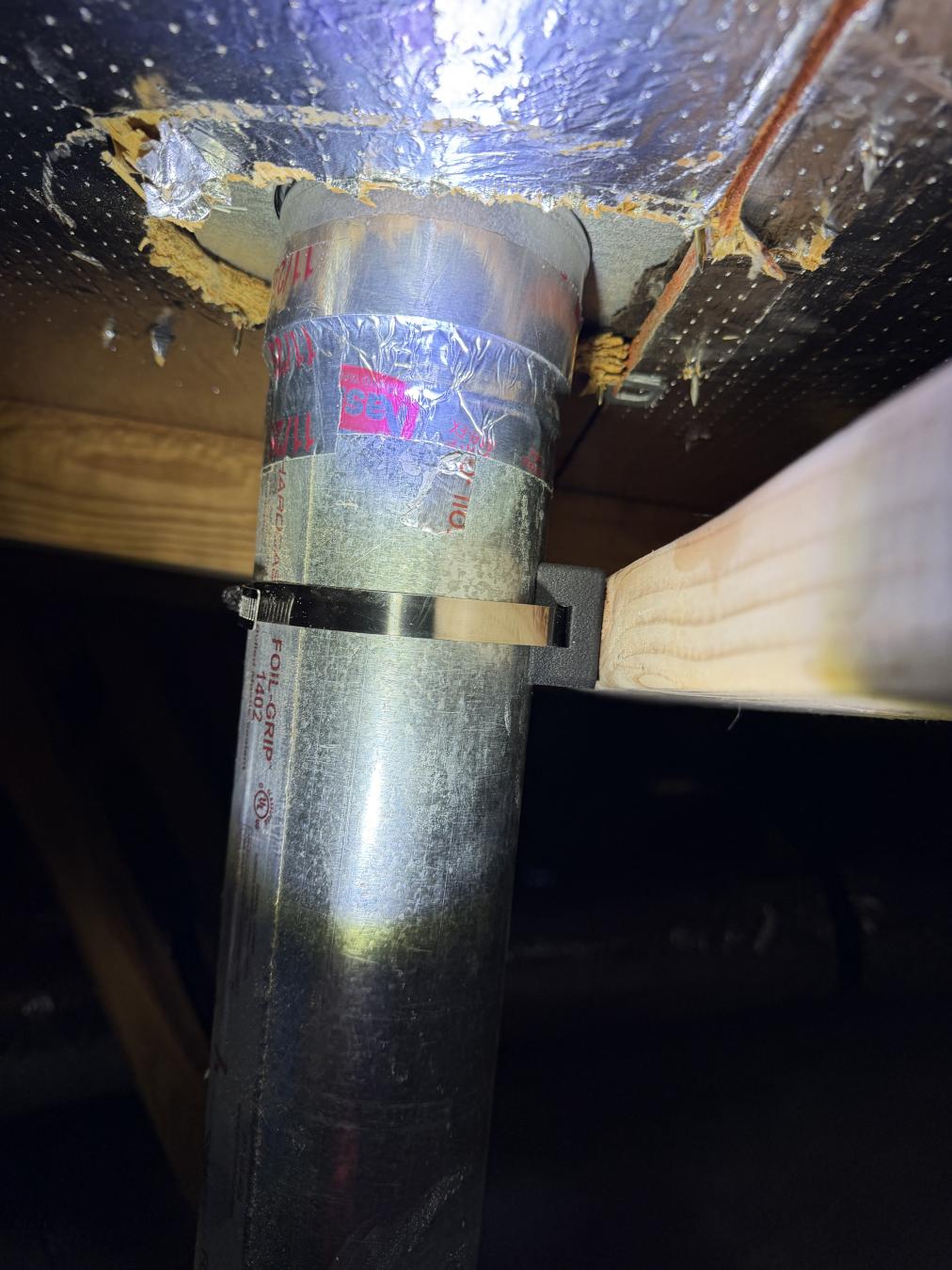
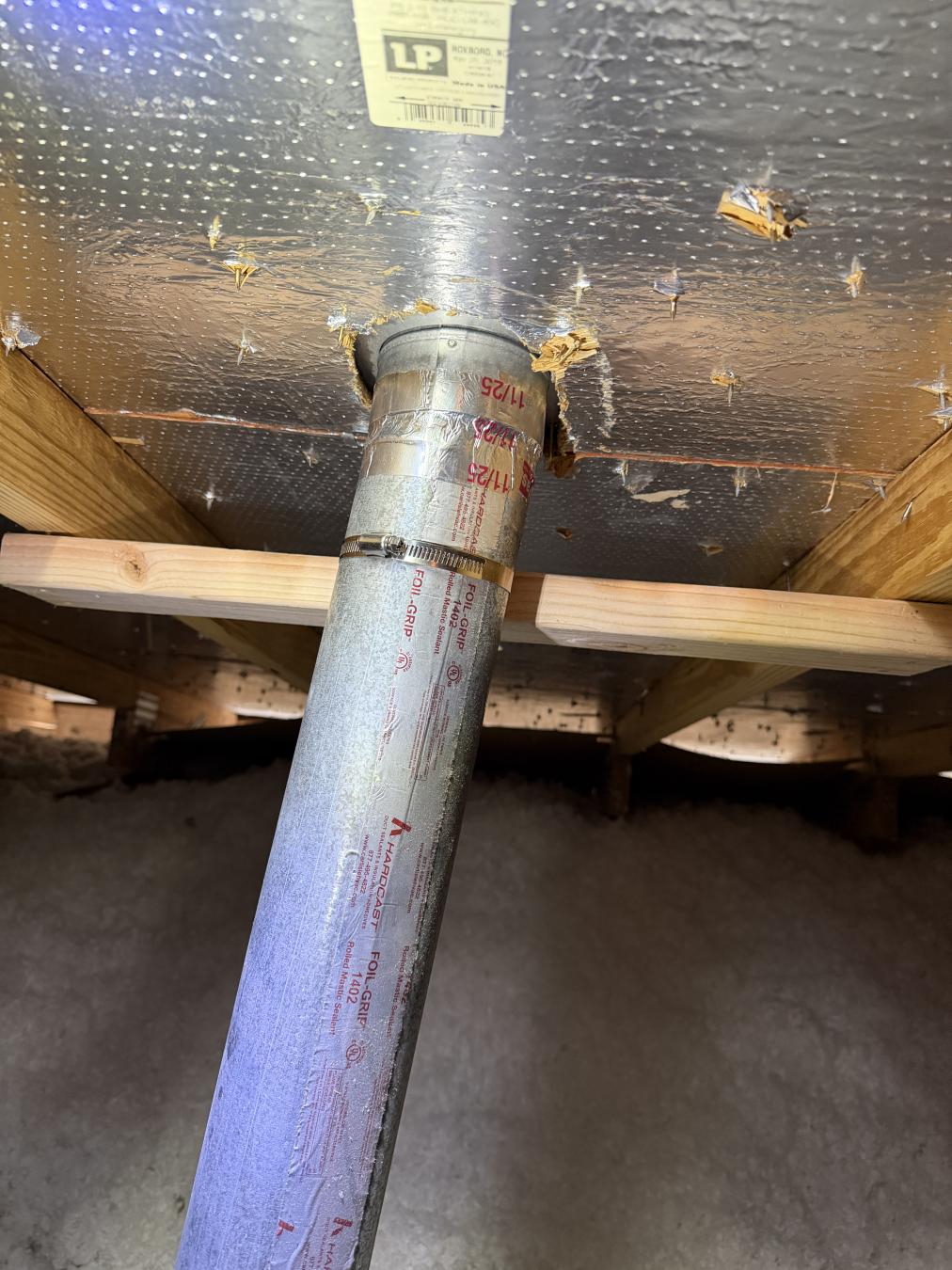
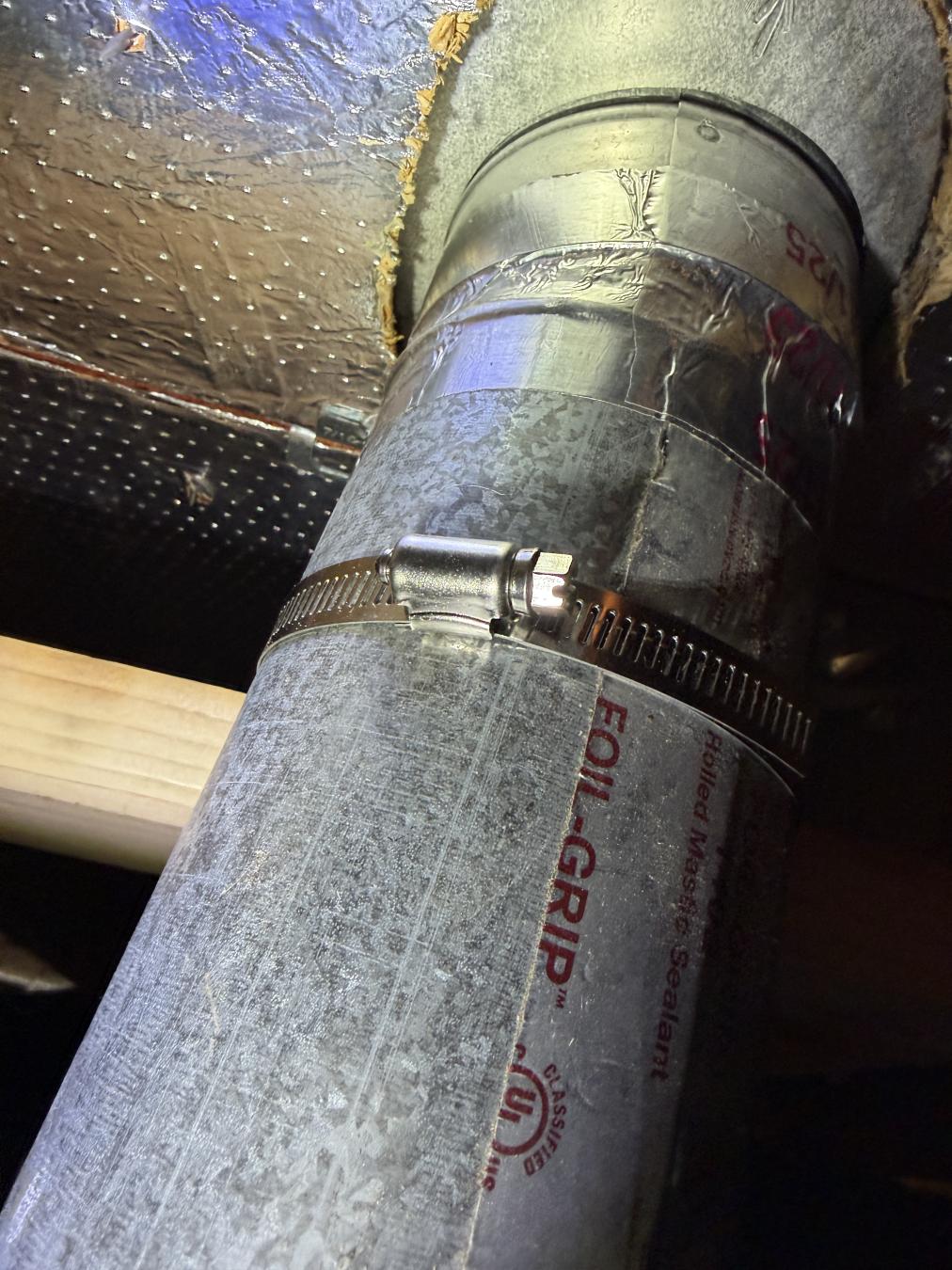
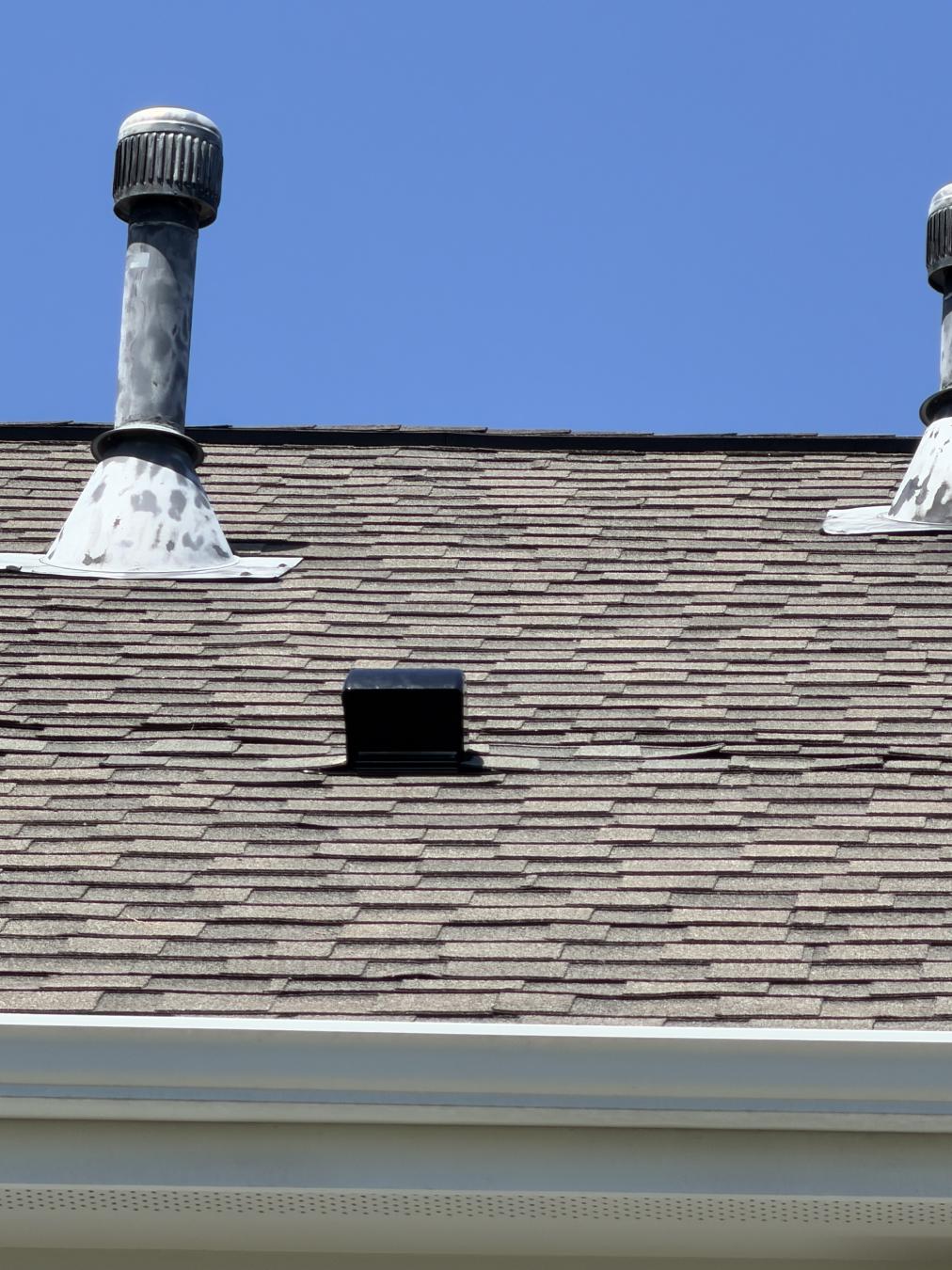
When the residents of Fountainhead Way in Mt. Pleasant discovered their roof-mounted dryer vent cover was compromised, they turned to Valentine Vents for a professional solution. The existing cover featured a grid design without a proper flapper, leaving the vent system vulnerable to pest intrusion and weather exposure. Even more concerning, the sealant around the fixture had deteriorated significantly, creating potential water infiltration issues. The C-DET certified specialist assessed the situation and replaced the inadequate cover with an Inovate DryerJack—a premium solution engineered specifically for dryer venting. While in the attic, the specialist also secured loose vent piping, ensuring proper support throughout the system's two-turn run from dryer to roof. Valentine Vents documented the improvements with photos, providing the homeowners with a visual record of the work completed. The upgraded vent cover not only prevents animal nesting and weather damage but also maintains proper airflow while protecting the home's exterior envelope. With professional-grade components now in place and the venting system properly anchored, this Mt. Pleasant home benefits from a dryer exhaust system that's both efficient and secure.

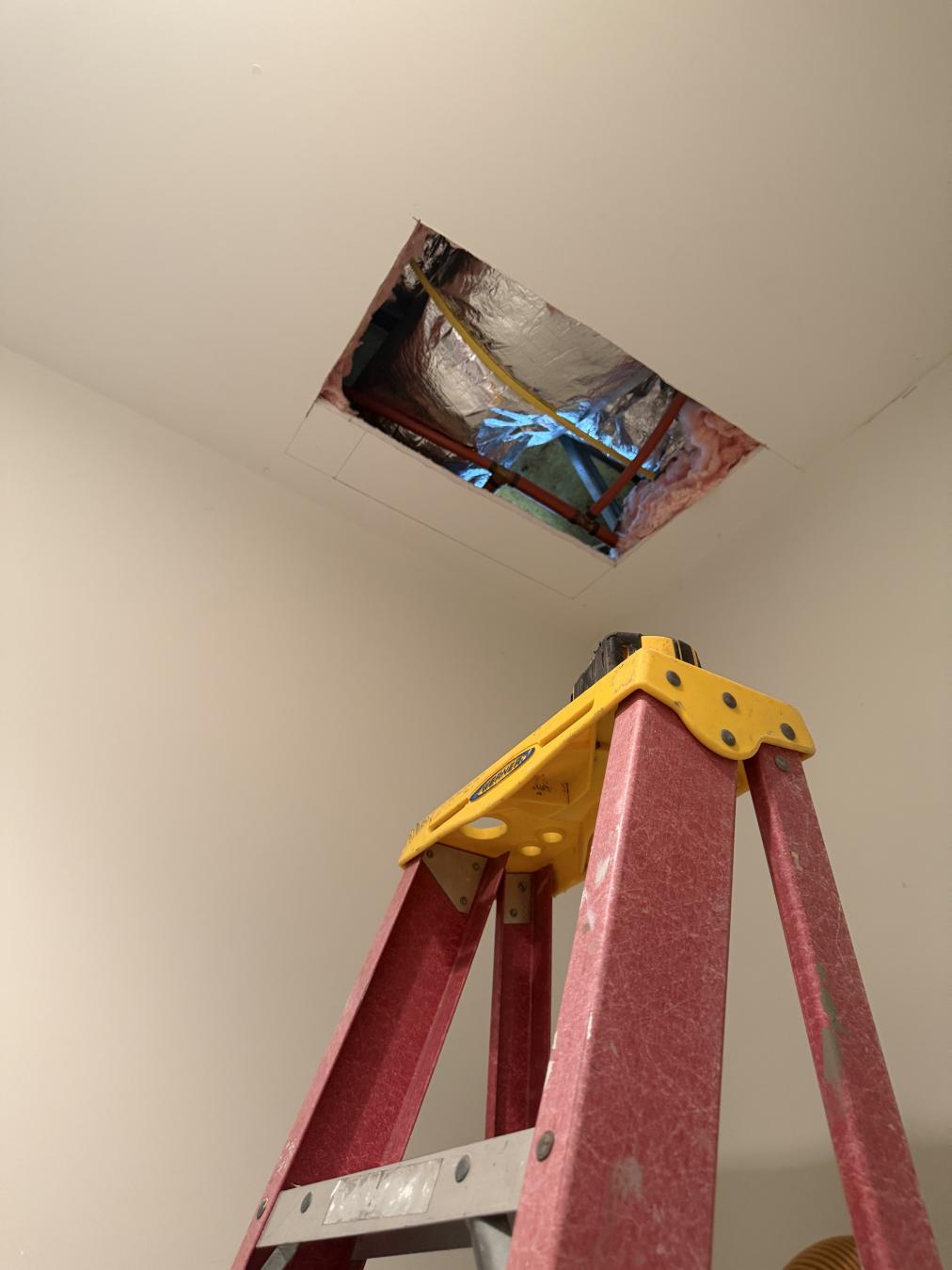
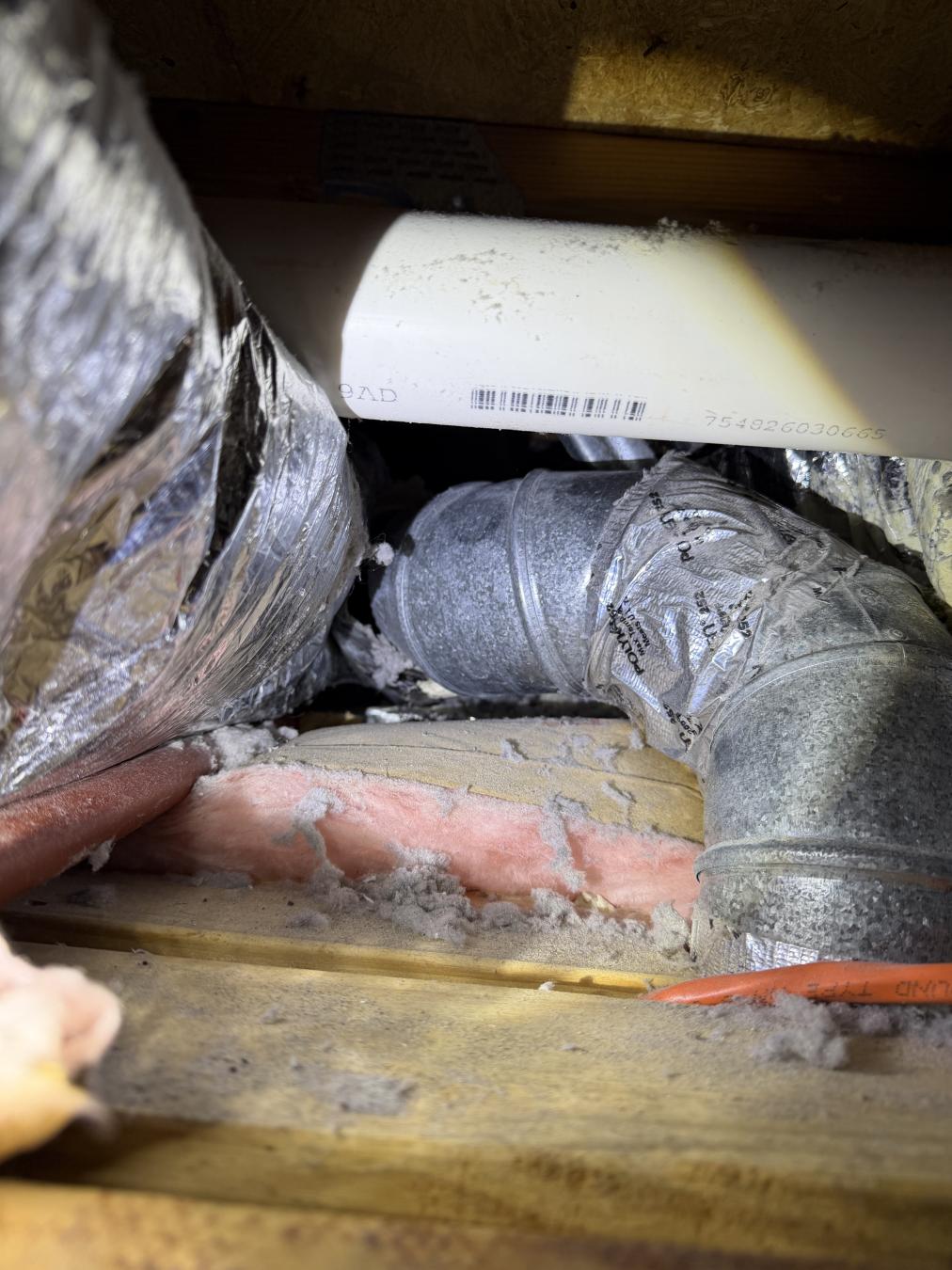
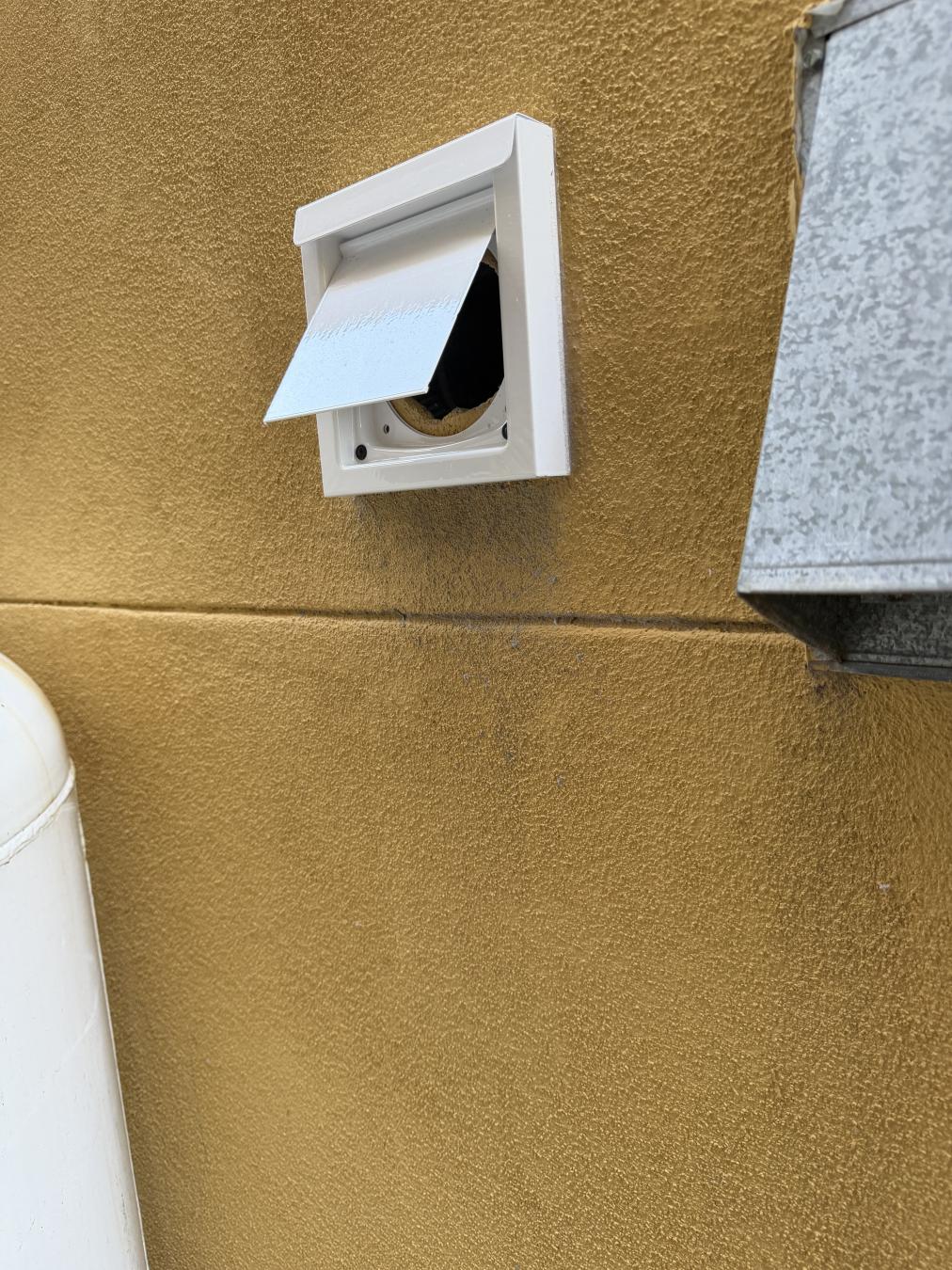
When a dryer vent becomes disconnected inside a ceiling cavity, the problem goes far beyond reduced efficiency—it's actively venting hot, moist air into the home's structure. That's exactly what Valentine Vents encountered at this Mt. Pleasant residence on John Galt Way, where the vent had separated at an elbow joint hidden between the laundry room and bathroom ceilings. The specialist opened the ceiling from the laundry room side to assess the situation, finding the repair complicated by surrounding water lines and AC ductwork that prevented a standard reconnection. After determining that additional access points wouldn't guarantee a better solution, the C-DET certified specialist chose a pragmatic approach: positioning the separated sections as close as possible and sealing the remaining gap with professional-grade tape to create a complete enclosure. Photos captured the challenging workspace and final repair, documenting the restoration process. While future cleanings will require care around this sealed joint, the immediate concern—exhaust escaping into the ceiling cavity—has been eliminated. The home is now protected from the moisture damage and potential mold growth that concealed vent leaks so often cause.
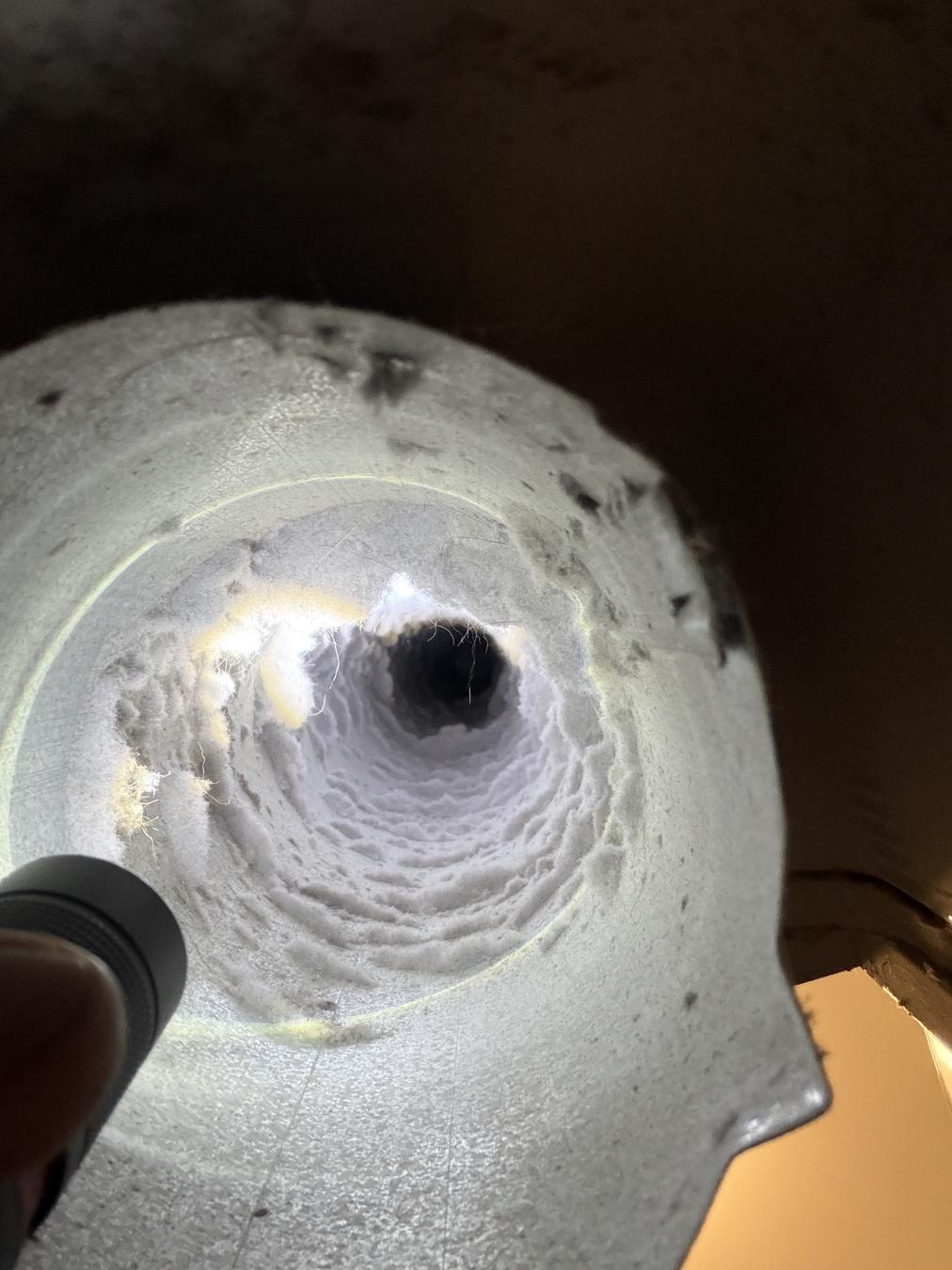
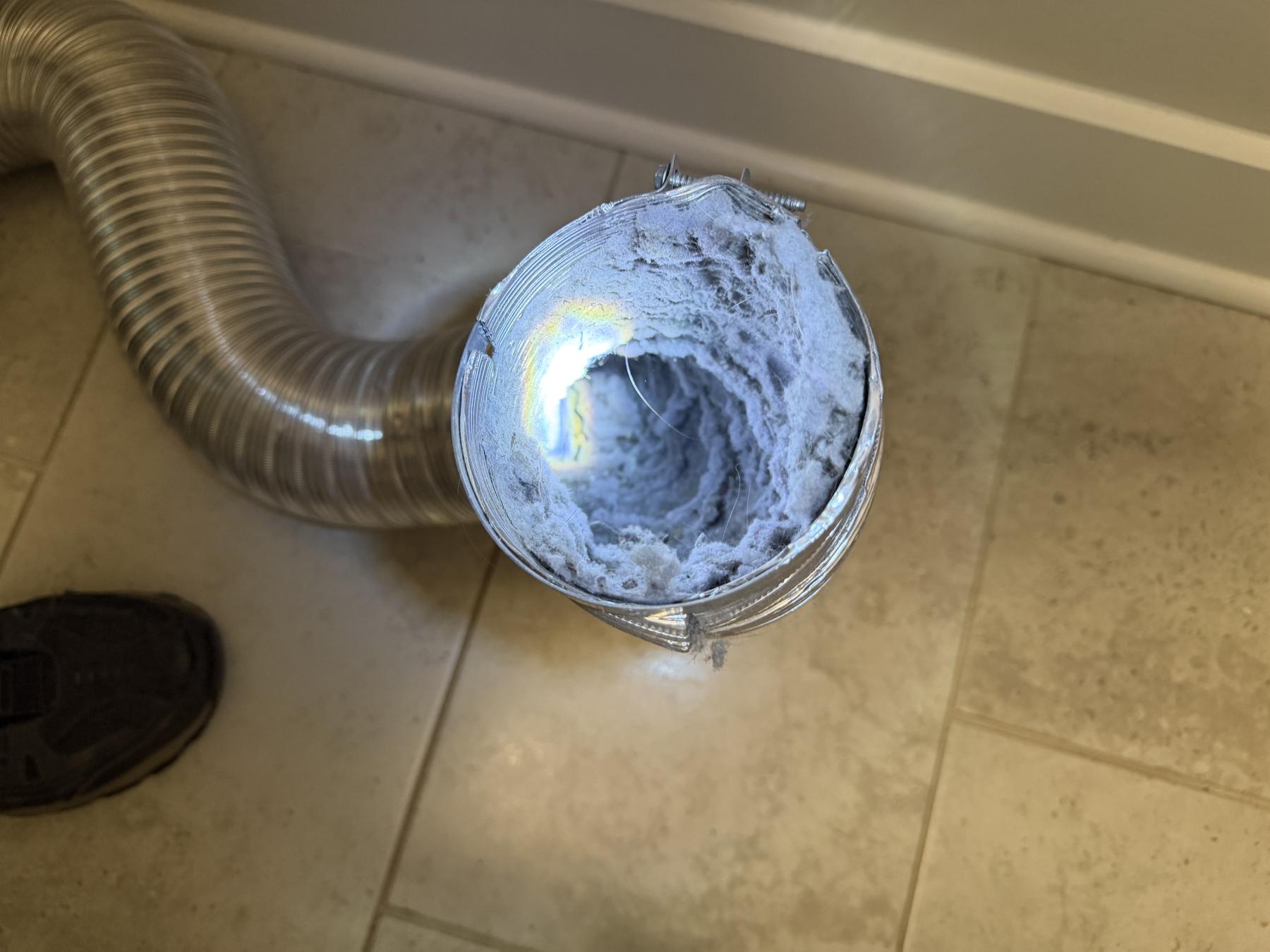

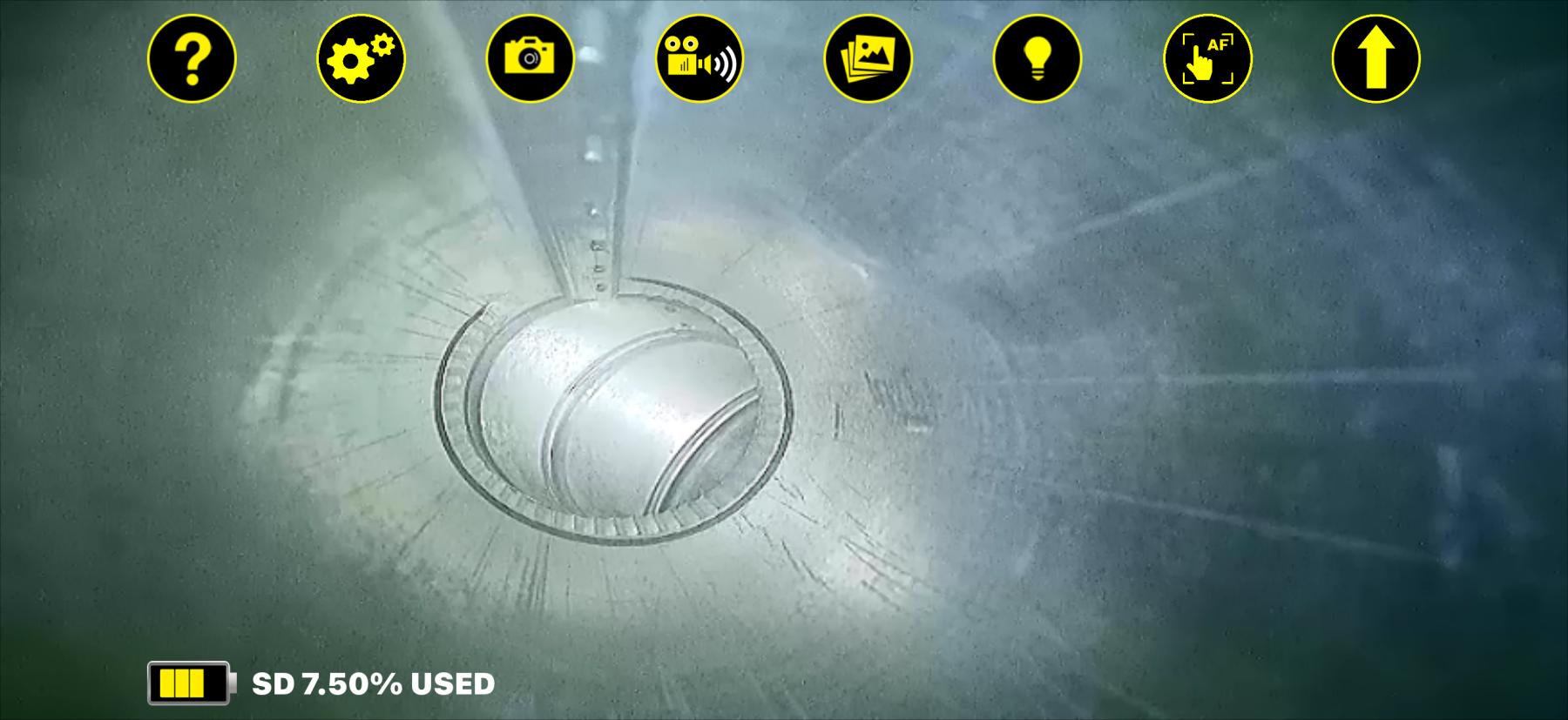
When a dryer persistently throws an error code, the cause is rarely simple, and that's exactly what Valentine Vents discovered on Louisa Lane in North Charleston. The C-DET certified specialist arrived to find a perfect storm of issues creating dangerous back pressure in the 14-foot metal rigid vent system. A Valentine 360 Visibility camera inspection revealed more than normal lint accumulation throughout the vent line, but the problems ran deeper. At the exterior termination, the vent cover had gone missing entirely, allowing birds to begin constructing a nest inside. Meanwhile, the transition duct—though properly semi-rigid aluminum—had been installed too long, creating a restrictive kink where lint had packed densely. The specialist methodically addressed each issue: clearing the birds' nest and lint buildup, shortening the transition duct to eliminate the kink, and installing a premium Inovate Dryer WallVent to prevent future pest intrusion. Inside the dryer cabinet, moderate lint accumulation was cleared during a complimentary delinting service. Post-cleaning airflow registered at 1,515 FPM, and the error code cleared immediately. The homeowners could finally trust their dryer was operating safely and efficiently once again.
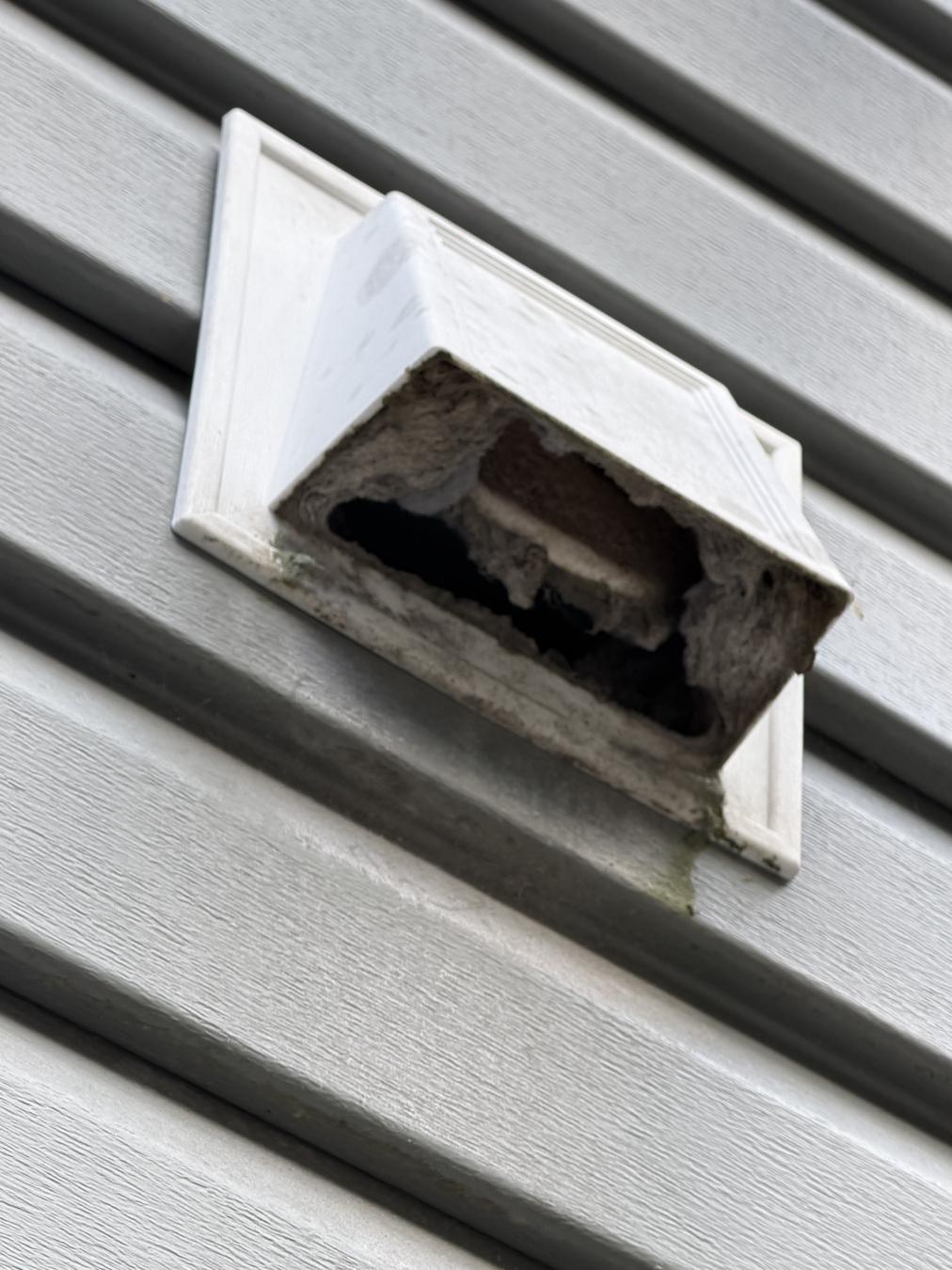
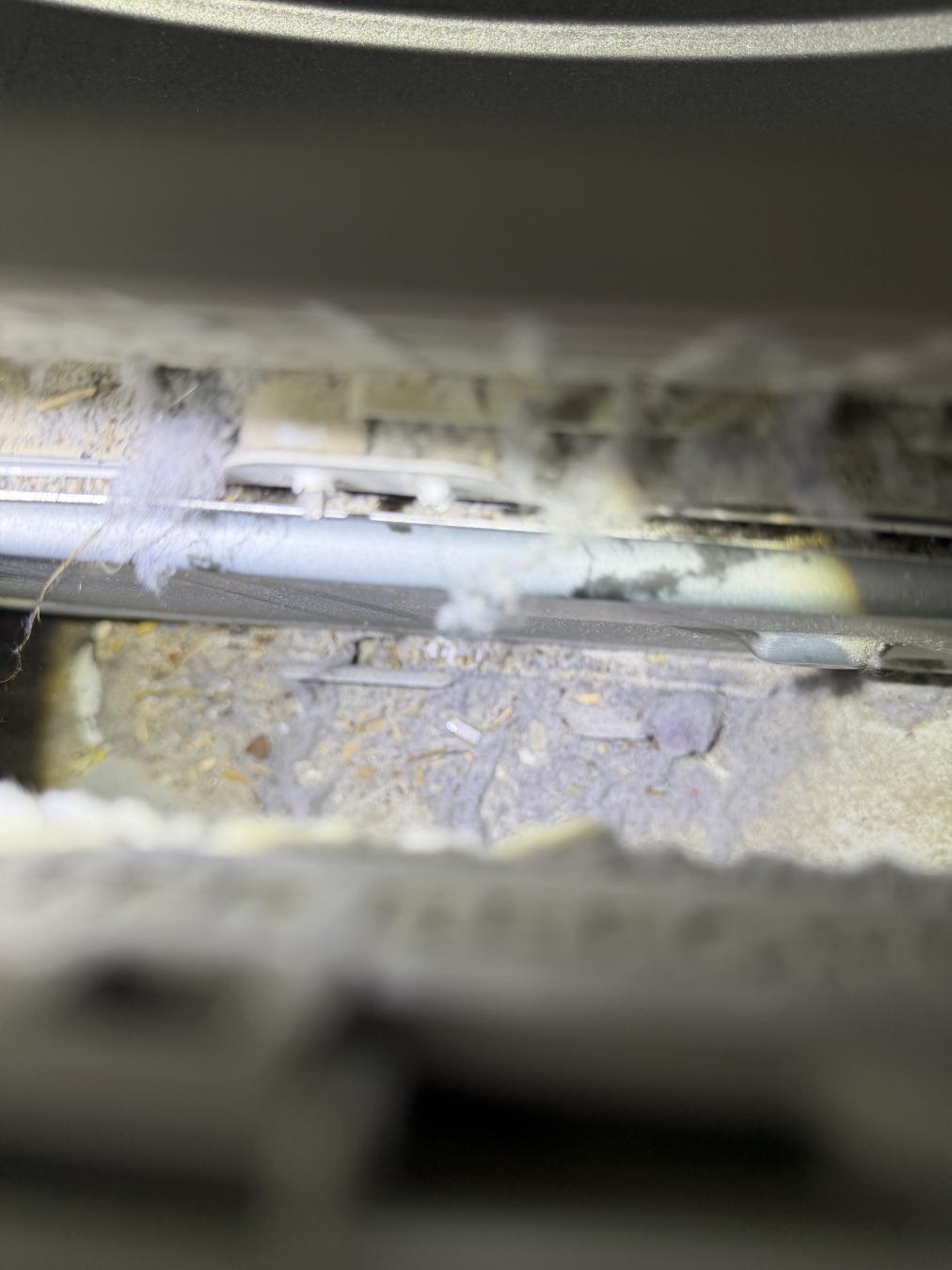
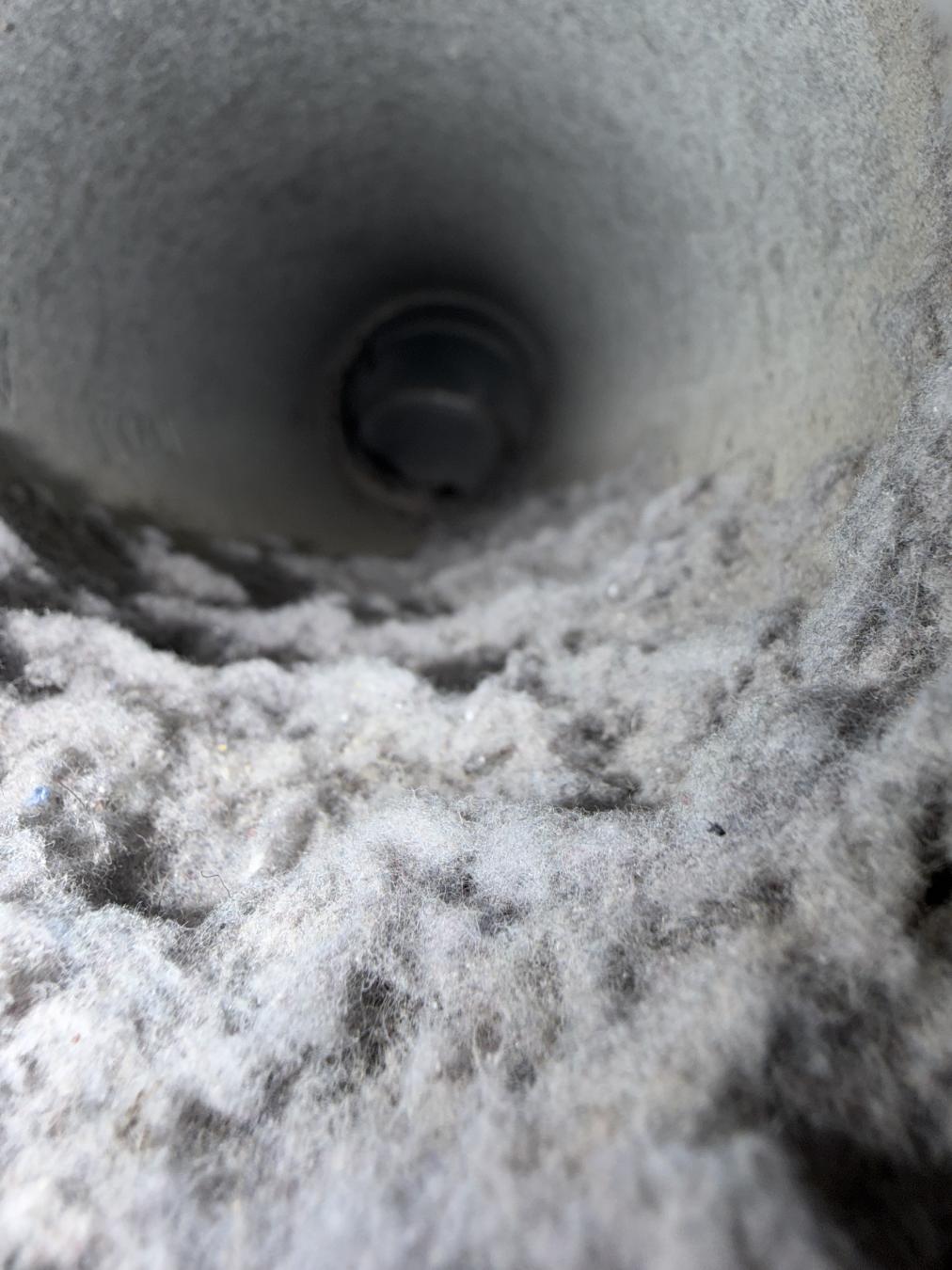

After noticing their dryer taking longer than usual to complete cycles, residents on Harding Court in Johns Island reached out to Valentine Vents for professional service. The C-DET certified specialist discovered the root of the problem during inspection: significant lint accumulation had packed into the exterior vent cover, preventing the backdraft damper from closing properly. This common yet concerning issue was compromising both airflow and safety. The twelve-foot metal rigid vent system with a single turn showed average buildup throughout, though the trapped lint at the termination point was affecting system performance. Initial airflow readings measured 2,341 feet per minute, indicating restricted exhaust. Using specialized equipment, the specialist thoroughly cleaned the entire vent path and dryer cabinet, removing all accumulated debris. A Valentine 360 Visibility camera inspection documented the complete restoration of the system, ensuring no hidden blockages remained. With the backdraft damper now functioning correctly and the full vent system restored to proper operation, this Johns Island home can count on improved dryer performance and reduced fire risk for years to come.
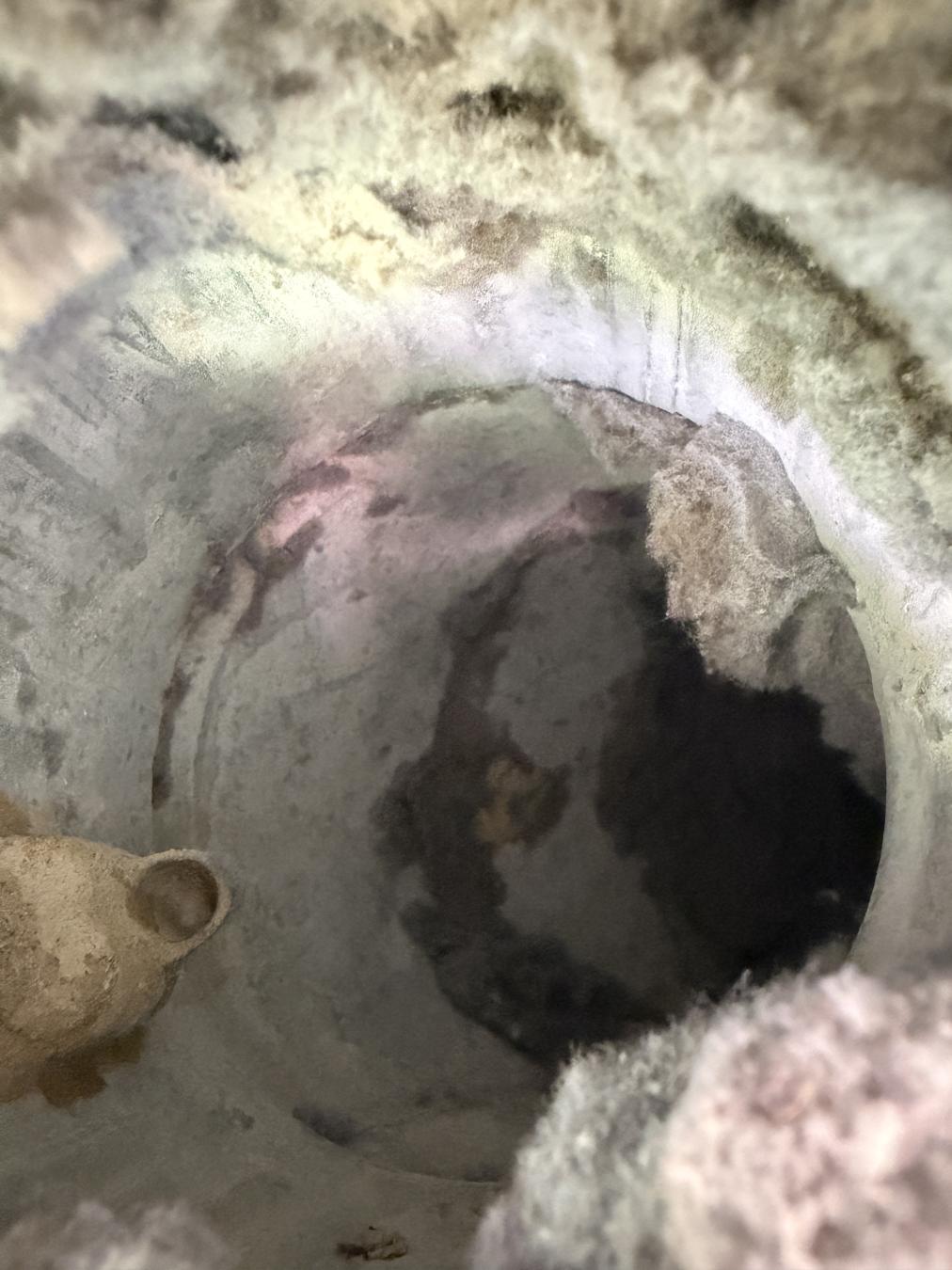
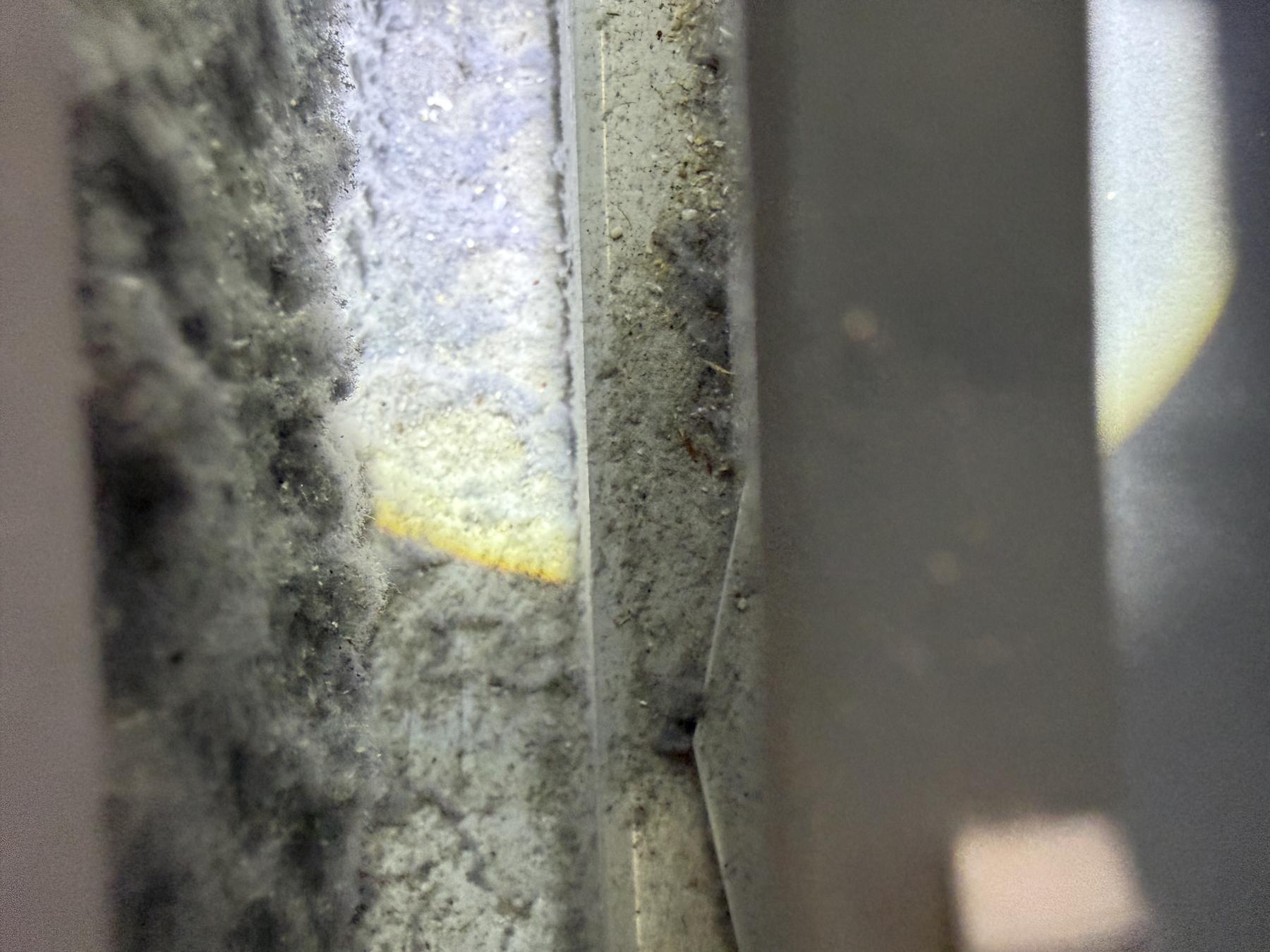
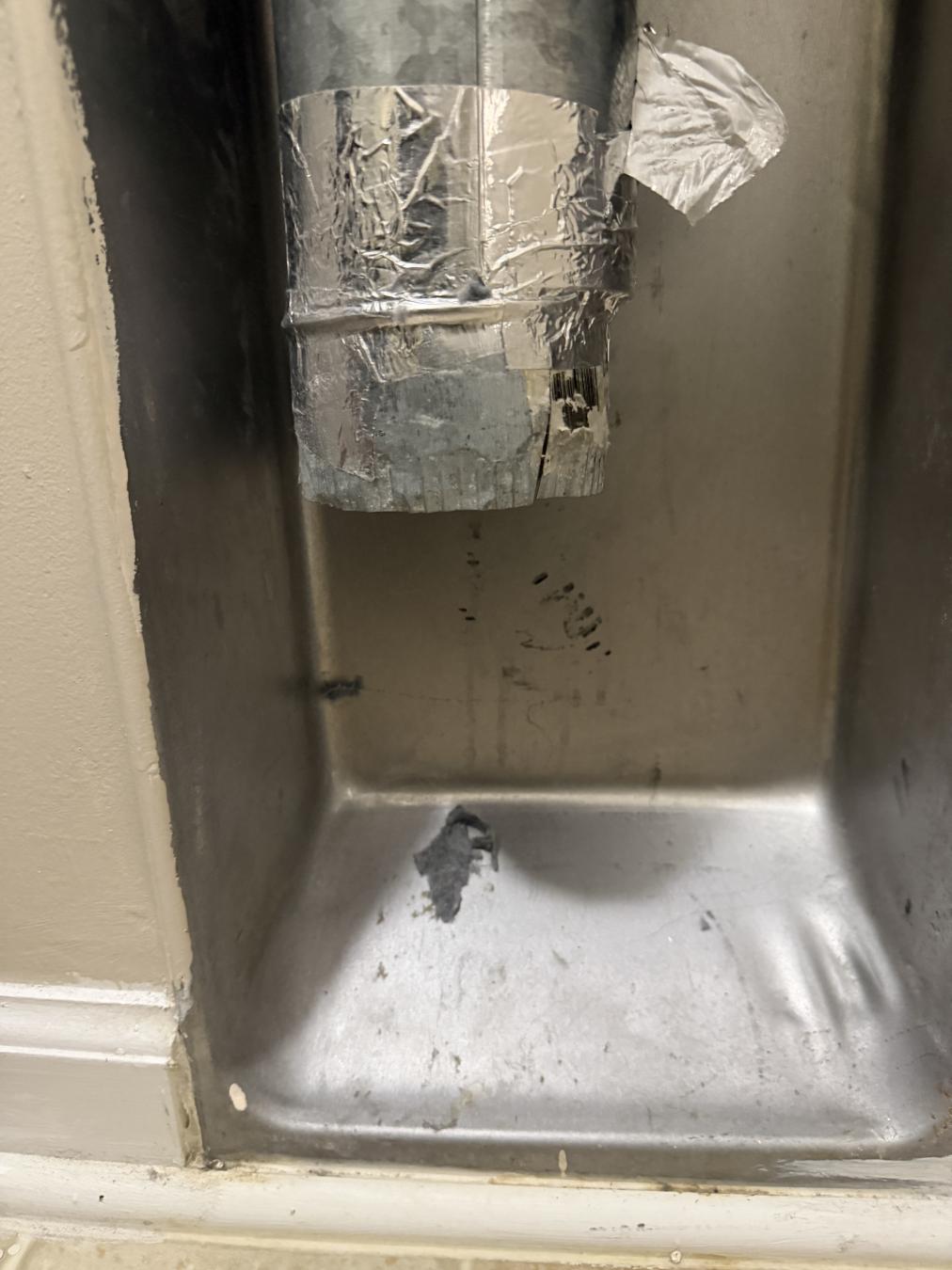

When a West Ashley home's dryer hadn't seen professional attention in over three years, Valentine Vents arrived to find above-average lint accumulation throughout the 21-foot metal rigid vent system. The initial airflow reading of just 1,023 FPM confirmed what the homeowner suspected—it was definitely time for a thorough cleaning. The C-DET certified specialist worked methodically through the two-turn system, documenting conditions with the Valentine 360 Visibility camera inspection. While the dryer cabinet itself was relatively clean, the vent told a different story. The specialist also discovered and removed a reducing coupling at the laundry room termination that had been restricting flow. Most critically, the substandard flex foil transition duct—specifically warned against in dryer manufacturer manuals—was replaced with DryerFlex, a premium semi-rigid product chosen for its superior performance and fire-retardant properties. The results spoke volumes: airflow more than doubled to 2,066 FPM after service. Photos captured throughout the process showed the transformation from a lint-clogged system to one operating at optimal capacity. The homeowners now enjoy faster drying times and the confidence that comes from a professionally maintained system designed with safety in mind.
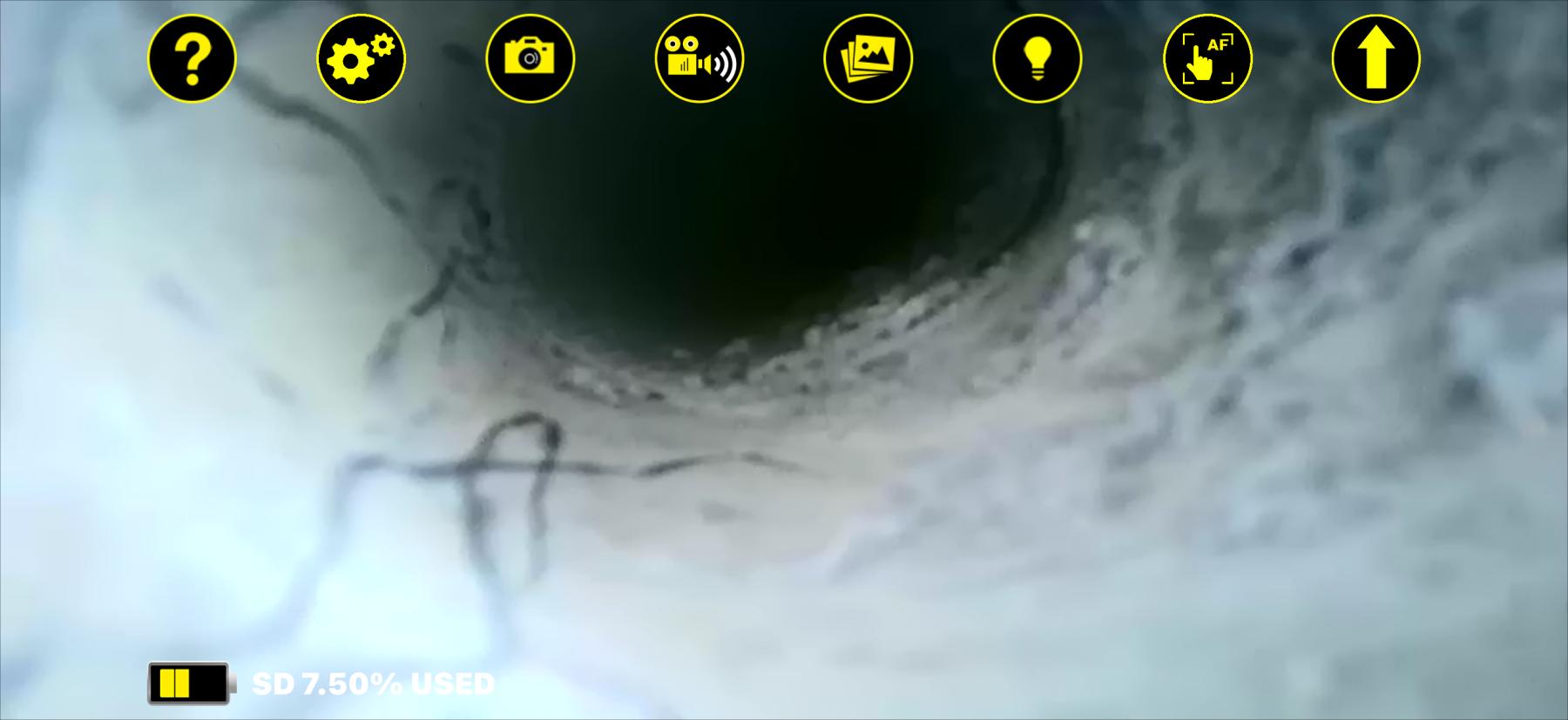
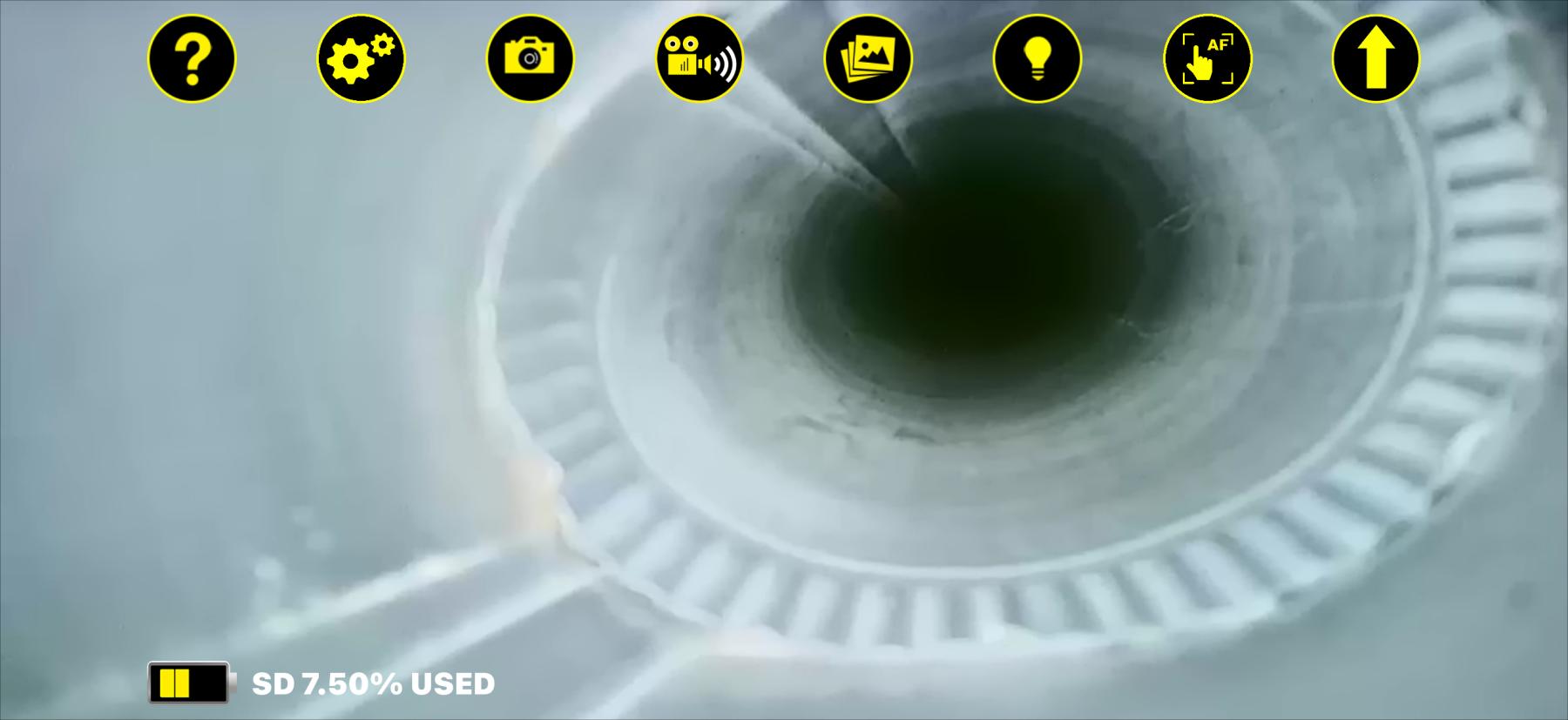
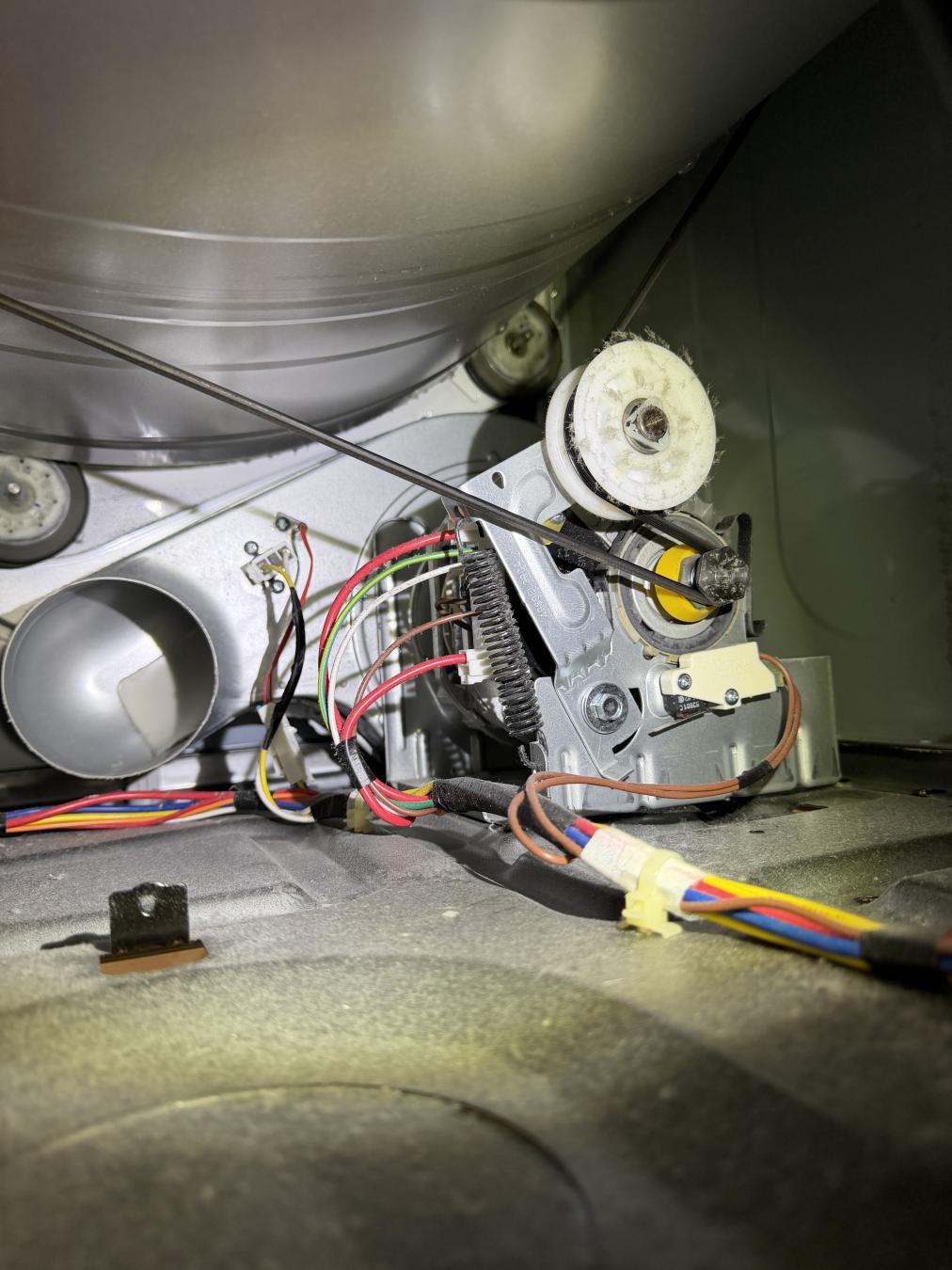
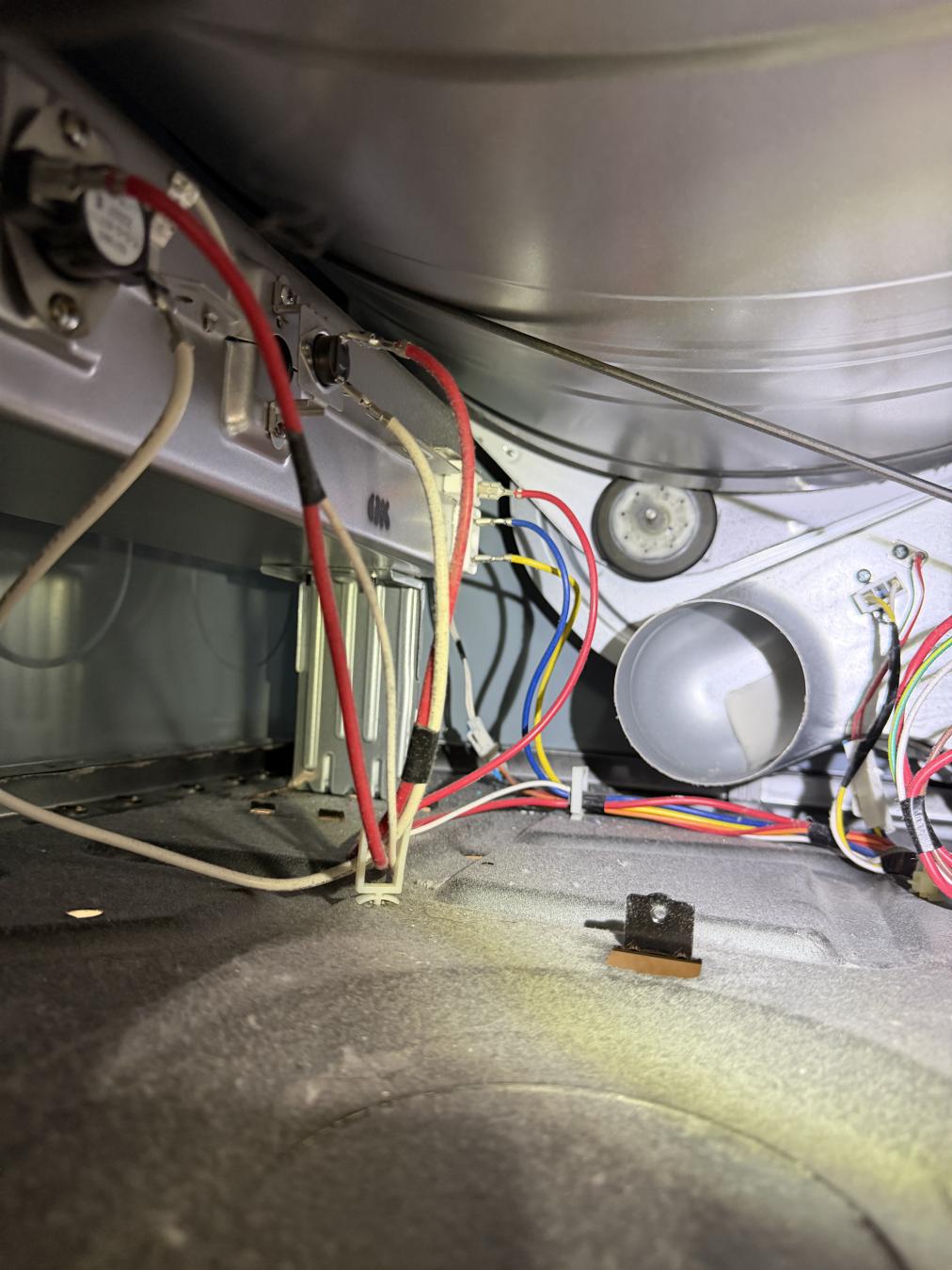
When homeowners on Pelzer Dr in Mt. Pleasant decided it was time for a professional dryer vent cleaning, Valentine Vents arrived to ensure their system was operating at peak performance. The 12-foot metal rigid vent with a single turn was already in good condition, showing minimal lint accumulation—a testament to the quality of the installation. However, even well-maintained systems benefit from expert attention. The C-DET certified specialist conducted a thorough cleaning of both the vent line and dryer cabinet, removing what lint had accumulated over time. Airflow measurements told the story clearly: readings improved from 1,318 FPM to 1,436 FPM after the service. Using the Valentine 360 Visibility camera inspection system, the specialist documented the vent's condition before and after cleaning, providing the homeowners with visual confirmation of the work completed. Photos captured throughout the process offer a transparent look at the service performed. With the system now operating at optimal efficiency, this Mt. Pleasant home benefits from reduced drying times and lower energy costs—all while maintaining the critical fire safety standards that come with professional dryer vent maintenance.


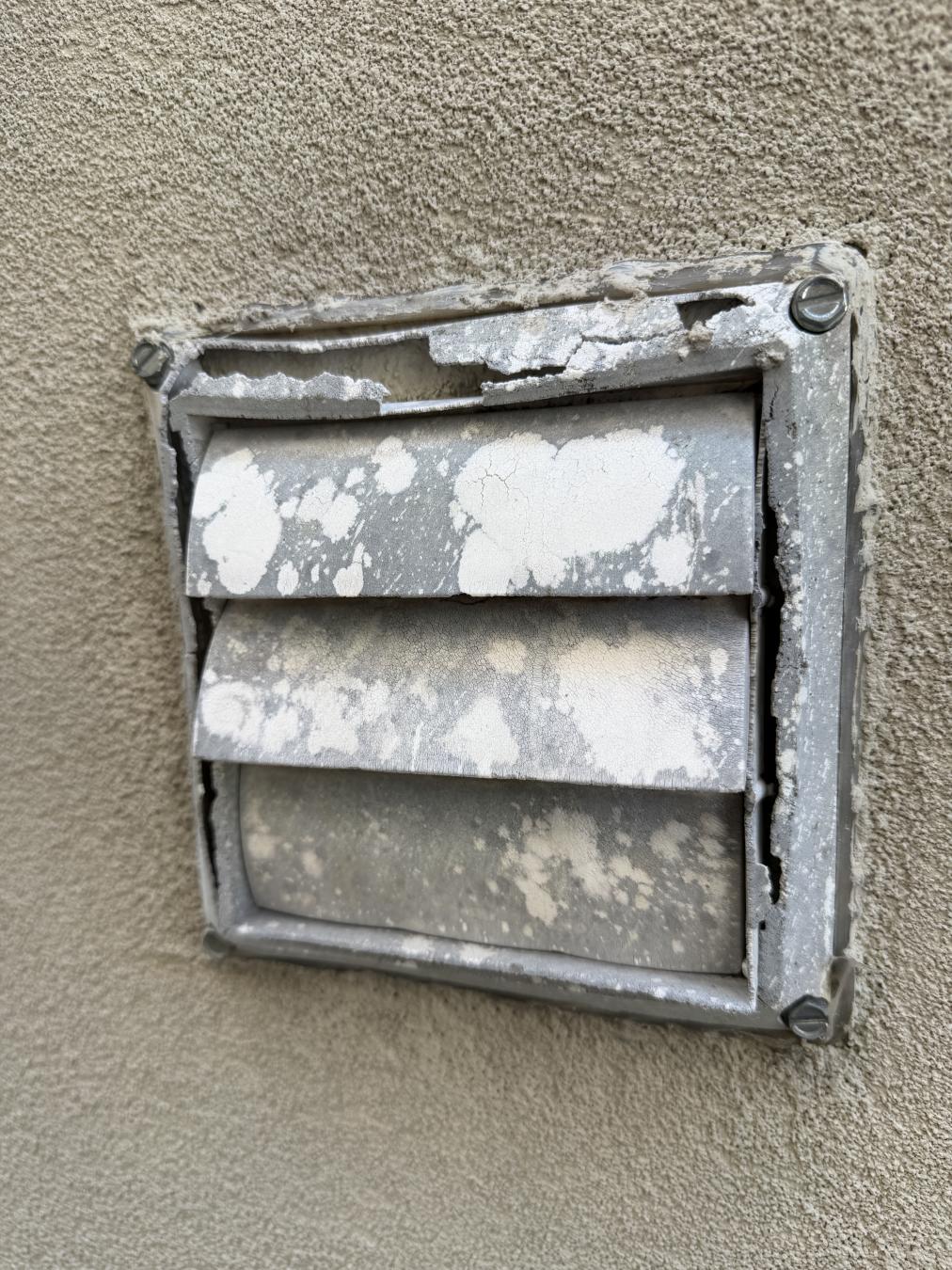
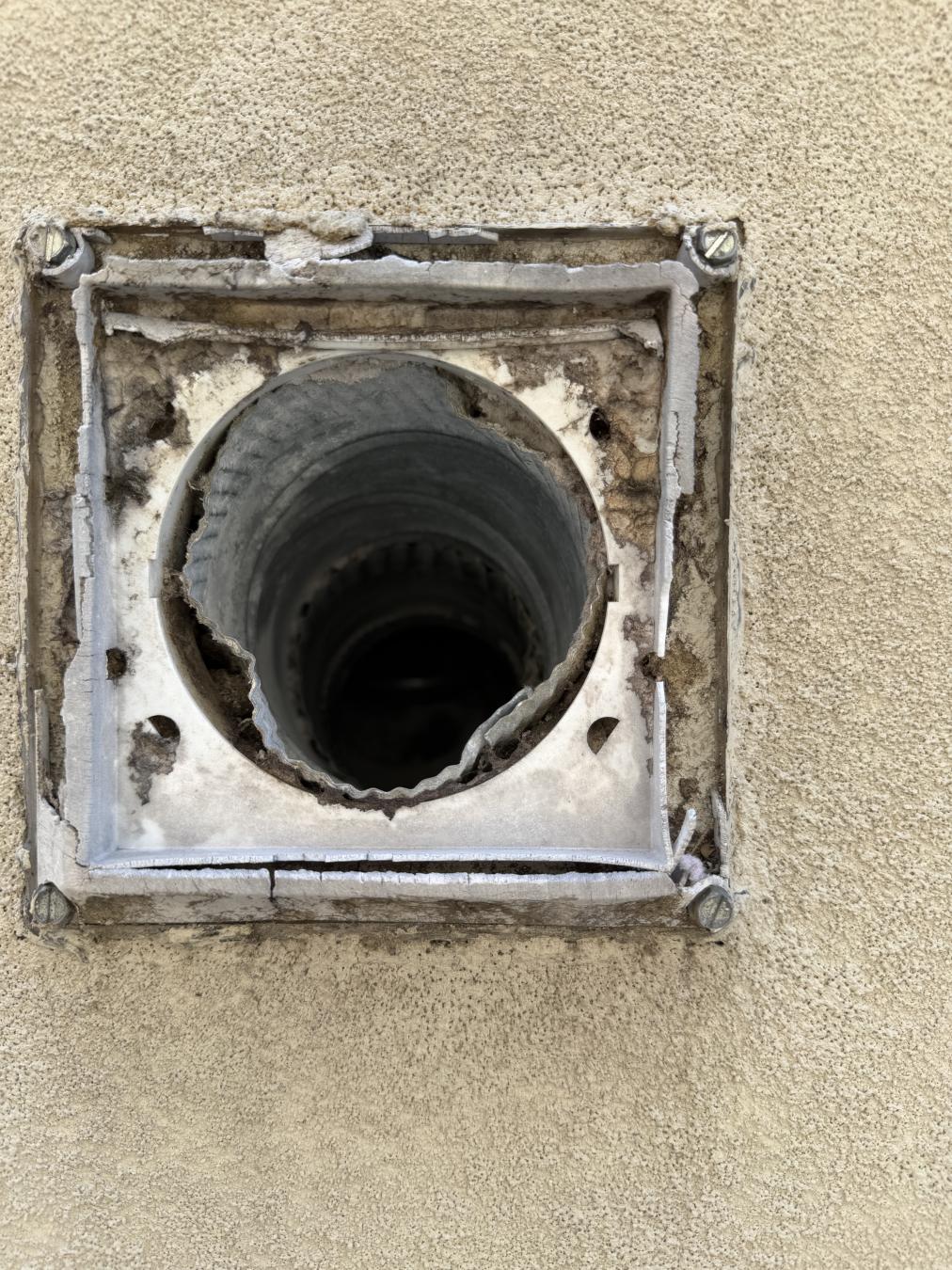
When the homeowners on John Galt Way in Mt. Pleasant reached out for their dryer vent cleaning ahead of a new dryer delivery, the timing couldn't have been better. Valentine Vents arrived to find a 14-foot metal rigid vent system with two turns that had accumulated a significant amount of lint over an unknown period. The exterior wall vent cover was missing its crucial backdraft damper, allowing pests, weather, and outside air to enter freely. The C-DET certified specialist thoroughly cleaned the entire system and replaced the compromised vent cover with a proper unit to restore full protection. During the exterior inspection, a deteriorating plastic bathroom fan cover adjacent to the dryer vent was also discovered and replaced, preventing potential water intrusion issues. A Valentine 360 Visibility camera inspection documented the thorough cleaning and confirmed the vent system was structurally sound throughout its length. With lint buildup eliminated, proper damper function restored, and both exterior covers secured, this home is now perfectly prepared for the new dryer arrival—ensuring optimal airflow, energy efficiency, and fire safety from day one.
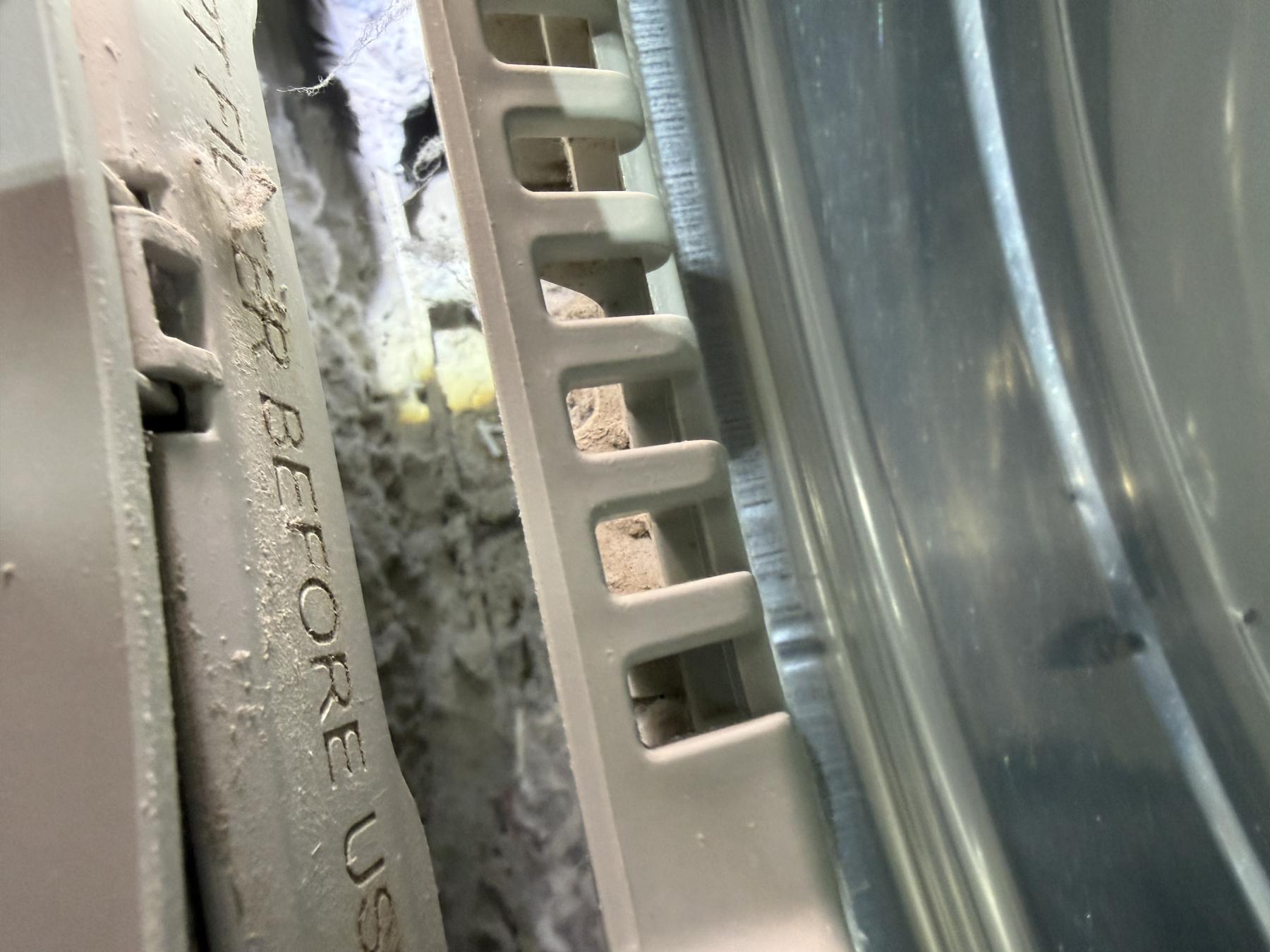
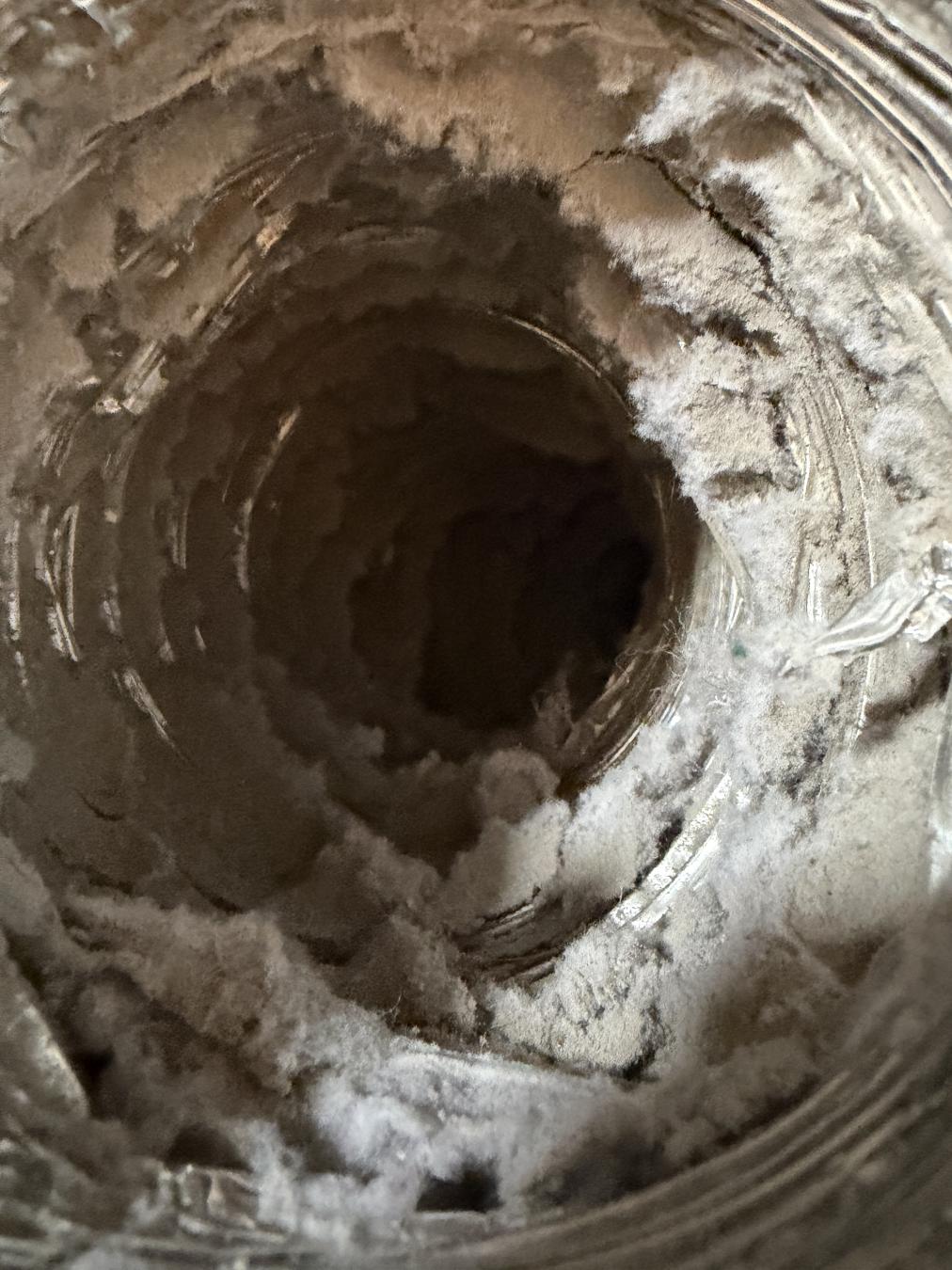
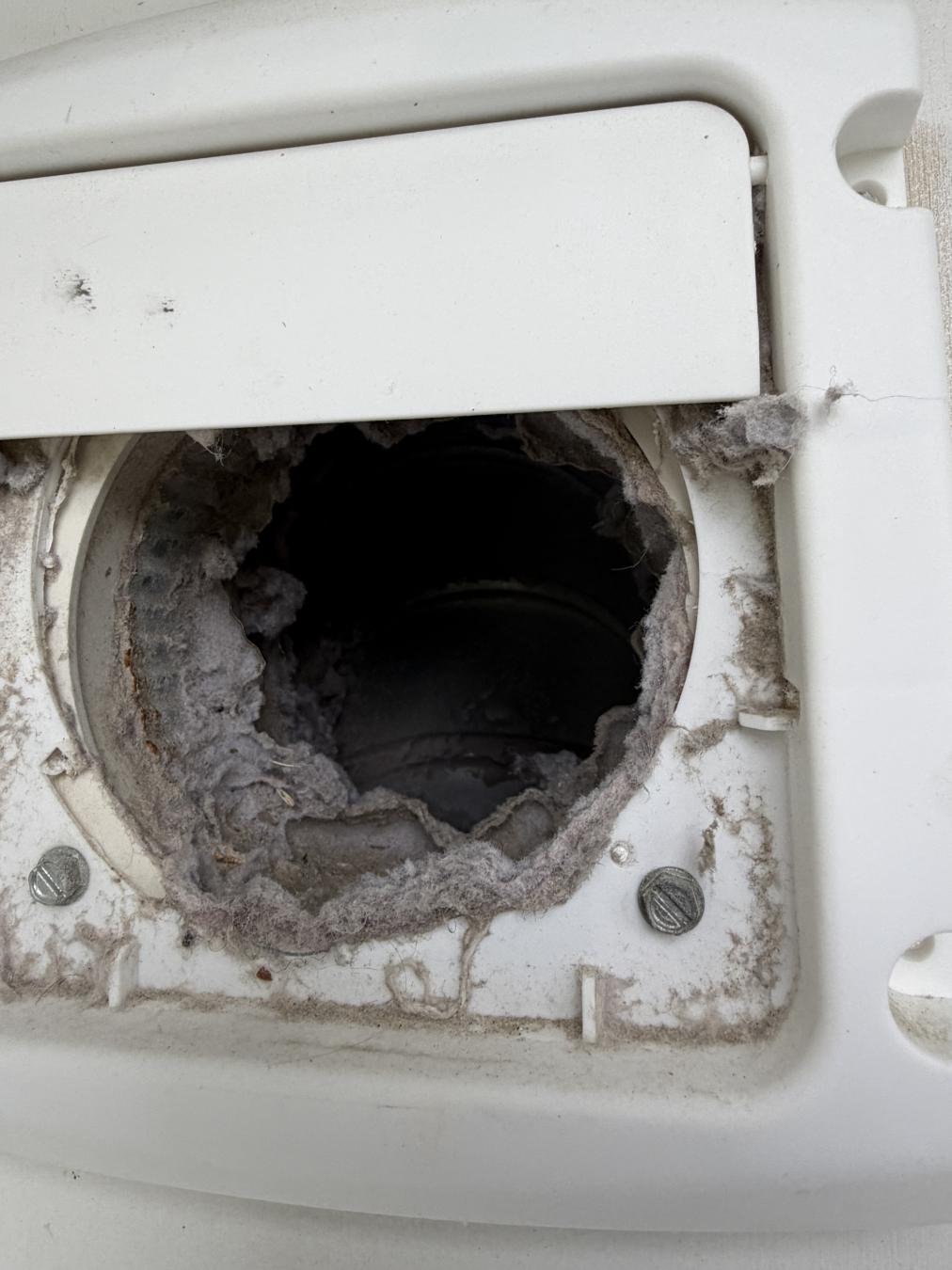
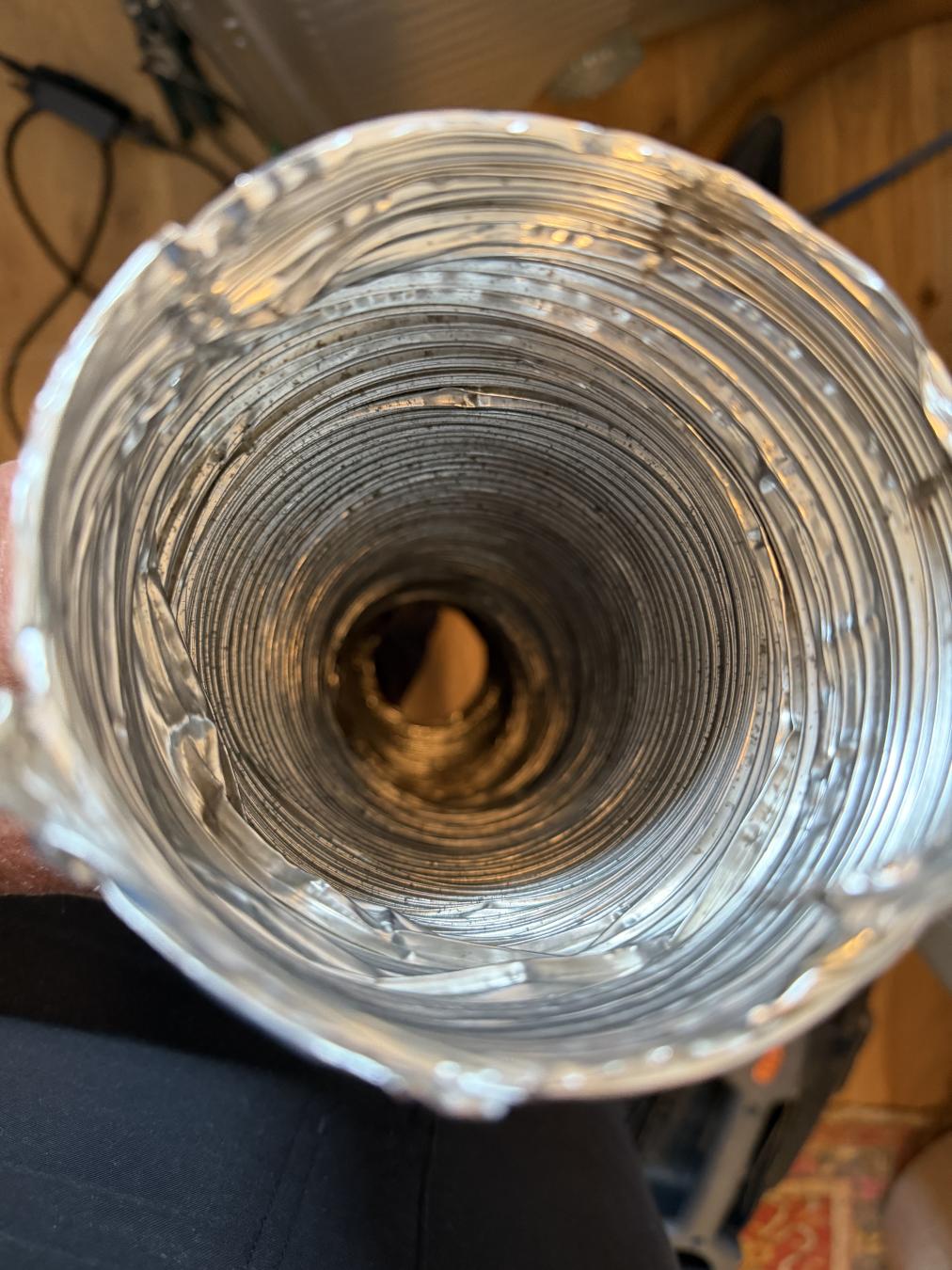
The persistent D80 error code plaguing a dryer in this Mt. Pleasant home pointed to a common culprit: restricted airflow caused by lint accumulation and installation issues. Though the vent on River Oak Dr had been cleaned just a year prior, the system's configuration was working against efficiency from the start. Valentine Vents' C-DET certified specialist discovered multiple code violations during the inspection, including screws protruding into the vent line at several points—a surprisingly common but problematic issue that catches lint and impedes airflow. Combined with unusually deep crimping where pipes connected, these obstructions had created significant resistance throughout the 8-foot metal rigid vent system. The specialist carefully removed average lint buildup from both the vent line and dryer cabinet, paying special attention to the heavy accumulation below the lint trap. A Valentine 360 Visibility camera inspection documented the internal conditions and confirmed the installation concerns. The dramatic improvement spoke for itself: airflow more than doubled from 885 FPM to 1,731 FPM after cleaning, though the specialist noted the system's configuration would require more frequent maintenance than typical installations. With proper airflow restored and error codes cleared, this dryer could once again operate safely and efficiently.
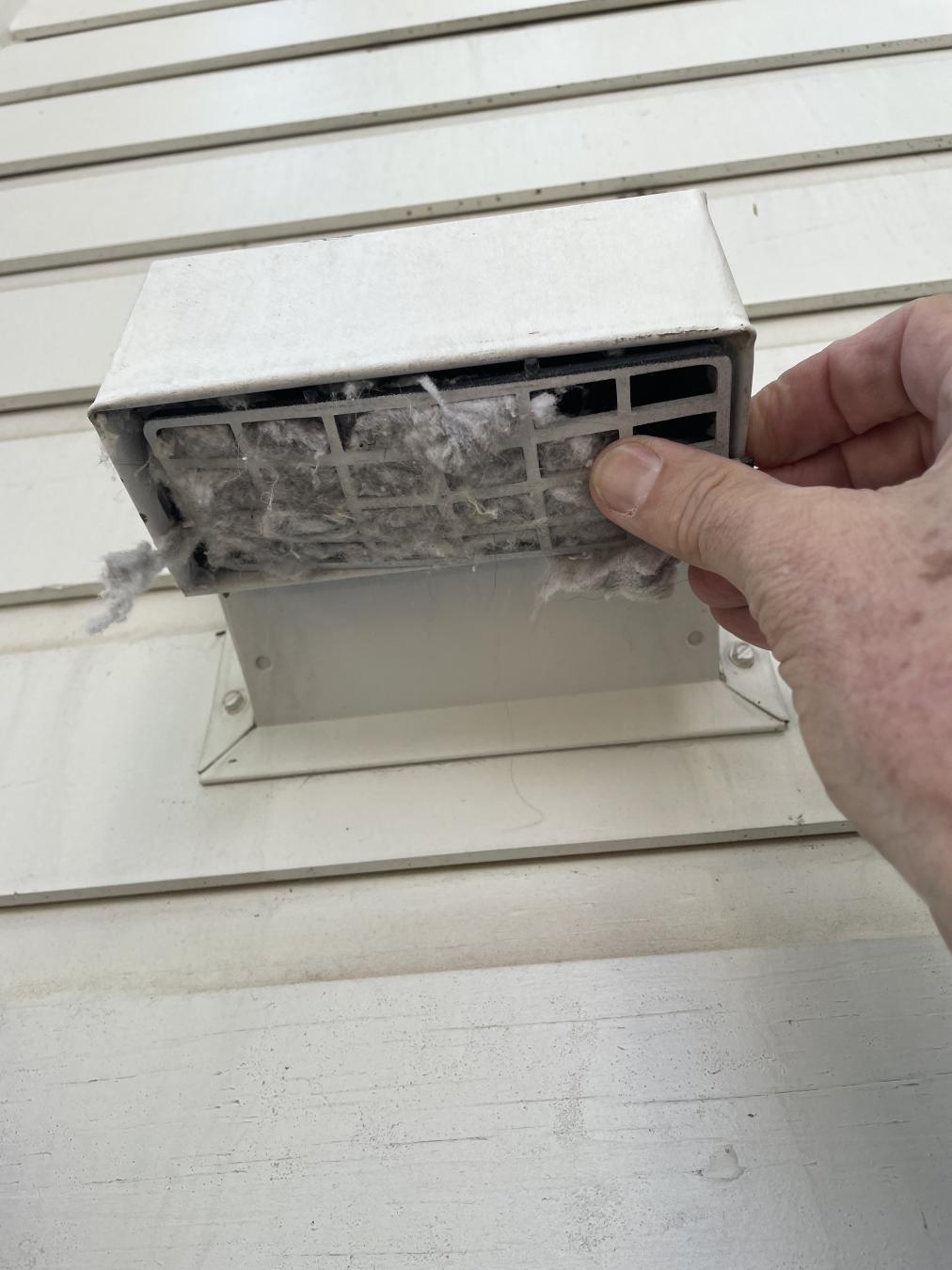
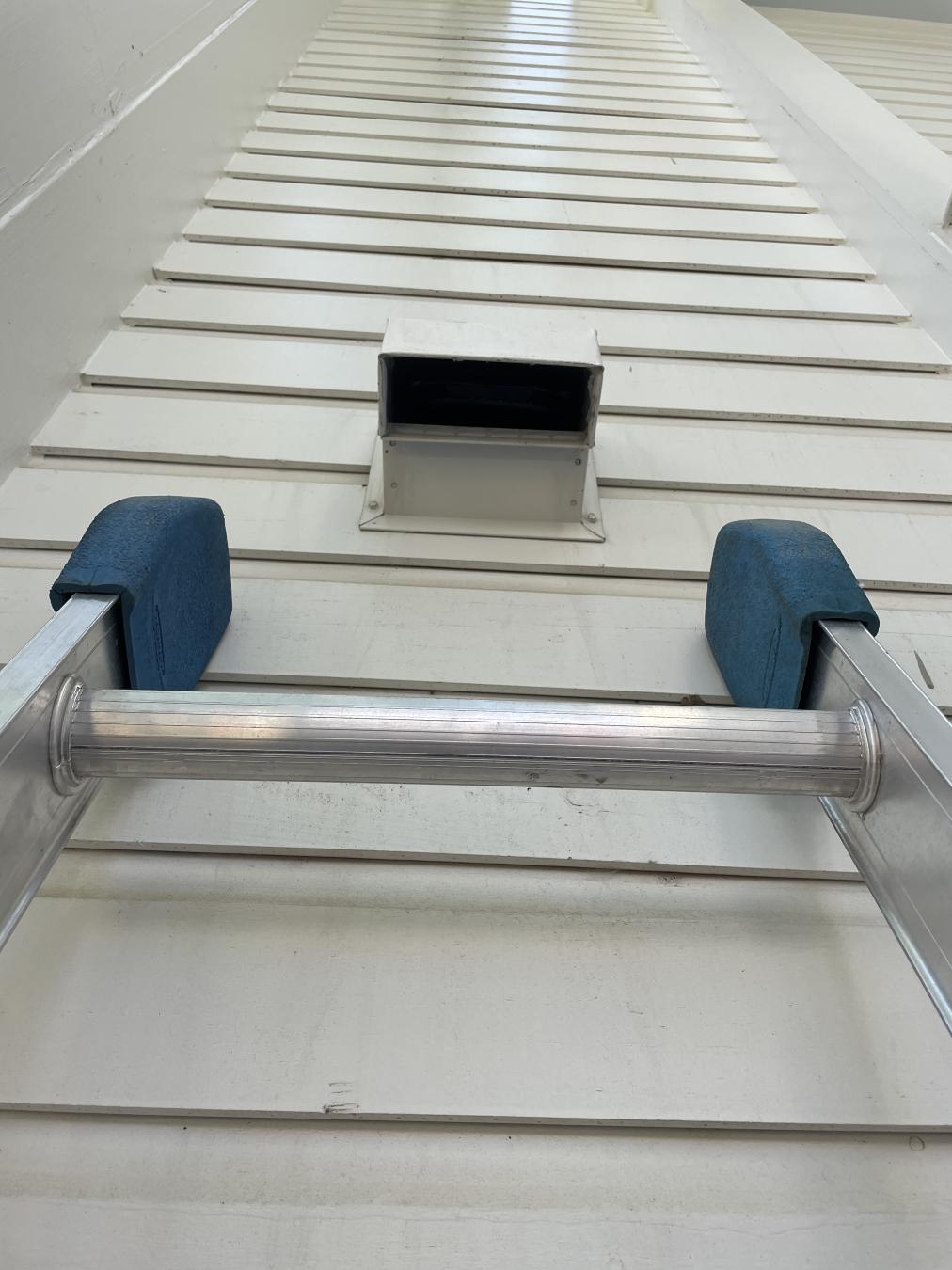
When an LG dryer began displaying the dreaded D80 error code at a home on Chalmers St in Charleston, the homeowner reached out to Valentine Vents for help. The C-DET certified specialist arrived to find a surprisingly short one-foot metal rigid vent run with no turns—but the wall vent cover told a different story. Its screen was completely blocked with lint, choking off nearly all airflow and triggering the error message. Initial readings showed just 300 FPM, a fraction of what the dryer needed to operate safely and efficiently. The specialist removed the problematic screen, allowing the backdraft flapper to function as intended, and thoroughly cleaned the system. A Valentine 360 Visibility camera inspection documented the work and revealed substandard flex foil on the transition duct. Following manufacturer guidelines that specifically prohibit flex foil, the specialist replaced it with DryerFlex—a premium semi-rigid product chosen for its superior performance and fire-retardant properties. The dryer itself received a complimentary delinting service to ensure optimal operation. The transformation was dramatic: airflow soared from 300 to 1,869 FPM. Photos captured throughout the process show exactly what was blocking this dryer's performance and how proper intervention restored both safety and efficiency.
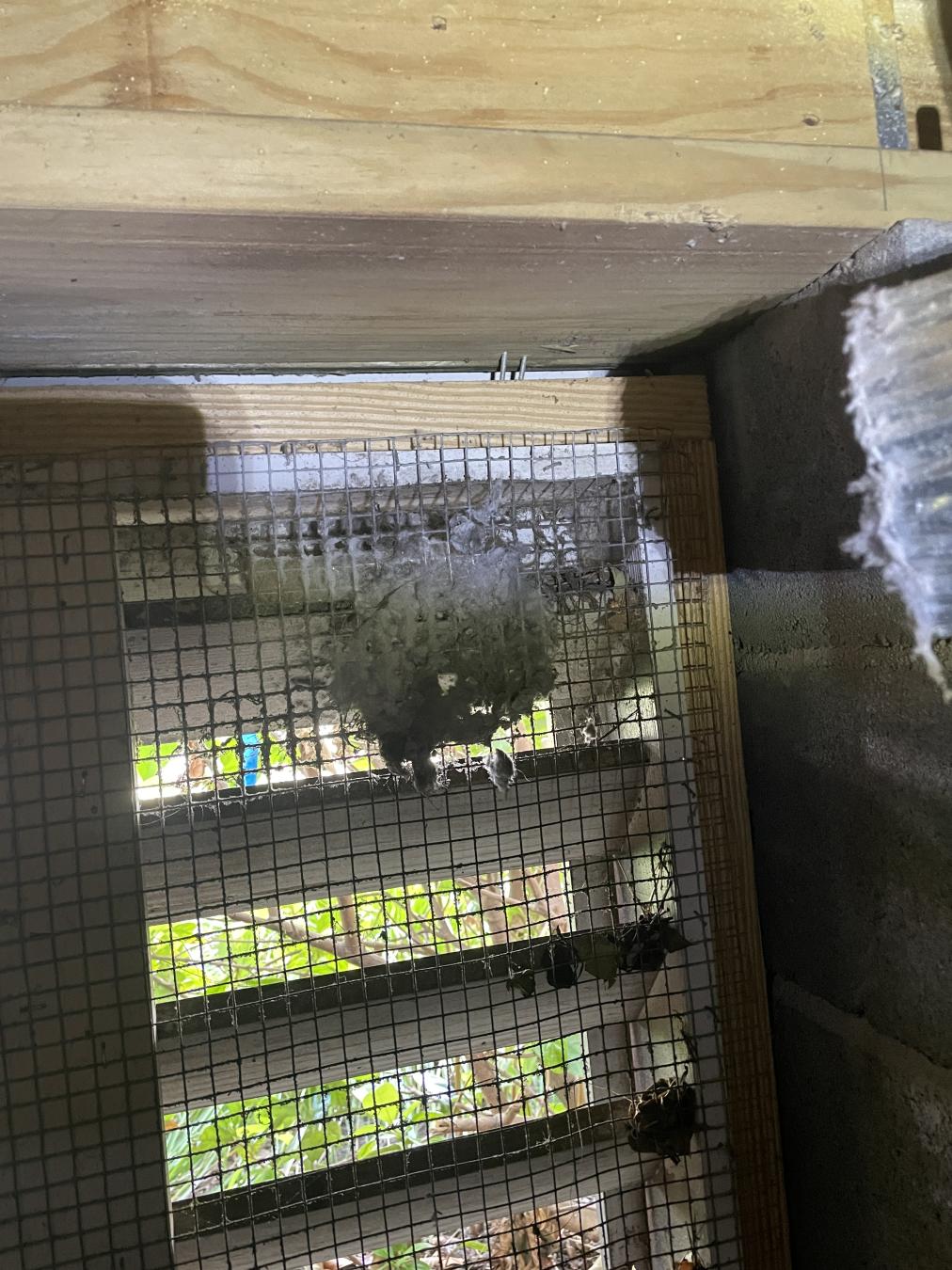
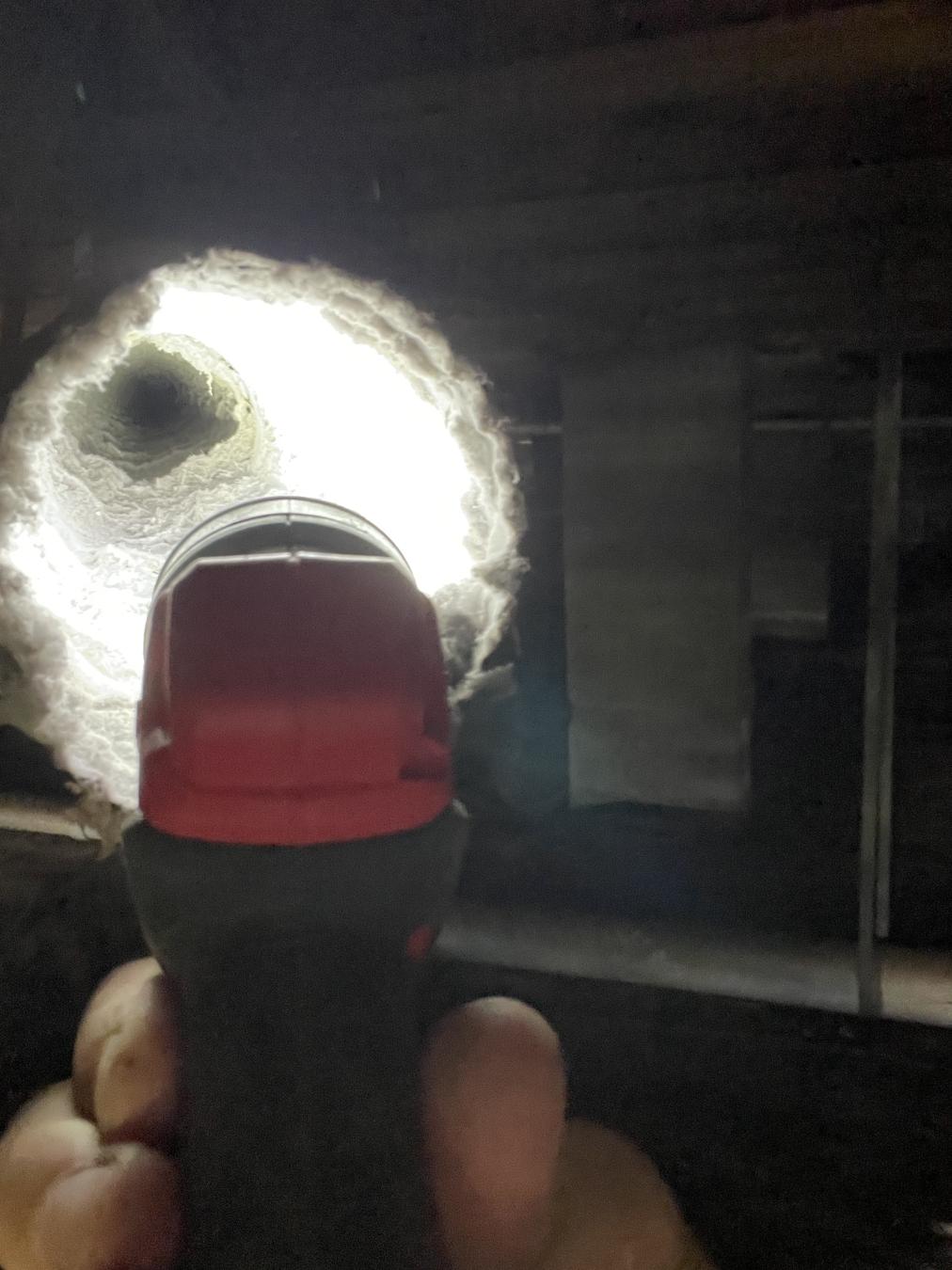
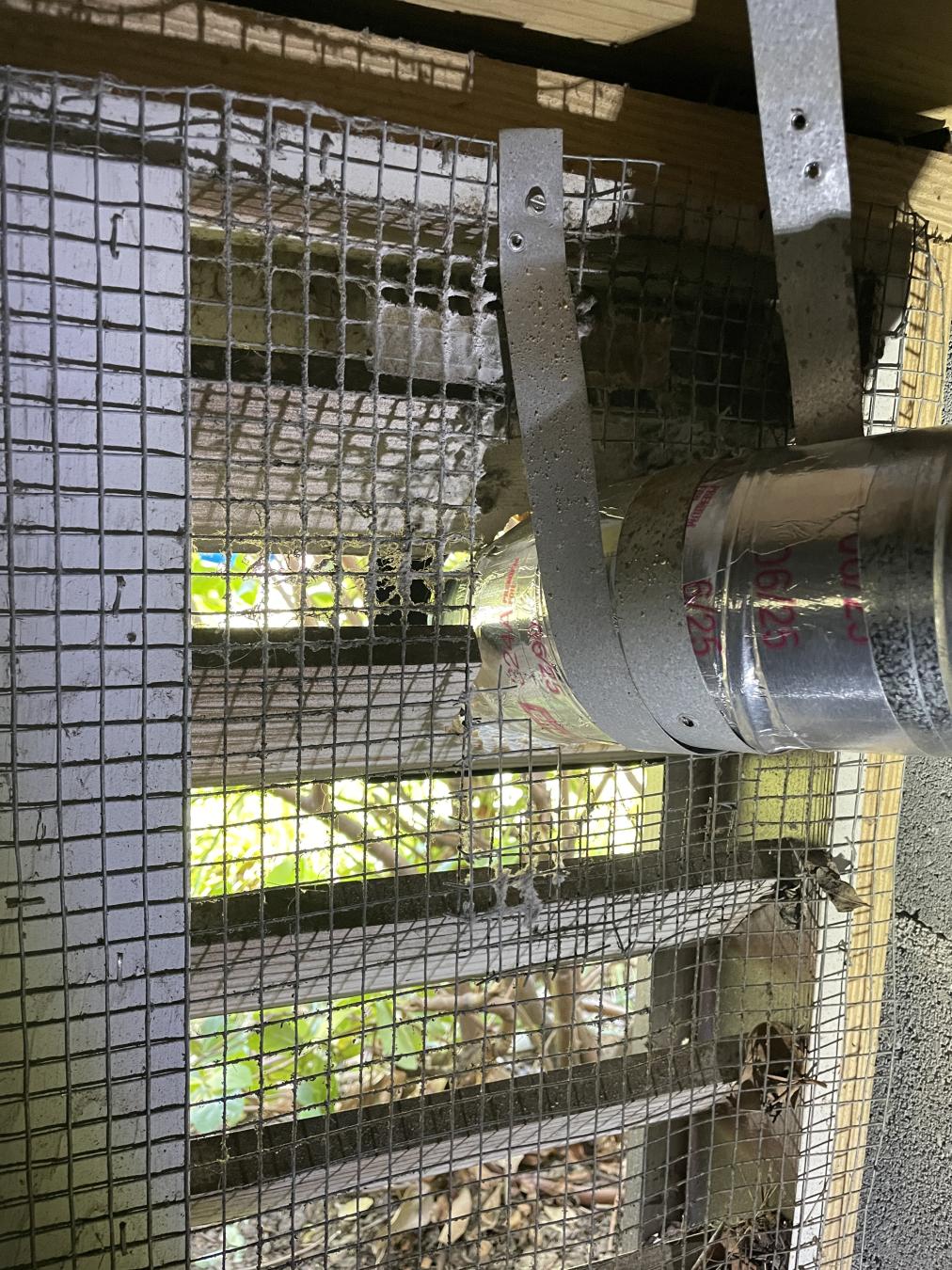
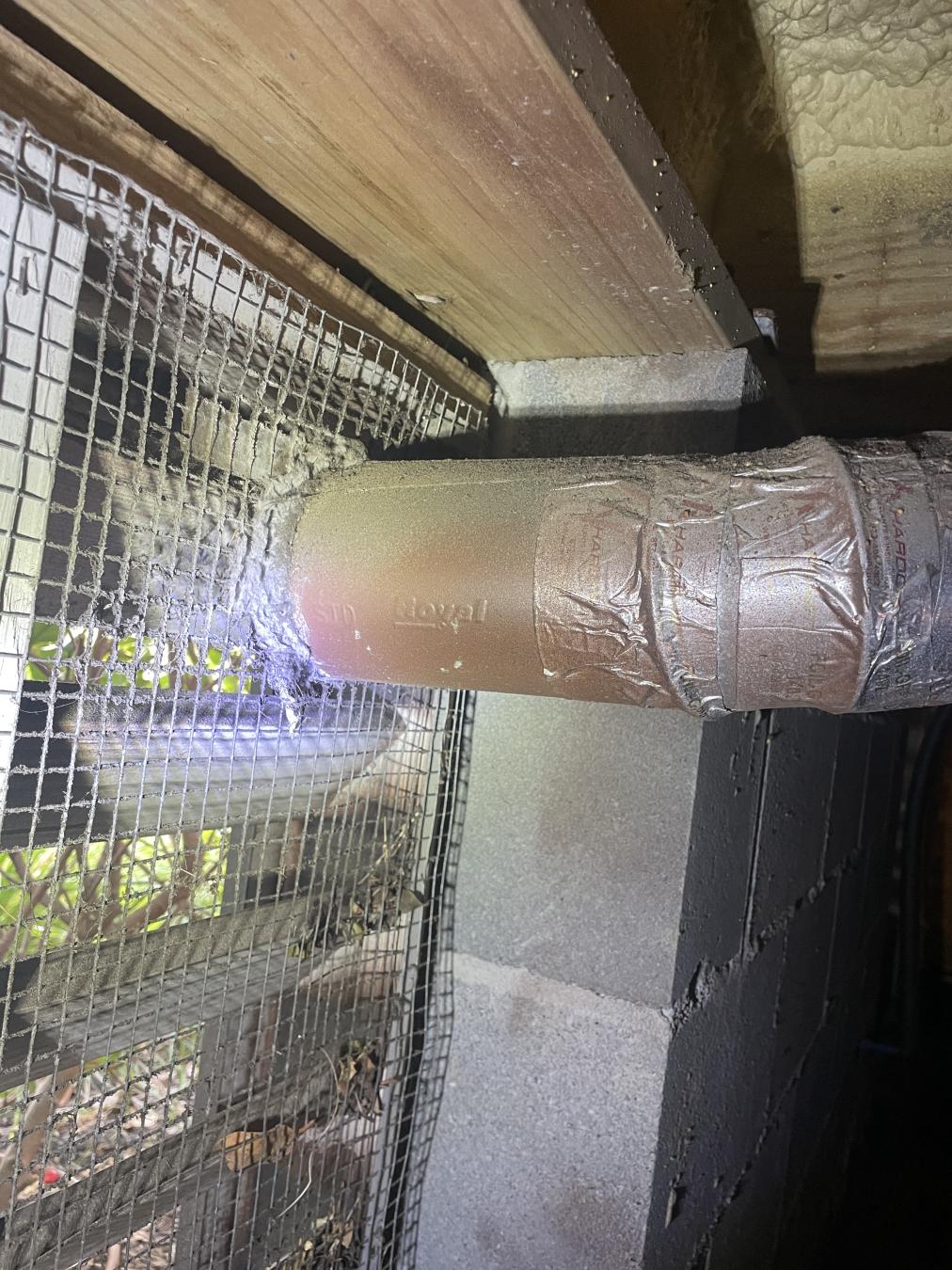
When two previous cleaners couldn't resolve a persistent D80 error code on Lesesne Street in Daniel Island, Valentine Vents was called in to diagnose what turned out to be a more complex issue than a simple blockage. The C-DET certified specialist discovered that the 12-foot metal rigid vent with two turns wasn't actually venting outside at all—instead, it terminated inside the crawlspace against a screened louvered panel that had become completely clogged with lint. Without a proper exterior termination, the dryer had no chance of functioning correctly. The solution required extending the vent line through the exterior wall and installing a steel powder-coated wall vent cover to ensure proper outdoor exhaust. During the service, the substandard flex foil transition was replaced with DryerFlex, a premium semi-rigid product chosen for its superior performance and fire-retardant properties—particularly important since dryer manufacturers specifically warn against flex foil in their owner's manuals. The specialist also performed a Valentine 360 Visibility camera inspection and verified the dryer cabinet was clean. Final airflow measured an excellent 1,239 FPM, transforming a frustrating recurring problem into a properly functioning system that will serve this home safely for years to come.
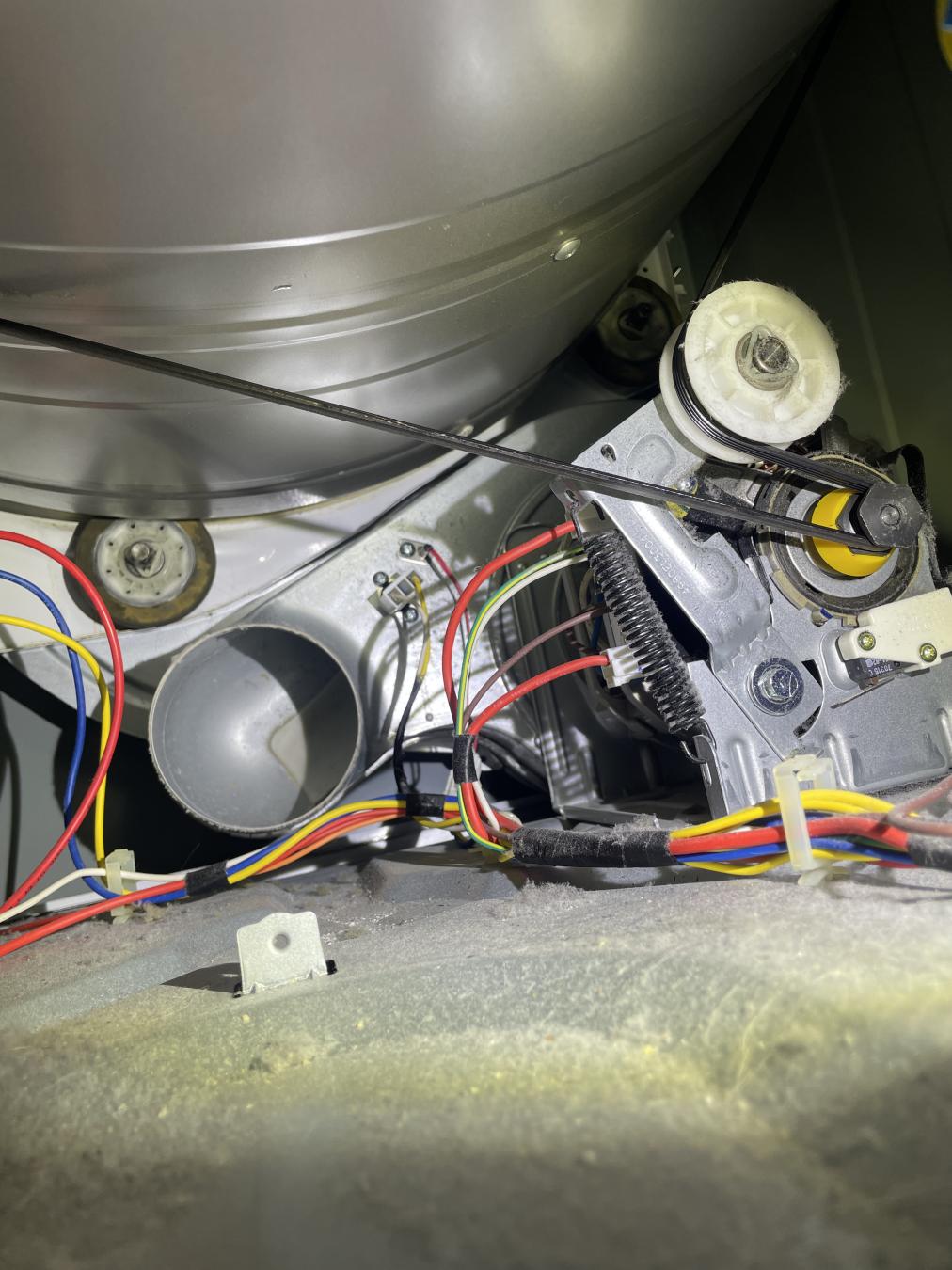
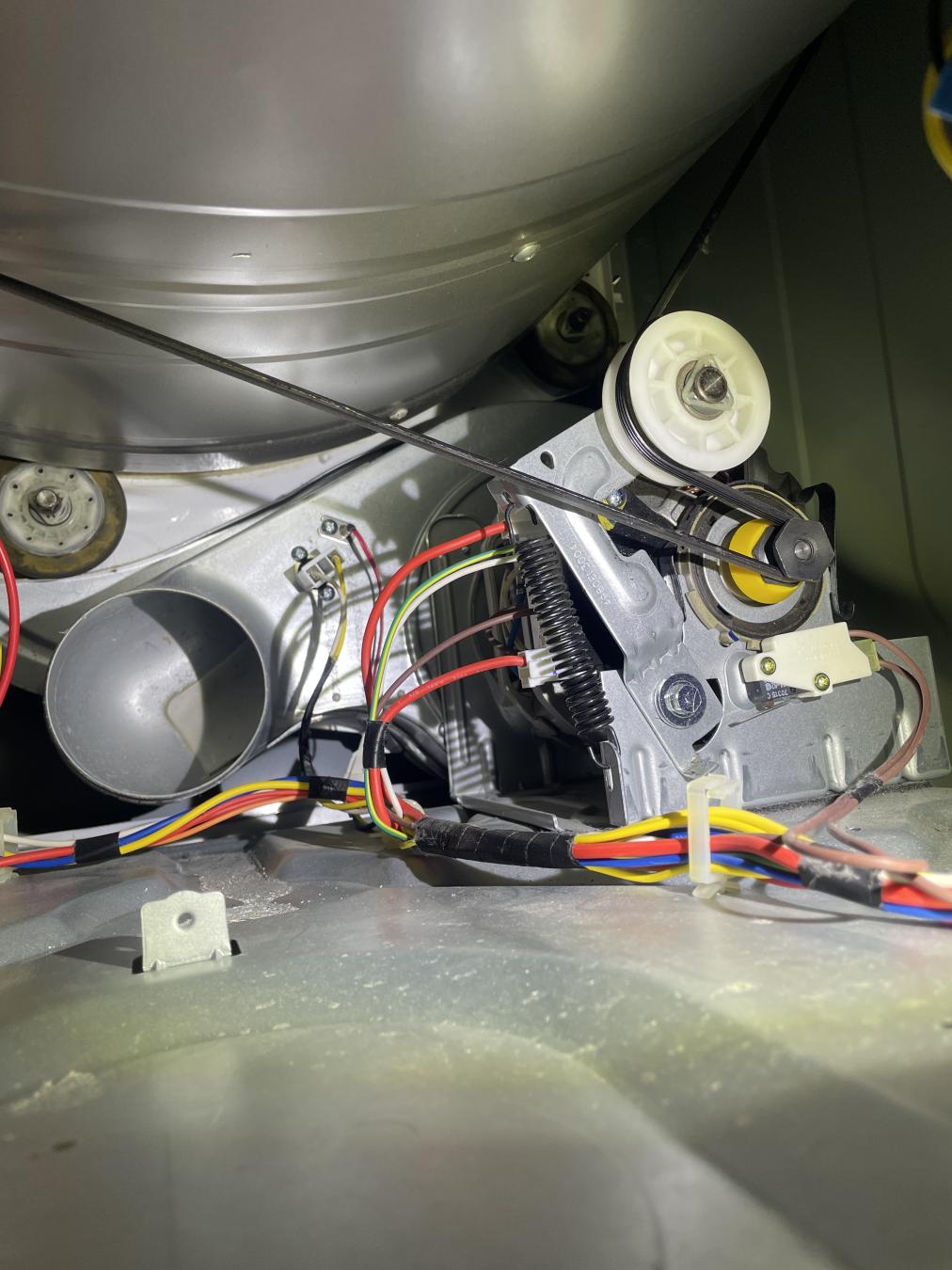
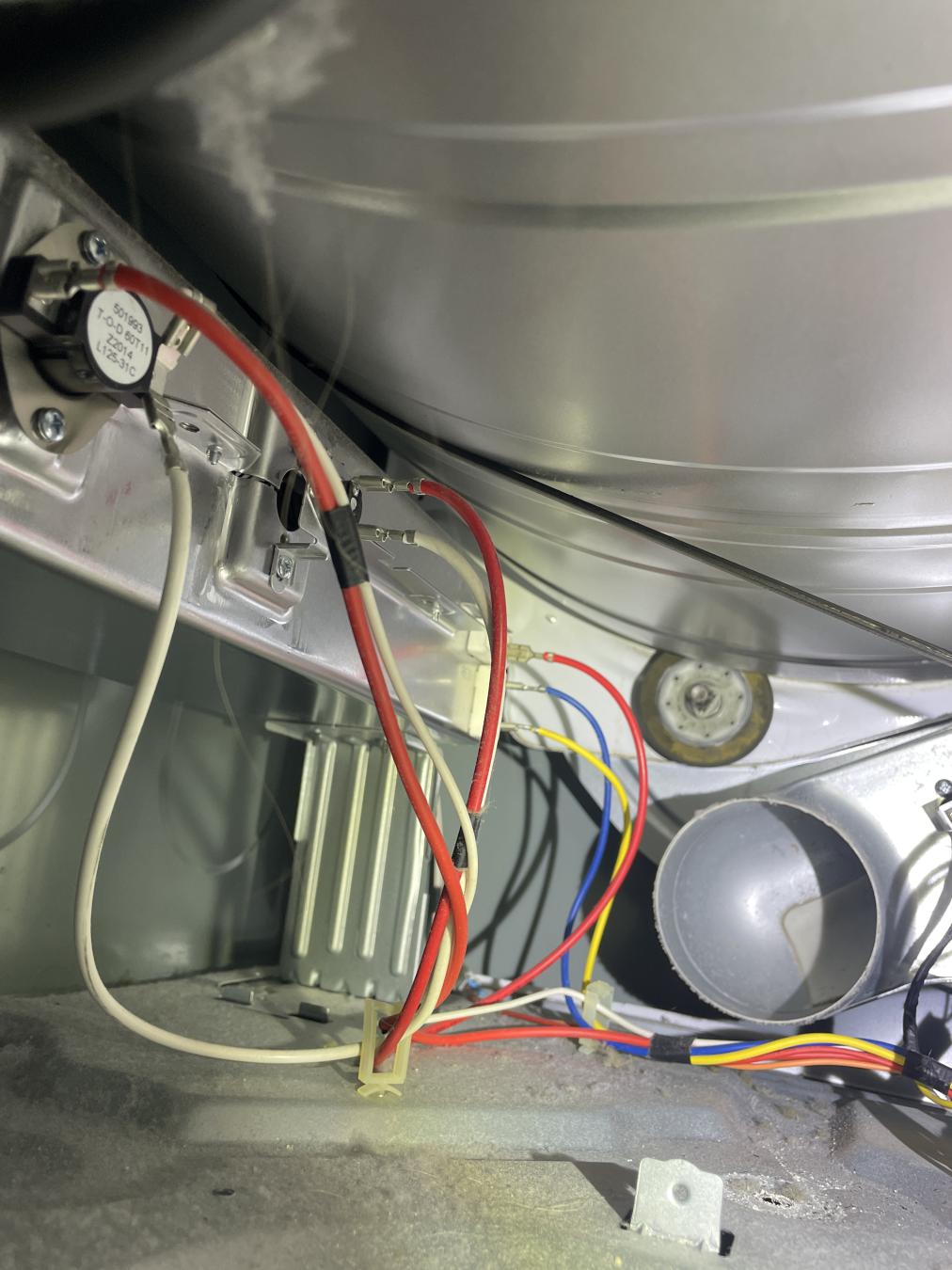
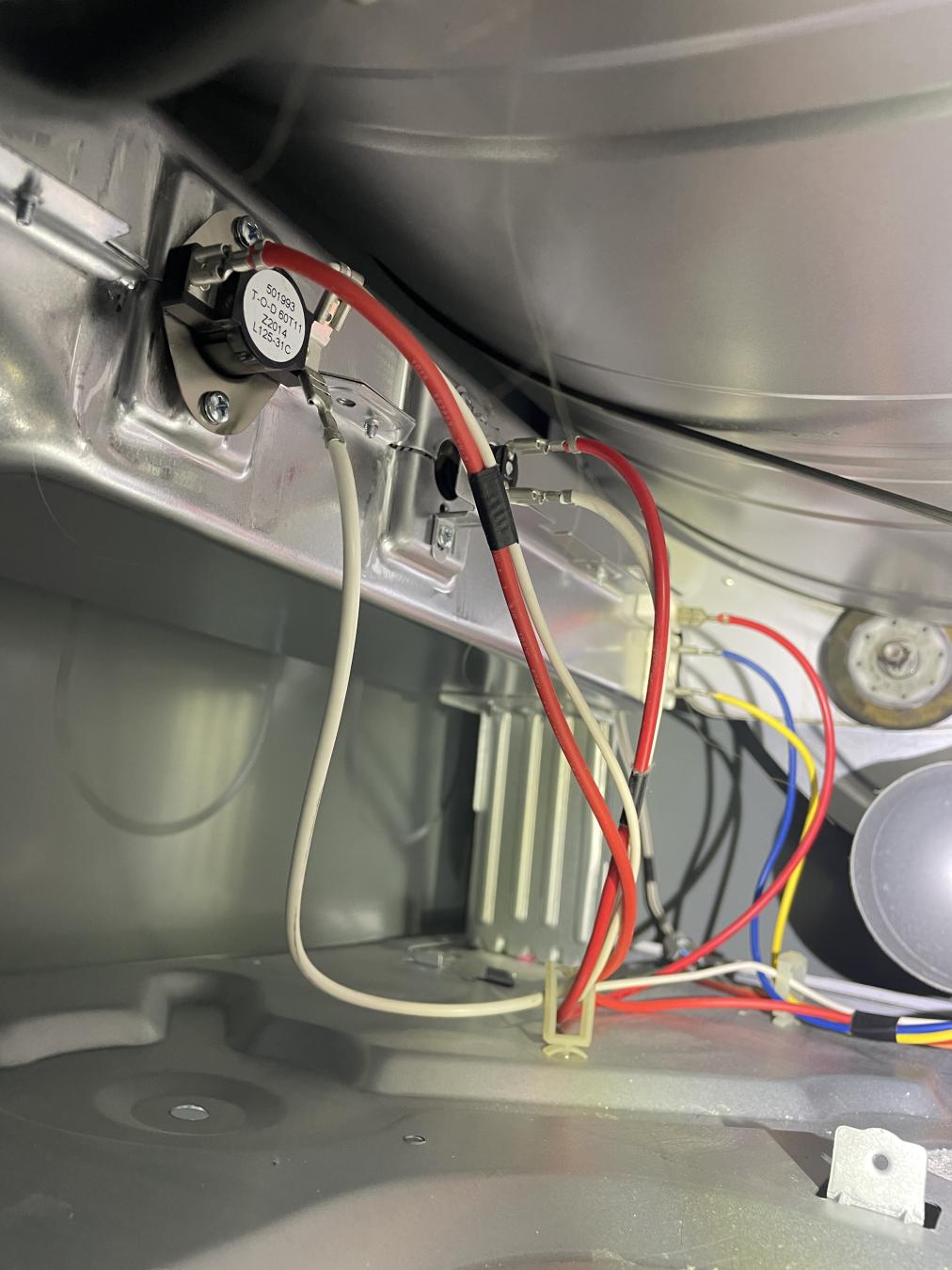
When an LG dryer flashed the D80 error code at a home on Willtown St in Daniel Island, the homeowner knew it was time for professional intervention. With no record of previous cleaning, the system had been operating on borrowed time. Valentine Vents dispatched a C-DET certified specialist to assess and resolve the buildup problem affecting the 18-foot metal rigid vent line. The initial back pressure reading of 0.70"WC confirmed significant restriction, and a Valentine 360 Visibility camera inspection revealed heavy lint accumulation at the wall vent cover—positioned too high to access externally. Working from inside the home, the specialist methodically ran specialized brushes through the entire 18-foot run, pushing past the single turn and clearing the blockage at the termination point. The team also replaced the substandard flex foil transition duct with DryerFlex, a premium semi-rigid material chosen for its superior airflow and fire-retardant properties that meets manufacturer specifications. As dryer manufacturers explicitly warn against flex foil in their owner's manuals, this upgrade was essential. The results spoke clearly: back pressure dropped to 0.40"WC, restoring proper function and eliminating the error code. This thorough service returned safe, efficient operation to the home.
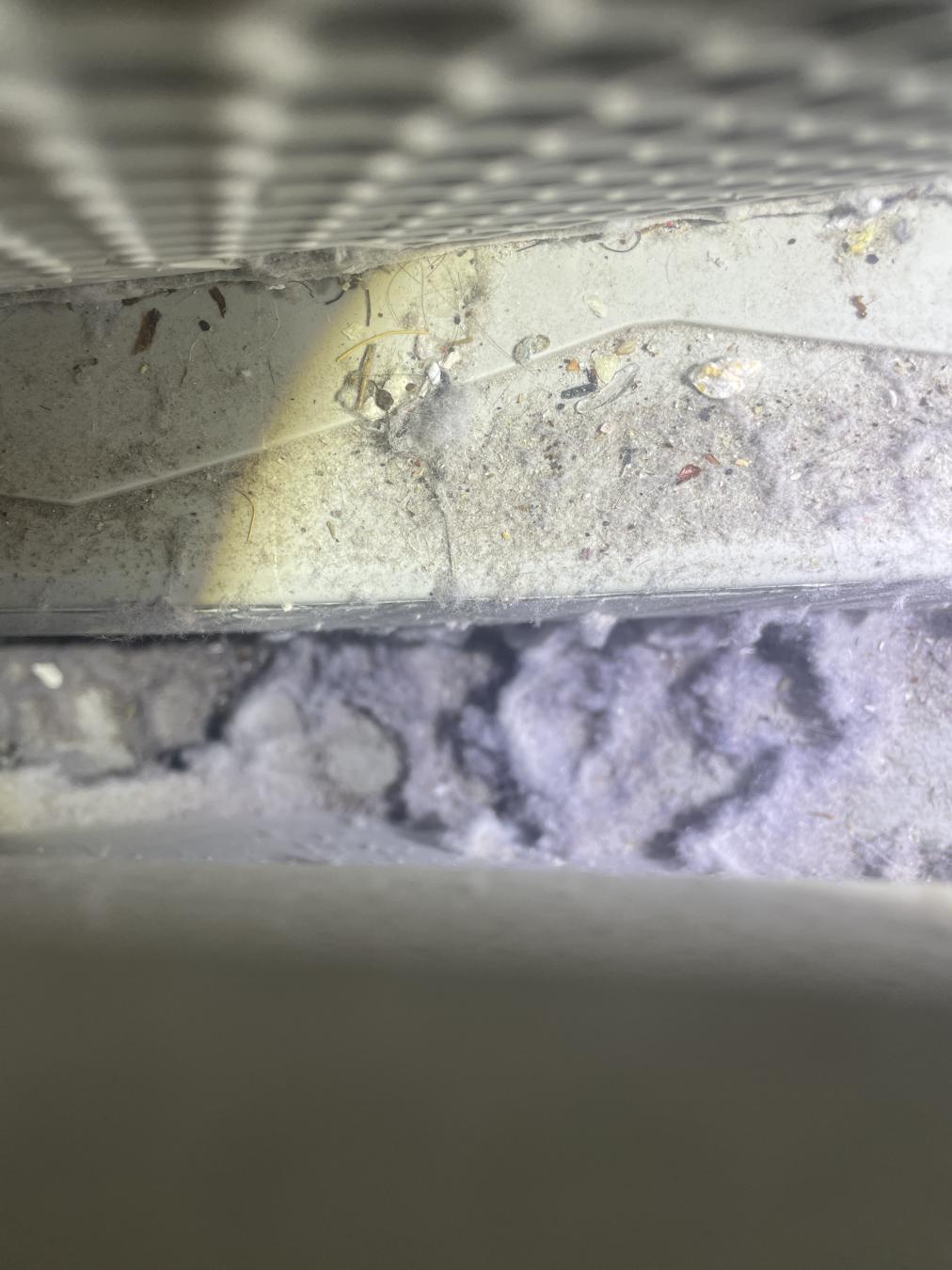
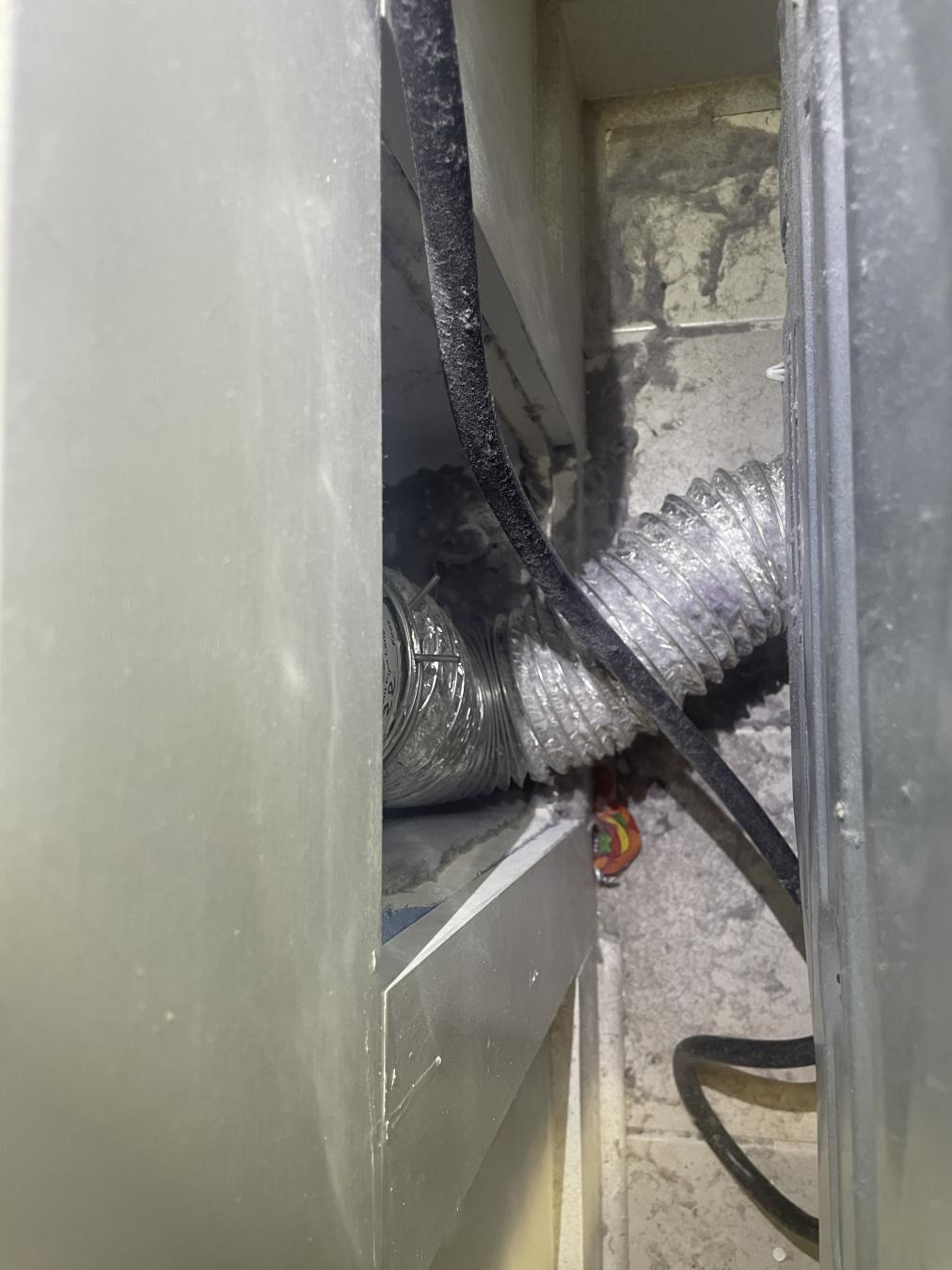
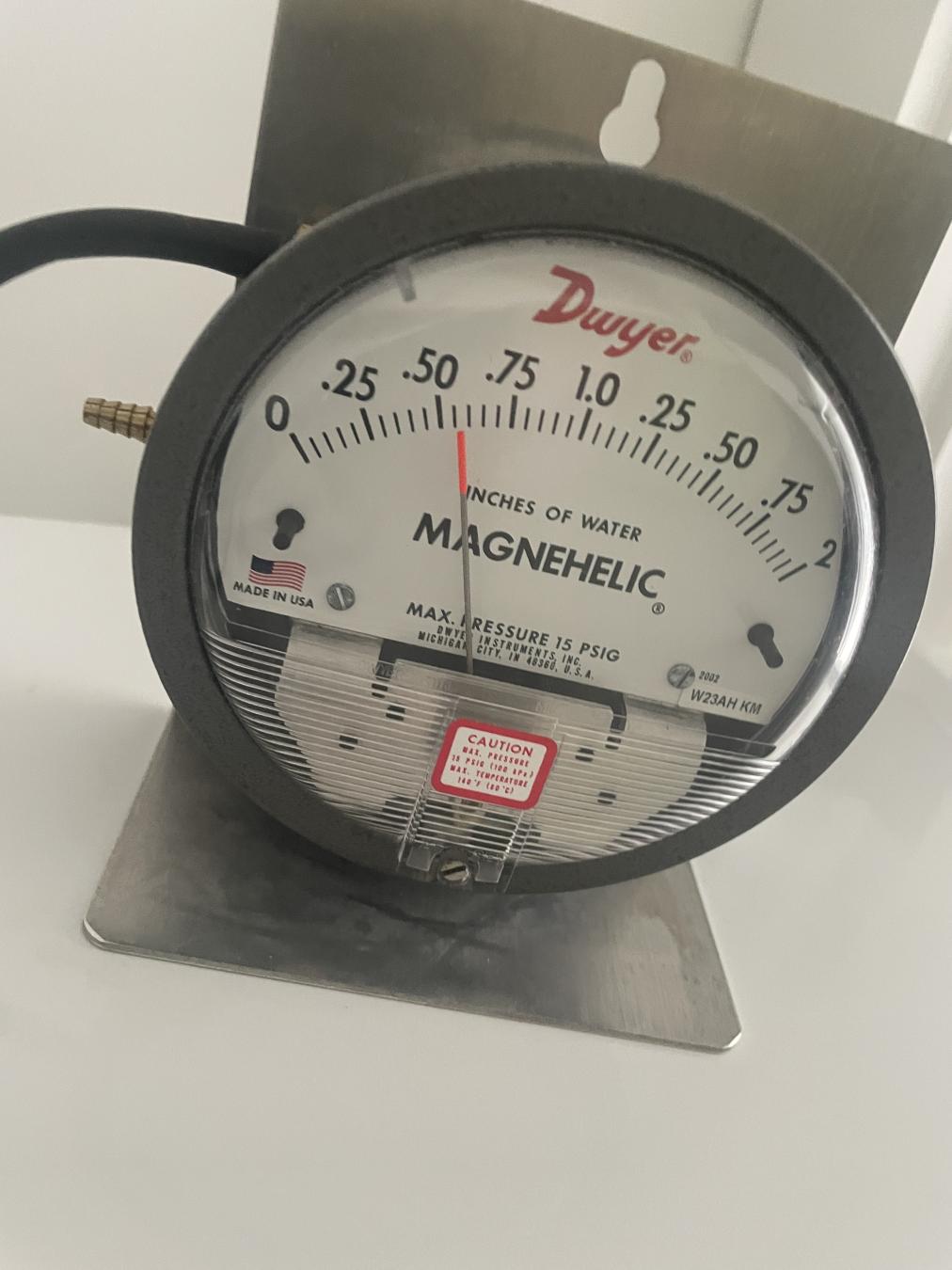
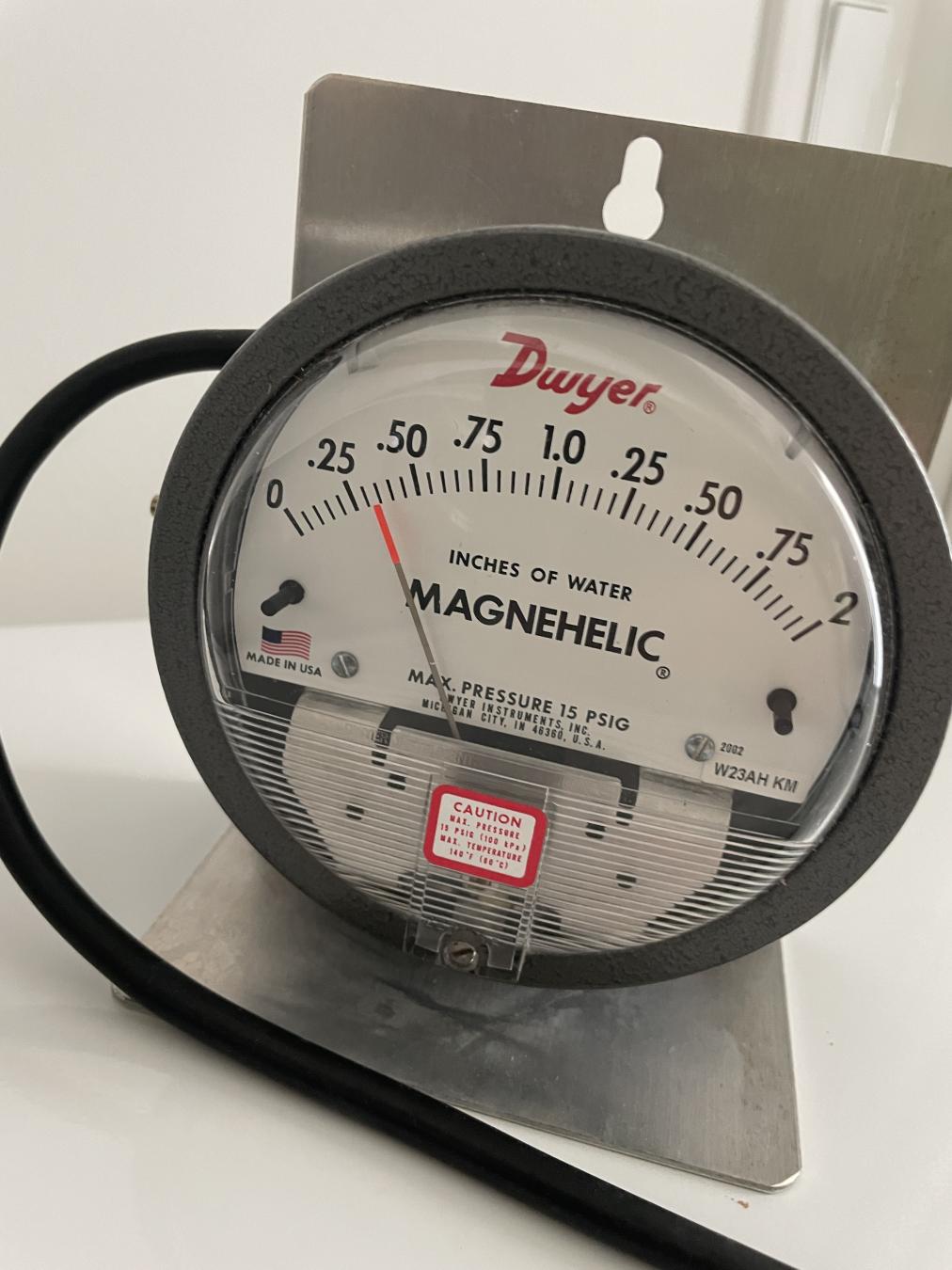
When a homeowner on S Rhett Ave in North Charleston noticed their laundry taking longer and longer to dry, they reached out to Valentine Vents for professional assistance. The C-DET certified specialist arrived to find an 18-foot metal rigid vent system with a single turn, terminating at a roof vent cover—but the transition duct connecting the dryer was outdated flex foil material. This substandard material is specifically cautioned against in dryer manufacturer owner's manuals due to its restrictive nature and fire hazard potential. The specialist replaced the flex foil with DryerFlex, a premium semi-rigid product chosen for its superior performance and fire-retardant properties, then ran brushes through the entire vent system all the way to the roof termination. Back pressure readings showed marked improvement, dropping from 0.60"WC to 0.35"WC. A complimentary delinting of the dryer itself was also performed, and photos documented the work. However, the dryer still wasn't heating properly. With attic access blocked by spray foam insulation over the vent line, the specialist recommended calling an appliance repair technician to address what appeared to be a heating element issue rather than a venting problem—ensuring the homeowner had the right solution moving forward.
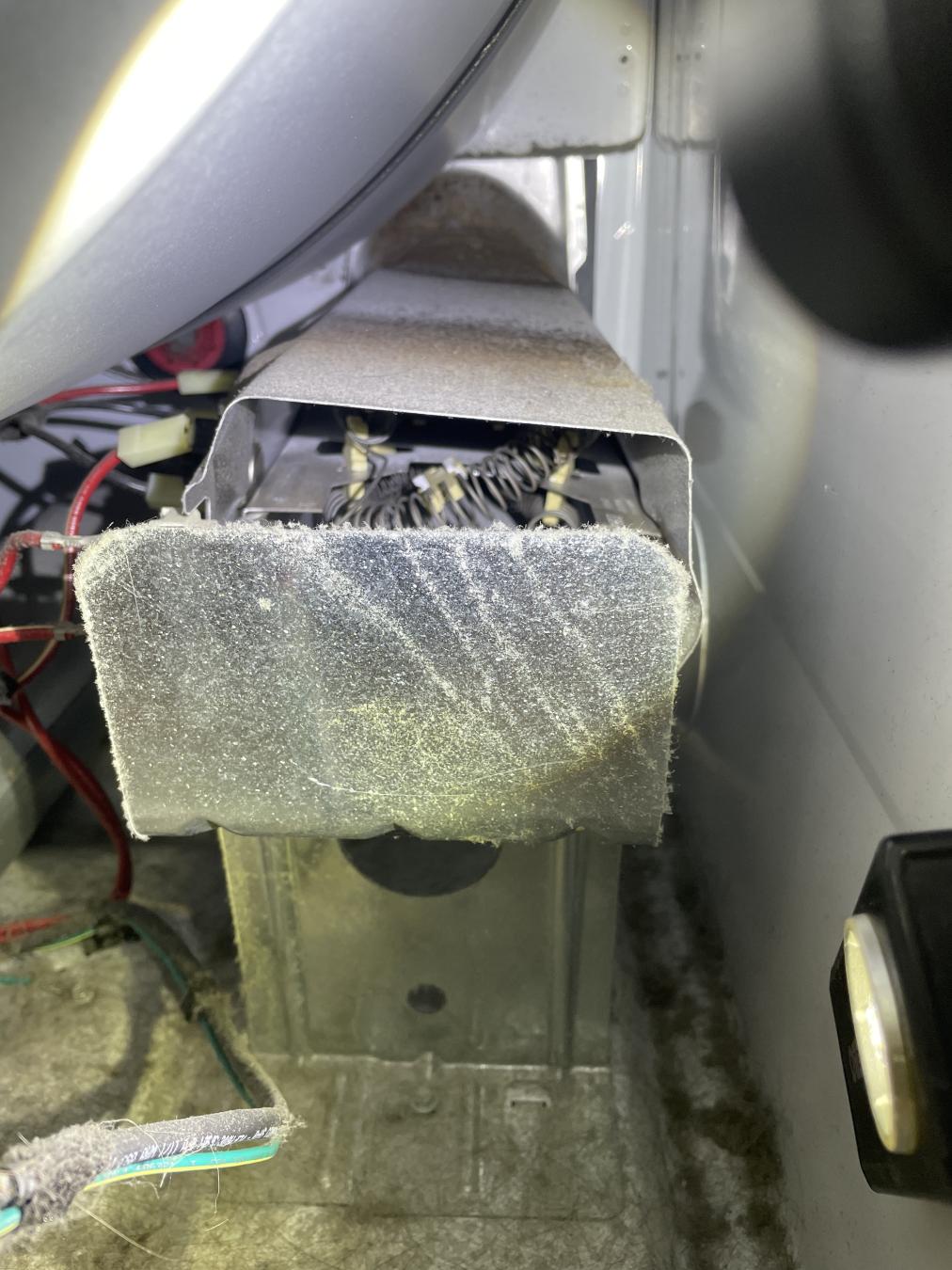
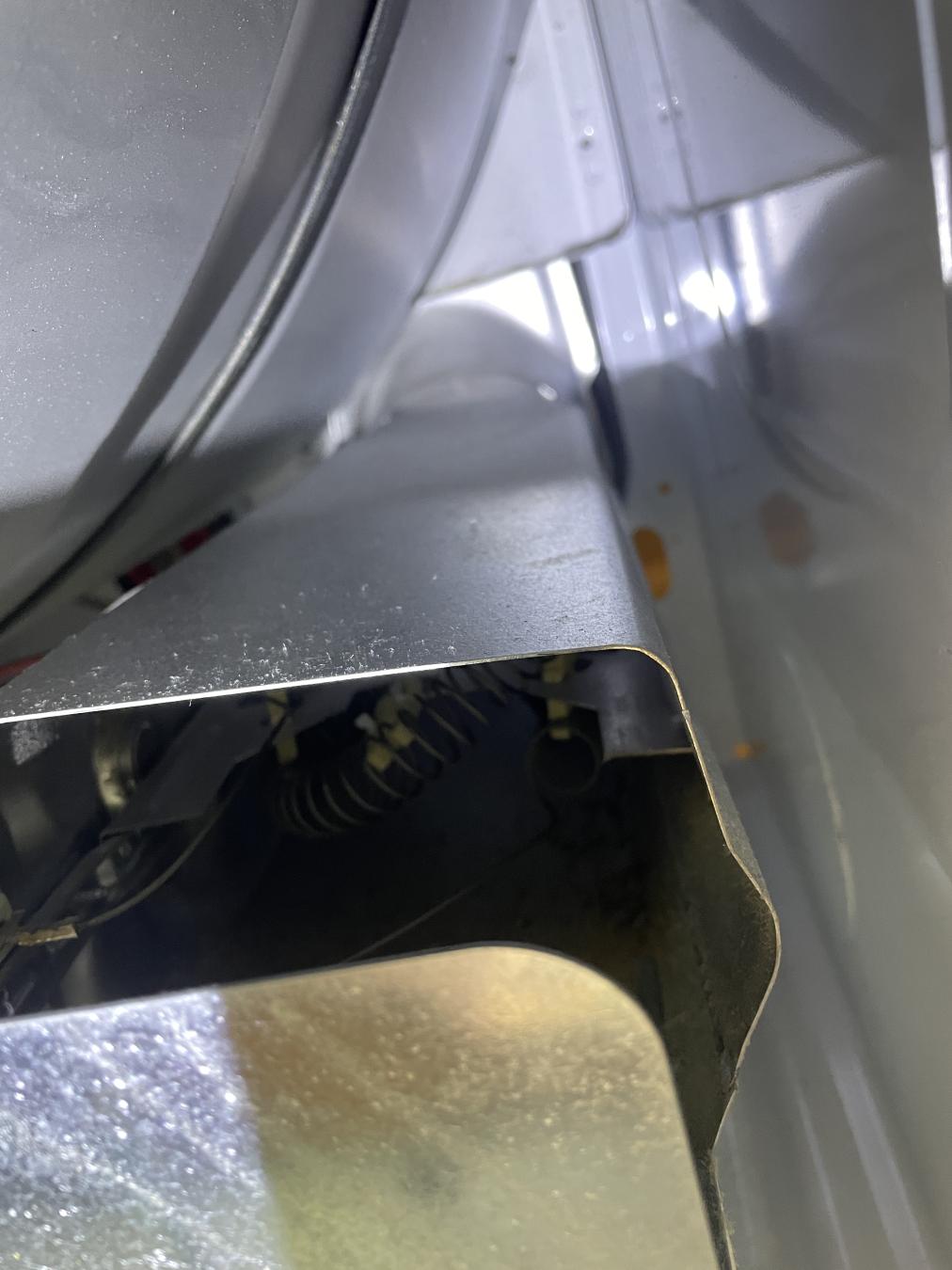
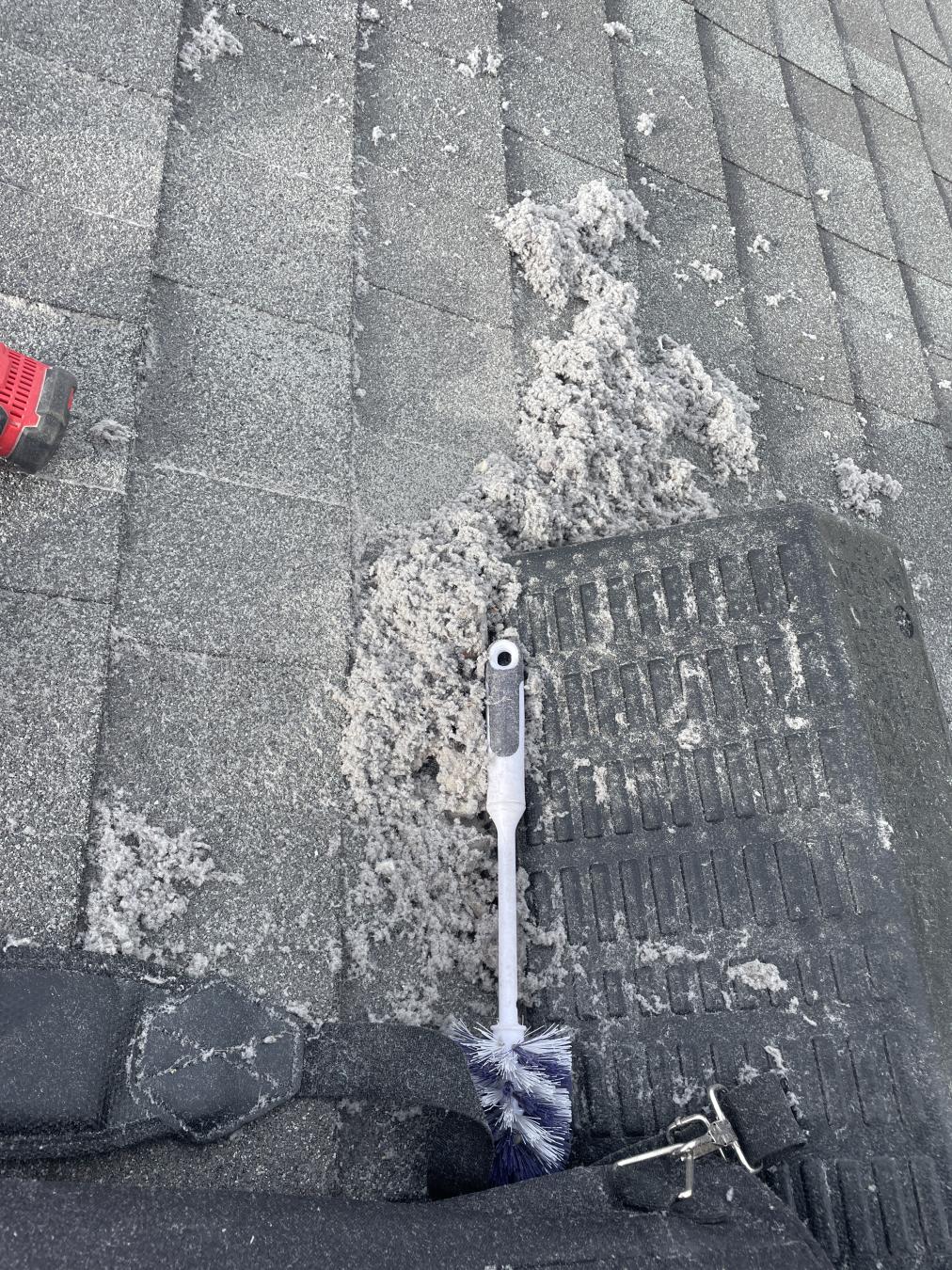
After more than three years without service, a North Charleston home on Tall Fern Ct was overdue for professional attention. The 17-foot metal rigid vent system ran straight to a roof termination—an ideal configuration—but had accumulated significant lint throughout both the vent line and dryer cavity. Valentine Vents dispatched a C-DET certified specialist to restore the system to proper working order. Initial airflow measured 1,200 FPM, well below optimal performance levels. A thorough cleaning removed substantial buildup, while the Valentine 360 Visibility camera inspection documented conditions and confirmed complete clearance. The specialist also addressed a substandard flex foil transition duct, replacing it with DryerFlex—a premium semi-rigid product specifically chosen for its superior airflow characteristics and fire-retardant properties. Dryer manufacturers explicitly warn against flex foil in their owner's manuals, making this upgrade essential for safety. Post-service airflow jumped to 1,830 FPM, a dramatic improvement that will reduce drying time and energy costs. While the dryer ran louder than typical units, it maintained strong temperature output and now operates with unrestricted exhaust flow, giving this North Charleston family the efficiency and fire safety protection every home deserves.
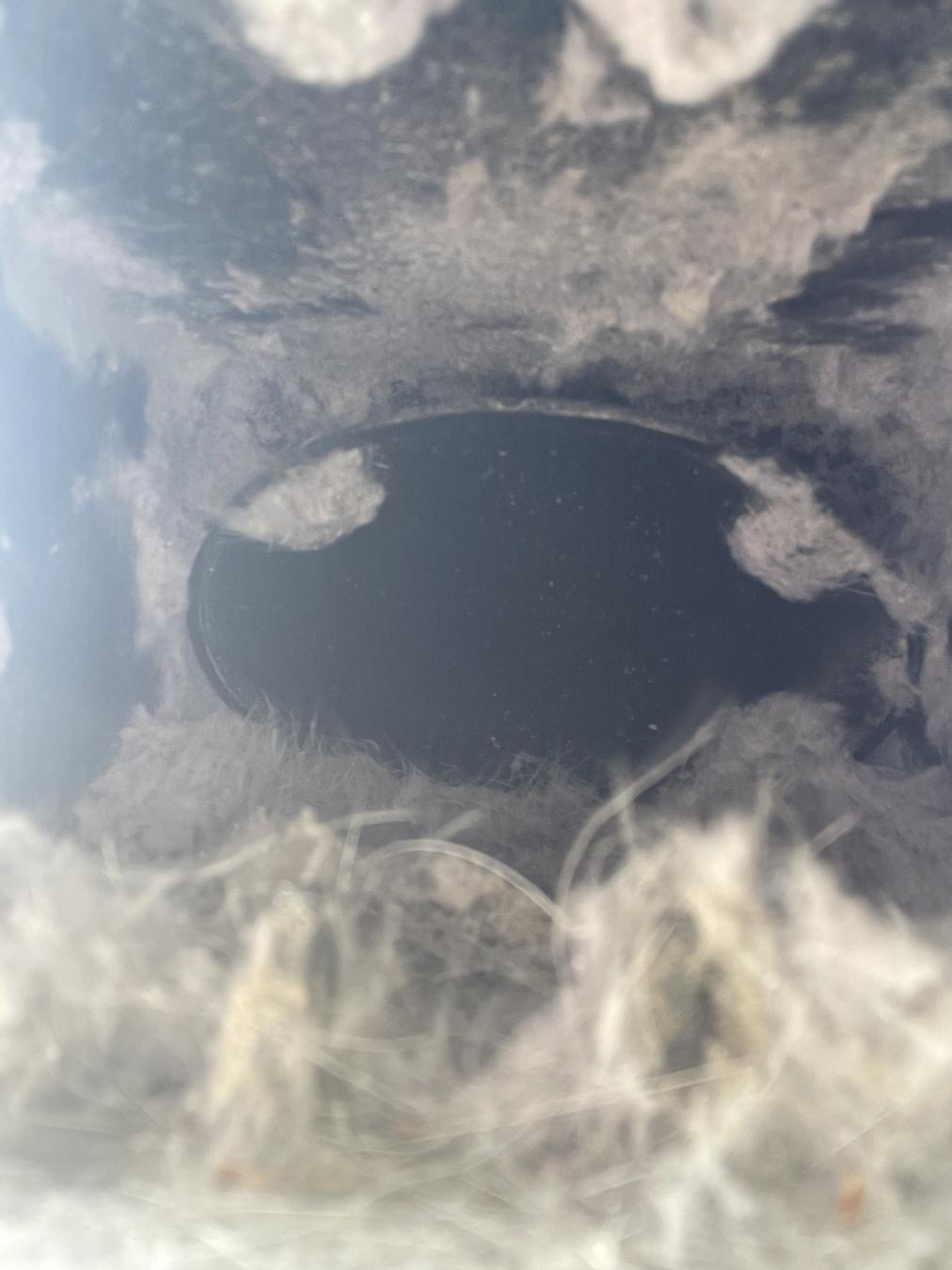
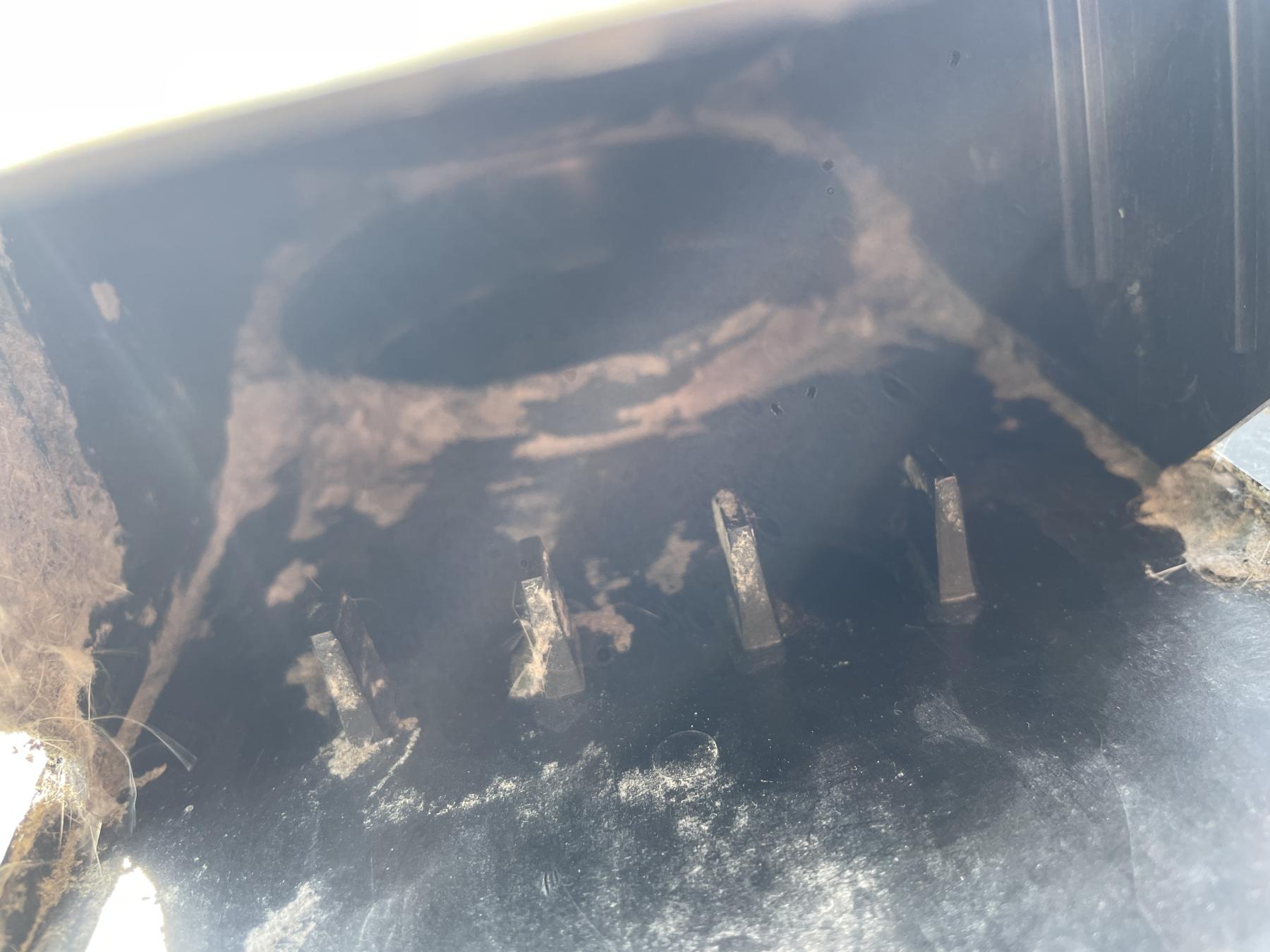
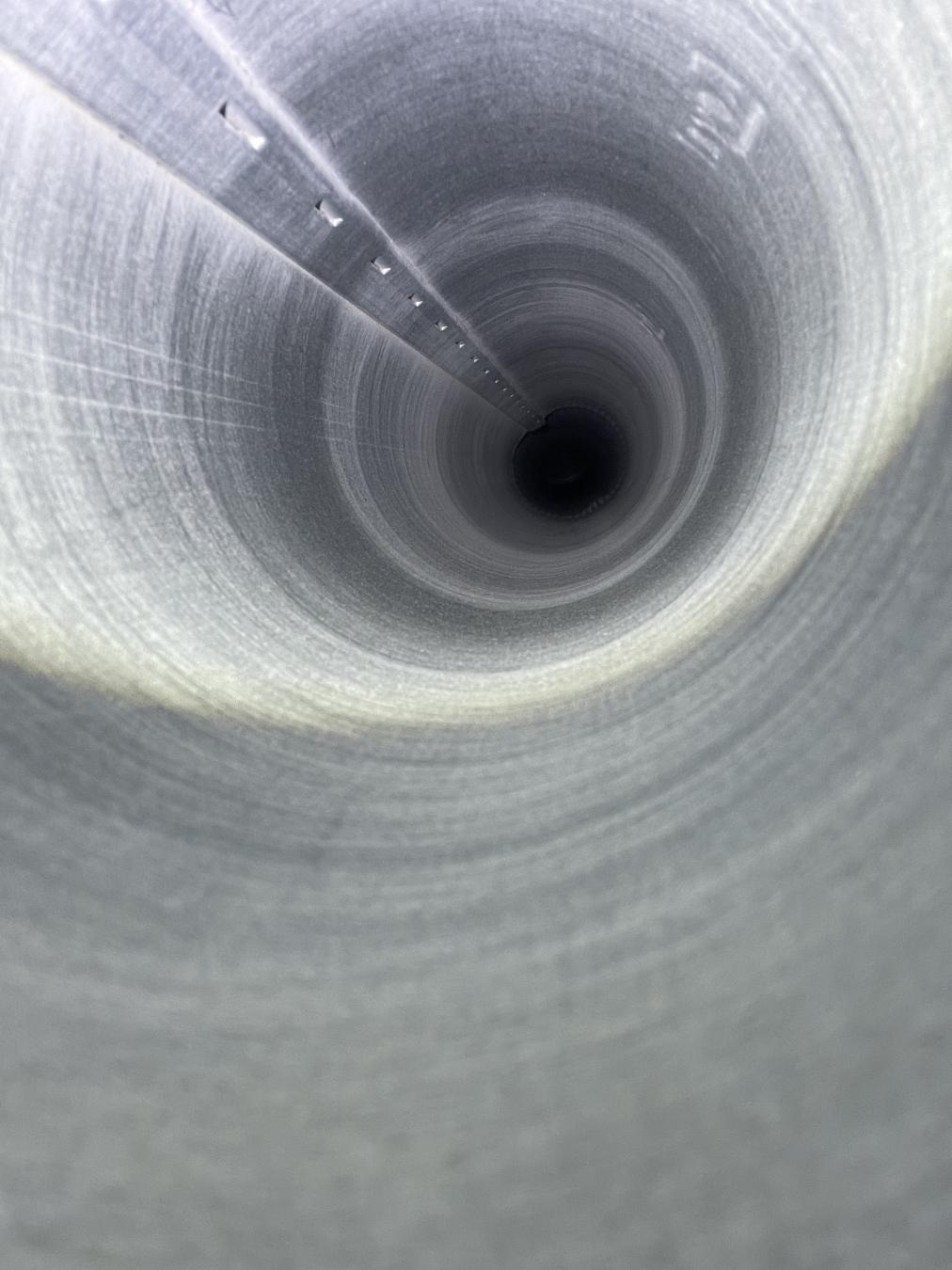
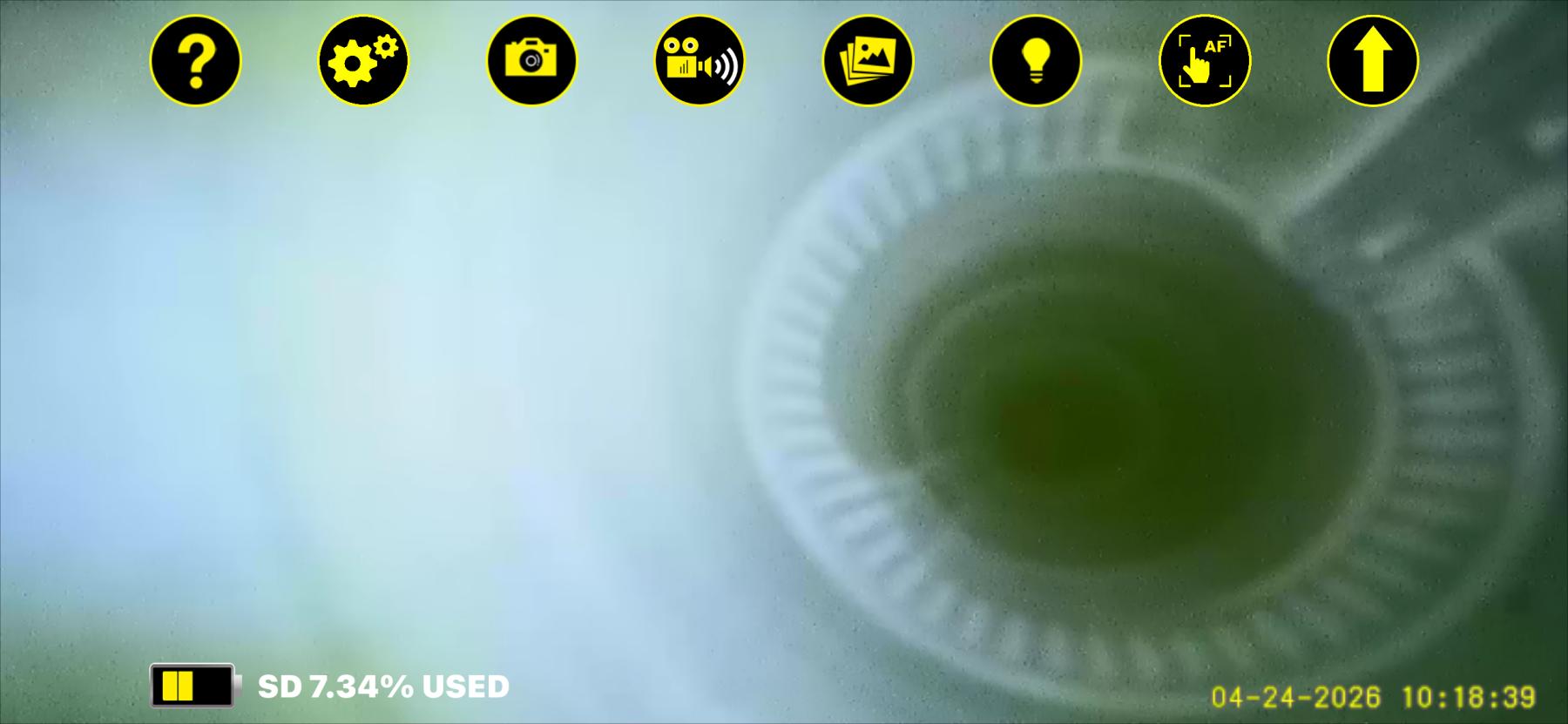
When a Charleston home hasn't had professional dryer vent attention in over three years, the accumulation can be surprising—especially in a pet-friendly household. At this Byrd Garden Road residence, the C-DET certified specialist from Valentine Vents discovered the 27-foot metal rigid vent system was heavily laden with dog hair throughout its length and three turns, though the dryer interior remained relatively clear. The real concern, however, was the substandard flex foil transition duct, which dryer manufacturers explicitly warn against in their owner's manuals. The specialist replaced it with DryerFlex, a premium semi-rigid product valued for its superior performance and fire-retardant properties. A thorough Valentine 360 Visibility camera inspection documented the entire system, including the dryer cabinet where fires start. A simple adjustment of the legs ensured the appliance was properly balanced. Photos captured throughout the service revealed the dramatic transformation. Airflow measurements told the success story: the system improved from 2,046 FPM before service to 2,145 FPM after, even with a roof termination that can sometimes present challenges. With proper materials now in place and the vent line thoroughly cleared, this Charleston home enjoys both improved efficiency and significantly reduced fire risk.
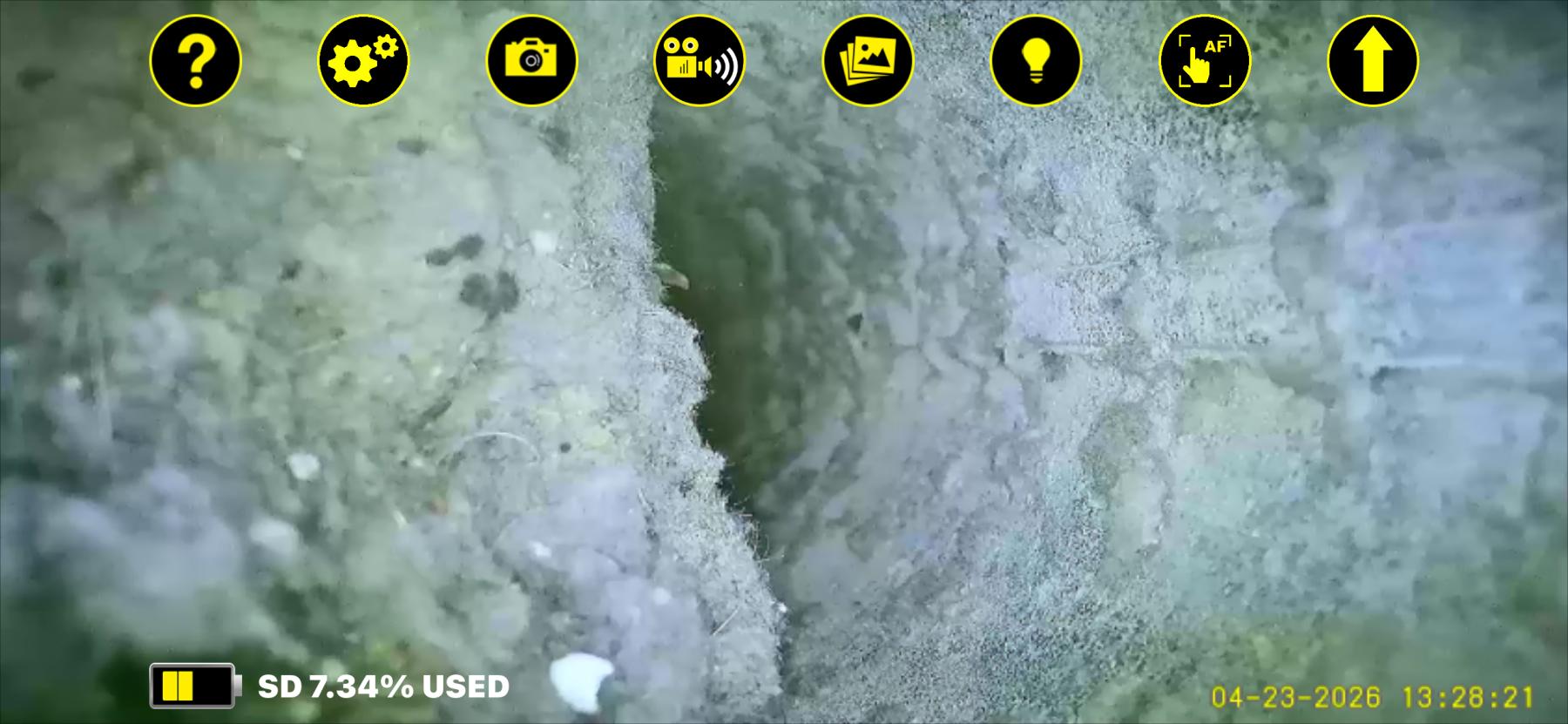
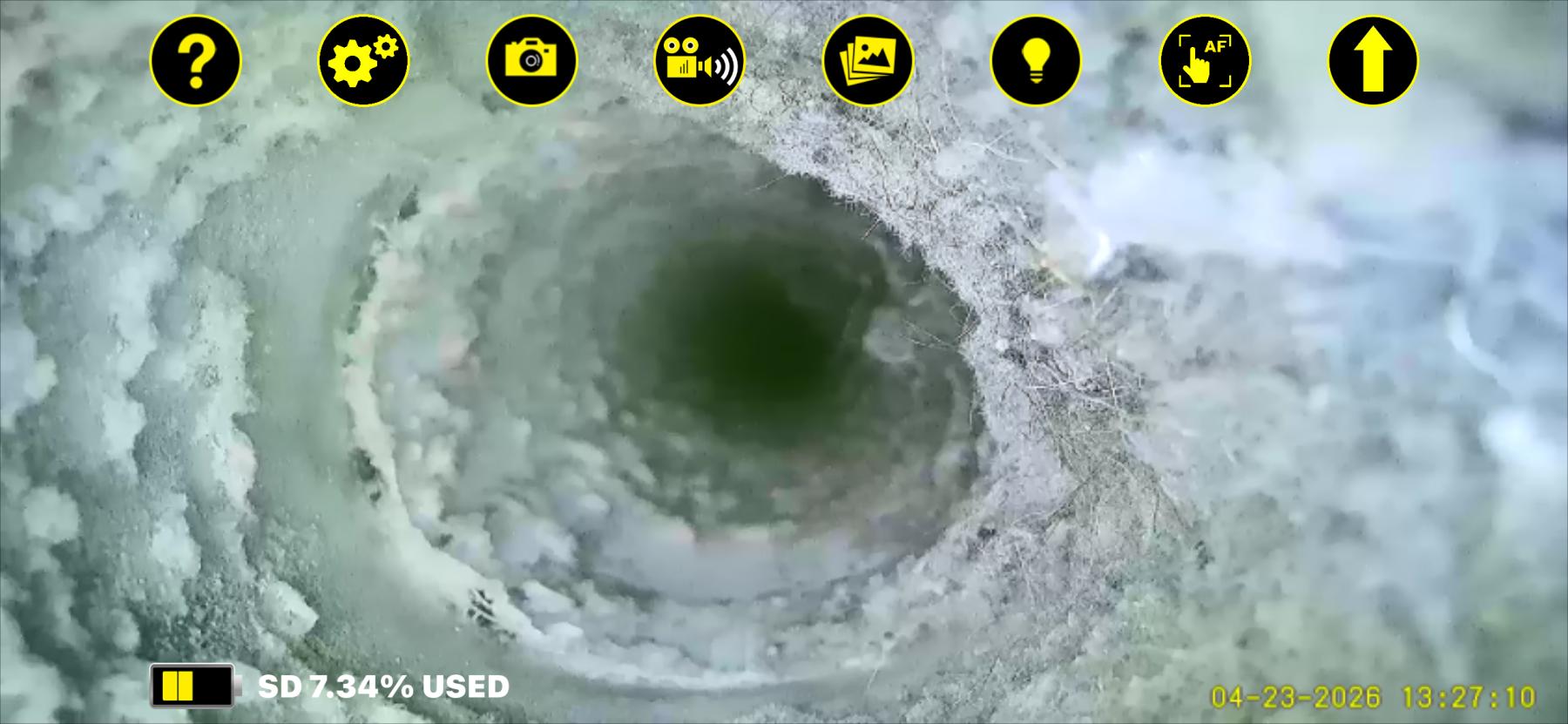

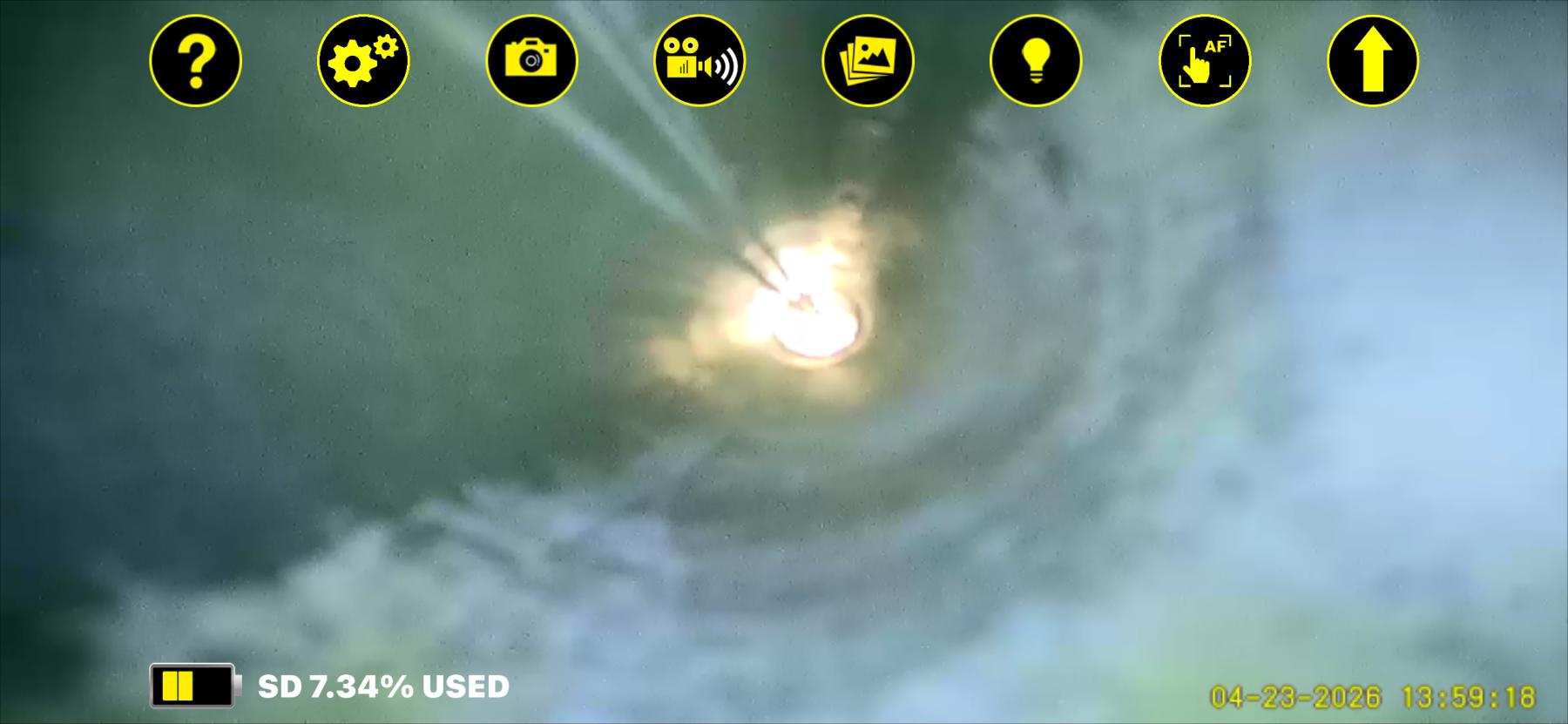
When a nearly new dryer takes too long to complete cycles, the vent system is often the culprit. That was precisely the situation at this Summerville home on Garrison St, where Valentine Vents discovered substantial lint accumulation despite the appliance being less than a year old. The C-DET certified specialist measured airflow at just 1,121 FPM—suboptimal for a newer unit—and set to work on the 15-foot metal rigid vent with one turn. During the inspection, the specialist identified flex foil connecting the dryer to the wall vent—a substandard material explicitly discouraged in manufacturer owner's manuals due to fire risk. This was promptly replaced with DryerFlex, a premium semi-rigid transition duct selected for its superior airflow performance and fire-retardant properties. The Valentine 360 Visibility camera inspection confirmed heavy lint deposits throughout the run, which the specialist thoroughly extracted before delinting the dryer itself. Post-cleaning measurements told the success story: airflow jumped to 1,712 FPM, a dramatic improvement that will restore normal drying times. Photos captured throughout the process documented both the concerning buildup and the complete restoration of this critical home safety system.